What to Fish for During Virginia Free Fishing Days
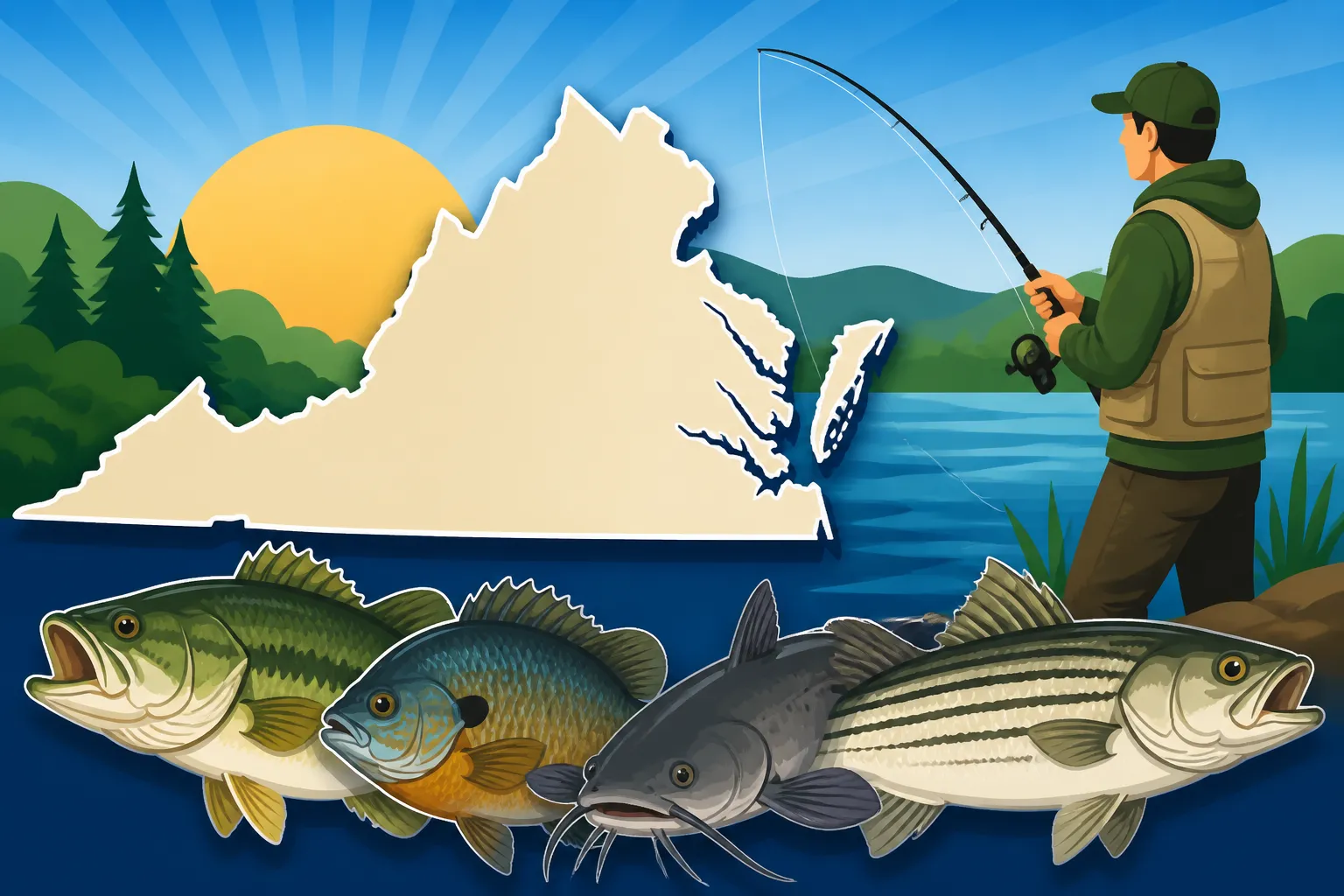
It’s a common scenario: the sun is shining, the water is calling, and you feel that itch to cast a line. But then the nagging thought creeps in – "Do I need a fishing license for this?" For many, the paperwork and fees can be a barrier, especially for casual outings or when introducing kids to the joy of fishing. Luckily, Virginia offers designated Free Fishing Days each year, providing a fantastic opportunity to enjoy the state's incredible waters without a license. This comprehensive guide will help you understand what Free Fishing Days entail and, more importantly, what fish species you can realistically target and catch to make the most of this special time.
Understanding Virginia's Free Fishing Days
Virginia's Free Fishing Days are truly a gift to anglers, whether you’re a seasoned pro, a returning enthusiast, or a complete novice. The Virginia Department of Wildlife Resources (DWR) designates these special days to encourage participation in fishing and to provide an easy entry point for anyone curious about the sport. It’s a wonderful initiative aimed at fostering a love for the outdoors and the aquatic resources Virginia is so proud of.
What "Free Fishing" Truly Means
When we talk about "Free Fishing Days" in Virginia, the most crucial thing to understand is what exactly is free. During these specific days, all anglers, both residents and non-residents, can fish in any of the state's public freshwaters and saltwaters without needing a fishing license. That’s right, you can leave your wallet at home as far as licenses are concerned! This waiver covers both freshwater and saltwater licenses, as well as the trout license, which is often a separate purchase on regular fishing days.
However, it's absolutely vital to remember that "free fishing" does not mean "free from all rules." All other fishing regulations remain firmly in effect. This includes adherence to creel limits (how many fish you can keep), size limits (minimum or maximum lengths for fish), and season dates for specific species. For instance, if you're out chasing largemouth bass, you still need to follow the statewide bass fishing limits in Virginia, even though you don't have a license. This is often a point of confusion for new anglers, and it's essential to check the latest Virginia Fishing Regulations Explained before you head out. These rules are in place to ensure the health and sustainability of Virginia’s fisheries, and ignoring them can still result in a hefty penalty, even on Free Fishing Days.
When and Where to Enjoy License-Free Fishing
Virginia's Free Fishing Days typically fall on the first full weekend in June. For example, if you're looking ahead, mark your calendar: Virginia's 2026 Free Fishing Days are June 5-7. These days provide a perfect opportunity to get out just as summer is beginning to warm up. This timing means water temperatures are generally pleasant, and many fish species are active and readily available, making for an enjoyable experience.
The beauty of these days is that they are statewide. This means whether you're dreaming of casting a line in the calm freshwater lakes of Southwest Virginia, exploring the tidal rivers flowing into the Chesapeake Bay, or trying your luck along the sandy beaches of the Atlantic coast, you're covered. From the mountain streams to the wide-open Bay, all public fishing waters are open without a license. This widespread applicability makes it easy to find a convenient spot, no matter where you are in the Commonwealth. You can visit numerous public access points, including those in Virginia State Parks, local city parks with fishing piers, or boat ramps on larger lakes. Even if you're just fishing from a dock, a public pier, or from the bank of a river, the license requirement is waived. It's truly an invitation to explore the diverse aquatic landscapes Virginia has to offer.
Prime Freshwater Targets During Virginia's Free Fishing Days
Early June in Virginia offers a fantastic array of freshwater fishing opportunities. The weather is generally warm, and many species have completed their spring spawning rituals and are actively feeding. This makes them more predictable and often easier to catch, which is perfect for a license-free outing.
Bass Fishing for All Skill Levels
Largemouth and smallmouth bass are arguably the most popular freshwater sportfish in Virginia, and early June is a prime time to target them. By this point, the major bass spawn is usually over, and these fish are recuperating and feeding aggressively. You’ll find them moving into their summer patterns, often relating to structure like submerged trees, weed lines, rock piles, and points.
-
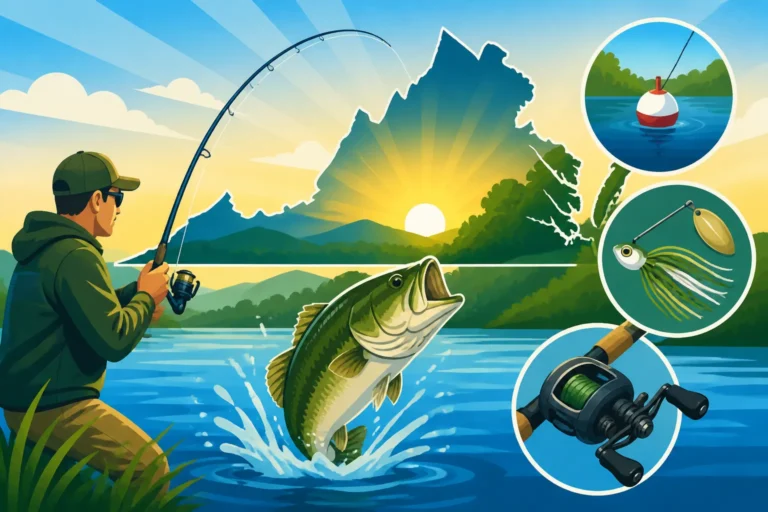
Largemouth Bass: These iconic fish are found in nearly every lake, pond, and slow-moving river throughout Virginia. During Free Fishing Days, they'll likely be patrolling the edges of weed beds, around fallen timber, or under shady cover. For beginners, a simple Texas-rigged plastic worm, a spinnerbait, or even a classic topwater popper fished early in the morning can be incredibly effective. You can easily find affordable starter kits on platforms like Amazon that include a selection of these tried-and-true bass lures, making it easy to get started. Focus on casting near cover and working your lure slowly, letting it sit for a moment after splashing down to entice a bite. For more seasoned anglers, a jig and trailer or a crankbait retrieved along drop-offs can yield bigger fish. Many of Virginia's top fishing lakes, such as Lake Anna, Smith Mountain Lake, and Kerr Lake, are renowned for their largemouth bass populations.
-
Smallmouth Bass: If you prefer river fishing, the cool, clear waters of rivers like the James River and the Shenandoah River are perfect for smallmouth bass. These bronze beauties are feisty fighters and thrive in current. In early June, they'll be actively feeding in rocky pools, around current breaks, and near submerged boulders. Smallmouth are suckers for soft plastic tubes, small crankbaits, spinnerbaits, or even live minnows. If you're new to river fishing, wading the shallower sections with light tackle can be an incredibly rewarding experience. Just remember to wear appropriate wading shoes and be mindful of the current. You can find more detailed information on techniques in our guide to Best Bait for Smallmouth Bass in Virginia.
Abundant Panfish for Family Fun
When it comes to introducing children to fishing or simply enjoying a relaxing day with lots of bites, panfish are the undisputed champions. Bluegill, redear sunfish, and crappie are plentiful, eager to bite, and found in almost every freshwater body in Virginia.
-
Bluegill and Other Sunfish: These colorful little dynamos are perfect for beginners. They inhabit almost every pond, lake, and slow-moving river, often congregating in shallow, vegetated areas or around docks and fallen trees. A small hook, a bit of nightcrawler or a wax worm, and a bobber are all you need. Simple bobber and hook rigs, easily assembled with components found on Amazon, are often all you need. Cast near lily pads, submerged brush, or shady spots, and wait for that bobber to dip! You can often catch dozens in a single outing, providing constant action. For great advice, check out our Bream and Bluegill Fishing for Beginners guide.
-
Crappie: Both black and white crappie are popular panfish targets. In early June, crappie often relate to submerged timber, brush piles, or bridge pilings in slightly deeper water than sunfish. They love small jigs (1/32 to 1/16 ounce) tipped with a tiny plastic grub or a live minnow. Fishing from a boat, kayak, or even a pier near good cover can yield a cooler full of these delicious fish. If you're specifically interested in these schooling fish, our guide on Crappie Fishing Techniques for Beginners can offer some excellent starting points.
Panfish offer consistent action, making them ideal for a stress-free fishing day. Many state parks and local lakes have designated fishing piers that put you right over prime panfish habitat, meaning you don't even need a boat. For family outings, these fish provide an excellent opportunity to create lasting memories. Remember, even though no license is required, limits still apply, so always check the regulations.
Catfish: The Patient Angler's Reward
For those who enjoy a more relaxed approach with the potential for a substantial fight, catfish are an excellent target during Virginia's Free Fishing Days. Channel catfish are widespread and abundant, while flathead catfish offer a bigger challenge, particularly in larger rivers and lakes.
-
Channel Catfish: Found in virtually all of Virginia's rivers, lakes, and larger ponds, channel cats are opportunistic feeders that will readily take a variety of baits. In early June, they are typically active, especially during the evenings and into the night, though they can be caught throughout the day. They prefer deeper holes, channels, and areas with current, or around submerged structure in lakes. Their diet is diverse, making them susceptible to classic baits like cut bait (shad or herring), chicken livers, nightcrawlers, and stink baits. Simple bottom fishing rigs with a weight and a hook are highly effective.
-
Flathead Catfish: While less common than channel cats, flatheads are present in many of Virginia's larger rivers (like the James and the Rappahannock) and lakes (such as Claytor Lake and Buggs Island Lake/Kerr Lake). These are predatory fish, preferring live bait such as bluegill, sunfish, or shad. Flatheads often lurk around heavy cover like logjams or rocky ledges in deeper water. They can grow to impressive sizes, offering a truly memorable fight.
Catfish are perfect for anglers who enjoy a more laid-back fishing experience, often setting out multiple rods and waiting for a bite. They're also fantastic table fare! For detailed strategies on targeting these whiskered warriors, consult our Catfish Fishing Techniques and Bait Guide. Remember, regardless of the species, proper handling and ethical release are key if you're not planning to keep your catch.
Exciting Saltwater Opportunities on Free Fishing Days
Virginia's coastline, from the expansive Chesapeake Bay to the Atlantic Ocean, offers a rich tapestry of saltwater fishing experiences. During Free Fishing Days in early June, you can venture into these tidal waters and coastal areas without needing a license. While some larger migratory species might be trickier to target without specialized equipment or local knowledge, several readily accessible species make for fantastic license-free angling.
Croaker and Spot: The Chesapeake Bay's Family Favorites
For sheer numbers and consistent action, especially for those fishing from piers, docks, or the shore, croaker and spot are hard to beat in the Chesapeake Bay and its tidal tributaries. Early June sees these fish moving into shallower waters, making them highly accessible.
-
Croaker (Hardhead): Named for the drumming sound they make, croaker are a staple of Bay fishing. They are abundant and can be caught using very simple tactics. They're opportunistic bottom feeders, making them perfect targets for a basic bottom fishing rig. You can find pre-packaged bottom rigs on Amazon that are ready to go—just tie them to your line, add a weight, and bait your hooks. Small pieces of shrimp, bloodworms, or even FishBites artificial bait are irresistible to croaker. Look for them in areas with muddy or sandy bottoms, particularly around fishing piers, bridge pilings, and oyster beds in the Bay's many rivers like the James, York, and Rappahannock. They provide steady action and are delicious on the dinner plate!
-
Spot: Often caught alongside croaker, spot are another small but highly sought-after species, particularly prized for their flavor. They share similar habitats and feeding habits with croaker, making the same tackle and baits effective. Their distinctive black spot near the gill plate makes them easy to identify. Both croaker and spot are excellent choices for kids and beginners due to their abundance and willingness to bite. They offer a great introduction to saltwater fishing without the need for specialized gear or techniques.
Flounder and Speckled Trout in Estuaries
While perhaps a bit more challenging than croaker and spot, flounder and speckled trout are excellent game fish that can be targeted during Free Fishing Days, especially in the calmer, shallower waters of the Chesapeake Bay's numerous estuaries and creeks.
-
Flounder: Virginia is well-known for its excellent flounder fishing. In early June, these delicious flatfish can be found in inlets, channels, and around structure in the Bay. They are ambush predators that lie on the bottom, waiting for bait to swim by. To catch them, you'll want to present a bait or lure near the bottom. Popular methods include using a flounder rig baited with live minnows, squid strips, or Gulp! artificial baits. Drifting these baits over sandy or muddy bottoms near channel edges or around submerged structures can be very effective. Pier fishing can also yield flounder if the pier extends over deeper water with current.
-
Speckled Trout (Speckled Sea Trout): These beautiful, aggressive predators offer a thrilling fight and are highly prized for their taste. They prefer brackish water environments found in the Bay's tidal rivers and shallow grass flats. In early June, they'll be actively feeding on baitfish and shrimp. Light tackle with artificial lures like soft plastic paddletails, suspending twitchbaits, or topwater plugs (especially at dawn and dusk) are excellent choices. Live shrimp or minnows suspended under a popping cork are also incredibly effective. Look for them around oyster reefs, grass beds, and creek mouths. While they might require a bit more finesse than bottom fishing for croaker, the reward of a fighting speckled trout is well worth the effort.
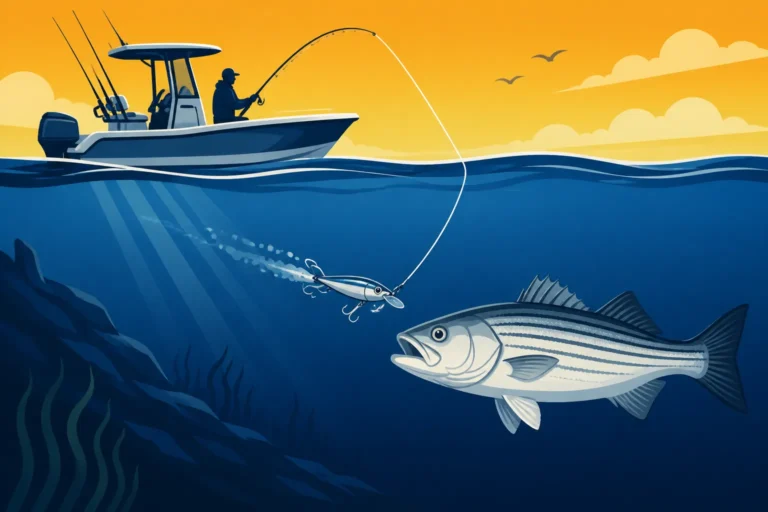
It's important to note that while striped bass (often called "rockfish" in Virginia) are a popular target, their seasons and slot limits can be highly restrictive, especially in early June. While you might encounter them, it's best to check current Virginia rockfish rules along the Virginia coast to avoid any accidental violations, as possession limits are often very tight during specific periods. Focusing on croaker, spot, flounder, and speckled trout provides more consistent and less regulated opportunities during the Free Fishing Days.
Gear, Tactics, and Locations to Maximize Your Free Fishing Days
Making the most of Virginia’s Free Fishing Days is all about preparation, smart strategy, and choosing the right spot. Since you're saving money on a license, you can put that towards some basic gear or a special treat for your fishing partners!
Essential Gear for a Successful Outing
You don't need a boatload of expensive equipment to have a successful and fun day fishing, especially when targeting the species mentioned above. A minimalist approach often works best, particularly for beginners or casual outings.
-
Rod and Reel Combo: A decent medium-light to medium-action spinning rod and reel combo is incredibly versatile. It will handle everything from panfish and small trout to decent-sized bass and even smaller saltwater species. Look for a setup around 6-7 feet long with 6-10 lb test line. You can find many affordable and reliable options, with many popular brands offering beginner-friendly kits. A small tackle box stocked with hooks, sinkers, bobbers (all readily available on Amazon), and a few versatile lures like plastic worms, small jigs, and a couple of spoons will cover most freshwater scenarios. For saltwater, add some pre-tied bottom rigs, a few heavier sinkers, and a pack of bucktail jigs.
-
Bait: Live bait is often the easiest and most effective option, especially for panfish, catfish, and many saltwater species. Nightcrawlers or red wigglers are universally loved by freshwater fish. Shrimp (fresh or frozen) or squid strips are saltwater staples. Local bait and tackle shops are great resources for fresh bait and local insights. If you prefer artificials, soft plastic baits (grubs, worms, paddletails) in various colors are always a good bet.
-
Comfort and Safety: Don't underestimate the importance of comfort and safety. A wide-brimmed hat, sunglasses, and sunscreen are crucial for protecting yourself from the sun, especially during June. Bring plenty of water and snacks, and consider a small cooler for your lunch and any fish you plan to keep. A small first-aid kit is always a good idea. If you're fishing with children, a life vest for each child is a must, even if they're just on a pier. A pair of pliers for hook removal and a small net can also be very helpful.
Smart Strategies for Any Water
Even on Free Fishing Days, a little strategy can go a long way in improving your chances of success.
-
Timing is Everything: Fish are often most active during the cooler parts of the day – dawn and dusk. These times also tend to be less crowded. If you’re planning an all-day trip, consider starting early or staying late to capitalize on these prime feeding windows. Overcast days can also provide good fishing throughout the day, as bright sunlight can push fish into deeper, shadier areas.
-
Observe and Adapt: Pay attention to your surroundings. Are there baitfish jumping? Are birds diving? These are indicators of predator activity. If one type of bait or lure isn't working, don't be afraid to change it up. Try different colors, sizes, or presentation methods until you find what the fish are responding to.
-
Know the Regulations (Even Without a License): As emphasized, all catch limits, size restrictions, and season dates still apply. Before you go, quickly review the Virginia Fishing Regulations Explained for the specific species you plan to target. This is essential for responsible angling and to avoid penalties. Our guide on Virginia's Fishing License and Catch Limit Basics can provide a good overview. For example, even if you’re catching and releasing, you still need to ensure your fish meet minimum size requirements if you were to keep them. Understanding these rules ensures that fish populations remain healthy for everyone.
-
Practice Catch and Release: If you don't plan to eat your catch, consider practicing catch and release, especially for larger or rarer fish. Handle fish gently, use barbless hooks if possible, and release them quickly to ensure their survival. Many anglers ask, Is a license required for catch-and-release fishing? – the answer is yes, on regular days, but not during Free Fishing Days!
Finding Your Perfect Fishing Spot
Virginia offers an incredible diversity of fishing locations, and many are easily accessible without a boat.
-
Public Piers and Docks: These are fantastic options for beginners and families. They often extend into deeper water, providing access to species like panfish, catfish, croaker, and spot. Many are located in state parks or municipal parks and offer amenities like restrooms and picnic areas.
-
Bank Fishing: Rivers, lakes, and ponds often have ample shoreline access. Look for areas with public access points, such as those found in many wildlife management areas. Casting from the bank is a simple and effective way to target bass, panfish, and catfish. Our guides on Best Fishing Spots for Beginners Who Don't Own a Boat and Best Fishing Spots You Can Reach Without a Boat offer some great starting points.
-
Tidal Rivers: The tributaries of the Chesapeake Bay offer a mix of freshwater and saltwater species. The lower sections are tidal and brackish, offering speckled trout, flounder, and croaker, while the upper freshwater sections are home to bass and catfish.
-
State Parks and Public Lakes: Virginia’s State Parks are excellent resources, many with lakes, ponds, or river access specifically managed for fishing. They often have boat rentals, fishing piers, and well-maintained shorelines.
Before you head out, do a quick online search for "fishing near me" or check the Virginia DWR website for specific public access points in your desired region. Local bait and tackle shops are also invaluable for up-to-the-minute information on where the fish are biting.
To help you visualize some of the prime opportunities, here’s a quick overview of what to target:
| Fish Species (Freshwater) | Recommended Bait/Lure | Typical Habitat / Best Locations | Ideal for |
|---|---|---|---|
| Largemouth Bass | Plastic Worms, Spinnerbaits, Topwater, Live Minnows | Lake/Pond shorelines, weed beds, submerged timber, docks | All skill levels |
| Smallmouth Bass | Soft Plastic Tubes, Small Crankbaits, Live Minnows | Rocky rivers (James, Shenandoah), current breaks, submerged rocks | Intermediate anglers |
| Bluegill / Sunfish | Worms, Crickets, Small Jigs | Shallow, vegetated areas, docks, fallen trees in lakes/ponds | Beginners, Kids |
| Crappie | Small Jigs, Live Minnows, Tiny Soft Plastics | Brush piles, submerged timber, bridge pilings in lakes/ponds | All skill levels |
| Channel Catfish | Cut Bait, Chicken Livers, Worms, Stink Bait | Deep holes, channels, submerged structure in rivers/lakes | Patient anglers |
| Fish Species (Saltwater) | Recommended Bait/Lure | Typical Habitat / Best Locations | Ideal for |
|---|---|---|---|
| Croaker | Shrimp, Bloodworms, Squid, FishBites | Sandy/muddy bottoms, piers, bridge pilings in Chesapeake Bay/tributaries | Beginners, Kids |
| Spot | Shrimp, Bloodworms, Squid, FishBites | Similar to Croaker, often caught in the same areas | Beginners, Kids |
| Flounder | Live Minnows, Squid, Gulp! Shrimps | Inlets, channels, sandy/muddy bottoms near structure in Bay estuaries | Intermediate anglers |
| Speckled Trout | Soft Plastic Paddletails, Live Shrimp, Topwater | Brackish estuaries, grass flats, oyster reefs, creek mouths | Intermediate anglers |
Ultimately, Virginia's Free Fishing Days are about breaking down barriers and making fishing accessible to everyone. So grab a rod, some bait, and your loved ones, and head out to experience the fantastic fishing opportunities Virginia has to offer without the worry of a license.
Disclaimer
The information provided in this guide is for general informational purposes only and is not intended to be legal advice regarding fishing regulations. Virginia's fishing regulations can change frequently. While we strive to keep our content up-to-date, it is the angler's responsibility to review and comply with the most current regulations published by the Virginia Department of Wildlife Resources (DWR) before engaging in any fishing activity. Always check the official DWR website or obtain a current Virginia Fishing Regulations Explained guide.