Virginia Striped Bass Season and Slot Limit Guide
Fishing for striped bass in Virginia can feel like trying to solve a complex puzzle, especially with all the evolving regulations. You're out there, rod in hand, ready for that exhilarating strike, but a nagging worry about seasons and size limits can really dampen the experience. It's frustrating to keep up with what seems like constant changes, leaving many anglers scratching their heads and fearing an accidental violation. This comprehensive guide is here to clear up all that confusion, breaking down Virginia's striped bass seasons and slot limits so you can hit the water with confidence and enjoy every moment of your striper adventure.
The Allure of Virginia's Striped Bass Fishery
Few fish capture the spirit of coastal angling quite like the striped bass, often affectionately called "rockfish" here in Virginia. These powerful, migratory fish offer a thrilling fight and are a prized catch for both seasoned veterans and eager beginners. But beyond the thrill of the chase, understanding the species and its habitat is key to responsible and successful fishing.
Understanding the Iconic "Rockfish"
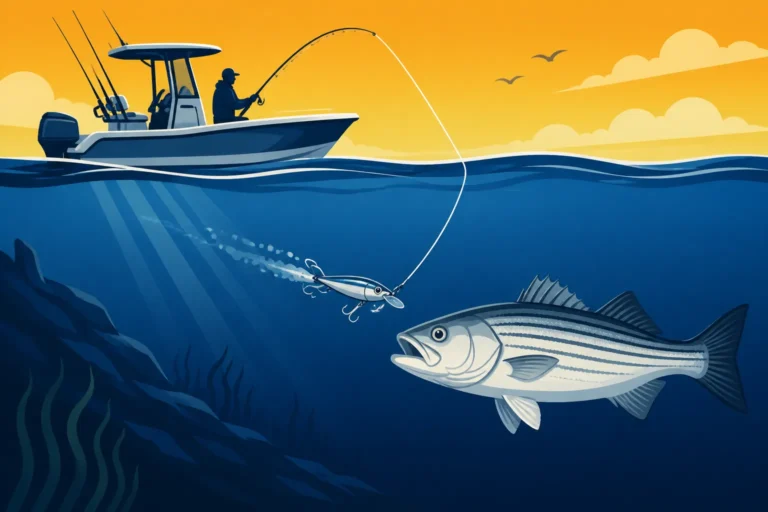
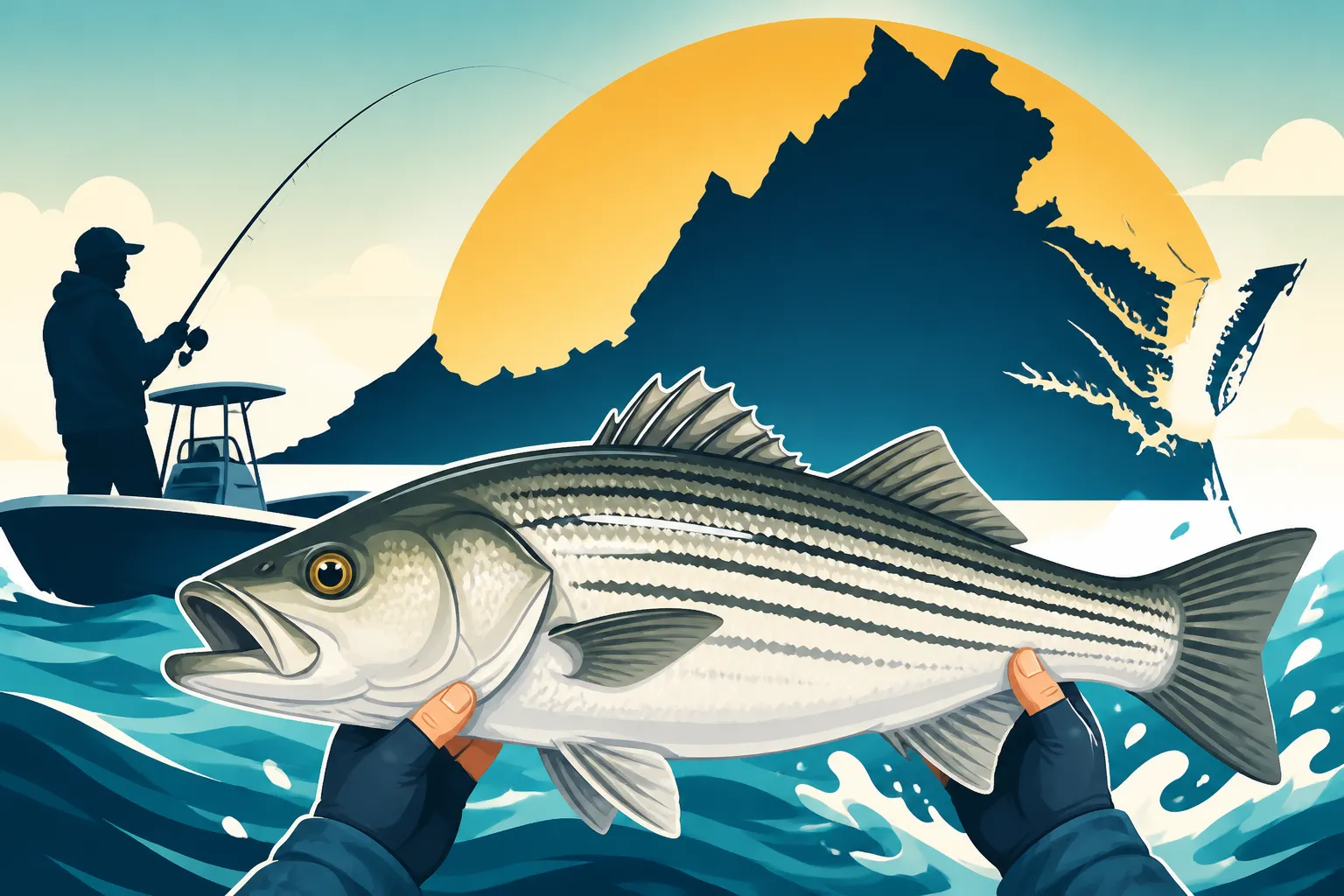
The striped bass, Morone saxatilis, holds a special place in the hearts of Virginia anglers. Its local moniker, "rockfish," speaks to its tendency to congregate around rocky structures, jetties, and reefs, especially in the Chesapeake Bay and along the coast. These are not just any fish; they are a vital part of our marine ecosystem and a significant economic driver for many coastal communities. Their migratory patterns are epic, with some fish traveling thousands of miles along the Atlantic coast, stopping in the Chesapeake Bay to spawn. This incredible journey is why they are so responsive to seasonal changes and why their management is so complex and crucial. When you hook into a rockfish, you're not just fighting a fish; you're connecting with a legacy.
The Distinct Worlds of Freshwater and Saltwater Stripers
Here's where it can get a little tricky for anglers, as Virginia is home to two distinct types of striped bass fisheries: true saltwater/tidal striped bass (our beloved rockfish) and landlocked populations. While genetically similar, their environments dictate vastly different fishing experiences and, critically, different regulations.
Saltwater striped bass are what most people think of when they talk about rockfish in Virginia. These are the migratory fish that move in and out of the Chesapeake Bay and along the Atlantic coast. They're typically found in brackish and saline waters, chasing baitfish in vast schools. Their seasons and limits are often more complex due to their migratory nature and the need for regional management across multiple states.
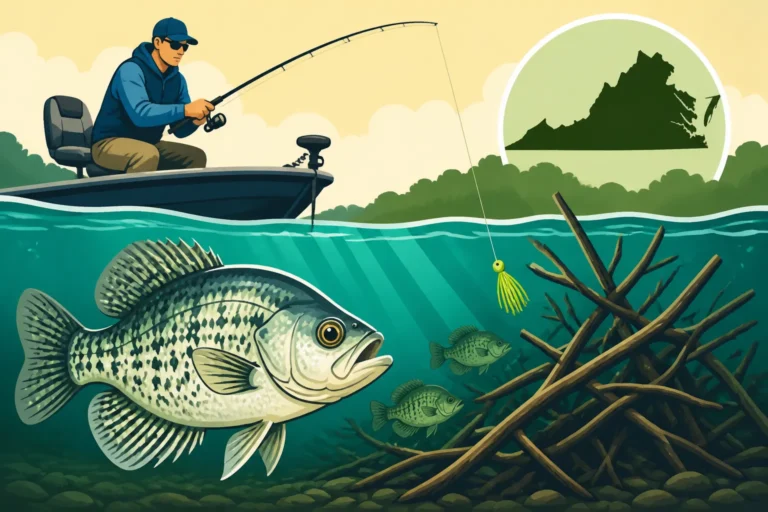
Then, we have the landlocked striped bass. These populations exist in large freshwater reservoirs like Smith Mountain Lake and Lake Anna, where they thrive and grow to impressive sizes, often sustained by stocking programs. These fish, while still stripers, don't follow the ocean's migratory patterns. Consequently, the rules for catching them are usually much simpler, often featuring year-round seasons with different size and creel limits to manage the health of that specific lake's population. It's like having two different games with similar players but different rulebooks – always double-check which game you're playing before you cast your line! To learn more about identifying these species, check out our guide on Freshwater vs Saltwater Striped Bass: The Virginia Rockfish Story.
Decoding Virginia's Striped Bass Season Calendar
One of the biggest headaches for striped bass anglers in Virginia is keeping up with the season dates. Unlike many other species, striped bass seasons are often split into multiple windows throughout the year, with specific regulations for different geographic areas. This isn't done to annoy you, but rather to protect the fish during critical times like spawning, and to ensure sustainable fishing opportunities.
Unraveling the Coastal and Chesapeake Bay Split Seasons
Historically, and often presently, the coastal and Chesapeake Bay regions have what's known as a "split season." This means there are specific periods when you can legally target and keep striped bass, interspersed with closed periods. For example, you might have a spring season, followed by a closure during the warmer summer months when fish are stressed or spawning, and then a fall season.
For the most recent regulations (as of late 2024 and extending into 2025), Virginia has adjusted its coastal and Chesapeake Bay striped bass seasons significantly. For those fishing the Atlantic Ocean and the mainstem Chesapeake Bay (including areas east of the Chesapeake Bay Bridge-Tunnel), the season typically runs from May 16 through June 15, and then again from October 4 through December 31. This staggered approach is a direct response to conservation efforts, aiming to reduce fishing pressure on the spawning stock and allow the population to recover. It means you have specific windows to enjoy the fishery, so marking these dates on your calendar is absolutely essential. Imagine planning a trip only to realize the season is closed – it's a frustration we've all felt, which is why staying current is so important. You can find detailed breakdowns of these periods in resources like Virginia Striped Bass Split Season Dates Explained.
Key Season Dates and Regional Variations
It's not just about broad coastal dates; Virginia's striped bass regulations can get even more granular. Different sections of the Chesapeake Bay and its tributaries often have their own specific opening and closing dates, or even slightly different size limits.
For example, the western side of the Chesapeake Bay and its tidal tributaries (think rivers like the James, York, Rappahannock, and Potomac within Virginia) often follow a similar fall season to the mainstem Bay – generally October 4 through December 31. However, it's crucial to understand that these specific dates can change from year to year based on stock assessments and interstate management decisions by bodies like the Atlantic States Marine Fisheries Commission (ASMFC). Always check the Virginia Department of Wildlife Resources (DWR) website for the absolute latest updates before heading out. A quick check of their site on your phone before you leave the house can save you a lot of headache.
In contrast, the inland, non-tidal freshwater lakes like Smith Mountain Lake and Lake Anna operate under a different set of rules entirely. These fisheries are typically open year-round for striped bass. This distinction highlights the importance of knowing exactly where you're fishing – salt, brackish, or freshwater – because the rules can literally change as you move up a river from the bay into its non-tidal sections. Always assume stricter regulations apply if you're unsure, and double-check with local DWR resources or tackle shops. Understanding these nuances is critical for any angler serious about targeting Virginia's rockfish.
| Water Body Type | Season Dates (Typical, check DWR) | Daily Creel Limit | Size Limit (Typical, check DWR) |
|---|---|---|---|
| Coastal/Chesapeake Bay Mainstem | May 16 – June 15 & Oct 4 – Dec 31 | 1 fish | 19 to 24 inches |
| Chesapeake Bay Tributaries (West) | Oct 4 – Dec 31 | 1 fish | 19 to 24 inches |
| Inland Freshwater Lakes (e.g., SML) | Year-Round | 4 fish | 18 inches min.; only 1 over 30 inches |
Mastering Virginia's Striped Bass Slot Limits
Beyond knowing when you can fish, understanding what size fish you can keep is equally, if not more, important. Virginia's striped bass fishery currently employs specific size limits that are often referred to as a "slot limit" even if the specific numerical range has changed from previous iterations. These regulations are designed to protect certain segments of the fish population.
Why Slot Limits Protect Our Fishery
A slot limit, at its core, is a conservation tool. The idea is to protect fish that fall within a specific size range, usually either smaller, immature fish or, more commonly, large, mature spawning fish. For instance, a slot limit that protects large females ensures they can continue to reproduce, replenishing the population for future generations. When regulations target specific sizes, it helps maintain a healthy age structure within the fish population, allowing more fish to reach maturity and contribute to spawning. This long-term thinking benefits every angler down the line.
The striped bass population has faced significant challenges over the years, leading to stricter regulations across the Atlantic coast. The current size restrictions in Virginia are a direct result of these conservation efforts. Protecting the fish that are most vital for reproduction is paramount to ensuring that our children and grandchildren can also experience the thrill of catching a Virginia rockfish. It's not just about today's catch; it's about the sustainability of the entire fishery. Without these measures, overfishing could severely impact the species, leading to closures and restrictions that none of us want.
Navigating the 19 to 24 Inch Slot and Daily Creel
This is where many anglers get tripped up, especially if they haven't checked the latest regulations. Virginia's coastal and Chesapeake Bay striped bass fishery (as of late 2024 and into 2025) has moved to a more restrictive slot limit: one fish per person per day, between 19 and 24 inches total length. This means any fish you catch that is smaller than 19 inches or larger than 24 inches must be immediately released. This is a significant change from previous years, which had a different, larger slot.
Think of it like this: your target fish has to fit perfectly into a narrow window. If you catch a striper that's 18 inches, it's too small; if it's 25 inches, it's too big. Both must go back. This is a crucial detail for all saltwater and tidal tributary anglers. The one-fish daily creel limit also means that once you've kept one legal fish, you're done for the day for striped bass, even if you catch other legal-sized fish. This specific regulation aims to allow a certain level of harvest while still heavily protecting the broader population. For a more detailed breakdown of these rules, you can consult Virginia Rockfish Rules Along the Virginia Coast.
Now, shifting to inland freshwater lakes, the rules are different. For species like those found in Smith Mountain Lake or Lake Anna, the daily creel limit is typically four fish per person, with a minimum size of 18 inches. However, there's another important caveat: only one of those four fish can be 30 inches or longer. So, you could keep four fish, but only one of them could be a true "trophy" over the 30-inch mark, with the other three falling between 18 and 29.99 inches. This tiered system helps manage the lake's specific population dynamics, allowing anglers to keep some table fare while protecting the truly large breeders. It's a system designed for balance within these unique landlocked environments.
Best Practices for Measuring and Releasing Fish
Properly measuring your catch and ensuring a safe release are non-negotiable parts of responsible angling, especially with the current restrictive slot limits. You don't want to accidentally keep an illegal fish or harm one that needs to be released.
First, invest in a reliable measuring device. A sturdy, flat measuring board is ideal, as it allows you to lay the fish flat and get an accurate measurement from the tip of the jaw to the tip of the tail, with the tail compressed. Don't eyeball it! You can find excellent, durable measuring boards and scales on retailers like Amazon, which are essential tools for any serious striper angler.
When you catch a fish that needs to be released, minimize handling time. Try to keep the fish in the water as much as possible. If you must remove it for a quick measurement or photo, do so gently, supporting its belly. Avoid holding fish by the jaw alone, especially large ones, as this can damage their internal organs. Use dehooking tools or pliers to remove hooks quickly and cleanly. If a fish is deeply hooked, it's often better to cut the line as close to the hook as possible rather than tearing internal tissues trying to retrieve it. For fish caught in deeper water, consider using a descending device to help them recover from barotrauma if available, although this is less common for typical striper depths. The goal is to return that fish to the water healthy and ready to spawn or grow larger, contributing to the overall vitality of the fishery.
Gear and Tactics for Striped Bass Success
Equipping yourself with the right gear and knowing effective tactics can significantly improve your chances of success when targeting striped bass in Virginia. These powerful fish demand tackle that can handle their fighting spirit, and certain lures and techniques consistently outperform others.
Essential Rods, Reels, and Line Setups
When it comes to striped bass, you're going to want tackle that's robust but sensitive enough to detect subtle bites. For the saltwater and tidal river stripers, a medium-heavy to heavy action spinning or baitcasting rod, typically 7 to 8 feet long, is a solid choice. This length provides good casting distance from shore or a boat, and the power allows you to set the hook firmly and muscle in a decent-sized fish against current or structure.
Pair that rod with a durable spinning reel in the 4000-6000 size range, or a conventional reel suitable for casting or trolling, especially if you're targeting larger fish or drifting live baits. The reel needs a smooth drag system, as a big striper can make powerful runs. For line, braided line is a popular choice for its strength, sensitivity, and minimal stretch. A 20-40 pound test braid is common, with a fluorocarbon leader of 30-50 pounds attached to the braid via a strong knot like an FG or Alberto knot. The leader provides abrasion resistance against sharp rocks or oyster shells and is less visible to the fish. You can find a wide selection of quality braided lines and fluorocarbon leaders on Amazon, making it easy to stock up before your next trip.
For landlocked striped bass in lakes like Smith Mountain Lake, similar tackle setups often apply, though some anglers might opt for slightly lighter gear if the fish aren't consistently massive, especially if they are also targeting other species. However, given that lake stripers can also reach impressive sizes, erring on the side of robust tackle is always a good idea. Having a versatile setup means you're prepared for whatever Virginia's waters throw at you.
Top Baits, Lures, and Trolling Strategies
Striped bass are opportunistic predators, and a variety of baits and lures will entice them. Your choice often depends on the season, location, and whether you're fishing in the Bay, a tributary, or an inland lake.
For natural baits, live eels are legendary for catching big stripers in the Bay and its rivers, especially after dark. Live menhaden (bunker) or spot are also incredibly effective when available. These can be fished on a fish-finder rig or drifted with the current. For cut bait, fresh bunker or mullet chunks will often attract hungry stripers, particularly when bottom fishing. When fishing around piers or from shore, chunks of bait can be very productive.
When it comes to artificial lures, the options are vast. Soft plastic paddle tail swimbaits, often rigged on jig heads, are incredibly versatile and imitate many baitfish species. They can be cast, retrieved, or jigged vertically. Topwater plugs and poppers provide exciting surface strikes, especially during dawn and dusk. For deeper water or when fish are holding near structure, bucktail jigs, often tipped with a piece of soft plastic or pork rind, are classic striper producers. In clear water, casting metal spoons can mimic fleeing baitfish. Trolling is another highly effective method, particularly in open waters like the mainstem Bay or larger lakes. Anglers often troll with umbrella rigs, surgical eels, or large diving plugs. Downriggers or planers are used to get these lures down to the desired depth where the fish are holding. Many anglers will purchase these types of specialized trolling lures and components from reputable retailers online, like Amazon, ensuring they have a good selection before they ever leave the dock. Knowing what the stripers are feeding on in a particular area, often by observing baitfish activity or asking local tackle shop staff, can give you a significant advantage.
Prime Locations for Virginia Striped Bass
Virginia is blessed with diverse waters, offering fantastic opportunities for striped bass fishing whether you prefer the vastness of the Bay or the serene beauty of an inland lake. Knowing where to go and what to look for can turn a good day into an unforgettable one.
The Bountiful Waters of the Chesapeake Bay and Its Tributaries
The Chesapeake Bay, the largest estuary in North America, is the undisputed heart of Virginia's saltwater striped bass fishery. Every year, huge numbers of migratory stripers move into and out of the Bay, making it a world-class destination. The mainstem Bay itself offers incredible fishing, especially around prominent structures like the Chesapeake Bay Bridge-Tunnel (CBBT), various navigation channels, and oyster reefs. These areas provide current breaks, ambush points, and concentrated baitfish, making them prime locations for schooling stripers. During the fall migration, the Bay can come alive with blitzing fish, chasing bait right on the surface – an incredible sight for any angler. If you're looking for more details on this incredible fishery, check out our Chesapeake Bay Striped Bass Fishing Guide.
Beyond the main Bay, its vast network of tidal tributaries—including the James, York, Rappahannock, and Potomac Rivers—are equally important. These rivers serve as spawning grounds and offer excellent fishing during various seasons. In the spring, stripers move far upstream into these tidal rivers to spawn. In the fall, they often hold in the deeper channels and around river bends, gorging on baitfish before heading out to the ocean. Look for structure such as bridge pilings, submerged humps, channel edges, and points where current creates eddies. Local knowledge is invaluable here, so don't be shy about asking tackle shop owners for tips on specific river sections. You can also explore our general guide to Best Fishing Spots in Virginia for broader insights into where to cast your line.
Discovering Landlocked Stripers in Virginia's Lakes
While the Bay gets much of the attention, Virginia's freshwater lakes offer an incredible, often less-pressured, striped bass experience. Foremost among these is Smith Mountain Lake, often touted as one of the premier landlocked striper fisheries on the East Coast. Here, stripers grow large and strong, sustained by a robust forage base of alewives and other baitfish. Anglers target them year-round, using a variety of techniques from trolling deep-diving crankbaits to casting topwater lures during low-light conditions. The lake's vast open water, deep channels, and numerous coves provide ample habitat. You'll often find these fish schooling in open water, indicated by diving birds or baitfish on your sonar, but they will also relate to submerged points and humps. For specific strategies on this lake, refer to our Smith Mountain Lake Striped Bass Fishing in Virginia guide.
Lake Anna is another fantastic freshwater striper destination. While perhaps not as famous for its stripers as Smith Mountain Lake, it offers a thriving population that provides exciting angling. Like Smith Mountain Lake, stripers here are often found patrolling open water or schooling around submerged structures. Early mornings and late evenings are prime times for topwater action, while during the heat of the day, they'll retreat to deeper, cooler water. Whether you're chasing the ocean-run giants of the Bay or the powerful freshwater bruisers of our lakes, Virginia truly has something for every striped bass enthusiast. Remember, a Virginia fishing license is required for both freshwater and saltwater angling, so make sure you're covered before you hit any of these fantastic spots.
Conservation, Regulations, and Responsible Angling
The health of Virginia's striped bass fishery relies heavily on sound conservation practices and the willingness of anglers to adhere to regulations. These rules, though sometimes frustratingly complex, are in place for a good reason: to ensure we have a thriving striped bass population for years to come.
The Vital Role of Striped Bass Management
The story of the striped bass is one of boom and bust, and it's a stark reminder of why careful management is so crucial. In the 1980s, the Atlantic striped bass population experienced a dramatic decline due to overfishing and habitat degradation. This crisis led to unprecedented cooperation among states, resulting in fishing moratoriums and the implementation of stringent regulations. These efforts allowed the stock to rebound significantly, proving that conservation works when everyone participates.
Today's regulations, including the ever-changing seasons and slot limits, are part of ongoing efforts to maintain that recovery and ensure the long-term sustainability of the fishery. Scientists and fishery managers continually assess the population, and regulations are adjusted based on the health of the stock. When you follow the rules—adhering to the size and creel limits, respecting closed seasons, and practicing proper catch and release—you're directly contributing to these vital conservation efforts. It's about being a good steward of our natural resources, recognizing that we all have a role to play in protecting this iconic species. For a broader understanding of how these rules fit into the bigger picture, explore Virginia Fishing Regulations Explained.
Avoiding Common Pitfalls and Penalties
Navigating Virginia's fishing regulations can feel like a minefield if you're not careful. One of the most common pitfalls, and perhaps the easiest to avoid, is fishing without a valid license. Every angler 16 years or older needs a Virginia fishing license, and depending on where you're fishing (freshwater, saltwater, or specific stocked trout waters), you might need different endorsements. Getting caught without one isn't just an embarrassment; it can lead to significant fines. It's a simple step, easily done online through the Virginia DWR website or at a local tackle shop. Make sure your license is always current and accessible. Our guide on the Virginia Fishing License Guide can walk you through the process.
Another major pitfall is misinterpreting the season dates and slot limits. Imagine you’ve planned a fantastic trip to the Chesapeake Bay in July, only to find out the striped bass season is closed. Or you catch a beautiful 26-inch striper, celebrate, and then realize the slot limit is 19 to 24 inches. Both scenarios, while honest mistakes, can result in citations and fines from Virginia DWR law enforcement officers. These officers are out on the water to protect the resource, and ignorance of the law is not considered a valid excuse. Always double-check the DWR website for the absolute latest regulations, as they can and do change. Keep a copy of the regulations (digital or print) with you when you're fishing. When in doubt, always release the fish. It's better to be safe than sorry. Remember, the Penalties for Fishing Without a License in Virginia can be steep, so proper preparation is key.
Planning Your Next Virginia Striper Adventure
With a better understanding of Virginia's striped bass seasons and slot limits, you're better equipped to plan a successful and stress-free fishing trip. Whether you prefer the independence of going solo or the expertise of a professional guide, a little foresight goes a long way.
Solo Expeditions vs. Professional Charters
Deciding whether to head out on your own or book a charter depends on your experience level, access to equipment, and goals for the trip.
For the experienced angler with their own boat and gear, a solo or private trip offers unmatched freedom. You can scout your own spots, experiment with different techniques, and follow the bite wherever it leads. However, this requires a deep understanding of navigation, safety, and, crucially, the ever-changing regulations. You'll be responsible for all your own tackle, bait, and fuel, which can add up. It’s also important to have all your safety gear in order, from life vests to a working VHF radio. Many experienced anglers still use a checklist, perhaps picking up last-minute essentials or checking the weather from their phones or a quick visit to a local tackle shop.
For those new to the area, without a boat, or simply looking to maximize their chances of success, booking a professional fishing charter is an excellent option. A good charter captain will have intimate knowledge of the local waters, current fishing patterns, and, most importantly, the latest regulations. They provide all the necessary gear, bait, and often even clean your catch. Charters are especially beneficial for targeting specific species like striped bass, as captains often specialize in certain types of fishing. While it's an investment, the value of their expertise, equipment, and ability to put you on fish can be well worth the cost. Plus, your fishing license is often covered by the charter's blanket permit! You can learn more about what to expect with a professional guide in What's Included in a Virginia Fishing Charter.
Staying Informed and Engaging with the Angling Community
In the dynamic world of striped bass fishing, staying informed is half the battle. The Virginia Department of Wildlife Resources (DWR) website is your absolute best friend. They publish all current regulations, news releases, and often have interactive maps or apps that can help you understand specific zones and rules. Make it a habit to check their site before every trip, as regulations can change with little notice, especially for migratory species like striped bass.
Beyond official sources, engaging with the local angling community is incredibly valuable. Visit local tackle shops; the folks behind the counter often have real-time information on what's biting, what baits are working, and any local nuances in regulations. Join online fishing forums or local Facebook groups dedicated to Virginia fishing. These communities are great for sharing tips, asking questions, and getting a feel for current conditions. Just remember to verify any information with official DWR sources before relying solely on anecdotal reports. Many anglers also find great resources like fishing guides and maps on platforms like Amazon, which can be invaluable for planning. By combining official information with local wisdom, you'll be well-prepared for a safe, successful, and legal striped bass fishing experience in the Commonwealth.
Disclaimer
Please note that fishing regulations, seasons, and limits are subject to change. While this guide provides the most up-to-date information available at the time of writing, it is the angler's sole responsibility to consult the official Virginia Department of Wildlife Resources (DWR) website or obtain a printed copy of the latest regulations before engaging in any fishing activity. Non-compliance with current regulations may result in penalties.