Is the York River Good for Family Fishing Trips?
Finding a fishing spot that truly caters to the whole family can feel like searching for a needle in a haystack. Many places are either too crowded, too challenging for kids, or lack the amenities needed for a comfortable outing. But what if I told you that Virginia’s beautiful York River offers a fantastic solution? This comprehensive guide will walk you through why the York River is an excellent choice for family fishing trips, highlighting its calm waters, abundant fish, and all the practical tips you'll need for a memorable adventure.
Why the York River Shines for Family Anglers
The York River isn't just another body of water; it's a dynamic estuary formed by the convergence of the Pamunkey and Mattaponi Rivers, eventually flowing into the Chesapeake Bay. This unique environment makes it incredibly fertile and, more importantly, a fantastic place for families to cast a line. The thought of managing excited kids, tangled lines, and perhaps even a bit of motion sickness can be daunting, but the York River presents characteristics that genuinely ease these concerns, making it less of a chore and more of a joyful escape.
One of the biggest struggles for families, especially those with younger children or beginner anglers, is dealing with strong currents or choppy waters. Kids can get easily discouraged if their lines are constantly being swept away or if they feel unsafe. This is where the York River truly stands out. Its expansive, yet relatively sheltered, nature means you’ll often find calmer conditions compared to the open Bay or rougher coastal areas. This serene environment isn't just about safety; it’s about making the fishing experience genuinely enjoyable and manageable for everyone involved.
Calm Waters and Accessible Shorelines
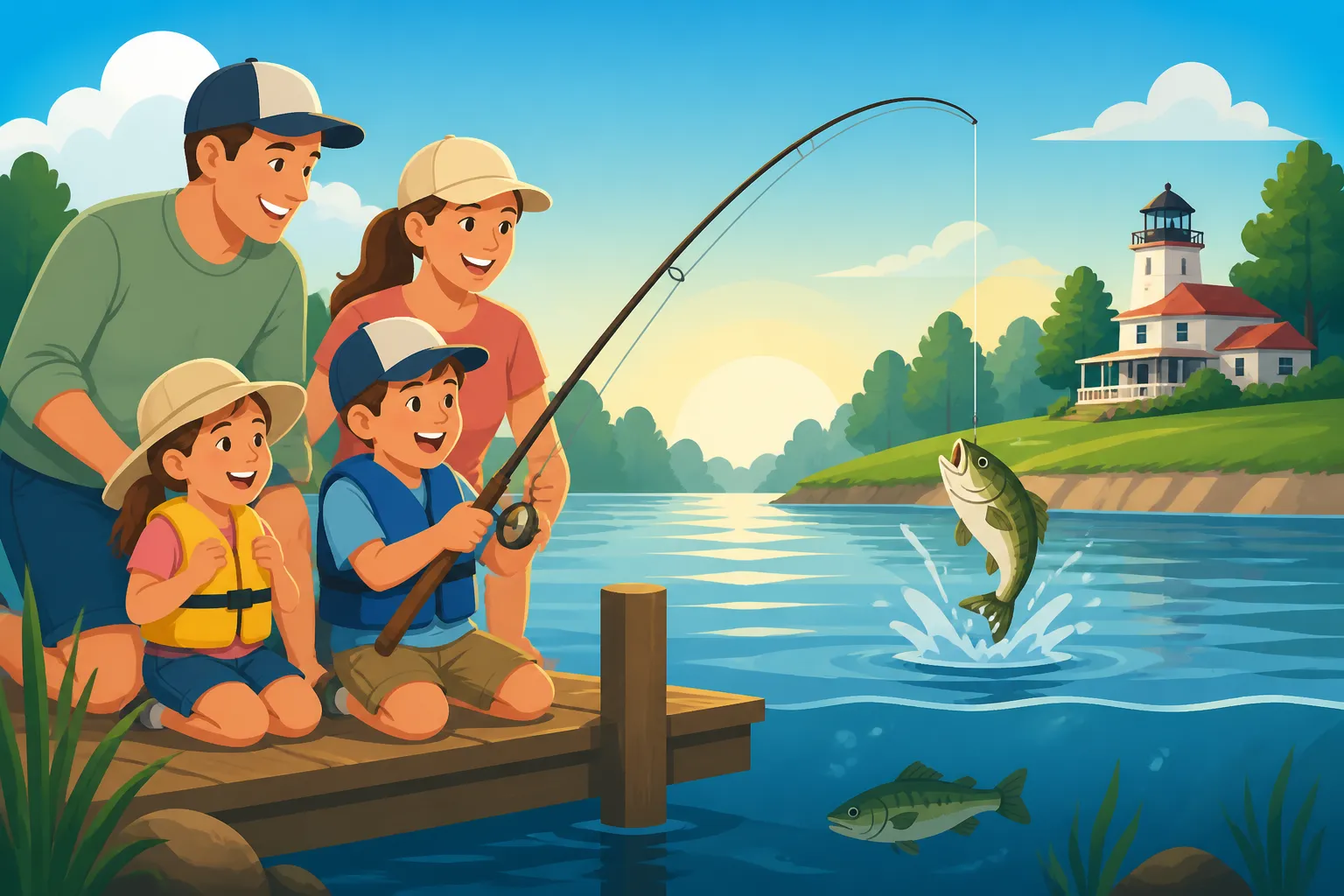
Imagine a place where your little one can cast their Spiderman rod without fear of losing their bobber to a powerful current, or where you can sit comfortably on a public pier without getting drenched by rogue waves. That’s the kind of experience the York River offers. The relatively calm waters are perfect for teaching casting techniques, managing tangles, and just generally enjoying the peaceful rhythm of fishing. It reduces the frustration for both parents and kids, allowing them to focus on the fun of the catch.
Beyond the water conditions, accessibility is paramount for a successful family outing. Lugging coolers, tackle boxes, and eager children across difficult terrain can quickly deflate the mood. The York River boasts several areas with excellent public access, from well-maintained piers to easily reachable shorelines within state parks. For instance, York River State Park, located near Williamsburg, offers fantastic opportunities for shore fishing, kayak launches, and even hiking trails to explore when the bites are slow. These spots often include restrooms, picnic areas, and sometimes even playgrounds, transforming a fishing trip into a full-day family adventure rather than just an hour or two by the water. The convenience of these amenities cannot be overstated when you're trying to keep everyone happy and comfortable.
Diverse Fish Species for All Skill Levels
Nothing keeps kids engaged like action! The worst thing for a new angler is sitting for hours with no bites. The York River, being a tidal estuary, is teeming with a variety of fish species, many of which are quite eager to bite, making it an ideal spot for anglers of all ages and skill levels. You’re not just targeting one elusive species; you have a smorgasbord of opportunities.
Among the most common and reliably biting species you'll find here are croaker, spot, white perch, and various catfish. These fish are often found in good numbers, providing plenty of opportunities for young anglers to feel the thrill of a tug on their line. Imagine your child's face lighting up as they reel in their very first fish, no matter the size! The abundance of these smaller, panfish-sized species ensures a higher chance of success, which is crucial for building confidence and a lifelong love for fishing. Of course, the river also hosts larger, more sought-after species like striped bass (often called rockfish here), flounder, and even red drum for those looking for a bigger challenge. But for a family trip focused on fun and consistent action, the smaller, plentiful species are truly the stars. This diversity means that even if the kids are happy catching panfish, more experienced anglers in the family can still target something bigger, making it a win-win for everyone.
Natural Beauty and Educational Opportunities
Let's be honest, sometimes the fish just aren't biting, and that's okay, especially on a family trip. The beauty of the York River is that it offers so much more than just fishing. Nestled amidst lush Virginia landscapes, the river provides stunning scenic views that are a treat for the eyes, even when the lines are quiet. The wide expanse of water, framed by marsh grasses and distant tree lines, creates a peaceful backdrop for spending quality time together. It’s a chance to disconnect from screens and reconnect with nature and each other.
A fishing trip to the York River can also be a fantastic educational experience. It’s an outdoor classroom where kids can learn about estuary ecosystems, the different types of fish, and the importance of conservation. You can talk about the tides, identify local birds and wildlife that frequent the riverbanks, or simply observe the natural world around you. Learning about the lifecycle of a blue crab or how a particular fish species lives in its habitat adds a layer of depth to the trip that goes beyond just catching. Many public access points, like those managed by the Virginia Department of Wildlife Resources (DWR) or Virginia State Parks, often have interpretive signs or visitor centers that can further enrich this learning experience. This transforms a simple fishing trip into an adventure in ecological discovery, nurturing curiosity and respect for the environment in your children.
Planning Your Family Fishing Adventure on the York River
Okay, so you're sold on the York River as your next family fishing destination. Now comes the nitty-gritty: planning. A successful family fishing trip isn't just about showing up with a pole; it requires a bit of foresight and preparation, especially when kids are involved. From understanding the best times to go to what gear to pack, a little planning can go a long way in ensuring smiles all around. It prevents those frustrating moments when you realize you forgot something crucial or picked the wrong time of day.
Thinking about the details beforehand also allows you to manage expectations, especially for the younger ones who might envision catching a giant fish every minute. Knowing what to expect regarding fishing success, weather, and amenities helps you prepare for any scenario, ensuring the focus remains on fun and bonding.
Best Times to Visit for Family Success
Timing is everything, especially when you're fishing with kids who have notoriously short attention spans. On the York River, understanding the tides is just as important as the time of year. Generally, the incoming and outgoing tides tend to be the most productive periods, as the moving water stirs up baitfish and makes game fish more active. Aiming to fish during these periods will significantly increase your chances of getting bites, which, as any parent knows, is key to keeping young anglers engaged.
Seasonally, spring (April-May) and fall (September-October) are often considered prime times for fishing on the York River. The weather is usually more moderate, meaning comfortable temperatures for a full day outdoors without the oppressive heat of summer. During these transitional seasons, many species, like croaker, spot, and striped bass, are highly active. Summer can still be good, especially in the early mornings or late evenings, but you'll want to be mindful of the heat and potential afternoon thunderstorms. Winter fishing is generally slower and more challenging, making it less ideal for a casual family outing. Always check local weather forecasts and tidal charts before you head out. A quick search on marine weather sites can provide invaluable information to help you pick the perfect day and time.
Gear and Bait Recommendations for Young Anglers
When it comes to gear for kids, simplicity and durability are your best friends. You don't need expensive, complicated setups. A basic spinning rod and reel combo, often called a "spincast" setup, is perfect for beginners. These rods are easy to cast and retrieve, minimizing frustrating tangles. Look for combos that are around 4-5 feet long for younger children, as they're easier to handle. Equipping the kids with their own small tackle box filled with a few essentials like extra hooks, sinkers, and bobbers also adds to the excitement and sense of ownership.
As for bait, the York River's common inhabitants aren't picky eaters, which is great news for family fishing. Live bait is often the most effective. Bloodworms, squid, and shrimp are universally appealing and readily available at most local tackle shops. If you're looking for something a bit cleaner and easier to manage with kids, cut pieces of fish or even chicken can work for catfish and larger panfish. For the easiest fishing techniques for kids, a simple bottom rig with a small hook and a weight, or a bobber rig for shallow areas, will be incredibly effective. Remember to pack a small cooler with ice for any fish you plan to keep, and plenty of snacks and drinks for the family!
Exploring Public Access and Amenities
The York River offers several fantastic public access points that are well-suited for families. York River State Park is a prime example, offering pier fishing, a canoe/kayak launch, and miles of hiking trails. It’s located in Williamsburg, making it convenient for many. Another great option is Gloucester Point Beach Park, which features a public fishing pier, sandy beach, and picnic shelters—perfect for a full day of family fun. These locations often have amenities like clean restrooms, ample parking, and picnic areas, which are absolute lifesavers when you’re out with little ones.
For those with a boat, there are several public boat ramps along the river, providing access to different fishing grounds. Many ramps offer plenty of parking space, making it easy to launch and retrieve your vessel. If you don't own a boat but want to explore beyond the pier, consider renting a kayak or paddleboard from a local outfitter. It's a fantastic way to experience the river's serene beauty and reach some quieter fishing spots. Before heading out, a quick check of the park's or ramp's website can provide up-to-date information on operating hours, any fees, and specific regulations you should be aware of. Knowing these details ahead of time will prevent any unexpected surprises and ensure a smooth start to your adventure.
Common Catches and What to Expect
When you're bringing the family fishing, knowing what to realistically expect can make all the difference. It helps manage expectations, especially for the little ones who might be dreaming of reeling in a shark on their first cast! The York River offers a variety of fish that are generally cooperative, ensuring plenty of action and excitement.
Beyond just the fish, understanding the local regulations and preparing for the unexpected are crucial. A successful family fishing trip isn't just about catching the most fish; it's about making memories, learning new skills, and enjoying the great outdoors together. This means prioritizing safety and responsible angling practices, and having backup plans for when the fish aren't biting as eagerly.
Targeting Beginner-Friendly Fish
As mentioned, the York River is a haven for panfish and other species that are relatively easy to catch, making it perfect for beginners. Species like croaker, spot, and white perch are abundant, especially during the warmer months. These fish are often found in schools, so once you find one, you're likely to find more, leading to consistent action. For example, the Best Croaker Fishing Spots on the York River, Virginia are often near structured areas like oyster beds or drop-offs, and they readily take small pieces of shrimp or squid. Similarly, Best Bait for White Perch Fishing involves tiny bits of bloodworm or squid fished on a small hook. These are perfect for keeping kids engaged because the bites are frequent, and the fish, while not massive, put up a fun fight on light tackle.
Catfish are another excellent target for families on the York River. Channel catfish and white catfish are common, and they can grow to a respectable size, offering a bit more challenge without being overly difficult. They’re often found in deeper holes or along channel edges, and they respond well to stink baits, cut bait, or even chicken livers. Exploring the Best Catfish Fishing on the York River, Virginia can lead to some truly exciting moments for the family. The best part is that many of these species are also quite delicious, adding the reward of a fresh meal to your fishing adventure. Teaching children how to properly handle a fish, remove the hook, and safely release or keep it is an important part of the learning process that goes hand-in-hand with these common catches.
Understanding Local Regulations and Safety
Before you even cast a line, it's absolutely essential to understand the local fishing regulations. In Virginia, generally, anyone age 16 and older needs a fishing license. For freshwater fishing, there's a specific license, and for saltwater, a different one, or you can opt for a combination license. It's worth looking into a Virginia Fishing License Guide to ensure you have the correct one. Also, keep in mind that Fishing License Rules for Kids in Virginia usually waive the requirement for those under 16, which is fantastic news for family trips. However, everyone, regardless of age, must adhere to catch limits and size restrictions, which are in place to protect fish populations and ensure healthy fisheries for future generations. These rules can vary by species and location, so always check the latest Virginia DWR regulations. A great resource is the comprehensive guide to Virginia Fishing Regulations Explained.
Safety is, of course, paramount. Always ensure everyone, especially children, wears a life jacket when on a boat or near unfamiliar waters. Even when fishing from a pier, it’s a good idea to discuss water safety with kids. Pack a first-aid kit, plenty of water, sunscreen, and insect repellent. Teach kids how to properly handle hooks and fish, and reinforce the importance of not running on slippery docks or banks. A simple rule of "look before you step" can prevent many mishaps. If you're fishing from a boat, review basic boating safety rules with your family. These simple precautions will ensure that your focus remains on the joy of fishing and not on unexpected emergencies.
Beyond Fishing: Making it a Full Family Experience
While fishing is the main event, a family trip to the York River can be so much more. Think about integrating other activities to create a truly memorable day, especially for younger kids whose attention might wane between bites. Pack binoculars for birdwatching – the York River is a rich habitat for various waterfowl and raptors. Bring a nature guide to identify plants, trees, or even animal tracks along the shoreline.
Consider packing a picnic lunch to enjoy at one of the park’s scenic picnic areas. A simple meal with a view can be a highlight of the day. If the kids get restless, a short walk on a nearby nature trail can burn off some energy and offer new discoveries. Some locations might even have playgrounds or visitor centers with interactive exhibits. The key is to be flexible and adapt to your family's interests and energy levels. It’s not about forcing them to fish for hours, but about creating an overall enjoyable outdoor experience. Even if you don't catch a trophy fish, the shared laughter, the quiet moments of observation, and the bond strengthened by being together in nature are the true trophies of any family fishing trip.
Maximizing Your York River Experience
To truly elevate your family's York River fishing adventure from good to unforgettable, there are a few extra steps you can take. Sometimes, the best way to ensure success and minimize stress is to enlist the help of a professional, while other times it's about fine-tuning your approach to keep everyone engaged. The York River offers many avenues to create a perfect day, whether it's through guided tours or just knowing the little tricks to keep spirits high.
This section aims to arm you with additional strategies, ensuring that your family not only catches fish but also creates lasting memories without the usual headaches often associated with planning and executing an outdoor adventure with children. From professional insights to simple engagement tactics, these tips are designed to make your trip as smooth and fun as possible.
Hiring a Family-Friendly Fishing Charter
For families looking to maximize their fishing success and minimize the logistical hassle, hiring a local fishing charter or guide on the York River can be an absolute game-changer. Imagine showing up with your family and having all the gear, bait, and local knowledge provided for you. A good captain knows the best spots, understands the tides, and can adapt techniques to ensure even the youngest angler gets a bite. This means less time fumbling with tackle and more time enjoying the experience. Platforms like FishingBooker make it incredibly easy to find and book reputable, family-friendly charters specifically tailored for the York River. You can read reviews, compare boats, and find captains experienced in guiding children.
Many charters operating on the York River specialize in targeting the readily available species like croaker, spot, and white perch, which are perfect for kids. They also know the spots for Best Striped Bass Spots on the York River, Virginia if the adults want to try for something bigger. The cost of a charter might seem like an extra expense, but the value of a stress-free day, guaranteed action, and the expertise of a seasoned guide can be priceless when it comes to creating cherished family memories. It's also an excellent way to learn new techniques and gain insight into the local fishery, setting you up for future independent trips. Always check what's included in the charter, such as licenses, bait, and tackle, to avoid surprises.
Tips for Keeping Kids Engaged
Keeping kids engaged on a fishing trip can sometimes be a bigger challenge than catching the fish themselves. The key is to remember that their definition of "fun" might be different from an adult's. Beyond the actual fishing, incorporate games, challenges, and breaks. Who can spot the most birds? Who can find the coolest rock? A friendly competition for the first catch, the smallest fish, or the prettiest fish can add excitement.
Teach them basic knots or how to bait their own hook (with supervision, of course). Giving them small responsibilities, like holding the bucket for bait or helping measure a fish, makes them feel like an important part of the team. Celebrate every catch, no matter how small, with genuine enthusiasm. Pack plenty of easy-to-eat snacks and drinks, and don't forget entertainment for potential lulls, like a small book or drawing pad. If the bites are slow, suggest a short break for a snack, a walk, or even just some quiet observation time. Flexibility is crucial; if they lose interest, switch to another activity and come back to fishing later. The goal is a positive outdoor experience, not necessarily a filled cooler.
Local Resources and Further Exploration
Beyond online resources and booking platforms like FishingBooker, don't underestimate the value of local tackle shops and bait stores. These small businesses are often treasure troves of hyper-local knowledge. The folks working there usually fish the York River regularly and can give you up-to-the-minute reports on what's biting, what bait is working best, and even offer advice on specific spots that are producing. They're also great places to pick up any last-minute gear or bait you might need.
The Virginia Department of Wildlife Resources (DWR) website is another invaluable resource. It provides comprehensive information on fishing regulations, public access points, fish stocking programs, and educational materials. Consulting their website for Virginia's Fishing License and Catch Limit Basics and general information about Virginia Fishing Regulations Explained is always a smart move before any trip. You can also explore options for Virginia's Best Freshwater Fishing Destinations or Virginia's Best Saltwater Fishing Spots to broaden your family's horizons for future trips. By leveraging these local resources, you're not just planning a trip; you're tapping into a community of anglers who are passionate about the waters of Virginia.
| Fish Species | Common Size Range | Best Baits | Notes for Families |
|---|---|---|---|
| Croaker | 8-12 inches | Shrimp, Squid, Bloodworms | Abundant, eager biters; great for consistent action. |
| Spot | 6-10 inches | Shrimp, Squid, Bloodworms | Smaller than croaker, but just as plentiful and easy to catch. |
| White Perch | 7-12 inches | Small minnows, Bloodworms, Small plastic jigs | Found in schools, good fighters on light tackle. |
| Channel Catfish | 12-24 inches (can be larger) | Cut bait, Chicken livers, Nightcrawlers, Stink bait | Good fight, can be found in deeper holes; a bit more challenging. |
| Striped Bass | 20-30 inches (slot limit) | Live Spot/Eels, Bucktails, Soft plastic lures | More challenging, but a prized catch; check Striped Bass Season and Slot Limit in Virginia for rules. |
Disclaimer
Please note that fishing regulations, seasons, and licensing requirements can change. Always consult the most current Virginia Department of Wildlife Resources (DWR) regulations before your fishing trip. This guide is for informational purposes only and should not be considered legal advice.