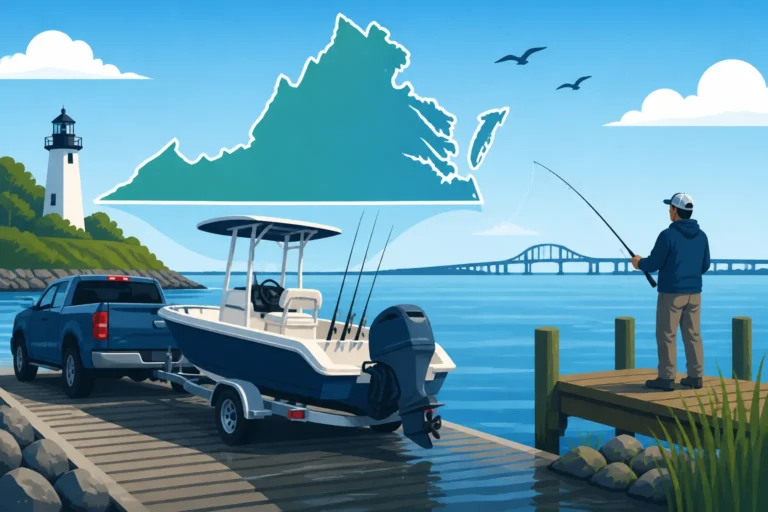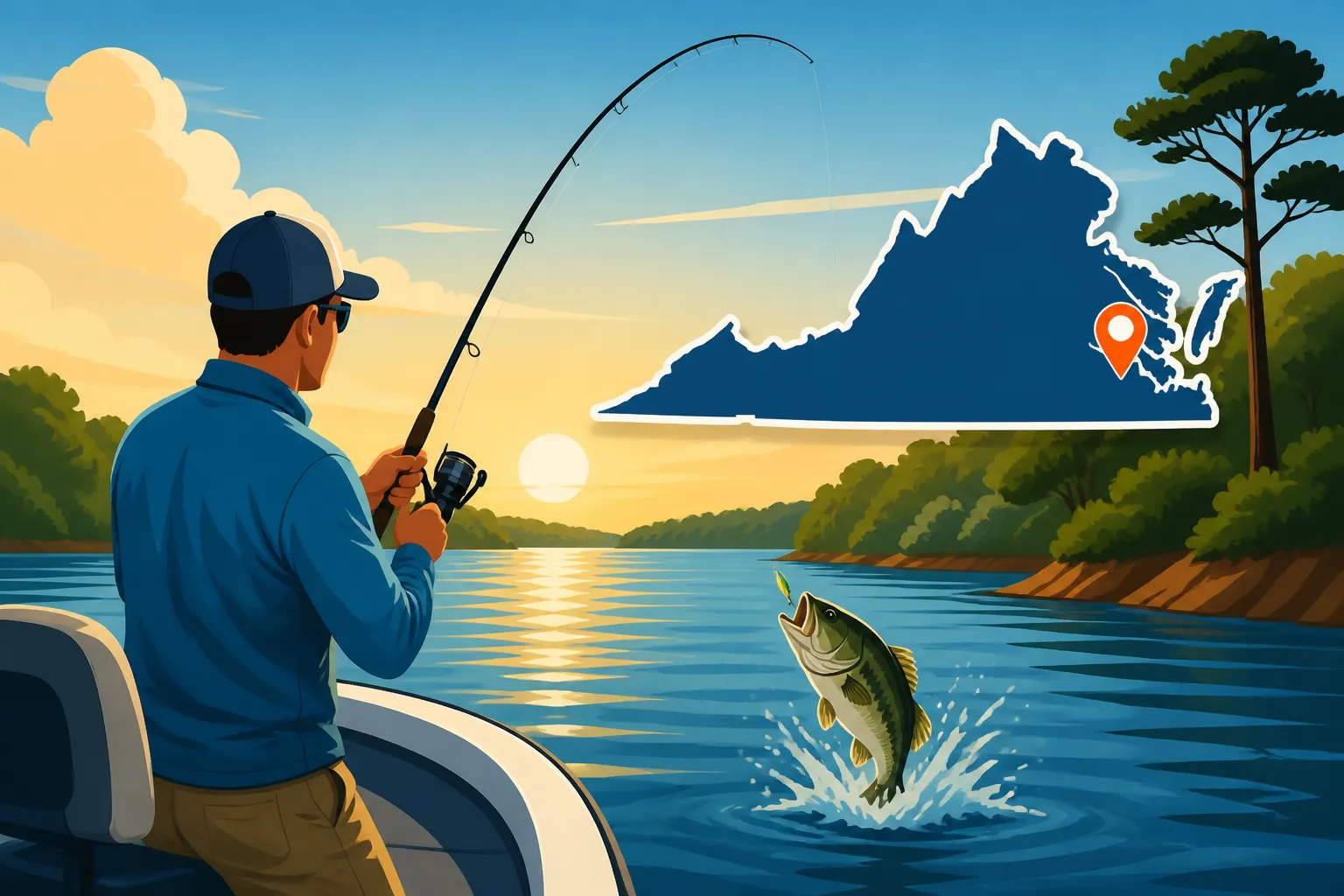
Fishing the York River in Virginia
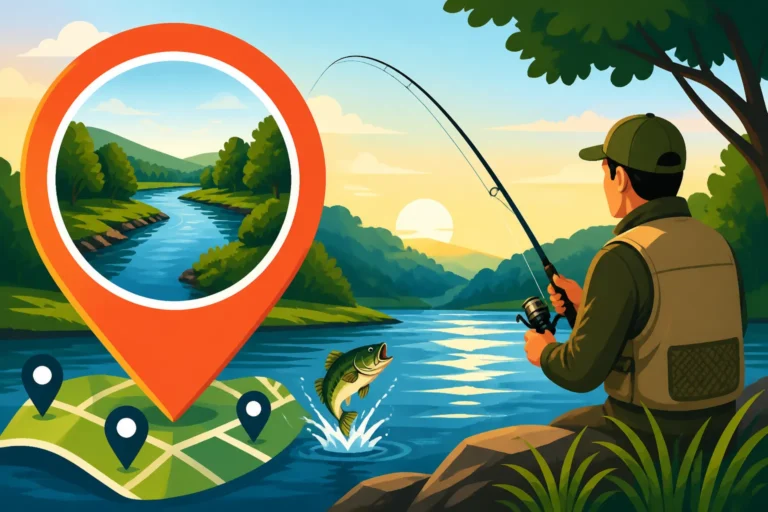
Many anglers dream of hitting the open ocean or a bustling bay, but sometimes the most rewarding fishing comes from quieter, yet incredibly productive, waters. If you've been looking for a tidal river experience in Virginia that offers diverse species, manageable conditions, and plenty of room to cast, the York River is your answer. This comprehensive guide will equip you with all the knowledge you need to explore its bountiful waters, from understanding its unique environment to mastering the techniques for its most sought-after fish.
Discovering the Unique Character of the York River
The York River isn't just another waterway; it's a dynamic estuarine system that offers a fascinating blend of freshwater influence and saltwater opportunities. This unique character is precisely what makes it such a special place for anglers seeking variety and a true taste of Virginia's coastal plain fishing.
Geographical Overview and Ecosystem
The York River forms in West Point, Virginia, where the Pamunkey and Mattaponi Rivers converge. From there, it flows southeast for about 34 miles before emptying into the Chesapeake Bay. This relatively short length belies its significant impact on the local ecosystem and its value as a fishing destination. The river is wide and deep in many sections, particularly closer to the Bay, gradually becoming narrower and shallower as you move upstream towards West Point. What's truly critical for fishing is its tidal nature and the salinity gradient. Near its mouth, the water is decidedly brackish, supporting a robust saltwater fishery. As you head upriver, the salinity decreases, and you start encountering more freshwater species mingling with their brackish counterparts. The river bottom is a mix of mud, sand, and crucial oyster beds, which provide vital habitat and foraging grounds for countless fish species. These submerged structures are key indicators of where the fish will be holding.
Why the York River Stands Out for Anglers
The York River offers several distinct advantages that make it a premier fishing destination in Virginia, often flying a bit under the radar compared to the massive Chesapeake Bay. Firstly, it generally experiences less fishing pressure than the main Bay, especially on crowded weekends, meaning more peaceful angling and potentially less competition for those prime fishing spots. Secondly, the sheer variety of species is remarkable. Because of its estuarine nature, you can realistically target fish like striped bass, flounder, and croaker alongside catfish and white perch, sometimes even on the same trip! This makes it incredibly versatile, catering to anglers with different preferences and skill levels. Finally, its accessibility is a huge plus. With numerous public piers, ample shore fishing opportunities, and well-maintained boat ramps, the York River accommodates everyone from the casual bank angler to those with large fishing vessels. Whether you prefer the solitude of a kayak exploring tidal creeks or the comfort of a larger boat working the main channels, the York River provides an inviting and productive environment.
Prime Fish Species and Their Seasons in the York River
The diverse ecosystem of the York River supports an incredible array of fish, offering exciting opportunities for anglers throughout the year. Knowing what to target and when can dramatically improve your success rate and make your time on the water even more rewarding.
Striped Bass (Rockfish) and Their Runs
The striped bass, affectionately known as "rockfish" in Virginia, is arguably one of the most popular and sought-after species in the York River. These powerful fish migrate through the river during their spring and fall runs, providing exhilarating action for eager anglers. The spring run typically occurs from March through May, as stripers move into the tidal rivers to spawn. During this time, you might encounter larger breeding fish, though regulations often dictate catch-and-release only for certain sizes or during specific periods. The fall run, from October through December, is often considered the peak season, as stripers actively feed, preparing for winter. They can be found chasing baitfish throughout the river, from the deeper channels to the shallower flats. It's crucial to stay updated on the ever-changing regulations, as the Virginia Department of Wildlife Resources (DWR) frequently adjusts seasons, slot limits, and possession rules to manage this precious fishery. For a comprehensive overview, checking the current Virginia Striped Bass Season and Slot Limit Guide is a must, and understanding the nuances of the Virginia Striped Bass Split Season Dates Explained can help you plan your trips effectively. Many anglers find success by targeting structure like bridge pilings, oyster reefs, and channel edges using jigs, live bait such as menhaden, or even topwater lures during low-light conditions. You can find excellent action at many of the Best Striped Bass Spots on the York River, Virginia.
Flounder and Croaker: Bottom Fishing Delights
For those who enjoy the steady pull of a bottom-feeding fish, the York River is a fantastic destination for flounder and croaker. Flounder, known for their delicious white meat and tricky bite, arrive in the river in spring and stay through the fall. They prefer sandy or muddy bottoms, often congregating near drop-offs, ledges, and submerged structures where they can ambush passing baitfish. Targeting flounder requires patience and the right bait; live minnows, strip baits like cut squid, or artificials like Gulp! shrimp or swimming mullet on a bucktail jig are highly effective. You'll want to fish these baits close to the bottom, often with a slow drift. For specific locations, check out where to catch Where to Catch Flounder on the York River.
Croaker, another popular bottom dweller, are abundant in the York River from late spring through fall. These feisty panfish are incredibly fun to catch, especially for families or beginners, and make for excellent table fare. They respond well to simple bottom rigs baited with small pieces of squid, bloodworms, or even fish bites. Croaker often travel in schools, so if you find one, you're likely to find more! They prefer similar habitats to flounder, especially areas with shell bottom or slight currents. Anglers looking for the best spots to find these tasty fish should consult a guide on the Best Croaker Fishing Spots on the York River, Virginia.
Catfish and Perch: Year-Round Opportunities
The York River also offers solid fishing for various catfish species and panfish, providing more consistent action throughout the year, even when some migratory species have moved on. Channel catfish are prevalent throughout the river system, particularly in the brackish and lower-salinity sections upstream. They are opportunistic feeders and can be caught using a variety of baits, from cut bait (like pieces of gizzard shad or menhaden) to chicken livers, nightcrawlers, and commercially prepared stink baits fished on the bottom. Flathead catfish, known for their impressive size and fierce fight, can also be found further upriver, especially in the deeper holes and around fallen timber. White catfish, a smaller but equally tasty species, are also common. You can learn more about finding these whiskered warriors by checking out the Best Catfish Fishing on the York River, Virginia.
Beyond catfish, the York River is home to a healthy population of white perch and yellow perch. White perch are especially abundant and provide excellent light-tackle action. They are often found in schools around structure like docks, oyster beds, and channel edges, particularly during spring and fall. Small jigs tipped with pieces of bloodworm or shrimp, or simply a live minnow under a bobber, are highly effective. Yellow perch, with their distinct striped pattern, are also present, particularly in the less saline upper reaches. These panfish are perfect for beginner anglers or anyone looking for consistent bites and a delicious meal.
Top Fishing Spots and Access Points Along the York River
Knowing what to catch is only half the battle; knowing where to cast your line is equally important. The York River offers a variety of access points, from bustling public piers to tranquil boat ramps, ensuring there's a perfect spot for every type of angler.
Public Piers and Shoreline Access
For many anglers, especially those without a boat or who prefer a more relaxed fishing experience, the public piers and shoreline access points along the York River are invaluable. These locations offer convenience, safety, and often fantastic fishing opportunities right from the bank or a sturdy pier.
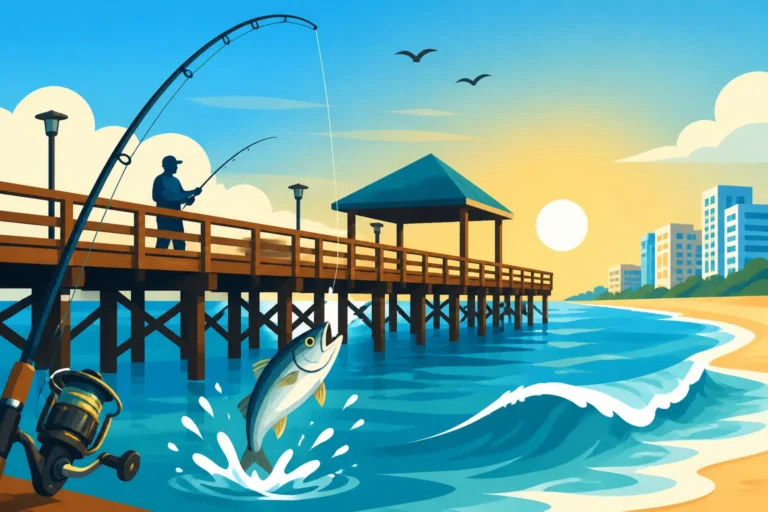
One of the most popular spots is the Yorktown Fishing Pier, located at Riverwalk Landing in historic Yorktown. This pier is an excellent option for catching croaker, spot, flounder, and even striped bass during their runs. It's well-maintained, offers amenities like restrooms and nearby shops, and provides a picturesque setting for a day of fishing. While fishing here, always be mindful of other visitors and check for any specific pier regulations regarding bait, casting, or catch limits. Another prime location is the Gloucester Point Beach Park Pier, situated on the northern side of the river's mouth. This pier also offers access to deeper water, making it a hotspot for a similar range of species, particularly during migratory periods. Its location provides a great vantage point for observing the river's activity. Beyond these main piers, various public parks and small access points along the river offer opportunities for bank fishing, though these may require a bit more exploration to find the best casting spots and ensure you're on public land. Always respect private property and be aware of any posted signs.
Best Boat Ramps for River Anglers
If you have a boat, whether it's a small skiff or a larger center console, the York River provides excellent launching facilities that can get you to the prime fishing grounds quickly. Choosing the right boat ramp often depends on your target species and your desired fishing zone.
The York River State Park offers a popular boat ramp in Croaker, Virginia. This launch provides access to the middle and upper stretches of the river, making it ideal for targeting catfish, white perch, and bass in the less saline waters. The park also features beautiful natural scenery and other recreational activities. For those looking to fish closer to the Chesapeake Bay and the heart of the saltwater action, the Gloucester Point Boat Ramp is an excellent choice. Located just off Route 17, it provides easy access to the deeper channels and broader expanses of the lower York River, perfect for pursuing striped bass, flounder, and red drum. Another great option, often combined with a visit to the Yorktown Fishing Pier, is the Riverwalk Landing Boat Ramp in Yorktown. This ramp puts you directly into the lower river, with easy access to the deeper channels and proximity to the mouth of the Bay. When using any of these ramps, always consider the tides, as low tide can make launching and retrieving more challenging, especially for larger vessels. Parking can also be a factor, particularly on busy weekends, so plan accordingly. For a more detailed look at your options, explore more about Boat Ramps on the York River for Fishing Access.
Kayak and Small Boat Hotspots
For kayak and small boat enthusiasts, the York River and its numerous tributaries offer an unparalleled opportunity to explore shallower waters and hidden creeks that larger boats can't reach. This intimate access often leads to some of the most productive fishing.
The extensive network of tidal creeks and marshy areas feeding into the York River provides fantastic habitat for a variety of species. Kayakers can navigate these calmer, protected waters, targeting speckled trout, red drum, and juvenile striped bass that hide in the grass beds and along marsh edges. Areas around Goodwin Islands near the mouth of the river, accessible via smaller launches or designated kayak entry points, are particularly rich in biodiversity and offer excellent shallow-water fishing. Similarly, the numerous creeks and bays that branch off the main river, such as those found near Mobjack Bay (a smaller bay connecting to the York), offer secluded spots away from heavy boat traffic. These areas are perfect for sight fishing or casting light tackle for active feeders. When venturing out in a kayak or small boat, always prioritize safety. Check the weather and tides carefully, as strong currents and wind can make conditions challenging. Wear a life jacket, carry a whistle, and let someone know your float plan. These smaller vessels allow for a stealthy approach, enabling anglers to get closer to the fish without spooking them, especially in skinny water.
Essential Techniques and Gear for York River Success
To truly unlock the potential of fishing the York River, it's not just about knowing where to go, but also understanding how to fish its diverse waters. Matching your techniques and gear to the conditions and target species will significantly increase your chances of a memorable catch.
Lures and Baits That Get Bites
The variety of species in the York River means you'll need a versatile tackle box. For striped bass, jigs are king. Bucktail jigs in white, chartreuse, or pink, often tipped with a soft plastic trailer, are incredibly effective, especially when worked along drop-offs or around bridge pilings. Soft plastic swimbaits, like Z-Man DieZel MinnowZ or Bass Assassin Sea Shad, rigged on a weighted swimbait hook, are also deadly, mimicking the baitfish stripers feed on. When the stripers are actively chasing bait on the surface, topwater lures like poppers or walk-the-dog style baits provide exhilarating action. For live bait, menhaden or eels are irresistible to larger stripers.
For flounder, the classic setup is a Carolina rig with a live minnow (like a mud minnow or peanut bunker) or a strip of cut bait (squid or fish belly). Artificial scented baits, particularly the Gulp! line from Berkley, are also incredibly effective, especially the shrimp and swimming mullet patterns fished on a jig head or a flounder rig. Croaker and spot are less picky; bloodworms, squid, or small pieces of shrimp fished on a bottom rig with small hooks will almost always get a bite. And for catfish, nothing beats fresh cut bait—shad or menhaden are excellent—or tried-and-true chicken livers. Stink baits, especially those molded onto a spring or sponge, also work well in the brackish and freshwater sections.
Rods, Reels, and Line Recommendations
Given the range of species, a balanced approach to your rod and reel setup is wise. For targeting larger striped bass and catfish, a medium-heavy spinning or baitcasting rod, typically 7 to 7.5 feet in length, with a fast action is ideal. Pair this with a reliable reel spooled with 20-30 lb braided line, which offers superior sensitivity and casting distance. A fluorocarbon leader of 30-50 lb test is crucial for abrasion resistance and stealth.
For flounder, smaller striped bass, and heavier croaker fishing, a medium-action spinning rod (6.5 to 7 feet) with a sensitive tip is perfect. This allows you to feel the subtle bites of flounder while still having enough backbone to fight a decent fish. A 2500-3000 size spinning reel spooled with 10-15 lb braid and a 15-20 lb fluorocarbon leader will be versatile. For lighter tackle action, such as catching white perch, spot, and smaller croaker, a light to medium-light spinning rod (6 to 6.5 feet) with a 1000-2000 size reel spooled with 6-10 lb monofilament or braid is excellent. This setup maximizes the fun of catching smaller fish and is sensitive enough for delicate bites. Always ensure your drag is set properly to prevent break-offs, especially when a big striper decides to make a run.
Understanding Tidal Patterns and Structure Fishing
Fishing the York River effectively means understanding its tides. Unlike lakes, tidal rivers constantly change depth and current flow, which significantly impacts fish behavior. Generally, the incoming tide often brings cooler, cleaner, more saline water from the Chesapeake Bay, which can trigger feeding activity, especially for saltwater species. As the tide flows in, baitfish are pushed into specific areas, and predatory fish follow. The outgoing tide, conversely, draws water and bait from the shallower creeks and flats, often concentrating fish in deeper channels or around points as they wait for food to come to them. Many experienced anglers prefer fishing the first few hours of the incoming or outgoing tide, or during the slack tide period around the change, as this is when fish are often most active.
Beyond tides, understanding structure is paramount. The York River is rich with natural and artificial structures that attract fish. Look for oyster beds, which act as natural reefs providing food and cover. Bridge pilings are magnets for stripers and perch, offering current breaks and ambush points. Channel edges, particularly where shallow flats drop into deeper water, are prime feeding zones. Submerged logs, rock piles, and even old dock pilings can hold fish. A good depth finder or sonar unit is an invaluable tool for identifying these underwater structures. By combining tidal knowledge with an understanding of where fish like to hold in relation to structure, you can pinpoint the most productive fishing spots on any given day.
Navigating Regulations and Licensing on the York River
Fishing in Virginia, especially in a dynamic estuary like the York River, requires adherence to specific regulations and licensing requirements. Understanding these rules isn't just about avoiding penalties; it's about contributing to the conservation of the state's valuable fisheries for future generations.
Virginia Fishing License Requirements
Before you even think about wetting a line in the York River, you need to ensure you have the appropriate Virginia fishing license. Given the river's unique blend of freshwater and saltwater influences, this can sometimes be a point of confusion for new anglers. Generally, if you're fishing in the tidal portion of the York River (which is most of it), you'll need a saltwater fishing license. However, if you plan to venture far upstream into the Pamunkey or Mattaponi Rivers where the water is predominantly fresh, a freshwater license will be required. Many savvy anglers opt for a Virginia Resident Combination Fishing License Price or a Nonresident Combination Fishing License in Virginia to cover all their bases, as this allows you to fish both fresh and saltwater throughout the state without worrying about crossing an invisible line.
There are also options for short-term licenses, like Virginia's 10-Day Saltwater Fishing License, which can be perfect for visitors or those planning a brief fishing trip. It's always best to check the Virginia Department of Wildlife Resources (DWR) website for the most current information, or consult a comprehensive guide like the Virginia Fishing License Guide. Remember, special provisions might apply for certain age groups, such as children or seniors; for instance, you can find specific information on Virginia Fishing License Requirements for Residents and Nonresidents. Don't forget that revenues from fishing license sales directly support wildlife conservation efforts in the state, making your contribution vital.
Catch Limits, Size Restrictions, and Seasons
Beyond just having a license, knowing the specific catch limits, size restrictions, and open seasons for the fish you're targeting is absolutely critical. These regulations are put in place to ensure sustainable fish populations and can vary significantly by species, time of year, and even specific bodies of water. For example, striped bass (rockfish) in the York River are subject to specific slot limits and possession limits, which often change annually based on scientific assessments. You might be allowed to keep only one fish within a certain size range, and there are often split seasons where fishing for stripers is permitted only during certain months. It's not uncommon to hear about anglers getting caught off guard by these changes, leading to frustrating fines.
Similarly, species like flounder, croaker, and various catfish also have their own regulations. For flounder, there's usually a minimum size limit and a daily creel limit. Croaker and perch typically have more generous limits but still require attention. The DWR publishes updated regulations annually, and it’s your responsibility as an angler to be familiar with them. Carrying a copy of the current regulations, either digitally on your phone or a printed guide, is always a good practice. Penalties for violating these rules can range from fines to confiscation of gear, so staying informed is paramount. For general rules every angler should know, refer to the Virginia Fishing Regulations Explained and Virginia's Fishing License and Catch Limit Basics to ensure you're fishing responsibly and legally.
Here's a quick overview of common species in the York River and general season/bait guidelines (always check current DWR regulations for specifics!):
| Species | Prime Season | Common Baits/Lures | Typical Size Range |
|---|---|---|---|
| Striped Bass | Spring (Mar-May), Fall (Oct-Dec) | Live bait (menhaden, eels), Jigs, Soft Plastics, Topwater | 18-36 inches |
| Flounder | Late Spring (May-Jun), Fall (Sep-Nov) | Live minnows, Cut Squid, Gulp! shrimp, Bucktail jigs | 12-20 inches |
| Croaker | Late Spring (May-Jun), Summer (Jul-Aug) | Bloodworms, Squid, Shrimp | 8-14 inches |
| Channel Catfish | Spring (Apr-May), Summer (Jun-Aug) | Cut Bait, Chicken Livers, Stink Baits | 1-10 lbs |
| White Perch | Spring (Mar-May), Fall (Sep-Nov) | Small Jigs, Bloodworms, Shrimp, Minnows | 6-12 inches |
| Speckled Trout | Fall (Oct-Nov), Early Spring (Apr-May) | Soft Plastics, MirrOLures, Live Shrimp | 15-25 inches |
Enhancing Your York River Trip: Charters and Guides
While the York River offers plenty of opportunities for independent anglers, sometimes the best way to experience its full potential, especially if you're new to the area or targeting specific species, is to enlist the help of a professional fishing charter or guide.
Why Consider a Professional Guide
Booking a professional guide or charter on the York River offers numerous benefits that can significantly elevate your fishing experience. First and foremost, local guides possess invaluable knowledge of the river. They know the subtle nuances of the tides, the seasonal patterns of fish movement, and the exact spots where fish are most likely to be holding on any given day. This local expertise can save you hours of searching and experimenting, putting you directly on the fish. For instance, a skilled guide will know precisely where the Best Striped Bass Spots on the York River, Virginia are heating up.
Secondly, guides come equipped with all the necessary gear – quality rods, reels, tackle, and often bait – eliminating the need for you to invest in expensive equipment or worry about what to bring. Many even provide the required fishing licenses for everyone on board, streamlining the process. This is particularly appealing for beginners or out-of-state visitors. Furthermore, guides prioritize safety, navigating the waters with skill and providing a secure environment, especially important on tidal rivers where currents and submerged hazards can be present. They can also teach you effective techniques, help you identify different species, and generally make your trip more educational and enjoyable, transforming a simple fishing outing into a comprehensive learning experience.
Finding the Right York River Charter
Once you've decided to go with a guide, the next step is finding the right one for your York River adventure. The key is to do your homework to ensure a good fit for your group and your fishing goals. Start by thinking about what kind of trip you want: are you primarily interested in chasing trophy striped bass, or would you prefer a family-friendly outing targeting croaker and perch? This will help narrow down your options, as some guides specialize in certain species or techniques.
Online platforms like FishingBooker are incredibly useful resources for this process. They allow you to browse a wide array of captains operating on the York River and nearby waters, complete with detailed profiles, photos, and, most importantly, reviews from past clients. A good captain on FishingBooker will have clear descriptions of their boat, what's included in the trip, and their specific areas of expertise. Pay close attention to recent reviews, as they often give the best indication of a guide's current performance and customer service. You can also compare pricing for different trip lengths, like a half-day versus a full-day trip, helping you budget accordingly. For a more general overview of what to look for, consult a guide on Virginia Fishing Charters and Guides: The Complete Guide and How to Book a Fishing Charter in Virginia. Websites like FishingBooker make it easy to compare options, allowing you to filter by location, target species, and even boat size.
What to Expect and How to Prepare for a Guided Trip
After you’ve booked your York River charter, a little preparation on your part can ensure a smooth and successful trip. Most guides found on platforms like FishingBooker will provide specific instructions, but here are some general tips. Always confirm the meeting time and location the day before your trip. Ask about what's included and what you should bring. Typically, essentials include sunscreen, sunglasses, a hat, appropriate clothing (layers are often best for changing weather), snacks, and drinks. Many reputable guides found on platforms like FishingBooker will outline exactly what's provided, so you'll know if you need to pack your own lunch or if water is on board.
Regarding licenses, many (but not all) charter boats operate under a blanket license that covers all passengers, especially for saltwater fishing. However, it's always wise to confirm this directly with your captain or check their listing on FishingBooker. If you need your own license, make sure to purchase it beforehand. Tipping the captain and mate (if applicable) is customary and greatly appreciated, usually 15-20% of the trip cost, especially if they worked hard and put you on fish. Be sure to check the captain's profile on FishingBooker for reviews about their service and what previous clients have said. Finally, communicate any specific preferences or physical limitations you might have to your captain in advance. They want you to have a great time, and knowing your expectations helps them tailor the trip. Booking your trip through a platform like FishingBooker often provides payment protection and clear communication channels to help with these pre-trip questions. If you're weighing your options for trip duration, understanding the differences between a Half-Day vs Full-Day Fishing Charters in Virginia can help you choose the best experience.
Disclaimer
Please note that fishing regulations, seasons, and license requirements in Virginia are subject to change by the Virginia Department of Wildlife Resources (DWR). While this guide provides comprehensive and current information at the time of publication, it is the angler's responsibility to verify all regulations before fishing. Always check the official DWR website or consult a current Virginia fishing regulations summary for the most up-to-date rules.