Fishing Spots Near Roanoke, Virginia
Trying to figure out where to cast your line when you're in the Roanoke, Virginia, area can feel like looking for a needle in a haystack – there are so many fantastic options, but knowing the best spots for what you want to catch isn't always obvious. Whether you're a seasoned angler looking for a trophy catch or a family hoping for a fun day by the water, this guide is designed to cut through the confusion and point you to the top fishing spots near Roanoke, ensuring your next outing is a resounding success.
The Allure of Fishing Near Roanoke: A Diverse Angler's Paradise
Roanoke, nestled in the scenic Blue Ridge Mountains, offers anglers an incredibly diverse array of fishing experiences that can sometimes be overwhelming to navigate. It's not just one type of fishing; it’s a whole spectrum, from vast reservoirs teeming with game fish to tranquil mountain streams holding elusive wild trout. Understanding this variety is the first step to unlocking some truly memorable fishing adventures.
Why Roanoke is a Hidden Gem for Anglers
Let's be real, sometimes you just want to get away from the hustle and bustle and find a quiet spot where the fish are biting. Roanoke perfectly blends accessibility with incredible natural beauty, offering anglers exactly that. You've got the city amenities close by, but within a short drive, you're deep in nature, surrounded by mountains and waterways. This unique geographical position means that you're never too far from a prime fishing location, whether your passion lies in battling a hard-fighting bass or peacefully pursuing panfish. The region truly caters to all preferences, making it a dream destination for anyone with a fishing rod. It’s a relief to know that even if you're stuck in the daily grind, a top-notch fishing experience is likely just around the corner, waiting to melt away your stress.
Understanding Roanoke's Waterways
The fishing landscape around Roanoke is characterized by three main types of waterways, each offering distinct challenges and rewards. First, you have the large, expansive reservoirs like Smith Mountain Lake and Claytor Lake. These massive impoundments are deep, offer diverse habitats, and are renowned for their impressive populations of striped bass, largemouth bass, and various panfish. They often require boats or dedicated pier access for the best fishing. Second, the rivers and major creeks, such as the legendary James River or the local Roanoke River, provide a different experience altogether. These flowing waters are prime real estate for smallmouth bass, catfish, and offer opportunities for wading or kayak fishing. Finally, the numerous smaller mountain streams winding through the national forests present a more secluded, often challenging, but ultimately rewarding pursuit of wild trout in pristine environments. Knowing which type of waterway suits your fishing style and target species is key to a successful outing.
Prime Freshwater Lake Destinations Near Roanoke
For many anglers, the thought of "fishing near Roanoke" immediately conjures images of vast, sparkling lakes. And for good reason! This region boasts some of Virginia's most productive and renowned freshwater fisheries, each with its own character and specialties. These lakes are true powerhouses, offering everything from trophy bass to schooling stripers and abundant panfish.
Smith Mountain Lake: A Trophy Fishery
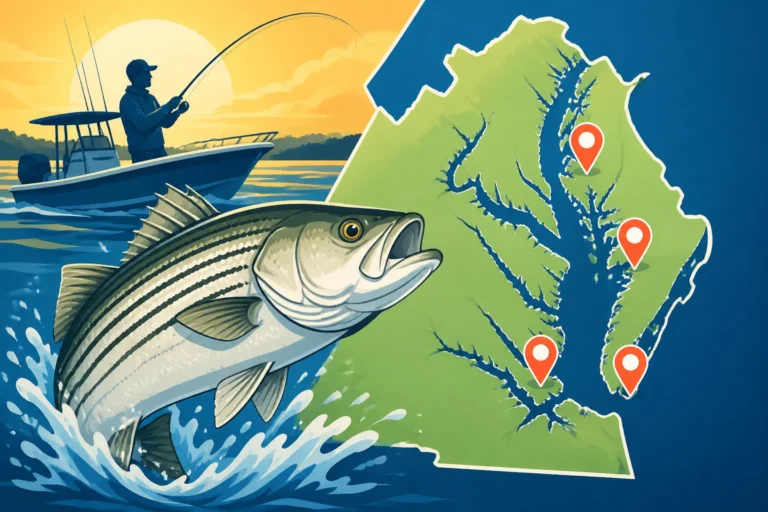
Just a stone's throw from Roanoke, Smith Mountain Lake stands out as a true angler's paradise, famous across the East Coast. This enormous impoundment, often simply called SML, covers over 20,000 acres and boasts 500 miles of shoreline. If you're looking for a serious challenge, SML is arguably the top destination for Smith Mountain Lake Striped Bass Fishing in Virginia. These hard-fighting fish grow to impressive sizes here, with anglers often targeting them by trolling live bait or large artificial lures in the open water or around humps and points.
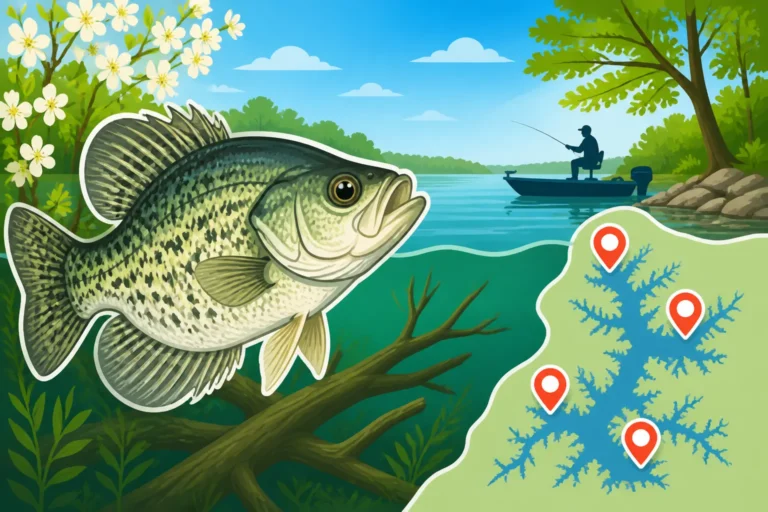
Beyond the stripers, Smith Mountain Lake is also a phenomenal spot for largemouth bass, with plenty of structure, coves, and submerged timber for them to hide in. Anglers often find success flipping jigs, throwing spinnerbaits around docks and fallen trees, or working crankbaits along rocky points. And let's not forget the panfish! Crappie and catfish are also plentiful, providing excellent action, especially during the cooler months or for those looking for a delicious meal. Crappie often stack up around brush piles and bridge pilings, while catfish can be found deep on the bottom, particularly in the lower lake. The sheer size of SML means there are countless public and private boat ramps, as well as several marinas offering bait, tackle, and even guided trips. If you're serious about fishing here, consulting a Smith Mountain Lake Fishing Guide can significantly improve your chances.
Claytor Lake: Multi-Species Haven
A bit further west, near Radford, you'll find Claytor Lake, another incredible freshwater gem that offers a different, yet equally rewarding, fishing experience. Claytor Lake is known for its clear, deep waters and unique blend of species, making it a fantastic destination for diverse angling. Unlike SML, Claytor Lake is especially famous for its walleye population, offering a specialized challenge for anglers targeting these elusive, delicious fish. Walleye often hold in deeper sections, especially during the day, and can be caught by trolling deep-diving crankbaits or jigging spoons.
But Claytor Lake isn't just about walleye. It's also home to a fantastic smallmouth bass fishery, with these bronzebacks thriving in its rocky points and cooler, clearer waters. Spotted bass are also prevalent, and if you know how to Target All Four of Claytor Lake's Bass Species in One Trip, you could be in for an epic day. For those looking for bigger bottom dwellers, Claytor Lake is a prime spot for flathead catfish, with some true monsters lurking in its depths. Access is readily available through Claytor Lake State Park and numerous public boat ramps. It's a lake that rewards anglers who study its contours and understand its diverse aquatic life.
Lake Anna and Kerr Lake: Worth the Drive
While not directly "near" Roanoke in the same way SML or Claytor are, Lake Anna and Kerr Lake (also known as Buggs Island Lake) are iconic Virginia fisheries that are absolutely worth considering if you're up for a bit of a drive. They offer different fishing dynamics and can be fantastic alternatives or additions to your angling itinerary.
Lake Anna, located further east, is renowned for its striped bass and largemouth bass fishing. Its warmer waters and distinct north and south portions (public and private, respectively) offer unique challenges. Anglers often flock there for its incredible largemouth bass tournaments, and its power plant discharge area provides excellent winter fishing. If you're passionate about bass, exploring Best Bass Fishing Lakes in Virginia will almost certainly lead you to Lake Anna.
Kerr Lake, straddling the Virginia-North Carolina border, is one of the largest reservoirs in the Southeast. It's a behemoth, known for its incredible crappie fishery, especially in the spring, when these tasty panfish move into shallower waters and around brush piles. Many anglers consider it among the Best Crappie Fishing Lakes in Virginia. It also boasts excellent catfish and largemouth bass populations. While a longer drive, the sheer size and productivity of Kerr Lake often make the journey worthwhile, particularly for multi-day trips.
Navigating Roanoke's Renowned Rivers and Streams
Beyond the expansive lakes, the Roanoke area is crisscrossed by vibrant rivers and smaller streams, each offering a distinct kind of fishing adventure. These flowing waters are a true treasure, providing everything from hard-fighting smallmouth bass to serene wild trout fishing experiences.
The James River: A Smallmouth Bass Powerhouse
When anglers talk about river fishing near Roanoke, the conversation almost always turns to the legendary James River. The upper stretches of the James, particularly west of Lynchburg and flowing through areas like Buchanan and Iron Gate, are celebrated as one of Virginia's premier smallmouth bass fisheries. These powerful fish thrive in the river's rocky runs, deep pools, and swift currents, providing an exhilarating fight on light tackle. Many consider it one of the Best Smallmouth Bass Rivers in Virginia.
Float trips by canoe or kayak are incredibly popular here, allowing anglers to cover miles of pristine water, casting to submerged rocks, eddies, and undercut banks. For those who prefer to stay on solid ground, there are numerous public access points and wading opportunities. Fly fishing for smallmouth bass on the James River is also a highly rewarding experience, offering a chance to connect with nature in a more intimate way. Using poppers, streamers, or crayfish imitations can yield excellent results, especially during the warmer months. The James isn't just a river; it's an experience, a living, breathing testament to the wild beauty of Virginia.
The Roanoke River: Urban Fishing and Beyond
Closer to home, the Roanoke River itself offers some surprising and convenient fishing opportunities, right within and just outside the city limits. While it might not have the same "trophy fishery" reputation as the James or Smith Mountain Lake, it provides incredibly accessible angling for a variety of species. This is the perfect spot for an impromptu afternoon trip or for introducing kids to the joys of fishing without a long drive.
The urban sections of the Roanoke River are home to abundant catfish, particularly channel catfish and white catfish, which can be caught using simple bottom-fishing techniques with cut bait or worms. You'll also find various panfish like bluegill and sunfish, offering steady action for lighter tackle. Depending on the section and time of year, largemouth bass and even smallmouth bass can be found, especially in the clearer, rockier stretches upstream from the city. Several city parks and greenway access points provide easy Shore Fishing Access Points in Virginia, making it possible to cast a line just minutes from downtown Roanoke. It's a testament to the resilience of our local waterways that such good fishing can be found so close to civilization.
Mountain Streams and Wild Trout Opportunities
For those seeking a more solitary and challenging fishing experience, the countless smaller mountain streams feeding into the larger rivers around Roanoke offer pristine habitats for wild trout. These streams, often located within the Jefferson National Forest, are typically colder, clearer, and require a bit more effort to access, but the reward is often a stunningly beautiful wild brook trout – Virginia's only native trout species – or healthy populations of rainbow and brown trout.
These wild trout waters are a stark contrast to the stocked trout streams you might be familiar with. The fish are often smaller, but their vibrant colors and wild nature make them incredibly prized catches. Fly fishing is the most common and effective method here, requiring delicate presentations and an understanding of stream dynamics. You'll need to check specific regulations for these streams, as many have special restrictions, including catch-and-release only or single-hook artificial lure requirements, all designed to protect these precious resources. If you're looking to connect with nature on a deeper level and experience the thrill of pursuing truly wild fish, exploring the Wild Trout Stream Rules in Virginia is a must. Just be prepared for a hike and some truly breathtaking scenery.
Convenient Shore Fishing and Family-Friendly Spots
Sometimes, the best fishing spot isn't the most remote or the one requiring the biggest boat. It's the one that's easy to get to, safe for the family, and still offers a good chance to reel something in. Roanoke is fantastic because it provides plenty of these accessible options, proving that you don't need a fancy setup to enjoy a great day on the water.
Parks and Public Access Points for Easy Angling
For those who prefer to keep their feet on solid ground or are introducing youngsters to fishing, Roanoke and its surrounding communities offer several excellent parks and public access points. These spots are often well-maintained, feature amenities like restrooms and picnic areas, and provide great opportunities for bank fishing.
Explore Park, located just east of Roanoke along the Blue Ridge Parkway, is a prime example. This sprawling outdoor recreation area offers access to the Roanoke River, with several spots where you can cast from the bank. It's a fantastic place for beginners to try their hand at catching sunfish, small bass, or even catfish in the river's slower stretches. Similarly, many local community ponds, though smaller, are often stocked with catfish or brim and provide an easy, low-pressure environment for kids to experience their first bites. Always check local signage or the Virginia Department of Wildlife Resources (DWR) website for specific regulations and stocking schedules for these smaller ponds. These spots are all about the experience – the joy of a tug on the line, the shared laughter, and the simple pleasure of being outdoors.
Pier Fishing and Beginner-Friendly Waters
While the Roanoke area isn't on the coast, there are still opportunities for pier-like fishing experiences on local lakes and dedicated fishing spots that cater to beginners or those without a boat. These areas simplify the fishing process, often providing convenient platforms to cast from, reducing the need for specialized equipment or navigating complex waterways.
For example, on larger lakes like Smith Mountain Lake or Claytor Lake, many state parks or public access areas feature fishing piers or designated bank fishing zones. These piers can be excellent places to target panfish, smaller bass, or even catfish. The convenience of a pier means you can set up a comfortable spot, keep an eye on the kids, and still have a real chance at catching fish. When planning your trip, consider places that have easily accessible docks or platforms. These types of locations are perfect for a quick trip, a lazy afternoon, or for anyone who wants to enjoy the peaceful side of fishing without the hassle of a boat launch or tricky river currents. The key is finding waters that are managed for public access and typically hold a good population of cooperative species.
Essential Gear, Bait, and Local Knowledge for Roanoke Anglers
Having the right gear and knowing how to use it, coupled with a bit of local wisdom, can truly make or break your fishing trip near Roanoke. It's not always about the most expensive equipment, but rather choosing what's appropriate for the species and water you're targeting. And believe me, local knowledge is gold.
Tailoring Your Tackle for Roanoke's Diverse Waters
Given the incredible diversity of fishing opportunities around Roanoke, having a versatile tackle setup is a huge advantage. You won't use the same rig for a wild trout in a mountain stream as you would for a striper in Smith Mountain Lake, but a few key items will serve you well across many scenarios.
For general freshwater fishing – think bass, crappie, and panfish in lakes and rivers – a medium-light to medium action spinning rod, around 6 to 7 feet long, paired with a reliable spinning reel spooled with 6-10 lb test monofilament or braided line, is a fantastic all-around choice. This setup is versatile enough to handle everything from casting small jigs for crappie to throwing plastic worms for largemouth bass. For specific species, you'll want to adapt. When targeting largemouth bass in a lake, consider having a few crankbaits, spinnerbaits, and soft plastic worms. For smallmouth bass in rivers, tubes, grubs, and small crankbaits that mimic crayfish are often deadly. If catfish are your goal, heavier line, sturdy hooks, and a good supply of cut bait or nightcrawlers will be essential. And for trout in those smaller streams, a lighter rod, perhaps a 4-weight fly rod or an ultralight spinning rod, with small spinners or dry flies, is the way to go. Don't forget a pair of pliers, a small tackle box with hooks and sinkers, and a landing net!
Tapping into Local Expertise and Resources
You can read all the articles and watch all the videos, but nothing beats actual, on-the-ground local knowledge. The fish bite differently depending on the season, water temperature, recent weather, and even lunar cycles! That's why connecting with local resources is invaluable.
The first stop should always be a local bait and tackle shop. Shops like Green Top Hunt & Fish or Gander Outdoors might not be right in Roanoke, but they're big regional players. Smaller, independent shops closer to specific lakes or rivers are often even better. The folks working there live and breathe local fishing. They can tell you what's biting, what bait or lure is working best, and even share tips on current hot spots. Don't be afraid to ask! Beyond bait shops, consider joining local fishing clubs or online forums dedicated to Virginia fishing. These communities are treasure troves of information and can offer insights you won't find anywhere else. And if you're looking for an even more hands-on approach, especially if you're new to an area or targeting a specific, challenging species like trophy striped bass, hiring a professional guide is an excellent investment. Platforms like How to Book a Fishing Charter in Virginia or FishingBooker can connect you with experienced captains who know the local waters like the back of their hand, saving you hours of trial and error and maximizing your chances of a successful trip. FishingBooker lists numerous guides for Smith Mountain Lake, for example, specializing in striped bass or bass.
Understanding Seasons and Regulations
One of the most crucial, yet sometimes overlooked, aspects of fishing in Virginia is understanding and adhering to the state's fishing seasons and regulations. These rules are in place for a reason – to protect our fisheries and ensure sustainable angling for generations to come. Trust me, the last thing you want is a run-in with a game warden because you weren't aware of the latest catch limits or season closures.
The Virginia Department of Wildlife Resources (DWR) is your go-to source for all official regulations. Their website and annual printed fishing guide (which you can usually pick up for free at bait shops or DWR offices) detail everything from license requirements to specific length and creel limits for different species and water bodies. For example, Virginia Fishing Regulations Explained can vary significantly between freshwater and saltwater, and even within different sections of the same river. Trout fishing, in particular, often has very specific seasons and special license requirements, especially for stocked trout waters. You can find detailed information on Virginia Stocked Trout Season Guide. Always make sure your Virginia Fishing License Guide is up-to-date and that you understand the rules for the specific area and species you're targeting. Ignorance is rarely an excuse when it comes to wildlife enforcement, so a few minutes of research before you go can save you a lot of headache (and potential fines!) down the road.
Planning Your Fishing Trip Near Roanoke
A successful fishing trip, especially to a new area, involves more than just knowing where the fish are. It's about planning, preparing, and respecting the environment around you. Thinking through the logistics beforehand can turn a good fishing trip into a truly great one.
Accommodation and Local Amenities
If you're coming to Roanoke from out of town, or even planning an extended staycation, thinking about where you'll lay your head and where to grab supplies is part of the adventure. The Roanoke Valley offers a wide range of accommodation options, from cozy bed-and-breakfasts to major hotel chains. If you're focusing on a specific lake like Smith Mountain Lake or Claytor Lake, consider renting a cabin or a lakeside house directly on the water. This can be especially convenient if you're bringing your own boat, as many rentals offer private docks.
For provisions, Roanoke itself has all the major grocery stores, outdoor retailers, and, as mentioned, local bait and tackle shops. You'll find everything you need, from snacks and drinks to specialized fishing gear. Small towns surrounding the lakes and rivers, like Moneta near Smith Mountain Lake or Buchanan along the James River, will also have smaller markets and local eateries, perfect for grabbing a quick bite or enjoying a meal after a long day on the water.
Hiring a Local Fishing Guide
While the joy of figuring things out on your own is undeniable, sometimes a helping hand from an expert can elevate your fishing experience, especially in diverse and challenging waters like those around Roanoke. Hiring a local fishing guide is not just for beginners; even seasoned anglers can benefit immensely from a guide's intimate knowledge of the area.
A good guide knows the seasonal patterns, the best baits and lures for the day, and most importantly, where the fish are hiding. They can save you hours, or even days, of fruitless casting, pointing you directly to the action. This is particularly true for specialized fishing, like targeting trophy striped bass on Smith Mountain Lake or navigating the wild trout streams. When looking for a guide, ask about their experience with the specific species you want to target and the type of fishing you prefer (e.g., fly fishing, trolling, jigging). Services like FishingBooker are excellent for finding reputable guides in the Roanoke area, allowing you to read reviews, compare prices, and book with confidence. Many guides provide all the necessary gear, so it's a fantastic way to try out new techniques or simply enjoy a hassle-free day on the water. Booking a guide ensures you're getting the best possible chance at a memorable catch, and they often share invaluable tips and tricks you can use on future solo trips.
Respecting the Waters and Conservation Efforts
As anglers, we're privileged to enjoy Virginia's beautiful natural resources, and with that privilege comes a profound responsibility. Practicing ethical angling and supporting conservation efforts are vital to ensuring these incredible fishing opportunities remain for generations to come.
This means following "leave no trace" principles: packing out all your trash, including discarded fishing line and bait containers. It means handling fish carefully, especially if you're practicing catch-and-release, to minimize stress and injury. Learn how to properly land, unhook, and release a fish quickly and gently. Consider using single, barbless hooks for certain species or in catch-and-release only waters. Supporting organizations like the Virginia DWR directly contributes to fish stocking programs, habitat restoration, and scientific research. Every time you buy a Virginia Fishing License Costs and Types Explained, a portion of that fee goes directly back into maintaining and improving our state's fisheries. By being mindful and responsible stewards of our waterways, we ensure that the next cast, and every cast after that, continues to be a rewarding one.
Comparing Top Fishing Spots Near Roanoke
Here's a quick overview of some of the best fishing spots near Roanoke to help you plan your next adventure:
| Fishing Spot | Primary Target Species | Best Fishing Method(s) | Key Features | Accessibility (General) | Notes |
|---|---|---|---|---|---|
| Smith Mountain Lake | Striped Bass, Largemouth Bass, Crappie | Trolling, Jigging, Casting Lures | Large, deep lake; trophy striper fishery | Boat, numerous ramps | Excellent for both serious and recreational anglers. |
| Claytor Lake | Walleye, Smallmouth Bass, Flathead Catfish | Trolling, Jigging, Bottom Fishing | Clear, deep water; unique walleye population | Boat, State Park access | Rewards anglers seeking diverse species. |
| James River | Smallmouth Bass, Catfish | Float Fishing (Kayak/Canoe), Wading, Casting | Scenic river, strong currents, rocky structure | Bank, boat launches | Ideal for river anglers and fly fishing enthusiasts. |
| Roanoke River (Local) | Catfish, Panfish, Largemouth Bass | Bottom Fishing, Light Tackle, Casting | Urban/suburban access, convenient | Bank, greenway access | Great for quick trips, beginners, and family fishing. |
| Mountain Streams | Wild Brook Trout, Rainbow Trout | Fly Fishing, Ultralight Spinning | Secluded, pristine, cold-water environment | Hike-in | Catch-and-release often encouraged; specific regulations apply. |
Disclaimer
The information provided in this guide is for general informational purposes only and is subject to change. Always consult the official Virginia Department of Wildlife Resources (DWR) website or current fishing guide for the most up-to-date regulations, license requirements, and seasonal closures before heading out. Fishing conditions can vary greatly, and safety should always be your top priority.