Is White Perch Good to Eat?
Many anglers in Virginia, especially those new to fishing or focusing on panfish, often wonder, "Is white perch good to eat?" It's a valid question, particularly when you're looking to bring home a tasty catch for dinner. After spending a day out on the water, whether on the Chesapeake Bay or one of our tidal rivers, you want to know if your efforts will be rewarded with a delicious meal. This guide will dive deep into why white perch are not just edible, but often celebrated for their delicate flavor and firm texture, covering everything from their habitat to the best ways to prepare them for the table.
The White Perch: A Virginia Staple
White perch are an incredibly common and often overlooked species in Virginia, but they hold a special place in the hearts (and stomachs) of many local anglers. They're a fantastic fish for beginners and seasoned pros alike, offering consistent action and a great fight on light tackle. But beyond the thrill of the catch, understanding where they come from and what they eat can really shed light on their culinary appeal.
Identifying Virginia White Perch
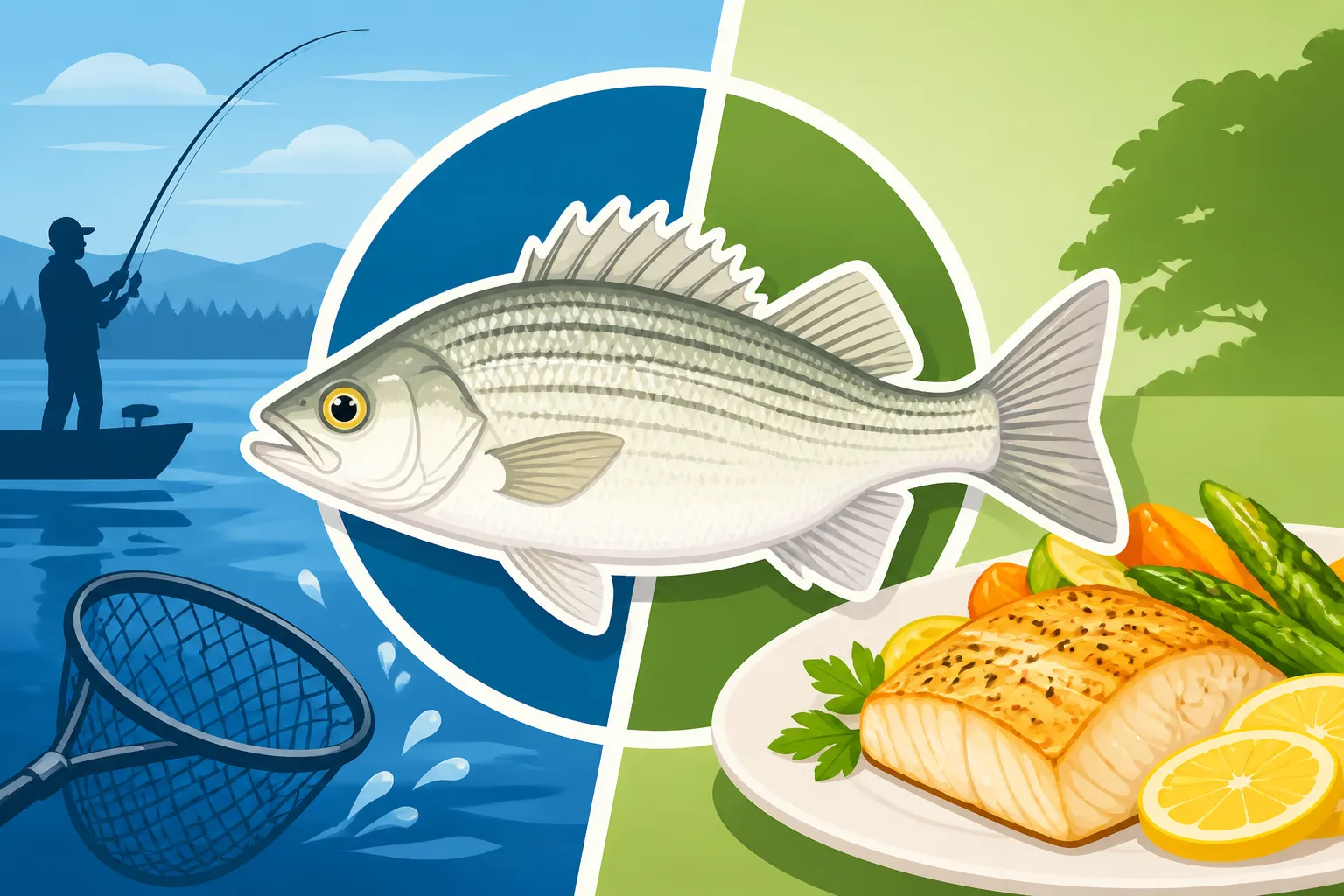
When you pull a white perch from the water, you'll notice their distinct silvery-white to olive-green bodies, often with a darker back. They're usually smaller than their more famous bass cousins, typically ranging from 6 to 10 inches, though larger specimens can certainly be found. They have a compact, somewhat deep body, and unlike true perch, their dorsal fins are joined. Knowing what you've caught is the first step towards enjoying it, and thankfully, white perch are relatively easy to identify. You'll find them in both fresh and brackish waters throughout the state, making them accessible to a huge range of anglers, from those Fishing Spots Near Richmond, Virginia to those casting lines in the Chesapeake Bay Striped Bass Fishing Guide.
It's easy to confuse them with other panfish at first glance, but once you've seen a few, their shape and coloration become quite distinctive. They might not have the flash of a rainbow trout or the aggressive strikes of a largemouth bass, but what they lack in grandeur, they make up for in sheer numbers and accessibility. This abundance means you can often fill a cooler with them, providing plenty of opportunities for a great fish fry.
Where White Perch Thrive in Virginia
White perch are incredibly adaptable, which is a big reason why they're such a popular target. You'll find them in tidal rivers like the James, York, and Rappahannock, as well as in the vast expanse of the Chesapeake Bay. They're also quite common in many of Virginia's larger lakes and reservoirs that have connectivity to these systems, demonstrating their ability to thrive in a variety of aquatic environments. Their preference for cooler, deeper water in the summer and shallower areas during spring and fall means anglers can target them almost year-round.
Whether you're fishing from a pier, a boat, or just off the bank, there's a good chance you'll encounter white perch. They often congregate around submerged structures, oyster reefs, bridge pilings, and drop-offs. Their widespread distribution means that no matter where you are in Virginia, a tasty white perch dinner is often just a short cast away. This accessibility is a huge plus for those who want to enjoy fresh, local fish without needing specialized gear or a long journey. Many anglers consider them a perfect species for Family-Friendly Fishing Spots in Virginia.
The Diet of a White Perch and Its Impact on Flavor
What a fish eats directly influences its flavor, and white perch are no exception. These opportunistic feeders have a varied diet, consuming small fish, shrimp, crabs, and aquatic insects. In brackish and saltwater environments, their diet often includes small crustaceans, which many believe contributes to their sweet, slightly briny flavor profile. In freshwater, they might lean more towards insect larvae and smaller baitfish.
This diverse diet, particularly their fondness for crustaceans in tidal waters, is often cited as a key reason for their appealing taste. Unlike some bottom feeders that can develop a muddy flavor, white perch generally feed on cleaner, healthier fare. This translates to a cleaner, sweeter, and milder flesh that doesn't carry strong "fishy" notes, making them a favorite even among those who claim not to love fish. Think of it like comparing a grass-fed steak to a grain-fed one; what they consume really does make a difference in the final product.
Flavor Profile and Texture of White Perch
Okay, so we've established that white perch are abundant and have a good diet. But what about the main event? How do they actually taste? This is where white perch truly shine and why so many Virginia anglers enthusiastically bring them home.
Comparing White Perch to Other Popular Panfish
If you're familiar with panfish like crappie or bluegill, you'll find white perch to be in a similar, highly desirable category, though with their own unique characteristics. Many describe white perch meat as firm, flaky, and delicate, with a distinctly sweet and mild flavor. It’s not an oily fish like mackerel or bluefish, which means it has a less intense, less "fishy" taste that's incredibly appealing to a broad range of palates, including those who are usually hesitant about eating fish.
Compared to a Is Crappie Good to Eat?, white perch often have a slightly firmer texture, holding up well to various cooking methods. They don't have the earthy taste that some catfish can possess, nor the stronger flavor of some freshwater bass. Instead, they offer a clean, white meat that's incredibly versatile. If you've enjoyed White Perch vs Yellow Perch: How to Tell Them Apart, you'll find white perch share that general panfish appeal but with their own delightful twist. This makes them a great choice for kids and adults alike, ensuring that your efforts on the water translate into a universally enjoyable meal.
How Preparation Methods Influence Taste
The beauty of white perch lies in its versatility. Because the flavor is so mild and pleasant, it readily absorbs the flavors of whatever seasonings or cooking methods you choose. This isn't a fish that needs heavy marinades to mask an unwanted taste; instead, it's a canvas for your culinary creativity.
For instance, a simple pan-fry with a light breading will highlight its natural sweetness and flaky texture. Grilling can impart a subtle smokiness, while baking with herbs and lemon will keep the fish moist and tender. Even steaming or poaching works beautifully, offering a very light and healthy preparation. The key is to avoid overcooking, as with most delicate fish, to preserve its moisture and texture. If you're using a cast iron pan you picked up from a retailer like Amazon, you'll find these fish cook up beautifully.
The Best Ways to Prepare White Perch
While personal preference always plays a role, certain cooking methods consistently bring out the best in white perch.
- Pan-Frying: This is probably the most popular method for a reason. A light dusting of seasoned flour or cornmeal, a hot skillet with a little oil or butter, and a few minutes on each side result in a perfectly crispy exterior and tender, flaky interior. This method really lets the fish's natural sweetness shine.
- Baking: For a healthier option, baking white perch fillets with a squeeze of lemon, a pat of butter, and a sprinkle of fresh dill or parsley is fantastic. Wrap them in parchment paper or foil with some vegetables for an easy, flavorful meal.
- Grilling: If you've got larger fillets, grilling them over medium heat can be delicious. Brush with olive oil, season simply with salt and pepper, and grill until just cooked through. The subtle char adds another layer of flavor.
- Fish Tacos: The flaky, mild meat of white perch makes it ideal for fish tacos. Simply pan-fry or bake the fillets, then break them into pieces for serving in warm tortillas with your favorite toppings.
The mildness of white perch also means it pairs well with a variety of sauces, from a simple tartar sauce to a vibrant salsa or a light lemon-butter sauce. Don't be afraid to experiment, because it's hard to go wrong with such a forgiving and flavorful fish.
Cleaning and Filleting White Perch
One of the considerations when eating smaller fish like white perch is the cleaning and filleting process. While they might not yield huge fillets like a rockfish, the effort is well worth it for the delicious outcome. Don't let their size intimidate you; with a little practice, you'll be filleting like a pro.
Step-by-Step Cleaning Process
Before you even think about filleting, you need to clean your catch. This is a fundamental step to ensure the best flavor and hygiene.
- Rinse: As soon as you catch them, keep your white perch on ice to preserve freshness. When you're ready to clean, give them a good rinse under cold water to remove any slime or loose scales.
- Scale (Optional for Fillets): If you plan to cook the fish whole or in a half-fillet with skin on, you'll want to scale them. Use a fish scaler or the back of a knife, scraping against the grain from tail to head. If you're going to fillet completely skinless, you can often skip this step.
- Gut: Make an incision along the belly from the anal vent to just under the gills. Carefully open the cavity and remove all internal organs. Scrape out any dark bloodline along the backbone with your thumb or a spoon. A clean gut cavity is crucial for taste.
- Final Rinse: Rinse the fish thoroughly, inside and out, with cold water until the water runs clear. Pat dry with paper towels.
Having a good, sharp fillet knife (you can find some great options on Amazon) and a sturdy cutting board will make this process much smoother. Don't forget to dispose of the entrails responsibly.
Filleting for Maximum Meat Yield
Filleting white perch efficiently comes down to practice and a sharp knife. Because they are smaller, you'll often end up with thinner fillets, but that doesn't make them any less delicious.
- First Cut: Lay the cleaned fish on its side. Make a diagonal cut behind the pectoral fin, going down to the backbone but not through it.
- Along the Backbone: Turn your knife flat and carefully slide it along the backbone towards the tail, keeping the blade as close to the bone as possible to maximize meat.
- Separate Fillet: Once you reach the tail, you can either cut the fillet completely off or leave a small hinge of skin if you want to skin it off the fillet directly.
- Rib Cage: For smaller fish like white perch, many anglers choose to cut around the rib cage. Alternatively, you can carefully slice the fillet off the rib bones.
- Second Side: Flip the fish over and repeat the process on the other side.
- Skinning (if desired): If you haven't already, place the fillet skin-side down on the cutting board. Hold the tail end firmly, insert your knife between the skin and the meat at a shallow angle, and saw gently while pulling the skin taught.
It might take a few attempts to get a perfect fillet, but even imperfect fillets will still be delicious! The goal is to get as much of that sweet, white meat off the bones as possible. For very small perch, some anglers prefer to just scale and gut them, then fry them whole and eat around the bones, which is also a perfectly valid and traditional way to enjoy them.
Addressing Common Concerns: Bones and Skin
One common apprehension people have about eating smaller fish is the presence of bones. White perch do have fine bones, especially along the lateral line. However, a properly filleted white perch will remove most of the significant bones, leaving behind only very fine, easily managed ones.
- Pin Bones: Like many fish, white perch have a row of pin bones that run along the lateral line in the fillet. You can remove these with a pair of clean needle-nose pliers or special fish tweezers. Alternatively, you can make a shallow V-cut on either side of the pin bone strip, removing that section of meat entirely.
- Skin: The skin of a white perch is thin and typically not eaten, especially when pan-fried. Most recipes will call for skinless fillets. If you're cooking the fish whole, the skin becomes crispy and is easily separated from the flesh. Don't be afraid to leave the skin on for cooking, as it can help hold the fillet together and add flavor, then simply remove it on your plate.
The effort involved in cleaning and filleting is minimal compared to the culinary reward. If you're nervous, try watching a few online tutorials or even investing in a good fish filleting board that might also be available on Amazon. With each fish, you'll get faster and more efficient.
Tips for the Best Eating Experience
Now that your white perch are cleaned, filleted, and ready to go, let's talk about those final touches that elevate a good meal to a great one. The goal is to savor that delicate, sweet flavor you worked hard to catch!
Freshness is Key
This cannot be stressed enough: the fresher the fish, the better it will taste. White perch, like most fish, are at their absolute peak of flavor and texture when cooked shortly after being caught. Ideally, you want to get them from the water, onto ice, cleaned, and then into the pan within the same day.
If you can't cook them immediately, make sure they are stored properly. After cleaning and filleting, pat the fillets completely dry and store them in an airtight container or vacuum-sealed bag in the coldest part of your refrigerator. They will usually keep well for 1-2 days this way. For longer storage, freezing is an option, but be aware that freezing can slightly alter the texture. When freezing, wrap them tightly in plastic wrap, then foil, or use a vacuum sealer. Thaw slowly in the refrigerator for best results. Always prioritize eating your catch as fresh as possible for the ultimate experience, whether it's a white perch or a Virginia Bass Fishing: Largemouth, Smallmouth, Spotted, and Alabama Bass.
Simple Seasonings and Recipes
Because white perch has such a naturally mild and pleasant flavor, you don't need to go overboard with complex seasonings. In fact, simple is often best to let the fish itself be the star.
- Classic Salt & Pepper: A sprinkle of good quality sea salt and freshly ground black pepper is often all you need, especially for pan-frying.
- Lemon & Herbs: A squeeze of fresh lemon juice, a pat of butter, and fresh herbs like dill, parsley, or chives complement white perch beautifully. A bit of garlic powder can also be a nice addition.
- Cajun or Old Bay: For a little kick, a light dusting of Cajun seasoning or Virginia's beloved Old Bay can really enhance the flavor without overpowering it. Just remember, these seasonings often contain salt, so adjust accordingly.
- Breadings: For pan-frying, a light dredge in seasoned flour, cornmeal, or even a mix of panko breadcrumbs will create a wonderful crispy crust. You can even find specialized fish fry coatings on Amazon that are perfectly seasoned.
Recipes for white perch are often interchangeable with other panfish like crappie or bluegill. Think simple, quick cooking methods that preserve moisture and highlight the fish's natural deliciousness. A favorite in many Virginia households is simply pan-fried fillets with a side of coleslaw and hushpuppies.
Pairing White Perch with Sides
A delicious meal isn't just about the main course; the sides play a crucial role too! White perch pairs wonderfully with a variety of accompaniments, enhancing the overall dining experience.
- Classic Southern Sides: Think creamy coleslaw, crispy hushpuppies, or a hearty potato salad. These comforting sides perfectly complement the flaky, tender fish.
- Fresh Vegetables: Steamed green beans with a touch of butter, roasted asparagus, or a simple garden salad with a light vinaigrette provide a refreshing contrast and balance to the meal.
- Rice or Grains: A bed of fluffy white rice, wild rice pilaf, or even quinoa can soak up any delicious pan juices or sauces, making for a complete and satisfying dish.
- Cornbread: A warm slice of cornbread is another fantastic option, especially if you’re leaning into that Southern comfort food vibe.
Consider the season and your personal preferences when choosing sides. In the warmer months, lighter, fresher sides might be appealing, while in cooler weather, you might crave something a bit heartier. No matter what you choose, a fresh, well-prepared white perch is sure to be the star of the plate.
Here's a quick comparison table to help visualize the appeal of white perch:
| Feature | White Perch | Other Panfish (e.g., Crappie, Bluegill) | Oily Fish (e.g., Mackerel, Bluefish) |
|---|---|---|---|
| Flavor Profile | Mild, sweet, clean, sometimes slightly briny | Mild, sweet, can be slightly earthy | Strong, distinctive, often "fishy" |
| Texture | Firm, flaky, delicate | Soft, flaky | Firm, meaty, can be oily |
| Oiliness | Low | Low | High |
| Bones | Fine, some pin bones (mostly removable in fillets) | Fine, some pin bones | Fewer, larger bones, easier to remove |
| Versatility | High (pan-fry, bake, grill, tacos) | High (pan-fry, bake) | Moderate (grill, smoke, bake, broil) |
| "Fishy" Factor | Very Low, generally appealing to all palates | Low | Moderate to High |
| Ease of Prep | Moderate (filleting smaller fish takes practice) | Moderate (filleting smaller fish takes practice) | Moderate (larger size can make filleting easier) |
So, next time you're casting your line in Virginia and hook into some beautiful white perch, don't hesitate to bring them home. They're not just fun to catch; they're genuinely delicious and offer a wonderful culinary experience. Enjoy the bounty of Virginia's waters! Virginia's Best Panfish Fishing Spots are waiting for you to discover!
Disclaimer
This article is for general informational purposes only and does not constitute professional advice. Laws, prices and regulations vary by location and change over time. Consult a qualified professional for guidance on your specific situation.