Smallmouth Bass Fishing on Virginia’s Shenandoah River
The Shenandoah River, with its gentle flows and dramatic mountain backdrops, holds a special place in the hearts of many Virginia anglers. But don't let its scenic beauty fool you – chasing smallmouth bass here can be a real head-scratcher if you don't know the river's secrets. This guide aims to pull back the curtain, giving you the real-world insights and practical tips you need to confidently target and catch these feisty bronzebacks.
Understanding the Shenandoah River's Smallmouth Bass Habitat
Smallmouth bass are truly kings of the current, and the Shenandoah River offers them a perfect kingdom. To consistently find and catch these fish, you need to think like a smallmouth and understand where they live and why. It's not just about casting aimlessly; it's about dissecting the water in front of you.
The River's Unique Character and Structure
The Shenandoah isn't one monolithic body of water; it's a dynamic, ever-changing system with both North and South Forks that eventually converge. This river is characterized by its rocky bottom, which creates an abundance of structure that smallmouth bass adore. You'll encounter a mix of shallow riffles, moderate runs, and deeper pools, all of which play a role in where the bass position themselves.
Riffles, those shallow, fast-moving sections, oxygenate the water and often hold baitfish, but the bass usually won't be right in the fastest current. Instead, look for them in the slightly deeper seams on the edges of the riffles, or in the calmer water immediately downstream of them. These are prime ambush points where they can dart out to feed without expending too much energy. Deeper pools, especially those with submerged boulders, log jams, or sudden drop-offs, provide sanctuary and holding areas, particularly during hot summer days or cold winter months. It’s in these deeper pockets that the larger, more territorial smallmouth often stake their claim. Learning to "read the water" for these subtle changes in depth and current is absolutely crucial for success here.
The river's structure also includes countless current breaks – anything that slows the water flow. This could be a large exposed boulder, a fallen tree, or even a subtle bend in the river that creates an eddy. Smallmouth bass will sit just out of the main current, waiting for food to be swept past them. Imagine yourself swimming against a constant flow; you'd look for a place to rest, wouldn't you? Bass do the same. They'll hug the downstream side of rocks, hide behind fallen timber, or position themselves in the slower water of an eddy, always facing upstream, ready to pounce. Understanding this fundamental behavior is key to presenting your lure in the right spot at the right time.
Seasonal Changes and Water Conditions
Just like us, smallmouth bass change their habits with the seasons, and water conditions on the Shenandoah can vary dramatically. What works in April might be completely useless in August. Spring brings rising water temperatures and often higher, murkier flows from rain and snowmelt. This is pre-spawn time, and bass are often aggressively feeding, moving into shallower areas as the water warms. As the water temperature creeps into the 50s and 60s Fahrenheit, they'll start looking for rocky substrate to bed and spawn.
Summer on the Shenandoah often means lower, clearer water, and much higher temperatures. This can make fishing challenging, as bass become more lethargic and seek refuge in deeper, cooler holes or beneath dense canopy cover. Early mornings and late evenings become prime fishing times, as the bass venture out of their midday hides to feed. During these times, focus on shadows, current seams near deeper water, and anywhere there's a slight increase in oxygen or decrease in direct sunlight. Fishing during these periods can be incredibly rewarding, but it requires patience and a willingness to adapt your approach to the conditions at hand. You'll notice that Water Temperature for Bass Fishing in Virginia plays a huge role in their activity levels.
As fall arrives, the water temperatures begin to drop, and the smallmouth enter a major feeding period as they bulk up for winter. This is often considered one of the best times to fish the Shenandoah. The bass become more active and less spooky than in summer's clear water, and they can be found in a wider variety of habitats, aggressively chasing baitfish. Finally, winter sees smallmouth retreating to their deepest, most sheltered pools, becoming much less active. While you can still catch them, it requires slower presentations and a willingness to endure colder conditions. Paying attention to river flow, which can be monitored via local gauges, and water clarity is just as important as the calendar date. Always check conditions before you head out, as a sudden rainstorm can drastically change the river overnight.
Essential Gear and Tackle for Shenandoah Smallmouth
Having the right tools for the job can make all the difference, especially when you're battling a hard-fighting smallmouth in a river current. You don't need a boatload of expensive equipment, but a thoughtful selection of rods, reels, line, and lures will significantly improve your chances.
Rods, Reels, and Line Choices
When it comes to rods, versatility is key for Shenandoah smallmouth. A medium-light to medium power spinning rod, around 6'6" to 7' long, is an excellent all-around choice. This rod action provides enough backbone to cast a variety of lures and fight strong fish, but still has a forgiving tip to handle lighter baits and detect subtle bites. If you're planning on throwing heavier lures or live bait, a slightly more powerful medium action rod might be beneficial. For those who prefer baitcasting, a medium power rod with a fast action tip is ideal, offering excellent accuracy for hitting those tight pockets and current breaks. When you're fishing from a kayak or wading, a slightly shorter rod can also be easier to manage.
For reels, a good quality spinning reel in the 2500-3000 size range, or a baitcasting reel with a smooth drag system, will serve you well. Smooth drag is absolutely non-negotiable when a strong smallmouth decides to bolt into the current. You don't want your line snapping under pressure! As for line, many Shenandoah anglers favor 6 to 10-pound test monofilament or fluorocarbon. Monofilament is forgiving, has good knot strength, and floats, which can be helpful for topwater lures. Fluorocarbon is nearly invisible underwater, has less stretch, and sinks, making it great for soft plastics and crankbaits. Some anglers also opt for a braided main line (10-15 lb test) with a fluorocarbon leader for maximum sensitivity and strength, particularly when fishing around abrasive rocks. You can easily find these types of lines on Amazon, ready for your next trip.
Top Lures and Baits for Aggressive Bites
Smallmouth bass are opportunistic feeders and will strike a wide variety of presentations, but some lures are consistently more effective on the Shenandoah. Crankbaits are absolute killers, especially those designed to dive to various depths. Shallow-diving crankbaits work wonders in riffles and along rocky banks, while deeper divers can probe those pools and drop-offs. Look for natural baitfish patterns like crawfish, shad, or bluegill, in colors like brown, green, orange, and even bright chartreuse in murky water. Presenting these correctly can make a big difference, so consider what Best Lures for Smallmouth Bass on the Shenandoah River recommends.
Soft plastics are another essential in your tackle box. Tubes, creature baits (like grubs or crawfish imitations), and senko-style worms are highly versatile. Rig them on a jig head for bottom bouncing, Texas-rig them for weedless fishing around snags, or wacky-rig senkos for a subtle fall. Smallmouth often can't resist a plastic tube jig slowly hopped along the riverbed, mimicking a crawfish. Spinnerbaits, especially those with tandem blades in white, chartreuse, or natural patterns, are fantastic search baits and can provoke aggressive reaction strikes, particularly in stained water or during overcast conditions. Don't forget topwater lures like poppers, walking baits, and prop baits, especially during low light conditions in summer. Nothing beats the explosive strike of a smallmouth on the surface! You can often stock up on these versatile lures through Amazon before your trip.
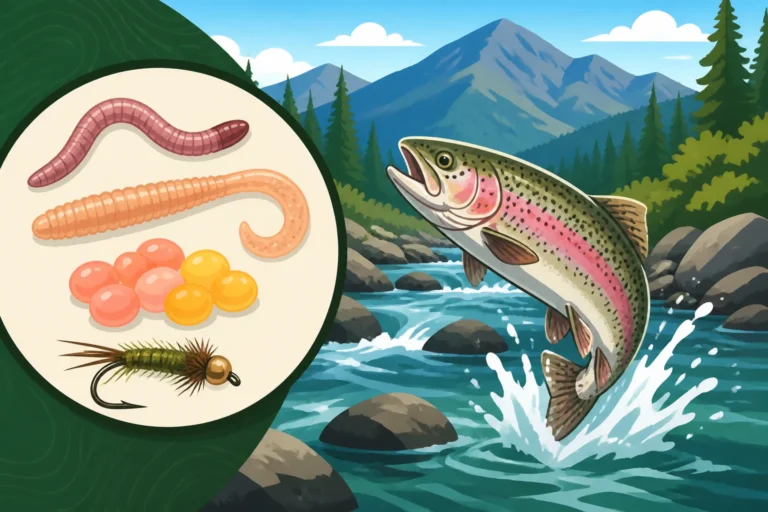
If artificials aren't cutting it, or you simply prefer a more natural approach, live bait can be incredibly effective. Crayfish are a smallmouth's favorite meal, and a live crayfish presented naturally on a small hook with minimal weight can be deadly. Minnows or shiners can also tempt picky fish. Just be sure to check the latest Virginia Fishing Regulations Explained for any rules regarding bait collection or use. Regardless of your choice, a variety of options will prepare you for whatever the Shenandoah throws at you.
Proven Techniques for Catching Shenandoah Smallmouth
The Shenandoah isn't a lake; the current, structure, and depth changes demand specific techniques to be consistently successful. Whether you're casting from the bank, wading, or navigating by boat, understanding how to approach the river is paramount.
Wading, Kayaking, and Boat Fishing Strategies
Each method of accessing the Shenandoah River has its own set of advantages and challenges. Wading is a fantastic way to fish smaller sections of the river, offering a stealthy approach and the ability to thoroughly work productive pockets. Make sure you have sturdy wading boots with good grip and perhaps a wading staff for stability, as riverbeds can be slippery and currents deceptively strong. Always be mindful of changing depths and currents, especially after rain. Don't wade deeper than you're comfortable, and be aware of potential hazards like hidden drop-offs or swift channels. This method truly allows you to connect with the river environment and access spots that boats might miss.
Kayaks and canoes have exploded in popularity for river fishing, and for good reason. They offer excellent mobility to cover more water than wading, while still allowing access to shallow stretches and tight bends that larger boats can't reach. A sit-on-top kayak provides stability and ease of movement for casting and maneuvering. Always wear your personal flotation device (PFD) and consider a paddle leash. Understanding the river's flow and how to navigate rapids or swift currents is critical for safety. Many public access points along the Shenandoah cater to paddle craft, making it easy to plan a float trip. When on the move, focus on the banks, current seams, and structure as you drift, making precise casts as you go. For more in-depth advice on this, check out topics like How to Catch Smallmouth Bass in Rivers.
Larger boats, typically jet boats or boats with specialized river motors, are less common on the Shenandoah's upper reaches due to shallow water and numerous ledges. However, they can be effective on deeper, wider sections of the main stem. These boats allow you to cover significant distances quickly and carry more gear. Safety is paramount here too; know your boat's limits and understand the river's navigational hazards. Regardless of your chosen method, always respect private property and familiarize yourself with public access points. A little planning goes a long way in ensuring a safe and productive day on the water.
Reading the Water and Targeting Key Structures
The true art of river smallmouth fishing lies in your ability to "read the water" – to look at the seemingly chaotic flow and identify the subtle clues that reveal where bass are holding. As mentioned before, smallmouth bass thrive on current breaks. Look for anything that disrupts the flow: large boulders, fallen trees, bridge pilings, or even submerged rock ledges. The calmer water directly downstream of these obstructions is where bass will ambush prey. Cast upstream of these spots and allow your lure to drift naturally into the strike zone, mimicking an unsuspecting baitfish being swept downriver. This is a classic technique, and for good reason.
Eddies, those swirling pockets of water where the current slows or reverses, are another prime target. They often collect baitfish and insects, creating a buffet for hungry smallmouth. Cast into the main current and let your lure swing into the eddy, or cast directly into the eddy and work your lure outwards. Riffles and rapids, while fast-moving, also have hidden gems. Look for deeper channels or calmer seams on the edges where bass can hold out of the main flow. During low light or overcast conditions, bass might even move into the faster, shallower water to feed. Don't be afraid to experiment with different casting angles and retrieves. Sometimes, a subtle change in presentation, like letting a jig sit for a few extra seconds, is all it takes to trigger a strike. For advanced tips on how to fish these areas effectively, explore articles like Best Techniques for Smallmouth Bass in Current.
The confluence of two currents, such as where a tributary enters the main river, creates a natural funnel for bait and a prime ambush point for bass. Also, don't overlook areas with a sudden change in depth, like a drop-off from a shallow flat into a deeper pool. Bass will often patrol these depth transitions, moving up to feed and retreating to deeper water for safety. The key is never to assume; always observe the water, anticipate where a fish might be, and then present your lure accordingly. The Shenandoah rewards those who pay attention to detail and are willing to adapt.
Fly Fishing for Smallmouth Bass
For many, fly fishing for smallmouth bass on the Shenandoah is the ultimate river experience. It offers a unique challenge and an incredibly rewarding fight on lighter tackle. While often associated with trout, fly fishing for smallmouth is a thrilling pursuit that capitalizes on their aggressive nature and love for insect and baitfish patterns. If you're looking for an alternative to conventional gear, this might be your calling. You might want to consider Fly Fishing for Trout and Smallmouth Bass on the Shenandoah River for more details.
When fly fishing for smallmouth, a 6 or 7-weight fly rod is a great starting point, offering enough power to cast larger flies and handle feisty bass, yet still providing a sensitive feel. Weight-forward floating lines are standard, but a sink-tip line can be useful for getting flies deeper into faster currents or deeper pools. Leaders typically range from 7.5 to 9 feet, with tippets in the 0X to 2X range, depending on water clarity and fly size.
As for flies, topwater poppers and bugs are incredibly exciting, drawing explosive strikes during warmer months and low-light conditions. Streamers that imitate baitfish or crayfish, such as Clouser Minnows, Woolly Buggers, and other crawfish patterns, are consistently effective. These are often fished with a strip-and-pause retrieve, mimicking the natural movement of prey. Nymphs and wet flies can also work, especially when smallmouth are feeding on aquatic insects near the bottom. The key to success is often presentation – casting accurately to current seams, eddies, and structure, and then working your fly in a way that looks irresistible to a lurking bass. Reading the water here is as crucial as with conventional tackle, if not more so, to predict where your fly will drift and where a strike might occur. If you're new to this, there are many resources that teach How to Read Water When Fly Fishing a River.
Planning Your Shenandoah Smallmouth Adventure
A successful fishing trip is often born from thoughtful preparation. Knowing when to go, what rules to follow, and how to preserve the resource ensures a great experience for you and future anglers.
Best Times of Day and Year to Fish
Timing can be everything when it comes to smallmouth bass fishing on the Shenandoah. Generally, the "golden hours" of dawn and dusk offer the most consistent action. During these periods, bass are often more aggressive and willing to venture into shallower water to feed, taking advantage of lower light conditions to ambush prey. This is particularly true during the hot summer months, when midday fishing can be slow due to bright sun and warm water. Overcast days, however, can provide excellent fishing throughout the entire day, as the reduced light keeps bass active for longer periods.
Seasonally, spring and fall are often considered the prime times for Shenandoah smallmouth. In spring, as water temperatures rise into the 50s and 60s, bass move to shallower areas for their pre-spawn and spawning activities. They are hungry and aggressive, making them susceptible to a variety of lures. Late spring, after the spawn, can also be fantastic as fish recover and feed heavily. Fall offers another incredible bite as bass gorge themselves in preparation for winter. The cooler water temperatures make them active, and they'll readily strike larger baits. Summer fishing can be productive, but generally requires more finesse, focusing on early mornings, evenings, and deeper pools, or targeting shaded areas during the heat of the day. For detailed seasonal information, consider looking at a Virginia Fishing Seasons Explained guide.
Regulations, Licenses, and Conservation
Before you even think about casting a line in the Shenandoah, it's absolutely crucial to have a valid Virginia fishing license. Fishing without one can lead to hefty fines and a spoiled trip. The Virginia Department of Wildlife Resources (DWR) provides all the necessary information, and you can easily purchase your license online, at a DWR agent, or through a local sporting goods store. Whether you're a resident or a nonresident, there are different license options available, so make sure you get the right one for your specific needs. A comprehensive guide like Virginia Fishing License Guide can walk you through the entire process.
Beyond just the license, understanding the specific fishing regulations for smallmouth bass on the Shenandoah River is equally important. This includes daily creel (catch) limits, minimum size restrictions, and any seasonal closures or special regulations that might be in effect for particular sections of the river. These rules are put in place to ensure sustainable fish populations and a healthy ecosystem for everyone. Always check the latest DWR fishing regulations summary, as rules can change from year to year. Familiarizing yourself with Virginia Fishing Regulations Explained will ensure you're fishing legally and responsibly.
Practicing catch-and-release, especially for larger smallmouth, is a highly recommended conservation practice on the Shenandoah. While it's perfectly fine to keep a few fish for a meal within legal limits, releasing the bigger, breeding-age fish helps maintain a robust fishery for future generations. Handle fish gently, minimize their time out of water, and use de-barbed hooks when possible to reduce stress. Remember that your fishing license fees directly support these conservation efforts, helping to fund habitat restoration, fish stocking, and enforcement. Learning How Fishing License Fees Support Wildlife Conservation in Virginia gives you a greater appreciation for the system in place. Ultimately, responsible angling ensures that the Shenandoah River continues to be a premier destination for smallmouth bass fishing for years to come.
Disclaimer
This article is for general informational purposes only and does not constitute professional advice. Laws, prices and regulations vary by location and change over time. Consult a qualified professional for guidance on your specific situation.