Claytor Lake’s Diverse Virginia Fish Species Guide
Navigating a new fishing spot can feel like deciphering an ancient map, and Claytor Lake, with its sprawling waters and hidden depths in Southwest Virginia, is certainly no exception. It’s easy to feel overwhelmed by the sheer size and reputation of this magnificent body of water, wondering what treasures swim beneath its surface and how you might ever get a line to them. This comprehensive guide is here to cut through that confusion, helping you understand the diverse array of fish species that call Claytor Lake home, and how you can best approach catching them, whether you're a seasoned angler or just starting out.
Claytor Lake: A Diverse Fishery in Southwest Virginia
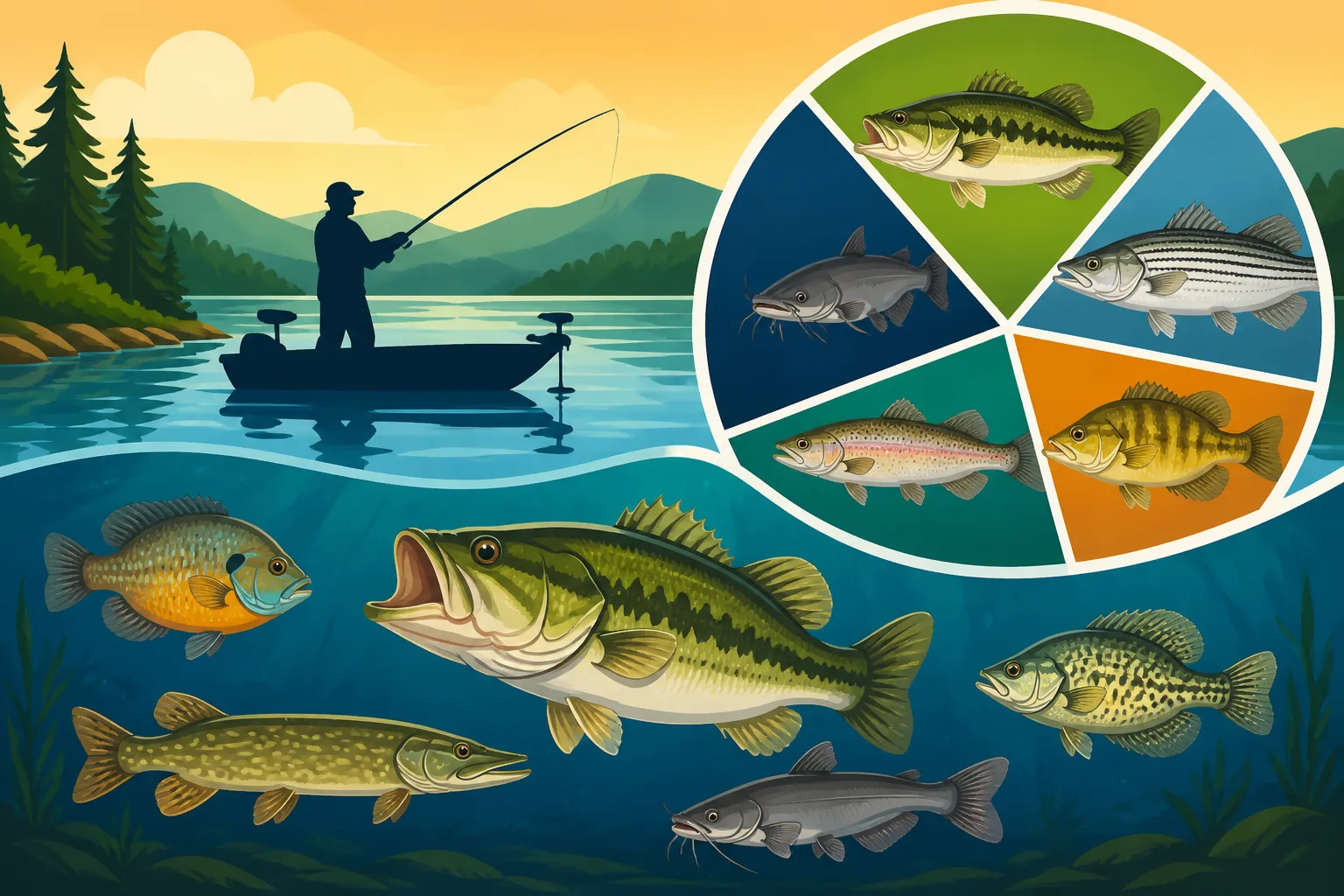
Claytor Lake truly stands out as a gem in Virginia's freshwater fishing scene, offering an incredible variety that keeps anglers coming back year after year. It's not just a pretty face with stunning mountain views; it's a dynamic ecosystem that supports a robust and diverse fish population. Unlike some lakes that might be known for just one or two species, Claytor offers a full spectrum, from popular sportfish like bass and crappie to more unique catches like walleye and even the powerful flathead catfish.
The Unique Ecology of Claytor Lake
What makes Claytor Lake so special from an ecological standpoint? Well, for starters, it's a New River impoundment, meaning it was formed by damming the ancient New River. This lineage provides a distinct advantage, as the New River itself is known for its diverse aquatic life, and much of that biodiversity has naturally transitioned into the lake environment. The lake boasts a significant amount of deep, cool water, especially in its lower sections, which creates ideal habitat for species that prefer colder temperatures, such as walleye and even trout in certain periods, though they are less prominent than other species here.
Beyond depth, the lake features a varied bottom structure, with rocky points, submerged timber, gradual sloping banks, and numerous coves and creeks. This topographical complexity offers a multitude of micro-habitats, catering to fish with different preferences for spawning, feeding, and sheltering. The water clarity can vary, but generally, it's a productive lake, supporting a healthy food chain from plankton to baitfish, which in turn fuels the growth of larger predatory game fish. This rich environment is why Claytor Lake can sustain such a "mixed fishery."
Why Claytor Lake Supports So Many Species
The sheer variety of fish in Claytor Lake isn't just a happy accident; it's a testament to thoughtful management by the Virginia Department of Wildlife Resources (DWR) and the lake's inherent ecological gifts. The DWR actively monitors fish populations, implements stocking programs for certain species, and sets regulations to ensure sustainability. For instance, the successful introduction and management of species like walleye and striped bass have added layers of excitement for anglers, creating opportunities that simply don't exist in many other Virginia lakes.
Furthermore, Claytor Lake benefits from its size and connectivity. Its extensive shoreline and numerous tributaries provide ample spawning grounds and nursery areas, allowing different species to reproduce successfully without excessive competition for critical resources. The combination of deep, cool water, varied structure, abundant forage, and proactive conservation efforts makes Claytor Lake a model for a thriving, multi-species freshwater fishery. If you've ever found yourself wondering about Claytor Lake's Unusual Mix of Bass, Catfish, and Walleye in Virginia, you'll quickly see why it's such a diverse and productive destination once you spend some time on its waters.
Bass Fishing Bonanza: Largemouth, Smallmouth, Spotted, and Alabama Bass
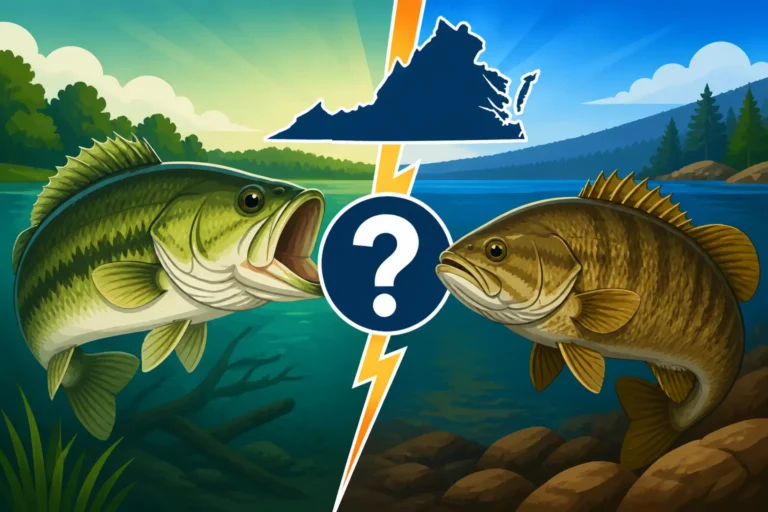
If you’re a bass angler, Claytor Lake is practically a dream come true. It’s one of those rare places where you have a legitimate shot at catching four different species of bass – Largemouth, Smallmouth, Spotted, and the increasingly prevalent Alabama Bass. This "mixed bass fishery" provides endless challenges and opportunities, ensuring that no two fishing trips are ever quite the same. Each species has its own personality, preferred habitat, and fighting style, demanding a versatile approach from any serious bass fisherman. It's a fantastic place to test your skills and broaden your bass fishing horizons.
The Mighty Largemouth Bass
The largemouth bass is probably the most iconic sportfish in freshwater, and Claytor Lake certainly has its share of these green giants. These fish love structure, especially in the shallower, warmer coves and backwaters of the lake. Think about areas with submerged timber, dense weed beds, boat docks, and rocky shorelines that offer ambush points. Early mornings and evenings, especially during the warmer months, are prime times to target them when they move into shallower water to feed.
When it comes to lures, largemouth bass on Claytor are often susceptible to a wide array of presentations. Spinnerbaits fished around cover, plastic worms or jigs flipped into brush piles, and crankbaits retrieved along points and ledges are all highly effective. Topwater lures like poppers and buzzbaits can provide explosive action during low-light conditions. Many anglers swear by slower, more methodical presentations when targeting bigger largemouth, letting a jig or a Texas-rigged worm sit in a promising spot for a while. Remember, these fish are often hiding in plain sight, so quiet approaches and accurate casts are key to success.
The Feisty Smallmouth Bass
While largemouth bass dominate the shallower, more protected areas, the smallmouth bass thrives in Claytor's deeper, rockier, and often more current-swept sections, particularly near the dam and in areas exposed to the main channel. Smallmouths are known for their incredible fighting spirit, often making acrobatic jumps and powerful runs that will test your tackle. They prefer cooler, clearer water than their largemouth cousins, and you'll find them congregating around rocky humps, ledges, bluff walls, and points where they can ambush baitfish.
Targeting smallmouths often involves different tactics. Drop-shot rigs with small plastics, Ned rigs, shaky heads, and tubes are excellent choices for probing rocky bottoms. Crankbaits that mimic crawfish or baitfish can be very effective when retrieved along rocky ledges. Unlike largemouth, smallmouths often school up, so if you catch one, there's a good chance more are nearby. Light tackle can really amplify the thrill of fighting a Claytor Lake smallmouth, so consider a medium-light spinning rod. For a deeper dive into the specific bass populations, check out Claytor Lake's Mixed Bass Fishery: Largemouth, Smallmouth, Spotted, and Alabama.
The Elusive Spotted Bass
Spotted bass, often mistaken for largemouths, are a species unto themselves and are quite common in Claytor Lake. They tend to occupy a niche somewhere between the largemouth and smallmouth, often preferring clear, rocky areas but also comfortable around standing timber and brush. They're typically a bit smaller than largemouths but share the aggressive nature of a smallmouth, often hitting lures hard and fighting valiantly. Identifying them can be tricky, but look for a smaller mouth that doesn't extend past the eye and rows of distinct spots on their lower belly.
Spotted bass are usually eager biters and will readily strike many of the same lures used for largemouth and smallmouth. Small crankbaits, jigs, plastic worms, and spinnerbaits are all effective. They can often be found suspended in open water or along subtle contour changes that might be overlooked by anglers targeting other species. Because they can be prolific, spotted bass offer a great opportunity for consistent action, especially on days when other bass might be less cooperative. They're a fantastic species for honing your bass fishing techniques.
The Surprising Alabama Bass
Perhaps the most talked-about and somewhat controversial bass species in Claytor Lake right now is the Alabama bass. These invasive, hard-fighting bass were originally introduced accidentally and have since established a strong foothold. They are known for their rapid growth, aggressive feeding habits, and tendency to displace other native bass species, particularly spotted bass and even smallmouth. Anglers often confuse them with spotted bass due to their similar appearance, but Alabama bass typically grow much larger. They are particularly known for their open-water schooling behavior, often chasing baitfish schools in large groups.
Alabama bass respond well to techniques designed for aggressive, schooling fish. Think fast-moving lures like swimbaits, jerkbaits, and even topwater plugs when they are actively busting bait on the surface. Deeper diving crankbaits and vertical jigging spoons can also be highly effective when the fish are holding deeper. Given their invasive status, there are often different regulations regarding Alabama bass, sometimes encouraging harvest to help manage their population. It's always a good idea to consult the latest Virginia Fishing Regulations Explained before heading out, especially for newer or non-native species.
Chasing Claytor's Crappie and Panfish
Beyond the exhilarating tug of a bass, Claytor Lake offers fantastic opportunities for chasing crappie and other panfish. These smaller species might not have the same brute force as a largemouth, but they provide consistent action, are excellent table fare, and are perfect for a relaxing day on the water, especially for families or beginners. The joy of catching a cooler full of delicious crappie or seeing a child light up with a bluegill on the line is truly priceless.
Black and White Crappie: A Panfish Favorite
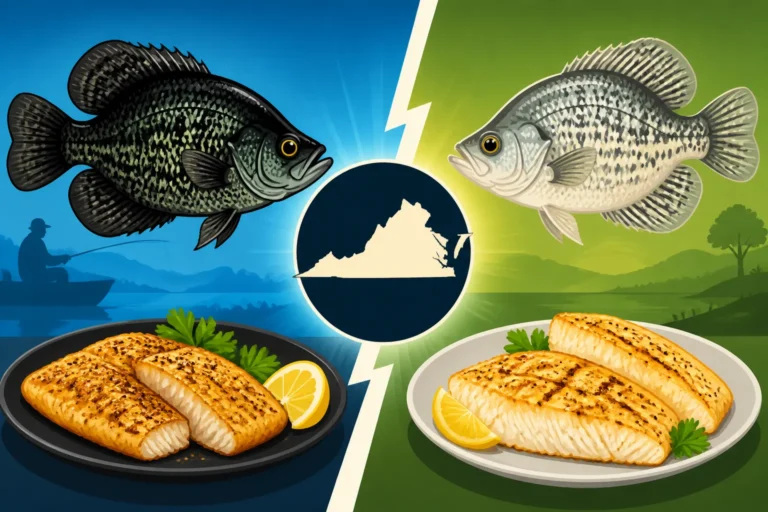
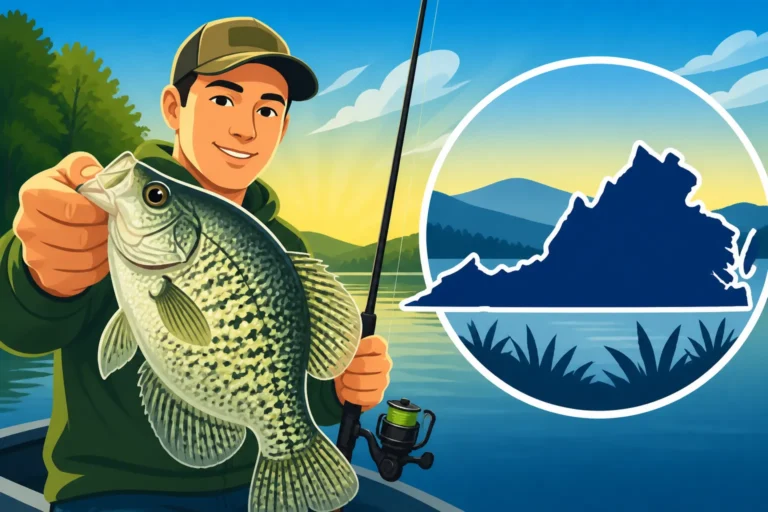
Both black crappie and white crappie call Claytor Lake home, and they are immensely popular targets, especially in the spring and fall. These fish are known for their delicious white flesh and their tendency to school up around structure. In spring, as water temperatures rise, crappie move into shallower coves and creek arms to spawn, often congregating around submerged brush, fallen trees, and boat docks. This is when they are most accessible and eager to bite.
During the warmer summer months and colder winter periods, crappie often retreat to deeper water, suspending over brush piles, channel edges, or around bridge pilings. Techniques for crappie are usually subtle. Small jigs (1/16 to 1/8 ounce) tipped with soft plastics or live minnows are deadly. Tightlining or fishing under a bobber are classic methods, while spider rigging multiple rods can be effective for covering water and finding schools. Electronic fish finders can be invaluable for locating those deeper brush piles or suspended schools. If you’re serious about crappie, don't be afraid to invest in a good portable unit, many excellent options are available on Amazon that can help you pinpoint those productive spots. Claytor Lake offers some truly productive crappie fishing if you know where to look.
Bluegill and Other Sunfish: Perfect for Family Fun
For pure, unadulterated fishing fun, especially with kids, you can't beat bluegill and other sunfish species like redear sunfish and pumpkinseed that thrive in Claytor Lake. These eager biters are found almost everywhere, from shallow shorelines to deeper weed lines, and they are notoriously cooperative. They make excellent first catches for young anglers, providing constant excitement and helping to foster a love for fishing.
Targeting bluegill is about as simple as fishing gets, making it perfect for a relaxed outing. A small hook, a bit of bobber, and a piece of worm, crickets, or even corn are usually all it takes. Cast near docks, fallen trees, lily pads, or any other shoreline cover, and you're almost guaranteed to get bites. While they might be small, bluegill offer a surprising fight on ultra-light tackle, and a mess of them can make for a delightful pan-fried dinner. They are also an important forage species for larger predators in the lake, playing a vital role in the ecosystem. This type of fishing is incredibly accessible, often requiring minimal gear – you can pick up a simple rod and reel combo and some basic tackle for bluegill on Amazon without breaking the bank.
The Walleye Wonder of Claytor Lake
While Claytor Lake is famous for its bass and panfish, it holds a special place in the hearts of many anglers for its robust walleye population. Walleye are highly prized for their delicious, flaky white meat and their reputation as a challenging, yet rewarding, sportfish. Claytor Lake is one of Virginia's premier walleye destinations, offering anglers a legitimate shot at catching these elusive and beautiful fish.
Understanding Walleye Behavior
Walleye are often referred to as "low-light feeders" because they have excellent vision in dim conditions, thanks to their large, light-sensitive eyes. This means they are most active during dawn, dusk, cloudy days, or at night. They tend to prefer deeper, cooler water, often congregating around rocky points, humps, ledges, and drop-offs, especially those with access to open water where baitfish like alewife and shad are abundant. Understanding their sensitivity to light is key to predicting their movements and feeding patterns.
Their behavior changes throughout the seasons. In spring, they move into shallower rocky areas to spawn, becoming more accessible. In summer, they often retreat to deeper, cooler water, suspending or hugging the bottom in thermal refuges. Fall can bring another surge of activity as they feed aggressively in preparation for winter. Knowing these seasonal patterns is crucial for consistent success. If you're new to walleye fishing, studying up on their habits and preferred habitats in Claytor Lake will give you a significant advantage. Claytor Lake's Walleye Population: What Anglers Should Know is an excellent resource for anyone looking to target these fish.
Best Techniques for Walleye on Claytor
Catching walleye on Claytor Lake often requires a methodical approach. Trolling with crankbaits or spinner-and-worm harnesses is a highly effective way to cover water and locate active fish, especially during the warmer months when walleye are deeper and scattered. You'll want to target depths where baitfish are holding, paying close attention to your fish finder for schools of bait and any larger arcs indicating predators. Consider picking up a detailed fishing map for Claytor Lake on Amazon to help identify those key underwater structures.
Jigging with soft plastics, live minnows, or spoons is another popular and effective technique, particularly when walleye are concentrated on specific structures like humps or ledges. Vertical jigging can be deadly when fish are holding tight to the bottom. During low-light periods, casting jerkbaits or shallow-running crankbaits to rocky shorelines or points can produce explosive strikes. Always pay attention to your retrieve speed and lure color, as walleye can be finicky. Patience and persistence are indeed virtues when pursuing these prized game fish.
Catfish Giants: Channel and Flathead
For those who enjoy a strong fight and the potential for truly massive fish, Claytor Lake's catfish population offers an exciting challenge. Both channel catfish and the even larger flathead catfish thrive in these waters, providing opportunities for anglers to test their tackle and their patience against some of the lake's most powerful inhabitants. Catfishing can be a relaxing endeavor, perfect for a quiet evening on the bank or a patient wait from a boat.
Targeting Channel Catfish
Channel catfish are abundant throughout Claytor Lake, offering consistent action for anglers of all skill levels. They are opportunistic feeders and can be found in a variety of habitats, from shallow mud flats to deeper channels and creek mouths. They're particularly active during the warmer months and are known for their voracious appetites. Often, you'll find them cruising along the bottom, following scent trails, or holding around submerged cover.
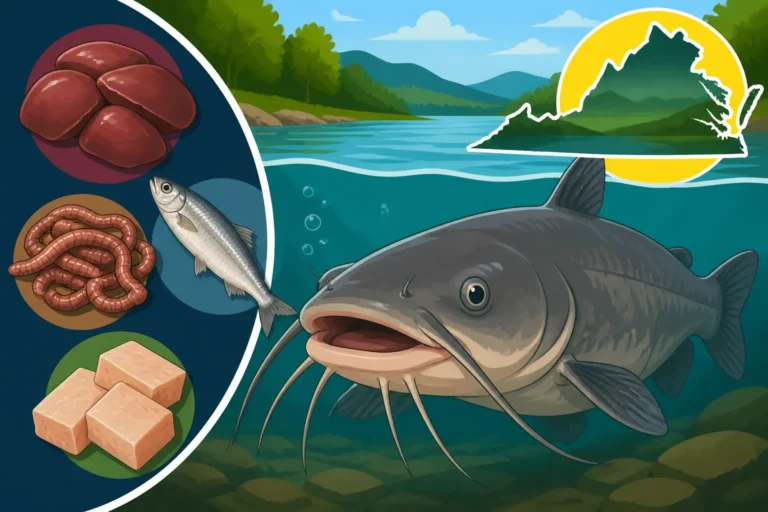
The beauty of targeting channel catfish is that it doesn't require overly complex tackle or techniques. Bottom fishing with a weight, a swivel, and a hook baited with stink baits, cut bait (like shad or bluegill), chicken livers, or even hot dogs is incredibly effective. Look for areas where creeks feed into the lake, or around deeper holes in coves. Many anglers enjoy setting up multiple rods from the bank in promising areas, patiently waiting for that tell-tale pull on the line. Is Claytor Lake Good for Channel Catfish Fishing? The answer is a resounding yes, offering plenty of action for those who appreciate a good channel cat fight.
The Challenge of Flathead Catfish
If you're looking for a true trophy and a test of strength, the flathead catfish of Claytor Lake are your target. These freshwater behemoths can grow to impressive sizes, often reaching weights that demand heavy-duty tackle and a serious commitment from the angler. Unlike channel catfish, flatheads are primarily piscivorous, meaning they prefer live bait. They are also territorial and often inhabit specific log jams, rock piles, or deep holes where they can ambush prey.
Targeting flatheads requires a different strategy than channel cats. Live bluegill, sunfish, or large shiners are the baits of choice, fished on strong circle hooks with heavy line and sturdy rods. You'll need to fish near heavy cover, such as large submerged timber or deep rock formations, where flatheads prefer to lie in wait. Night fishing is often the most productive time for flatheads, as they become more active under the cover of darkness. Be prepared for a long, drawn-out battle when you hook into a Claytor Lake flathead – they are known for their incredible power and endurance. For specific tactics, How to Catch Flathead Catfish at Claytor Lake offers valuable insights for landing these giants.
Other Notable Fish Species in Claytor Lake
While bass, crappie, walleye, and catfish often steal the spotlight, Claytor Lake is home to an even broader array of fish species that contribute to its rich biodiversity and offer additional angling opportunities. From hard-fighting stripers to smaller panfish, the lake truly offers something for everyone, ensuring that every cast has the potential for a new discovery.
Striped Bass and Hybrid Striped Bass
Claytor Lake is also a fantastic spot for striped bass and hybrid striped bass fishing, though these are "landlocked" varieties, meaning they don't have access to the ocean. These powerful fish are stocked by the DWR and provide an incredible fight, often schooling up and chasing baitfish in open water. Striped bass (often called "stripers") are known for their strength and speed, while hybrid stripers are a cross between striped bass and white bass, offering a similar fight in a slightly smaller package, often tolerating warmer water better.
Anglers targeting stripers and hybrids will often troll large crankbaits, bucktail jigs, or live bait (like shad or alewife) in deeper areas or along main lake points and humps. Early morning and late evening are often prime times when they push baitfish to the surface, creating exciting "topwater boils" that are hard to resist. A good fish finder is essential for locating these schools in open water. While the regulations for these landlocked stripers differ from their saltwater counterparts (often referred to as Freshwater Striped Bass vs Saltwater Rockfish: Different Virginia Fishing Rules), they still provide an exhilarating experience for anglers seeking a strong pull.
White Perch and Yellow Perch
Beyond crappie and bluegill, Claytor Lake hosts healthy populations of white perch and yellow perch, which are excellent panfish and provide consistent action. White perch are typically found in deeper, open water, often schooling with hybrid stripers or around submerged structure. They are eager biters and can be caught using small jigs, grubs, or pieces of bait like worms or cut minnows. They make fantastic table fare, with firm, white meat.
Yellow perch, identifiable by their distinct vertical stripes, tend to prefer cooler, clearer water and are often found near weed beds, drop-offs, or woody cover. They are also readily caught on small jigs, worms, or minnows. Both species offer great opportunities for light tackle fishing and can be a welcome addition to the cooler alongside crappie or bluegill. They’re proof that Claytor Lake has a robust food chain supporting not just the big predators but also a thriving community of smaller, delicious fish.
Rough Fish: Carp and Gar
While not always the primary target for many anglers, Claytor Lake also supports populations of "rough fish" like common carp and longnose gar. These species play important roles in the lake's ecosystem and can offer a unique angling experience for those looking for something different. Carp are powerful fighters, known for their strong runs, and are often caught using dough balls, corn, or boilies fished on the bottom. They can grow to impressive sizes and provide a challenging battle on appropriate tackle.
Longnose gar, with their distinctive elongated jaws filled with sharp teeth, are prehistoric-looking fish that are often found lurking near the surface in shallow, weedy areas. They are predatory and can be a thrilling catch on artificial lures, though their bony mouths can make hook sets tricky. Some anglers specifically target them for their unique appearance and fighting prowess. While not as commonly sought after, catching a big carp or a longnose gar can be an unexpected and memorable highlight of a fishing trip to Claytor Lake.
Essential Gear for Claytor Lake's Diverse Fish
Tackling a lake with such a diverse fish population as Claytor means you'll want to be prepared with a versatile array of gear. You don't necessarily need to break the bank, but having the right tools for the job can make all the difference between a frustrating day and a successful one. Investing in quality equipment that can handle various species and techniques will ensure you're ready for whatever Claytor Lake throws your way.
Rods, Reels, and Line for Multi-Species Angling
Given the variety of species in Claytor Lake, a multi-species angler will benefit from a few different rod and reel setups. For bass, a medium-heavy baitcasting rod (6'6" to 7'6") paired with a reliable baitcasting reel spooled with 12-17 lb fluorocarbon or monofilament line is a great all-around choice for throwing jigs, worms, and heavier crankbaits. For lighter presentations, or targeting smallmouth, a medium-light to medium power spinning rod (6'6" to 7') with a matching spinning reel and 6-10 lb fluorocarbon or braided line is ideal. This setup is also perfect for crappie, walleye jigging, and even lighter catfishing.
When targeting crappie, specialized ultra-light rods with sensitive tips can greatly enhance your experience, especially when using small jigs. For serious catfishing, particularly for flatheads, you'll need heavy-duty gear: a sturdy, long catfishing rod (7' to 9' or more), a robust conventional or spinning reel, and strong braided line (50-80 lb test) to handle the immense power of these fish. Having a few different setups ready to go will allow you to quickly adapt to changing conditions and target different species effectively. If you're looking to upgrade your gear or simply stock up, Amazon offers a vast selection of rods, reels, and fishing lines to suit every type of angling you might encounter on Claytor Lake.
Tackle Box Essentials for Claytor
Your tackle box for Claytor Lake should be as diverse as the fish itself. For bass, ensure you have a variety of soft plastics (worms, creature baits, tubes), jigs (flipping, football, swim jigs), crankbaits (shallow, medium, and deep divers), spinnerbaits, and topwater lures. Don't forget terminal tackle like hooks (EWG, straight shank, circle hooks), weights (bullet, drop-shot), and swivels.
For crappie and panfish, stock up on small jigs (1/16 to 1/8 oz) in various colors, small soft plastic grubs and tubes, bobbers, and small hooks for live bait. Live bait such as minnows or worms are always a good idea to have on hand. Walleye anglers should consider a selection of deep-diving crankbaits, jigging spoons, and finesse jigs. For catfish, stink baits, various sizes of circle hooks, heavy sinkers, and plenty of strong leader material are crucial. Always carry a good pair of pliers, line cutters, a measuring tape, and a scale. A multi-tool or a dedicated fishing tool can be invaluable for tasks like cutting line, removing hooks, and making quick repairs.
Here's a quick reference table for common Claytor Lake species:
| Fish Species | Preferred Habitat | Best Baits/Lures |
|---|---|---|
| Largemouth Bass | Shallow coves, docks, submerged timber, weeds | Plastic worms, jigs, spinnerbaits, crankbaits, topwater |
| Smallmouth Bass | Deep, rocky points, ledges, bluff walls, current | Drop-shot, Ned rigs, tubes, small crankbaits |
| Spotted Bass | Clear, rocky areas, standing timber | Small crankbaits, jigs, plastic worms, spinnerbaits |
| Alabama Bass | Open water, chasing baitfish schools | Swimbaits, jerkbaits, deep-diving crankbaits |
| Crappie (Black/White) | Brush piles, docks, submerged timber, channel edges | Small jigs w/ soft plastics, live minnows, bobbers |
| Walleye | Deep rocky points, humps, ledges, drop-offs | Trolled crankbaits, spinner-worm harnesses, jigging spoons |
| Channel Catfish | Mud flats, deeper channels, creek mouths | Stink baits, cut bait, chicken livers, worms |
| Flathead Catfish | Log jams, deep holes, heavy cover | Live bluegill, sunfish, large shiners |
| Striped/Hybrid Bass | Open water, main lake points, humps | Trolled crankbaits, bucktail jigs, live shad |
| Bluegill/Sunfish | Shallow shoreline cover, docks, lily pads | Worms, crickets, small jigs, corn |
Conservation and Responsible Angling on Claytor Lake
Part of the joy of fishing Claytor Lake, or any fishery, is knowing that these opportunities will exist for future generations. This is why practicing conservation and responsible angling is so incredibly important. Every angler plays a role in maintaining the health and vibrancy of Claytor Lake's diverse fish populations. It’s not just about catching fish; it’s about respecting the resource.
Understanding Regulations and Limits
The Virginia Department of Wildlife Resources (DWR) establishes specific regulations for fishing in Claytor Lake, including creel limits (how many fish you can keep), size limits (minimum or maximum lengths for keeping certain fish), and season dates. These rules are put in place based on scientific data to ensure sustainable fish populations and to manage the fishery effectively. Ignoring them not only puts the fish populations at risk but can also result in hefty fines.
Before every fishing trip, it's crucial to check the most current Virginia fishing regulations. These can change year to year, or even within a season for certain species, especially for highly managed fish like striped bass or walleye. You can find detailed information on the DWR website or by picking up a physical regulation guide. Always be certain you have the correct Virginia Fishing License Guide and understand all the relevant rules for the species you intend to target. Knowing the rules is the first step in being a responsible and ethical angler.
Practicing Catch and Release for Future Generations
While keeping some fish for the dinner table is certainly part of the angling experience, practicing responsible catch and release, especially for larger breeding fish or species under tight management, is a cornerstone of conservation. Proper handling techniques minimize stress and injury to the fish, significantly increasing their chances of survival after release.
When releasing fish, try to minimize their time out of water. Use needle-nose pliers or a hook remover to quickly and gently remove the hook. If a fish is deeply hooked, it's often best to cut the line as close to the hook as possible rather than tearing sensitive internal organs. Support the fish horizontally, especially larger ones, and avoid squeezing their belly or gills. For exhausted fish, hold them gently in the water, facing into a mild current, until they regain their strength and can swim away on their own. These simple actions make a huge difference in ensuring that Claytor Lake continues to be a thriving fishery for years to come.
Disclaimer
This article is for general informational purposes only and does not constitute professional advice. Laws, prices and regulations vary by location and change over time. Consult a qualified professional for guidance on your specific situation.