Walleye Fishing in Virginia
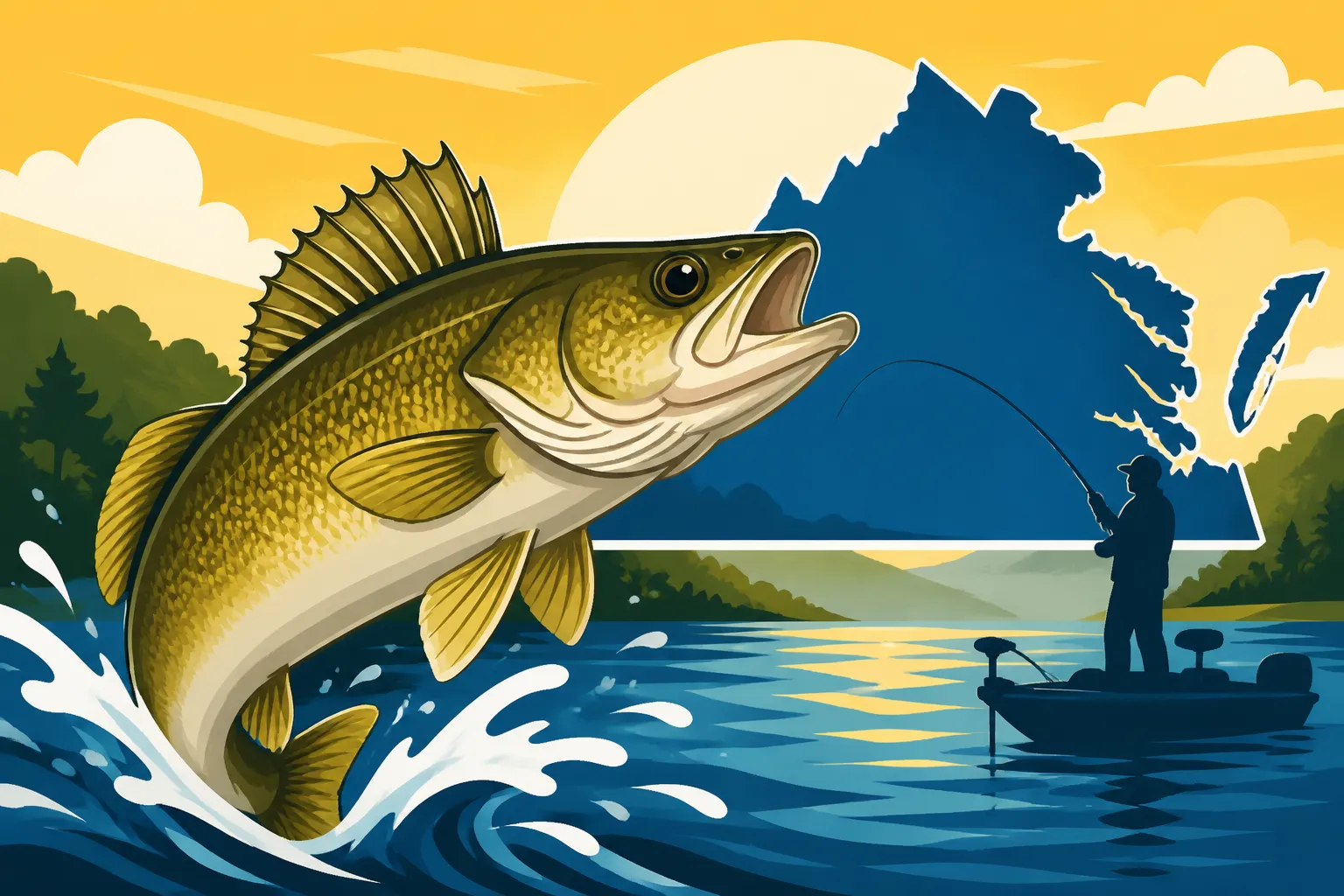
If you've ever dreamt of battling a toothy walleye in Virginia's waters, you know the quest can feel a bit like searching for hidden treasure. Unlike our more abundant bass species, walleye in the Old Dominion require a bit more finesse, knowledge, and dedication to find and catch. This comprehensive guide will peel back the mystery, offering you the detailed insights, techniques, and location breakdowns you need to successfully target and land these elusive, highly-prized fish across the Commonwealth.
Understanding Virginia's Walleye Waters
Virginia might not be the first state that comes to mind when you think of walleye fishing, but make no mistake, we have some fantastic opportunities for those willing to learn their habits. These fish are particular about their environment, preferring specific conditions that offer them comfort, food, and protection. Learning where they live and why is the first step to becoming a successful walleye angler.
Where Walleye Thrive in the Commonwealth
Walleye are often referred to as "low-light feeders" and "bottom dwellers," and these nicknames give us a lot of clues about their preferred habitats. In Virginia, you'll typically find them in larger, deeper lakes and rivers that offer clear to moderately stained water. They love areas with a lot of structure – think rocky points, submerged humps, ledges, and channels. These features provide them with ambush points for prey and protection from bright sunlight. Unlike some fish that prefer thick weed beds, walleye are more often associated with hard bottom compositions like gravel, rock, and even sand.
The dissolved oxygen levels and water temperature are also critical factors. Walleye prefer cooler water temperatures, generally between 60 and 70 degrees Fahrenheit, which is why they often retreat to deeper, cooler sections of lakes during the hotter summer months. In rivers, they'll seek out current breaks behind large rocks or logs, allowing them to conserve energy while waiting for food to drift by. Understanding these environmental preferences helps you narrow down potential fishing spots before you even wet a line.
Key Walleye Strongholds in Virginia
When it comes to prime walleye fishing, one name stands out prominently in Virginia: Claytor Lake. This gem in Southwest Virginia is renowned for its healthy walleye population and offers some of the best opportunities in the state. Anglers travel from all over to experience the challenge and reward of fishing this lake. The New River, which feeds and flows out of Claytor Lake, also holds a respectable walleye population, especially in its deeper sections and pools.
Beyond these well-known spots, other reservoirs and river systems across the state might surprise you with their walleye potential. Occasionally, smaller, less-pressured impoundments might hold decent numbers, though they might not be as widely publicized. Your best bet is to check with local bait shops or the Virginia Department of Wildlife Resources (DWR) for specific stocking programs or survey results, as these can change over time. Being open to exploring new waters can lead to some incredible, less crowded walleye experiences. For more detailed information, check out Claytor Lake Fishing Spots and Tips or Where to Find Walleye in Virginia Lakes.
Reading the Water: Ideal Walleye Habitats
Successful walleye fishing is all about reading the water and identifying those subtle clues that point to where the fish are hiding. Look for areas where depths change dramatically, like sharp drop-offs, underwater humps, or the edges of river channels. These transition zones are highways for baitfish and, consequently, excellent hunting grounds for walleye. Current breaks in rivers, such as the downstream side of islands, bridge pilings, or large boulders, are also prime real estate.
In lakes, pay close attention to main lake points that extend into deeper water, especially if they have rocky or gravelly bottoms. Submerged timber, while not their primary habitat, can also hold fish if it's adjacent to deeper water and hard structure. The key is to think like a walleye: where would I find food easily, stay cool, and have cover from predators and bright light? Often, the answer lies in understanding how depth, current, and bottom composition combine to create the perfect ambush point.
Essential Gear for Virginia Walleye
Having the right tackle can make a huge difference in your walleye success, especially when you're targeting a fish known for its subtle bite and sharp teeth. Walleye aren't generally tackle busters, but they require a certain level of sensitivity and durability in your setup. Don't worry, you don't need a boatload of specialized gear, but a few key items will significantly improve your chances.
Rods, Reels, and Line: Your Walleye Arsenal
For walleye, a sensitive yet sturdy rod is crucial for detecting those often delicate bites. Most anglers opt for a medium-light to medium power spinning rod, typically 6'6" to 7'6" in length. The extra length helps with casting distance and allows for better line control, especially when trolling or drift fishing. A fast or extra-fast action tip is preferred as it transmits those light taps straight to your hand, allowing you to set the hook quickly before the walleye spits the bait. For a reel, a quality spinning reel in the 2500-3000 size range, known for its smooth drag, will pair nicely with your chosen rod.
When it comes to line, you have a few good options. Many walleye anglers swear by braided line (10-15 lb test) for its incredible sensitivity and lack of stretch, which helps with hook sets. If you go with braid, always use a fluorocarbon leader (6-10 lb test) for its invisibility in clear water and abrasion resistance against those rocky bottoms and walleye teeth. Alternatively, a good quality monofilament or fluorocarbon line (6-10 lb test) can work well, offering a bit more stretch which can sometimes be forgiving for less experienced anglers. You can find a wide range of reliable rods, reels, and fishing lines on platforms like Amazon, making it easy to outfit yourself for your next trip.
Lures and Baits: What Walleye Can't Resist
Walleye are opportunistic feeders, so a variety of lures and baits can be effective depending on the season and conditions. Jigs are perhaps the most versatile walleye lure. From hair jigs to soft plastic-tipped jigs, they can be cast, vertical jigged, or even trolled slowly. Pair a 1/8 to 1/2 ounce jig with a plastic grub, minnow imitation, or a piece of live bait like a nightcrawler or minnow for deadly results. Crankbaits are also deadly, especially when trolling or casting in shallower areas. Look for models that dive to the specific depth where you're marking fish, and experiment with colors to match the local baitfish or water clarity.
Spinnerbaits, especially those with a Colorado blade for maximum vibration, can be effective in stained water or when fish are aggressive. And, of course, live bait is often irresistible to walleye. Nightcrawlers, leeches (where permitted), and various minnows (shiners, fatheads, suckers) presented on a simple hook-and-sinker rig, a slip bobber, or a bottom bouncer are perennial favorites. Remember, the best bait for walleye can change daily, so it’s always wise to have a few different options on hand. For a deeper dive into bait selection, check out Best Bait for Walleye in Virginia.
Electronics and Accessories for Success
In walleye fishing, especially in deeper lakes like Claytor Lake, electronics are practically a necessity. A good fish finder or sonar unit will allow you to locate those crucial underwater structures like humps, ledges, and channels, and more importantly, mark schools of baitfish and the walleye themselves. Side imaging and down imaging technologies can give you an even clearer picture of what's below and around your boat, helping you pinpoint exact fish locations. A GPS unit, often integrated into modern fish finders, is invaluable for marking productive spots and navigating safely, especially in unfamiliar waters.
Beyond the high-tech gadgets, a few other accessories are essential. A long-handled landing net with rubberized mesh is crucial for safely landing walleye, protecting both you from their sharp teeth and the fish from injury, especially if you plan to release them. A quality cooler with plenty of ice is a must for keeping your catch fresh if you intend to harvest them. Other useful items include a good pair of pliers or forceps for hook removal, a scale and measuring tape for checking regulations, and plenty of extra line and tackle. Many of these indispensable fishing accessories can be conveniently purchased through Amazon.
Mastering Walleye Fishing Techniques in Virginia
Walleye fishing isn't usually about blind casting; it's a more strategic game that involves understanding fish behavior and applying the right technique for the conditions. Whether you're in a boat or on the bank, having a few versatile techniques in your arsenal will significantly boost your chances of success.
Trolling for Deep-Water Walleye
Trolling is one of the most effective ways to cover a lot of water and locate scattered walleye, particularly in larger impoundments like Claytor Lake during the warmer months when fish move deep. The idea is to slowly pull lures or live bait rigs behind your boat, presenting them at the specific depth where walleye are holding. Crankbaits are excellent for trolling; make sure to choose models that dive to your desired depth. Vary your trolling speed (usually 1.0 to 2.5 mph) and experiment with different lures until you find what triggers a bite.
Depth control is paramount when trolling. Techniques like lead core line, snap weights, or downriggers (for very deep presentations) can help you keep your lures in the strike zone. Don't be afraid to make subtle turns or zig-zags; these changes in speed and lure action can often entice a hesitant walleye to strike. Planer boards can be used to spread out multiple lines, allowing you to cover an even wider area and prevent tangles. Remember, walleye often hug the bottom or structure, so you want your lure to be just above or occasionally ticking the bottom.
Jigging and Live Bait Rigs for Structure
When walleye are concentrated around specific structures like rocky points, humps, or channel edges, jigging and live bait presentations become incredibly effective. Vertical jigging involves dropping a jig straight down to the fish you're marking on your electronics and imparting a subtle lift-and-drop action. This technique allows for precise bait presentation directly to fish holding tight to the bottom. Small plastic grubs, minnow-shaped plastics, or blade baits are excellent choices for vertical jigging.
For live bait, a slip bobber rig is fantastic for suspending a minnow or nightcrawler just above structure without snagging. This allows for a natural presentation and lets the fish take the bait without immediate resistance. Bottom bouncers are another classic walleye rig, especially when drifting or slow-trolling. They consist of a wire arm that keeps your bait presentation (often a spinner rig with a worm or minnow) off the bottom, minimizing snags while still keeping it in the walleye's feeding zone. These methods are particularly effective when the fish are less aggressive or when fishing in current.
Casting and Retrieving in Shallower Waters
While walleye often prefer deeper haunts, there are times, especially during low light conditions or the spring spawn, when they move into shallower areas, making them accessible to casting from a boat or even the bank. In these situations, casting techniques can be highly productive. Jerkbaits are fantastic for imitating fleeing baitfish and can draw aggressive strikes from active walleye. Cast them out, give a few sharp jerks, and then pause, allowing the lure to suspend or slowly rise. Many walleye hits occur on the pause.
Smaller crankbaits that run shallow (3-8 feet) can also be cast and retrieved, especially over rocky flats or along weed edges. Spinnerbaits and chatterbaits, with their flash and vibration, can be good choices in stained water or when fish are holding slightly above the bottom. When casting from the bank, focus on areas where deeper water is accessible from shore, such as points or bends in a river. Early morning, late evening, or overcast days are usually the best times for casting presentations, as the reduced light encourages walleye to move shallower to feed.
| Technique | Ideal Conditions | Recommended Lures/Baits | Key Considerations |
|---|---|---|---|
| Trolling | Large, deep lakes; scattered fish; open water | Crankbaits (diving, shallow), Spoon Plugs, Crawler Harnesses | Speed control, depth management, varying lure action |
| Vertical Jigging | Fish concentrated on structure (humps, ledges); deep water | Jigs (hair, soft plastic), Blade Baits, Live Bait on Jigs | Sensitivity to feel light bites, precise boat control |
| Drifting (Bottom Bouncers) | Current in rivers; wind on lakes; covering area slowly | Bottom Bouncers with Crawler Harnesses/Minnows | Maintain contact with bottom, match weight to current |
| Slip Bobber | Fish suspended or over cover; moderate depths | Live Minnows, Nightcrawlers, Leeches on a plain hook | Adjust depth accurately, subtle presentations |
| Casting (Jerkbaits) | Shallow water, low light, aggressive fish; clear water | Jerkbaits, Shallow Crankbaits, Soft Plastics (swimbaits) | Erratic retrieve, pauses, matching baitfish profile |
| Casting (Jigs) | Structure; moderate depths; varying retrieve | Jigs with plastics/live bait, grub tails | Feel bottom contact, subtle lifts and drops |
Seasonal Walleye Patterns and Strategies
Understanding how walleye behave throughout the year is perhaps the most crucial element of consistent success. Their movements and feeding patterns are heavily dictated by water temperature and their biological urges, particularly spawning. By adapting your strategy to the season, you'll put yourself in the best position to intercept these fantastic fish.
Spring Spawning: The Early Bite
As water temperatures climb into the 40s and 50s in early spring, walleye begin to stage for their annual spawn. This is a prime time to target them, as they become very active and accessible. They'll typically move from deeper wintering holes into shallower areas with hard, rocky bottoms where they can lay their eggs. In rivers, this means concentrating on rocky shoals, current breaks, and gravel beds. In lakes, look for rocky points, riprap banks, and shallow humps.
The pre-spawn period sees them feeding aggressively to build energy for the spawn. Jigs tipped with minnows or soft plastics, as well as shallow-running crankbaits, can be incredibly effective during this time. After spawning, which usually occurs when water temperatures are in the low to mid-40s, walleye can be a bit sluggish for a week or two. However, they soon resume feeding, moving to slightly deeper edges near their spawning grounds. Focus on pitching jigs or slow-trolling small crankbaits near these transitional areas.
Summer Deep-Water Habits
As Virginia's temperatures soar and water warms significantly, walleye retreat to deeper, cooler water. They'll often seek out the thermocline – the layer of water where the temperature changes most rapidly – as this zone usually holds the most comfortable temperatures and abundant oxygen. During summer, look for walleye on main lake points, deep humps, channel edges, and submerged islands. They'll often be in depths ranging from 20 to 50 feet or even deeper, depending on the lake.
Trolling becomes a dominant technique during summer, allowing you to present deep-diving crankbaits or live bait rigs (like worm harnesses or bottom bouncers with nightcrawlers) at precise depths. Early morning and late evening remain the best times, but during summer, walleye will often feed throughout the day in deep, low-light conditions. A good fish finder is indispensable for locating these deep-water haunts and marking fish. Adapt your presentation to be slower and more deliberate when fish are less active due to heat. For general seasonal advice, consider Best Times to Fish in Virginia Throughout the Year.
Fall Feeding Frenzy
Fall is a fantastic time for walleye fishing in Virginia, as cooling water temperatures trigger an aggressive feeding spree. As the water cools into the 60s and 50s, walleye will start to move shallower again, chasing baitfish that are also congregating and moving. They’ll often be found along weed lines (if still present), rocky points, and channel swings. This is a time when they're packing on weight for the upcoming winter, so they can be very receptive to a variety of presentations.
Crankbaits, both casting and trolling, jigs, and blade baits are all excellent choices. Look for schooling baitfish on your electronics, as walleye will likely be nearby. Don't overlook river sections during the fall, especially areas with current and deeper pools. The fish tend to be more active and less finicky than in the summer, making for some truly memorable fishing trips. As the water gets colder, walleye will move to even deeper holes, similar to their winter patterns, but they’ll still feed well.
Winter Slow-Down and Ice Fishing
Virginia generally doesn't offer extensive ice fishing opportunities due to mild winters, but on rare occasions, certain impoundments in higher elevations or during prolonged cold snaps might freeze sufficiently. If you do find safe ice, walleye will be concentrated in deeper holes and basin areas. Their metabolism slows down considerably, so presentations need to be very subtle. Small jigs tipped with a minnow head or a very slow, vertical jigging action with tiny spoons or plastics can draw strikes.
In open water during winter, walleye will be found in their deepest haunts, often schooled up tight. Deep vertical jigging with minnow baits or slow-trolling heavy jigging spoons in main lake basins or channel bends can be effective. This is definitely a finesse game, requiring patience and sensitive equipment to detect the often incredibly light bites. Remember to prioritize safety and never venture onto unsafe ice; a mild Virginia winter usually means open-water fishing is still possible in many areas, albeit for slow-moving, deep fish.
Navigating Virginia's Walleye Regulations
Fishing regulations are in place to protect our precious fish populations and ensure healthy fisheries for future generations. Walleye are no exception, and knowing the specific rules for Virginia is non-negotiable. Failing to comply can result in hefty fines and the loss of your fishing privileges.
Virginia Fishing License Requirements for Walleye
Before you even think about casting for walleye in Virginia, you'll need a valid Virginia freshwater fishing license. This is an absolute must for anyone aged 16 and older. If you plan to fish from a boat on inland waters, that standard license typically covers you. However, if you're a non-resident, or if you plan to fish specific waters like designated stocked trout waters, you might need additional endorsements or different license types.
It's always best practice to purchase your license directly from the Virginia Department of Wildlife Resources (DWR) website, a local DWR agent, or a reputable bait and tackle shop. These sources will ensure you get the correct and most up-to-date license for your specific needs. Keep your license with you at all times while fishing; DWR conservation police officers conduct regular checks. You can find more comprehensive details by reading Virginia Fishing License Guide or How to Get a Fishing License in Virginia.
Walleye Size and Creel Limits
Virginia has specific regulations regarding the size and number of walleye you can keep. These limits can vary by water body and are subject to change, so always check the most current Virginia DWR fishing regulations manual before each trip. Generally, there will be a minimum length limit, meaning any walleye shorter than that specified length must be immediately released unharmed. There will also be a creel limit, which dictates the maximum number of walleye you can keep per day.
For example, a common regulation might be a 14-inch minimum length limit and a creel limit of 5 fish per person per day. However, it is crucial to verify these details for the specific body of water you intend to fish. Claytor Lake, being a prime walleye destination, might have specific regulations that differ from a lesser-known river or reservoir. Always measure your fish carefully and accurately from the tip of the nose to the tip of the tail, pinching the tail if necessary. Keeping undersized or over-the-limit fish is a serious offense. For further details on regulations, refer to Virginia Fishing Regulations Explained.
Conservation and Responsible Angling Practices
As responsible anglers, we all have a role to play in conserving walleye populations. This means not only adhering to regulations but also practicing ethical angling techniques. If you're catching and releasing walleye, handle them with care. Minimize their time out of the water, use wet hands when handling to protect their slime coat, and consider using a rubberized net to prevent fin and scale damage. If a fish is deeply hooked, it's often better to cut the line rather than try to extract the hook, especially if it's in the gills or throat.
Additionally, always dispose of trash properly, avoid disturbing wildlife, and respect private property boundaries. By being good stewards of our natural resources, we help ensure that walleye fishing opportunities remain strong for generations to come. Reporting any poaching or suspicious activity to the DWR can also play a vital role in protecting these fish. Remember, our passion for fishing comes with the responsibility to protect the environments and species we enjoy.
Tips for a Successful Virginia Walleye Trip
Catching walleye consistently takes more than just good luck; it requires planning, preparation, and a willingness to adapt. Whether you're a seasoned angler or just starting your walleye journey, these tips can help you increase your chances of success and make your trip more enjoyable.
Best Times of Day and Weather Conditions
Walleye are notorious for being "low-light feeders," meaning they are most active during dawn, dusk, and overcast days. These conditions reduce light penetration into the water, making them feel more comfortable moving into shallower areas to feed. During bright, sunny days, they tend to retreat to deeper water or shaded areas, making them harder to find. However, don't rule out fishing on sunny days entirely; you'll just need to adjust your tactics to target those deeper, shaded haunts.
Wind can also be your friend when walleye fishing. A moderate chop on the water surface breaks up light, creating more favorable conditions for walleye to feed. It also concentrates baitfish, which in turn attracts walleye. Fish the wind-blown side of points or shorelines where baitfish are likely to be pushed. Avoid extremely calm, clear conditions if possible, as these can make walleye very skittish. Barometric pressure changes, particularly a falling barometer before a front, can often trigger increased feeding activity.
Preparing for Your Trip: What to Pack
A successful fishing trip starts long before you launch the boat or hit the bank. Beyond your essential fishing gear and valid license, there are several items you should always bring. Safety is paramount, so ensure you have appropriate personal flotation devices (PFDs) for everyone on board, a first-aid kit, and communication devices. Dress in layers, as Virginia weather can change quickly, and bring rain gear even if the forecast looks clear. Sunscreen, sunglasses, and a wide-brimmed hat are essential for protection from the sun, especially during long days on the water.
Don't forget plenty of water and snacks to stay hydrated and energized. A reliable headlamp or flashlight is crucial for those early morning or late evening excursions. If you're using live bait, a good bait bucket with an aerator will keep your bait lively. Finally, ensure your boat (if applicable) is in good working order, with all safety equipment onboard and fuel tanks topped off. A well-prepared angler is a safer and more successful angler.
Finding Local Expertise and Resources
While online guides like this one are incredibly helpful, there's no substitute for local knowledge. Before heading out, make a stop at a local bait and tackle shop near your chosen fishing destination. These shop owners and employees are often passionate anglers themselves and can provide invaluable, up-to-the-minute information on recent catches, hot spots, effective lures, and current water conditions. They can tell you what's working right now on that specific body of water.
Online fishing forums and local fishing clubs are another fantastic resource. You can connect with other walleye enthusiasts, share tips, and learn from their experiences. Consider hiring a local fishing guide for your first few trips, especially to a new or challenging walleye lake like Claytor Lake. A good guide can rapidly accelerate your learning curve, teach you specific techniques for that body of water, and help you unlock its secrets. It's an investment that often pays off in knowledge and unforgettable experiences.
Claytor Lake: Virginia's Walleye Gem
Nestled in the beautiful mountains of Southwest Virginia, Claytor Lake stands as the undisputed king of walleye fishing in the Commonwealth. This magnificent 4,500-acre reservoir, formed by the damming of the New River, offers a unique and thriving walleye fishery that draws anglers from across the region. If you're serious about walleye, Claytor Lake needs to be on your radar.
Unlocking Claytor Lake's Walleye Secrets
Claytor Lake's deep, clear waters and abundant structure create an ideal habitat for walleye. The lake boasts numerous rocky points, steep drop-offs, submerged humps, and a well-defined river channel, all of which are magnets for walleye. During the spring, walleye will often concentrate around the upper river sections of the lake and along rocky banks where the New River current enters. As the water warms in summer, they retreat to the main lake basin, holding tight to deep structure.
The fish population here is well-managed, with consistent stocking efforts helping to maintain a healthy and robust walleye fishery. Anglers often report catching walleye in the 2-5 pound range, with larger trophy fish pushing into the double digits. The key to success on Claytor Lake is understanding the seasonal movements and being prepared to fish both shallow and deep, often in the same day depending on the conditions and time of year. Knowing Claytor Lake's Walleye Population: What Anglers Should Know is a great starting point for any trip.
Best Techniques for Claytor Lake Walleye
Given its depth and structure, trolling is a consistently productive method for walleye on Claytor Lake, especially during the summer and fall. Deep-diving crankbaits are highly effective, often fished on lead core line or with snap weights to reach depths of 20 to 40 feet or more. Pay close attention to your electronics, as marking baitfish schools and isolated walleye will guide your trolling passes. Focus on the edges of the main lake channel, steep breaks, and points that extend into deeper water.
Vertical jigging is another prime technique, particularly when walleye are schooled up on specific humps or ledges. Dropping a jig tipped with a minnow or a soft plastic directly to fish marked on your sonar can be incredibly effective. For those who prefer live bait, drift fishing with a bottom bouncer rig or a slip bobber setup using large shiners or nightcrawlers can also yield excellent results, especially when targeting fish in current-heavy areas or over rocky bottoms. Don't be afraid to experiment; sometimes a subtle change in retrieve or bait color can make all the difference. You can find many walleye-specific baits and lures on Amazon that perform well here.
Access and Amenities for Anglers
Claytor Lake offers excellent access for anglers, with multiple public boat ramps and marinas around the lake. Popular launch points include Claytor Lake State Park, Lowman's Ferry, and other smaller ramps, providing convenient entry to different sections of the lake. Claytor Lake State Park itself also offers shore fishing access, camping, and cabin rentals, making it a great destination for a multi-day fishing trip.
There are several bait and tackle shops in the surrounding towns, such as Dublin and Pulaski, where you can stock up on supplies, get local advice, and purchase your Virginia Fishing License Guide. Additionally, several experienced local fishing guides specialize in walleye on Claytor Lake, offering guided trips that can dramatically improve your success rate and local knowledge. Whether you're planning a quick day trip or a week-long fishing vacation, Claytor Lake has the infrastructure to support a fantastic walleye angling experience. Consider exploring Walleye Fishing on Claytor Lake for more specialized advice.
Disclaimer
This article is for general informational purposes only and does not constitute professional advice. Laws, prices and regulations vary by location and change over time. Consult a qualified professional for guidance on your specific situation.