When Virginia’s Striped Bass Charter Season Opens
It can be incredibly frustrating to plan a long-awaited fishing trip to Virginia, especially for the prized striped bass, only to find out the season you targeted is closed or restricted. Anglers often get confused by the sometimes complex regulations, wondering exactly when they can hit the water with a charter to chase "rockfish." This comprehensive guide will clear up the mystery of Virginia's striped bass charter season, helping you understand the different windows of opportunity and how to plan your ultimate fishing adventure.
Understanding Virginia's Split Striped Bass Charter Seasons
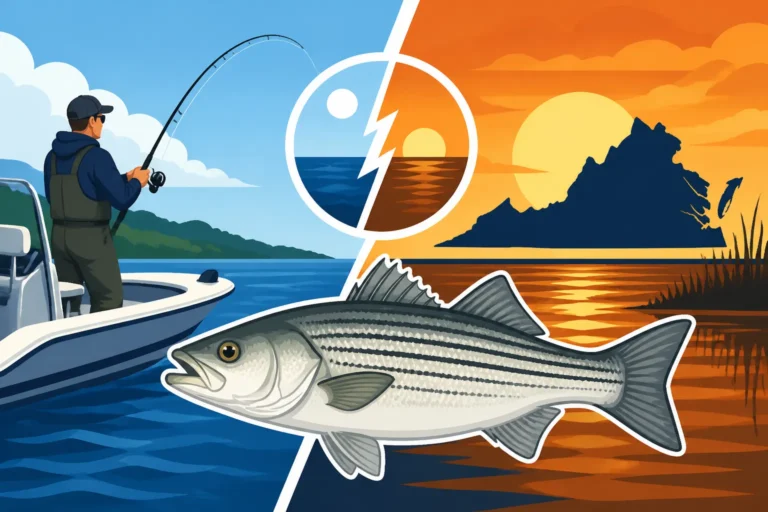
Virginia's approach to striped bass, often affectionately called "rockfish" by local anglers, isn't a simple, continuous open season. Instead, it operates on a "split season" system, which can initially seem a little complicated, but it's designed to balance angler opportunities with crucial conservation efforts. This means there are distinct periods when you can go out and target striped bass, separated by times when the season is closed. For anyone planning a charter trip, knowing these windows is absolutely essential. Imagine booking a boat, getting all geared up, and then learning you picked a closed day – nobody wants that! It's why understanding these specific opening and closing dates for charter fishing is just as important as knowing where the fish are biting. These seasons can be quite dynamic, reflecting the migratory patterns of the striped bass and the need to protect breeding stocks.
Why the Season is Split
The split season isn't just an arbitrary decision; it's a carefully considered management strategy. Striped bass are migratory fish, and their presence in Virginia waters, particularly the Chesapeake Bay and its tributaries, fluctuates throughout the year. One major factor is their spawning cycle. During critical spawning periods, regulations are often tightened or seasons closed to allow the fish to reproduce undisturbed, ensuring healthy populations for future generations. This conservation focus is paramount, and it's a big part of How Fishing License Fees Support Wildlife Conservation in Virginia. Different rules might also apply to federal waters versus state waters, or even specific regions within Virginia, which adds another layer of complexity. Charters are acutely aware of these nuances, as their business relies on adherence to the rules.
General Season Windows for Charter Operations
While specific dates can shift slightly year to year based on biological data and management decisions, Virginia generally has two primary seasons when striped bass fishing, including charter operations, is open: a winter/early spring season and a late spring/early summer season. The rest of the year often sees closures or highly restrictive regulations to protect the species. This means that if you're dreaming of a big striper, you need to align your trip with one of these two windows. Missing these can mean a long wait until the next opportunity. Many anglers find the fall and early winter months particularly exciting, as large migratory fish move into and through the Chesapeake Bay.
The Winter and Early Spring Striped Bass Charter Season
The first opportunity for charter anglers to target striped bass in Virginia typically falls during the cooler months, specifically spanning parts of winter and extending into early spring. This is a thrilling time to be on the water, as the fish are often grouped up and feeding aggressively, building up energy reserves. The cold air might be crisp, but the action can be red-hot, making it a favorite for many seasoned anglers. You'll find charters throughout the Chesapeake Bay region, from Virginia Beach up through the tidal rivers, gearing up for these initial runs.
What to Expect During This Season
During the winter and early spring, striped bass in Virginia's waters are often found in deeper channels, around structure, or congregating in major tidal rivers as they prepare for their spawning migration. This period is known for offering some excellent opportunities for larger fish, particularly in the lower Chesapeake Bay. Charter captains employ a variety of techniques during this time, from trolling with large plugs and baits to jigging deep structure. Virginia's Striped Bass Split Season Dates Explained provides more context on the regulatory framework. The weather can be a bit unpredictable, but a calm, cold day often translates into fantastic fishing. Many anglers book through platforms like FishingBooker specifically to find charters experienced in navigating these cooler weather patterns and knowing where the fish are holding.
Peak Times and Techniques
While the entire winter/early spring window can be productive, there are often peak periods where the action intensifies. As water temperatures drop, fish tend to school more tightly. Later in this window, as temperatures begin to rise slightly, fish may become even more active, moving up into the spawning grounds of the major rivers. Trolling large artificial lures or live bait (where permitted and available) are common and effective methods. It’s also a time when you might encounter some truly impressive "trophy" sized fish. Be prepared for cooler temperatures on the water and dress in layers. Discussing tactics with your charter captain before booking can help manage expectations and even refine your target species. For those looking for a specific kind of experience, like chasing big fish, Virginia Beach Striped Bass Charter Season Timing might offer valuable insights.
The Late Spring and Early Summer Striped Bass Charter Season
As the winter and early spring season draws to a close, there's typically a period when striped bass fishing is closed to allow the fish to complete their spawning and recover. But don't despair! Virginia then reopens for a second, often shorter, striped bass charter season in late spring and extending into early summer. This second window offers a different, but equally exciting, experience. The weather is warmer, the days are longer, and the Chesapeake Bay is bustling with activity.
Characteristics of the Second Season
This late spring/early summer season usually coincides with the post-spawn period for many striped bass. Fish that have finished spawning begin to feed actively again, often moving out of the spawning rivers and into the main stem of the Chesapeake Bay or even further towards the coastal waters. This period can see good numbers of fish, though they might not always be the giant breeders of the earlier season. The focus often shifts slightly, and anglers might find more success with a variety of techniques. It's a fantastic time for families or those who prefer more comfortable weather conditions on the water.
What Charter Anglers Need to Know
For charter anglers, this second season offers another chance to get out and enjoy the thrill of striped bass fishing. It's crucial to confirm the exact dates, as this window can sometimes be shorter or have different slot limits compared to the winter season. Virginia Rockfish Slot Limit and Possession Rules become especially important during this time to ensure compliance. Charters will be targeting fish that are actively feeding after their strenuous spawning efforts. This might involve different areas of the Bay or even different depths than during the colder months. It’s also worth noting that other species might be more active concurrently, offering a chance for a mixed bag depending on your charter's focus. When looking for a charter, platforms like FishingBooker will often show which captains are actively booking for these specific seasonal windows.
Here's a quick overview of what generally characterizes Virginia's split striped bass seasons for charter fishing:
| Feature | Winter/Early Spring Season | Late Spring/Early Summer Season |
|---|---|---|
| Typical Timing | Colder months, extending into early spring | Warmer months, late spring into early summer |
| Fish Behavior | Aggressive feeding, pre-spawn congregations | Post-spawn recovery, active feeding |
| Primary Location | Deeper channels, major tidal rivers, lower Bay | Mainstem Bay, coastal areas |
| Target Fish Size | Often includes larger, trophy-sized fish | Good numbers, potentially smaller average size |
| Common Techniques | Trolling, deep jigging | Trolling, casting, jigging |
| Weather Conditions | Cooler, potentially windy | Warmer, longer days, more stable conditions |
| Conservation Focus | Protecting overwintering and pre-spawn fish | Protecting post-spawn recovery |
Planning Your Virginia Striped Bass Charter Trip
Navigating the nuances of Virginia's striped bass charter season requires a bit of planning, but it's well worth the effort to ensure a successful and legal fishing adventure. Thinking ahead about your preferences and checking the latest regulations will save you a lot of headaches and maximize your time on the water.
Checking Current Regulations and Season Dates
The absolute first step in planning your trip, even before you start looking at specific charters, is to verify the most up-to-date regulations. Wildlife agencies often publish these well in advance, and they can sometimes change based on stock assessments and environmental factors. What was true last year might have minor adjustments this year. Always consult the official Virginia Department of Wildlife Resources (DWR) or Virginia Marine Resources Commission (VMRC) websites. They are the definitive sources for opening and closing dates, slot limits, and possession limits. For instance, How Many Striped Bass Can You Keep in Virginia is a critical piece of information that can vary. Don't rely solely on word-of-mouth; verify everything directly.
Booking Your Charter
Once you have a handle on the open seasons, it's time to start looking for a charter. Virginia boasts many excellent captains and crews who are intimately familiar with the local waters and the behaviors of striped bass. When you're browsing, platforms like FishingBooker are incredibly useful because they allow you to filter by location, target species, and even specific dates. Look for charters that explicitly mention striped bass in their offerings for your chosen season. Don't hesitate to contact captains directly to discuss their experience during that particular season, what methods they use, and what their success rates have been like. What to Look for When Booking a Virginia Fishing Charter can help you make an informed decision. Remember that peak season dates, especially for the larger fish runs, tend to book up quickly, so early booking is always a good idea.
What to Ask Your Charter Captain
Before you finalize your booking, have a list of questions ready for your potential captain. This isn't just about verifying season dates; it's about understanding the entire experience. Ask them about their specific strategies for the season you've chosen – do they troll, jig, or use live bait? What kind of gear do they provide? What's their policy on keeping fish, given the Virginia's 28 to 31 Inch Striped Bass Slot Limit for Charter Anglers? Are licenses included, or do you need to secure your own Virginia Fishing License Guide? A good captain will be happy to answer all your questions and provide clear expectations. For example, What's Included in a Virginia Fishing Charter can vary, so clarifying these details upfront prevents any surprises on the day of your trip. Also, inquire about their cancellation policy in case of inclement weather, as winter and early spring trips can sometimes be affected by strong winds or storms.
Maximizing Your Striped Bass Charter Experience
Even with the season information locked down, there are always ways to enhance your charter trip and increase your chances of a memorable catch. A little preparation goes a long way, and understanding what to expect can turn a good trip into a fantastic one.
Preparing for the Trip
Beyond knowing the season, preparing for the actual day on the water is crucial. This includes dressing appropriately for the weather, which can vary wildly in Virginia, especially during the colder windows. Layers are your best friend. Bring snacks, drinks, sunscreen, and any personal medications you might need. Don't forget your camera to capture those trophy moments! If you tend to get seasick, take preventative measures before you board the boat. Most charters will provide all the necessary fishing gear, but it's always wise to confirm. Understanding What to Bring on a Virginia Fishing Charter can make your day more comfortable and enjoyable. Remember, the captain and crew are there to help, but being prepared yourself contributes to a smoother, more pleasant experience for everyone.
Understanding the Fishery and Conservation Efforts
Going out on a charter isn't just about catching fish; it's also about appreciating the incredible fishery that Virginia offers. Striped bass are a prized species, and the split season is a direct result of ongoing conservation efforts to maintain their populations. When you're on the water, listen to your captain and crew. They're not just fishing guides; they're often stewards of the environment and can share valuable insights into the behavior of the fish and the health of the ecosystem. Understanding regulations like Virginia's One-Fish Striped Bass Limit on Charter Trips and adhering to them conscientiously helps ensure that these opportunities remain available for generations to come. This perspective can make your fishing trip even more rewarding.
Post-Trip Considerations
After a successful day of charter fishing, there are a few things to keep in mind. Tipping your captain and crew is customary and highly appreciated, reflecting their hard work and expertise. Typically, a percentage of the charter fee is a good starting point if you feel they provided excellent service. Discuss with your captain about cleaning and filleting your catch. Many charters offer this service, sometimes for an additional fee, making it easy for you to take home fresh fillets. Sharing your catch responsibly and adhering to all transport guidelines are also important. And, of course, relive those memories and start planning your next trip! Whether you're targeting Chesapeake Bay Striped Bass: A World-Class Virginia Fishery or looking to learn new techniques, there's always more to explore.
Disclaimer
This article is for general informational purposes only and does not constitute professional advice. Laws, prices and regulations vary by location and change over time. Consult a qualified professional for guidance on your specific situation.