Virginia’s Split Striped Bass Season for Private Anglers
It's incredibly frustrating when you just want to enjoy a day on the water, but the rules and regulations around something as popular as Virginia's striped bass season feel like a constantly moving target. One minute you think you've got it figured out, and the next you hear whispers of different dates or limits for private boats versus charters. This guide is here to untangle the complexities of Virginia's split striped bass season, focusing specifically on what private anglers need to know to stay legal and responsible.
Understanding Virginia's Striped Bass Management
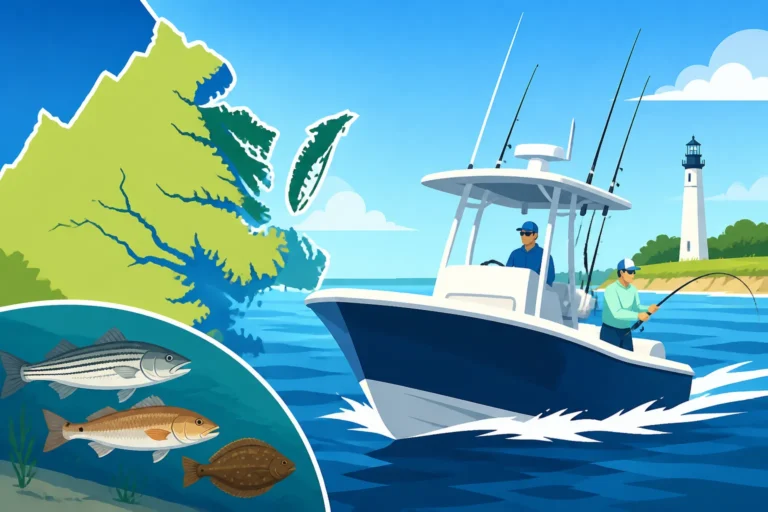
Fishing for striped bass in Virginia is a beloved tradition, but it's also a highly regulated activity. The state, along with federal agencies and other Atlantic coast states, works diligently to manage the striped bass population to ensure its long-term health. This management often leads to regulations that can feel confusing, especially when seasons are divided into multiple segments.
Why the Split Season Exists
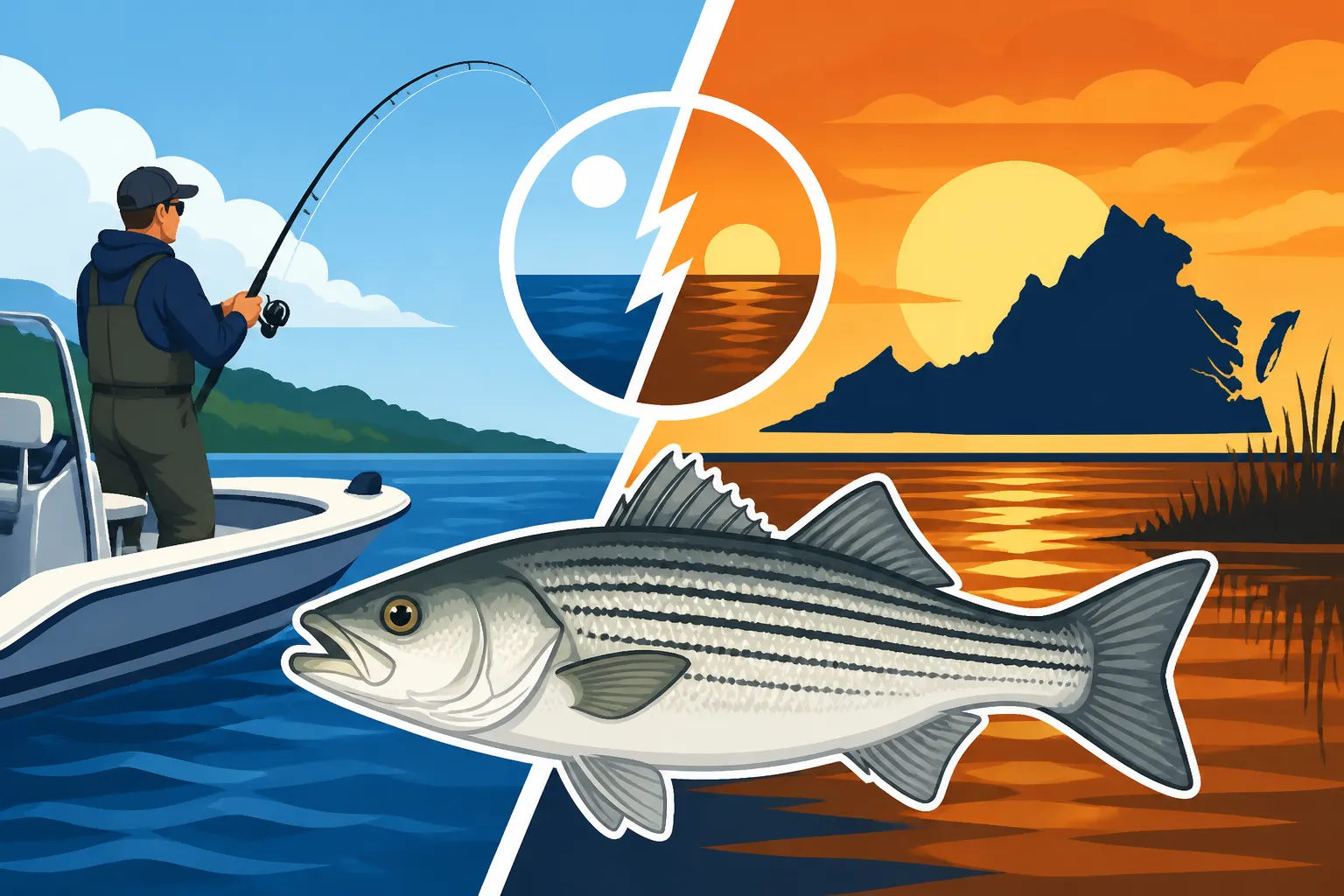
The concept of a "split season" for striped bass isn't just arbitrary; it's a carefully considered management strategy driven by the biology of the fish and the broader conservation goals. Striped bass are anadromous, meaning they spend most of their lives in saltwater but migrate to freshwater rivers to spawn. These migrations, coupled with their vulnerability during different life stages and environmental conditions, necessitate flexible management.
Virginia's split season is primarily designed to protect striped bass during critical periods, particularly around their spawning migrations. By closing the season when fish are congregating to reproduce, or when they might be under high stress from warm water temperatures, wildlife agencies aim to reduce fishing pressure and allow the fish to successfully complete their life cycle. These measures are crucial for maintaining a healthy stock for future generations of anglers. Without these conservation efforts, the vibrant striped bass fishery we enjoy today could be severely impacted. The rules are always evolving based on scientific assessments of the fish population, which is why it's so vital for anglers to stay informed about the latest changes. For a deeper dive into these rules, you might want to read Virginia Striped Bass Season and Slot Limit Guide.
The Difference for Private Anglers vs. Charter Boats
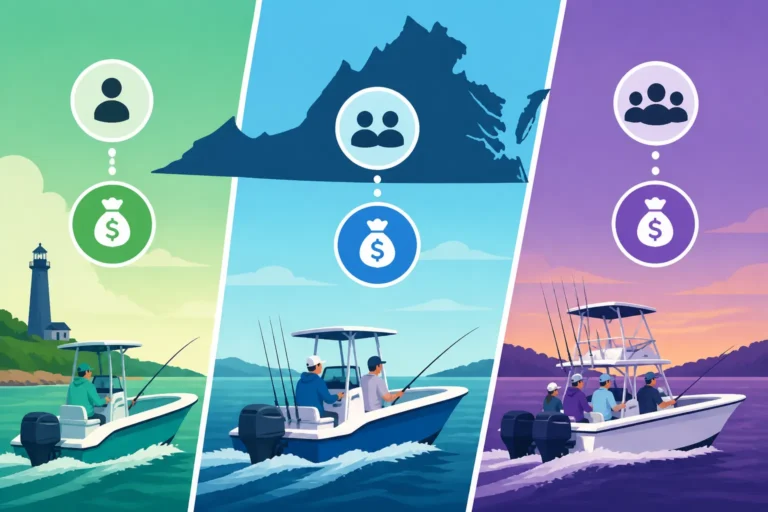
While the fundamental conservation goals apply to everyone, there can sometimes be nuances in how regulations are applied to different types of anglers. For private anglers, the responsibility falls squarely on your shoulders to know and follow all current rules. You're your own captain, so you need to be an expert on the law.
Charter boats, on the other hand, operate under specific commercial licenses and often have professional captains who are highly attuned to the latest regulations, sometimes even participating in special reporting programs. While the general bag limits and slot sizes for individual fish caught might be similar, the reporting requirements or specific vessel permits for a charter are usually distinct. It's not uncommon for private anglers to feel a little lost if they only hear about "charter rules" or "commercial limits" without understanding how they compare to their own situation. This article focuses entirely on private anglers, so you can filter out that noise. You might find it interesting to note that even for charters, there's a Virginia's One-Fish Striped Bass Limit on Charter Trips, reflecting a universal conservation goal.
Navigating the Spring Striped Bass Season for Private Boats
For many private anglers in Virginia, the arrival of spring brings an exciting anticipation for striped bass. The fish begin to move into shallower waters and tidal rivers, presenting fantastic opportunities for both bait and lure fishermen. However, knowing exactly when and where you can target them legally is paramount.
Key Dates and Regions for Spring Fishing
Historically, Virginia has opened its spring striped bass season for private anglers with a specific window designed to allow fishing opportunities while still protecting the spawning stock. Based on typical patterns, this first segment of the season often runs from January 1 through March 31. During these colder months, striped bass are usually found congregating in deeper channels and around structure in the lower Chesapeake Bay and its major tidal rivers, such as the James, York, and Rappahannock. Anglers often focus on these areas where fish are staging before their spawning migration upstream.
It's crucial to understand that during this early spring period, there are specific length limits and bag limits in place. Typically, private anglers are allowed to keep one striped bass per person per day. This fish must fall within a specific "slot limit," meaning it cannot be shorter than a certain length or longer than another. These slot limits are often designed to protect both juvenile fish and the large, mature breeding females. You can find more detailed dates and limits by looking up Virginia Striped Bass Season Dates January Through March. Always verify the current year's regulations with the Virginia Department of Wildlife Resources (DWR) before heading out.
Essential Gear and Techniques for Spring Stripers
When the spring season is open for private anglers, your gear choices can make all the difference. Many successful techniques involve targeting fish that are often holding deeper or moving with currents in the Bay's tributaries.
- Trolling: This is a popular method, especially in the wider stretches of the Chesapeake Bay and larger rivers. Anglers often use umbrella rigs, tandem rigs, or Mojos with heavy lead heads, pulling them slowly behind the boat. Depths can vary, so having a good fish finder to locate schools and understand the bottom contour is invaluable. Using different color combinations for your lures can help you dial in what the fish prefer on any given day.
- Jigging: Once you locate a school of stripers, either visually or with your electronics, jigging can be incredibly effective. Heavy metal jigs, soft plastics on jig heads, or even bucktails are common choices. Dropping your lure directly into the school and working it up and down through the water column can entice strikes. This method is often preferred for its active nature and the direct fight it provides.
- Live Baiting: For some of the largest spring stripers, live bait can be king. Menhaden, eels, or even large spot or croaker are popular choices. These are often fished on a circle hook with a heavy sinker to get the bait down to where the fish are holding. This technique requires patience but can yield impressive results, especially around bridge pilings, deep ledges, or channel edges. No matter your chosen method, having a reliable medium-heavy to heavy rod and reel combo spooled with strong braided line is essential for battling these powerful fish.
The Summer Closure and Fall Reopening for Private Anglers
Just as anglers get into a groove with spring striper fishing, Virginia's regulations often introduce a closure period, typically through April and into mid-May, followed by a reopening. This split is critical for the long-term health of the striped bass population.
Why the Summer Closure is Crucial
The period between the initial spring season (January-March) and the later reopening is a vital time for striped bass. April and early May are often peak spawning months for stripers in Virginia's freshwater rivers. During this time, the fish are incredibly vulnerable as they congregate to reproduce. Imposing a closure ensures that these breeding fish are not subjected to fishing pressure, giving them the best chance to successfully spawn and contribute to the next generation.
Additionally, as water temperatures rise in late spring and early summer, striped bass become more susceptible to stress, especially after being caught and released. Fishing during excessively warm periods can lead to higher mortality rates for released fish, even if they appear healthy when they swim away. The closure helps protect the stock from this thermal stress. Violating these closed periods can lead to significant penalties, including fines and the loss of fishing privileges, underscoring the seriousness of these conservation measures. Always be aware of Virginia's Fishing License and Catch Limit Basics to avoid any issues.
Fall Season Dates, Limits, and Hotspots
After the spring closure, private anglers in Virginia get another crack at striped bass, typically with a season that reopens around May 16. This second window of opportunity provides an exciting stretch of fishing, often targeting fish as they disperse from spawning grounds or as migratory fish move through the Bay. For the most current opening dates, check Virginia Striped Bass Season Reopens May 16.
During this reopened season, the regulations for private anglers generally remain consistent with the "one fish per person" daily bag limit and a strict slot limit. For example, a common slot limit is 28 to 31 inches. This means any striped bass you keep must measure within that range. Fish smaller than 28 inches or larger than 31 inches must be immediately released. This specific range helps protect both undersized fish and the largest, most prolific breeding females. Details on this can be found in Virginia Rockfish Slot Limit 28 to 31 Inches Explained.
Hotspots during this post-spawn or early summer period can include areas of the lower Chesapeake Bay, such as the Chesapeake Bay Bridge-Tunnel complex, the myriad of artificial reefs, and the mouths of major rivers. Fish might be found around structure, channel edges, or actively feeding on schools of baitfish near the surface. If you're unsure about where to go or what techniques to use, especially if you're relatively new to the area or this particular fishery, sometimes hiring a local guide for a day can be an invaluable learning experience. Platforms like FishingBooker can connect you with experienced captains who know these waters inside and out and can show you firsthand how to navigate the season.
Regulations, Reporting, and Responsible Angling
Understanding the specific dates for Virginia's split striped bass season is just one piece of the puzzle for private anglers. Equally important are the details of the regulations, how to report your catch (if required), and adopting responsible angling practices that contribute to the sustainability of this incredible fishery.
Understanding Slot Limits and Possession Rules
The slot limit is arguably one of the most critical regulations for striped bass. As mentioned, it dictates a minimum and maximum length for any fish you can legally keep. For instance, a 28 to 31-inch slot means a fish must be at least 28 inches long but not exceed 31 inches. The purpose of this specific range is multifaceted: it allows younger fish to grow and mature, and it protects the largest, most fecund females, which are vital for replenishing the stock. It's a challenging but effective way to balance fishing opportunities with conservation needs.
The "one fish per person" rule is also strictly enforced. This means that regardless of how many fish you catch, you can only possess one legal-sized striped bass at any given time. Exceeding this limit, even by accident, can lead to serious penalties. Always be sure to measure your fish carefully and release any that fall outside the slot or exceed your bag limit quickly and safely. It's not just about avoiding a fine; it's about being a good steward of the resource. For full details on possession limits, refer to Striped Bass Possession Limit for Virginia Anglers.
The Importance of FIP Registration and Responsible Practices
For private saltwater anglers in Virginia, even if you hold a general fishing license, you might also need to register with the Virginia Marine Resources Commission's (VMRC) Virginia Finfish Identification Program (FIP) if you are fishing in saltwater. This registration is generally free and helps the state collect vital data on recreational catches, which directly informs future management decisions. While a specific license for fishing the Bay is required, the FIP registration might be an additional, but simple, step for private anglers targeting species like striped bass in marine waters. Always check the current requirements on the VMRC website.
Beyond the regulations, practicing responsible angling is crucial. This includes:
- Proper Catch and Release: If a fish is outside the slot limit or you've already filled your bag, release it quickly and with minimal handling. Use de-hooking tools, avoid touching their gills, and if possible, keep the fish in the water while unhooking.
- Barbless Hooks: Consider using barbless hooks, especially when practicing catch and release, as they make extraction much easier and less damaging to the fish.
- Know When to Stop: If you've caught your limit quickly, consider changing tactics to target other species, or simply enjoy the scenery. The goal isn't just to catch fish, but to ensure the fishery thrives.
Even if you're a private angler, learning from those who make a living on the water can be incredibly beneficial. Reputable charter captains, many of whom are listed on platforms like FishingBooker, not only adhere strictly to regulations but often employ best practices for conservation, offering a great example for all anglers. They can teach you about knot tying, reading the water, and ethical fishing, all while helping you understand the nuances of Virginia Fishing Regulations Explained.
Here’s a quick overview of Virginia's typical split striped bass season for private anglers:
| Season Segment | General Dates | Daily Bag Limit (per person) | Slot Limit (inches) | Primary Focus |
|---|---|---|---|---|
| Winter/Early Spring | January 1 – March 31 | 1 Striped Bass | 28 to 31 | Pre-spawn migrations in Bay/rivers |
| Spring Closure | April – May 15 | CLOSED | N/A | Spawning protection |
| Late Spring/Early Summer | May 16 – (check annual closure date) | 1 Striped Bass | 28 to 31 | Post-spawn dispersal, migratory fish |
Always consult the Virginia Department of Wildlife Resources (DWR) or Virginia Marine Resources Commission (VMRC) for the most current and exact regulations, as dates and limits can change annually.
Remember, fishing in Virginia is a privilege, and understanding these rules is part of being a responsible angler. Whether you're chasing trophy stripers or just looking for a peaceful day on the water, knowing the ins and outs of the split season will ensure your trips are both successful and legal. If you're ever in doubt about the latest regulations, the DWR website is your best friend. And if you're thinking about exploring other waters or different species, you can often find resources on sites like FishingBooker that help clarify local rules or connect you with experienced guides. Happy fishing!
Disclaimer
This article is for general informational purposes only and does not constitute professional advice. Laws, prices and regulations vary by location and change over time. Consult a qualified professional for guidance on your specific situation.