Fishing license requirements for first-time anglers
So, you’ve got that itch, right? The one that whispers about serene mornings by the water, the thrill of a tug on the line, and maybe even the satisfying sizzle of a fresh catch. You’re ready to dive into fishing in Virginia, and that’s fantastic! But then reality hits: "Do I need a fishing license? How do I even get one?" It can feel like wading through thick mud trying to figure out the rules before you even cast a line. Don't worry, you're not alone in that confusion, and this guide is here to clear the waters for every first-time angler.
Navigating Virginia's Fishing Licenses as a Newbie
For anyone just starting their angling journey in the Old Dominion, the world of fishing licenses might seem like a maze of regulations. But trust me, once you understand the basics, it’s really quite straightforward. The key is knowing why these licenses exist and who needs one.
Why a License is Non-Negotiable (Almost Always)
Let's get this out of the way upfront: if you're planning to fish in Virginia, you're almost certainly going to need a license. It’s not just a bureaucratic hurdle; these licenses are absolutely crucial for maintaining the health and abundance of Virginia's fish populations and aquatic ecosystems. The fees collected from fishing license sales go directly towards funding conservation efforts, stocking programs, habitat restoration, scientific research, and even the enforcement of fishing regulations by the Virginia Department of Wildlife Resources (DWR). Think of it as your direct contribution to keeping Virginia a fantastic place to fish for generations to come. Without these funds, our beloved lakes, rivers, and coastal waters wouldn't be nearly as vibrant. It can feel like just another fee, but it's genuinely an investment in the future of our pastime.
Age Requirements for Virginia Fishing Licenses
One of the first questions many new anglers, especially parents, ask is about age. It’s a common point of confusion, but the rule in Virginia is pretty clear-cut.
Generally, anyone 16 years of age or older needs a valid fishing license to fish in Virginia's public waters. This applies whether you're a resident or a non-resident. So, if your child is under 16, they can usually fish without a license, which is a fantastic way to introduce them to the sport without the extra cost or paperwork. However, once that 16th birthday rolls around, it's time to get that license. If you want more details, check out our guide on Fishing License Rules for Kids in Virginia.
Now, for our seasoned citizens, there are some wonderful provisions. Anglers 65 years of age and older who are Virginia residents have some specific options:
- They can fish freshwater without a license. This is a big relief for many who simply want to enjoy a quiet day by a river or lake. In fact, Anglers 65 and older fish Virginia's freshwater waters without paying a license fee.
- For saltwater fishing, it’s a little different. While the freshwater exemption is broad, Do Virginia seniors have to pay for a saltwater fishing license? Yes, they typically need a saltwater license. However, Virginia does offer a special one-time $5 Lifetime Saltwater Fishing License for residents 65 and older, which is an incredible deal if you plan on fishing the bay or coast regularly. There's also a free FIP (Virginia Saltwater Recreational Fishing License) registration option for seniors, which effectively acts as your saltwater license if you're not purchasing other licenses.
Understanding these age breakdowns is the first big step in determining what you need, or if you even need anything at all, for your first fishing trip.
Types of Licenses a First-Timer Might Need
Once you’ve established that you, or someone in your fishing party, needs a license, the next hurdle is deciding which one. Virginia offers a variety of options tailored to different fishing environments and durations.
Freshwater vs. Saltwater: Know Your Waters
Virginia is unique in that it offers an incredible diversity of fishing opportunities, from mountain streams and expansive lakes to tidal rivers and the vast Chesapeake Bay and Atlantic Ocean. Because of this, the state distinguishes between freshwater and saltwater fishing licenses. You need to be sure you have the correct one for where you plan to wet your line.
- Freshwater Fishing License: This license covers fishing in all of Virginia's inland waters, including non-tidal rivers, streams, lakes, and ponds. If you're planning to chase largemouth bass on Smith Mountain Lake, trout in the Shenandoah River, or catfish in the James River's upper reaches, this is the license you'll need.
- Saltwater Fishing License: This license is for fishing in tidal waters, which generally means the Chesapeake Bay, its tidal tributaries, and the Atlantic Ocean. If you're targeting striped bass (rockfish) in the bay, flounder near Virginia Beach, or red drum along the Eastern Shore, the saltwater license is your ticket. Remember, even if you're fishing from a pier or boat in tidal waters, a saltwater license is required.
It’s crucial to understand that a freshwater license won't cover you in saltwater and vice-versa. Many of Virginia's major rivers, like the James, Rappahannock, and York, have both freshwater and tidal (saltwater) sections, so pay close attention to where you'll be fishing. If you're unsure or plan to fish both environments, a Virginia Resident Combination Fishing License Price is often the most convenient and cost-effective option, covering you in both fresh and saltwater. This combination license means you don't have to stress about which type of water you're in, providing peace of mind and flexibility. You can learn more about this in our guide on Freshwater and Saltwater Fishing Licenses in Virginia.
Short-Term vs. Annual: What Fits Your Schedule?
Deciding between a short-term or an annual license depends entirely on how often you anticipate fishing throughout the year. For a first-timer, this can be a crucial decision to avoid overspending or finding yourself unlicensed.
- Short-Term Licenses: These are perfect for visitors, those taking an impromptu trip, or new anglers who are just testing the waters (pun intended!).
- 5-Day Freshwater License: If you're coming for a weekend getaway to one of Virginia's beautiful lakes or rivers and primarily targeting freshwater species, this is a great choice. For non-residents, Five days of Virginia freshwater fishing costs $14, making it an affordable entry point. Residents have a slightly cheaper 5-day option.
- 10-Day Saltwater License: Heading to the coast for a short vacation? The Ten days of Virginia saltwater fishing costs just $10 for both residents and non-residents, offering a budget-friendly way to enjoy the Chesapeake Bay or ocean fishing for a limited period. This is a very popular choice for tourists and casual anglers.
The beauty of short-term licenses is their flexibility. You pay for exactly what you need, without committing to a full year. This is ideal if you're unsure if fishing will become a regular hobby or if you're just visiting Virginia for a brief period.
- Annual Licenses: If you catch the fishing bug (and trust me, it’s highly contagious!), an annual license quickly becomes the most economical choice. These licenses are valid for one year from the date of purchase.
- For Virginia residents, Virginia charges $23 for a resident freshwater fishing license, and $17.50 buys a resident saltwater license in Virginia (plus the free FIP registration). If you plan to fish both, Combining freshwater and saltwater into one Virginia license runs $39.50.
- For non-residents, the annual options are naturally a bit more. Out-of-state anglers pay $47 for a Virginia freshwater license, Virginia's annual nonresident saltwater-only license is $25, and A Virginia nonresident combo license runs $71.
If you foresee yourself fishing more than a couple of times a year, or for longer durations, the annual license will almost always save you money in the long run. It also means you don't have to worry about buying a new license every time you head out.
Here's a quick look at some common license types and their approximate costs for residents and non-residents to help you decide:
| License Type | Virginia Resident Price | Non-Resident Price | Notes |
|---|---|---|---|
| Annual Freshwater | $23.00 | $47.00 | Covers inland non-tidal waters. |
| Annual Saltwater | $17.50 + Free FIP | $25.00 + Free FIP | Covers tidal waters, Chesapeake Bay, Atlantic Ocean. FIP is mandatory for saltwater. |
| Annual Freshwater/Saltwater Combo | $39.50 + Free FIP | $71.00 + Free FIP | Best for fishing both inland and tidal waters. |
| 5-Day Freshwater | $9.50 | $14.00 | Good for short trips, ideal for tourists. |
| 10-Day Saltwater | $10.00 | $10.00 | Affordable option for short coastal trips for anyone. |
Prices are subject to change, always check the Virginia DWR website for the most current information.
How to Get Your First Virginia Fishing License
Now that you know what kind of license you need, the next step is actually acquiring it. Thankfully, Virginia has made the process quite accessible, offering several convenient ways to purchase your first fishing license.
Online, In-Person, or By Mail: Your Options
The Virginia Department of Wildlife Resources (DWR) understands that convenience is key, especially for busy people looking to enjoy the outdoors.
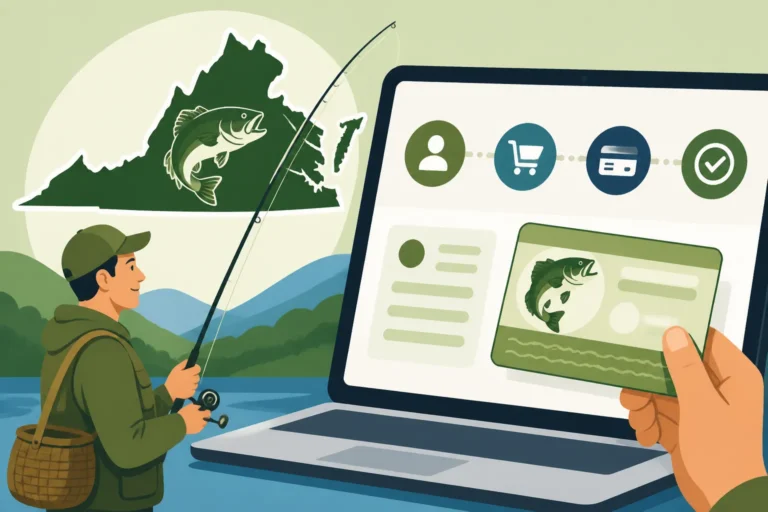
- Buying Online: This is by far the quickest and most straightforward method for most people. You can purchase your license directly from the official DWR website. The process is user-friendly, allowing you to select your license type, provide your information, and pay securely. Once completed, you can often print a temporary license immediately or save a digital copy to your phone, so you're ready to hit the water almost instantly. This is a huge benefit if you suddenly decide to go fishing on a weekend and don't have time to visit a store. Check out How to Buy a Fishing License Online in Virginia for a detailed walkthrough.
- Buying In-Person: For those who prefer a face-to-face transaction, or who might have questions they want to ask someone directly, numerous authorized license agents across the state sell fishing licenses. These agents often include:
- Sporting goods stores (like Dick's Sporting Goods or certain Walmart locations)
- Local bait and tackle shops
- Some county clerk's offices
- Select DWR offices
Finding an agent near your home or preferred fishing spot is usually pretty easy. A quick search on the DWR website can point you to the nearest location. Buying in person also gives you the chance to grab some bait, tackle, and local fishing tips all at once. If you're wondering Where anglers can buy a Virginia fishing license in person, our guide has more info.
- Buying By Mail: While less common for first-time anglers seeking immediate access, you can also purchase licenses by mail. This involves downloading an application from the DWR website, filling it out, and mailing it with a check or money order. Keep in mind that this method takes time for processing and delivery, so it's not ideal if you want to go fishing right away. It's generally reserved for those who plan far in advance or prefer not to use online payment methods.
What Information You'll Need to Provide
Regardless of how you choose to purchase your license, you'll need to have certain information readily available. This helps the DWR accurately record your purchase and ensures you're eligible for the license type you're selecting.
- Proof of Identification: You'll need a valid form of identification, typically a state-issued driver's license or ID card. This confirms your identity and age.
- Proof of Residency: If you're applying for a resident license, you'll need to demonstrate that you are a legal resident of Virginia. This is usually verified through your Virginia driver's license or ID card. Non-residents will simply provide their out-of-state identification.
- Social Security Number (SSN): This is often a point of surprise for first-time anglers, but it’s a federal requirement. Due to federal mandates for child support enforcement, all state agencies that issue licenses are required to collect the applicant's Social Security Number. Your SSN is kept confidential and is not used for any other purpose beyond this federal requirement. Don't be alarmed when asked for it; it's standard procedure.
Having all this information ready will make the purchase process smooth and quick, getting you one step closer to casting your line.
Common First-Timer Questions and Exceptions
As a new angler, you're bound to have questions beyond the basic license types. It's easy to get caught up in common misconceptions or simply not know where the rules bend a little. Let's tackle some of those common queries.
Do I Need a License for Catch-and-Release?
This is a very common question, and the answer is a resounding yes! The Virginia DWR considers "fishing" to be any attempt to take fish, regardless of whether you intend to keep them or not. So, even if your plan is to carefully release every fish you catch, you still need a valid fishing license.
Think of it this way: the act of casting a line, reeling in a fish, and handling it, even briefly, constitutes fishing. The DWR's conservation efforts and regulations apply to all angling activities, not just harvest. So, don't risk a fine by thinking you're exempt just because you're practicing catch-and-release. Always have your license handy.
What About Pier Fishing or Private Ponds?
The rules can feel a bit murky when it comes to specific locations.
- Pier Fishing: Many public fishing piers in Virginia operate under a blanket pier license, meaning if you pay the pier's entry fee, you might not need your own individual saltwater fishing license. This is common at popular spots like the Virginia Beach Fishing Pier or the Grandview Nature Preserve Pier. However, it is crucial to verify this with the pier management before you fish. Some piers might still require individual licenses, or only cover specific types of fishing. It's always best to ask beforehand. For more details, check out our article: Fishing license required for pier fishing?.
- Private Ponds: Generally, you do not need a state fishing license to fish in a private pond that is completely enclosed within private property and has no inlets or outlets connected to public waters. The keyword here is "private" and "enclosed." If the pond is part of a stream or river system, or if it's stocked by the state, then a license is usually required. Always err on the side of caution and ask the landowner if a license is needed, especially if it's a pond you don't own. Our guide on Do you need a license to fish in a stocked pond? might also offer some clarity.
Free Fishing Days: A Great Starting Point
If you're truly just dipping your toes in and are hesitant to commit to a license right away, Virginia offers a fantastic opportunity: Free Fishing Days! Each year, typically in early June, the DWR designates a weekend where residents and non-residents can fish without a license in all of Virginia's public waters.
This is an incredible chance to try out fishing, introduce it to your family, or just enjoy a day on the water without the initial financial commitment. It's a fantastic way to experience what Virginia fishing has to offer and see if it's a hobby you want to pursue more regularly. Keep an eye on the DWR website for specific dates each year. For example, Virginia Free Fishing Days in June 2026 are already on the calendar! This is the perfect time to grab a rod and reel and experience What license-free fishing looks like in Virginia each June.
It’s an excellent way to get a feel for the sport and explore some local fishing spots, all while adhering to the spirit of conservation that these license fees ultimately support throughout the rest of the year.
Disclaimer
Please remember that fishing regulations and license requirements are subject to change. While this guide provides comprehensive and up-to-date information, it is always your responsibility to verify the most current rules and regulations with the Virginia Department of Wildlife Resources (DWR) before heading out to fish. This content is for informational purposes only and should not be considered legal advice.