Best Spots for Kids to Catch Their First Fish in Virginia
Finding that perfect fishing spot where your little ones can actually catch something – and safely, happily, without too much fuss – can feel like searching for a needle in a haystack here in Virginia. We've all been there: lugging all the gear, getting to a beautiful, serene lake, only for the fish to play coy and the kids to get restless after ten minutes. It's frustrating when you just want to share the joy of fishing and make those lasting memories. This comprehensive guide is here to take the guesswork out of it, pointing you towards the absolute best places in Virginia where kids can reel in their very first fish, building confidence and fostering a lifelong love for the water.
The Essential Ingredients for a Kid-Friendly Fishing Trip
When you're planning a fishing adventure with children, especially beginners, it’s crucial to rethink what makes a "good" fishing spot. It's less about trophy catches and more about engagement, safety, and a steady stream of action. You want a place that's forgiving, accessible, and provides plenty of distractions for those moments when the fish aren't biting as fast as tiny attention spans demand.
Safety and Easy Access: No Treacherous Paths Here
The first priority, always, is safety. This means looking for locations that don't require navigating steep, slippery banks or dense, tick-infested underbrush just to get to the water's edge. Think gently sloping shores, well-maintained docks, or designated fishing piers. These features minimize the risk of falls and make it easier for little legs to get around. Calm, shallow waters are also a huge plus, ensuring there are no strong currents or unexpected drop-offs close to where the kids will be casting.
A great example of this is the kind of access you'll find at many of Virginia's state parks. Places like Claytor Lake State Park offer accessible fishing piers that extend over calm water, providing a safe platform for young anglers to cast without worrying about uneven terrain. The easier it is to get to and from the fishing spot, and the less you have to worry about immediate hazards, the more enjoyable and relaxed the experience will be for everyone involved. You don't want to spend the whole trip helicopter-parenting; you want to share the fun!
Abundant, Eager Biters: Panfish, the Unsung Heroes
Let's be real: kids want to catch fish. The size doesn't matter nearly as much as the frequency. That's why spots teeming with smaller, readily biting fish are gold. Panfish—like bluegill, sunfish, and smaller crappie—are the unsung heroes of kid-friendly fishing. They're usually abundant, not too picky about bait, and their spirited tugs on the line provide instant gratification. These fish often hang out in shallower waters, making them easier targets for short casts.
Imagine a scene where a child drops a worm on a small hook with a bobber, and within minutes, that bobber starts dancing, then dips! The excitement on their face as they reel in a colorful bluegill, even if it's palm-sized, is absolutely priceless. These quick successes build confidence and keep them hooked (pun intended) on the activity. Many community ponds and small lakes across Virginia are managed specifically to foster healthy panfish populations, sometimes even offering structured programs that teach beginners the ropes. Look for areas known for their thriving panfish populations if you want to ensure your child experiences the thrill of a steady bite. For more tips on this, check out our guide on Bream and Bluegill Fishing for Beginners.
Amenities Make All the Difference: Comfort is Key
A truly kid-friendly fishing spot isn't just about the fish; it's about the surrounding environment. Access to restrooms is non-negotiable, as is some form of shade during warmer months. Picnic tables, playgrounds, or even just open grassy areas nearby can be lifesavers for when kids need a break from fishing or need to burn off some energy. These amenities transform a mere fishing trip into a full family outing, allowing for flexibility and preventing meltdowns.
Think about it: after an hour or so of intense concentration, a quick run on a playground or a picnic lunch by the water can recharge their batteries and get them ready for another round of casting. It's about blending the fishing experience with other family-friendly activities. Some parks even have visitor centers where you can learn about local wildlife, adding an educational layer to the adventure. These small comforts go a long way in making the overall experience positive and memorable, rather than just a struggle against boredom or discomfort.
Top Freshwater Havens for Little Anglers in Virginia
Virginia's inland waters offer a wealth of opportunities for young anglers, from sprawling state park lakes to intimate community ponds. These locations are often specifically managed with public access and family enjoyment in mind, making them ideal for a child's first fishing expedition.
State Parks: Nature's Playground with Fishing Perks
Virginia's State Parks are truly hidden gems when it comes to family fishing. They often feature well-maintained facilities, calm lake or pond environments, and a focus on conservation that ensures healthy fish populations. Many state parks also have rental boats, canoes, or kayaks, allowing you to explore different areas of the lake if shore fishing isn't cutting it, though most offer excellent bank access and fishing piers perfect for beginners.
- Douthat State Park in the Allegheny Mountains near Clifton Forge is a fantastic example. It boasts a beautiful 50-acre lake that is regularly stocked with trout during cooler months, but also holds a healthy population of bass and panfish. The lake is relatively small, making it feel less overwhelming for kids, and there are plenty of easy access points along the shore, plus a designated fishing pier. The park also offers cabin rentals, hiking trails, and a sandy beach, turning a fishing trip into a full weekend family getaway. Imagine the excitement of catching a rainbow trout right from the bank!
- Lake Anna State Park near Spotsylvania is another excellent choice, especially for those in central Virginia. While Lake Anna itself is huge, the state park section provides calmer coves and designated fishing areas with easy access. Panfish, bass, and catfish are abundant here. The park offers plenty of amenities, including a guarded swimming beach, picnic shelters, and nature programs, ensuring there's always something to do when the fishing rod needs a break. The clear, calm waters make it an inviting place for kids to learn.
- Claytor Lake State Park near Dublin is known for its diverse fishery, but also has great spots for young anglers. Beyond the main lake, there are coves and shallower areas where panfish thrive. The park's well-designed facilities, including a marina and a large fishing pier, make it incredibly accessible. Kids can catch bluegill, sunfish, and even smaller bass here, experiencing the thrill of a catch in a beautiful mountain setting. For more about what Claytor Lake offers, read our Claytor Lake's Diverse Virginia Fish Species Guide.
These parks are designed for exactly this kind of family outing, often offering educational programs or equipment rentals that can make your trip even easier. Remember, every angler over the age of 16 needs a Virginia Fishing License Guide, but children often have different requirements. You can learn more about Do Kids Need a Fishing License to Fish?.
Community Ponds and Local Lakes: Close to Home Adventures
Sometimes, the best spots are the ones closest to home, the little ponds tucked away in local parks or managed by county recreation departments. These often fly under the radar but are specifically designed to offer easy, accessible fishing, often with regular stocking programs to ensure a decent catch rate. The Virginia Department of Wildlife Resources (DWR) supports various urban and community fishing programs that aim to provide convenient fishing opportunities in developed areas.
These ponds are typically small, with clear banks and easy casting, perfect for a short trip after school or on a lazy Saturday morning. They are often stocked with catfish and panfish, species that are relatively easy to catch and provide consistent action. Examples might include smaller lakes within regional parks like Laurel Hill Park in Fairfax County or Waller Mill Park in Williamsburg, which both offer boat rentals and shore access on smaller, manageable bodies of water. The beauty of these local spots is the convenience – less travel time means more fishing time and less chance for kids to get antsy in the car.
Many of these local programs even host youth fishing events where they provide equipment and instruction, making it an ideal way for beginners to get started without a huge upfront investment in gear. Keep an eye on your local DWR announcements for these opportunities. These small, often overlooked, lakes and ponds are truly some of Virginia's Best Panfish Fishing Spots.
Coastal Charms: Saltwater Spots Perfect for Young Fishers
While freshwater spots are fantastic, Virginia's extensive coastline and tidal rivers also offer incredible opportunities for kids to experience saltwater fishing. The key here is finding locations that are calm, safe, and easily accessible without needing a boat. Piers, jetties, and sheltered estuaries fit the bill perfectly, offering a chance to catch a whole different array of species.
Public Piers and Boardwalks: Easy Access to the Bay and Ocean
Public fishing piers are a godsend for families with young children. They typically extend over calmer waters, offering a safe, elevated platform with rails that prevent accidental falls. You don't need a boat, and many piers don't require an individual fishing license as they operate under a blanket license. They often have bait shops, tackle rentals, and even snack bars right on site, addressing many of those crucial "amenity" needs.
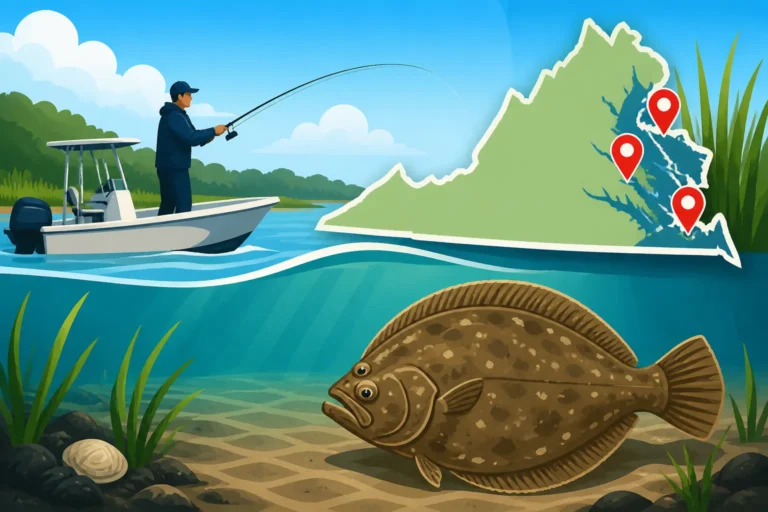
- The Virginia Beach Fishing Pier and the Buckroe Beach Fishing Pier in Hampton are prime examples. These piers provide excellent access to the Chesapeake Bay or the Atlantic Ocean, depending on their location. From these piers, kids can often catch croaker, spot, flounder, bluefish, and even some smaller striped bass, depending on the season. The constant activity of other anglers, the views of the water, and the gentle sea breeze all contribute to an exciting atmosphere. Plus, the boardwalks nearby offer plenty of post-fishing entertainment like arcades, ice cream, and souvenir shops. These spots truly embody the idea of Family-Friendly Fishing Spots in Virginia.
The key benefit of a pier is the sheer convenience. You can simply walk on, drop a line, and enjoy the experience. The absence of currents and waves found closer to shore makes it much easier for kids to manage their lines and feel a bite. It’s also a great way to introduce them to the diversity of saltwater species without the complexity of boat fishing.
Calm Estuaries and Tidal Creeks: Sheltered Waters, Diverse Catches
For a slightly more immersive, yet still kid-friendly, saltwater experience, look to Virginia's numerous estuaries and tidal creeks. These sheltered bodies of water, where freshwater mixes with saltwater, are often rich ecosystems teeming with a variety of fish. The water here is typically calmer than the open bay or ocean, making for a more relaxed fishing environment from a bank or small public dock.
- Areas around Rudee Inlet in Virginia Beach, with its calmer back bays and feeder creeks, or the many public access points along the Elizabeth River branches near Norfolk, offer fantastic opportunities. Here, kids can encounter anything from white perch and spot to small puppy drum (red drum), speckled trout, and even blue crabs. The varied environment means you're more likely to get consistent bites, even if the species vary. The shallower, protected waters mean less strong currents, making it easier for kids to feel a bite and reel in their catch. You can often find small parks or boat ramps with shore access in these areas. For some targeted species, check out where to find Where to Catch White Perch in Virginia.
Using simple bait like bloodworms, shrimp, or even cut pieces of fish on a bottom rig or with a bobber can yield great results in these brackish waters. It’s a wonderful way to introduce children to the unique environment of Virginia’s coastal waters, teaching them about tides and the different creatures that call these waters home. Sometimes, finding local guides through services like FishingBooker can offer insights into the very best, tucked-away spots in these estuaries that are perfect for a family trip.
Planning for Success: Tips Beyond Just the Location
Beyond picking the perfect spot, setting yourself up for success involves a few practical considerations that can make or break a kid's fishing experience. It's about being prepared, managing expectations, and focusing on the overall adventure rather than just the number of fish caught.
Simple Gear and Bait: Keep It Uncomplicated
When fishing with kids, simplicity is your best friend. Forget the fancy rods, intricate reels, and complex lure presentations. A basic spin-cast rod and reel combo, often called a "push-button" reel, is ideal. These are easy for small hands to operate and minimize tangles. For bait, live worms are almost always a winner – they're natural, irresistible to many fish, and kids love the tactile experience of putting them on the hook (or watching you do it!). Other good options include small pieces of hot dog, corn, or small artificial grubs.
A bobber is also essential. Watching that bobber dip and dance provides a clear visual cue that a fish is biting, and that excitement is often half the fun. Small hooks (size 8-12) are perfect for panfish and smaller species, making it easier for them to get hooked. Remember, it's about making it easy and fun, not about using pro-level gear. A simple bucket for their catches, a small tackle box with spare hooks and bobbers, and a pair of pliers for hook removal are really all you need. Consider our guide on Easy Fishing Techniques for Kids for more ideas.
The Art of Patience and Managing Expectations: It's the Experience That Counts
Let’s be honest, fishing requires patience, a virtue not always abundant in young children. The most important thing you can do is manage both your own and your child's expectations. The goal isn't necessarily to catch the biggest fish or even a dozen fish; the goal is to have fun, spend quality time together, and create positive memories. If the fish aren't biting, don't sweat it. Focus on other aspects of the trip: skipping rocks, observing birds, identifying plants, having a snack, or just chatting.
Explain that fishing is a waiting game, but that the waiting is part of the adventure. Bring a few small non-fishing distractions like a nature journal, binoculars, or even a small toy. These can keep little hands and minds occupied during slower periods, preventing boredom from turning into frustration. Acknowledge and celebrate every small victory, whether it's a perfect cast, successfully baiting a hook, or just sitting quietly and enjoying nature. You might even find some local fishing guides through platforms like FishingBooker who specialize in kid-friendly trips, offering patience and expertise that can really enhance the experience.
When to Go: Timing for Maximum Bites and Comfort
Timing your fishing trip can significantly impact success and comfort. For kids, generally, early mornings and late afternoons/evenings tend to be best. Not only are these often prime feeding times for many fish species, but the temperatures are also usually milder, making for a more comfortable experience, especially during Virginia's hot summers. Overcast days can also be great, as fish often bite better when the sun isn't glaring.
Avoid the midday sun, which can make both you and the fish sluggish. Check local weather forecasts and consider the time of year. Spring and fall often offer some of the most comfortable weather and active fishing, particularly for panfish. During the warmer summer months, catfish are often more active later in the day or at night, offering another unique experience if you’re up for it. And don't forget Virginia's annual Virginia Free Fishing Days Guide in June, where no license is required, making it an ideal time to introduce new anglers to the sport.
Here's a quick look at some general recommendations for kid-friendly fishing spots in Virginia:
| Location Type | Pros | Cons | Target Species (Kid-Friendly) | Amenities Often Available |
|---|---|---|---|---|
| State Park Lakes/Ponds | Safe, maintained, often stocked, various activities nearby | Can get crowded, may require park entrance fee | Bluegill, Sunfish, Crappie, Catfish, Trout | Restrooms, picnic areas, trails, playgrounds |
| Community Ponds | Close to home, very accessible, often stocked by DWR | Smaller, fewer amenities, can be heavily fished | Bluegill, Sunfish, Catfish | Basic restrooms, picnic tables |
| Public Fishing Piers | No boat needed, safe rails, often no license needed, amenities | Can be crowded, subject to ocean/bay weather, some fees apply | Croaker, Spot, Flounder, Bluefish, Perch | Bait shops, tackle rentals, restrooms, snacks |
| Tidal Creeks/Estuaries | Calm waters, diverse species, unique ecosystem exposure | Access can be limited, some mud, bugs | White Perch, Spot, Puppy Drum, Catfish | Varies widely, often minimal |
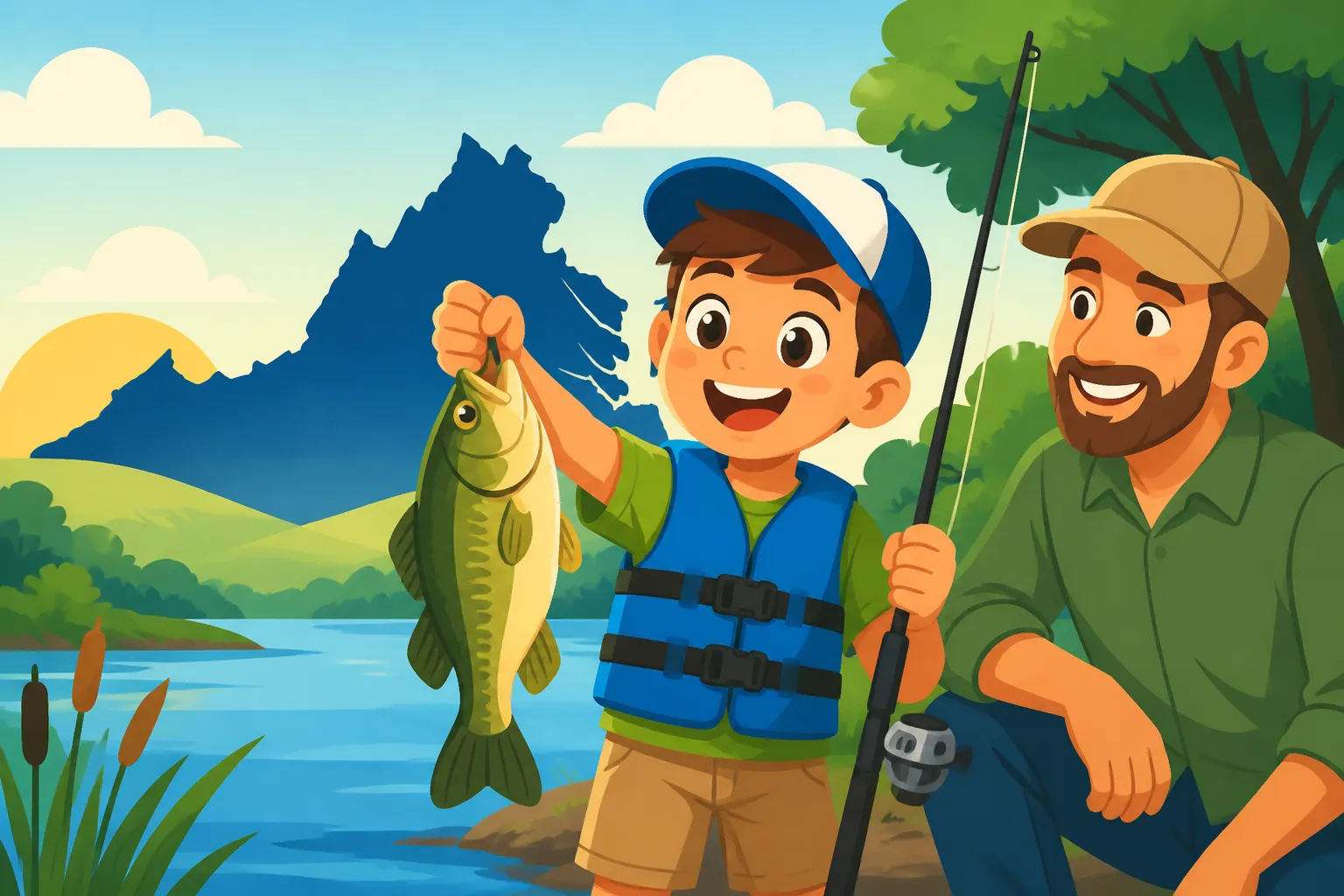
Ultimately, the best spot for your kids to catch their first fish in Virginia is one that makes them feel excited, comfortable, and successful. It’s about creating an experience that sparks a lifelong passion for the outdoors and the simple joy of fishing. Remember, fishing with kids is truly about the journey, not just the catch.
Disclaimer
Please note: Fishing regulations, license requirements, and fish populations can change. Always check the latest Virginia Department of Wildlife Resources (DWR) regulations before heading out. Information provided here is for general guidance and educational purposes only.