How Water Temperature Affects Fish Feeding
Have you ever spent a whole day on your favorite Virginia lake or river, convinced you had all the right bait and techniques, only to come home empty-handed? It’s incredibly frustrating, I know! Often, the hidden culprit isn't your skill or your tackle, but something far more fundamental: the water temperature. Understanding how water temperature affects fish feeding is like unlocking a secret code to consistent success on the water, and this guide is here to help you crack it wide open.
The Science Behind the Shiver: How Temperature Controls Fish Behavior
It's easy to forget that fish are cold-blooded creatures, meaning their internal body temperature is directly influenced by the temperature of the water around them. This isn't just a minor detail; it’s a game-changer for their entire existence, especially when it comes to how and when they decide to eat. Imagine trying to run a marathon in freezing sleet or scorching desert heat – you'd adapt, but your performance would certainly be impacted. Fish are no different.
Metabolism and Activity Levels
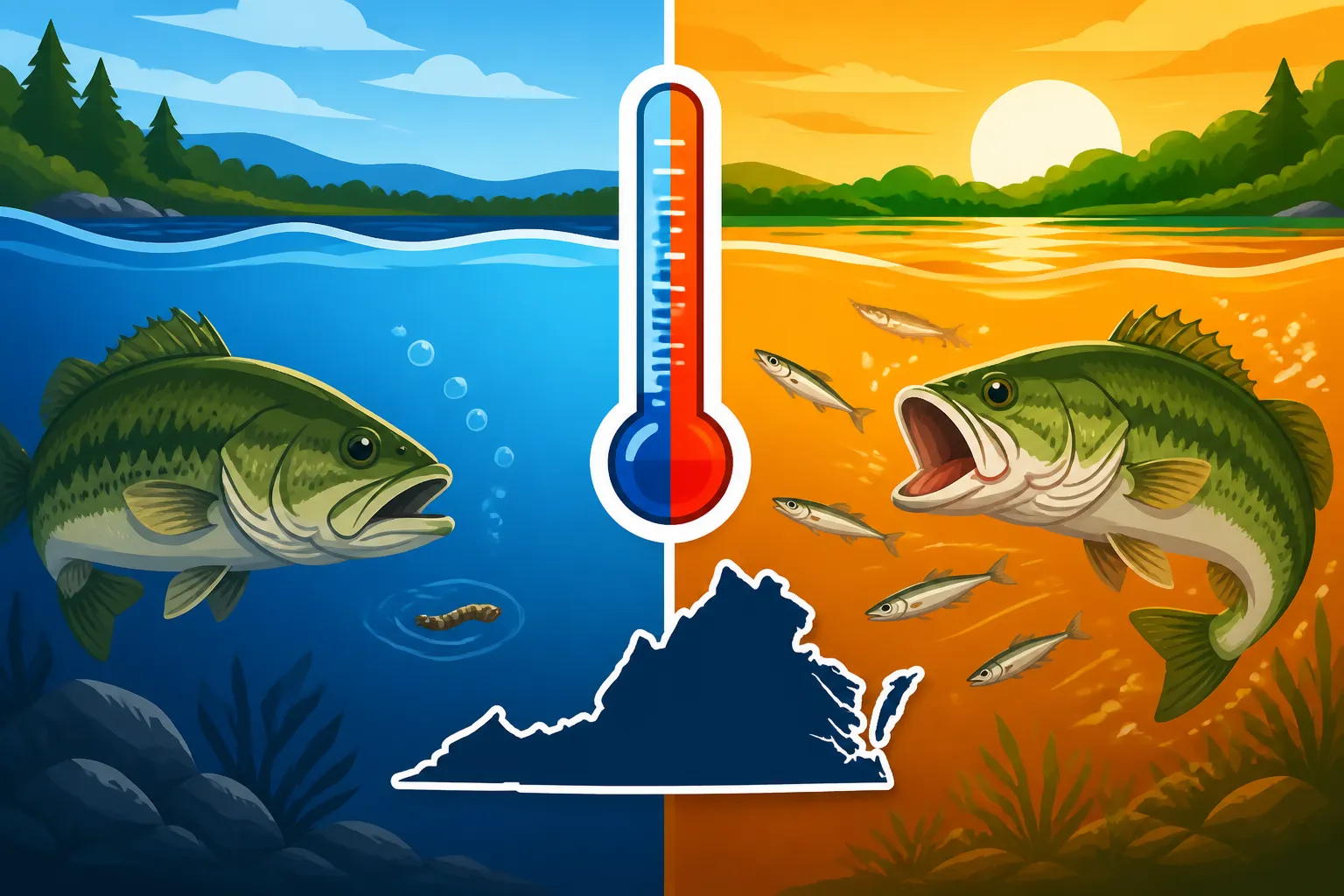
Think of water temperature as the thermostat for a fish's metabolism. In colder water, their metabolic rate slows way down. It's like they've hit the snooze button on life. Digestion takes longer, energy is expended more slowly, and they simply don't need to eat as often or as much. They become sluggish, conserving energy, and often hold tight to cover or deeper, more stable water. Presenting a fast-moving lure to a lethargic fish in frigid water is often a wasted effort because they simply don't have the energy or the inclination to chase it down.
Conversely, as water temperatures rise into their preferred range, fish metabolism kicks into high gear. They become more active, digesting food faster, and needing to replenish that energy more frequently. This is when they're most aggressive, willing to chase down a lure, and actively forage for food. However, there's a tipping point. If the water gets too warm, especially above their comfort zone, they become stressed. Their metabolism can actually go into overdrive, consuming oxygen at a rapid rate. This can lead to lethargy again, but this time it's due to stress and a desperate search for cooler, more oxygenated water, not just a slower metabolism.
Oxygen Levels and Habitat Selection
Here’s another critical piece of the puzzle: water temperature directly affects how much dissolved oxygen the water can hold. Colder water holds more oxygen. This is why you often find trout in crisp, cool mountain streams. As water warms, its capacity to hold dissolved oxygen decreases. This is a huge factor in fish survival and activity, especially during the hot summer months in Virginia's lakes and rivers.
When surface water temperatures soar, fish, particularly larger species with higher oxygen demands, will seek out cooler, deeper water or areas with more current or aeration, which tend to have higher oxygen concentrations. This often means they’ll move away from the shallow flats they might have occupied in spring. Understanding this link between temperature and oxygen helps you predict where fish will be, even if they aren’t actively feeding, and then you can adjust your tactics to entice a strike. Many anglers will invest in a good portable water thermometer, easily found on sites like Amazon, to help them pinpoint these crucial temperature zones.
Virginia's Fin-tastic Four: Species-Specific Temperature Preferences
Virginia is home to an incredible diversity of fish, and each species has its own "sweet spot" when it comes to water temperature. Knowing these preferred ranges is like having an insider tip for every fishing trip. What makes a largemouth happy might make a trout miserable, and vice-versa.
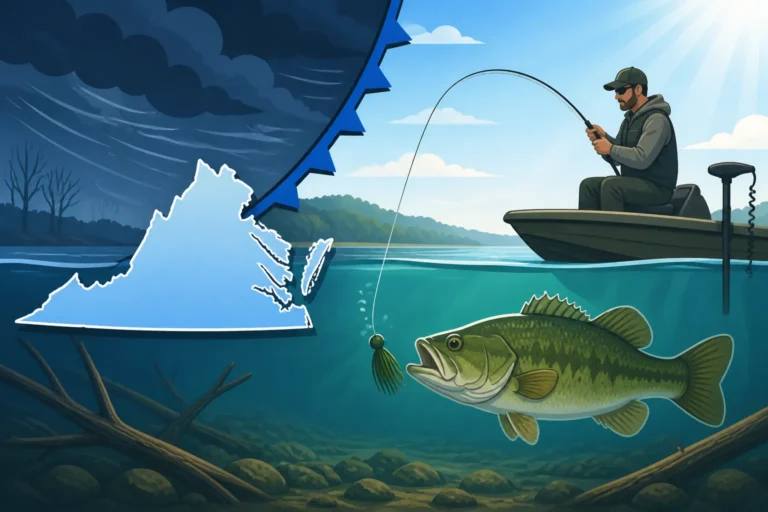
Largemouth and Smallmouth Bass
Ah, bass – the bread and butter for many Virginia anglers! These highly sought-after game fish have distinct preferences influenced heavily by temperature.
- Optimal Feeding Range: For largemouth bass, the sweet spot is generally between 65°F and 75°F (18-24°C). Smallmouth bass prefer slightly cooler water, typically thriving between 60°F and 70°F (15-21°C). Within these ranges, their metabolism is buzzing, and they are actively chasing prey. You’ll find them shallower, more aggressive, and willing to hit a variety of lures. This is when you'll often experience some of the best action.
- Pre-Spawn and Spawn: In the spring, as water temperatures slowly climb from the high 40s into the 50s and then into the low to mid-60s, bass move from their deeper winter haunts to shallower staging areas. This is the pre-spawn period, marked by aggressive feeding as they bulk up for spawning. Once the water consistently hits the mid-50s to low 60s for largemouths, they'll begin to move onto beds. Smallmouths tend to spawn slightly later, in similar but often rockier, current-swept areas. During the actual spawn, their focus shifts from feeding to reproduction, making them harder to catch, though they might strike out of territorial defense. For a deeper dive, check out our guide on Water Temperature for Bass Fishing in Virginia.
- Summer Doldrums: When Virginia’s summer heat pushes water temperatures into the upper 80s or even 90s in the shallows, bass become stressed. They'll retreat to deeper, cooler, more oxygenated water. Think shaded areas, deep ledges, brush piles, or around springs. Their feeding windows become shorter, often limited to dawn, dusk, or nighttime.
- Winter Sluggishness: As fall progresses and water temperatures drop into the 50s and 40s, bass move to deeper wintering holes. Their metabolism slows dramatically, and they become lethargic. Bites are often subtle, and a slow presentation is key. Check out How to Catch Bass in Cold Water for specific tactics.
Trout (Rainbow, Brown, Brook)
Virginia is blessed with fantastic trout fishing, from stocked rivers to pristine wild trout streams. These fish are true cold-water specialists and are incredibly sensitive to temperature fluctuations.
- Optimal Range: Trout absolutely thrive in cold, highly oxygenated water, typically between 45°F and 65°F (7-18°C). Brook trout, Virginia's native char, often prefer the colder end of this spectrum, sometimes even lower.
- Temperature Stress: When water temperatures climb above 68°F (20°C), trout become severely stressed, often seeking refuge in small pockets of cooler water or dying. This is why many wild trout streams have regulations that limit fishing or even close certain sections during warm summer months. It's crucial to practice catch and release carefully during warmer periods, minimizing their time out of the water. Our guide on Virginia's Stocked Trout Waters and License Requirements has more details on keeping these delicate fish healthy.
- Seasonal Behavior: In spring and fall, when water temperatures are ideal, trout are often very active. They'll feed readily on insects, baitfish, and nymphs. Winter sees them become more lethargic, much like bass, but they will still feed on small invertebrates.
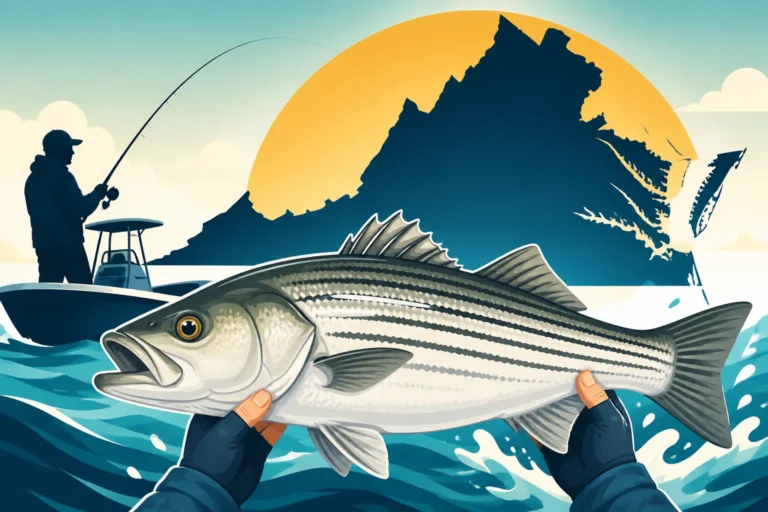
Striped Bass (Rockfish)
Striped bass, often affectionately called rockfish in Virginia, are a highly popular sport fish found in both the freshwater impoundments and the brackish and saltwater estuaries of the Chesapeake Bay. They can tolerate a wider range of temperatures than trout but still have definite comfort zones.
- Optimal Range: Striped bass generally prefer water temperatures between 55°F and 68°F (13-20°C) for peak activity. In this range, their metabolism is high, and they are actively cruising and feeding, often in schools.
- Migration and Seasonality: In the saltwater environments, temperature plays a huge role in their migratory patterns. As coastal waters warm in spring, stripers move north to spawn. In fall, as temperatures drop, they migrate south, providing incredible fishing opportunities along the coast. In freshwater lakes like Smith Mountain Lake, they'll follow temperature breaks and baitfish schools, moving deeper in summer and shallower in cooler months. Understanding Virginia Striped Bass Season and Slot Limit Guide is essential for targeting these fish.
- High Temperature Stress: While tougher than trout, extended periods in water above 75°F (24°C) can also stress striped bass, causing them to become sluggish and seek deeper, cooler water. This is why you often see fishing restrictions or closures for stripers during the hottest parts of summer.
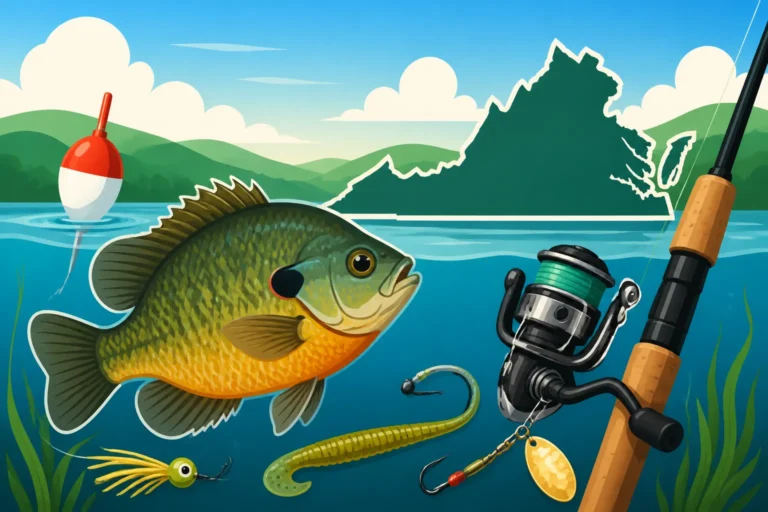
Panfish (Crappie, Bluegill, Perch)
These fun-to-catch species are often the target for beginner anglers and families, and they are generally more tolerant of warmer water, though still influenced by temperature.
- Optimal Range: Panfish like crappie, bluegill, and yellow perch typically prefer water temperatures ranging from 60°F to 80°F (15-27°C). Within this range, they are quite active and can be found in a variety of habitats, often congregating around structure.
- Shallow vs. Deep: In spring and early summer, as water warms into the low to mid-60s, crappie move into shallow areas to spawn, making them very accessible. Bluegill and other sunfish will do the same as water temperatures continue to climb. During the peak of summer, when shallows get too hot, they'll often retreat to slightly deeper water, seeking shade under docks, lily pads, or brush piles. They might not go as deep as bass or stripers, but they’ll definitely move. You can read more about their winter habits in How Deep Do Crappie Go in Winter.
- Winter: In winter, their metabolism slows down, and they school up in deeper parts of the lake or river, often near submerged structure. Bites are subtle, and slow presentations are necessary.
Reading the Thermometer: Applying Temperature Knowledge to Your Angling Strategy
Knowing the optimal temperature ranges for different species is one thing, but actually using that information to improve your fishing is where the magic happens. It's about combining scientific understanding with practical application on the water.
Seasonal Adjustments
Every season brings its own temperature challenges and opportunities in Virginia. Being attuned to these shifts is fundamental to consistent success.
- Spring Awakening: As the days lengthen and the sun warms the shallows, fish begin to move from their deep wintering areas. This is a transition period, and fish can be found at various depths depending on the daily warming trends. The warmest banks and coves will be the first to attract active fish. This is often the Best Time of Year for Bass Fishing in Virginia, as pre-spawn fish become very aggressive.
- Summer's Heat: When the dog days of summer hit, surface water temperatures can become oppressive. Fish will often go deep to find cooler, more oxygenated water. Their feeding windows tend to shrink to early morning, late evening, or even night. During the day, they might be lethargic and less willing to chase. This is when you need to be precise with your presentations and target deep structure or areas with current. For effective techniques, check out Best Lures for Summer Bass Fishing.
- Autumn's Bounty: Fall is a fantastic time to fish in Virginia. As water temperatures begin to cool, fish become very active, feeding heavily to build up reserves for winter. They often move shallower again, chasing baitfish that are also schooling up. This is a prime time for aggressive topwater and reaction bait fishing, especially for bass and stripers.
- Winter's Chill: Don't put your rods away just yet! While activity slows, fish still need to eat. They'll typically be in deep, stable water. Presentations need to be very slow and deliberate, targeting fish that are practically motionless. Think jigs, slow-rolled spinnerbaits, or dead-sticking soft plastics. Our guide on How to Catch Bass in Cold Water offers great tips for winter angling.
Locating Temperature Breaks
Fish aren't just looking for any temperature; they're often looking for changes in temperature. These "temperature breaks" or "seams" are often where baitfish congregate, and where predatory fish will stage to ambush them.
- Thermal Layering (Thermoclines): In deeper lakes, especially during summer, the water column will stratify into distinct layers. The top layer (epilimnion) is warm and oxygenated. Below that is the thermocline – a zone where the temperature drops rapidly. The bottom layer (hypolimnion) is cold but often lacks sufficient oxygen. Fish will often suspend in or just above the thermocline, finding their ideal temperature and oxygen levels. A good fish finder, especially one with temperature sensors, or a portable thermometer, can help you pinpoint these zones. You can find excellent options for devices like a "How to Find Fish From a Boat With a Fish Finder" on Amazon that will also give you water temperature readings.
- Inflow/Outflow Areas: Rivers, streams, or even pipes entering a lake can create localized temperature breaks. A cold spring feeding into a warm lake can draw fish, as can the outflow from a power plant that warms a section of water in winter. Pay attention to any significant water movement.
- Shade and Structure: On a smaller scale, shaded areas from trees, cliffs, or even large docks can offer cooler water than direct sunlight, attracting fish in hot weather. Submerged timber and rock piles also provide cover and can sometimes create subtle temperature variations.
Bait and Lure Selection
The fish's activity level, directly influenced by water temperature, should heavily dictate your bait and lure choices and how you present them.
- Cold Water (Lethargic Fish): When fish are sluggish, they won't chase a fast-moving meal. Opt for slow, subtle presentations. Jigs, soft plastics fished on the bottom, or suspending jerkbaits paused for extended periods are excellent choices. The goal is to put the bait right in front of them and give them an easy target. Don't be afraid to slow down your retrieve dramatically.
- Optimal Temperature (Active Fish): This is when fish are most aggressive and willing to chase. Crankbaits, spinnerbaits, chatterbaits, and topwater lures can be highly effective. You can fish them faster and cover more water. For bass, try varying your retrieve speed; sometimes a sudden burst or pause can trigger a strike. Learn more about effective retrieves in Best Crankbait Retrieve for Largemouth Bass.
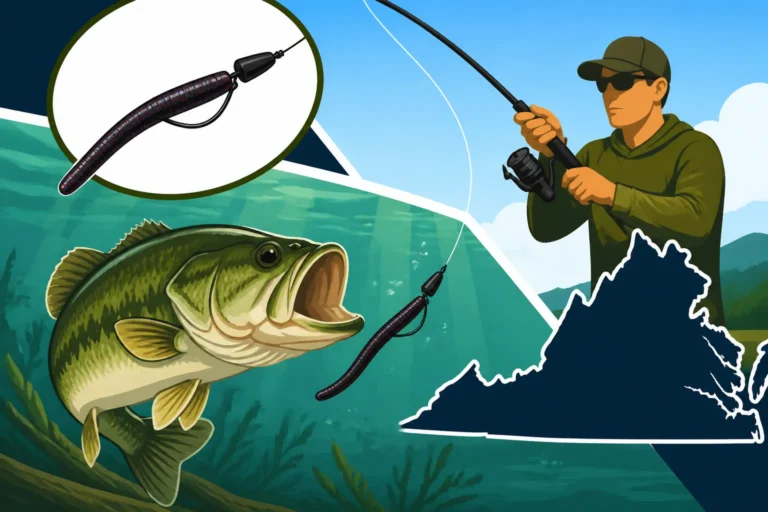
- Warm Water (Stressed Fish): When water gets very warm, fish might retreat deep. Vertical presentations like drop-shot rigs, shaky heads, or jigging spoons can be effective. If they're in dense cover, a Texas-rigged plastic worm, as detailed in How to Fish a Plastic Worm for Bass, can get into tight spots. Remember, their feeding windows are likely shorter, so maximize your efforts during dawn, dusk, or night.
Optimal Temperature Ranges for Common Virginia Game Fish
| Fish Species | Optimal Feeding Range (°F) | Preferred Habitat at Optimal Temps | Key Behavior Shifts with Temp |
|---|---|---|---|
| Largemouth Bass | 65-75 | Shallows, structure, cover | Aggressive in spring/fall, deep in summer/winter |
| Smallmouth Bass | 60-70 | Rocky areas, current, ledges | Similar to largemouth, but prefers cooler, clearer water |
| Rainbow/Brown/Brook Trout | 45-65 | Cold, oxygenated streams/rivers | Highly sensitive to warming, stressed above 68°F |
| Striped Bass (Rockfish) | 55-68 | Open water, channels, current | Migratory, moves to find optimal temps and bait |
| Crappie (Black/White) | 60-80 | Structure, brush piles, docks | Spawns shallow in spring, schools deep in winter |
| Bluegill/Sunfish | 65-85 | Weedy flats, docks, shallow cover | Very active in warm water, less prone to deep retreats |
| Channel Catfish | 70-85 | Muddy bottoms, deep holes, structure | Tolerates very warm water, often active at night |
| Walleye | 60-70 | Deep, rocky structure, ledges | Often found deeper, light-sensitive, active in low light |
Beyond the Obvious: Subtle Temperature Nuances and Advanced Tips
While the general principles of water temperature are straightforward, experienced anglers know that the subtle nuances can make all the difference. Mastering these finer points will truly elevate your fishing game.
Thermoclines Explained
We touched on them briefly, but thermoclines deserve a bit more attention, especially for those who fish deeper lakes and reservoirs in Virginia during warmer months. A thermocline isn't just a temperature drop; it's a critical ecological boundary. Above it, the water is warmer and well-oxygenated. Below it, the water is colder, but often has significantly less dissolved oxygen, sometimes becoming anoxic (lacking oxygen).
Many species, particularly bass and striped bass, will suspend right in or just above the thermocline. This is their comfort zone – cool enough to be comfortable, but with enough oxygen to be active. If you're fishing a deep lake and not finding fish near the bottom or in the shallows during summer, look for them suspended in the mid-column. Your boat's electronics are indispensable here. A good fish finder can show you the thermocline as a distinct line or band on the screen, indicating a change in water density. Targeting this specific depth can be incredibly productive.
Weather's Influence
Mother Nature is constantly stirring the pot, and local weather patterns can cause rapid temperature changes that fish react to quickly.
- Cold Fronts: A sudden drop in air temperature, especially after a warm spell, can rapidly cool surface waters. This often triggers a "post-front" bite shutdown. Fish become lethargic and move to deeper, more stable water, or bury themselves in cover. When facing a cold front, slow down your presentation, downsize your baits, and look for fish in more protected areas. Our guide on How to Fish After a Cold Front offers more detailed advice.
- Warm Fronts: Conversely, a period of sustained warm, sunny weather, especially in spring or fall, can rapidly warm up the shallows, drawing fish out of deeper water and triggering an aggressive bite. These are the days when fish are often easiest to catch.
- Rain and Runoff: Heavy rains can introduce cooler, often muddy, water into a system. This can create distinct temperature and clarity breaks that fish will react to. Sometimes they move away from the cold, murky inflow, other times they'll stage just outside it to ambush disoriented baitfish.
Night Fishing and Temperature
When Virginia's summer days push water temperatures to extreme highs, many anglers find incredible success fishing at night. This isn't just about avoiding the sun; it's fundamentally about temperature.
As the sun sets, the surface water begins to cool. This cooling trend can bring fish from their deep, daytime sanctuaries up into shallower water to feed under the cover of darkness. The metabolic advantage shifts; the slightly cooler night temperatures make active feeding more comfortable and efficient for many species. Largemouth bass, striped bass, and catfish are particularly known for their night-time activity in warm water. They use their lateral lines and other senses to hunt in low light. Investing in a good headlamp from AmazonAmazon can make night fishing much safer and more enjoyable. If you're looking to try it, our article on Night Fishing Techniques has some excellent pointers.
By consistently paying attention to water temperature, you're not just guessing; you're making informed decisions that dramatically increase your chances of finding and catching fish. It takes a little extra effort to check the thermometer, but the rewards are absolutely worth it.
Disclaimer
This article is for general informational purposes only and does not constitute professional advice. Laws, prices and regulations vary by location and change over time. Consult a qualified professional for guidance on your specific situation.