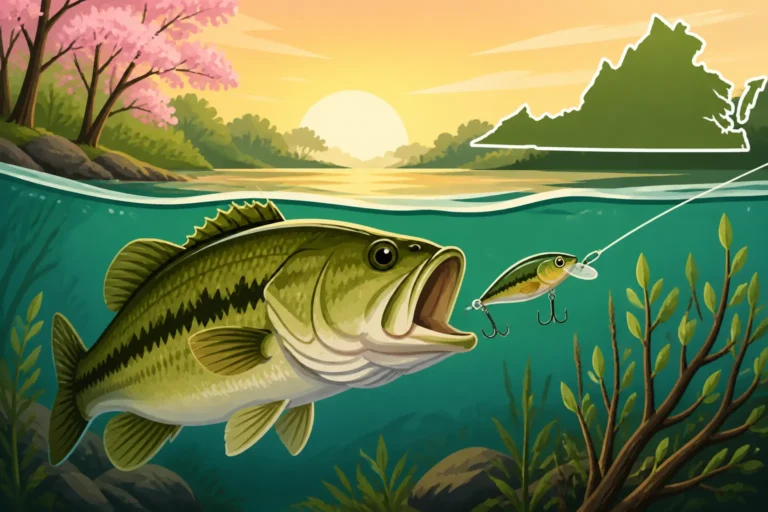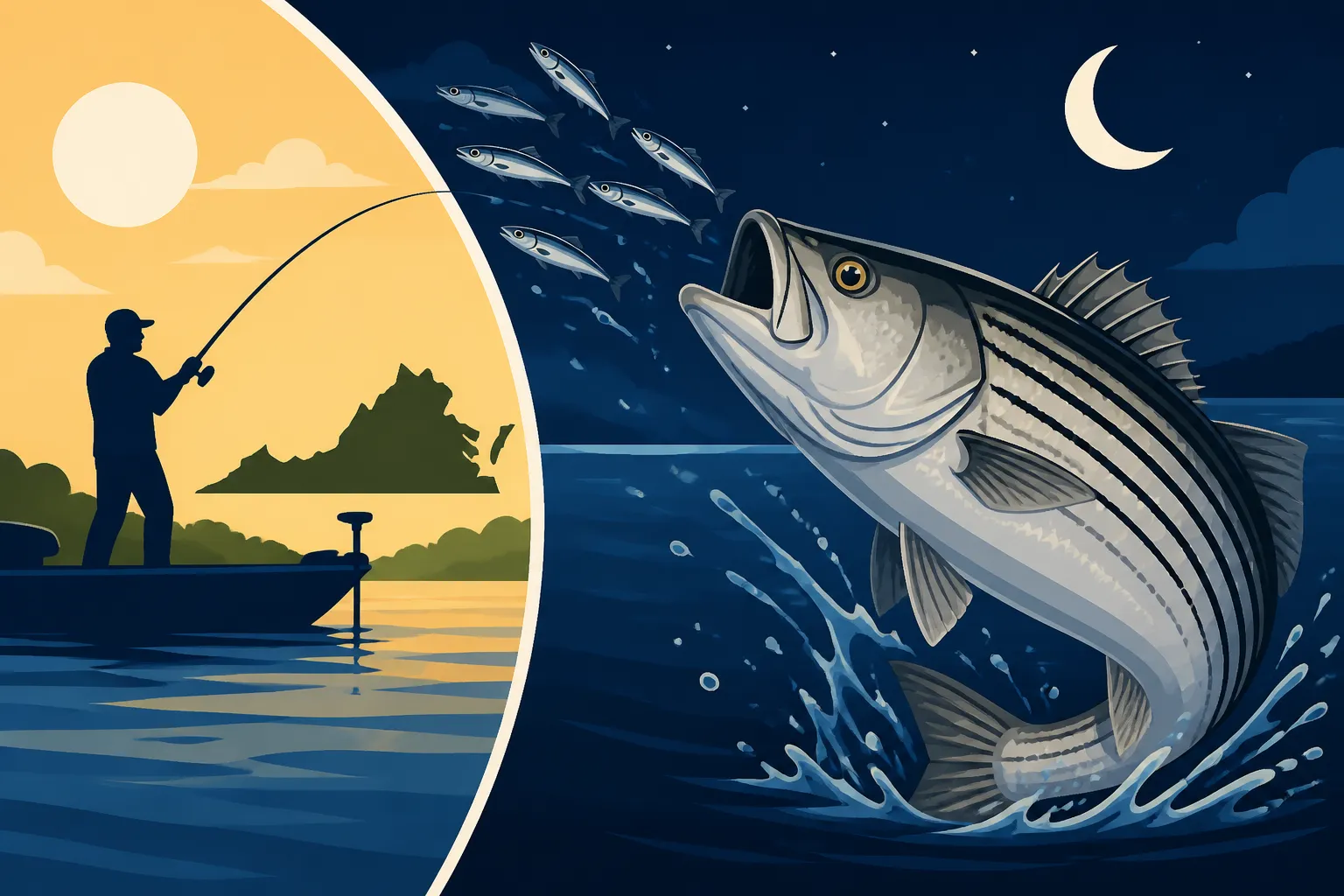
Do Striped Bass Feed Better at Night?
Many Virginia anglers have experienced the frustration of a quiet afternoon on the water, only to hear tales of incredible catches made by those who braved the darkness. This often leads to the burning question: Do striped bass truly feed better at night? It's a valid query, and one that taps into a fundamental aspect of how these powerful fish operate. This comprehensive guide will dive deep into the world of nighttime striped bass fishing in Virginia, exploring their nocturnal habits, effective strategies, and the undeniable advantages of casting a line after sunset.
The Allure of Night Fishing for Striped Bass in Virginia
There’s something uniquely captivating about fishing under the stars, but for many striped bass enthusiasts, it's more than just atmosphere; it's a strategic move. While plenty of stripers are caught during the day, the cover of darkness often presents a window of opportunity that seasoned anglers wouldn't dare miss. It’s a completely different fishery when the sun dips below the horizon, and understanding why that shift occurs is key to unlocking consistent success.
Why Striped Bass Activity Shifts After Dark
One of the primary reasons striped bass become more active at night is simply predator advantage. Stripers, or "rockfish" as they're affectionately known in the Chesapeake Bay region, are ambush predators with highly evolved senses suited for low-light conditions. Under the cloak of night, they can more easily surprise their prey, which might be more cautious during daylight hours. This natural advantage gives them the upper hand in the hunt, making them bolder and more willing to chase down a meal.
Furthermore, night brings a significant change in environmental conditions, especially during the warmer months. As the sun beats down during the day, water temperatures can rise considerably, particularly in shallower areas. Cooler water temperatures at night provide a more comfortable and oxygen-rich environment for striped bass, encouraging them to move into areas they might avoid when the sun is high. This thermoregulation effect means stripers often shift from deeper, cooler holding patterns to shallower feeding grounds once the sun sets, making them more accessible to anglers fishing from shore or in smaller boats.
Beyond temperature, the reduction in human activity plays a crucial role. During the day, Virginia's popular waterways like the Chesapeake Bay or Smith Mountain Lake are bustling with recreational boaters, jet skis, and other anglers. This constant disturbance can put wary stripers on edge, driving them to deeper, less disturbed waters. At night, this traffic largely disappears, creating a calmer, quieter environment where striped bass feel safer to roam and feed. This increased sense of security translates directly into more aggressive feeding behavior, making them more likely to strike a well-presented bait or lure.
Prime Conditions for Nighttime Striper Success
Not all nights are created equal when it comes to chasing striped bass. Just like with daytime fishing, certain conditions can dramatically improve your chances of success. Understanding these factors will help you plan your trips to maximize your hook-ups and truly experience the magic of night fishing. One of the most talked-about factors is the moon phase, and for good reason. A full moon can be a game-changer, providing just enough ambient light to illuminate the water's surface, helping both predator and prey navigate while still maintaining the advantage of low light. This lunar glow can often trigger intense feeding frenzies, making these nights exceptionally productive.
However, a new moon, which offers almost total darkness, also has its merits. In these conditions, stripers rely even more heavily on their other senses – their lateral line for vibration detection and their acute sense of smell – to locate prey. This can make noisy or scented baits particularly effective, as fish are less likely to spot a subtle lure. Some anglers swear by the total darkness of a new moon, believing it makes the stripers completely fearless. Regardless of the moon phase, consistent tidal movement is always beneficial, as it concentrates baitfish and triggers feeding. A strong incoming or outgoing tide around dawn or dusk, extending into the night, creates prime opportunities for actively feeding fish, whether you're fishing the brackish rivers or the main stem of the Chesapeake Bay Striped Bass Fishing Guide.
Water clarity also plays a significant role. While stripers are comfortable in murky water, slightly stained or clear water can enhance their ability to hunt, especially when there's some moonlight. In very clear conditions, stripers might be more wary even at night, so adjusting your lure choices to be less intrusive (smaller profile, darker colors) can be effective. During the peak of summer, when daytime temperatures soar, night fishing becomes almost mandatory for serious striper anglers in places like Smith Mountain Lake Striped Bass Fishing in Virginia. The cooler nights provide a much-needed reprieve for the fish, and they often become incredibly active as the water cools down.
Understanding Striped Bass Behavior in Low Light
To truly excel at night fishing for striped bass, it helps to get inside their heads – or rather, understand their sensory world. These fish are perfectly equipped for nocturnal hunting, and by aligning your techniques with their natural abilities, you can significantly boost your success. It’s not just about what you can see (or can’t see); it’s about what the fish can perceive.
Sensory Advantages of Stripers at Night
Striped bass possess a remarkable suite of adaptations that make them formidable predators after dark. Their eyes, for instance, are highly specialized for low-light conditions. While they may not see colors with the same vibrancy as humans, their eyes are packed with rod cells that excel at detecting movement and contrasts in dim light. This means they can spot a subtle silhouette of a baitfish or a lure against the moonlit surface or even in complete darkness. This visual acuity gives them a clear edge over many of their prey species, enabling them to hunt effectively when other fish are less active.
Perhaps even more crucial than their eyesight is their incredible lateral line system. This sensory organ, running along both sides of their body, detects subtle changes in water pressure and vibrations. Imagine being able to "feel" every movement in the water around you, even in total darkness. That's essentially what a striped bass can do. This allows them to pinpoint the exact location of struggling baitfish, the thrum of a swimming lure, or even the vibrations caused by other feeding fish. This makes noisy lures, those that displace a lot of water, or even live bait struggling on a hook, incredibly effective at night, as they send out clear signals that stripers are hardwired to detect.
Furthermore, striped bass have a well-developed sense of smell and taste. While often overlooked, these senses can be critical in dark, murky, or deep conditions where visual cues are minimal. Scented soft plastics, marinated baits, or even natural baits like cut bait or live eels can create a potent odor plume that guides a hungry striper right to your offering. This is particularly useful when stripers are less aggressive and might need a little extra encouragement to strike. Combining vibration, silhouette, and scent makes your offering irresistible, playing to every one of a striper's nocturnal strengths.
Forage Fish Movements After Sunset
Understanding the movements of baitfish is paramount when targeting any predatory species, and striped bass are no exception. Just as stripers adjust their behavior at night, so do their primary food sources. Many forage fish, like menhaden, silversides, and even smaller herring, exhibit different schooling patterns and movements after sunset. Some baitfish move into shallower, calmer waters to avoid larger daytime predators, while others may disperse from tighter schools, becoming more vulnerable. Striped bass are keenly aware of these shifts and will position themselves to intercept easy meals.
For example, in the vast expanses of the Chesapeake Bay or its tidal rivers, large schools of menhaden might hold in deeper channels during the day. As night falls, smaller pods might break off and move into shallower flats or along channel edges, where they become easier targets for cruising stripers. Similarly, silversides and other small baitfish often congregate around lighted docks, piers, or bridges, creating a natural buffet that stripers will readily exploit. Knowing these patterns means you can position your boat or cast your line in areas where the food chain is most active under the cover of darkness.
Anglers often find that current and structure play an even more critical role at night, as stripers use these features as ambush points. A strong tide pushing baitfish past a submerged rock pile, a bridge pilings, or an oyster bed creates a perfect feeding lane. The stripers will lie in wait, using the structure for cover and the current to deliver meals right to them. Therefore, studying marine charts, understanding tidal flows, and recognizing common baitfish species (perhaps after researching "Best Bait for Striped Bass in Chesapeake Bay") are skills that pay dividends, especially when visibility is limited.
Essential Gear and Techniques for Nighttime Striper Anglers
Embracing night fishing requires a bit of preparation and a slightly different approach than your typical daytime outing. Safety, visibility, and choosing the right tools are all critical components of a successful and enjoyable experience. Don't let the darkness intimidate you; with the right gear and mindset, you'll be well-equipped.
Navigating the Dark: Safety and Illumination
Safety should always be your top priority when fishing after dark. The lack of natural light significantly increases risks, whether you're fishing from a boat, kayak, or shore. A reliable headlamp is absolutely non-negotiable. Look for models with a red light option; red light preserves your night vision better than white light, allowing your eyes to adjust quickly when you switch it on and off. You can easily find a fantastic headlamp with multiple settings on Amazon. Always carry spare batteries or a portable power bank, and a backup flashlight is also a smart idea. If boating, ensure all your navigation lights are functioning correctly and that you have all required safety gear readily accessible, including life jackets.
Familiarity with your fishing spot is also paramount. Trying to navigate new waters or unfamiliar terrain in the dark can be dangerous. Scout your location during the day, noting any potential hazards like rocks, submerged stumps, drop-offs, or tricky access points. This reconnaissance will give you confidence and prevent unwelcome surprises once the sun goes down. Consider wearing reflective clothing or adding reflective tape to your gear, especially if you're fishing near boat traffic or along a busy shoreline. Even a subtle glow can make you much more visible to others.
Communication is another key safety aspect. Always let someone know where you are going and when you expect to return. Carry a fully charged cell phone, and if you're in a remote area, consider a personal locator beacon (PLB) or satellite messenger for emergencies. It might sound like a lot, but a few minutes of preparation can make all the difference between a memorable night of fishing and a potentially dangerous situation. Remember, the goal is to enjoy the solitude and the excellent fishing, not to test your limits in hazardous conditions.
Lures and Baits That Shine in the Dark
When it comes to lures and baits for night fishing, the rules change slightly. While a striper's vision is adapted for low light, contrast and vibration often take precedence over intricate color patterns. Darker colored lures (black, dark blue, purple) often create a better silhouette against a moonlit or dimly lit sky, making them easier for stripers to detect from below. Think about that classic dark worm silhouette against the surface – it just screams "easy meal" to a hungry fish.
Lures that produce significant vibration or noise are incredibly effective. Lipless crankbaits, buzzbaits, and even some topwater lures with a distinct "plopping" or "chugging" action can draw strikes from stripers relying heavily on their lateral line. Scented soft plastics, especially those infused with fish oils or attractants, can also be dynamite. Companies often produce glow-in-the-dark versions of popular lures, and while the jury's out on how much the glow itself attracts fish versus just providing a visible cue for the angler, they certainly don't hurt. You can find a wide variety of these specialized baits and Night Fishing Techniques online, including options on Amazon.
Live bait is another phenomenal choice for night fishing. Eels are legendary for nighttime striped bass, as their serpentine movement and natural scent are irresistible. Bunker (menhaden), herring, or even large shiners can also be fished effectively under a float or on the bottom. The natural movement and scent of live bait tap into a striper's primal instincts, making them an excellent option when artificial lures aren't producing. Just be sure to check local regulations for baitfish use and possession limits, as these can vary. And if you're wondering about quantity, refer to guides like How Many Striped Bass Can You Keep in Virginia to stay compliant.
Strategic Approaches for Different Virginia Waters
Virginia offers a diverse range of environments perfect for night fishing for striped bass, from the expansive Chesapeake Bay Striped Bass Fishing Guide to tidal rivers and even inland lakes like Smith Mountain Lake. Each venue calls for slightly different tactics to maximize your chances. On the Bay and its tributaries, casting from lighted piers, bridge abutments, or shorelines near channel drop-offs can be highly productive. Stripers will often ambush baitfish drawn to the artificial light, making these areas hotspots. Using a weighted jig with a large soft plastic or a bucktail jig can be very effective here, as you can bounce it along the bottom or jig it through the water column.
For boat anglers in the Bay, trolling is a time-honored technique, especially in deeper channels or along ledges. Large swimbaits, deep-diving crankbaits, or umbrella rigs can be trolled slowly, mimicking schools of baitfish. Knowing how to locate baitfish with your electronics, even in the dark, is key to successful trolling. Consider reading up on How to Troll for Striped Bass in Deep Water for more detailed guidance. In tidal rivers, focusing on creek mouths, points, and current seams is crucial. Stripers will stage in these areas, waiting for the current to deliver food. Casting topwater lures at dawn or dusk, and then switching to subsurface lures or live bait as the night progresses, can yield excellent results.
In freshwater systems like Smith Mountain Lake, night fishing for striped bass can be explosive, especially during the summer. Stripers here often follow schools of baitfish, such as alewives, into the shallower coves and along main lake points after dark. Trolling large swimbaits or umbrella rigs can be very effective, as can casting large topwater plugs or stickbaits around underwater humps and points. Some anglers prefer to drift live bait, such as gizzard shad, along deep contours. Understanding the "Best Time of Year for Bass Fishing in Virginia" can help you pick the most productive months for these night outings, as stripers in these lakes have different seasonal patterns than their saltwater cousins. Remember, the Virginia Department of Wildlife Resources (DWR) sets specific rules for Virginia Striped Bass Season and Slot Limit Guide, including the Virginia's Striped Bass Slot Limit: 28 to 31 Inches, which applies to both freshwater and saltwater fisheries.
Day vs. Night: A Comparative Look at Striped Bass Fishing
While the evidence heavily favors night fishing for striped bass in many scenarios, it's important to acknowledge that daytime fishing still has its moments. The choice between day and night often depends on the season, weather, and specific location you're targeting. There isn't a universally "better" time, but rather optimal times for different conditions.
Daytime Challenges and Opportunities
Fishing for striped bass during the day, especially in Virginia, comes with its own set of challenges. Bright sunlight can drive stripers into deeper, cooler waters, often making them less active and harder to locate. The increased boat traffic, particularly on weekends, can also push fish further offshore or into less accessible areas. Anglers often have to work harder to entice a bite, relying on precise presentations and covering a lot of water. This is when fish finders and intimate knowledge of underwater structure become absolutely essential to pinpoint those deeper holding patterns.
However, daytime fishing also presents unique opportunities. During the cooler months, such as the spring and fall runs (like when the Striped Bass Season Dates January Through March or similar periods), stripers are often actively feeding during the day, particularly on overcast days or during strong tidal movements. Schools of baitfish can be more easily spotted on the surface, often attracting diving birds, which in turn signal the presence of feeding stripers below. This can lead to explosive surface action and incredible sight-fishing opportunities that are simply not possible after dark.
Another advantage of daytime fishing is the sheer ease of it. You can see what you're doing, navigate safely, and enjoy the scenery. It's often more suitable for beginners or family outings where the logistics of night fishing might be too daunting. While stripers might be more selective, a well-placed cast with the right lure can still yield impressive results. Sometimes, the tranquility of a quiet morning or a late afternoon bite can be just as rewarding as any nighttime frenzy.
The Verdict: When Night Fishing Truly Excels
So, does night fishing for striped bass live up to its reputation? For many Virginia anglers, the answer is a resounding yes, especially under certain conditions. Night fishing truly excels during the warmer months when surface water temperatures are high. As mentioned earlier, the cooler night water provides comfort for stripers, drawing them out of their deep-water retreats and into more accessible feeding zones. This makes summer nights a prime time for targeting these powerful fish, both in freshwater lakes and the expansive saltwater environments.
Furthermore, night fishing shines when targeting larger, more cautious striped bass. Older, bigger fish tend to be warier and more accustomed to avoiding predators (including humans). The cover of darkness provides them with a sense of security, encouraging them to drop their guard and feed more aggressively. If you're hunting for a true trophy striper, putting in the hours after sunset significantly increases your odds. The reduced pressure from other anglers also means less competition and potentially more undisturbed fish.
Ultimately, while you can certainly catch striped bass during the day, night fishing often presents a more consistent and productive opportunity, particularly when conditions are otherwise challenging. The combination of cooler water, less pressure, and the stripers' natural nocturnal hunting advantages creates a powerful recipe for success. So, if you're serious about chasing Virginia's magnificent rockfish, don't be afraid to embrace the dark. Just make sure you've got your Virginia Fishing License Guide in order and all the right gear before you head out.
| Feature | Daytime Striped Bass Fishing | Nighttime Striped Bass Fishing |
|---|---|---|
| Visibility | High, easy to navigate, spot baitfish/structure | Low, requires artificial light, careful navigation |
| Fish Activity | Can be slower, fish seek deeper/cooler water; active in cooler seasons | Often higher, especially in warm months; fish are bolder |
| Boat Traffic | High, especially weekends, can spook fish | Low, quieter environment, less pressure |
| Water Temp | Warmer surface temps can drive fish deep | Cooler surface temps encourage fish to shallow up |
| Lure Choice | Wide range, often focus on matching hatch, natural colors | Dark silhouettes, noisy, vibrating, scented lures excel |
| Safety | Generally higher, easier to spot hazards | Lower, requires extra vigilance, reliable lighting, backup gear |
| Trophy Potential | Good, but often requires more effort to find wary fish | Excellent, larger fish often feed more aggressively after dark |
| Best Seasons | Spring, Fall (especially cooler/overcast days) | Summer (especially hot days), Fall, Full Moon nights |
Disclaimer
This article is for general informational purposes only and does not constitute professional advice. Laws, prices and regulations vary by location and change over time. Consult a qualified professional for guidance on your specific situation.