Best Times to Fish in Virginia Throughout the Year
Many anglers, both seasoned and new, often stare at their calendar wondering, "When's the really good time to hit the water in Virginia?" It can be frustrating to plan a trip only to find the fish aren't biting, leaving you wondering if you just picked the wrong day or even the wrong season. This comprehensive guide is here to take the guesswork out of your planning, breaking down the best times to fish in Virginia throughout the year, so you can maximize your chances of a successful and enjoyable outing no matter the month.
Understanding Virginia's Fishing Seasons and Climate
Virginia is a state of incredible natural diversity, and this isn't just a pretty picture; it profoundly shapes when and where you'll find the best fishing. From the cool, clear mountain streams in the west to the vast tidal rivers and the expansive Chesapeake Bay in the east, the conditions can vary wildly, even within the same day. This means that understanding the local geography and how fish react to seasonal changes is your first step toward becoming a more consistently successful angler.
How Virginia's Diverse Geography Impacts Fishing
Virginia is a truly unique state, stretching from the mighty Appalachian Mountains in the west, across the rolling hills of the Piedmont Plateau, and all the way to the coastal plains and the vast Chesapeake Bay. This incredible diversity isn't just scenic; it profoundly shapes our fishing opportunities and what's biting where, and when. You simply can't fish the cold, clear trout streams of the Blue Ridge the same way you'd tackle the tidal rivers leading into the Bay, or the vast impoundments like Smith Mountain Lake. The mountain regions experience colder winters and cooler summers, affecting water temperatures and fish metabolism. Moving eastward, the Piedmont offers a mix of rivers and reservoirs that warm up more quickly in spring and stay warm longer into fall. Then, you hit the coast and the Bay, where saltwater species introduce entirely different seasonal patterns, influenced by ocean currents, tides, and migratory routes. Understanding this geographical tapestry is the first step to unlocking Virginia's year-round fishing potential. It means that while one part of the state might be perfect for Trout Fishing in Virginia: Rainbow, Brown, and Brook Trout, another might be just right for targeting Virginia Bass Fishing: Largemouth, Smallmouth, Spotted, and Alabama Bass.
Think about it: in January, a trout angler might be bundled up on a frozen mountain stream, waiting for a subtle bite, while a dedicated striper angler could be out on the lower Chesapeake Bay, battling a powerful "rockfish" in cold, choppy waters. The sheer variety means there's almost always something biting somewhere in Virginia, but knowing where and when is the trick. This guide aims to demystify that, helping you match your angling aspirations with the optimal conditions our diverse state offers. It's not just about the calendar date, but about understanding the microclimates and specific habits of fish in these varied environments across the Commonwealth.
Key Seasonal Changes and Their Effect on Fish Behavior
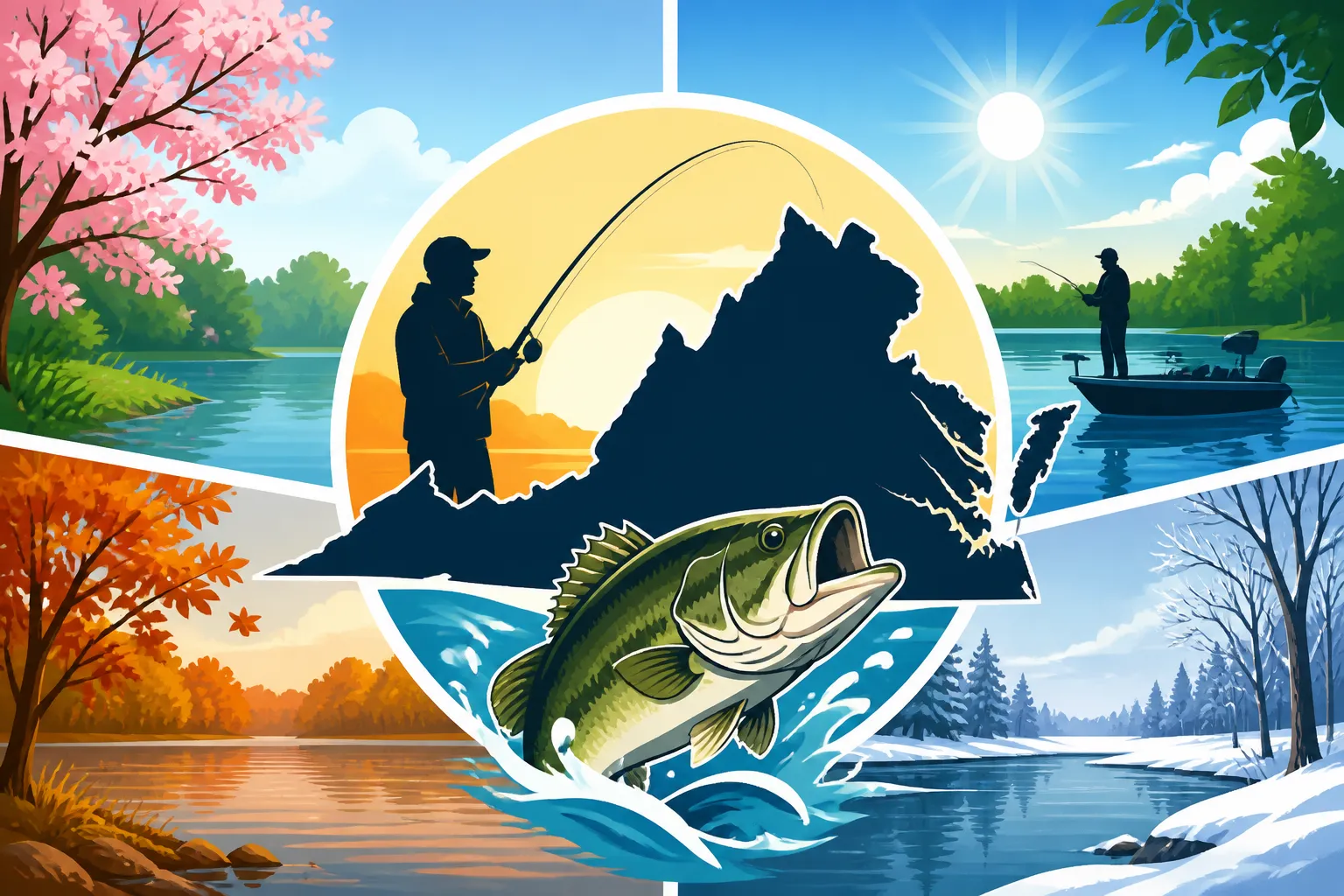
Fish are incredibly sensitive to environmental cues, and nothing dictates their behavior more than seasonal shifts in water temperature, sunlight, and food availability. As the seasons change, so do their feeding patterns, spawning cycles, and even where they choose to hold in the water column. In spring, warming waters trigger a burst of activity as fish emerge from winter lethargy, entering pre-spawn and spawning phases. This is often when they're most aggressive and accessible, particularly for species like bass and crappie. Many will move into shallower coves and creek arms, where the sun's rays can warm the water faster, triggering their metabolism and creating prime feeding zones.
Summer brings warmer, often oxygen-depleted waters near the surface, pushing many fish deeper or into shaded cover, making dawn and dusk the prime times to fish. The midday sun can make fish sluggish and difficult to tempt, so adjusting your schedule and targeting deeper structure becomes paramount. Fall is a glorious time for fishing in Virginia, as cooling waters signal a frantic feeding spree for many species, particularly predatory fish like striped bass and largemouth bass, as they bulk up for winter. They become incredibly active, often chasing baitfish in open water, providing exhilarating topwater action. Finally, winter slows everything down. Fish become lethargic, conserving energy, and you'll typically find them congregated in deep, stable thermal refuges. While challenging, winter can offer incredible trophy opportunities for persistent anglers who understand these nuanced behaviors. Each season presents its own unique set of opportunities and challenges, demanding different approaches, baits, and even a change in mindset from the angler.
Spring Fishing in Virginia: Reawakening the Waters
As the chill of winter slowly loosens its grip, Virginia's waters begin their incredible awakening. This period, roughly from March through early June, is a fantastic time to be an angler. The fish are shaking off winter's chill and becoming increasingly active, leading to some of the year's most consistent and exciting action.
Early Spring Opportunities: Pre-Spawn Bass and Trout Stocking
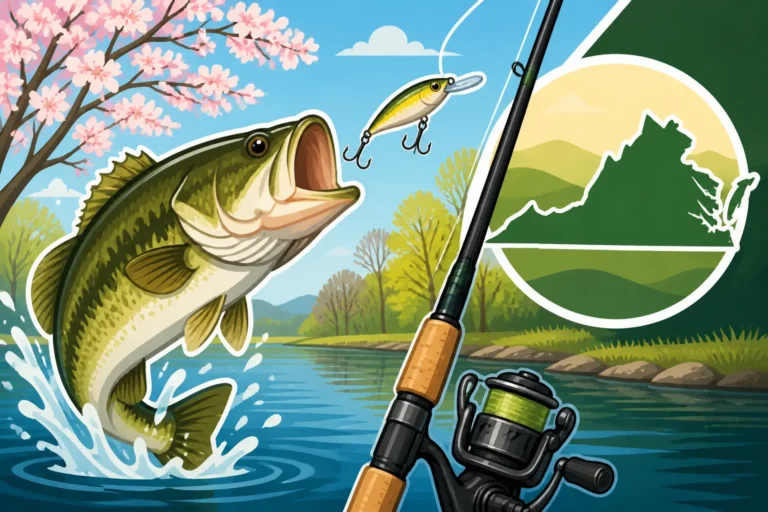
Usually from March through April, this early spring period is a fantastic time to be an angler, particularly if you're chasing pre-spawn bass or looking for freshly stocked trout. For bass anglers, the key word here is "pre-spawn." As water temperatures climb into the 50s Fahrenheit, largemouth and smallmouth bass shake off their winter dormancy and start moving from their deep winter haunts towards shallower, warmer areas. They're not quite ready to nest, but they're actively feeding, trying to pack on weight for the arduous spawning process ahead. This means they can be incredibly aggressive!
Think about throwing lipless crankbaits, spinnerbaits, or even jerkbaits around shallow points, creek mouths, and rocky transitions where they might intercept baitfish. These fish are often staging, waiting for the water to hit that magic temperature for spawning. They're eager to chase down a meal, making this a prime time for power fishing techniques. Meanwhile, for those who love cooler water species, this is prime time for Virginia Stocked Trout Waters and License Requirements. The Virginia Department of Wildlife Resources (DWR) actively stocks many rivers and lakes across the state, ensuring a steady supply of rainbow, brown, and brook trout. These freshly stocked fish are often eager to bite, making it an excellent time for both bait and lure anglers, and even fly fishers using simple nymph patterns or streamers. Just remember to check the specific stocking schedules and regulations for the waters you plan to visit, as they can vary by location and species.
Late Spring Frenzy: Bass Spawning, Crappie, and Early Striper Runs
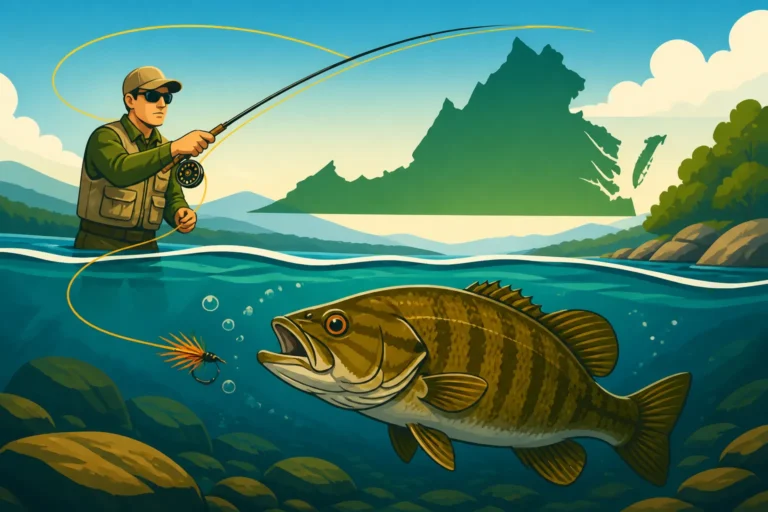
As late spring arrives, typically from late April through June, Virginia's fishing scene truly ignites. This is when water temperatures consistently hold in the 60s and 70s, triggering a cascade of activity across many species. Largemouth bass will be in full spawning mode, with males guarding nests in shallow, protected coves. While catching them off beds can be controversial for some, understanding their locations allows you to target staging fish or those moving on and off beds, often lurking nearby in slightly deeper cover. Smallmouth bass, especially in rivers like the Shenandoah and James, will also be aggressively feeding and spawning in their preferred rocky, flowing environments.
But it's not just bass! Crappie fishing becomes absolutely phenomenal. These panfish move shallow to spawn, congregating around brush piles, docks, and submerged timber. Light tackle and small jigs or minnows can lead to incredible limits, often found in surprisingly shallow water. This period also marks the opening of the Virginia Striped Bass Split Season Dates Explained in many tidal rivers and the Chesapeake Bay. These powerful migratory fish move into shallower waters, providing exciting opportunities for both casting and trolling. For both freshwater and saltwater anglers, late spring offers some of the most consistent and action-packed fishing of the entire year. It's a time when you might even find yourself looking for a new cooler on Amazon because your current one just can't handle the haul!
Essential Gear and Techniques for Spring Success
Spring in Virginia demands a versatile approach to your tackle box and techniques. Given the fluctuating water temperatures and fish activity, being prepared for different scenarios is key. For bass, you'll want a selection of shallow-running crankbaits, spinnerbaits, and jerkbaits for those active pre-spawn fish, along with soft plastics like wacky-rigged Senkos or creature baits for tempting bedded fish or those in heavy cover. A medium-heavy spinning or casting rod with 10-15 lb fluorocarbon or monofilament line is a great all-around choice for handling various lures and fish sizes.
Crappie anglers will find ultralight rods paired with 4-6 lb line and an assortment of 1/16 to 1/32 oz jigs, often tipped with small plastic bodies or live minnows, to be incredibly effective. Precision casting around structure is key. For trout, a light spinning rod with 4 lb line, using small inline spinners (like Mepps or Rooster Tails), PowerBait, or worms, will typically do the trick in stocked waters. Fly anglers will want a 4-6 weight rod with a selection of nymphs (Prince Nymph, Hare's Ear), emergers, and small streamers. Don't forget polarized sunglasses for spotting fish in clear spring waters, and a good pair of waterproof boots. Being adaptable is the name of the game in spring, so having a varied selection of lures and baits is crucial. Many anglers even find value in checking out new rod and reel combos on Amazon to optimize their spring setups.
Summer Fishing in Virginia: Warm Waters, Hot Action
Virginia summers can be a bit of a challenge for anglers, with soaring temperatures and often crowded waterways. However, with the right strategies and a willingness to adjust your schedule, you can still find plenty of hot action. It’s all about understanding how fish react to the heat and knowing where to find them.
Targeting Deepwater Bass and Catfish in the Heat
When Virginia's summer heat really sets in, typically from July through August, the fishing landscape changes dramatically. The sun beats down, surface waters can become quite warm, and oxygen levels can deplete in the shallows. This often means fish, especially bass, will retreat to deeper, cooler, and more oxygenated waters. Think about targeting structure like ledges, humps, deep points, and submerged timber in 15-30 feet of water. Here, techniques like Carolina rigs, deep-diving crankbaits, football jigs, and drop shots excel. Electronic fish finders become invaluable for locating these deep schools of fish, allowing you to present your bait precisely to where the fish are holding. Early mornings and late evenings will still offer chances in shallower water, but the midday sun usually means going deep.
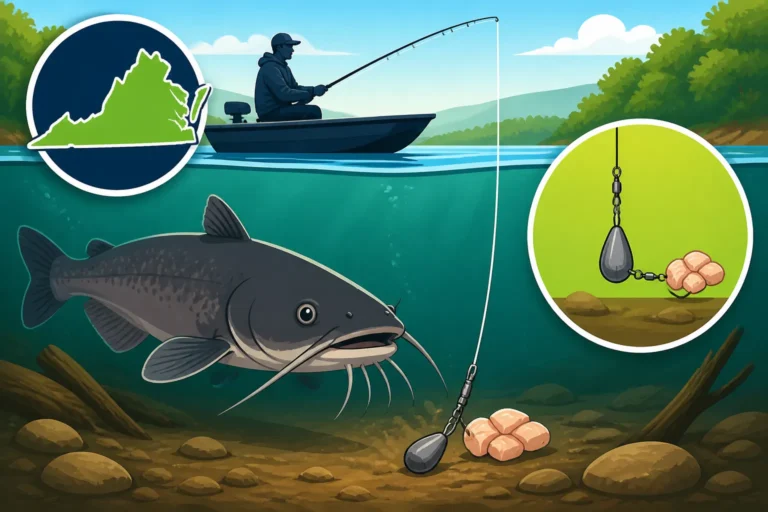
This warm water period is also absolutely prime for catfish. Channel catfish, blue catfish, and flathead catfish thrive in the summer heat and become incredibly active, especially in the larger rivers like the James, Rappahannock, and Potomac, and large reservoirs such as Kerr Lake and Lake Anna. They'll readily take cut bait, chicken livers, or various stink baits fished on the bottom. Night fishing for catfish during the summer can be incredibly productive and a fantastic way to escape the daytime heat, as these fish are often more active after dark. The bigger the bait, often the bigger the catfish, so don't be shy about using substantial offerings when targeting the flatheads and blues. If you're looking for Catfish Species Found in Virginia Waters, summer is your season!
Saltwater Adventures: Red Drum, Cobia, and Offshore Opportunities
While freshwater fishing takes on a deeper, cooler strategy, Virginia's coastal and Chesapeake Bay waters come alive with migratory saltwater species during the summer. This is prime time for many of our most sought-after saltwater game fish. Red drum, particularly the larger "bull" red drum, move into the lower Bay and ocean waters, providing thrilling sight-casting and bait fishing opportunities. Anglers often find success by targeting shoals, inlets, and the surf. Cobia, another powerful and elusive species, also make their presence known, often found cruising near structures, channel markers, or bait schools, making them a top target for anglers willing to put in the effort with live eels or bucktails.
Offshore, the deep blue waters off the coast of Virginia Beach become a playground for pelagic species. Think about booking a charter for tuna (yellowfin, bluefin), mahi-mahi (dolphin), wahoo, and marlin. These trips offer an entirely different level of excitement and a chance at truly formidable fish, often requiring specialized gear and techniques like trolling. Closer to shore, species like flounder, croaker, and spot remain abundant in the Bay and its tributaries, providing excellent fishing for families and those looking for consistent action. Summer offers an incredible array of saltwater choices, from light tackle fun to heavy offshore battles. Knowing the Virginia Fishing Seasons Explained can really help you plan that perfect summer trip, whether it's a family outing or a serious big-game quest.
Night Fishing and Dawn/Dusk Strategies
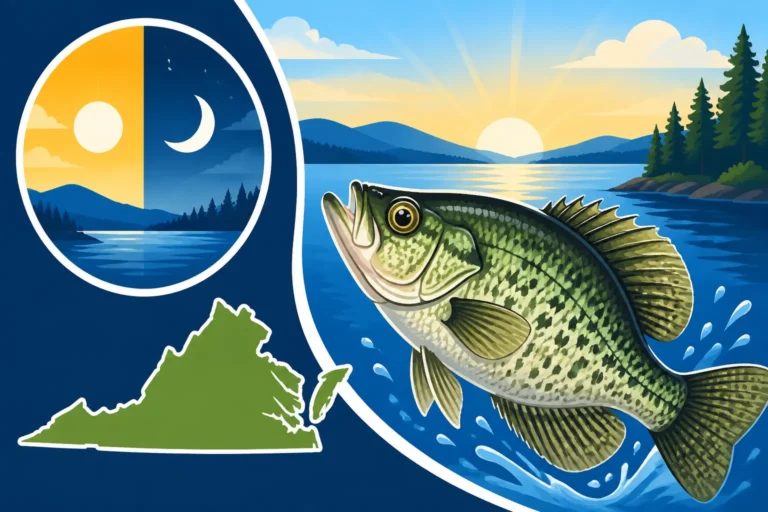
One of the most effective strategies for beating the summer heat and finding active fish is embracing the cooler hours of the day: dawn, dusk, and even the dead of night. As the sun rises and sets, the light levels change, and surface water temperatures cool, triggering many fish species to move out of their deepwater refuges or heavy cover to feed in shallower areas. Largemouth bass, for instance, will often move to ambush points along weed lines, docks, and rocky shorelines during low light. Topwater lures, spinnerbaits, and buzzbaits can be incredibly effective during these twilight hours, producing explosive strikes that get the adrenaline pumping.
Night fishing opens up a whole new world of possibilities, especially for predatory species. Bass and crappie can be found feeding aggressively under lights on docks or in areas with submerged brush. The absence of direct sunlight also makes them less wary. But it's arguably catfish that truly shine under the moonlight. Their excellent sense of smell and lateral line system allows them to navigate and feed effectively in total darkness, making them a prime target for bottom fishing after hours. Equipping yourself with headlamps, glow sticks, and insect repellent is crucial for a comfortable night fishing experience. Remember to pack plenty of water and snacks, and always let someone know where you're going if you're venturing out after dark. Safety first, even when chasing those big summer fish!
Fall Fishing in Virginia: The Feeding Frenzy Before Winter
If you ask many Virginia anglers, fall, roughly from September through November, is hands down the best time to be on the water. Why? Because it's a period of intense feeding activity across many species as they prepare for the lean winter months. The comfortable temperatures and vibrant foliage are just an added bonus to the fantastic fishing.
Exploding Bass and Striper Action in Cooling Waters
As water temperatures begin to drop from their summer highs, often hitting the 60s and 50s Fahrenheit, baitfish become more active and schools of predatory fish like largemouth bass, smallmouth bass, and especially striped bass, go on a full-blown feeding frenzy. Bass will often move shallower, chasing schools of shad or other baitfish in open water, along creek channels, and around points. Crankbaits, jerkbaits, and Alabama rigs can be incredibly effective for covering water and finding these active schools, which are often concentrated and highly aggressive.
The fall striper run is legendary in Virginia, both in freshwater impoundments like Smith Mountain Lake and in the tidal rivers and the Chesapeake Bay. These powerful fish will aggressively pursue bait, often creating spectacular surface explosions as they corral schools of baitfish, leading to frenetic action. Trolling with large swimbaits or umbrella rigs, casting topwater lures, or live-lining gizzard shad can lead to incredible battles with these hard-fighting fish. This is the time when you definitely want to consult guides on Virginia Striped Bass Season and Slot Limit Guide to ensure you're fishing legally and sustainably. The cooler air, vibrant foliage, and aggressive fish make fall an absolutely unforgettable fishing experience in Virginia, drawing anglers from all over.
Excellent Panfish and Trout Prospects
Beyond the dramatic action of bass and stripers, fall also offers fantastic opportunities for panfish and trout. As summer turns to fall, species like crappie, bluegill, and yellow perch continue to feed actively, often moving into slightly deeper water but still accessible from docks, shorelines, and boats. Crappie, in particular, will school up in predictable patterns around submerged structure, making them a great target with small jigs or minnows. Many anglers find the less crowded waters and comfortable temperatures of fall to be ideal for a relaxed panfishing trip, perfect for family outings or a peaceful day on the water.
For trout enthusiasts, fall signals another exciting period: the beginning of the Virginia Stocked Trout Season Guide. The DWR once again begins its stocking efforts, replenishing streams and lakes with fresh trout. This, combined with the often-stable flows and cooler water temperatures, makes for prime fly fishing and spin fishing conditions. Wild trout streams also come into their own, as the fish become less wary after the summer pressure, and aquatic insect hatches can be vibrant, offering excellent dry fly opportunities. Whether you're casting small spinners in a mountain stream or dropping a tiny jig for crappie in a reservoir, fall in Virginia is truly a diverse and productive fishing season for a wide array of species.
Preparing for the Fall Run: Lures and Locations
To make the most of Virginia's incredible fall fishing, it's wise to tailor your gear and tactics. For bass and stripers, retrieve-oriented lures that mimic fleeing baitfish are paramount. Think about a range of crankbaits – from medium to deep divers – in shad or perch patterns, to cover different depths and match the local forage. Jerkbaits are also incredibly effective as water cools, allowing for longer pauses that can entice reluctant fish. For the Chesapeake Bay and larger impoundments, consider larger swimbaits or umbrella rigs, which can imitate a school of baitfish and draw aggressive strikes. Many anglers will stock up on these versatile lures from retailers like Amazon, ensuring they have a variety of sizes and colors to match the forage.
Location is equally important. Look for areas where baitfish are likely to congregate and be ambushed by predators. This includes points, humps, channel swings, and the mouths of creeks where warm water might be flowing in, creating current breaks. On the Bay, follow the bird activity – diving birds often indicate stripers pushing bait to the surface, signaling a feeding blitz. For panfish, focus on submerged structure like brush piles, fallen trees, and bridge pilings. For trout, look for classic holding water: riffles, runs, and the deeper pools, especially near cover. The key to fall success is often finding the bait, as the game fish will rarely be far behind.
Winter Fishing in Virginia: Challenging but Rewarding
Let's be honest, winter fishing in Virginia, typically from December through February, isn't for the faint of heart. The cold air, icy winds, and sometimes even snow can make for less-than-comfortable conditions. However, for those willing to brave the elements, winter can offer some of the most rewarding and, often, surprising fishing experiences, especially for trophy fish that are less pressured.
Targeting Deep Structure for Bass and Crappie
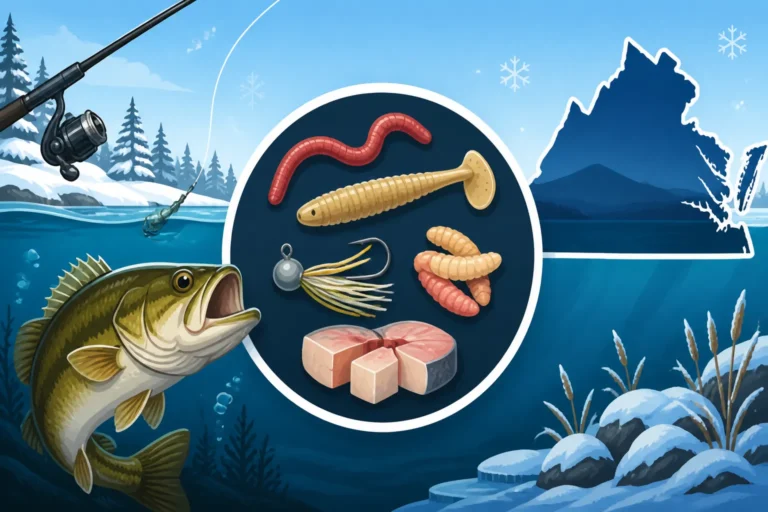
Bass and crappie become much more lethargic in the cold water, but they don't stop eating entirely. They simply change their habits, conserving energy and congregating in deep, stable areas where water temperatures are slightly warmer and more consistent. Look for deep humps, ledges, channel bends, and the deepest parts of creek channels, often near standing timber or brush piles in reservoirs like Smith Mountain Lake or Lake Anna. Vertical jigging with spoons, blade baits, or slow-fished jigs with small plastics are highly effective techniques, as fish are often unwilling to chase fast-moving baits.
For crappie, tiny jigs tipped with minnows, fished vertically over deep brush piles or bridge pilings, can produce consistent catches. You'll often need to fish slowly and patiently, as the bites will be subtle. The bites will often be subtle – sometimes just a slight "mushy" feeling or increased pressure on your line – so sensitive rods and thin lines are essential to detect these faint takes. Patience is a virtue in winter, but the reward of a big bass or a cooler full of crappie from an otherwise barren-looking lake is immensely satisfying, especially when you have the water largely to yourself.
Opportunities for Trout and Hardier Species
While many warm-water species slow down, winter can be an excellent time for trout, especially in Virginia's many stocked waters. The Virginia Stocked Trout Season continues into the colder months, and often the fish are less pressured than during the warmer times of the year. Streams and rivers that receive regular stockings, often referred to as "put-and-take" fisheries, can be very productive with basic bait fishing techniques (PowerBait, worms) or small inline spinners. Fly anglers can also find success using heavier nymph rigs, focusing on deeper pools and slower runs where trout hold, as these spots offer refuge from the current and consistent temperatures.
Beyond trout, some of Virginia's hardier species, like pickerel and northern snakehead, remain active in the winter, particularly in tidal rivers and impoundments where their populations are strong. Pickerel can be found around submerged vegetation and structure, often hitting spinnerbaits or jerkbaits with a stop-and-go retrieve. Snakeheads, while challenging, can sometimes be targeted in very cold water, though their activity slows considerably. Catfish, too, can be caught in winter, often requiring deep presentations with strong-smelling baits in the deepest holes. The key is to seek out areas that provide thermal refuge or consistent food sources, even in the coldest conditions.
Cold Weather Gear and Safety Tips
Winter fishing absolutely demands proper preparation, not just in terms of fishing technique, but also personal safety and comfort. Layering is crucial. Start with a moisture-wicking base layer, add insulating layers like fleece or down, and top it off with a waterproof and windproof outer shell. Thermal socks, waterproof boots, a warm hat, and insulated gloves are non-negotiable. Chemical hand warmers can be a lifesaver on particularly frigid days, keeping your fingers nimble enough to tie knots and feel bites. Consider investing in a good quality insulated flotation suit if you'll be on the water in a boat, as the risk of hypothermia from an accidental fall is significantly higher in cold water.
Beyond clothing, safety on the water is paramount. Ice can be a serious hazard on smaller ponds and shallow coves; never venture onto ice unless you are absolutely certain of its thickness and safety. If boating, always wear your personal flotation device (PFD), even if you typically don't in warmer weather, as cold water shock can quickly incapacitate you. Have a means of communication, such as a fully charged cell phone, and let someone know your float plan. Keep an extra set of dry clothes in a waterproof bag, just in case. And a thermos of hot coffee or tea can make all the difference to your morale and core temperature. Winter fishing can be magical, but staying warm and safe is always the top priority. Many anglers find their best cold-weather gear, from thermal underwear to insulated gloves, on Amazon, ensuring they are prepared for the elements.
Species-Specific Seasonal Hotspots and Strategies
Virginia boasts an incredible array of fish species, each with its own preferences for seasons, habitats, and feeding behaviors. To truly master the art of fishing in the Commonwealth, it pays to understand these species-specific nuances.
Best Times for Largemouth and Smallmouth Bass
Virginia offers phenomenal bass fishing, but knowing when to target which species can drastically improve your success. For largemouth bass, spring (April-June) is often considered the absolute prime time due to the pre-spawn and spawn phases. They are highly active, feeding aggressively, and accessible in shallower waters, often guarding beds or staging nearby. Fall (September-November) is a close second, as they again enter a heavy feeding pattern before winter, chasing baitfish in open water. Summer fishing requires adapting to deeper water or low-light conditions, while winter is a slow-and-steady game of targeting deep structure with subtle presentations. Key locations include Smith Mountain Lake, Lake Anna, and the tidal rivers leading into the Chesapeake Bay like the Chickahominy River.
Smallmouth bass, being more prevalent in cooler, flowing waters, tend to have a slightly different peak. Spring (April-June) is excellent in rivers like the Shenandoah and James, as they become very active and spawn in rocky areas. Fall (September-November) is arguably even better for trophy smallmouth, as the fish are aggressive, healthy, and less pressured, often schooling up. Summer can be good in the deeper pools and oxygenated sections of rivers, especially during cooler fronts or in the mornings and evenings. Winter is tough but can yield big fish on small, subtle presentations like jigs or blade baits bounced off the bottom. For a deeper dive into techniques, check out How to Catch Largemouth Bass Year-Round and Shenandoah River Fly Fishing for Trout and Smallmouth Bass in Virginia.
Unlocking the Secrets of Virginia's Striped Bass Seasons
Striped bass, affectionately known as "rockfish" in Virginia, offer some of the state's most thrilling fishing, but their seasonality is crucial. Virginia has a unique Virginia Striped Bass Split Season Dates Explained that anglers must understand, particularly for the migratory fish in the Bay. Generally, you'll find significant opportunities in the fall (October-December) and spring (May-June) in the Chesapeake Bay and its tidal rivers, like the James, York, and Rappahannock. The fall run sees large migratory stripers entering the Bay to feed and stage for winter, offering incredible action. The spring season often targets fish moving out of the spawning rivers, providing another window of opportunity.
For freshwater striped bass in impoundments like Smith Mountain Lake and Claytor Lake, the patterns are slightly different. These landlocked stripers are often most active during the cooler months of fall, winter, and early spring, when water temperatures are in their preferred range. They move through the water column chasing baitfish, and anglers often have great success with trolling or live bait. Summer can be challenging as they retreat to deeper, cooler water, often near the dam where oxygen levels are highest. Staying up-to-date on Virginia's Fishing License and Catch Limit Basics is crucial, as regulations can change to protect this valuable fishery, especially for migratory populations.
Crappie, Catfish, and Trout: Year-Round Prospects
While bass and stripers grab a lot of headlines, Virginia also offers fantastic fishing for other popular species, many of which provide consistent action throughout much of the year, provided you adjust your tactics to the season.
- Crappie: Generally, spring (April-June) is peak crappie time as they move shallow to spawn, making them highly accessible to anglers fishing from boats or shore. Fall (September-November) is a strong second, as they school up and feed aggressively in preparation for winter. Even in winter, crappie can be caught by targeting deep brush piles and structure with vertical presentations. Summer means going deeper or fishing at night under lights. Check out Crappie Fishing Techniques for Beginners for more in-depth advice on these tasty panfish.
- Catfish: These bottom-dwelling powerhouses are active virtually year-round, but they truly shine in the warmest months of summer (July-September). The heat seems to make them even more aggressive, and night fishing is phenomenal, especially for blue and flathead catfish. Spring and fall are also excellent for consistent action. Even in winter, large catfish can be caught in deep holes in rivers and reservoirs, often requiring heavier tackle and larger baits. Virginia's major rivers and large lakes are prime Best Catfish Fishing Spots in Virginia.
- Trout: Virginia offers two main types of trout fishing: stocked and wild. For stocked trout, opportunities are best in fall (October-December) and spring (February-May) when the DWR actively releases fish into designated waters. A Stocked Trout License Requirements in Virginia is often needed in these specific areas. Wild trout are available year-round in designated mountain streams, but spring and fall offer the most comfortable conditions and active fish, with consistent insect hatches. Winter can be surprisingly good if you hit a warm spell. Always consult Wild Trout Stream Rules in Virginia for specific regulations, as they often differ significantly from stocked waters.
| Species | Best Season(s) | Key Locations | Prime Activity Focus |
|---|---|---|---|
| Largemouth Bass | Spring (pre/post-spawn), Fall (feeding frenzy) | Smith Mtn. Lake, Lake Anna, James River, Chickahominy River | Aggressive feeding, spawning, chasing baitfish |
| Smallmouth Bass | Spring (spawn), Fall (intense feeding) | Shenandoah River, James River, New River | Aggressive feeding, targeting moving water |
| Striped Bass | Fall (migratory run), Spring (spawning/staging) | Chesapeake Bay, James River, Rappahannock River, Smith Mtn. Lake | Migratory patterns, chasing bait balls |
| Crappie | Spring (spawning), Fall (schooling) | Smith Mtn. Lake, Lake Anna, Kerr Lake, Claytor Lake | Shallow cover, brush piles, structure |
| Catfish (all species) | Summer (active feeding), Year-round | James River, Potomac River, Kerr Lake, Lake Gaston | Bottom feeding, night activity, deeper holes |
| Trout (stocked) | Fall (stocking), Spring (stocking) | DWR stocked streams, lakes (e.g., Crooked Creek, Douthat State Park) | Freshly stocked, eager to bite, cooler water |
| Trout (wild) | Spring (hatches), Fall (active feeding) | Appalachian mountain streams (e.g., Rapidan River, Big Cedar Creek) | Consistent flows, insect activity, less pressure |
| Flounder | Late Spring, Summer, Early Fall | Chesapeake Bay, coastal inlets, Virginia Beach | Bottom dwelling, ambush predators |
| Red Drum | Summer, Early Fall | Lower Chesapeake Bay, coastal surf, Eastern Shore | Migratory, strong fighters |
Planning Your Virginia Fishing Calendar
Knowing the general seasonal patterns is a huge step, but truly optimizing your fishing trips in Virginia involves a bit more planning. By considering finer details and leveraging available resources, you can turn a good fishing day into a truly great one.
Considering Weather, Water Temperature, and Moon Phases
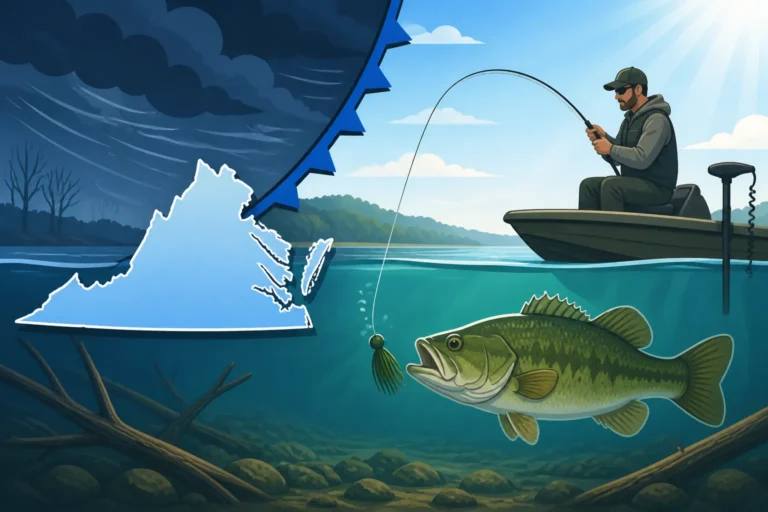
While seasonal guidelines are incredibly helpful, truly mastering your Virginia fishing calendar involves drilling down into more nuanced factors like daily weather, precise water temperatures, and even moon phases. A general rule of thumb is that stable weather patterns usually equate to better fishing. Rapid cold fronts, especially in spring or fall, can shut down a bite quickly, pushing fish deeper or making them lethargic. Conversely, a few days of stable, warming weather can ignite activity, particularly during pre-spawn periods. Checking local weather forecasts a few days before your trip is a non-negotiable step to avoid being caught off guard.
Water temperature is arguably the most critical factor. Fish are cold-blooded, and their metabolism is directly tied to the water temperature. Knowing the optimal temperature ranges for the species you're targeting (e.g., bass love 60-75°F, trout prefer 45-65°F) can guide you to the right depths and areas where they'll be most active. A simple thermometer on your boat or even a handheld one for wade fishing can provide invaluable data. As for moon phases, while often debated, many experienced anglers swear by the idea that major and minor feeding periods are influenced by the moon's gravitational pull, especially around new and full moons. While perhaps not as critical as temperature, it's another layer of planning that some swear by, often found on apps or specialized fishing calendars.
Leveraging Free Fishing Days and Local Resources
Virginia is incredibly angler-friendly, and one of the best ways to explore new waters or introduce someone to fishing is by taking advantage of the annual Virginia Free Fishing Days Guide. Typically held over a weekend in early June, these days allow anyone to fish Virginia's public freshwaters and certain public tidal waters without needing a fishing license. It's an amazing opportunity to try out a new spot, practice a technique, or simply enjoy a day on the water without the upfront cost of a license. Just remember that all other fishing regulations, such as size and creel limits, still apply during these periods. Keep an eye on the DWR website for the exact dates each year, like the upcoming Virginia Free Fishing Days in June 2026.
Beyond these special days, Virginia offers a wealth of local resources to help you plan your trips. The Virginia Department of Wildlife Resources (DWR) website is an invaluable treasure trove of information, providing detailed fishing reports, stocking schedules, public access maps, and regulation updates. Local tackle shops are also fantastic resources; the folks working there are often avid anglers themselves and can provide hyper-local insights into what's biting, where, and with what bait or lure. Joining local fishing forums or Facebook groups can also connect you with community knowledge that's specific to your chosen body of water. Don't be shy about tapping into these networks to glean current, reliable information.
Essential Licenses and Regulations for Each Season
Regardless of the time of year, fishing legally in Virginia requires understanding and adhering to the state's licensing and regulatory framework. The vast majority of anglers will need a basic fishing license, which can be purchased for freshwater, saltwater, or a combination. The cost varies for residents and non-residents, and there are options for annual, short-term (like a Virginia's 5-Day Freshwater Fishing Pass), and even lifetime licenses. It's crucial to know which type of license you need based on where you plan to fish (e.g., fresh vs. saltwater) and your residency status. For instance, Virginia Fishing License Requirements for Residents and Nonresidents outlines these details thoroughly, making it easy to determine your specific needs.
Beyond the license, each species often has specific size and creel (possession) limits, and these can change seasonally or even by specific body of water. For example, Statewide Bass Fishing Limits in Virginia details general rules, but some lakes might have Special Slot Limits on Certain Virginia Waters to protect specific populations. Similarly, Virginia Striped Bass Season and Slot Limit details strict rules for "rockfish" in the Bay, which can have split seasons or different limits. Always check the most current Virginia Fishing Regulations booklet or the DWR website before each trip. Penalties for fishing without a license or violating regulations can be steep, so taking a few minutes to confirm you're legal is always time well spent. You can often purchase and renew your license online directly from the DWR website or through various retailers, ensuring you're compliant before you even leave your house.
Disclaimer
Please remember that fishing conditions, regulations, and fish behavior can change. Always consult the most current Virginia Department of Wildlife Resources (DWR) regulations before heading out. This guide provides general information and recommendations, but local conditions can vary. Fishing involves inherent risks, and safety should always be your top priority.