Where to Fish Near Virginia Beach Without a Boat
Dreaming of casting a line into Virginia Beach's abundant waters but find yourself without a boat? It's a common dilemma, and one that often leaves aspiring anglers feeling stuck on shore, wondering if they can ever truly tap into the rich fisheries Virginia offers. Don't fret! This comprehensive guide is specifically designed for you, covering all the fantastic, boat-free fishing opportunities right here in and around Virginia Beach. We’ll explore piers, tackle the surf, dive into freshwater ponds, and even uncover ways to get on the bigger water without owning a vessel.
Pier Perfection: Your Gateway to Virginia Beach Angling
Fishing piers are an absolute blessing for anglers who don't have a boat. They offer access to deeper water, often over structures that attract a wide variety of fish, all without requiring you to own a vessel or even get your feet wet. Virginia Beach is fortunate to have several excellent piers that cater to both seasoned pros and families looking for a fun day out.
Top Public Fishing Piers in the Area
When you think of pier fishing in Virginia Beach, a few names immediately come to mind, each offering its own unique charm and fishing prospects.
The Virginia Beach Fishing Pier (often simply called the Municipal Pier) is probably the most iconic. Located right on the boardwalk, this pier stretches over 1,000 feet into the Atlantic Ocean, putting you directly over migratory fish pathways and close to sandbars and wrecks that hold marine life. It’s open seasonally, typically from early spring through late fall, and charges a modest fee for fishing. Here, you can expect to catch species like spot, croaker, flounder, bluefish, pompano, and even Spanish mackerel in the warmer months. During the spring and fall runs, it's not uncommon to see anglers reeling in small striped bass (rockfish) or red drum. The pier is well-equipped with bait and tackle shops, restrooms, and even a restaurant, making it a very convenient spot for a full day of fishing.
A little further north, nestled near the mouth of the Chesapeake Bay, is the Lynnhaven Inlet Fishing Pier. This pier offers a slightly different experience, as it’s situated on the more protected waters of the Lynnhaven Inlet rather than directly on the oceanfront. This means calmer conditions are more common, making it a great choice on windy days. Anglers here often target speckled trout, flounder, bluefish, croaker, and even some small puppy drum. The currents in the inlet can be strong, especially around tide changes, which can be excellent for certain species. Similar to the Municipal Pier, there are facilities available, and you'll find plenty of local advice from regulars.
Down south, towards Sandbridge, you’ll discover the Little Island Park Fishing Pier. This is a fantastic option if you're looking for a slightly less crowded, more family-friendly atmosphere. Located within Little Island Park, this pier extends into the Atlantic and offers similar catches to the Virginia Beach Fishing Pier—spot, croaker, flounder, bluefish, and drum. The park itself is beautiful, with picnic areas, a playground, and clean facilities, making it an ideal destination for a combined fishing and family outing. Access to the pier is typically free with a small parking fee during peak season.
Tips for a Successful Pier Fishing Trip
Pier fishing, while accessible, still benefits from a bit of know-how. First, consider your gear. A medium-heavy spinning rod, around 7 to 9 feet long, paired with a reel spooled with 15-20 lb monofilament or braided line, will handle most of the common species you'll encounter. For bait, live bloodworms, squid, fresh shrimp, and cut bait like mullet or spot are perennial favorites. You can often purchase these directly at the pier's tackle shop.
When to go is another key factor. Tide changes are almost always the best time to fish, as moving water disorients baitfish and makes them easier targets for predatory species. Early mornings and late evenings often yield the best results, not just because fish are more active, but also because the piers are less crowded, giving you more space to cast. Be sure to check local Virginia Fishing Regulations Explained before heading out, as rules for specific species like striped bass or flounder can change with the season. Also, remember that while you don't need a boat, you still need to secure a Virginia Fishing License Guide if you're an adult. Most piers have signs about licensing requirements, and many even sell licenses on-site.
Always practice good pier etiquette. Be mindful of other anglers' lines, especially when casting. Clean up after yourself, disposing of any trash or discarded fishing line properly. And if you’re fishing with kids, a simple bottom rig with a small hook and a piece of shrimp is usually all it takes to get them hooked on catching panfish like spot or croaker, providing an exciting introduction to fishing.
Cranking from the Coast: Shore and Bank Fishing Hotspots
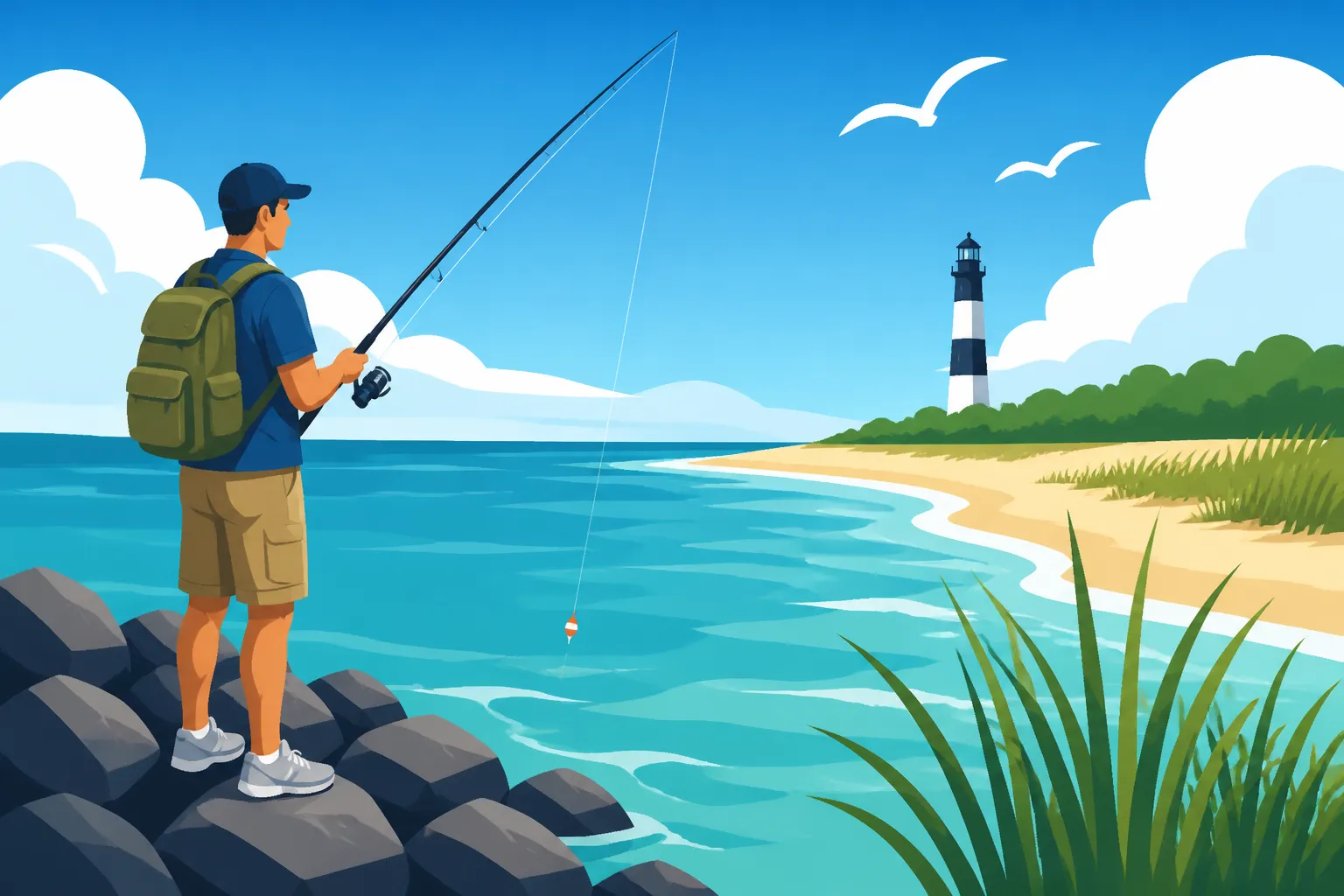
Beyond the piers, Virginia Beach offers numerous opportunities to fish directly from the shore. This can be a fantastic way to enjoy the peace and quiet of fishing, feel the sand between your toes, and still hook into some exciting catches.
Popular Beaches and Inlets for Surf and Bank Fishing
Sandbridge Beach is a gem for surf fishing. Located south of the main resort strip, Sandbridge offers miles of pristine, uncrowded beachfront, perfect for casting into the waves. Here, you'll mainly be targeting surf species like croaker, spot, sea mullet, flounder, and sometimes even the coveted red drum or striped bass during their migratory runs. The key to surf fishing here is covering ground; sometimes, the fish are in deeper troughs close to shore, and other times they're further out. A common setup involves a pyramid sinker to hold your bait in the current, paired with a two-hook "fish finder" rig or a Pompano rig, baited with anything from fresh shrimp to sand fleas or cut bait.
For a truly wild and secluded experience, consider False Cape State Park. This park is only accessible by foot, bicycle, or tram, making it an effort to get to, but the reward is unspoiled nature and incredible surf fishing. You’ll need to carry all your gear in, so pack light! The fishing here is similar to Sandbridge, with a strong emphasis on croaker, spot, bluefish, and various drum species. Keep in mind that False Cape is a protected area, so be extra diligent about adhering to all park rules and fishing regulations. It's a great spot for those who really want to get away from it all and connect with nature while fishing.
The banks of the Lynnhaven Inlet and its various tributaries also offer excellent bank fishing opportunities. Many smaller parks and public access points along the inlet allow you to cast into the calmer, brackish waters. These spots are fantastic for speckled trout, white perch, flounder, and even some modest sized striped bass. Unlike the oceanfront, the inlet often provides more protection from strong winds and waves, making it a good choice for lighter tackle and a more relaxed fishing experience. Local knowledge from bait and tackle shops can often point you to specific productive areas. You might also find great spots to target different species, so knowing your Freshwater and Saltwater Fishing Licenses in Virginia distinctions will be important here.
Essential Gear and Techniques for Shore Anglers
For surf fishing, a longer rod, usually 10-12 feet, is ideal for casting past the breaking waves to reach deeper water. Pair it with a sturdy spinning reel capable of holding 200-300 yards of 15-30 lb test line. A sand spike is practically essential to hold your rod while you wait for a bite, saving your arms and ensuring your rod doesn't get pulled into the surf. When fishing the surf, understanding the currents and structure (like sloughs and sandbars) is crucial. Look for areas where waves break, then reform, as these often indicate deeper water or channels where fish feed.
For bank fishing in the inlets or calmer waters, a more versatile medium-action spinning rod, 6-7 feet long, is perfect. You can cast a variety of baits and lures, from simple bottom rigs with shrimp or cut bait for croaker and flounder, to jigs and soft plastics for speckled trout. These areas are also prime for targeting white perch and panfish, often found near docks, bridge pilings, or submerged structure. If you're after something a bit bigger, you can even try soaking a larger chunk of cut bait for a chance at a channel catfish or even a small shark (remember safety and release practices!). This is also where you might find opportunities for targeting species that respond to Crappie Fishing Techniques for Beginners or Catfish Fishing Techniques and Bait Guide if you explore the more brackish reaches.
Parks, Ponds, and Pathways: Freshwater Fishing Opportunities
While Virginia Beach is renowned for its saltwater scene, don't overlook the fantastic freshwater fishing opportunities right in the backyard of the city. These spots provide a different kind of angling experience, often peaceful and perfect for a relaxing day.
Local Parks with Accessible Ponds and Lakes
The Stumpy Lake Natural Area is a sprawling gem offering excellent freshwater fishing. This large reservoir is a fantastic spot for bass fishing, particularly largemouth bass, and also holds healthy populations of crappie, bluegill, and catfish. There are several fishing platforms and bank access points around the lake, making it very accessible for land-based anglers. The natural area also features hiking trails, so you can combine your fishing trip with a leisurely walk. It’s a tranquil escape from the bustling beach areas and a great place to hone your freshwater skills. Remember that a Virginia freshwater fishing license is required here.
Another excellent complex for freshwater fishing without a boat is the Lake Lawson/Lake Smith Natural Area. These two interconnected lakes provide good opportunities for largemouth bass, striped bass (often hybrids), crappie, and various panfish. There are designated fishing areas and a fishing pier, making it easy to cast a line. The lakes are also popular for kayaking and canoeing, and while you won't be using a motorboat, a paddle craft could give you access to more areas if you're open to that option. These urban lakes are well-managed and provide a great chance to catch fish close to home.
Further afield, but still within reach, is the Back Bay National Wildlife Refuge. While most of Back Bay requires special permits and limited access, there are some areas where bank fishing is permitted, especially along the interior canals and impoundments. The refuge is known for its excellent largemouth bass and various panfish, though access can be challenging and might require a bit of a hike or bike ride. Always check the refuge's specific regulations before planning a trip, as they can be stricter than general state rules.
Licenses and Regulations for Virginia Freshwater Spots
It's super important to remember that freshwater fishing requires a separate license from saltwater. A Virginia Fishing License Costs and Types Explained will help you figure out exactly what you need. If you're a Virginia resident, a Virginia charges $23 for a resident freshwater fishing license, which covers you for a full year. Non-residents will pay a bit more, but short-term options like a Virginia's 5-Day Freshwater Fishing Pass are available for visitors.
Specific regulations, like daily creel limits and size restrictions, vary by species and sometimes even by individual lake. For example, bass often have a daily limit of 5 fish. It's always best to consult the Virginia Department of Wildlife Resources (DWR) website or their annual fishing regulations booklet before you head out. This will ensure you're fishing legally and contributing to conservation efforts. And if you're bringing the little ones, it's good to know that Fishing License Rules for Kids in Virginia often have age exemptions, making it easy for them to get started.
Beyond the Basics: Other Land-Based Fishing Adventures
Sometimes, getting on the water doesn't necessarily mean owning a high-powered bass boat or an offshore cruiser. There are fantastic alternative ways to enjoy the productive waters around Virginia Beach, even without your own vessel.
Kayak and Canoe Access (Without Owning a Motorboat)
While the initial query is about fishing without a boat, many anglers consider kayaks and canoes to be in a separate category from larger, motorized vessels. If you’re open to a paddle-powered craft, these offer incredible access to shallow water, quiet coves, and areas inaccessible to bigger boats. You don’t need a fancy kayak either; many local outfitters offer rentals, and a basic recreational kayak is more than enough to explore the calmer waters of the Lynnhaven Inlet, local ponds, or even the protected areas of the Chesapeake Bay tributaries.
Places like the launch points around Lynnhaven Inlet, and the various access points at Stumpy Lake or Lake Lawson/Lake Smith Natural Area, are perfect for launching a kayak or canoe. These shallow-draft vessels allow you to get right into the heart of the action for speckled trout, red drum, flounder, and all manner of freshwater species. Many beginner anglers find kayak fishing to be a wonderfully immersive and peaceful experience. It's a great stepping stone if you want to expand your fishing horizons beyond just shore or pier fishing, without the significant investment or maintenance of a traditional boat. You can even find specialized kayak fishing guides who can take you out if you're unsure where to start.
Charter Fishing: Letting Someone Else Handle the Boat
Now, this might sound counterintuitive given the "without a boat" premise, but hear me out: a fishing charter is the ultimate way to get on the best fishing grounds without owning, operating, or even thinking about maintaining a boat. You’re essentially hiring an experienced captain and their vessel for a dedicated fishing trip. This is particularly popular in Virginia Beach for targeting bigger saltwater species that are out of reach from piers or the shore.
Imagine wanting to chase trophy striped bass (rockfish) or venture further offshore for flounder, drum, or even tuna. A charter makes this possible. The captain provides all the gear, bait, and most importantly, the expertise to find the fish. You simply show up, enjoy the ride, and reel in your catch. Virginia Beach is a hub for fantastic charter operations, offering everything from half-day trips in the Chesapeake Bay to full-day offshore excursions. Many of these charters run during the Virginia Beach Striped Bass Charter Season Timing, providing excellent opportunities for that prized catch.
Finding and booking a reputable charter has never been easier. Platforms like FishingBooker allow you to browse numerous local captains, read reviews, and book trips that suit your budget and desired species. You can filter by trip length, target species, and even boat amenities. FishingBooker acts as a fantastic resource to ensure you're connecting with professional and well-regarded guides. When considering a charter, always confirm what’s included. Most provide rods, reels, bait, and tackle, and some even handle your fishing license for the day, though it's always wise to clarify. For example, understanding Do You Need Your Own License for a Charter Trip? is important, as some charters cover it while others expect you to have your own. Many captains are also very knowledgeable about the various Virginia's One-Fish Striped Bass Limit on Charter Trips and other specific regulations, ensuring you stay compliant. Whether you're a seasoned angler looking for a specific species or a family looking for a memorable outing, a charter trip booked through a service like FishingBooker is an incredible way to experience Virginia Beach fishing without the hassle of boat ownership.
Here's a quick comparison of some boat-free fishing options around Virginia Beach:
| Fishing Type | Best for | Typical Catches | Pros | Cons | Estimated Cost |
|---|---|---|---|---|---|
| Ocean Piers | Convenient access, family outings | Spot, Croaker, Flounder, Bluefish, Spanish Mackerel | No boat needed, facilities, bait shops, social atmosphere, deeper water | Can be crowded, pier fees, weather dependent, seasonal | $10-20/day (fishing fee) |
| Surf Fishing | Seclusion, targeting migratory species | Croaker, Spot, Sea Mullet, Red Drum, Striped Bass | Free (except parking), connection with nature, exciting fights | Requires specialized gear, physically demanding, weather dependent, tides | Minimal (bait/tackle) |
| Freshwater Parks | Tranquility, diverse freshwater species | Largemouth Bass, Crappie, Catfish, Panfish, Hybrid Striper | Calm waters, accessible, family-friendly, diverse species | Requires freshwater license, specific regulations, can be less thrilling | Minimal (license/bait) |
| Kayak/Canoe | Shallow water access, quiet exploration | Speckled Trout, Red Drum, Flounder (salt); Bass, Panfish (fresh) | Excellent access to untouched areas, quiet, exercise | Requires paddle craft (rental or purchase), weather dependent, physically demanding | $30-70/day (rental) |
| Fishing Charter | Expert guidance, offshore species | Striped Bass, Tuna, Mahi-Mahi, Flounder, Cobia | All gear provided, experienced captain, targets big fish, hassle-free | Most expensive option, group size limitations, weather dependent | $150-500+ per person |
Disclaimer
Please note that fishing regulations, seasons, and licensing requirements can change. Always consult the Virginia Department of Wildlife Resources (DWR) and the Virginia Marine Resources Commission (VMRC) for the most current and accurate information before planning your fishing trip. Ensure you have the appropriate licenses for both freshwater and saltwater fishing, as required.