How Virginia Charter Trip Packages Are Priced
Planning a fishing trip to Virginia, especially when you're dreaming of hitting the open water with a professional guide, can feel a bit overwhelming, especially when it comes to understanding what you're actually paying for. Many anglers get frustrated trying to compare charter packages, seeing vastly different numbers without a clear picture of what drives those costs. This comprehensive guide is here to demystify the pricing of Virginia fishing charter trip packages, helping you understand the variables so you can confidently book the perfect adventure for your budget and fishing aspirations.
The Core Factors That Shape Virginia Fishing Charter Prices
When you're looking at booking a fishing charter in Virginia, it's easy to just glance at the headline price and either think it's too much or wonder if you're getting a good deal. But really, the cost of a charter package isn't just a random number pulled out of thin air. It’s a carefully calculated sum based on a multitude of interconnected factors, much like buying a car—you wouldn't expect a basic sedan to cost the same as a luxury SUV, right? Understanding these core elements will give you a much clearer perspective on why prices vary so widely across the Commonwealth's diverse fishing grounds, from the Chesapeake Bay to Smith Mountain Lake.
Trip Length and Duration: More Time, More Cost
This one probably seems obvious, but the longer you're out on the water, the more it's going to cost. Charter captains aren't just charging for the time spent actively fishing; they're factoring in fuel consumption, crew wages, bait and tackle usage, and the wear and tear on their vessel. A quick half-day trip, typically running around four hours, requires less of all these resources than a full-day excursion, which can stretch to eight or even ten hours. It’s important to think about your goals: if you're just looking for a fun introduction to fishing or a quick outing with the kids, a half-day might be perfect and save you a considerable amount.
However, if you're serious about targeting a specific species, especially one that requires traveling to distant grounds or patiently waiting for a bite, then a full-day or even an extended trip often becomes essential. Those longer trips allow for more flexibility, more time to move between spots if the fish aren't biting in one area, and simply more opportunities to hook that trophy catch. The extra cost isn't just for "more time"; it's for significantly increased fishing potential and a more immersive experience. For an in-depth look at this, you might want to check out Half-Day vs Full-Day Fishing Charters in Virginia.
Type of Fishing and Target Species: Specialization Comes with a Price
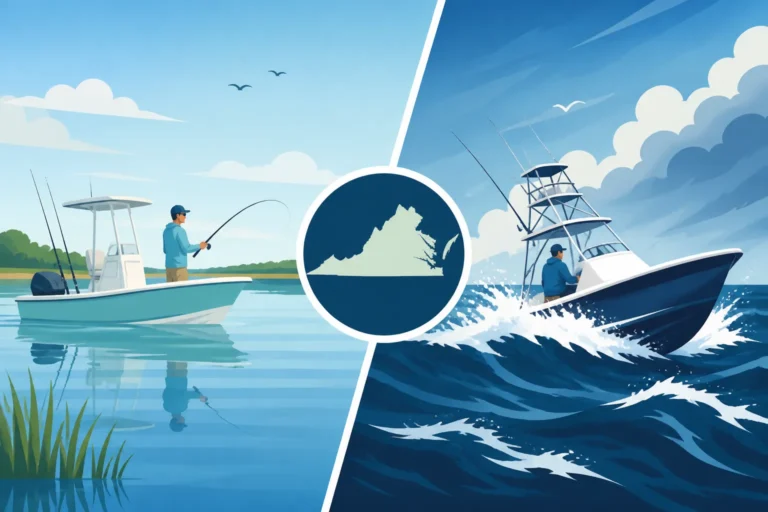
Not all fishing is created equal, and neither are the costs associated with it. If you're heading out to the Chesapeake Bay for some deep-sea trolling for large game fish like tuna or marlin, you're looking at a different price point than a nearshore trip targeting flounder or speckled trout. The reason is simple: offshore fishing demands larger, more robust boats, significantly more fuel, specialized heavy-duty tackle that can withstand immense pressure, and often a larger crew to handle the equipment and assist anglers. The risks are higher, the gear is more expensive, and the expertise required is often more specialized.
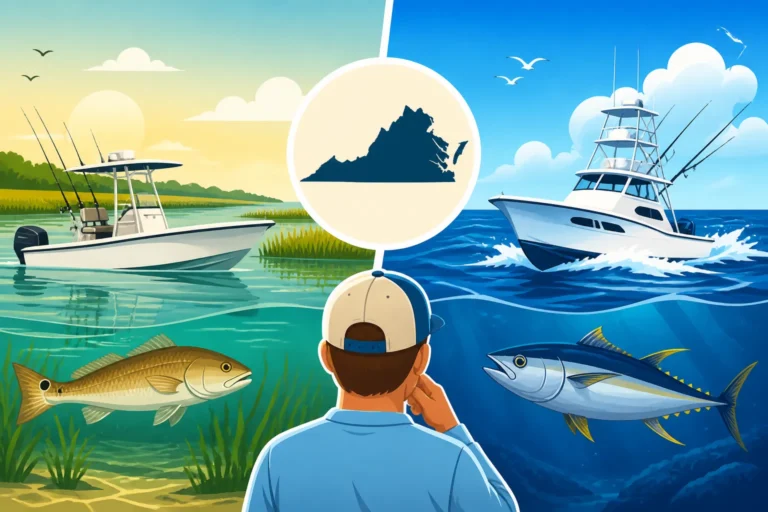
Even within freshwater fishing, there can be differences. A guide specializing in fly fishing for elusive wild trout in remote mountain streams might have different rates than someone guiding for largemouth bass on a popular lake. The former might involve specialized techniques, extensive local knowledge of smaller, harder-to-reach waters, and highly specific gear. When you're dreaming of reeling in a specific kind of fish, remember that the cost often reflects the unique challenges, equipment, and knowledge required to make that dream a reality. Choosing a Charter Based on the Fish You Want to Catch can help you decide.
Vessel Size and Amenities: Comfort and Capacity
The boat itself plays a huge role in the charter's price tag. A smaller center console boat, perfect for two or three anglers on a bay fishing trip, will inherently have lower operational costs than a massive sportfishing yacht designed to comfortably accommodate six or more people for offshore excursions. Larger vessels come with higher fuel consumption, increased docking fees, more intensive maintenance, and often more sophisticated electronics and safety equipment. They might also offer more amenities, like air-conditioned cabins, private restrooms, and spacious fishing decks, all of which contribute to the overall cost of ownership and, by extension, the charter price.
If you're planning a trip with a large group or value comfort features, you'll naturally gravitate towards these larger, more expensive boats. However, if you're a solo angler or a small party focused purely on fishing with minimal fuss, a smaller, more nimble boat might be exactly what you need at a more accessible price point. It's a trade-off between luxury, space, and the size of your group versus the overall expenditure. Think about your group size and comfort preferences before committing to a vessel.
Captain's Experience and Reputation: The Value of Expertise
Just like any skilled professional, a highly experienced and reputable fishing captain will often command higher rates. You're not just paying for their boat; you're paying for years, sometimes decades, of accumulated knowledge about local waters, fish behavior, seasonal patterns, and effective techniques. A seasoned captain knows where the fish are hiding, what bait they're hitting, and how to adapt to changing weather conditions. This expertise significantly increases your chances of a successful and enjoyable trip.
Many charter operations are built on the reputation of their captain, especially if they consistently put clients on big fish or provide an exceptional overall experience. They've invested time and money in honing their craft, maintaining their equipment, and building a loyal clientele. While a newer, less experienced captain might offer slightly lower rates, an established veteran often provides invaluable peace of mind and a higher probability of a memorable catch. It’s often worth investing in that proven track record, especially for once-in-a-lifetime trips or targeting challenging species. Reading reviews and talking to previous clients can give you a good sense of a captain's reputation.
Deciphering Different Virginia Charter Package Structures
When you start digging into Virginia fishing charter options, you'll quickly realize that "a charter" isn't a one-size-fits-all offering. Captains and companies structure their packages in various ways, each designed to cater to different types of anglers and budgets. Understanding these distinctions is crucial for comparing apples to apples and ensuring you pick a package that truly aligns with your expectations. It’s like booking a vacation: there are all-inclusive resorts, bed-and-breakfasts, and just renting a room—each serves a different need and comes with a different price.
Half-Day vs. Full-Day vs. Extended Trips: What Each Offers
The most common distinction you'll encounter is trip duration.
Half-Day Trips are generally the most affordable option. They typically last around 4 hours, making them perfect for families with younger children, beginners looking for an introduction to fishing, or those on a tight schedule. You'll usually fish closer to the dock, targeting more common, readily available species. While you might not get to explore as many spots, a good half-day trip can still be incredibly productive and a lot of fun. They’re a fantastic way to get out on the water without a huge time or financial commitment.
Full-Day Trips usually span 6 to 8 hours, sometimes even 10 depending on the target species and location. These are the workhorses of the charter world, offering a significant increase in fishing time and flexibility. With a full day, you can venture further offshore or to more remote freshwater spots, giving you access to a wider range of species and potentially larger fish. This extra time allows the captain to adapt to changing conditions, try different techniques, and cover more ground, greatly increasing your chances of a truly memorable catch. If you’re serious about a specific target or simply want a more immersive experience, a full-day trip is often the way to go. You can learn more about How Long a Full-Day Charter Actually Lasts.
Extended or Multi-Day Trips are less common for the average angler but exist for those seeking truly ambitious adventures, particularly for offshore big-game species. These trips can last 12 hours, overnight, or even several days, venturing far into the ocean. They come with a premium price tag due to the massive fuel costs, increased crew requirements, provisioning for longer stays, and specialized equipment needed for such expeditions. These are for serious anglers looking to tick off bucket-list species and experiences, demanding a significant investment but offering unparalleled opportunities.
Private Charters vs. Shared "Headboat" Options
Another major differentiator is whether you're booking the entire boat for your private party or joining a group on a larger "headboat" or "party boat."
Private Charters mean you have the boat and crew entirely to yourselves. This offers several distinct advantages:
- Personalization: The captain can tailor the trip to your group's specific interests, whether that's targeting a particular fish, focusing on a certain technique, or accommodating special requests.
- Flexibility: You have more control over the schedule (within reason), the pace of fishing, and where you go (again, within the limits of the captain's expertise and safety).
- Comfort: You won't be jostling for space with strangers, and you'll receive undivided attention from the crew.
- Ideal for Groups: If you have a family or a group of friends, a private charter can often be quite cost-effective when the price is split among everyone, and it guarantees a more intimate experience.
Shared Charters (Headboats/Party Boats) typically involve paying a per-person "head" fee to join a larger group of anglers on a bigger vessel. While you sacrifice the privacy and customization of a private charter, the main advantage is cost-effectiveness. The overall expenses of the boat are divided among many individuals, making it a much more budget-friendly option for solo anglers or small groups who don't want to pay for an entire boat. These boats usually target common species and fish popular, easily accessible spots, providing a social atmosphere and a good opportunity to learn from other anglers. Private Charter vs Shared Charter in Virginia explores these options further.
Inclusions and Exclusions: Understanding What You're Paying For
This is where many anglers can get confused, as "all-inclusive" rarely means everything. A charter's base price generally covers the boat, the captain, fuel for a standard trip, basic rods and reels, and some bait. However, it's critical to clarify what else is included—and what isn't—to avoid surprises.
Typical inclusions often are:
- Fishing Rods & Reels: Standard gear suitable for the target species.
- Basic Bait & Tackle: Live or artificial bait and terminal tackle (hooks, weights).
- Safety Equipment: Life vests, first-aid, navigation gear.
- Fishing License (sometimes): Many larger Virginia charters operate under a blanket license, meaning individual anglers don't need their own. However, always confirm this beforehand, as you might still need to purchase one, especially for smaller guide services or specific types of fishing like trout. Do You Need Your Own License for a Charter Trip? is a good resource for this.
Common exclusions or additional costs to consider:
- Gratuity for the Crew: This is almost universally expected and often constitutes a significant portion of the crew's income. It's usually 15-20% of the total trip cost.
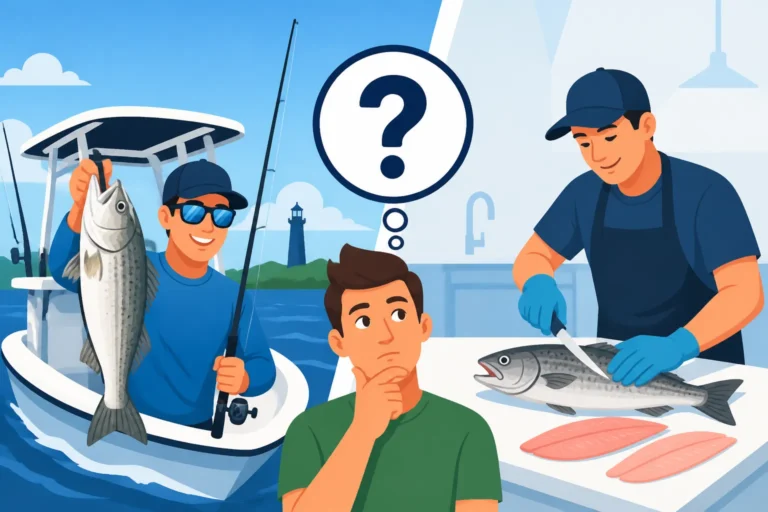
- Fish Cleaning & Filleting: Some charters offer this for an extra fee, while others include it. Always ask.
- Food & Drinks: Most charters are BYO for snacks and beverages.
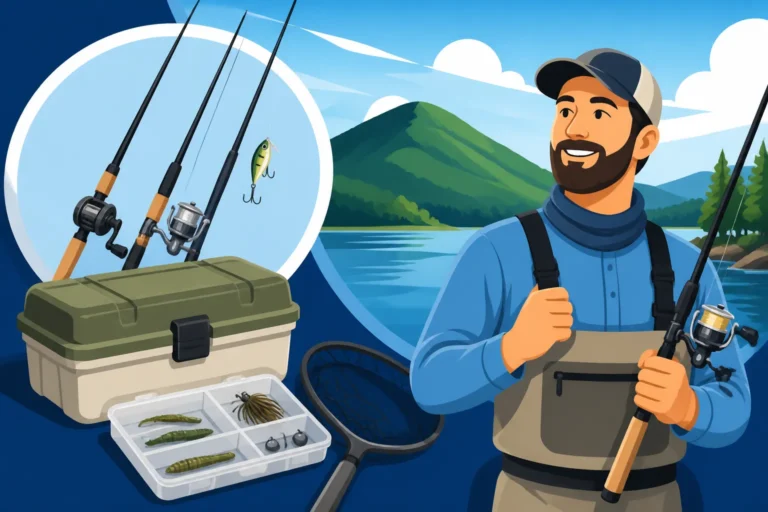
- Specialized Bait or Lures: If you want specific, expensive live bait or high-end lures, they might be extra.
- Coolers for Your Catch: While the boat might have coolers for drinks, you often need your own for your fish.
- Sunscreen, Hats, Sunglasses: Personal items are always your responsibility.
It's paramount to get a clear breakdown of what's included when you're comparing different packages. What looks like a cheaper upfront price might end up costing more once you factor in all the necessary extras.
Understanding the Impact of Seasonality and Demand on Pricing
Just like hotels near the beach during peak summer or ski resorts in the middle of winter, the demand for fishing charters in Virginia fluctuates throughout the year. This ebb and flow of angler interest, combined with the availability of prime fish species, directly influences how charter trip packages are priced. Thinking about when and where you want to fish can make a big difference in the cost of your adventure. It's all about supply and demand, and knowing the patterns can help you snag a better deal or simply manage your expectations.
Peak Seasons for Popular Species: Supply and Demand at Play
Every angler knows there are "hot" times of the year when certain fish species are abundant, actively feeding, and generally easier to catch. For instance, the fall striped bass run in the Chesapeake Bay or the spring crappie bite on inland lakes like Smith Mountain Lake create a surge in demand for charter services. During these peak seasons, when the chances of success are highest and word gets out about phenomenal fishing, charter prices often reflect that increased demand. Captains can charge a premium because their boats are in high demand and their calendars fill up quickly.
If your heart is set on catching a specific species during its prime season, be prepared for potentially higher prices and the need to book well in advance. These are the times when Virginia Striped Bass Split Season Dates Explained means the boats are packed. Booking during these windows means you're investing in the best possible conditions for your target, but it also means less room for negotiation on price. Many anglers find this trade-off worthwhile for the increased likelihood of a successful and exciting trip.
Off-Season Opportunities and Potential Savings
Conversely, there are periods when fishing pressure is lower, and certain species might be less active or harder to find. These "off-season" windows, while perhaps not offering the same guaranteed action as peak times, can be fantastic opportunities to save money on a charter trip. Captains may offer reduced rates, special promotions, or more flexible booking options to keep their boats busy. For example, a winter fishing trip might be cheaper than a summer one, even if you’re still targeting species that are active in colder waters.
Consider exploring species that are available during these quieter times. Perhaps you're interested in bottom fishing for tautog or sea bass in the cooler months, or targeting catfish when the bass bite slows down. While the weather might be less predictable, and the fishing a bit more challenging, the savings can be substantial. It's also a great way to experience a different side of Virginia's fishing landscape without the crowds. You might discover a new favorite type of fishing that you hadn't considered before, all while stretching your dollar further.
Weekday vs. Weekend Rates: When to Book for Best Value
This is a pretty universal concept in many service industries, and fishing charters are no exception. Weekends, particularly during peak seasons, are almost always the busiest and most expensive times to book a charter. Most people have Saturdays and Sundays off, making these days prime time for recreational activities. As a result, demand is high, and captains often charge their full, standard rates.
If your schedule allows for it, booking a charter on a weekday can often lead to savings. Many captains offer slightly reduced weekday rates, or at the very least, you'll find more availability and potentially a more relaxed atmosphere on the water. Avoiding the weekend rush means fewer boats at your favorite fishing spots, less competition, and often a more personalized experience with the captain and crew. This strategy is especially effective if you’re flexible with your dates and want to maximize your value. If you're planning a trip around specific dates, like Virginia Free Fishing Days in June 2026, you might still find higher demand even on a weekday.
| Factor | Impact on Price (Generally) | Peak Demand | Best Value |
|---|---|---|---|
| Trip Length | Longer = Higher | Full-Day | Half-Day |
| Target Species | Offshore/Specialized = Higher | Trophy/Game Fish | Panfish/Inshore |
| Vessel Size/Amenities | Larger/Luxurious = Higher | Large Groups/Comfort | Small Groups/Basic |
| Captain Experience | Veteran/Reputable = Higher | High | New Captains/Off-Season |
| Seasonality | Peak Fish Runs = Higher | Spring/Fall | Winter/Late Summer |
| Booking Day | Weekend = Higher | Weekend | Weekday |
Beyond the Base Rate: Potential Additional Costs to Consider
So, you've found a Virginia fishing charter that fits your budget and sounds like an amazing experience. You see the price tag, you're ready to book, but hold on just a minute. That advertised price is often just the beginning. To truly understand the full cost of your trip, you need to be aware of additional expenses that can pop up. Many anglers get caught off guard by these, so it’s essential to factor them in from the start to avoid any unwelcome surprises when it's time to settle up. Transparency is key, and a good captain will be upfront about these, but it's always smart to ask.
Gratuities for the Crew: An Expected Part of the Experience
Let's be very clear: tipping your fishing charter crew is not just a nice gesture; it's an industry standard and a significant portion of their income. These hardworking individuals are often out there before dawn, preparing the boat, cleaning, stocking, and then working tirelessly throughout your trip—baiting hooks, untangling lines, netting fish, and ensuring your safety and enjoyment. After the trip, they clean the boat, organize gear, and prepare for the next outing. Their dedication makes your experience seamless.
A customary tip is generally 15-20% of the total charter price. If you had an exceptional experience, felt the crew went above and beyond, or landed a trophy fish, consider tipping at the higher end or even more. Always have cash on hand for this, as it's the preferred method. For a deeper dive into this, check out Tipping Norms for Virginia Fishing Charter Crews. It's a small investment that shows appreciation for their hard work and ensures they continue providing top-notch service for future anglers.
Fuel Surcharges and Bait Costs: Sometimes Separate
While many charter packages bundle fuel and bait into the initial price, some might list these as potential additional charges, especially for longer offshore trips or if fuel prices have been particularly volatile.
Fuel Surcharges: For shorter, inshore trips, fuel is usually a non-issue in the base price. However, when you're heading many miles offshore, especially on a large boat that consumes a lot of diesel, captains might implement a fuel surcharge if prices at the pump spike. This helps them cover their operating costs without constantly having to re-print their base rates. Always ask if fuel is included or if there's a potential surcharge based on market prices.
Bait Costs: Similarly, while standard bait (like cut bait, squid, or basic live bait) is often included, specialized or large quantities of live bait can sometimes be an extra charge. For example, if you're targeting specific species that require premium live eels, spot, or menhaden, which can be expensive and hard to source, the captain might pass that cost on. Again, a simple question before booking can clarify this. Knowing what's provided versus what might be extra ensures no surprises when the bill comes.
Tackle Loss or Damage: Preparing for the Unexpected
Accidents happen. Lines get snagged, hooks bend, and sometimes, a big fish can snap a rod or reel. Most charter operations cover normal wear and tear on their equipment. However, if you lose a rod and reel overboard due to carelessness, or repeatedly snag and break off expensive lures, some captains might charge a replacement fee. This isn't usually meant to be punitive but rather to cover the cost of equipment that needs to be replaced due to angler negligence.
It's a good idea to clarify the charter's policy on tackle loss or damage beforehand, especially if you're new to fishing or bringing kids. Usually, reasonable incidents are absorbed by the charter, but extreme cases of lost or broken gear due to carelessness might incur a charge. Treat the boat's equipment with respect, and you'll generally avoid this potential extra cost.
Food, Drinks, and Other Personal Supplies
Unless you've specifically booked a high-end, all-inclusive package that explicitly mentions catering, you should plan to bring your own food and drinks. Most charters provide a cooler with ice, but the provisions are up to you. This includes:
- Snacks and Lunch: Pack enough for everyone for the duration of the trip.
- Beverages: Water, soda, juice, or whatever you prefer. Keep alcohol to a minimum and in moderation, as excessive drinking can be a safety hazard on the water.
- Sun Protection: Sunscreen, hats, sunglasses are crucial for a comfortable day on the water. The sun's reflection off the water intensifies its effects.
- Weather-Appropriate Clothing: Layers are always a good idea. Even on a warm day, it can be cooler on the water, and sudden rain showers can occur.
- Cooler for Your Catch: While the boat will have a fish box, many anglers prefer to bring their own cooler to transport their cleaned fish home.
By thinking through these potential additional costs, you can create a more accurate budget for your Virginia fishing charter experience, ensuring your trip is enjoyable and free of financial surprises. Being prepared is always the best approach for a great day on the water.
Smart Strategies for Booking and Budgeting Your Virginia Fishing Charter
Okay, so now you know what goes into the pricing of a Virginia fishing charter. That's a huge step! But knowing the factors is only half the battle. The other half is using that knowledge to your advantage to research, compare, and ultimately book a trip that delivers maximum enjoyment without breaking the bank. It's about being a savvy angler and a smart consumer. Whether you're a seasoned pro or planning your Fishing License Requirements for First-Time Anglers, these strategies will help you navigate the booking process.
Researching and Comparing Different Charters Effectively
Don't just jump on the first charter you see, even if the price looks good. Effective research is your best friend. Start by identifying the type of fishing you want to do and the species you want to target. Do you want to try Striped Bass Charter Fishing in Virginia or a tranquil day catching crappie on a lake? This will narrow down your options considerably.
Once you have a general idea, look for charters that specialize in those areas. Compare several different operations. Look at their websites, read their reviews on platforms, and pay attention to what previous clients say about the captain's expertise, the boat's condition, and the overall experience. Don't be afraid to reach out to multiple captains or booking agents with your questions. A reputable charter will be happy to discuss their packages, inclusions, and any potential extra costs. Look for clear communication and transparency as a sign of a professional operation. This comparison isn't just about price; it's about finding the best fit for your fishing style and expectations.
The Role of Online Booking Platforms
In today's digital world, online booking platforms have become incredibly popular resources for finding and comparing fishing charters. Think of them as the "Expedia" or "Airbnb" for fishing trips. Sites like FishingBooker, for example, aggregate listings from numerous captains and guides across Virginia, from the coastal waters to inland lakes. This allows you to:
- Browse a Wide Selection: You can easily see many different boats, captains, and package options in one place.
- Filter by Criteria: You can often filter by location (e.g., Chesapeake Bay Fishing Charters in Virginia or Smith Mountain Lake Fishing Guides in Virginia), target species, trip length, and even amenities.
- Read Reviews: One of the most valuable aspects is access to unfiltered reviews from past customers, giving you genuine insight into other anglers' experiences.
- Transparent Pricing: Many platforms strive for transparency, showing you what's included and often listing potential extra costs.
- Convenient Booking: Once you've made your decision, booking and payment are usually straightforward and secure.
While these platforms are incredibly helpful for initial research and booking convenience, remember it's still a good idea to confirm details directly with the captain or charter company after booking, especially regarding any specific requests or last-minute questions. How to Book a Fishing Charter in Virginia offers more insights into the process.
Asking the Right Questions Before You Book
To ensure there are no surprises and that you're getting exactly what you expect for your money, always prepare a list of questions before you finalize your booking. Here are some key inquiries:
- What is the total price, including all fees and taxes? Get a concrete final number.
- What exactly is included in the price? (e.g., rods, reels, bait, tackle, cooler with ice, fish cleaning?)
- Is a fishing license required for each individual, or does the charter cover it? This is crucial.
- What is your policy on gratuity? (Though you already know it's 15-20%, it's good to hear it from them.)
- What happens if the weather is bad? What's your cancellation or rescheduling policy? This is vital for outdoor activities. Refund Policy for Weather-Cancelled Charters is something you'll want to review.
- Are there any potential extra costs I should be aware of, like fuel surcharges or lost tackle fees?
- What should I bring for the trip (food, drinks, sunscreen, cooler for fish)?
- What are the catch limits and regulations for our target species on the day we're fishing? (For example, Virginia's 28 to 31 Inch Striped Bass Slot Limit for Charter Anglers).
- Do you clean and bag the fish afterward, and is there an extra charge for that?
By asking these questions upfront, you'll not only gain a clearer understanding of the costs but also gauge the professionalism and customer service of the charter operation. A good charter wants you to have a great time and will appreciate your thoroughness. Planning ahead is the best way to ensure your Virginia fishing charter trip is everything you hoped for.
Disclaimer
This article is for general informational purposes only and does not constitute professional advice. Laws, prices and regulations vary by location and change over time. Consult a qualified professional for guidance on your specific situation.