Refund Policy for Weather-Cancelled Charters
There's nothing quite as disheartening as meticulously planning your dream fishing trip, only for Mother Nature to throw a wrench in the works. You've booked the charter, maybe even taken time off work, and then the forecast turns ugly, leaving you wondering about your hard-earned money. It's a common worry for anglers, especially when dealing with unpredictable coastal or lake weather. This guide is here to shed some light on the typical refund policies for weather-cancelled fishing charters in Virginia, helping you understand your options and what to expect when the skies don't cooperate.
Understanding the "Act of God" Clause in Charter Agreements
When you book a fishing charter, you're entering into an agreement, and like many service contracts, there's often a clause addressing unforeseen circumstances. This is commonly referred to as an "Act of God" clause, and it's particularly relevant for weather-dependent activities like fishing. Essentially, it covers events beyond human control that prevent the service from being rendered safely or effectively.
What Constitutes an Act of God for a Fishing Charter?
For a fishing charter, an "Act of God" usually means severe weather conditions that make it unsafe or impractical to go out on the water. This isn't just a light drizzle or a slightly choppy day; we're talking about things like hurricane warnings, small craft advisories, thunderstorms with lightning, dense fog that significantly reduces visibility, or unusually high winds that create dangerous swells. The captain's primary concern is always the safety of their passengers and crew, as well as the integrity of their vessel. If they determine that conditions are too hazardous, that decision falls under this clause.
It's a tricky balance, because what one angler considers "fishable" might be deemed unsafe by a seasoned captain. They have the ultimate say because they're responsible for everyone on board. They're also often locals who know their home waters like the back of their hand, understanding how specific wind directions or storm patterns affect the area you'd be fishing, be it the vastness of the Chesapeake Bay or a large inland lake like Smith Mountain Lake. This means a captain might call a trip even if the weather seems fine from shore, knowing that conditions offshore or further out on the lake are rapidly deteriorating.
Why Captains Have the Final Say on Weather Cancellations
This might feel frustrating when you're eager to get out on the water, but granting the captain the final say is a standard safety protocol across the charter industry, and for good reason. Charter captains are licensed professionals who constantly monitor marine forecasts, tides, and local conditions. They have an intimate knowledge of their boat's capabilities and the specific dangers of the waterways they operate in. What might look like a mild breeze from the dock could translate into significant, unsafe chop once you're out in open water.
Their decision isn't just about avoiding a bad hair day; it's about preventing serious accidents. A sudden squall, for example, can turn a pleasant morning into a terrifying experience in moments. Moreover, their reputation and livelihood depend on keeping clients safe and delivering good experiences. They don't cancel lightly, as it means lost income for them too. Respecting their judgment is paramount. Many booking platforms, including those where you might find your Virginia fishing adventure like FishingBooker, will also reinforce the captain's authority in weather-related cancellations, ensuring that safety always comes first. This means that even if you desperately want to go, if the captain says no, it's for everyone's benefit.
How Virginia Charters Define "Unfishable" Weather
Defining "unfishable" weather isn't always a cut-and-dry science; it involves a blend of official advisories, captain's experience, and common sense. While a light rain might deter some, it typically won't lead to a cancellation. Severe conditions, however, are a different story.
Official Weather Advisories and Captain's Discretion
Virginia's waters, from the mighty James River to the expansive Chesapeake Bay, can experience a wide range of weather conditions. Often, a captain will look to official advisories issued by meteorological services. These include:
- Small Craft Advisories: These are frequently cited. They indicate wind speeds of 25 to 33 knots (29 to 38 mph) or seas that are expected to be 5 feet or greater. For smaller boats or those venturing into open water, these conditions can be very hazardous.
- Gale Warnings: Stronger than small craft advisories, with winds typically ranging from 34 to 47 knots.
- Storm Warnings: Indicate even more severe conditions, usually with winds 48 knots or greater.
- Coastal Flood Advisories or Warnings: While not directly affecting fishability, they can make ingress/egress to the dock or specific fishing areas problematic.
- Thunderstorm or Severe Weather Warnings: Lightning is an obvious and immediate danger on the water, making cancellations for severe thunderstorms very common.
Beyond these official warnings, a captain's discretion plays a huge role. They might observe rapidly building seas, dense fog not yet officially warned, or a sudden change in barometric pressure that indicates an incoming squall, even if no formal advisory has been issued yet. They might also deem specific conditions unfishable if they believe it would make for an extremely uncomfortable and unenjoyable experience for their guests, even if not strictly dangerous. After all, you're paying for a good time, not just a safe one!
When a Charter Might Still Run Despite Less-Than-Perfect Weather
It's important to understand that "unfishable" doesn't necessarily mean "unpleasant." There's a big difference between a truly dangerous forecast and one that just involves a little rain or cooler temperatures. If the forecast calls for a steady, light rain but no high winds or lightning, many captains will still run the trip. After all, fish are already wet! Experienced anglers often come prepared with rain gear, knowing that some of the best fishing days can happen in less-than-ideal weather.
Similarly, if the wind is up but within safe limits, a captain might opt for a more protected area, such as a river estuary or a calmer bay pocket, rather than venturing out into open water. This shows their flexibility and commitment to getting you on the fish, even if the original plan needs a tweak. This is also where good communication with your captain comes in. Don't assume a bit of cloudy weather means a cancellation; wait for their official word and be prepared to discuss alternatives. If you're wondering What to Bring on a Virginia Fishing Charter, rain gear should definitely be on your list for those "less-than-perfect" but still fishable days.
Your Options When a Virginia Fishing Charter Is Cancelled
So, the dreaded call or text comes: your charter is cancelled due to weather. Now what? Understanding your options can alleviate a lot of the stress and help you plan your next steps. Most reputable Virginia fishing charters, and platforms like FishingBooker, have clear guidelines for these situations.
Rescheduling Your Trip
For many anglers, especially those with flexible schedules or who live relatively close to the fishing grounds, rescheduling is the preferred option. It means you still get to experience your planned adventure, just on a different date.
- Captain's Offer: Often, the captain will proactively offer available dates for rescheduling. They want your business and want you to have a great trip, so they'll work with you to find a suitable time.
- Your Availability: Be clear about your availability. If you're a local or have an extended vacation, you might have more leeway. If you're on a tight schedule, this might be more challenging.
- Deposit Transfer: In most cases, any deposit or payment you've made will simply transfer to the new booking. This avoids the hassle of refunds and re-payments.
- Consider the Season: When rescheduling, think about the Virginia Fishing Seasons Explained and what species you want to target. If your original trip was for Virginia Striped Bass Season and Slot Limit Guide, rescheduling for a month where that species isn't as prevalent might not be ideal. Discuss this with your captain.
Rescheduling is generally the smoothest path forward for both parties, keeping your fishing dreams alive without immediate financial implications. Remember, your captain also depends on these trips, so a reschedule helps them too.
Full Refunds vs. Partial Refunds
When rescheduling isn't an option, or if the cancellation means you can't realistically make another trip, understanding the refund policy is crucial.
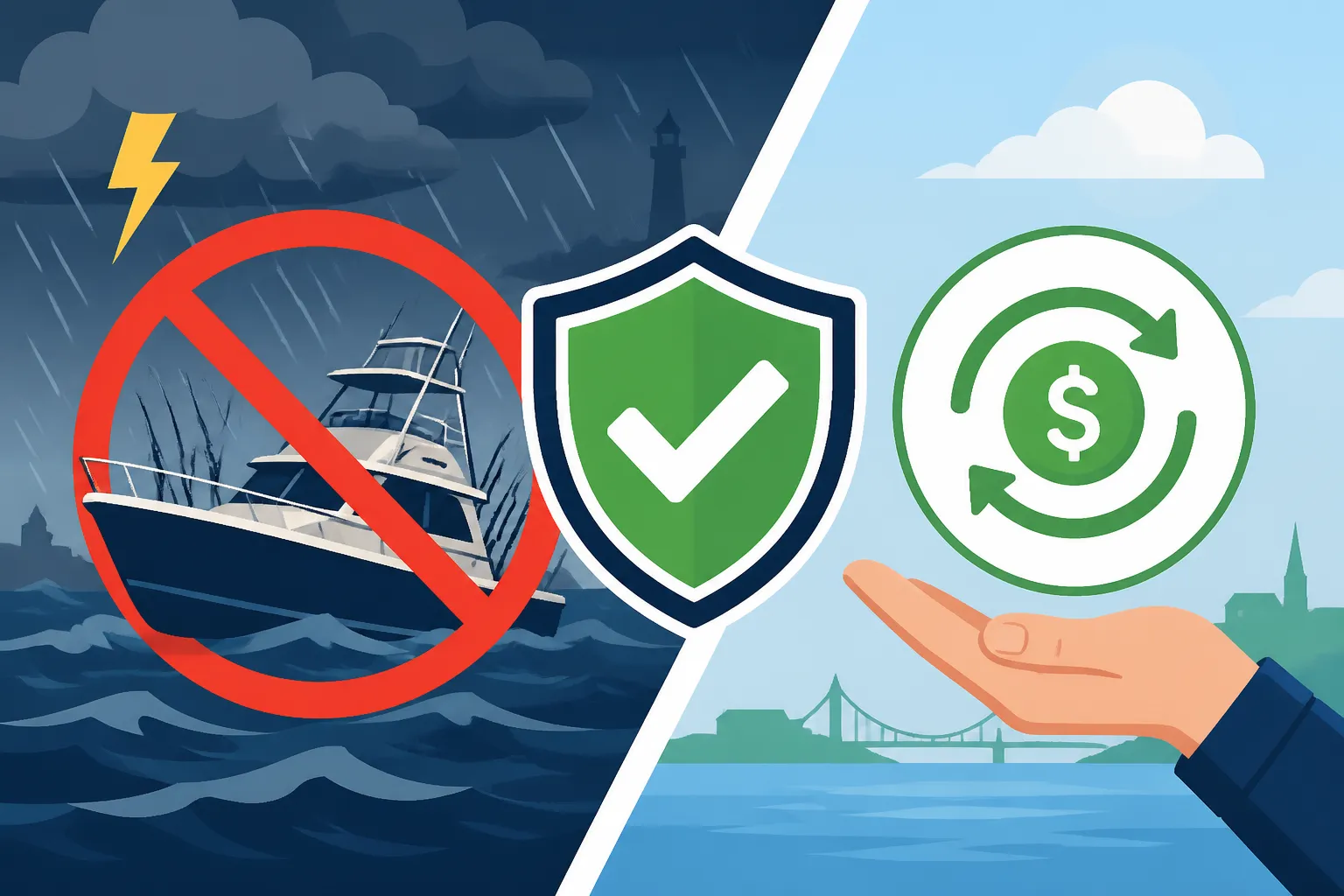
- Captain-Initiated Cancellations (Weather): In almost all cases, if the captain cancels the trip due to unsafe weather, you are entitled to a full refund of any deposit or payment made. This is standard industry practice and a common clause in most charter agreements. It's not your fault the weather turned, so you shouldn't be penalized. This applies whether you booked directly or through a service like FishingBooker.
- Angler-Initiated Cancellations (Non-Weather): This is where it gets tricky. If you decide to cancel because you don't like the forecast (e.g., light rain predicted), but the captain deems it fishable and is prepared to go, you are typically not entitled to a refund, or you may forfeit your deposit. This is why clear communication with your captain about what they consider "unfishable" is vital.
- Partial Refunds (Rare for Weather): Partial refunds for weather cancellations are very uncommon. If a trip starts but has to be cut short due to rapidly deteriorating weather, some captains might offer a pro-rated refund or a discount on a future trip, but this is usually at their discretion and less common than a full cancellation prior to departure. Always clarify this before your trip, especially if you're concerned about sudden weather changes.
It's always a good idea to review the specific Cancellation and Deposit Policies for Virginia Charters before you book. These policies should be clearly laid out by the charter service or on the captain's website, or accessible via platforms like FishingBooker.
What Happens if a Charter Trip Gets Rained Out?
A "rain out" specifically refers to a trip that is cancelled or cut short due to rain. As mentioned earlier, light rain typically won't lead to a cancellation. It's the associated dangers – high winds, lightning, or severe visibility issues – that prompt a captain to call off a trip.
If your trip is specifically cancelled due to weather, you should expect:
- Direct Communication: The captain or charter company should contact you directly and as soon as the decision is made.
- Clear Options: They should clearly state your options: typically a full refund or the opportunity to reschedule.
- Prompt Processing: If you opt for a refund, inquire about the timeline for processing. Most reputable services aim to process refunds promptly, usually within a few business days, though the actual appearance in your account might take longer depending on banking institutions.
It's a good practice to get confirmation of your refund or reschedule in writing, whether it's an email from the captain or a confirmation through your booking platform like FishingBooker. This simply provides a clear record for everyone involved.
Communicating with Your Charter Captain About Weather
Open and honest communication with your charter captain is the bedrock of a successful fishing trip, especially when weather is a concern. Don't wait until the last minute if you have worries.
When and How to Discuss Weather Concerns
It's perfectly natural to be concerned about the weather, especially if you're traveling a long distance for your trip.
- Proactive Approach: A few days before your scheduled charter, it's a good idea to check the long-range forecast for your fishing location (e.g., Virginia Beach Fishing Charters and Trip Costs or Smith Mountain Lake Fishing Guides in Virginia). If you see something concerning, don't hesitate to send a polite email or make a quick call to your captain.
- Captain's Perspective: When you reach out, explain your concerns, but also express trust in their judgment. Ask them how they're monitoring the weather and what their usual protocol is for making a call. Avoid demanding a cancellation; instead, ask for their professional assessment.
- Pre-Trip Briefing: Many captains will initiate contact the day before or the morning of the trip to confirm conditions. This is your chance to ask any lingering questions.
Remember, captains deal with weather decisions constantly. They appreciate clear communication and reasonable questions over last-minute panic or accusations. They're on your side when it comes to safety and a good fishing experience.
What to Do if You Disagree with the Captain's Weather Call
This situation, while rare, can be difficult. You might see a different forecast, or simply feel the conditions aren't as bad as the captain makes them out to be.
- Respect Their Authority: First and foremost, respect the captain's decision. As previously mentioned, they have the ultimate authority for safety reasons. Their license, insurance, and reputation are on the line.
- Seek Clarification: If you truly disagree, politely ask them to explain their reasoning. They might have access to more localized or detailed marine forecasts that aren't readily available to the public, or they may be aware of specific local conditions (like strong currents or a shallow bar) that become dangerous in certain weather.
- Your Choice to Cancel: If the captain is planning to go out, but you feel genuinely unsafe or unwilling to fish in the conditions, you have the option to cancel. However, understand that if the captain is willing and able to run the trip safely, you will likely forfeit your deposit or full payment as per their Cancellation and Deposit Policies for Virginia Charters. This is why it's so important to be on the same page regarding what constitutes "unfishable" before you book.
A good captain wants you to have a positive experience, and that includes feeling comfortable and safe. If you have concerns, voice them early and openly. Platforms like FishingBooker also provide channels for communication and dispute resolution, but starting with a direct, respectful conversation with your captain is always the best first step.
Here's a quick reference on typical outcomes for weather-related cancellations:
| Scenario | Who Cancels? | Typical Outcome | Notes |
|---|---|---|---|
| Severe Weather Warning Issued | Captain | Full Refund or Reschedule | Safety is paramount. Captain's decision is final. |
| Captain Deems Conditions Unsafe (No Official Warning) | Captain | Full Refund or Reschedule | Captain's discretion based on local knowledge and experience. |
| Light Rain/Overcast Forecast | Captain (unlikely) / Angler (prefers not to go) | Trip runs / Angler may forfeit deposit | Unless accompanied by high winds/lightning, trip usually proceeds. |
| Trip Starts, but Weather Rapidly Deteriorates | Captain | May offer partial refund or future trip discount | Less common than full pre-trip cancellation. At captain's discretion. |
| Angler Cancels Due to Personal Preference (Good Weather) | Angler | Forfeits deposit | Always review the specific How to Book a Fishing Charter in Virginia policies. |
It's always a good idea to clarify these points when you're looking at Questions to Ask Before Booking a Charter in Virginia. Knowing what to expect upfront will save you a lot of headache down the line.
Planning for the Unexpected: Tips for Booking Your Virginia Charter
Even with the best planning, weather can still throw a curveball. But there are ways to minimize the stress and protect your investment when booking a Virginia fishing charter.
Reading the Fine Print: Deposit and Cancellation Policies
Before you commit to anything, take the time to thoroughly read the charter's deposit and cancellation policies. This might seem tedious, but it's crucial for understanding your rights and responsibilities. Look for sections specifically addressing weather cancellations.
- Minimum Notice for Cancellations: Understand if there's a minimum notice period for angler-initiated cancellations that would allow you to get your deposit back (e.g., 72 hours, 7 days). For weather cancellations, this usually doesn't apply to the captain's side, as they might make a call closer to the trip time.
- Refund vs. Reschedule Language: Most reputable charters offer a full refund or reschedule option for weather cancellations. Make sure this is explicitly stated.
- Booking Platform Policies: If you're booking through an online platform like FishingBooker, be aware that they often have their own overarching policies, which generally align with industry standards but might have specific mechanisms for how refunds are processed or how captains communicate cancellations through their system. You'll typically find detailed information on How Virginia Charter Trip Packages Are Priced and their specific terms.
Don't be afraid to ask for clarification on any part of the policy you don't understand before you put down a deposit. A transparent charter operator will be happy to explain.
Consider Travel Insurance for Destination Trips
If you're planning a significant fishing vacation to Virginia, especially one that involves flights, hotel stays, and multiple charter bookings, consider purchasing travel insurance. While a charter's refund policy covers the fishing trip itself, it won't cover your non-refundable flight or hotel if the charter is cancelled due to weather, and you can't reschedule your entire trip.
- Trip Cancellation Coverage: Look for policies that include trip cancellation or interruption due to adverse weather. This can provide reimbursement for your other expenses if the fishing charter (the primary reason for your travel) is cancelled by the operator for covered reasons.
- "Cancel for Any Reason" (CFAR) Coverage: For ultimate flexibility, some premium travel insurance policies offer "Cancel for Any Reason" (CFAR) coverage. This is typically more expensive but allows you to cancel for any reason, including simply changing your mind about fishing in less-than-ideal (but not dangerous) weather, and still recoup a portion of your costs.
- Review Policy Details: Always read the travel insurance policy's fine print to understand what events are covered and what the reimbursement limits are.
Travel insurance is an extra layer of protection, particularly valuable if your Virginia fishing adventure represents a substantial financial investment and you want peace of mind against the unpredictable nature of weather.
Why Choosing a Reputable Charter Matters
Ultimately, the best way to ensure a smooth experience, even in the face of a weather cancellation, is to choose a reputable and established fishing charter. These operators typically have clear, fair policies and a strong commitment to customer service.
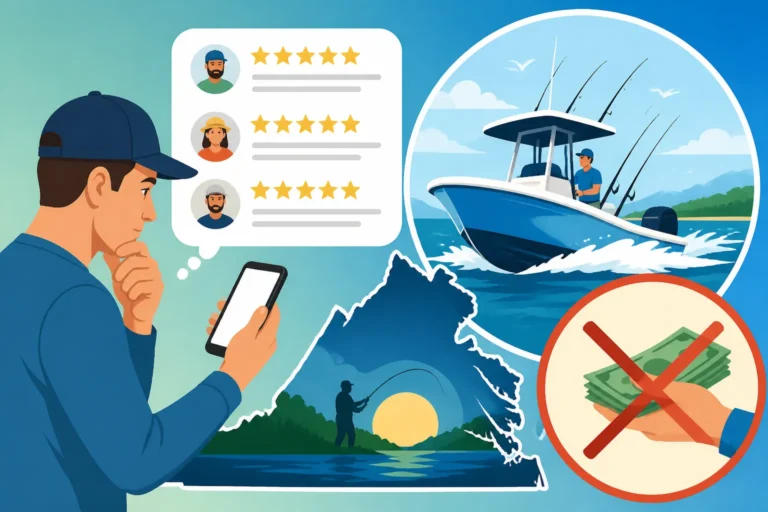
- Read Reviews: Look for charters with consistently positive reviews, paying attention to comments about how they handle cancellations or unforeseen circumstances. Many anglers share their experiences on platforms like FishingBooker or other travel sites.
- Professional Communication: A good charter will be proactive in communicating with you, especially regarding weather. They'll also be easy to reach if you have questions.
- Experience and Local Knowledge: Experienced captains, like those operating out of popular spots such as Chesapeake Bay Fishing Charters in Virginia, often have a better understanding of local weather patterns and how to make the safest and most informed decisions.
- Transparency: They'll clearly state their pricing, what's included, and their refund policies, leaving no room for ambiguity.
Choosing a reputable charter isn't just about catching fish; it's about having a professional, safe, and positive overall experience, even when things don't go exactly as planned. When considering Best Fishing Charters and Guides Near Virginia Beach, always prioritize operators known for their reliability and clear communication. If you're new to charter fishing, reading First Charter Trip Tips for Virginia Beginners can also provide valuable insights into what to expect and how to prepare.
Disclaimer
This article is for general informational purposes only and does not constitute professional advice. Laws, prices and regulations vary by location and change over time. Consult a qualified professional for guidance on your specific situation.