White Perch Fishing Along Virginia’s Tidal Rivers
For anglers venturing into Virginia's expansive tidal rivers, it can sometimes feel like trying to find a needle in a haystack when you're specifically targeting white perch. These feisty, delicious panfish are abundant, but knowing where and how to consistently catch them in such dynamic, ever-changing environments is a challenge many face. This comprehensive guide will unravel the mysteries of white perch behavior in Virginia's tidal waterways, equipping you with the knowledge and tactics to find success on your next fishing adventure.
Understanding Virginia's Tidal Rivers for White Perch
Virginia is blessed with a network of incredible tidal rivers, including the James, York, Rappahannock, and Potomac, among many others. These aren't just big creeks; they are complex ecosystems where freshwater meets saltwater, creating unique conditions that white perch absolutely thrive in. The constant ebb and flow of the tide dictates everything, from water depth and current speed to salinity levels and baitfish movement. Understanding this rhythm is your first step to becoming a successful white perch angler.
When the tide is coming in, bringing that cooler, saltier water upstream, it often concentrates baitfish and, by extension, the predatory white perch. They’ll position themselves in current breaks or along channel edges, waiting to ambush whatever drifts by. Conversely, as the tide recedes, fish tend to drop back into deeper holes or move into tributary creeks, following the water as it drains out. It’s a constant dance, and paying attention to these tidal shifts – even just by observing the waterline at a local pier or boat ramp – can give you a huge advantage. Don't underestimate the power of simply knowing the tide schedule for your chosen river section; it's as crucial as knowing what bait to use.
Another key characteristic of tidal rivers is their structure. These aren't pristine mountain streams; they're often lined with docks, pilings, submerged trees, oyster beds, and channel markers. White perch are structure-loving fish. They seek cover from predators, ambush points for feeding, and relief from strong currents. A lonely old dock with barnacle-encrusted pilings, a rock jetty extending into the current, or a drop-off marked by a channel buoy can be a goldmine. Even subtle changes in the river bottom, like shell beds or small ledges, can hold schools of perch. Learning to "read" the water and identify these potential hotspots is a skill that comes with time and observation, but it's well worth the effort. Consider exploring a river by boat or kayak to really pinpoint these hidden gems, or look for areas with public bank access that offer a mix of current and structure.
Identifying White Perch and Their Habits
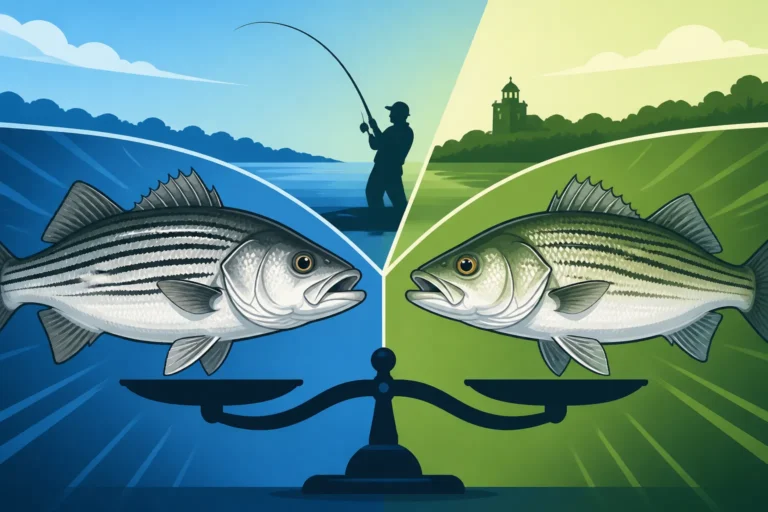
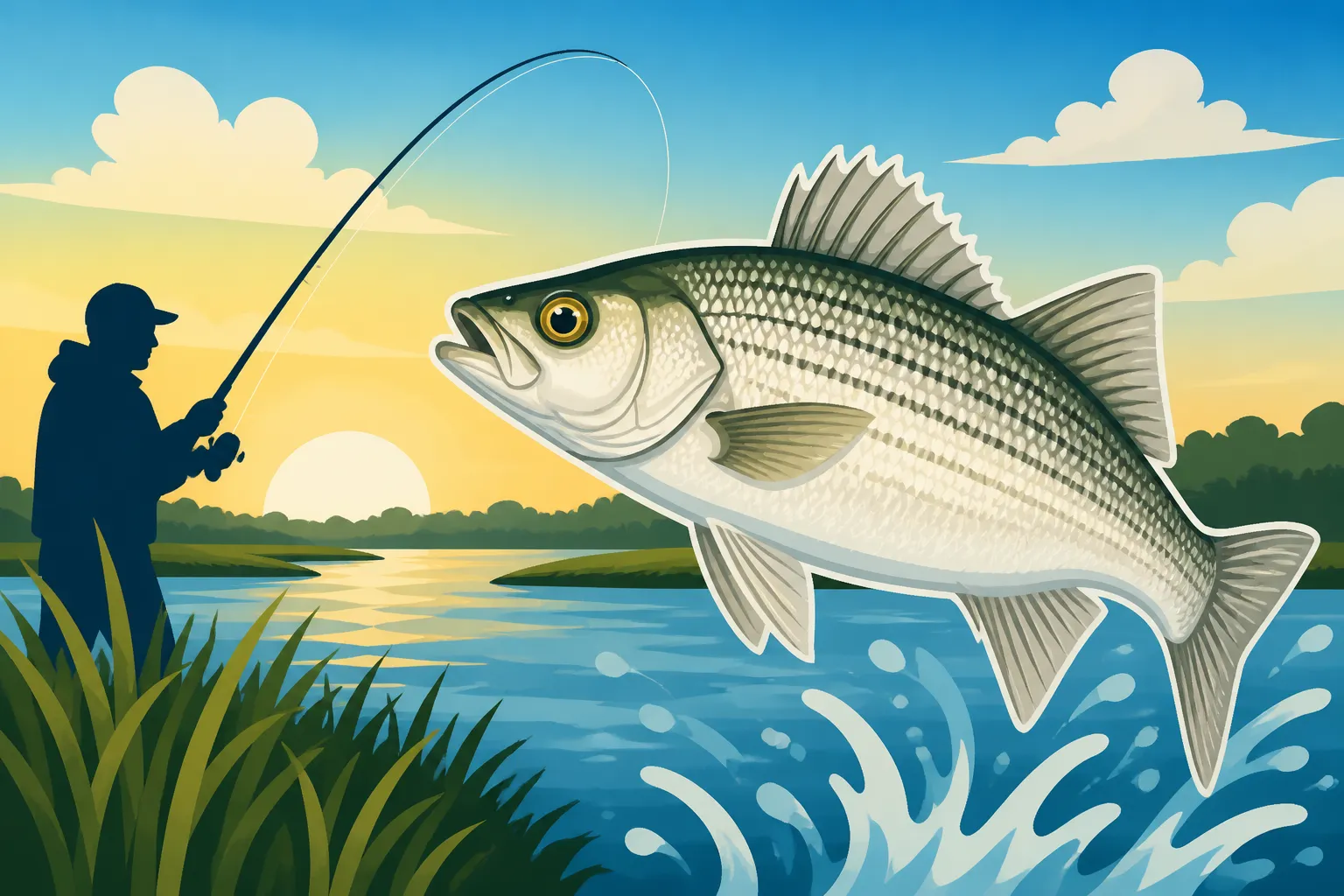
White perch, though often overlooked for their larger cousins, are a fantastic sport fish and even better table fare. They're typically silver with a slightly bronze or greenish tint on their backs, sometimes showing faint vertical bars, especially when they're excited or stressed. You might mistake them for a small striped bass (often called "rockfish" in Virginia) at first glance, but white perch have a deeper, more compressed body shape and lack the distinct horizontal stripes. They also have a single dorsal fin, unlike the two separate dorsal fins of a striped bass. Knowing White Perch vs Yellow Perch: How to Tell Them Apart can be especially helpful if you're pulling in a mixed bag!
These fish are schooling predators, which is great news for anglers. If you catch one, there are almost certainly more nearby. Their diet in tidal rivers is diverse, consisting of small baitfish like silversides and minnows, shrimp, crabs, and a variety of aquatic insects and worms. This opportunistic feeding habit makes them relatively easy to catch once you locate a school. They're most active during periods of moderate current, when food is being swept past their ambush points. Early morning and late evening often see increased activity, as do overcast days, but they can be caught throughout the day if conditions are right.
Understanding their seasonal movements is also vital. In the cooler months of fall and winter, white perch tend to move into deeper channels and holes, often congregating in massive schools. They might be less active, but if you find them, you can have incredible days. As spring approaches and water temperatures rise, they'll push shallower into tributary creeks and flats to spawn. This is a fantastic time for shore anglers, as the fish are more accessible. During the hot summer, they often retreat to deeper, cooler water during the day but will move onto flats and shallower structure to feed during low light periods. Knowing Best Season for Panfish Fishing in Virginia will help you plan your trips.
Effective Techniques and Baits for Tidal River White Perch
Catching white perch in tidal rivers doesn't require a complicated tackle setup, which is part of their appeal. A light to medium-light spinning rod, around 6 to 7 feet long, paired with a small spinning reel spooled with 6-8 pound monofilament or braided line, is perfect. This setup allows for good casting distance, sensitivity to feel their subtle bites, and enough backbone to handle a spirited fight, especially when you hook into a larger specimen. Simplicity is often key, and you can pick up most of what you need on Amazon without breaking the bank.
One of the most consistently effective techniques is bottom fishing with a simple two-hook dropper rig or a bottom-feeder rig. You’ll use a weight at the bottom (usually 1/2 to 1 ounce, depending on current strength) and two snelled hooks (size 4 or 6) tied above it, spaced about 6-12 inches apart. Bait these hooks with small pieces of bloodworm, fish bites, or even small strips of squid. Cast this rig out near structure – docks, pilings, channel edges, or oyster reefs – and let it sink to the bottom. Keep a slight tension on your line; white perch often give a rapid tap-tap-tap before really committing. Setting the hook with a gentle sweep of the rod is usually all it takes. For a deeper dive into bait options, check out Best Bait for White Perch Fishing.
| Bait Type | Pros | Cons | Ideal Conditions |
|---|---|---|---|
| Bloodworms | Highly effective, strong scent | Can be expensive, messy, delicate | All conditions, especially clear water |
| Fish Bites | Durable, easy to store, less messy | Scent not as strong as live bait | Good for light current, general fishing |
| Small Minnows | Natural presentation, enticing | Require livewell or aerator, can be eaten by larger fish | When perch are actively feeding on baitfish |
| Shrimp (cut) | Readily available, decent scent | Can attract other species, easily stolen by small fish | Anytime, effective on various panfish |
| Small Jigs | Versatile, reusable, active fishing | Requires more angler input (jigging) | Active fish, vertical jigging, searching |
When it comes to artificial lures, small jigs are incredibly productive. Think 1/16 to 1/8 ounce jig heads paired with tiny grubs, curly-tail plastics, or even small metal spoons. Chartreuse, white, and pink are often killer colors in the stained waters of tidal rivers. You can cast these out and retrieve them with a slow, steady retrieve or a subtle lift-and-drop motion, mimicking a wounded baitfish or invertebrate. Vertical jigging directly under the boat or from a pier can also be deadly, especially when you've located a school on your fishfinder. Amazon has a fantastic selection of these small jig heads and plastics, often in multi-packs, making it easy to stock up.
Seasonal Considerations for White Perch Fishing
The seasonal ebb and flow of Virginia's tidal rivers dramatically impacts where white perch can be found and how they behave. Understanding these patterns is key to consistent success, no matter the time of year. Each season presents unique opportunities and challenges, and adapting your approach will yield far better results than sticking to one method year-round.
Spring (March – May): This is arguably one of the best times for white perch, especially as they move into shallower water for their spawning run. Look for them concentrated in the upper reaches of tidal creeks and rivers, often in water as shallow as 3-5 feet. They'll be incredibly aggressive, gorging themselves before and after spawning. This is prime time for shore anglers, as the fish are more accessible. Focus on areas with structure like submerged brush, docks, and rocky points where the current isn't too strong. Small jigs tipped with a piece of bloodworm or a Gulp! Alive! minnow imitation, fished on light tackle, can lead to non-stop action. Many anglers find the bite particularly hot during the incoming tide as new water pushes bait into these shallower areas.
Summer (June – August): As water temperatures soar, white perch tend to move into deeper, cooler sections of the main river channels or larger tributary mouths during the brightest parts of the day. They'll often school up over oyster reefs, channel ledges, or around deep pilings. Fishing early morning or late evening often proves most productive, as the perch will move shallower to feed under low-light conditions. During the day, you'll want to target depths of 10-20 feet, sometimes even deeper. Bottom fishing with bloodworms or cut bait is very effective, as is vertical jigging with small metal spoons or heavy jigging spoons when you mark schools on your electronics. Don't be afraid to try some of the public Fishing Spots Near Richmond, Virginia or Fishing Spots Near Virginia Beach, as many of these spots offer deeper water access perfect for summer perch.
Fall (September – November): Fall sees white perch beginning their migration back towards the deeper, main river channels in preparation for winter. This can be another fantastic time to fish, as they're actively feeding to build up fat reserves. They'll still be found around various structures but will start to move into slightly deeper water than in spring. Areas where smaller creeks meet the main river, offering both shallow feeding grounds and quick access to deeper escape routes, are often prime. Trolling small spinner rigs or casting and retrieving small crankbaits can be very effective as schools move around. Don't overlook the same bottom-fishing techniques that work in spring and summer, especially if you find a large school holding in a particular spot. These fish are generally very cooperative in the fall.
Winter (December – February): White perch fishing in winter requires a bit more patience and typically involves targeting deep holes and main channel drops. The fish will congregate in large, dense schools in the warmest available water, often in 20-40 feet or more, particularly during extreme cold snaps. The bite will be subtler, and presentations need to be slower. Vertical jigging with very small, slow-falling jigs or tiny spoons is the name of the game. Using sensitive rods and braided line can help detect those light winter bites. While the action might not be fast and furious, when you find a winter school, you can often catch dozens of fish, making it a rewarding challenge. These deeper, less visible spots are often best found with a boat and fishfinder. For other species, you might be interested in Virginia's Stocked Trout Waters and Seasons or Winter Bass Fishing Techniques.
Ultimately, white perch are a resilient and rewarding species to target in Virginia's tidal rivers. By understanding their environment, habits, and adjusting your techniques throughout the seasons, you'll undoubtedly enjoy many successful days on the water.
Disclaimer
This article is for general informational purposes only and does not constitute professional advice. Laws, prices and regulations vary by location and change over time. Consult a qualified professional for guidance on your specific situation.