Smith Mountain Lake’s Channel and Flathead Catfish Fishery
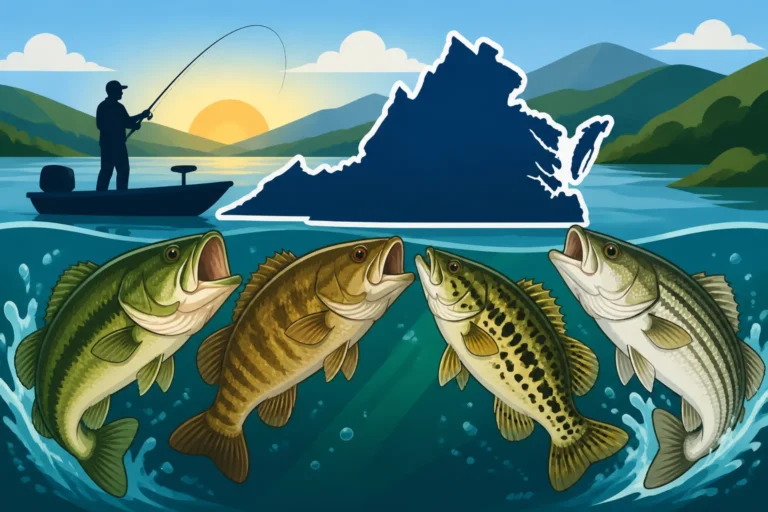
Many anglers hitting the pristine waters of Smith Mountain Lake often set their sights on the famed striped bass or the elusive largemouth. But if you’re overlooking the robust and often trophy-sized catfish that call this massive reservoir home, you’re missing out on some incredible action. This guide is dedicated to bringing these powerful bottom dwellers into the spotlight, offering insights into catching both the abundant channel catfish and the formidable flathead that thrive here.
The Underrated Catfish of Smith Mountain Lake
It’s easy to get caught up in the hype surrounding the game fish that put up a spectacular fight or leap out of the water. But for many experienced anglers, there's a deep satisfaction in targeting the powerful, often mysterious catfish that patrol the depths. Smith Mountain Lake is a prime example of a fishery where catfish, while perhaps not as glamorous, offer an unparalleled fishing experience.
Why Catfish Often Get Overlooked
When you talk about Smith Mountain Lake, the conversation almost immediately shifts to stripers and bass. People come from all over for the chance to hook into a massive landlocked striped bass or to tackle a trophy largemouth. There's a certain allure to the top-tier predators, the ones that strike with aggressive ferocity. Because of this, the humble catfish, quietly thriving in the lake's deeper channels and abundant cover, often gets sidelined. Anglers might accidentally hook one while targeting other species, but rarely do they specifically plan a trip solely for catfish. This perception, however, is a huge disservice to a species that offers a fantastic fight, can grow to impressive sizes, and provides excellent table fare.
Many anglers might not realize the sheer numbers and size potential of Smith Mountain Lake's catfish. They aren't always found in the same glamorous spots as a schooling striper, nor do they often breach the surface like a topwater bass. Instead, they patrol the bottom, using their keen senses to locate food, often preferring the low light of dusk or dawn, or even the cover of night. This solitary, bottom-dwelling nature contributes to their "out of sight, out of mind" status, but savvy anglers know that beneath the surface, a thriving fishery awaits.
A Year-Round Fishing Opportunity
One of the most appealing aspects of fishing for channel and flathead catfish in Smith Mountain Lake is their consistent activity throughout the year. Unlike some species that become incredibly challenging to catch during specific seasons, catfish remain a viable target almost any time you decide to wet a line. When the summer heat makes bass fishing tough, or the winter chill slows down many other species, catfish often remain active, providing a reliable option for dedicated anglers.
During the warmer months, catfish in Smith Mountain Lake are particularly active, often feeding aggressively. This is an excellent time for targeting them, whether from the bank or a boat. As temperatures drop into fall and winter, while their metabolism might slow somewhat, they still feed and can be caught, often congregating in deeper holes and channels where water temperatures are more stable. This consistency makes them a fantastic fallback when other species aren't cooperating, or for those who simply prefer the thrill of a big cat on the end of their line. It’s a species that doesn’t demand perfect conditions, making it an accessible target for anglers seeking action whenever they can get it.
Getting to Know Smith Mountain Lake's Catfish
Smith Mountain Lake is a large, deep reservoir with plenty of varied habitat, making it ideal for several species of catfish. Primarily, you'll encounter two main types here: the common channel catfish and the formidable flathead catfish. While both are "catfish," they have distinct characteristics, preferences, and fishing strategies associated with them. Understanding these differences is key to successful targeting.
Channel Catfish: The Widespread Scavenger
The channel catfish is perhaps the most recognized and widespread catfish species, and Smith Mountain Lake boasts a robust population. These fish are characterized by their smooth, scaleless skin, deeply forked tail, and barbels around their mouth that resemble whiskers. Their coloration can vary, from olive-brown to grayish-blue on the back, fading to white on the belly, often with scattered dark spots, especially on younger fish. In SML, you can expect to catch channel cats ranging from a few pounds up to double-digit weights, with some exceeding twenty pounds.
Channel catfish are often described as opportunistic scavengers, and this holds true in Smith Mountain Lake. They have an incredibly keen sense of smell, which they use to find food in murky or low-light conditions. Their diet is incredibly varied, including insects, crustaceans, smaller fish, and decaying organic matter. This broad diet means they are receptive to a wide array of baits. In Smith Mountain Lake, they tend to frequent areas with a mix of structure and softer bottoms, such as creek channels, points, coves, and the transition zones where mud meets rock. They particularly like areas where food sources might accumulate, or where they can find cover. For more details on the differences between catfish species, check out Channel Catfish vs Flathead Catfish: Which Fights Harder?.
Flathead Catfish: The Ambush Predator
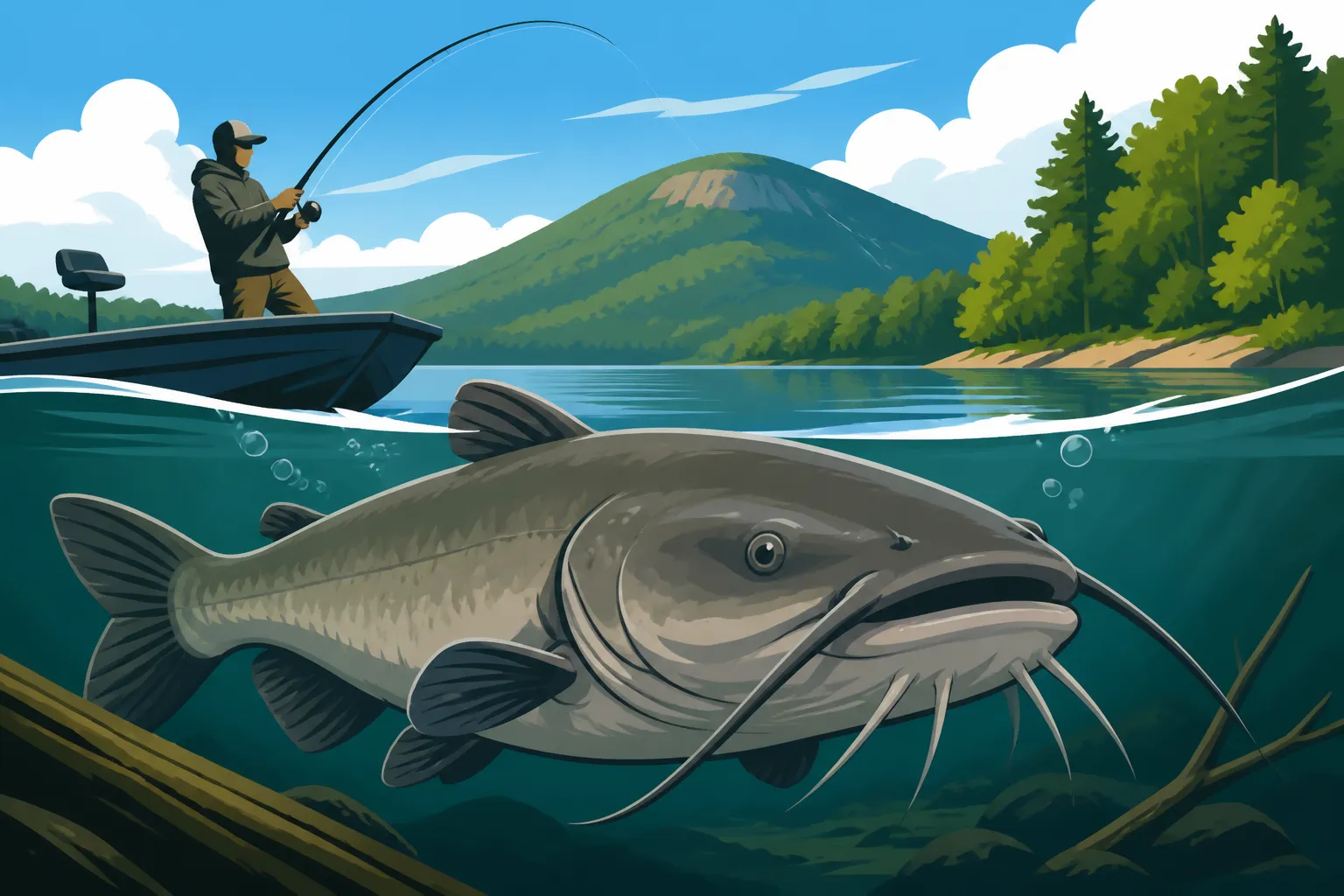
If you're looking for a true trophy cat in Smith Mountain Lake, the flathead catfish is your target. Flatheads are easily distinguishable from channel cats by their broad, flattened head, small eyes, and a more uniform mottled brown or olive coloration without spots. Their tail is square or only slightly notched, not deeply forked. These fish are built like tanks and can grow to truly enormous sizes in SML, with 30, 40, or even 50+ pound fish being a real possibility for dedicated anglers. Just look at the potential of other Virginia lakes, like those mentioned in How Big Do Flathead Catfish Get at Claytor Lake?, and you'll get a sense of what Smith Mountain Lake can produce.
Unlike the channel catfish, the flathead is a true ambush predator. While they will sometimes scavenge, their primary diet consists of live fish, such as bluegill, shad, and even smaller bass or carp. They prefer heavy cover and structure, often hiding in submerged timber, rock piles, bridge pilings, or deep holes with current, waiting for an unsuspecting meal to swim by. In Smith Mountain Lake, this means targeting areas with significant woody debris, old stumps, or deep rocky ledges. Their predatory nature dictates a different approach to bait selection, as they overwhelmingly prefer live bait over prepared or "stink" baits. Targeting these big brutes requires patience and robust tackle, but the reward of landing a massive flathead is unforgettable.
Top Techniques for Smith Mountain Lake Catfish
Catching catfish in Smith Mountain Lake isn't just about dropping a line and waiting; it's about understanding their behavior and presenting your bait effectively. While they aren't always as finicky as bass or stripers, choosing the right technique can drastically increase your success rate.
Bottom Fishing: The Go-To Method
For both channel and flathead catfish in Smith Mountain Lake, bottom fishing is by far the most reliable and popular method. Catfish spend most of their time on or near the lakebed, foraging for food. This technique ensures your bait is right in their strike zone.
Rig Setup: A simple but effective setup is a Carolina rig or a three-way swivel rig.
- Carolina Rig: This involves a sliding egg sinker (½ oz to 2 oz, depending on current and depth) above a swivel, with a 12-24 inch leader (20-50 lb test fluorocarbon or monofilament) tied to a sturdy hook (typically a 3/0 to 8/0 circle hook). Circle hooks are excellent because they are designed to hook the fish in the corner of the mouth, minimizing deep hooking and making catch and release easier if you choose not to keep your fish.
- Three-Way Swivel Rig: This rig uses a three-way swivel. One eye is tied to your main line, another to a short leader (6-12 inches) with a pyramid or bell sinker, and the third to a longer leader (12-36 inches) with your hook. This setup helps keep your bait suspended just off the bottom or allows it to drift slightly with subtle currents, which can be particularly effective.
Bait Selection: This is where the paths for channel and flathead catfish diverge slightly.
- Channel Catfish Baits: Channels are less particular. Classic "stink baits," cut bait (shad, bluegill, herring cut into chunks), chicken livers, and nightcrawlers are all highly effective. Some anglers even have success with hot dogs or shrimp. You can find a vast selection of these baits and specialized catfish rigs online at retailers like Amazon, ensuring you're ready for anything Smith Mountain Lake throws at you. For a comprehensive guide on different baits, refer to Catfish Fishing Techniques and Bait Guide.
- Flathead Catfish Baits: Flatheads prefer live bait. Small live bluegill, sunfish, or shad (check local regulations for baitfish collection) are ideal. Hook them through the back or lips to keep them lively. The struggles of a live baitfish are often irresistible to an ambushing flathead.
Finding the Spots: In Smith Mountain Lake, target creek channels, submerged humps, deep ledges, and transition areas where hard bottom meets soft bottom. Look for areas with significant woody debris or rock piles, especially for flatheads. Using a good fish finder can help identify these structures and even spot larger fish on the bottom.
Jugging and Bank Fishing for Success
While boat fishing allows access to a wider array of spots, there are other effective methods for catching catfish in Smith Mountain Lake, including jugging and bank fishing. Each offers a unique experience and can be incredibly rewarding.
Jug Fishing: This method involves setting out multiple baited lines attached to floating "jugs" (often repurposed plastic bottles or foam noodles). The jugs drift with the current, presenting your bait to actively foraging catfish. When a fish bites, the jug will move erratically or disappear, signaling a hook-up.
- Legality & Setup: Always check Virginia Department of Wildlife Resources (DWR) regulations regarding jug fishing, including the number of jugs allowed, labeling requirements, and times of day it's permitted. A common setup involves a heavy-duty line (50-100 lb test) tied to the jug, with a weight (sinker) and a large, sturdy hook (8/0 to 12/0 circle hook) at the end. Baits for jugging are similar to bottom fishing: cut bait for channels, live bait for flatheads.
- Benefits: Jugging allows you to cover a larger area and can be very productive, especially when catfish are scattered. It’s a more relaxed form of fishing, allowing you to often set out lines and then tend to them as they get strikes.
Bank Fishing: Not everyone has access to a boat, and thankfully, Smith Mountain Lake offers numerous spots for productive bank fishing.
- Access Points: Look for public access areas, parks, or designated fishing piers around the lake. These spots often provide easy access to deeper water near channels or structure. For a general overview of good fishing areas, see Best Fishing Spots in Virginia.
- Techniques for Bank Anglers: Use sturdy rod holders to keep your rods secure while you wait for bites. Cast out your Carolina or three-way rigs into the deeper sections, focusing on drop-offs or submerged cover visible from the bank. Night fishing from the bank can be particularly productive for catfish, as they often move closer to shore to feed under the cover of darkness. Night Fishing Techniques can provide more detail on this.
- Bait & Patience: Again, cut bait, chicken livers, and nightcrawlers are excellent choices for bank anglers targeting channel catfish. Live bait can also be used for flatheads if you're targeting specific deep spots with heavy cover. Patience is key with bank fishing; find a comfortable spot, cast out multiple lines if allowed, and wait for the tell-tale tug on your rod. For more specific advice on this technique, check out How to Catch Channel Catfish From the Bank.
Essential Gear and Tips for Catfish Anglers
Having the right gear and understanding key catfish behaviors can make all the difference between a frustrating outing and a successful one on Smith Mountain Lake. Catfish, especially the larger flatheads, are incredibly strong, so your tackle needs to be up to the task.
Rods, Reels, and Line Choices
When you're chasing catfish, especially the bigger flatheads in a reservoir like Smith Mountain Lake, you need gear that can take a beating and still come out on top. This isn't the time for ultralight finesse setups.
- Rods: Look for heavy to medium-heavy action rods, typically 7 to 9 feet in length. Longer rods offer better casting distance and leverage when fighting a large fish, especially from the bank. A strong backbone is crucial to pull big cats out of heavy cover. You can find excellent catfish-specific rods from brands that are easily available on platforms like Amazon, offering durability and strength.
- Reels: Pair your robust rod with a strong baitcasting reel or a large spinning reel. Both should have a smooth, powerful drag system. A baitcasting reel (like a conventional reel) is often preferred for flatheads due to its torque and ability to handle heavier lines and larger fish more consistently. Spinning reels can work well for channel catfish but ensure it's a larger model with ample line capacity.
- Line: This is not the place to skimp on strength. Monofilament lines in the 20-50 lb test range are common and offer good abrasion resistance, which is important when fishing around rocky or woody structure. Braided line (50-80 lb test) is another excellent option; its lack of stretch provides incredible sensitivity, allowing you to feel even subtle bites, and its thinner diameter for its strength helps with cutting through weeds and heavy cover. If using braided line, a monofilament or fluorocarbon leader is often recommended to provide some shock absorption and make the line less visible to wary fish.
Hooks: As mentioned before, circle hooks are highly recommended, especially for catch-and-release or for anglers who want to ensure a solid, jaw-corner hookup. Sizes 3/0 to 8/0 are standard for channel cats, while 8/0 to 12/0 are often used for targeting trophy flatheads. Ensure they are strong, sharp, and forged from thick wire, as a big flathead can bend a weak hook.
Timing Your Trip and Locating Fish
Even with the right gear, timing and location are paramount for consistent catfish success on Smith Mountain Lake.
- Best Times of Day/Night: While catfish can be caught at any time, they are often most active during periods of low light. This means dawn, dusk, and especially night are prime times. Flatheads, in particular, are nocturnal hunters, often moving out of their daytime hiding spots to patrol shallower areas for food after the sun goes down. Many anglers find great success targeting them after dark.
- Seasonal Considerations: Catfish are active year-round, but their behavior changes with the seasons.
- Spring: As water temperatures rise, catfish become very active, feeding heavily in preparation for spawning. They can be found in shallower coves and creek arms.
- Summer: They remain active, often moving to deeper channels and humps during the day, but will still venture shallow at night. Look for them near thermoclines or areas with good oxygen.
- Fall: As water cools, they again feed aggressively, often found in a variety of depths as they follow baitfish.
- Winter: Catfish will retreat to deeper, stable water, often congregating in large schools in deep holes or channels. They still feed, but often more slowly, requiring patience. For a broader look at the best times, explore Best Time of Year to Catch Catfish.
- Locating Fish:
- Structure is Key: For both species, but especially flatheads, focus on areas with significant submerged structure. This includes rock piles, old timber, stump fields, creek beds, and bridge pilings. Catfish use these areas for cover, ambush points, and as travel corridors.
- Depth Changes: Look for sharp drop-offs, ledges, and channels. Catfish will often patrol these depth transitions, moving up and down to feed.
- Baitfish Presence: If you can locate schools of baitfish (shad, bluegill), especially near structure, you're likely in a good area for predatory flatheads.
- Using Electronics: A good fish finder is an invaluable tool. It can help you identify submerged structures, differentiate between hard and soft bottoms, and even mark individual fish or schools of bait. Pay attention to contour lines on your lake maps to identify promising features before you even launch your boat.
- Currents: While SML is a reservoir, there can be subtle currents, especially near the dam or where tributaries enter. Catfish often position themselves in or near current breaks to ambush food.
Fishing for channel and flathead catfish in Smith Mountain Lake offers a thrilling and rewarding experience for anglers willing to explore beyond the usual targets. With the right techniques, gear, and a bit of patience, you can unlock a truly impressive fishery.
Disclaimer
This article is for general informational purposes only and does not constitute professional advice. Laws, prices and regulations vary by location and change over time. Consult a qualified professional for guidance on your specific situation.