Claytor Lake Crappie Fishing Guide
Crappie fishing on a new lake can feel like an overwhelming puzzle, with anglers often struggling to pinpoint where these elusive panfish hide or what they'll bite. If you're looking to unlock the secrets of consistent crappie catches on Virginia's beautiful Claytor Lake, you've landed in the right spot. This comprehensive guide will arm you with the knowledge and tactics you need to find and catch crappie throughout the year, turning your next trip into a success.
Understanding Claytor Lake's Crappie Population
Claytor Lake, nestled in the scenic New River Valley, is renowned for its diverse fishery, and crappie are a significant part of that appeal. Anglers love pursuing crappie here not just for their feisty fight but also for their delicious taste. But to effectively target them, it helps to understand what kind of crappie you're dealing with and why Claytor Lake offers such prime habitat.
Black Crappie vs. White Crappie in Claytor
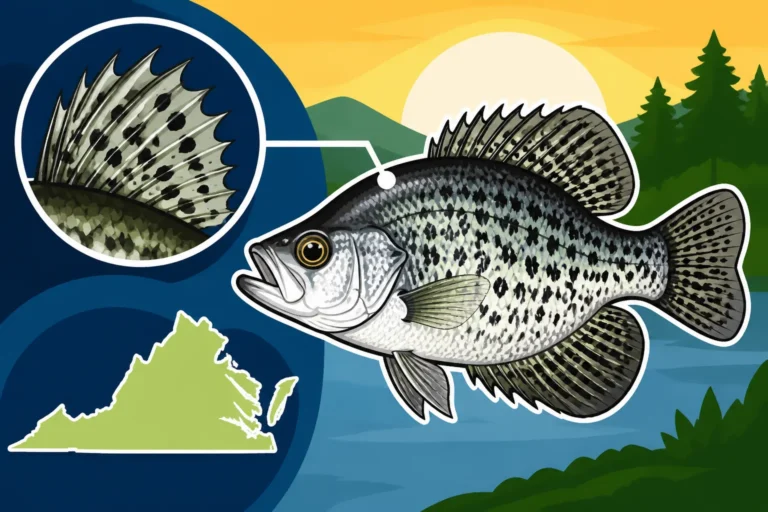
When you're reeling in a crappie from Claytor Lake, you might notice some variations. Virginia waters, including Claytor, are home to both black crappie and white crappie. While they share many characteristics, there are subtle differences in their appearance and typical habitat preferences that can help you identify them and, perhaps, even influence where you decide to cast your line.
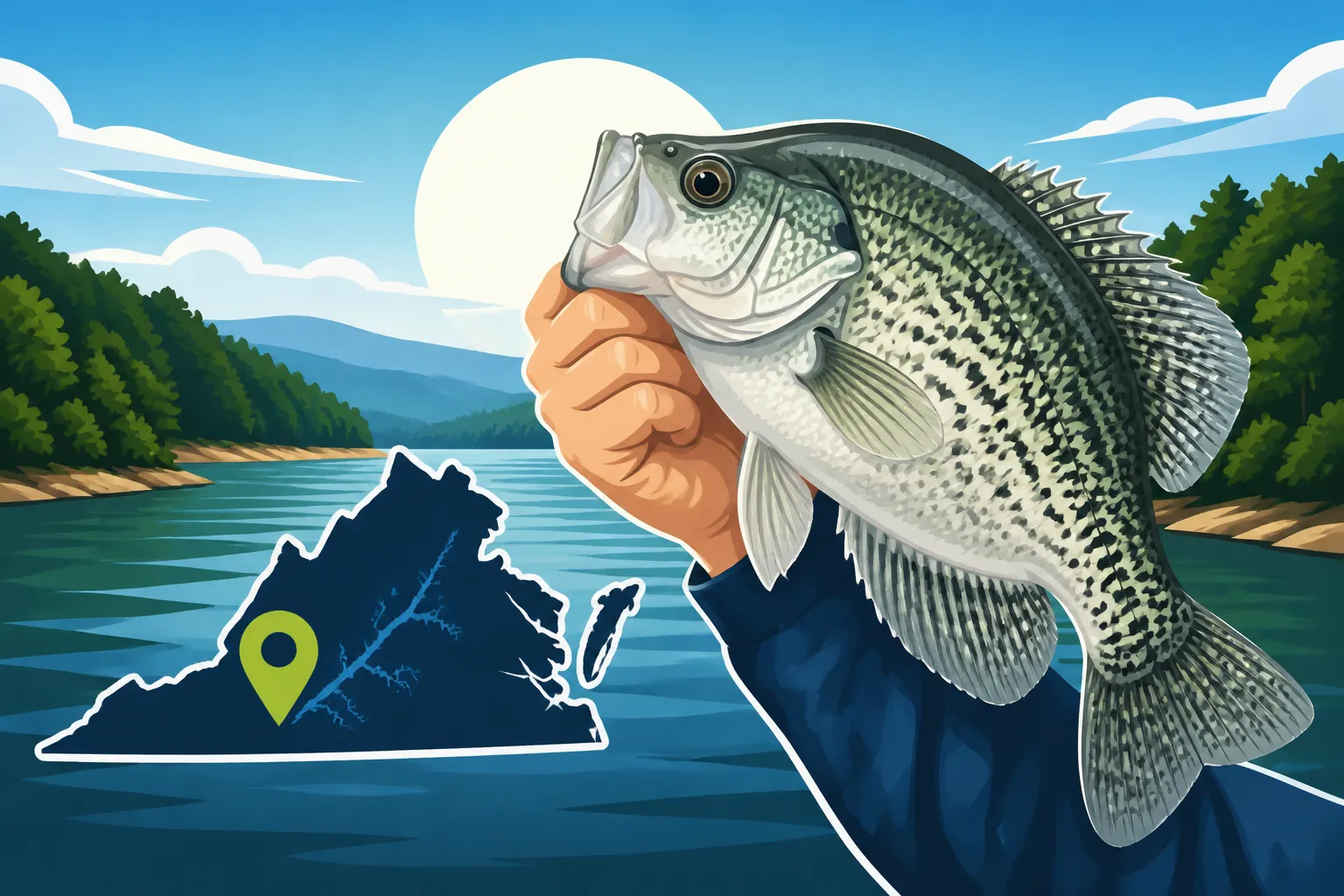
Black crappie, often considered the more common of the two in many clear-water lakes, typically have a darker, mottled pattern with irregular spots scattered across their silvery-green bodies. A key identifying feature is the number of dorsal fin spines; black crappie usually have 7 or 8. They tend to prefer clearer water with more vegetation and structure. White crappie, on the other hand, are generally lighter in color and have distinct vertical bars or stripes along their sides, although these can fade depending on water conditions. They usually have 5 or 6 dorsal fin spines and tend to be more tolerant of turbid water and can often be found in areas with less cover. Understanding these distinctions can give you a slight edge in predicting where you might find your next bite on Claytor. For a deeper dive into their appearance, check out Crappie Identification: Black Crappie vs White Crappie in Virginia.
Why Claytor Lake is a Crappie Haven
Claytor Lake isn't just any lake; it's a massive, deep reservoir formed by the New River, offering an incredible variety of habitats that crappie absolutely love. The lake boasts over 100 miles of shoreline, featuring everything from steep rocky banks and submerged timber to gradual sloping points and brush piles. This diverse environment provides crappie with ample cover for ambush points, shelter from predators, and prime spawning grounds. The fluctuating water levels, especially in the spring, can also play a role, creating new areas of flooded vegetation that become temporary crappie hot spots. The abundance of baitfish, like shad, also contributes to a healthy and thriving crappie population. This rich ecosystem is why Claytor consistently ranks among Best Crappie Fishing Lakes in Virginia.
Prime Seasons and Times for Crappie Success on Claytor
Crappie behavior, like most fish, is heavily influenced by the seasons and water temperature. Knowing when and where to look during different times of the year is crucial for consistent success on Claytor Lake. The patterns shift dramatically from the chill of winter to the heat of summer, and being prepared for these changes will make all the difference.
Spring: The Pre-Spawn and Spawn Frenzy
Ah, spring! This is arguably the most exciting time for crappie anglers on Claytor Lake. As the water temperatures begin to climb into the upper 40s and 50s Fahrenheit, crappie start to move from their deeper winter haunts towards shallower waters, preparing for their annual spawn. This is known as the "pre-spawn" phase, and fish are actively feeding to bulk up for the energy-intensive spawning process. Look for them holding on secondary points, creek channel bends, and around brush piles in 10-20 feet of water.
Once the water temperature consistently hits the mid-50s to low 60s, the crappie spawn is in full swing. They will move right up into very shallow water, sometimes only a few feet deep, seeking out submerged brush, docks, and rocky shorelines to lay their eggs. This is when they are most accessible, and you can often catch them by simply casting small jigs or minnows near visible cover. However, remember to practice good conservation and only take what you need, especially during this critical time. The exact timing varies year to year, but typically, April and May are prime crappie spawning months on Claytor.
Summer and Fall: Deeper Waters and Structure
As the dog days of summer arrive and water temperatures soar, crappie on Claytor Lake retreat to deeper, cooler waters. You'll find them concentrating around main lake points, channel edges, and deep timber. They'll often suspend over these structures, chasing schools of baitfish. During this time, they might be anywhere from 15 to 30 feet deep, or even deeper, depending on the thermocline (the layer of water where the temperature changes rapidly). This is when vertical jigging or slow trolling with spider rigging setups can be incredibly effective. Anglers often refer to their fish finders during this season to locate schools of crappie holding tight to structure or baitfish balls. If you're wondering How to Find Crappie in Summer, focus on those deeper, cooler haunts.
Fall brings a refreshing change to Claytor Lake, and with it, another excellent crappie bite. As water temperatures cool down, crappie become more active again, mirroring some of their spring patterns. They'll start to move back into shallower areas, though often not as shallow as during the spawn, and feed aggressively to put on weight for the upcoming winter. Look for them around brush piles, submerged timber, and deep weed lines in 8-20 feet of water. This is a fantastic time for both casting jigs and using live minnows. The transition periods of early morning and late evening often yield the best results, as crappie are more active during low-light conditions. For general guidance on when to fish, consider Best Time of Day to Catch Crappie.
Winter: Challenging but Rewarding
Winter crappie fishing on Claytor Lake can be challenging, but it can also be incredibly rewarding for those willing to brave the cold. Crappie move to their deepest haunts during the coldest months, often suspending in large schools in the main lake basin or deep channels, sometimes 30-50 feet deep or more. They tend to become lethargic and less aggressive, requiring a slower, more subtle approach.
Vertical jigging with tiny jigs or slowly presenting live minnows directly to suspended fish is the key. Your electronics will be your best friend during winter, helping you locate those tight schools of crappie. Look for steep channel banks, bridge pilings, and deep brush piles. Sometimes, they'll congregate near sources of slightly warmer water, like around power plants if any are nearby, but for Claytor, it's mostly about finding deep structure. While it takes patience, catching a limit of fat winter crappie can be one of the most satisfying experiences. If you're curious about How Deep Do Crappie Go in Winter, they can definitely hug the bottom in deep channels!
Essential Techniques and Baits for Claytor Lake Crappie
Successfully catching crappie on Claytor Lake means having a few tricks up your sleeve when it comes to techniques and bait choices. There's no single magic bullet, but rather a combination of methods that work best depending on the season and where the fish are holding.
Jigging and Tightlining Tactics
Jigging is perhaps the most popular and versatile method for crappie fishing on Claytor Lake. It involves using small, lightweight jigs, typically 1/32 to 1/8 ounce, often tipped with a soft plastic grub, tube, or hair jig. For those just starting out, Crappie Jigging Techniques is a great resource. You can cast and retrieve them, allowing the jig to fall and rise, mimicking a dying baitfish. Or, for fish holding tight to structure or suspended in open water, vertical jigging directly over them can be deadly. Using a sensitive rod and light line (4-6 lb test) is essential to feel those subtle crappie bites. Many anglers find excellent jig options, from various brands and colors, on Amazon to stock up before a trip.
Tightlining, sometimes called "spider rigging" when using multiple rods from a boat, is another highly effective technique, especially when crappie are scattered or when you want to cover a wider area. This involves slowly trolling or drifting with multiple rods spread out, each rigged with a small jig or minnow, often at varying depths until you find the fish. This method allows you to present baits at different levels and speeds, maximizing your chances of hitting the crappie's preferred zone. For beginners, understanding Crappie Tightlining Basics can significantly improve your success. Experiment with different jig colors; you might find that certain shades work better than others on Claytor on a given day. Best Jig Colors for Crappie Fishing can offer some fantastic insights.
Live Bait Favorites
While artificials are great, sometimes nothing beats live bait for enticing a finicky crappie, especially in colder water or when fish are less active. Small minnows are the undisputed champion of live bait for crappie. Hooked lightly through the back or lips, they provide natural action that crappie simply can't resist. You can fish minnows under a bobber in shallow water, tightline them at different depths, or even use them in combination with a jig, creating a "jig-and-minnow" combo that offers both scent and action.
Other live bait options include small worms or even crickets, though minnows are generally preferred for crappie. The key with live bait is to present it naturally and keep it fresh. Carrying a good aerated bait bucket is crucial for keeping your minnows lively throughout your fishing day. When stocking up for a trip to Claytor Lake, you'll often find a good selection of live bait at local tackle shops around the lake. For a comprehensive look at the best options, check out Best Bait for Crappie Fishing in Virginia.
Gear Considerations for Claytor
Having the right gear makes a huge difference. For crappie on Claytor Lake, you'll want light to ultralight spinning rods, typically 5 to 7 feet long, paired with small, sensitive spinning reels. These rods provide the backbone to handle a good fight but enough sensitivity to detect the lightest tap. Monofilament line in 4-6 lb test is a common choice, offering good knot strength and shock absorption, though some anglers prefer braided line for its superior sensitivity, often with a fluorocarbon leader.
Beyond rods and reels, a quality tackle box filled with an assortment of jigs, hooks, bobbers, and sinkers is essential. Don't forget a pair of needle-nose pliers for hook removal and a measuring tape to ensure your catch meets any size regulations. A good pair of polarized sunglasses will help you spot structure and even fish in clearer water. Many anglers swear by a portable fishing seat for comfort during long sessions, and you can find many ergonomic and lightweight options on Amazon.
Finding the Best Crappie Hotspots on Claytor Lake
Claytor Lake is vast, and knowing where to start looking for crappie can be half the battle. While crappie can be found throughout the lake, certain areas and types of structure consistently hold fish. Being able to read the water and understand typical crappie hangouts will significantly increase your odds of success.
Targeting Structure: Docks, Brush Piles, and Submerged Timber
Crappie are masters of cover, and Claytor Lake offers an abundance of it. Docks are prime crappie real estate, especially those with some age to them that have accumulated brush or tires underneath. The pilings themselves provide vertical structure, and the shade they cast offers refuge from bright sunlight. Approach docks quietly and cast small jigs or minnows alongside the pilings and under the platforms.
Brush piles are absolute magnets for crappie. These can be naturally occurring fallen trees and limbs or intentionally placed "fish attractors" by anglers or wildlife agencies. These underwater brushy havens provide crappie with shelter, ambush points, and a place to hide from predators. When you locate a brush pile on your fish finder, meticulously work your bait around and through it. How to Catch Crappie Around Brush Piles offers excellent strategies. Submerged timber, such as old standing trees from before the lake was filled, also acts as a fantastic crappie holding area, especially in deeper water. Mark these spots on your GPS when you find them!
Open Water and Channel Edges
Don't neglect the open water areas of Claytor Lake, especially when crappie are schooling during the summer and winter months. Crappie often suspend in the water column over deeper channels or main lake basins, chasing schools of baitfish. Your fish finder becomes indispensable here, allowing you to locate these schools and present your bait directly to them. Look for major creek channels and the main river channel that runs through Claytor Lake. The edges where these channels drop off are transition zones that crappie frequently patrol.
Slow trolling with multiple lines (spider rigging) is a highly effective way to cover these open water areas and find active schools. You might also find crappie suspending near bridge pilings that span the deeper sections of the lake; these structures offer both deep cover and current breaks that crappie appreciate. Knowing the layout of Claytor Lake, including its old river beds and submerged features, like those found on detailed maps you can pick up at local bait shops or sometimes on Amazon, will give you a significant advantage.
Accessible Shore and Boat Launch Points
Not everyone has access to a boat, and thankfully, Claytor Lake offers several accessible shore fishing options and excellent boat launch points. Claytor Lake State Park is a fantastic resource, providing pier fishing opportunities, bank access, and multiple boat ramps. Many public access areas, parks, and even road turnoffs along the lake's extensive shoreline can offer good bank fishing, particularly in the spring when crappie move shallow.
For boaters, there are numerous public and private boat ramps strategically placed around the lake, making it easy to launch and access various parts of the reservoir. Always check the specific regulations and amenities for each launch, as some may have fees or specific hours of operation. Exploring different parts of Claytor Lake from a boat allows you to reach those more remote brush piles and channel edges that shore anglers can't reach, truly expanding your crappie fishing horizons. For detailed information on lake features, including boat ramps and fishing spots, a detailed guide like Claytor Lake Fishing Spots and Tips can be incredibly helpful.
Disclaimer
This article is for general informational purposes only and does not constitute professional advice. Laws, prices and regulations vary by location and change over time. Consult a qualified professional for guidance on your specific situation.