White Perch: A Beginner-Friendly Virginia Panfish
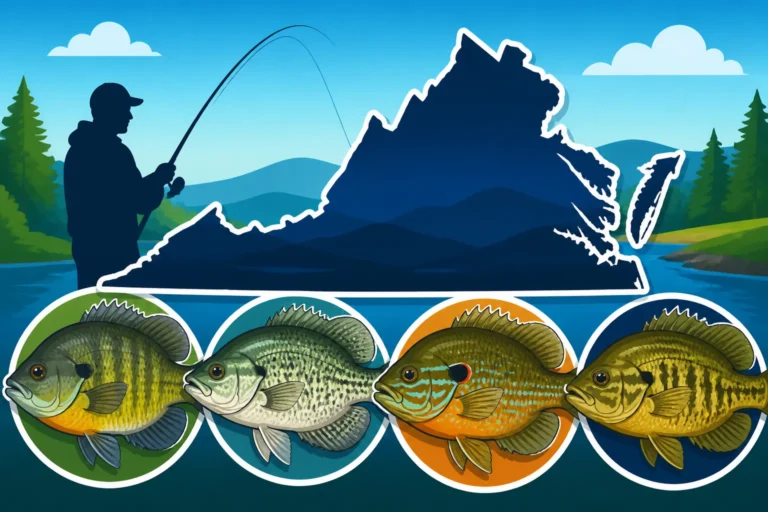
Many aspiring anglers in Virginia often feel overwhelmed by the sheer variety of fish species and the complicated gear sometimes associated with fishing. It’s easy to get discouraged when you see seasoned pros with their fancy boats and tackle. But what if I told you there’s a truly accessible, abundant, and ridiculously fun fish right here in our waters that’s perfect for getting your feet wet, no pun intended? This guide is all about the delightful white perch, a fantastic beginner-friendly panfish that offers consistent action and a delicious reward, proving that you don't need a lot of fuss to enjoy a great day on the water.
An Introduction to Virginia's Welcoming White Perch
When you're first getting into fishing, or even if you're just looking for a low-stress, high-reward outing, it can be tough to pick a target species. Some fish require specific conditions, elaborate rigs, or a deep understanding of their habits. This can feel like a big barrier, especially if you're trying to introduce kids or friends to the sport. That's where the humble white perch shines like a beacon of hope in Virginia's diverse waters. They're not picky, they're plentiful, and they offer a fantastic fight on light tackle, making them an ideal entry point for anyone wanting to experience the joy of a bending rod.
Why White Perch are Perfect for Beginners
One of the biggest hurdles for new anglers is often the perceived complexity of fishing. You might think you need a specialized boat, an armory of expensive lures, or years of experience. With white perch, that simply isn't the case. These fish are incredibly cooperative, often schooling in large numbers, which means if you find one, you're likely to find many more. This abundance significantly increases your chances of success, which, let's be honest, is incredibly motivating for new anglers. There’s nothing quite like the excitement of consistent bites to hook someone on fishing for life. They're also not line-shy or overly cautious, making them forgiving targets for less-than-perfect presentations.
Think about it: imagine taking a child out for their first fishing trip. If they sit there for hours with no bites, they’re going to lose interest quickly. But with white perch, the action can be nearly constant once you hit a school. That constant tug on the line, the thrill of reeling in fish after fish – it’s an unbeatable experience that builds confidence and creates lasting memories. They don't require heavy gear, making them perfect for those little hands, or for anyone who prefers a lightweight, sensitive setup.
Where White Perch Thrive in Virginia
White perch are incredibly adaptable creatures, which is why they're so widespread and accessible throughout Virginia. While they're often associated with saltwater environments, particularly brackish waters, they actually have a remarkable tolerance for a range of salinities. You'll find them flourishing in many of our tidal rivers, the expansive Chesapeake Bay, and even well into freshwater impoundments and lakes that have some connection to tidal systems. This means whether you live near the coast or further inland, there’s a good chance you have excellent white perch fishing opportunities within a reasonable drive.
Consider the mighty James River: as you move upriver from the Chesapeake Bay, the water gradually transitions from salty to brackish, and eventually to pure freshwater. White perch thrive through much of this gradient. The same goes for the Rappahannock, York, and Potomac Rivers. Even some reservoirs that connect to these systems can hold populations. This wide distribution means that anglers across the Commonwealth can enjoy excellent white perch action without having to travel too far from home. Look for them in areas where freshwater meets saltwater, as these transitional zones are often teeming with their preferred forage. If you're near one of Virginia's impressive tidal river systems, you're likely in a prime white perch zone. In fact, many people specifically target White Perch Fishing Along Virginia's Tidal Rivers.
Identifying Your Catch: White Perch Basics
One of the joys (and sometimes frustrations!) of fishing is learning to identify what you've caught. Virginia's waters are home to a myriad of species, and it's important to know what's on the end of your line, not just for bragging rights, but also to understand any specific regulations that might apply. White perch, while distinct, can sometimes be confused with other panfish, especially their cousins, the yellow perch. A little knowledge goes a long way in confidently identifying these fun-to-catch fish.
Key Physical Characteristics
White perch, scientifically known as Morone americana, have a rather distinctive look that, once you learn it, makes them easy to spot. They typically boast a silvery-white or silvery-greenish body, often with a slightly darker back, which gives them good camouflage in various water conditions. They're fairly deep-bodied and somewhat compressed side-to-side, giving them that classic "panfish" shape that fits perfectly in a frying pan! One key feature is their two dorsal fins – the first one is spiny, and the second is soft-rayed. These fins are usually connected, or at least very close together, giving the appearance of a single, long dorsal fin. Their scales are relatively large and easy to see.
Their mouth is also quite telling; it's moderately sized and extends to about the middle of the eye. They don't have the prominent teeth you might see on a predator like a pike, but they do have small, conical teeth perfect for gripping smaller prey. The average size for a white perch caught in Virginia often ranges from 6 to 10 inches, though you can certainly hook into some real "slabs" that push 12 to 15 inches, especially in productive estuaries. Imagine the thrill of reeling in one of those bigger ones on a light rod – it's a blast!
Distinguishing White Perch from Similar Species
While white perch are generally easy to identify, they do have a couple of doppelgangers that new anglers might confuse them with. The most common confusion arises with yellow perch and sometimes even small striped bass or crappie. Understanding the key differences is crucial.
White Perch vs. Yellow Perch: This is probably the most frequent mix-up. Yellow perch, as their name suggests, have a much more pronounced yellowish or golden hue, and they famously have distinct, dark vertical bars running down their sides. White perch, on the other hand, lack these bars and are generally silvery. Furthermore, the yellow perch’s two dorsal fins are usually clearly separated, unlike the typically connected or very close fins of the white perch. Their body shapes are also subtly different, with yellow perch often appearing a bit more elongated. If you're ever wondering, "is it a white perch or a yellow perch?", look for those vertical stripes! Learning the difference between White Perch vs Yellow Perch: How to Tell Them Apart is a valuable skill.
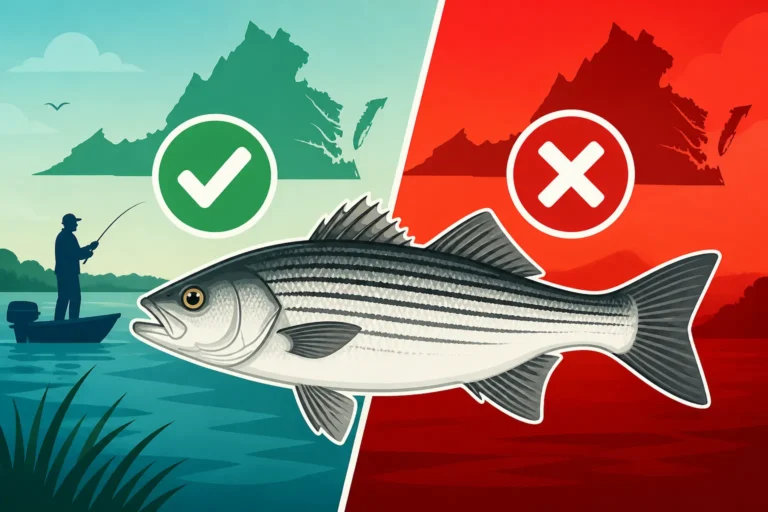
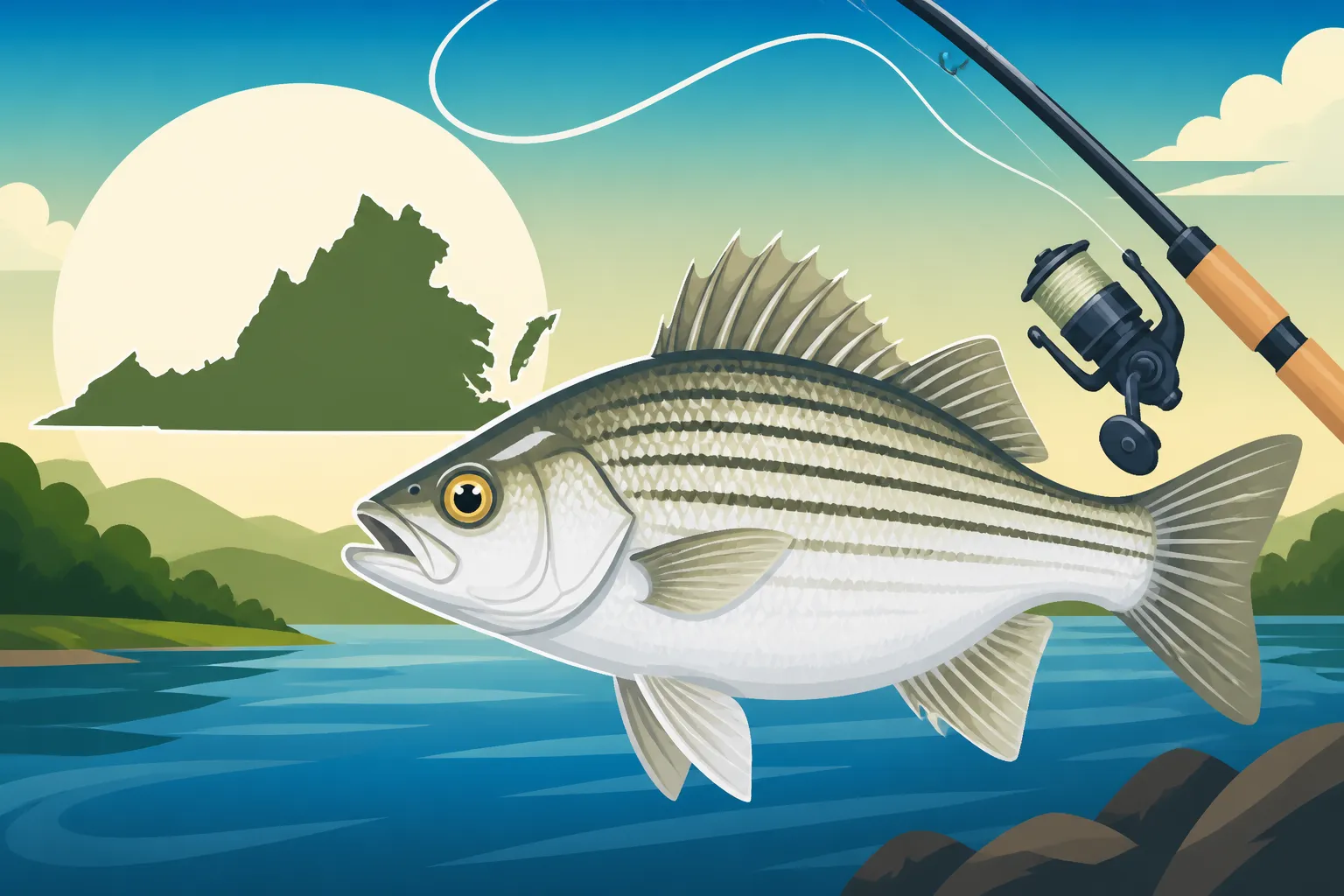
White Perch vs. Small Striped Bass (Rockfish): This can happen, especially with very young striped bass. Both are members of the Morone genus and share some superficial similarities in body shape and coloration. However, the definitive identifier for a striped bass (even a small one) is the presence of distinct horizontal stripes running along its body. White perch, as mentioned, do not have these stripes. Stripers also tend to have a more streamlined, torpedo-like body compared to the deeper-bodied white perch. Remember, if it has clear, dark horizontal lines, it's a striped bass, often called "rockfish" in Virginia.
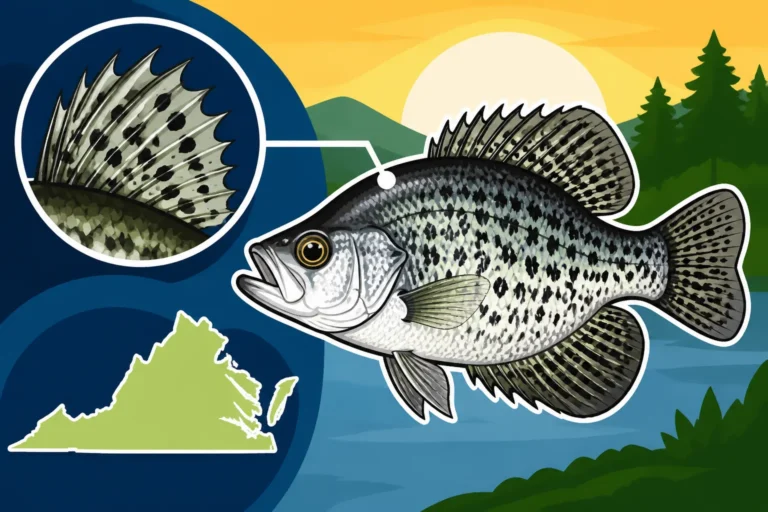
White Perch vs. Crappie: While less common, a very small white perch could be mistaken for a crappie, especially if you're unfamiliar with either. Crappie (both black and white crappie) have extremely compressed, disc-shaped bodies, much flatter than a white perch. They also have a very distinct, often mottled or spotted pattern on their sides, which white perch lack. Their mouths are also quite different, with crappie having a much larger, more upturned mouth.
By keeping these distinctions in mind, you'll soon become an expert at identifying the white perch in your catch.
| Feature | White Perch | Yellow Perch | Small Striped Bass | Crappie (Black/White) |
|---|---|---|---|---|
| Coloration | Silvery-white/greenish, darker back | Yellowish/golden, dark vertical bars | Silvery, distinct horizontal stripes | Mottled/spotted, silvery-grey |
| Vertical Bars | Absent | Present, prominent | Absent | Absent |
| Horizontal Stripes | Absent | Absent | Present, prominent | Absent |
| Dorsal Fins | 2, usually connected/very close | 2, usually clearly separated | 2, usually separated | 2, connected (looks like 1 long) |
| Body Shape | Deep-bodied, slightly compressed | Slightly more elongated, deep-bodied | Streamlined, torpedo-like | Highly compressed, disc-shaped |
| Mouth Size | Moderate, to mid-eye | Moderate | Large, extends past eye | Large, upturned |
Gear Up for White Perch: Simplicity is Key
One of the most appealing aspects of white perch fishing, especially for beginners or those on a budget, is that you absolutely do not need an arsenal of expensive, specialized gear. In fact, a simple, lightweight setup is often the most effective and certainly the most fun. This accessibility makes white perch fishing an excellent entry point into the sport without a huge upfront investment. You can literally grab a basic setup and be ready to catch fish.
Basic Rods, Reels, and Line
For white perch, the mantra is light tackle, light tackle, light tackle! This isn't just about making it easy; it's about maximizing the fun and sensitivity. A light or ultralight spinning rod, typically in the 5 to 7-foot range, is absolutely perfect. These rods are designed to handle lighter lures and baits, and their flexibility makes even a small white perch feel like a formidable fighter. You'll feel every twitch and head shake, which is incredibly exciting. You can find some excellent beginner-friendly combos on platforms like Amazon that include both the rod and reel for a very reasonable price.
Pair that rod with a small spinning reel, something in the 1000 to 2500 size range. These reels are lightweight and balance well with ultralight rods, preventing arm fatigue during a day of casting and reeling. Spool your reel with 4 to 8-pound test monofilament or fluorocarbon line. Monofilament is a great choice for beginners because it's more forgiving, offers good knot strength, and is less expensive. Fluorocarbon offers more sensitivity and less stretch, which can be an advantage, but it's not strictly necessary to get started. Braided line is also an option, especially for seasoned anglers, but the added cost and potential for tangles might make it less ideal for a true beginner. A leader of lighter fluorocarbon (say, 6-pound test) can also be helpful for stealth, especially in clearer waters, but again, keep it simple to start.
Essential Bait and Lure Choices
This is where white perch truly prove their beginner-friendly nature: they are not picky eaters! You don't need exotic, custom-painted lures. Simple, readily available baits and lures will do the trick, and often outperform more complex offerings.
Live Bait: This is arguably the most consistent producer for white perch.
- Worms: Earthworms, nightcrawlers, or even red wigglers are absolutely deadly. They're cheap, easy to find at most bait shops (or even in your garden after a rain!), and perch can't resist them. A small piece of worm threaded onto a hook is often all it takes.
- Minnows: Small live minnows, usually 1-2 inches long, are also fantastic, especially for attracting larger perch. You can hook them through the lip or just behind the dorsal fin.
- Shrimp: Small pieces of fresh or frozen shrimp, often sold for bait, are another excellent option, particularly in brackish or saltwater environments.
Artificial Lures: When it comes to lures, think small and flashy.
- Small Jigs: Tiny lead-head jigs (1/16 to 1/8 ounce) tipped with a small piece of grub, a plastic curly-tail, or even a piece of live bait are incredibly effective. White, chartreuse, and pink are often killer colors. You can buy multi-packs of these soft plastic grubs on Amazon, ensuring you have a variety of options.
- Spinnerbaits: Very small inline spinners (like Rooster Tails or Mepps in 1/16 to 1/8 ounce) with a flashy blade and a small dressing can also entice strikes, especially when retrieved slowly.
- Spoons: Tiny Kastmaster-style spoons or other small jigging spoons can work, particularly when fishing deeper water where white perch are schooled up. They mimic small baitfish.
No matter your choice, presentation is simple. For bait, a basic bottom rig with a small hook (size 4-8), a small weight (split shot or an egg sinker), and a swivel is perfect. For lures, a simple cast and retrieve, perhaps with a few twitches, is usually all it takes. Don't overthink it!
Finding and Fishing for White Perch
One of the great things about white perch is that once you understand their preferred habitats and behaviors, finding them becomes much easier. They tend to stick to certain types of structures and depths, making them a predictable target. Plus, the techniques for catching them are straightforward, meaning less time trying to master complicated maneuvers and more time feeling that satisfying tug on your line.
Prime Habitats and Structures
White perch are drawn to structure, which provides them with both cover and ambush points for their prey. This can be natural or man-made, and they're not particularly choosy.
- Docks, Piers, and Pilings: These are absolute magnets for white perch. The pilings themselves provide vertical structure, and often there's algae and small invertebrates growing on them, attracting baitfish that the perch then feed on. Fishing around public piers or private docks (with permission, of course!) can be incredibly productive. Cast your bait or jig close to the pilings and let it sink.
- Bridge Abutments and Riprap: Bridges that span tidal rivers or creeks are also prime real estate. The concrete abutments, rock riprap, and submerged debris associated with these structures create current breaks and hiding spots. White perch will school up in these areas, especially where there's a good current flow bringing them food.
- Oyster Beds and Shellfish Reefs: In brackish and saltwater environments, oyster beds and other shellfish reefs are like underwater cities for white perch. These provide both food and protection. If you know of any oyster reefs in your area, they're definitely worth exploring. You might need a boat or kayak to access some of these, but many are accessible from shore during lower tides.
- Channels and Drop-offs: In lakes and wider river sections, white perch often orient themselves along the edges of channels or where the bottom drops off into deeper water. These depth changes act like highways for baitfish, and the perch will lie in wait. Using a simple fish finder on a boat or even just looking for deeper pockets from shore can help you locate these areas.
- Submerged Vegetation and Timber: Weedy flats, lily pad fields, or areas with submerged logs and brush piles are also great spots. These offer cover and attract smaller fish and insects, which are on the white perch's menu. A Carolina rig or a small jig worked slowly through these areas can be very effective. Many of Virginia's Best Freshwater Fishing Destinations will have these types of structures.
Remember, white perch often school, so if you catch one, keep fishing the exact same spot. There are likely many more!
Simple Techniques for Success
The beauty of white perch fishing lies in its straightforwardness. You don't need to master complex casting techniques or intricate retrieves. Here are a couple of go-to methods that consistently produce:
-
Bottom Fishing (Still Fishing): This is probably the easiest and most common technique, perfect for beginners. Set up a simple bottom rig: tie a small hook (size 4-8) to your main line, then add a small sinker (like a split shot or an egg sinker, typically 1/8 to 1/2 ounce depending on current and depth) above the hook. Thread a piece of worm, shrimp, or a small minnow onto the hook. Cast it out, let it sink to the bottom, and wait.
- Scenario: You're fishing from a public pier on the James River. You cast your worm-tipped hook near a bridge piling. The line goes slack as it hits bottom. You reel up the slack until your rod tip has a slight bend. Within minutes, you feel a series of sharp taps – that’s a white perch nibbling! You gently lift the rod tip to set the hook and reel in your first catch. This simple technique works wonders, and you can fish multiple rods if regulations allow, increasing your chances.
- Tip: Sometimes, lifting your rod slightly and letting the bait settle back down can trigger a bite. This little "jigging" motion can imitate a struggling baitfish.
-
Light Jigging: This technique is more active and incredibly fun. Use a small jig head (1/16 to 1/8 ounce) tipped with a small soft plastic grub (curly tail or paddle tail) or a piece of live bait. Cast it out and let it sink to the desired depth (often near the bottom). Then, impart a subtle jigging motion by lifting your rod tip a few inches and letting it fall back, reeling in slack as you go. The bites often come on the fall, so pay close attention to your line!
- Scenario: You’re in a small boat or kayak, drifting slowly over a submerged shell bed. You drop your chartreuse grub jig down and feel it hit bottom. You give it two small hops, then let it pause for a second. Thump! Your rod instantly doubles over. It's a school of white perch, and they're attacking the jig aggressively. This technique is fantastic for covering ground and finding active fish. Many anglers find Best Bait for White Perch Fishing includes these small jigs and grubs.
- Tip: Experiment with retrieve speed and jigging cadence. Sometimes they want a slow, steady pull; other times, sharp, quick snaps are the key.
No matter which method you choose, remember to pay attention to your rod tip. White perch bites can be subtle at times, especially in cold water. A slight tap, a sudden slackening of the line, or a steady pull can all indicate a bite. Be ready to set the hook with a gentle but firm upward sweep of your rod. For those looking to get started with minimalist gear, you can often find fantastic starter kits on Amazon that include small jigs and soft plastics, perfect for these techniques.
Seasonal Strategies for White Perch
Just like any fish, white perch behavior and location can shift with the changing seasons. Understanding these patterns can greatly improve your success rate. While white perch are generally cooperative year-round, knowing where to look and what techniques to favor during different times of the year can turn a good fishing trip into a truly fantastic one.
Spring and Summer Hotspots
Spring: As water temperatures begin to rise in early spring, white perch become very active, especially as they move into shallower waters for spawning. This is often one of the best times to target them.
- Shallow Spawning Areas: Look for them in the shallower sections of tidal rivers, creeks, and estuaries, particularly areas with muddy bottoms and submerged structure like brush piles or fallen trees. They'll congregate in these warmer, protected areas.
- River Runs: In larger river systems, white perch will often make significant upstream migrations from deeper main channel areas into smaller tributaries to spawn. Finding these "runs" can lead to incredible action.
- Scenario: It's April, and the dogwoods are blooming. You head to a creek that feeds into the York River. You focus on a bend in the creek with some submerged logs. Casting a small worm and bobber rig allows your bait to drift naturally with the gentle current. Almost immediately, your bobber dips, and you're into a nice fat perch. The action continues as you find a whole school gathered there. This is a classic spring white perch scenario.
Summer: During the heat of summer, white perch will generally move to deeper, cooler water, but they will still be near structure and food sources. Early morning and late evening often provide the best bite during the hottest months.
- Deep Water Structures: Focus on deeper docks, bridge pilings, channel edges, and submerged humps or drop-offs. They'll use these areas for refuge from the sun and to ambush baitfish.
- Night Fishing: Don't overlook night fishing in summer! White perch are often active after dark, especially around lighted docks or bridges where baitfish are attracted to the light. This can be a surprisingly productive and peaceful way to fish.
- Scenario: It’s a sweltering July afternoon, and the bite has slowed. You decide to try fishing under a bridge on the Rappahannock River around dusk. Using a small jig tipped with shrimp and letting it sink near the concrete pillars in about 15 feet of water, you start getting solid bites. The cooler air and the perch’s preference for deeper water in daylight hours (or feeding more actively at night) combine for a successful outing. Remember to check local regulations for Night Fishing Techniques.
Fall and Winter Tactics
Fall: As water temperatures start to drop in the autumn, white perch become very active again, feeding heavily to prepare for winter. This can be another fantastic season for numbers and often for larger fish.
- Transition Zones: They’ll often be found in transitional areas, moving between deeper summer haunts and shallower fall feeding grounds. Look for them in areas where channels meet flats, or along the edges of oyster reefs.
- Schooling Behavior: White perch will often school up very tightly in the fall, making them easier to locate with electronics if you're in a boat. Once you find a school, you can often catch fish after fish.
- Scenario: It’s a crisp October morning, and you're fishing from your boat on the lower James River. You notice some birds diving on baitfish near a channel marker. You drop a small jigging spoon down to the bottom in that area. As soon as it hits, you lift and drop, and bam! A strong strike. You've found a large school of perch aggressively feeding on baitfish. This kind of active, school-oriented fishing is characteristic of the fall.
Winter: While fishing can slow down in winter, white perch are still catchable. They tend to congregate in deep, relatively stable areas, often in large, inactive schools.
- Deep Holes and Channels: Look for the deepest holes and channels in rivers and lakes, especially those that are protected from strong currents. They'll hold in these areas where the water temperature is more stable.
- Slow and Subtle: Your presentation needs to be much slower and more subtle in winter. A small jig or bait presented on a tight line, with minimal movement, is usually best. Vertical jigging directly over a school is often the most effective method.
- Scenario: It’s January, and the air is cold, but you’re bundled up on a calm stretch of a tidal creek. You know there’s a deep bend in the channel that holds fish in winter. You use your fish finder to locate a school of fish on the bottom in 20 feet of water. Dropping a tiny ice jig tipped with a piece of worm, you slowly bounce it just above their heads. The bites are light, almost imperceptible, but with patience, you start pulling up plump white perch, testament to the fact that Winter Bass Fishing Techniques can apply to other species like perch, just needing adaptation.
No matter the season, remember that a Virginia Fishing License Guide is essential before you head out, and always check the local regulations for any specific rules or limits that might apply to white perch in your chosen body of water.
Beyond the Catch: Enjoying Your White Perch
So you've had a fantastic day catching a mess of white perch – congratulations! Now comes the next exciting part: preparing them. White perch are not just fun to catch; they're also absolutely delicious, making them a fantastic table fare. Plus, understanding how to clean them properly and practicing responsible angling ensures that these wonderful fish remain a resource for everyone to enjoy for years to come.
Cleaning and Cooking Tips
One of the great things about white perch, besides their cooperative nature, is how good they taste. Their flesh is white, flaky, and mild, making them a versatile fish for various culinary preparations.
Cleaning: White perch are relatively easy to clean, even for beginners.
- Scaling: You can scale them (remove the scales with a fish scaler or the back of a knife) and cook them whole, which is a popular method, especially for smaller fish. Simply hold the fish firmly and scrape against the grain of the scales, working from tail to head.
- Filleting: For larger perch, filleting is an excellent option. Using a sharp fillet knife, make a cut behind the gill plate down to the backbone, then turn your knife and slide it along the backbone, separating the fillet from the rib cage. Flip the fish over and repeat on the other side. Then, you can remove the skin from the fillet by making a small cut at the tail end and sliding your knife between the skin and the flesh. If you've never filleted a fish before, there are tons of great video tutorials online that can walk you through it. Practice makes perfect, and with a pile of perch, you'll get plenty of practice!
Cooking: The mild flavor of white perch means they shine with simple preparations.
- Frying: This is probably the most classic and popular way to enjoy white perch. Dip the fillets or scaled whole fish in an egg wash, then dredge them in a seasoned cornmeal or flour mixture. Fry them in hot oil (vegetable, peanut, or canola) until golden brown and crispy. They cook quickly, usually just a few minutes per side, depending on thickness. Serve with hushpuppies, coleslaw, and a squeeze of lemon – pure comfort food!
- Baking/Broiling: If you prefer a lighter option, white perch fillets can be baked or broiled. Season them with salt, pepper, garlic powder, and a dash of paprika, then brush with butter or olive oil. Bake at 375°F (190°C) for 10-15 minutes or broil for 5-7 minutes, until the flesh is opaque and flakes easily with a fork.
- Grilling: Larger fillets can also be excellent on the grill. Place them in a grill basket or on foil to prevent them from sticking or falling through the grates.
- Scenario: After a successful morning catching a cooler full of white perch, you head home, clean your catch, and prepare some fillets. You lightly bread them with a store-bought seasoned fish fry mix from Amazon, then pan-fry them in hot oil. The smell fills the kitchen, and your family gathers, eager for a taste of fresh, delicious fish you caught yourself. There's immense satisfaction in providing a meal from your own angling efforts! It's one of the reasons many anglers ask Is White Perch Good to Eat?.
Conservation and Responsible Angling
While white perch are abundant, it’s still incredibly important to practice responsible angling and conservation. This ensures that future generations can enjoy the same fantastic fishing opportunities you do.
- Know the Regulations: Always, always check the current Virginia Department of Wildlife Resources (DWR) regulations for white perch in your specific body of water. While white perch generally have generous or no creel (catch) limits in many areas due to their abundance, regulations can change. Knowing the Virginia Fishing Rules Every Angler Should Know is fundamental. Ignorance of the law is never an excuse.
- Handle Fish Carefully: If you plan to release fish, do so quickly and carefully. Minimize their time out of the water, handle them with wet hands, and support their body weight. If a fish is deeply hooked, it’s often best to cut the line rather than try to remove the hook, as this can cause more damage.
- Don’t Waste Fish: Only keep what you intend to eat or legally possess. Don’t just catch and discard fish. If you’re catching more than you need, consider practicing catch and release. This is especially true for Virginia Panfish Fishing for Beginners and Kids – teach them the importance of responsible angling from day one.
- Leave No Trace: Pack out everything you pack in. This includes old fishing line, bait containers, and any other trash. Our waterways are precious, and it’s up to all of us to keep them clean.
- Support Conservation: Your purchase of a Virginia Fishing License Guide directly contributes to the conservation efforts of the DWR, funding habitat restoration, fish stocking programs, and law enforcement. This is why buying that license is so important – it helps keep our fisheries healthy and thriving.
White perch fishing is a fantastic way to enjoy the outdoors, spend time with loved ones, and put some delicious food on the table. With a simple approach and respect for the resource, you’re set for countless rewarding adventures on Virginia's waters.
Disclaimer
This article is for general informational purposes only and does not constitute professional advice. Laws, prices and regulations vary by location and change over time. Consult a qualified professional for guidance on your specific situation.