White Catfish Identification for Virginia Anglers
It’s a common frustration for many anglers in Virginia: you pull in a catfish, and then you're left wondering, "What kind of catfish is this, anyway?" With several species calling our waters home, it’s easy to get them mixed up, especially when it comes to the sometimes-elusive white catfish. This guide is here to unravel that mystery, providing clear identification markers, habitat clues, and fishing insights specifically for the white catfish, helping you confidently identify your catch and improve your angling success.
Unraveling the Mystery: What Makes a White Catfish Unique?
When you’re out on the water, whether it’s a quiet creek or a bustling river, seeing a splash and then reeling in a fish can be exhilarating. But the moment of truth comes when that fish is in your hand. Is it a channel cat? A bullhead? Or that less common, often misunderstood white catfish? Knowing the specific characteristics of a white catfish is crucial, not just for bragging rights, but for understanding its behavior and adhering to local regulations. Let's really dig into the subtle (and not-so-subtle) features that set them apart.
The Distinctive Head and Jawline
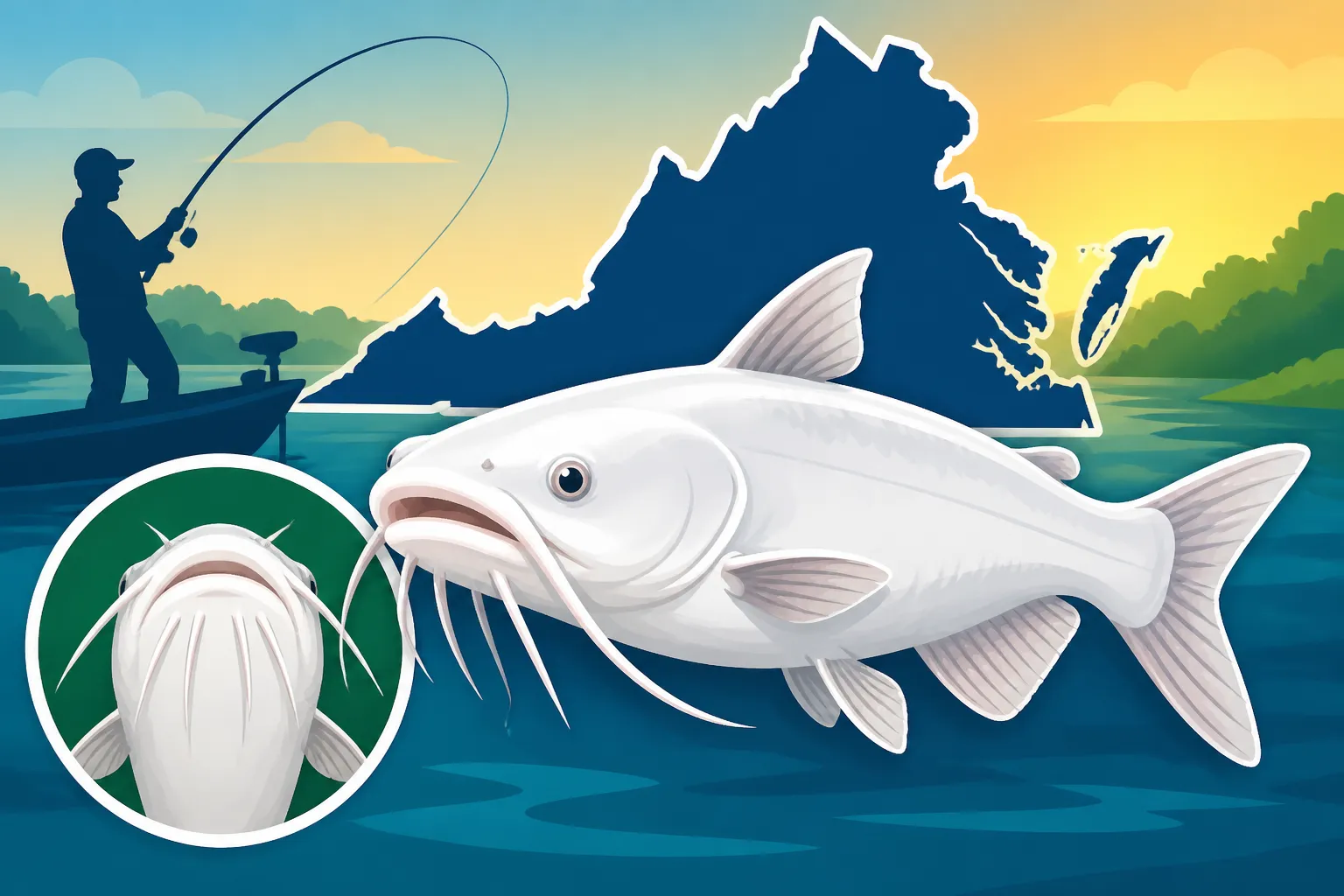
One of the first places to look for identifying characteristics on any catfish is its head. For the white catfish, their head is noticeably broader and flatter than many of their whiskered cousins. Think of it less like a sleek, pointed torpedo and more like a somewhat squat, robust brick. This broadness gives them a distinct look that, once you learn it, becomes much easier to pick out from the crowd.
Beyond the overall shape, pay close attention to the eyes and mouth. White catfish tend to have smaller eyes relative to their head size, often set a bit higher and more forward than you might see on, say, a flathead. Their mouth is also typically smaller and slightly subterminal, meaning the upper jaw protrudes just a tad over the lower jaw. This smaller, less pronounced mouth can be a key indicator, especially if you're comparing it side-by-side with a large-mouthed channel cat or a massive flathead.
Of course, no catfish identification is complete without discussing the barbels, those whisker-like sensory organs. White catfish have eight barbels, just like channel catfish, but their coloration and placement can be telling. While channel cats often have dark or mottled barbels, the white catfish usually sports barbels that are a uniform white or pale yellow, sometimes even translucent, particularly on their chin. This consistent pale color is a strong distinguishing feature, especially for the four barbels located on the chin.
Fin Features and Body Build
Moving down from the head, the body and fins offer further crucial identification points. White catfish have a somewhat stocky, robust body shape, which can appear compressed from side to side when compared to the rounder, more elongated body of a channel catfish. They're not as bulky or flat-bellied as a large flathead, but they definitely have a noticeable girth, especially around the shoulder area.
Now, let's talk fins, specifically the anal fin. This is perhaps the most reliable physical trait for distinguishing a white catfish from its common lookalikes. The anal fin of a white catfish is relatively short and deep with a straight, rounded margin. More importantly, count the rays! White catfish typically have 19-22 rays in their anal fin. This is significantly fewer than a channel catfish, which boasts 24-29 rays and has a much longer, more curved anal fin margin. It's a subtle difference, but one that expert anglers and fisheries biologists rely on.
The caudal fin, or tail, also offers a clue. Unlike the deeply forked tail of a channel catfish, or the rounded, sometimes slightly notched tail of a flathead, the white catfish generally has a moderately forked or sometimes even slightly notched tail. It's not as dramatically split as a channel cat's, but it's rarely perfectly straight or entirely rounded like a bullhead's. Think of it as a compromise between the two, which, along with the anal fin ray count, can seal the deal on your identification.
Subtle Shades and Body Markings
While the name "white catfish" might suggest a uniformly pale fish, their coloration can actually vary quite a bit depending on their habitat, water clarity, and diet. You might encounter individuals that are a light, silvery-gray on their flanks, transitioning to a creamy white on their belly. However, it's not uncommon to find them with darker, olive-brown backs, especially if they come from murkier waters or areas with darker bottoms.
What's key here is the absence of certain markings. Unlike the channel catfish, which often displays scattered dark spots on its sides, especially when younger, the white catfish is typically spotless. Its sides are generally uniform in color, lacking any distinct patterns or mottling that would make you confuse it with other species. This plain, unblemished flank is a strong indicator.
Another point to note is the general sheen of their skin. White catfish often have a somewhat slimy, almost iridescent sheen when wet, which can be quite beautiful. The belly is consistently white or a very light cream. So, while the back color might shift from olive to dark gray, that spotless, often silvery or pale flank combined with a bright white belly and pale barbels usually points to a white catfish.
Side-by-Side: White Catfish vs. Other Virginia Catfish
The real challenge in catfish identification often comes when you're faced with multiple species in the same waters. Virginia is home to several types of catfish, and their similarities can sometimes lead to confusion. Understanding the subtle yet crucial differences between white catfish and their more common relatives, like the channel and flathead catfish, is key to confident identification. It's not just about looking at one feature; it's about comparing a suite of characteristics.
Spotting the Differences from Channel Catfish
Channel catfish are arguably the most widespread and frequently caught catfish species in Virginia, so comparing them to white catfish is essential. The most immediate and striking difference is often the tail. Channel catfish are renowned for their deeply forked tails, almost like a swallow's tail, which is a stark contrast to the white catfish's moderately forked or slightly notched tail. If that tail is deeply, unequivocally split, it's almost certainly a channel cat.
Beyond the tail, the anal fin offers another clear distinction. As mentioned earlier, channel catfish have a much longer anal fin with a more curved or rounded margin and significantly more rays (typically 24-29) than the white catfish (19-22 rays). Picture the channel cat's anal fin as a graceful, extended curve, while the white catfish's is shorter and straighter. When you're fishing and catch a small cat, if you count those rays, you’ll know for sure.
Finally, consider the body and coloration. Young channel catfish are famous for their dark spots on their sides, though these spots can fade or disappear as they grow larger. White catfish, in contrast, rarely if ever display these spots. Channel cats also tend to have a more slender, elongated body shape compared to the white catfish's stockier build. And while both can have pale bellies, the barbels of a channel cat are usually dark, while those of a white catfish are consistently pale or white. If you're looking for gear, like a specific catfish rig, you can find a great selection of options on Amazon that might include different hooks and weights suited for both species.
How White Catfish Differ from Flathead Catfish
Flathead catfish are the behemoths of the Virginia catfish world, known for their immense size and predatory nature. Distinguishing them from white catfish is usually less subtle than with channel cats, but it's still good to know the key markers. The first and most obvious difference is the head shape. Flatheads have a distinctly broad, flat head – hence their name – with small eyes positioned high on their head. White catfish have a broad head too, but it's not nearly as flattened as a flathead's.
Next, look at the jawline and mouth. Flathead catfish have a prominent lower jaw that extends beyond the upper jaw, giving them an underslung appearance, perfect for their ambush predatory style. Their mouths are also much larger. White catfish, conversely, have a slightly subterminal mouth where the upper jaw barely overhangs the lower, and their mouth opening is much smaller. This difference in mouth structure reflects their distinct feeding behaviors.
Their coloration and body shape are also very different. Flatheads typically have a mottled, camouflaged pattern of olive, brown, and yellow on their sides and back, helping them blend in with rocky or woody bottom structures. White catfish, as we discussed, are generally uniform in color on their flanks, lacking these mottled patterns. Furthermore, flatheads are much more elongated and muscular, growing to truly enormous sizes, while white catfish are stockier and rarely exceed a few pounds. Their tails are also distinct; flatheads typically have a rounded or slightly notched tail, never deeply forked like a channel cat, but also not quite the moderate fork of a white cat. Learning to differentiate them is crucial, especially when discussing Virginia Catfish Species: Channel, Flathead, and White Compared.
A Quick Look at Bullheads
Bullheads (primarily brown, black, and yellow bullheads) are another group of smaller catfish often found in Virginia waters, and they can sometimes be mistaken for smaller white catfish, especially by newer anglers. The primary differentiator here is the tail. All bullhead species have tails that are either square or very slightly emarginate (notched), but never distinctly forked like a white catfish. If that tail is even moderately forked, it’s not a bullhead.
Another key feature is the barbels. While white catfish have pale or white barbels, bullheads typically have dark, often black, barbels on their chin. The overall body shape of a bullhead is also more stout and less elongated than a white catfish, often with a slightly more rounded head profile. They generally don't grow as large as white catfish either, making size a secondary indicator for adult specimens. Getting to know the nuances of White Catfish vs Channel Catfish: Key Differences and even bullheads will certainly enhance your fishing experiences.
| Feature | White Catfish | Channel Catfish | Flathead Catfish | Bullhead Catfish |
|---|---|---|---|---|
| Tail Shape | Moderately forked/slightly notched | Deeply forked | Rounded or slightly notched | Square or very slightly emarginate |
| Anal Fin Rays | 19-22 | 24-29 | 14-17 | 17-27 (species dependent) |
| Head Shape | Broad, somewhat flat | Tapered, slender | Very broad, extremely flat | Rounded, bulbous |
| Mouth Position | Slightly subterminal | Terminal | Lower jaw protrudes | Terminal |
| Barbels | White/pale/translucent | Dark/mottled | Dark, usually short | Dark/black |
| Body Color | Uniform silvery-gray/olive, spotless | Gray/silver, often spotted (young) | Mottled brown/yellow/olive | Dark brown/olive, sometimes mottled |
| Typical Size | 1-5 lbs (up to 10-15 lbs) | 2-10 lbs (up to 30+ lbs) | 10-50+ lbs (can exceed 100 lbs) | <1-3 lbs |
Habitat and Behavior Clues for Identification
Beyond just looking at the fish once it's on your line, understanding where a white catfish prefers to live and how it behaves can offer significant clues to its identity even before you make the catch. Knowing their preferred haunts allows you to target them more effectively and, in turn, helps you anticipate what you might reel in. It's like being a detective, looking for environmental evidence to confirm your suspicions.
Preferred Water Bodies and Conditions
White catfish are remarkably adaptable, but they do have certain preferences. In Virginia, you’ll often find them in slower-moving waters, making them common inhabitants of many of our state's lakes, ponds, and larger tidal rivers, especially in the eastern and central regions. Unlike some other catfish species that thrive in strong currents, white catfish prefer areas where the water flow is gentle, allowing them to cruise for food without expending too much energy.
They tend to gravitate towards areas with soft, muddy, or sandy bottoms. Think about those calmer coves, oxbows, and backwater areas of rivers like the James or Rappahannock, or the shallows of reservoirs. While they can be found in deeper holes, they are often more prevalent in relatively shallower zones (5-20 feet) compared to flatheads or even larger channel cats that might hold in much deeper structure. They also show a preference for areas with some form of cover, such as submerged vegetation, fallen trees, or dock pilings, which provide both shelter and ambush points for foraging. Understanding their preferences can give you a leg up when scouting for Best Catfish Fishing on the Rappahannock River.
You might also notice them in slightly brackish water, particularly in the tidal portions of rivers closer to the Chesapeake Bay. This tolerance for low salinity is another distinguishing characteristic that sets them apart from purely freshwater species. So, if you're fishing a river that’s a mix of fresh and saltwater influence, a white catfish catch isn’t out of the ordinary, and in fact, it might even be expected in those transitional zones.
Feeding Habits and Activity Times
White catfish are opportunistic bottom feeders, much like their channel catfish cousins. They'll root around in the substrate using those sensitive barbels to detect food. Their diet is quite varied, encompassing everything from aquatic insects, crustaceans, and mollusks to small fish, fish eggs, and even plant matter. They aren’t as exclusively predatory as the flathead catfish, which primarily hunts live fish. This diverse diet means they aren’t too picky, which is great news for anglers.
Their activity often peaks during low light conditions, meaning dawn, dusk, and throughout the night. Like many catfish, they use their acute sense of smell and touch to navigate and locate food in the dark or in murky water. This doesn't mean you won't catch them during the day; they can certainly be caught at any time, especially if bait is presented directly to them in an active feeding zone or during cooler weather.
During the warmer months, white catfish can be found shallower, actively foraging for food. As water temperatures drop in the fall and winter, they might move to slightly deeper, more stable thermal zones, but they generally remain catchable year-round. Anglers targeting them often find success by fishing on the bottom, allowing their bait to settle where these scavengers are naturally searching for their next meal.
Size, Diet, and Other Characteristics
Beyond their physical appearance and where they hang out, the typical size, what they eat, and how they reproduce are all parts of the white catfish's unique story. These details not only complete the identification picture but also provide valuable insights into how best to approach fishing for them in Virginia's diverse waters.
Typical Size and Growth
White catfish are generally considered a medium-sized catfish species. While they don't reach the gargantuan proportions of a mature flathead or even the impressive size of a large channel catfish, they are certainly a respectable catch. Most white catfish caught by anglers in Virginia will typically range from 1 to 5 pounds. This size range makes them a fantastic target for light-to-medium tackle and offers a spirited fight, especially on sporting gear.
While 1-5 pounds is common, white catfish can definitely grow larger. It’s not unheard of to catch specimens pushing 8-10 pounds, and in prime habitats with abundant food, they can occasionally exceed 10 or even 15 pounds. These larger fish are often older individuals that have successfully avoided predation and angling pressure for many years. However, if you consistently pull in 20-pound plus catfish, you're likely dealing with channel or flathead catfish, or even some of Virginia's impressive blue catfish. If you're hoping for truly massive catfish, you might consider specific guide services or tackle designed for those larger species.
Their growth rate is moderate, often slower than channel catfish but faster than some bullhead species. Environmental factors like food availability, water temperature, and overall water quality play a significant role in how quickly they grow and how large they eventually become. A healthy ecosystem tends to produce healthier, larger fish.
Dietary Preferences
As mentioned, white catfish are primarily opportunistic bottom feeders, meaning they aren't particularly fussy about what they eat, as long as it's available and easy to consume. This broad diet is a key to their adaptability and presence across various water bodies in Virginia. They use their excellent sense of smell to locate food buried in the substrate or drifting along the bottom.
Their natural diet includes a wide array of invertebrates such as insect larvae, worms, crayfish, and mollusks. They also consume small baitfish, particularly slow-moving or injured ones, and aren't above scavenging on dead organic matter or fish scraps. This makes them highly responsive to common baits that mimic these food sources. Anglers often find success with baits like nightcrawlers, cut bait, chicken livers, and even dough balls or corn, especially when fishing for Catfish Fishing Techniques and Bait Guide.
Due to their varied diet, white catfish can be found in various parts of the water column, although they spend most of their time near the bottom. This means that while bottom fishing is generally the most effective method, a suspended bait can also sometimes entice a bite, especially if fish are actively feeding on baitfish or insects in the mid-water column during certain times of the day or season. For a comprehensive selection of baits, including specialized catfish formulas, you can check out fishing supplies on Amazon.
Spawning Habits
White catfish typically spawn in late spring to early summer when water temperatures consistently reach between 68°F and 75°F (around 20-24°C). This timing often coincides with the spawning periods of other warm-water species in Virginia, such as bass and crappie. Understanding their spawning cycle can sometimes influence their biting behavior, as they might be less focused on feeding and more on reproduction.
Like other catfish, white catfish are nest builders. The male usually prepares a nest, often a shallow depression in soft bottom substrates, typically in protected areas like undercut banks, around submerged logs, or within dense vegetation. After the female deposits her eggs, the male guards the nest and fans the eggs to keep them aerated until they hatch. This parental care is common among catfish species and helps ensure a higher survival rate for their offspring.
After hatching, the fry remain in a dense school for a period, continuing to be guarded by the male. This behavior makes these schooling fry easily identifiable to those who know what to look for, and also means that if you find a large school of small catfish with an adult nearby, you might have stumbled upon a white catfish nursery.
Why Accurate Identification Matters
You might think, "A fish is a fish, right? Why does it really matter if I know the exact species of catfish I just caught?" But for responsible anglers in Virginia, accurate identification goes beyond mere curiosity. It impacts everything from following regulations and contributing to conservation to refining your fishing techniques for better success. It’s about being a knowledgeable and ethical participant in the angling community.
Navigating Virginia's Fishing Regulations
Virginia, like many states, has specific fishing regulations that can vary by species. This is particularly true for length limits and creel (possession) limits. While many catfish species might have similar general regulations, there can be subtle but important differences for specific bodies of water or for species that are managed differently due to population status. For example, some large flatheads might be protected by minimum size limits, or certain waters might have specific creel limits for channel catfish that don't apply to white catfish.
Misidentifying your catch could lead to unknowingly violating these regulations. Imagine catching a perfectly legal white catfish, but mistakenly believing it's a juvenile channel catfish that’s undersized, and then releasing it when you could have kept it. Or, worse, keeping a fish that’s actually prohibited or too small for its species. Virginia game wardens take these regulations seriously, and penalties for fishing without a license in Virginia or violating catch limits can range from fines to loss of fishing privileges. Understanding your catch ensures you're always fishing within the law. If you're ever unsure about the rules for specific areas, always check the current Virginia Department of Wildlife Resources (DWR) regulations.
Better Fishing Through Better Identification
Knowing which species you're targeting or have just caught allows you to refine your fishing strategy dramatically. Different catfish species have different preferences for bait, habitat, and even the time of day they are most active. If you know you're in prime white catfish territory, you can select appropriate baits like chicken liver or nightcrawlers, use smaller hooks, and fish the shallower, softer bottom areas where they congregate. This level of precision significantly increases your chances of success.
Conversely, if you're consistently catching white catfish but are actually hoping for a trophy flathead, knowing the difference tells you that you might need to adjust your location, switch to larger live baits, or target deeper, structured areas with heavy tackle. Each species has its own set of "best practices," and accurate identification is the first step in unlocking those secrets. This knowledge helps you go from simply "catfishing" to specifically "white catfishing," "channel catfishing," or "flathead catfishing," making you a more skilled and successful angler. It also makes learning How to Bottom Fish for Catfish much more effective when you know what species you are targeting.
Contributing to Conservation Efforts
Every time you correctly identify a fish, especially if you're part of a survey or reporting program, you contribute valuable data to fisheries management and conservation. Fisheries biologists rely on accurate catch data from anglers to monitor fish populations, assess health, and make informed decisions about regulations. If everyone misidentifies white catfish as channel catfish, for example, the DWR might get an inaccurate picture of both populations, potentially leading to regulations that don't effectively protect or enhance either species.
Furthermore, proper identification fosters a deeper appreciation for the biodiversity of Virginia’s waterways. Understanding the role each species plays in the ecosystem helps us become better stewards of these natural resources. By knowing your white catfish, you're not just a fisherman; you're a citizen scientist, playing a small but important role in ensuring healthy fish populations for future generations of anglers. You can learn more about How Fishing License Fees Support Wildlife Conservation in Virginia.
Your Best Bet: Gear and Techniques for White Catfish
Now that you're a pro at identifying white catfish, let's talk about how to actually catch them! While they can be caught incidentally while targeting other species, having a setup specifically geared towards white catfish will significantly boost your success. They're a fun fight on appropriate tackle and are a great eating fish, so it's worth fine-tuning your approach.
Recommended Tackle for Success
White catfish, being a medium-sized species, don't require heavy-duty surfcasting rods or massive offshore reels. Instead, think lighter, more sensitive gear that allows you to feel their often subtle bites. A medium-light to medium-action spinning rod, anywhere from 6 to 7.5 feet in length, is usually ideal. This type of rod provides enough backbone to handle a 5-pound catfish but retains enough tip sensitivity to detect those gentle nibbles.
Pair that rod with a spinning reel in the 2500 to 4000 size range. This will give you a good balance and enough line capacity for most situations you’ll encounter when fishing for white catfish. For line, 8 to 12-pound monofilament or fluorocarbon is generally sufficient. If you prefer braided line for its sensitivity and strength, an equivalent breaking strength (e.g., 15-20 pound test braid with a fluorocarbon leader) works wonderfully. The thinner diameter of braid can also help with casting distance and detecting light bites. You can find a wide array of reliable fishing rods, reels, and lines on Amazon to suit your white catfish angling needs.
For terminal tackle, opt for hooks in the size range of 2/0 to 4/0, depending on your bait. Circle hooks are highly recommended for all catfish fishing, as they promote jaw hooking and reduce gut hooking, which is much better for the fish if you plan to release it. A sinker or weight is usually necessary to get your bait to the bottom, where white catfish primarily feed. A small to medium egg sinker or slip sinker, ranging from 1/4 ounce to 1 ounce, will suffice for most conditions, allowing your bait to rest naturally on the bottom while still being able to detect bites.
Top Baits and Rigs That Attract White Cats
White catfish are not particularly picky eaters, which is one of their charms! This makes bait selection relatively straightforward. Some of the most effective baits for white catfish include classic offerings that appeal to their scavenging nature. Fresh cut bait from local baitfish (like shad or sunfish) is always a winner. The scent trail it puts out is irresistible. Chicken livers are another tried-and-true favorite; their strong scent and soft texture are perfect for catfish. Many anglers also have great success with live or dead nightcrawlers, often presented in a tangled ball to create a larger target and more scent.
Other effective baits can include pieces of hot dogs, shrimp (especially if fishing in brackish water), corn, and commercially prepared catfish dough baits or dip baits. The key is often scent and availability. Experiment to see what works best in your local waters. Sometimes, a more natural offering like a worm is best, while other times, a potent stink bait might trigger the most bites.
When it comes to rigging, a simple bottom rig is usually all you need. The most common and effective is the "Carolina Rig" (or slip sinker rig). This involves threading a slip sinker onto your main line, followed by a small bead (to protect the knot), and then tying on a barrel swivel. To the other end of the swivel, attach a fluorocarbon or monofilament leader (12-24 inches long) and then your hook. This setup allows the fish to take the bait without immediately feeling the weight of the sinker, leading to more confident bites. For deeper analysis on various bait strategies, check out Best Bait for Channel Catfish in Rivers and Lakes, which can often be applied to white catfish as well.
Finding White Catfish Hotspots
To consistently catch white catfish, you need to think like one. Remember, they prefer slower-moving waters with soft bottoms and some cover. In lakes and large reservoirs, focus your efforts on coves, bays, points, and flats that have muddy or sandy bottoms and a good amount of submerged vegetation, brush piles, or old stumps. Areas around docks, piers, or bridge pilings can also be magnets for white catfish, as these structures provide shelter and attract baitfish.
In rivers, target eddies, slow current seams, and backwater areas. Look for places where the main current is broken, creating calmer pockets where food can settle and catfish can ambush prey without fighting the current. Deeper holes adjacent to shallower flats can also hold concentrations of fish, especially during periods of changing weather or water levels. Don’t overlook the mouths of smaller tributaries entering larger rivers; these can be prime feeding grounds.
Finally, pay attention to the time of day. While they can be caught during daylight, white catfish are often most active during low-light periods. Fishing from late afternoon into the evening, or from predawn through the early morning, can significantly increase your catch rates. Even better, consider a night fishing trip – many of Virginia's catfish species really come alive after the sun goes down. Keep in mind that fishing success can fluctuate daily, so trying different spots and times is key to unlocking the Best Time of Year to Catch Catfish in your preferred fishing locale.
Disclaimer
This article is for general informational purposes only and does not constitute professional advice. Laws, prices and regulations vary by location and change over time. Consult a qualified professional for guidance on your specific situation.