How to Catch Fish in Late Fall Before Winter
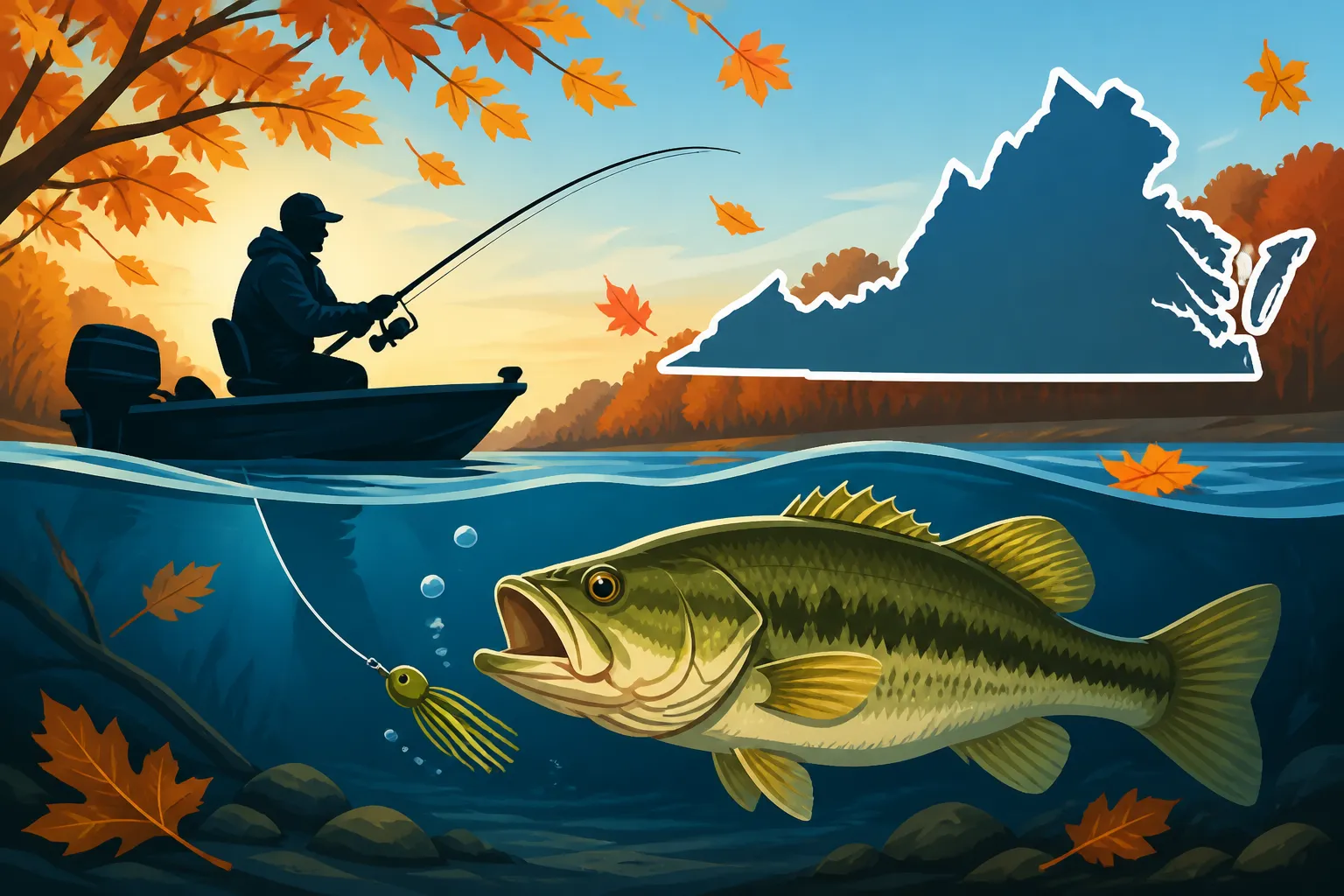
As the vibrant hues of autumn fade, many anglers start thinking about packing up their gear for the winter, assuming the fishing slows to a crawl. But let me tell you, that couldn't be further from the truth! Late fall, right before the true grip of winter sets in, offers some of the most rewarding and strategic fishing opportunities in Virginia. This guide will walk you through the nuances of targeting fish when the mercury drops, helping you extend your fishing season and land some impressive catches when others are warming their hands indoors.
Understanding Late Fall Fish Behavior
The change from autumn's brisk days to the colder bite of late fall completely alters the underwater world. Fish aren't gone; they're just adapting, and understanding these shifts is your first step to success. It's a time of transition, a race against the impending stillness of winter, and fish behave accordingly.
The Metabolism Slowdown: Why Fish Get Sluggish
Just like us, fish are cold-blooded creatures, which means their body temperature, and consequently their metabolism, directly correlates with the water temperature. As the water cools, their internal processes slow down significantly. This isn't a sudden change; it's a gradual decline that really kicks into high gear when water temperatures dip into the low 50s and 40s. What does this mean for us? It means fish don't need to feed as often or as aggressively as they do in the warmer months. Their digestion takes longer, and their energy expenditure is reduced.
This metabolic slowdown directly impacts how you should present your baits and lures. A fast-moving, erratic retrieve that might have triggered strikes in July will likely be ignored or seen as too much effort in November. Think slow, methodical, and subtle. They're still eating, make no mistake, but they're not chasing down every meal with the same gusto. They're looking for easy targets, high-calorie meals that don't require much energy to capture.
Migration and Schooling: Where the Fish Go
As water temperatures continue to fall, many fish species begin a significant migration. This isn't always a long journey across the entire lake or river, but often a movement from shallow summer haunts to deeper, more stable waters. In lakes and reservoirs, this means fish might leave coves and flats and head towards main lake points, channel edges, or deep creek beds. These deeper areas offer more stable temperatures, as the water column stratifies and the deepest water often remains slightly warmer than the surface.
Furthermore, many species, especially panfish like crappie and even some bass, will begin to school up more tightly. This schooling behavior is a protective mechanism, but it also makes them easier to locate once you find one. If you catch one crappie in late fall, chances are there are many more right there with it. The challenge, then, becomes less about making them bite, and more about finding these concentrated schools in their deeper wintering grounds. Understanding these migratory patterns is crucial, because if you're still fishing the shallow cover you did in summer, you'll likely be casting to empty water.
Water Temperature's Impact on Feeding
The specific water temperature directly dictates a fish's activity level. When the surface temperature drops into the upper 50s, you'll still find some fish willing to chase a faster bait, especially on sunny afternoons when the shallows might warm up a degree or two. But once it hits the low 50s and especially the 40s, fish become far more lethargic. Water Temperature and Fish Feeding Patterns are paramount to understanding their behavior.
Predatory fish like bass and striped bass will still feed, but their feeding windows become much shorter and often coincide with specific times of day or subtle environmental changes. Cloudy, overcast days might keep fish deeper, while a bright, sunny afternoon could draw them up slightly on a sun-warmed rock pile or channel edge for a quick meal. Pay close attention to your thermometer, whether it's on your boat's electronics or a simple handheld device. That small temperature difference can be the key to unlocking a bite. Don't be afraid to experiment with different depths and areas until you find that sweet spot where the fish are most comfortable and active.
Essential Techniques for Cooler Water
Fishing in late fall before winter requires a significant shift in your approach. Forget those fast, flashy retrieves of summer; it's time to slow down, get subtle, and focus on precision.
Slow and Low: The Key to Presentation
This is probably the most critical piece of advice for late fall fishing. Because fish are lethargic and their metabolism is slowed, they're not going to expend much energy chasing a meal. Your presentation needs to be in their face, or at least very close, and it needs to move slowly. Think about lures that have a lot of action with very little forward movement. Jigs, finesse worms, and blade baits excel in this scenario.
When you cast, allow your lure to sink all the way to the bottom. Then, retrieve it with agonizing slowness. For a jig, this might mean tiny hops, barely lifting it off the bottom before letting it fall again. For a finesse worm, a gentle drag or quiver can be all it takes. The goal is to make your offering look like an easy, irresistible meal. How to Catch Bass in Cold Water often revolves around this principle. Don't be afraid to leave your lure sitting still on the bottom for several seconds—sometimes that pause is what triggers a reaction strike from a hesitant fish. I've often found that the less I think I'm moving the bait, the more effective it becomes in these colder conditions.
Vertical Jigging and Finesse Tactics
When fish are schooled up in deeper water, especially around submerged structures, channel bends, or even bridges, vertical jigging can be incredibly effective. This technique involves positioning your boat directly over the fish (often located with your fish finder) and dropping a jig, spoon, or blade bait straight down. The beauty of vertical jigging is that you can keep your lure in the strike zone for extended periods.
For jigs, think lighter weights with subtle skirts or trailers. Finesse worms on a drop-shot rig or a shaky head jig are also fantastic. These setups allow for incredibly natural presentations with minimal movement. The idea is to simply twitch your rod tip, making the bait dance in place, mimicking a dying baitfish or an easy-to-snack-on insect. Best Lures for Winter Fishing often include these types of lures. You'll want a sensitive rod and line for this, as bites can be incredibly subtle – sometimes just a slight "tick" or a feeling of added weight. Keep a close eye on your line, as any unusual movement could indicate a bite.
Trolling for Deepwater Predators
While many anglers focus on finesse in cold water, trolling can be a highly productive method, especially for species like striped bass or even larger crappie that might be suspended in deeper parts of the lake or river. This technique allows you to cover a lot of water at various depths until you pinpoint where the fish are holding.
For striped bass (often called "rockfish" in Virginia), deep-diving crankbaits or umbrella rigs are excellent choices. You'll want to troll slowly, often just fast enough for your lures to achieve their diving depth and action. Experiment with different depths by adjusting line length or using downriggers if you have them. In Virginia, Virginia Striped Bass Season and Slot Limit Guide provides crucial information on rules, but understanding their fall behavior, especially at places like Smith Mountain Lake or the Chesapeake Bay tributaries, is key. For crappie, slow trolling with multiple jig setups at different depths can quickly locate schools. The key is patience and paying close attention to your electronics to identify baitfish schools or arches that indicate predatory fish.
Top Species to Target in Virginia's Late Fall
Virginia offers a diverse range of fishing opportunities, and even as temperatures plummet, several species remain excellent targets for the persistent angler. You just need to know where to look and what they're after.
Largemouth and Smallmouth Bass: Still Biting Strong
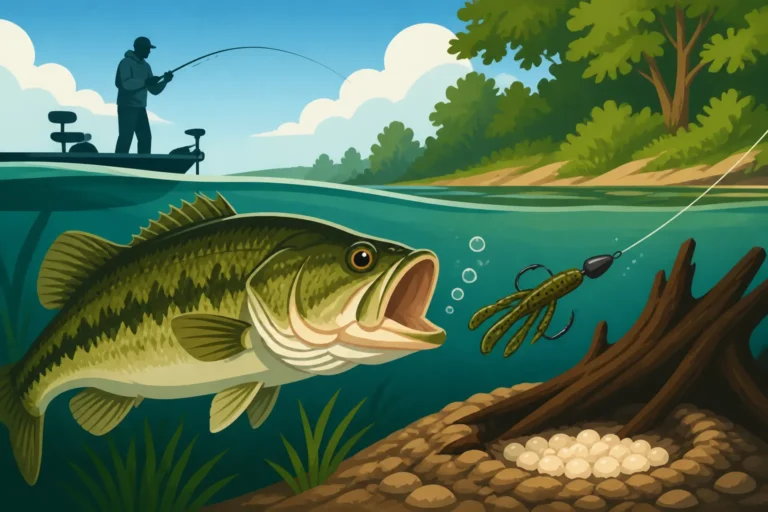
While bass fishing definitely changes in late fall, it can still be incredibly rewarding. Largemouth and smallmouth bass are still on the prowl, though their feeding windows might be shorter and their diet more specific. In lakes, largemouth bass will often relate to deeper main lake points, channel swings, and areas with submerged timber or rock piles that offer thermal refuge. They’re looking for structure where baitfish might also congregate for the winter. Best Bait for Largemouth Bass in Virginia in these conditions often means jigs, slow-rolled spinnerbaits, or shaky head worms.
Smallmouth bass, true to their nature, will often be found in rocky areas, clear water lakes, and rivers. They tend to school up in deeper current breaks in rivers, or on offshore humps and ledges in lakes. Look for areas where they can ambush baitfish. Both species will respond well to slower presentations. A subtle jig or a small crankbait worked meticulously along the bottom can often coax a strike. Don't be surprised if the bites are soft; it's more of a "mush" or a "thump" than a hard strike.
Crappie and Panfish: Schooling for the Winter
Late fall is prime time for crappie fishing in Virginia. These panfish begin to school up in large numbers, making them easier to target once you find them. Look for them suspending around brush piles, submerged timber, bridge pilings, and deep docks. Many anglers swear by How to Catch Crappie in Winter tactics that involve vertical jigging tiny jigs or live minnows. The key is to find the depth where they're concentrated. Sometimes they'll be near the bottom, other times suspended halfway up the water column, often just above baitfish.
White perch and bluegill also offer excellent late-fall opportunities. White perch in particular can school up in massive numbers in tidal rivers and estuaries, moving into deeper channels and holes. Small jigs or bait (like pieces of clam or bloodworm) fished on the bottom can yield impressive catches. These panfish are fantastic for a fish fry and can provide consistent action even on the coldest days. If you're looking for a relaxing day with a high chance of a bending rod, targeting panfish is a fantastic choice.
Striped Bass (Rockfish): The Last Big Push
Virginia's striped bass, affectionately known as rockfish, offer some truly exciting fishing in late fall. This is often when they're making their last big push to feed before the coldest part of winter. In the Chesapeake Bay and its tidal rivers, they can be found chasing baitfish (like menhaden or silversides) in deeper channels, around points, and near structure. Trolling with large swimbaits or umbrella rigs can be effective, as can casting large plugs or soft plastics into schools of bait.
In freshwater lakes like Smith Mountain Lake, the landlocked striped bass also begin to school up and can be found chasing shad in open water. Anglers often use electronics to locate these schools and then cast or troll spoons, bucktail jigs, or large swimbaits. Smith Mountain Lake Striped Bass Fishing in Virginia is a very popular late-fall pursuit. Remember to always check the latest Virginia Fishing Regulations Explained for striped bass, as rules, especially size and slot limits, can change to protect the fishery.
Trout: A Cold-Water Delight
For many trout anglers, late fall is when the fishing really shines, especially in Virginia's mountain streams and stocked waters. Brown trout and brook trout become more active as the water cools, and their colors intensify, making them truly stunning catches. Trout Fishing in Virginia: Rainbow, Brown, and Brook Trout offers details on the different species. In wild trout streams, fly fishing with nymphs and streamers can be incredibly effective.
For stocked trout, many of Virginia's waters are replenished in the fall, offering plenty of opportunities. Look for deeper pools and slower runs in streams. Bait fishing with power bait, corn, or small worms can work wonders, as can spinning with small inline spinners or spoons. Don't forget that many stocked trout waters require a special trout license in addition to your regular fishing license. It's a peaceful and picturesque way to enjoy the crisp autumn air, and the fight of a cold-water trout is something special.
Gear and Preparation for the Cold
Fishing in late fall and early winter isn't just about changing your techniques; it's also about preparing yourself and your equipment for colder conditions. Being comfortable and safe is paramount.
Layering Up for Comfort and Safety
The biggest mistake you can make when fishing in late fall is underdressing. Virginia's weather can be unpredictable, and a sunny morning can quickly turn into a bone-chilling afternoon with a slight breeze. Layering is your best friend. Start with a moisture-wicking base layer (synthetics or wool, not cotton), add an insulating mid-layer (fleece or down), and top it with a waterproof and windproof outer shell. Don't forget a warm hat that covers your ears, gloves (fingerless for better dexterity, or convertible mitts), and warm, waterproof boots.
Hypothermia is a real danger, so it's always better to overdress and shed layers if you get warm than to be miserably cold. Consider bringing a thermos of hot coffee, tea, or soup. Hand warmers, available in bulk on Amazon, can also be a game-changer, especially for keeping your hands pliable enough to tie knots and handle tackle. If you're out on the water in a boat, a personal floatation device (PFD) is not just a good idea, it's a legal requirement and a life-saver in cold water. Cold shock from falling into frigid water can be deadly, so be prepared.
Essential Lures and Baits for Cold Water
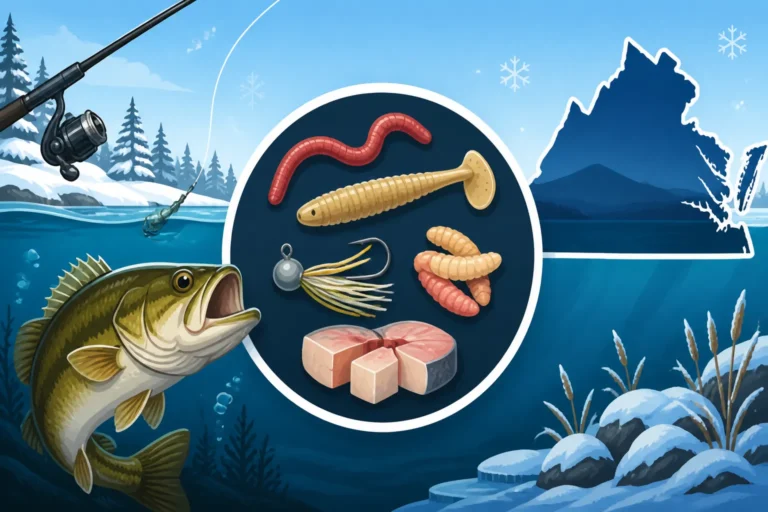
Your tackle box needs a seasonal adjustment in late fall. Put away many of the flashy, fast-moving topwater baits and brightly colored crankbaits. Instead, focus on finesse and natural presentations. Jigs are paramount: rubber-skirted jigs with soft plastic trailers, hair jigs, and blade baits. Colors should generally be more subdued – natural greens, browns, blacks, and blues are often effective, but don't shy away from subtle flashes of chartreuse or orange, especially in stained water. Soft plastics like finesse worms, creature baits, and small swimbaits are excellent on shaky heads, drop shots, or even weightless.
Live bait can also be incredibly effective. Minnows are king for crappie, walleye, and even lethargic bass. Worms are always a good standby for panfish and trout. For catfish, cut bait can still entice bites in deeper holes. When it comes to Best Bait for Crappie Fishing in Virginia in colder months, it's hard to beat a small minnow. If you're looking to stock up, Amazon has a wide selection of terminal tackle, jigs, and soft plastics suitable for cold-water fishing. Remember, slower is better, so choose baits that have a lot of subtle action even when barely moving.
Winterizing Your Boat and Tackle
As you edge closer to winter, it's wise to start thinking about basic maintenance for your fishing equipment. While a full "winterizing" might not be necessary until the deep freeze, ensuring your reels are clean and lubricated will prevent issues. Cold temperatures can make grease and oil thicker, affecting performance. A quick wipe-down and a drop of light oil on key moving parts can keep your reels smooth.
For your boat, if you're still using it, be mindful of water freezing in livewells or bilge pumps on especially cold nights. Drain them thoroughly after each trip if there's any chance of a hard freeze. Check your trailer tires and lights, as winter travel can be more demanding. Keep your electronics charged and consider bringing spare batteries for smaller devices. A good pair of pliers, line clippers, and a multi-tool are always essential, but even more so when cold fingers make tasks more difficult. Properly caring for your gear now means it will be ready to go when that brief warm spell hits, offering another chance to hit the water.
Late Fall Fishing Opportunities in Virginia
Virginia's diverse waters offer exceptional fishing even as winter approaches. From the vastness of the Chesapeake Bay to inland lakes and mountain streams, there are plenty of spots where you can still enjoy a productive day on the water.
Major Lakes and Reservoirs
Large reservoirs like Smith Mountain Lake, Lake Anna, and Kerr Lake (also known as Buggs Island Lake) become prime hunting grounds for striped bass, crappie, and bass in late fall. On Smith Mountain Lake, the landlocked stripers will often be found chasing shad in deep water. Trolling or casting spoons and large swimbaits are effective. Smith Mountain Lake's Elite Virginia Striped Bass Fishery comes alive as temperatures drop.
For crappie, look for them schooled up in brush piles and around bridge pilings in these lakes. Small jigs and live minnows are deadly. Bass will often retreat to deeper points and channel bends, so slow presentations with jigs and finesse worms are key. Don't overlook smaller impoundments and state park lakes either; they can offer excellent bank fishing opportunities for panfish and bass. Best Fishing Spots in Virginia will give you some excellent starting points.
Rivers and Tidal Waters
Virginia's extensive river systems, including the James, Rappahannock, and Shenandoah, remain active in late fall. The tidal sections of these rivers offer fantastic opportunities for striped bass and white perch, which will migrate into deeper holes and channels. Casting soft plastics or jigging in these areas can yield good results. Catfish, too, will often be found in deeper river bends and channels, responding to cut bait fished on the bottom.
Upstream, in the clearer, colder waters of the Shenandoah and other mountain rivers, smallmouth bass will be schooled up in deeper pools and current breaks, eager to hit a slow-fished tube jig or a small crankbait. And, of course, the mountain streams continue to provide excellent trout fishing. Fly Fishing for Trout and Smallmouth Bass on the Shenandoah River is a particularly rewarding experience during this time of year, with fewer crowds and crisp air.
The Chesapeake Bay and Coastal Waters
For saltwater anglers, the Chesapeake Bay continues to offer prime opportunities in late fall, especially for striped bass. The fall "rockfish" run can be incredible, with fish migrating into and through the Bay. Trolling, jigging, and casting to breaking schools of fish are all popular and effective methods. Red drum and speckled trout can also be targeted, though they may require more searching as they move to deeper, more protected waters.
Anglers fishing off the Virginia Beach coast might find opportunities for tautog around wrecks and reefs, or even some late-season flounder in deeper channels. Just remember, ocean fishing in late fall can be a chilly and rough affair, so pick your weather windows carefully and always prioritize safety. No matter where you decide to drop a line, late fall offers a unique and often productive fishing experience in Virginia.
| Fish Species | Typical Late Fall Location | Recommended Lures/Baits | Presentation Key |
|---|---|---|---|
| Largemouth Bass | Deep points, channel bends, submerged timber | Jigs, finesse worms, slow-rolled spinnerbaits | Slow, bottom-oriented |
| Smallmouth Bass | Rocky ledges, current breaks, deep humps | Tube jigs, blade baits, small crankbaits | Slow, methodical |
| Crappie | Brush piles, bridge pilings, deep docks | Small jigs, live minnows | Vertical, suspended |
| Striped Bass | Deep channels, open water, baitfish schools | Large swimbaits, spoons, umbrella rigs | Trolling, jigging |
| Trout (stocked) | Deep pools, slower runs | Power bait, worms, small spinners | Drifting, slow retrieve |
| White Perch | Deep channels, tidal river holes | Small jigs, bloodworms, clam pieces | Bottom, subtle |
Disclaimer
This article is for general informational purposes only and does not constitute professional advice. Laws, prices and regulations vary by location and change over time. Consult a qualified professional for guidance on your specific situation.