Freshwater Striped Bass Fishing at Smith Mountain Lake
Freshwater striped bass fishing at Smith Mountain Lake provides practical techniques for targeting hard-fighting fish across twenty thousand acres.
Know what’s on the line.
Gamefish and panfish profiles — identification, behavior, feeding habits, and species-specific strategies for every catch.

Freshwater striped bass fishing at Smith Mountain Lake provides practical techniques for targeting hard-fighting fish across twenty thousand acres.
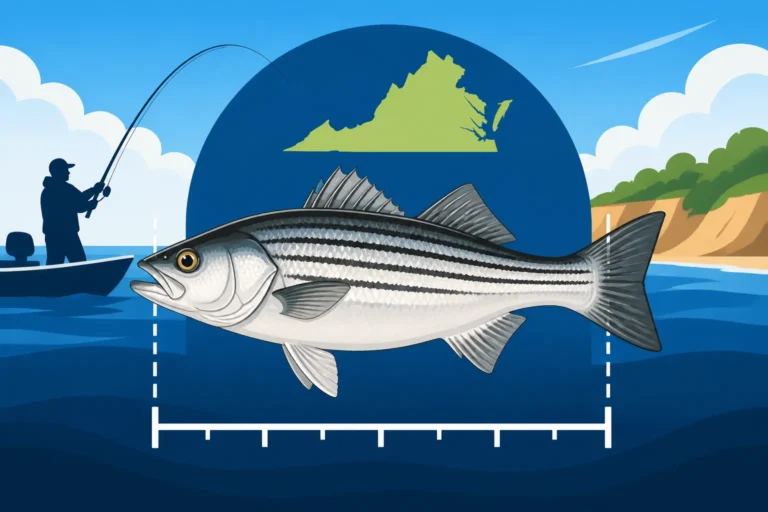
Virginia striped bass regulations require anglers to immediately release any fish under twenty-eight or over thirty-one inches.
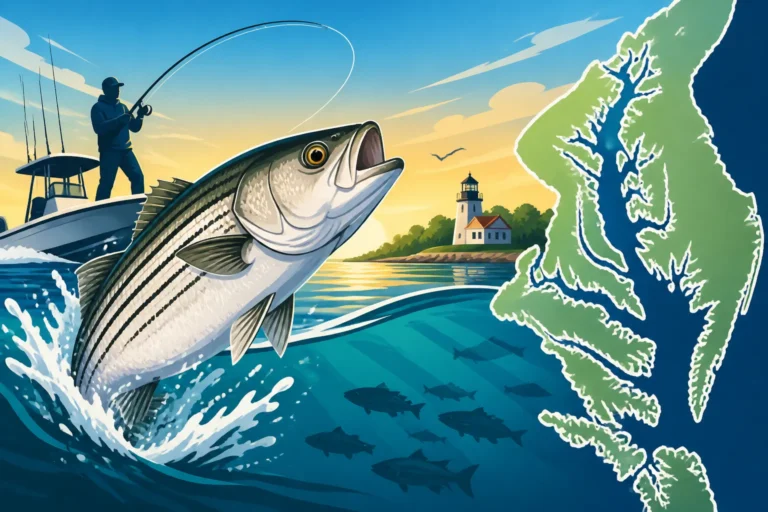
Chesapeake Bay striped bass fisheries thrive due to unique ecological factors, spawning grounds, abundant forage, and seasonal migration patterns.
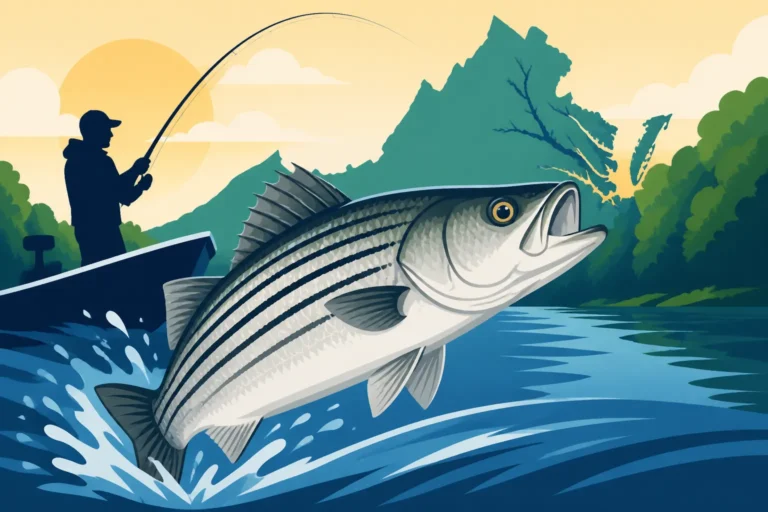
Virginia striped bass size potential in tidal rivers ranges from schoolies up to thirty-five inches with twenty pounders common.
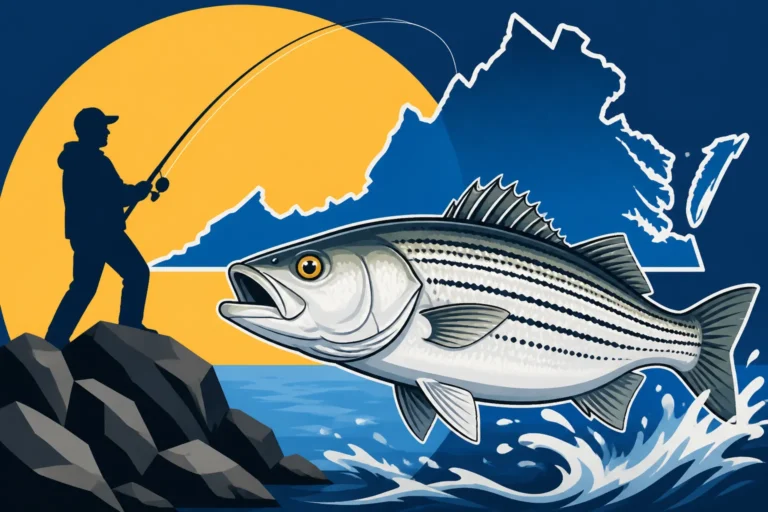
Virginia anglers calling striped bass rockfish stems from historical ties to rocky habitats and local Chesapeake Bay culture.
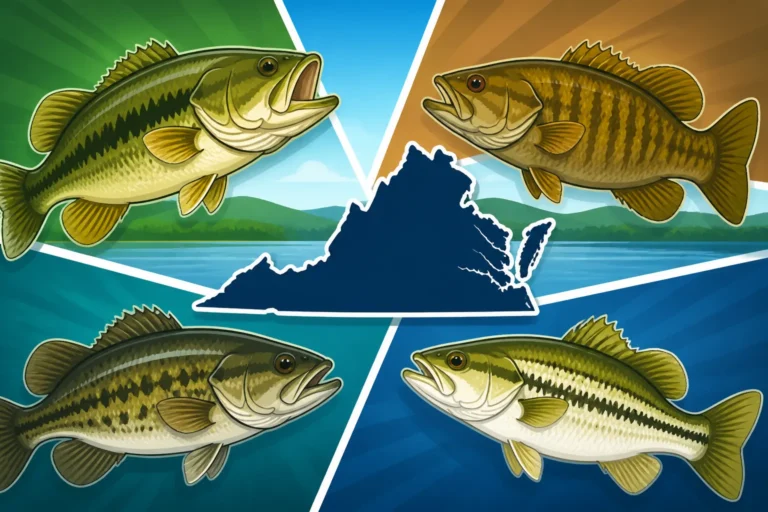
Virginia bass identification helps anglers distinguish largemouth, smallmouth, spotted, and Alabama bass in local waters.
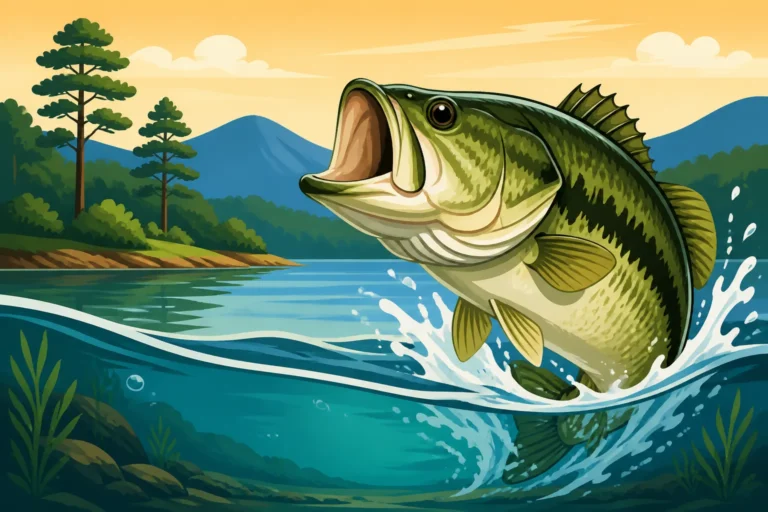
Smith Mountain Lake ecological factors and abundant threadfin shad forage explain why largemouth bass grow massive.
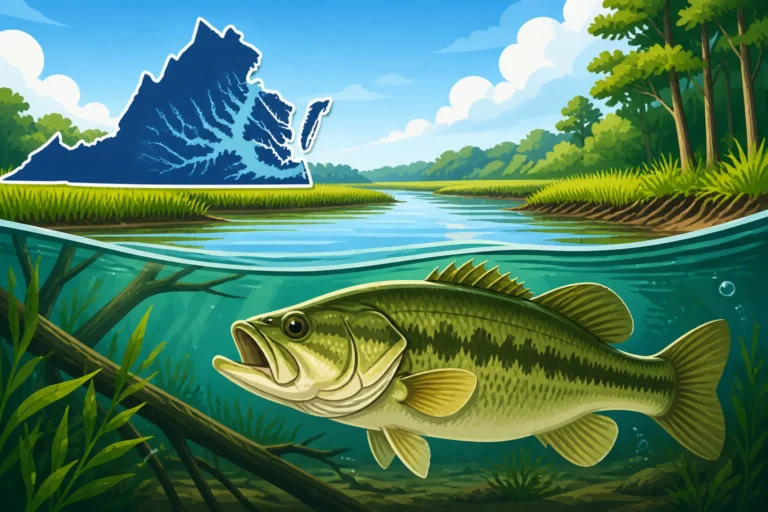
Virginia Chesapeake Bay tidal tributaries support abundant largemouth bass through freshwater inflows, brackish zones, and diverse structural cover.
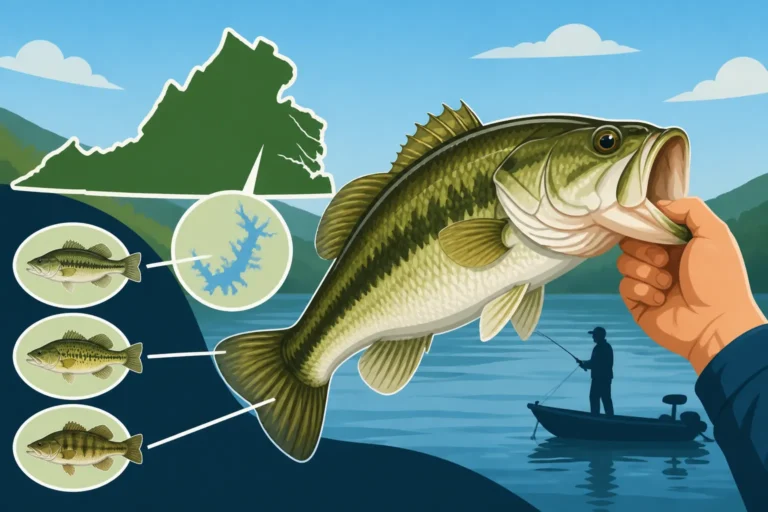
Alabama bass identification for Claytor Lake anglers explains key features to separate the species from largemouth and spotted bass.
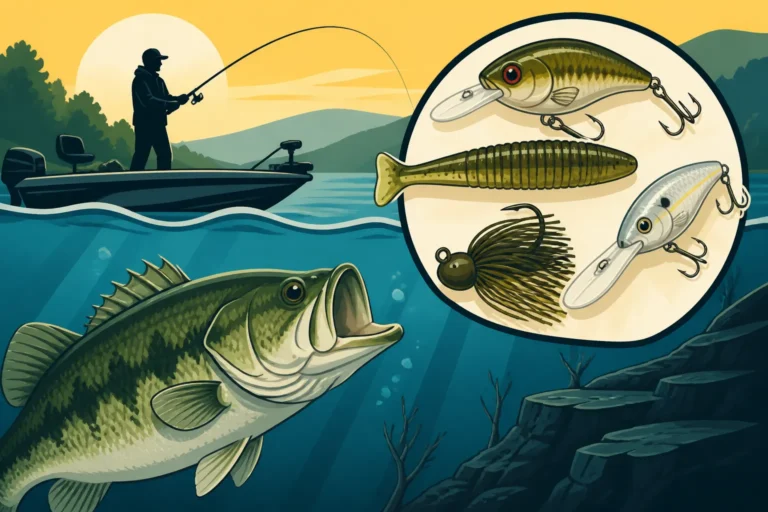
Largemouth bass bait selection for Smith Mountain Lake or Claytor Lake explains catching fish at twenty to fifty feet depth.