Rock Bass vs Largemouth Bass: How to Tell Them Apart
Rock bass and largemouth bass visual differences, including body size, scientific names, and habitat details for anglers.
Know what’s on the line.
Gamefish and panfish profiles — identification, behavior, feeding habits, and species-specific strategies for every catch.
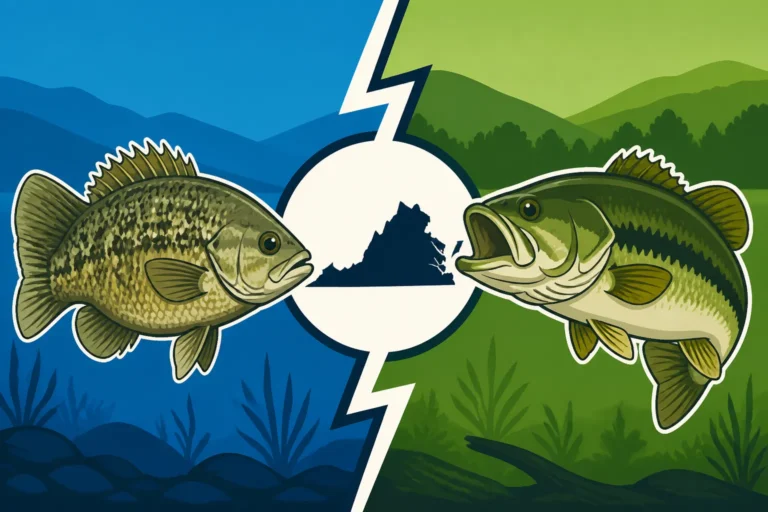
Rock bass and largemouth bass visual differences, including body size, scientific names, and habitat details for anglers.
Shenandoah River smallmouth bass fishing strategies, seasonal habits, and river structures help anglers locate and catch fish.
Largemouth bass fishing in Virginia tidal rivers provides details on Chesapeake Bay tributaries and changing water levels.
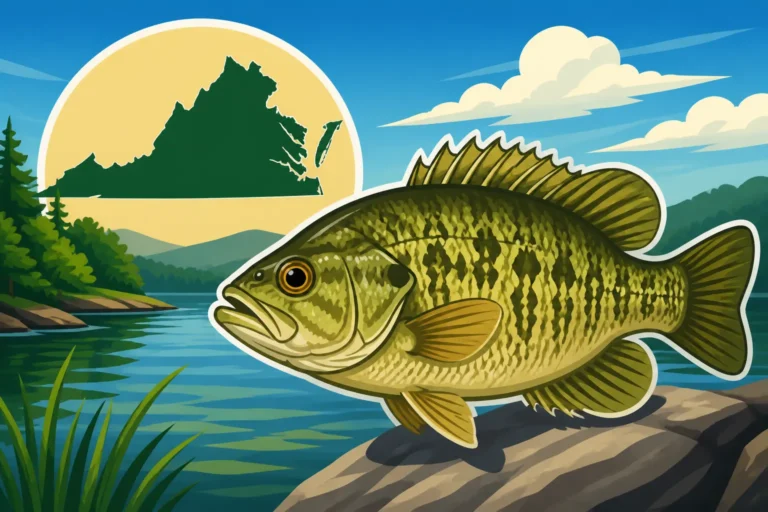
Rock bass in Virginia waters, featuring identification traits, rocky stream habitats, and river hotspots like the James River.
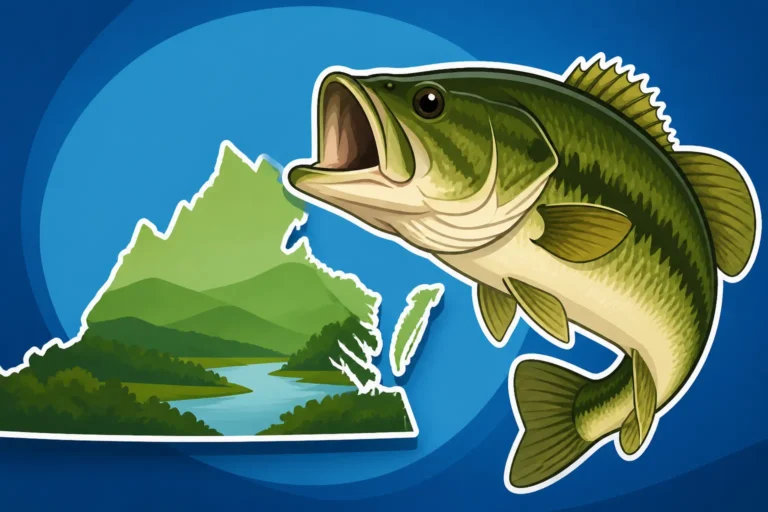
The Alabama bass is a black bass species scientifically known as Micropterus henshalli that was introduced to Claytor Lake.
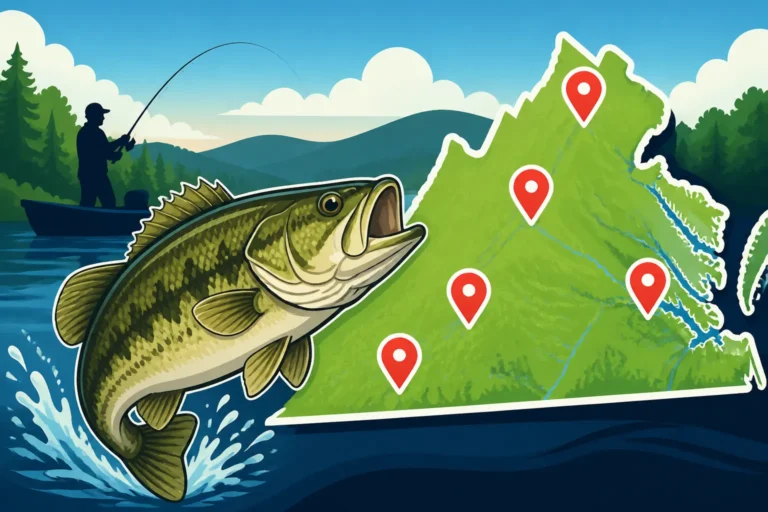
Spotted bass locations in Virginia lakes and reservoirs explain where these fish thrive, how they behave, and how to identify them.
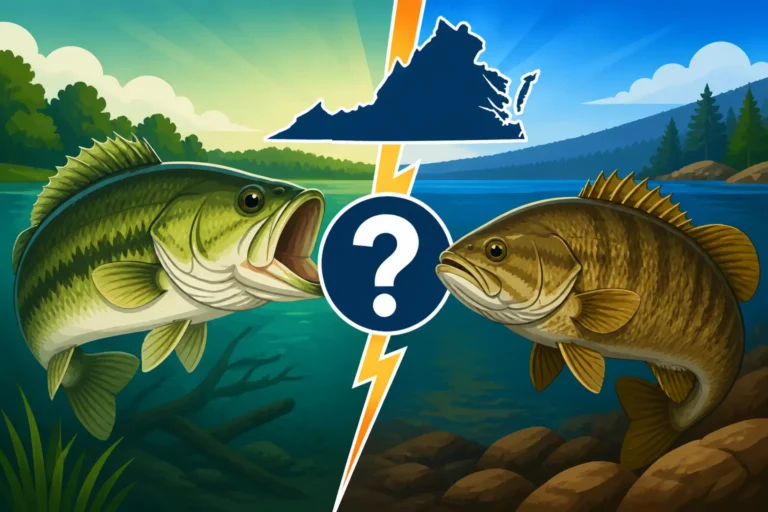
Virginia anglers compare largemouth and smallmouth bass habitats, appearances, and fighting styles to determine which fish proves harder to catch.

Smith Mountain Lake largemouth bass habits, deep underwater structures, and shad forage help anglers catch trophy fish.
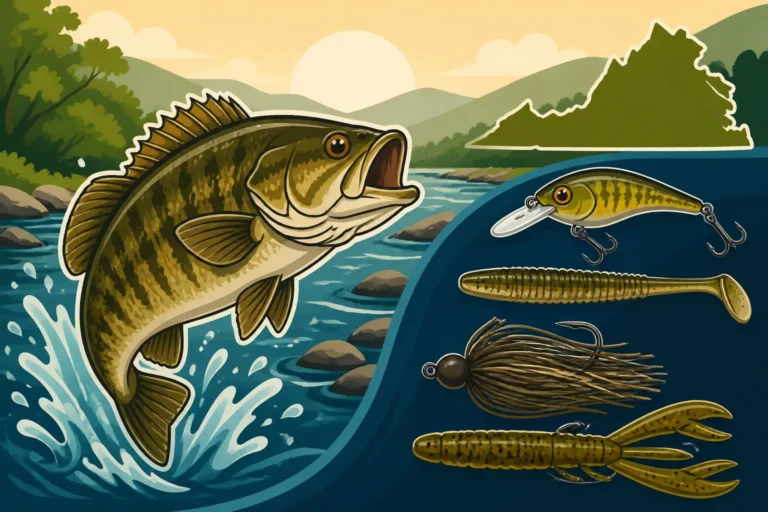
Shenandoah River smallmouth bass lures, current speeds, water depths, and clarity dictate effective choices for catching fish.
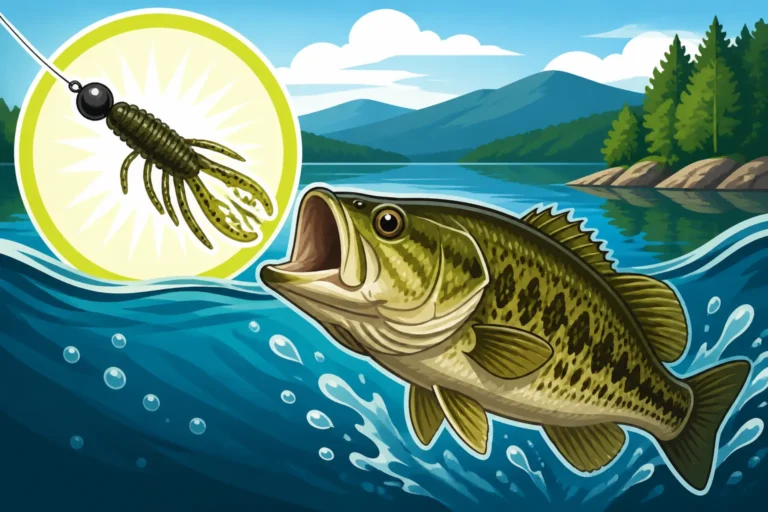
Spotted bass at Claytor Lake in Virginia inhabit depths from fifteen to forty feet near rocky ledges, bluffs, and submerged timber.