How to Teach a Kid to Fish
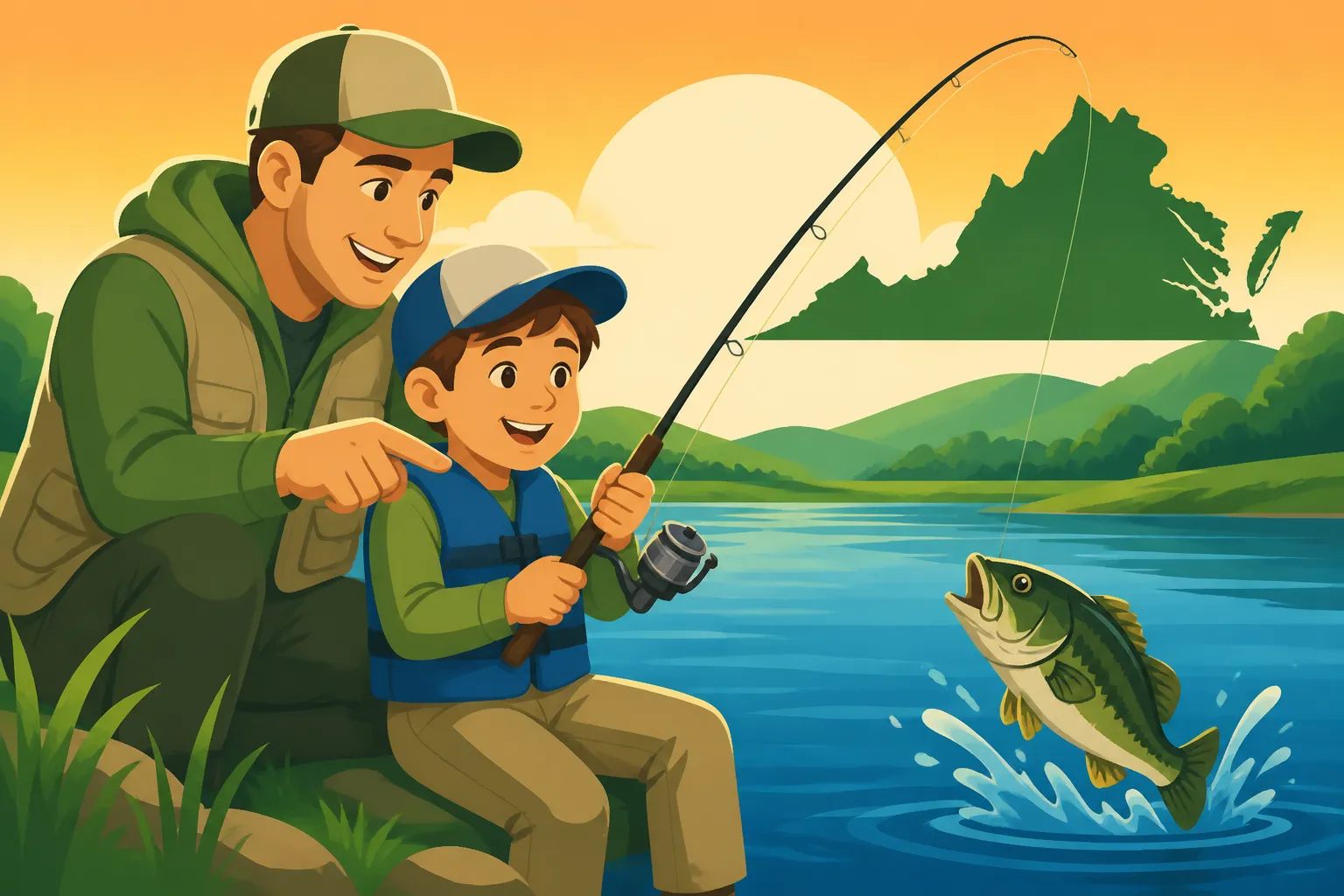
One of the most rewarding experiences as an angler is sharing the joy of fishing with a child, but let's be honest, it can also feel a little daunting. The thought of tangled lines, short attention spans, and the inevitable "I'm bored" can make even seasoned pros hesitate. This guide is here to walk you through how to teach a kid to fish in Virginia, focusing on making it a fun, engaging, and unforgettable adventure for both of you, without the stress.
Setting the Stage for Success: Pre-Trip Planning with Kids
Before you even think about baiting a hook, the real magic of teaching a kid to fish happens in the planning. This isn't just about packing snacks; it's about building excitement, managing expectations, and choosing the right elements to ensure their first experience is positive and memorable, not a struggle. Remember, the goal isn't necessarily catching the biggest fish, but catching the fishing bug!
Choosing the Right Location and Time
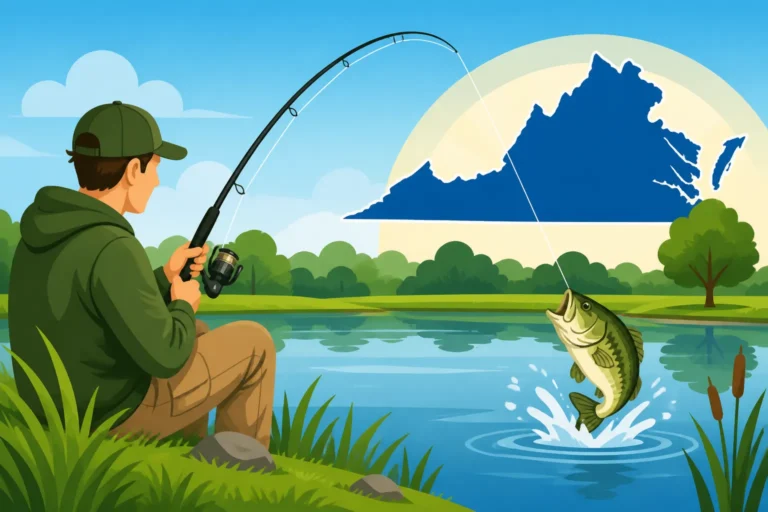
Selecting the perfect spot and the opportune moment is crucial when introducing little ones to fishing. You want somewhere safe, accessible, and, most importantly, where success is highly probable. Imagine the disappointment if you spend hours at a challenging spot with no bites! For beginners, smaller, stocked ponds or gently flowing creeks are often ideal. Places like many Virginia State Parks offer fantastic, easy-to-access fishing piers or calm shorelines, often brimming with panfish like bluegill or small bass, which are usually eager to bite. These fish provide immediate gratification, which is gold for keeping a child engaged.
Consider the time of day, too. Early mornings or late afternoons are often best for fish activity and avoiding the midday heat, which can quickly turn a fun outing into a grumpy one. But don't feel locked into those times; if your child is an early riser and eager to go at 7 AM, that's your window! Just ensure the chosen time aligns with their natural energy levels. A quick, successful hour might be far better than a long, frustrating four. You're aiming for a positive first impression that encourages them to want to go again. Look for locations that minimize distractions and allow for easy supervision, so you can focus on teaching rather than worrying about safety hazards.
Simple Gear for Little Hands
When it comes to gear for kids, simplicity is your best friend. Forget the fancy rods and reels you might use; a simple spincast (push-button) reel on a lightweight, shorter rod is perfect. These are incredibly easy for small hands to operate and minimize tangles. You can often find decent combo sets on Amazon or at local sporting goods stores that are specifically designed for children. They're usually brightly colored, which adds to the appeal! A basic tackle box filled with just the essentials—a few bobbers, some hooks (size 6 or 8 is great for panfish), split-shot weights, and a small pair of pliers for hook removal—is all you need.
Bait is another area where simple is better. Live worms are an absolute classic and almost guaranteed to get bites, plus kids often love digging for them or handling them. Corn, bread, or even small pieces of hot dog can also work wonders for panfish and catfish, offering a less squirmy alternative. Don't overload the tackle box; too many options can be overwhelming. The goal is to make it easy for them to manage their own gear with minimal frustration. Remember, the less complicated the setup, the more they can focus on the actual act of fishing and the thrill of the catch. For more specific guidance on easy targets, check out our guide on Bream and Bluegill Fishing for Beginners.
Understanding Virginia's Kid-Friendly License Rules
It’s easy to get tangled up in the rules and regulations, but when it comes to kids and fishing licenses in Virginia, it's actually quite straightforward and incredibly kid-friendly. This is one area where Virginia truly encourages young anglers! Generally, children under the age of 16 do not need a freshwater or saltwater fishing license to fish in Virginia. This is fantastic news because it removes a significant barrier for families just starting out. You can just grab your gear and go!
However, it’s still good practice to understand the nuances, especially as kids get older or if you plan to venture into specific types of fishing, like trout fishing in stocked waters, which can sometimes have additional permit requirements. For most general fishing, though, your little ones are covered. It's always a good idea to quickly double-check the Virginia Department of Wildlife Resources (DWR) website for any updates, as rules can occasionally change. Knowing these rules upfront means no last-minute worries or potential fines down the road. This flexibility really makes it easier for you to focus on the fun aspect of a Simple Fishing Techniques for a Child's First Trip without bureaucracy getting in the way. For a deeper dive into the specifics, you can always consult our detailed article on Do children need a fishing license in Virginia?.
| Age Group | Freshwater License Required | Saltwater License Required | Notes |
|---|---|---|---|
| Under 16 | No | No | Most general fishing activities are exempt. |
| 16 and Older | Yes | Yes | Standard resident/nonresident license required. |
| Stocked Trout | No (if under 16) | N/A | Specific trout license may be required for adults (16+) |
| Free Fishing Days | No (all ages) | No (all ages) | Special dates, usually in June. |
Making the First Cast: Techniques for Tiny Anglers
Once you've got your location, gear, and licensing sorted, it's time for the main event: actually fishing! This is where your patience and enthusiasm will truly shine. Remember, the experience is paramount, and a few small, thoughtful approaches can make all the difference in turning a potentially frustrating outing into a joyful memory.
The Art of the Bobber and Bait
For kids, there's nothing quite as magical as a bobber dancing on the water, then suddenly disappearing beneath the surface. This visual cue is far more engaging than feeling a subtle bite on the line. Start with a simple bobber setup: a small, brightly colored bobber, a small split-shot weight a few inches above the hook, and a juicy worm. This classic rig is incredibly effective for panfish, which are abundant in many Virginia waters. When fishing for little hands, a good technique is to teach them the "swing cast." This is much safer than an overhead cast and less likely to result in hooks in trees or ears!
Show them how to gently swing the rod forward, letting the momentum carry the bait and bobber into the water. Focus on short, manageable casts initially. Precision isn't the goal; getting the bait into the water is. Let them do as much as they can on their own, even if it means some wonky casts at first. Your role is to guide and encourage, not to take over. Once the bobber is out there, teach them to watch it intently. Point out how the current might move it, or how a gentle nibble makes it jiggle. The moment that bobber goes down, the excitement is palpable, and that's the feeling you want them to experience. This simple technique is central to How to Catch Bluegill With a Bobber, a perfect target species for beginners.
Patience, Praise, and Pitfalls
Teaching a child to fish requires an abundance of patience, even more than you think you have! Kids have notoriously short attention spans, and sitting still for long periods can be a challenge. Don't expect them to fish for hours on end. Bring plenty of non-fishing distractions: snacks, drinks, maybe a small toy or a book. Sometimes the best fishing trip with a kid involves only 20 minutes of actual fishing, followed by exploring the shoreline, skipping rocks, or identifying birds. That's perfectly okay!
Every small effort deserves big praise. Did they cast relatively straight? "Great cast!" Did they hold the rod patiently for a minute? "You're doing an awesome job being patient!" Did they manage to reel in a fish, even with your help? "You're a natural angler!" Focus on the process and their effort, not just the outcome. Be prepared for common pitfalls: tangled lines (carry a small pair of scissors or a knife to cut and re-tie easily), lost bait, and the occasional hook snags. Approach these with a calm, problem-solving attitude. If you get frustrated, they will too. Remember, this is about creating positive associations with the outdoors and fishing. Think of it as a Family-Friendly Fishing Spots in Virginia outing rather than an intense fishing expedition.
Handling the Catch (and Release)
When that first fish is on the line, the adrenaline rush for both of you is incredible! This is a prime teaching moment. Guide their hands as they reel in, showing them how to keep tension on the line. Once the fish is landed, it’s important to teach respectful handling, whether you plan to keep it for dinner or release it. Explain that fish are living creatures and we need to treat them gently. For smaller fish like bluegill or crappie, you can demonstrate how to hold them securely without squeezing too hard.
Teach them how to remove the hook carefully, emphasizing safety with the hook point. If they're too young to do it themselves, let them watch you. Explain why catch and release is important for conservation, especially if you're targeting species you won't be eating. If you plan to keep some panfish for a meal, involve them in the cleaning process if they're interested, making the connection between the catch and the plate. This step reinforces the value of the experience and helps instill a sense of responsibility. You can learn more about suitable fish for beginners in our Virginia Panfish Fishing for Beginners and Kids guide.
Beyond the Hook: Cultivating a Lifelong Love for Fishing
The first few fishing trips are just the beginning. To truly instill a lifelong love for fishing in a child, it's about more than just catching fish. It's about connecting with nature, developing patience, and creating cherished memories together. It’s about building a foundation that makes them eager for the next trip, even when the fish aren't biting.
Embracing the "Slow" Moments
In our fast-paced world, fishing offers a unique opportunity to slow down and appreciate the present. Teach your child that fishing isn't just about the tug on the line, but also about the quiet moments in between. Point out the dragonflies buzzing over the water, the heron stalking prey on the far bank, or the ripples spreading from a jumping fish. These are the details that build a deeper appreciation for the outdoors. Bring a small pair of binoculars or a nature identification book to enhance these observations.
Encourage conversations during these quiet times. Ask them what they see, what they hear, what they wonder about. Sometimes, the best memories aren't about the monster catch but about sharing a sandwich on the bank, watching the clouds drift by, or simply enjoying each other's company without the distractions of screens. These "slow" moments are where true connection happens, both with nature and with you. They foster a sense of peace and mindfulness that fishing uniquely provides, making it a truly restorative activity. This holistic approach makes the activity much more than just a sport, aligning with the spirit of Easy Fishing Techniques for Kids.
Safety First, Fun Always
Safety should always be your top priority on any fishing trip, especially with children. Before you even leave the house, discuss basic safety rules:
- Always wear a life jacket when on a boat or near deep/moving water.
- Never run near water or around tackle.
- Always look behind you before casting to avoid hooking someone.
- Be careful with hooks, and know how to safely handle fish.
- Stay hydrated and protect yourselves from the sun with hats, sunscreen, and appropriate clothing.
Keep a basic first-aid kit handy for minor scrapes or punctures. Beyond the physical safety, ensure emotional safety too. Keep the atmosphere light and positive. If a child isn't having fun, it's okay to pack up and try again another day. Forcing the issue will only create negative associations. The goal is to make fishing a joyful, anticipated activity, not a chore. This emphasis on safety and enjoyment helps them look forward to their next trip, whether it's on Virginia Free Fishing Days 2026 Best Techniques to Try or just a regular weekend outing.
Keeping the Excitement Alive
To ensure fishing becomes a cherished activity they return to year after year, it's essential to keep the excitement and learning going. After a successful trip, talk about their favorite part. Did they love casting? Did they enjoy watching the bobber? Did they like seeing the fish up close? Tailor future trips to lean into what they enjoyed most. Consider investing in a small fishing journal or a photo album where they can document their catches and adventures. This can be a wonderful way to track their progress and reminisce about shared memories.
Involve them in selecting new gear or researching new fishing spots. Maybe they want to try a new type of bait or learn about a different fish species. Giving them ownership in the planning process can significantly boost their engagement. For instance, you might research Best Fishing Spots for Kids to Catch Their First Fish in Virginia together. Even if you only go a few times a year, these intentional efforts will reinforce the positive experiences and nurture that initial spark into a lifelong passion. The world of Virginia fishing is vast and exciting, offering endless opportunities for discovery and connection, from the tranquil mountain streams to the expansive Chesapeake Bay.
Disclaimer
This article is for general informational purposes only and does not constitute professional advice. Laws, prices and regulations vary by location and change over time. Consult a qualified professional for guidance on your specific situation.