Best Time of Day to Catch Crappie
Finding the best time of day to catch crappie can feel like a real mystery sometimes, especially when you've dedicated hours to a spot only to come up empty. It’s frustrating to know those tasty slabs are out there but not biting your hook. This guide will pull back the curtain on crappie behavior, helping you understand their daily patterns and the environmental cues that influence when they feed most actively, ensuring your next trip to the water is more fruitful.
Understanding Crappie Behavior Throughout the Day
Crappie are fascinating fish, and their activity levels really swing with the sun's position and the amount of light penetrating the water. If you've ever felt like your early morning or late evening trips were more productive, you're not imagining it – there's a good reason for that!
The Magic of Early Morning and Late Evening
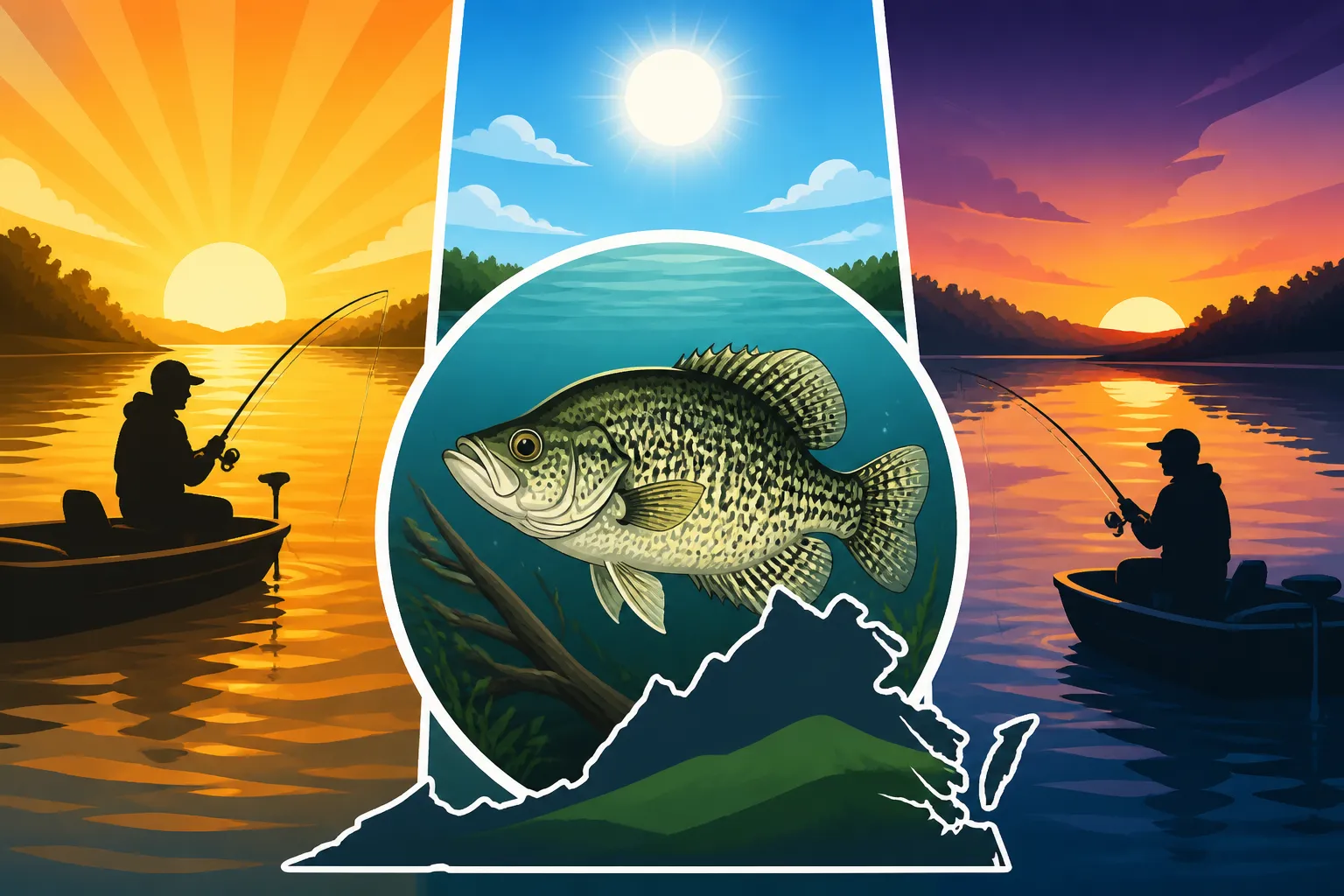
Ah, dawn and dusk! These are arguably the most cherished times for many crappie anglers, and for good reason. As the sun begins to creep over the horizon in the morning, or dip below it in the evening, the light levels become ideal for crappie to move from deeper, more sheltered areas into shallower feeding grounds. The harsh glare of midday is gone, and the water temperature is often more stable, which makes these fish feel more comfortable and less exposed to predators.
Think about it: during these low-light periods, crappie's vision, which is adapted to dim conditions, gives them an advantage over many of their prey. They’ll actively hunt smaller baitfish, insects, and crustaceans. You'll often find them congregating around structures like submerged timber, lily pads, docks, or brush piles in water ranging from a few feet deep to ten or twelve feet, depending on the season and the specific body of water. This is when you can really hit a hot streak, catching multiple fish in a short span. It's truly a magical time, where the water comes alive, and the serene quiet is only broken by the splash of a crappie taking your bait. Many anglers swear by these twilight hours, and if you're not targeting crappie then, you might be missing out on some of the best action. For newcomers looking to learn more, our guide on Crappie Fishing Techniques for Beginners offers a great starting point.
Navigating Midday Lulls
Then there's midday. The sun is high, the water can be bright and exposed, and it often feels like the fish have just vanished. This isn't just your imagination; crappie often retreat to deeper, shadier, and cooler waters during the brightest part of the day. They're still there, just not as actively feeding in the shallows. The intense light can make them feel vulnerable, and the warmer surface temperatures, especially in summer, can drive them down to more comfortable depths.
During these hours, you'll need to adjust your approach significantly. Instead of casting into those enticing shallow coves, start focusing on deeper structures. Look for brush piles in 15-25 feet of water, submerged creek channels, bridge pilings, or the shady sides of docks that extend into deeper water. Crappie will often suspend themselves around these features, waiting for the light to soften or for a passing meal to drift by. It's not impossible to catch them during midday, but it definitely requires more patience and a different strategy. You might find them in tighter schools, less willing to chase, so a slow, precise presentation is key. Sometimes, the crappie will hug the bottom in deeper pockets. Knowing How Deep Do Crappie Go in Winter can give you insights into their depth preferences in colder months, which can sometimes mirror midday behavior.
Unlocking the Night Bite
While dawn and dusk get a lot of attention, night fishing for crappie is a whole different ballgame and can be incredibly productive. As darkness fully descends, crappie often become even more active than during the day, especially if you know how to draw them in. The lack of light provides an even greater sense of security for these fish, allowing them to roam more freely from their daytime hideouts.
The key to successful night crappie fishing is light. Submersible fishing lights are your best friend here. These lights, often available on platforms like Amazon, attract plankton, which in turn attract baitfish like shad and minnows, and then, inevitably, the crappie follow. You'll often see the whole food chain gather around your light, creating a vibrant ecosystem beneath your boat or pier. Position your light over deeper water near structure, or along a brush pile, and then fish the edges of the illuminated area. The crappie will often lurk just outside the brightest light, darting in to ambush prey. This can be an incredibly relaxing and rewarding experience, with the quiet of the night broken only by the hum of crickets and the occasional splash of a hooked fish. It’s a fantastic way to extend your fishing day and often yields some of the biggest slabs.
Factors Influencing Crappie Feeding Times
Crappie don't operate on a strict clock, and while general patterns exist, their feeding times are heavily influenced by environmental factors. Ignoring these cues can lead to a frustrating day on the water, while understanding them can turn a slow day into a memorable one.
The Sun's Role and Cloud Cover
The sun, as we've already touched upon, plays a massive role. Bright, clear skies with direct sunlight typically push crappie deeper and into more shaded cover. Their eyes are sensitive, and they prefer lower light conditions. Imagine walking around outside without sunglasses on a super bright day – that's a bit how crappie feel. They'll hug tight to structure, whether it's submerged trees, docks, or even bridges, waiting for the harsh light to pass.
However, a cloudy day changes everything. Overcast skies diffuse the sunlight, creating consistent low-light conditions throughout the day. This can be a crappie angler's dream! On cloudy days, crappie might stay shallower for longer periods, actively feeding when they would normally be retreating to deeper water. This is when those midday lulls might not be so 'lull-like' after all. A gentle rain can also enhance this effect, further diffusing light and washing terrestrial insects into the water, creating a feeding frenzy. So, don't let a cloudy forecast deter you; it might just be the perfect crappie day.
Water Temperature's Impact
Water temperature is perhaps one of the most critical factors influencing crappie activity, even more so than the time of day in some situations. Crappie are cold-blooded, so their metabolism and activity levels are directly tied to the water temperature. They have optimal feeding ranges, and when the water falls outside those ranges, they become lethargic or seek out more comfortable temperatures.
In the spring, as water temperatures rise into the 50s and 60s Fahrenheit, crappie begin to move shallow for their spawn, and this is a prime time to catch them. During this period, often referred to as the "pre-spawn" and "spawn," crappie can be caught actively feeding throughout the day, especially if there's cloud cover. As summer progresses and water temperatures climb into the 80s, crappie will seek cooler, deeper water or areas with more current. They might still feed at dawn and dusk, but their midday activity will be severely curtailed in the shallows. Conversely, in the fall, as temperatures cool down, crappie will once again become more active, feeding heavily to bulk up for winter. Knowing Water Temperature and Fish Feeding Patterns is crucial for year-round success.
Seasonal Shifts in Crappie Activity
Just like with water temperature, the time of year dictates crappie behavior significantly, overriding the general "best time of day" rules.
- Spring: This is prime time! Crappie move shallow to spawn, and they're often aggressive feeders. You can catch them throughout the day, particularly on cloudy days or during the prime morning and evening windows. They'll be found around shallow cover like docks, brush piles, and fallen trees. Our article on Virginia Crappie Fishing Tips for Beginners goes into more detail.
- Summer: The heat drives crappie deeper. Look for them in cooler, oxygenated water around deep brush piles, creek channels, or bridge abutments. Dawn, dusk, and night fishing become crucial as midday can be very slow in the shallows. Learning How to Find Crappie in Summer is essential for success.
- Fall: As temperatures drop, crappie become highly active again, mirroring their spring behavior but often in slightly deeper water as they chase baitfish. They're feeding aggressively to prepare for winter, making for excellent fishing opportunities throughout the day, especially during overcast conditions.
- Winter: Crappie will school tightly in deep water, often suspending over ledges or in creek channels. They become more lethargic, so a slow, precise presentation is key. Midday can sometimes be productive as the sun warms the water slightly, or during mild, stable weather.
Understanding these seasonal patterns will significantly impact your "best time of day" strategy. You might find that the best time to catch crappie in spring is almost anytime, while in summer, it's strictly early morning, late evening, or night.
Tailoring Your Approach for Different Times of Day
Since crappie's behavior changes so much, your fishing techniques need to adapt. What works wonders at dawn might leave you frustrated at noon. It's all about matching your presentation to their mood and location.
Dawn/Dusk Tactics: Shallow Water and Active Feeders
When crappie are actively feeding in the low light of dawn and dusk, they're often shallower and more willing to chase. This is your chance to cover water and present baits that mimic their natural prey.
Start by targeting areas with good cover like fallen trees, lily pads, submerged brush, or dock pilings in 3-12 feet of water. Crappie will be cruising these zones, ambushing baitfish. Small jigs (1/32 to 1/16 ounce) tipped with a soft plastic minnow imitation or a live minnow under a bobber are incredibly effective. A slow, steady retrieve or a gentle twitching motion often triggers a strike. You can also try casting and retrieving small spinnerbaits or crankbaits that run shallow. The key is to keep your presentation subtle and natural. If you're on a lake like Smith Mountain Lake, knowing the specifics for Crappie Fishing at Smith Mountain Lake, Virginia can make a huge difference, as local knowledge often trumps general advice. Remember, crappie often school, so if you catch one, there are likely more nearby. Make a mental note of the depth and structure where you find them.
Midday Strategies: Deep Water and Structure
As the sun climbs high, crappie generally follow suit, heading for deeper, cooler, and shadier water. This means your shallow-water tactics likely won't cut it anymore. It's time to go vertical.
Your focus should shift to locating deeper structures. Look for brush piles, submerged timber, creek channel drops, or bridge pilings in 15-30 feet of water. Often, crappie will suspend themselves at specific depths around these features, rather than hugging the bottom. Your boat's electronics (fish finder) become invaluable here. Once you locate a school, vertical jigging or tightlining with live minnows or small jigs are your best bets. Use heavier jigs (1/8 to 1/4 ounce) to get down quickly, or a drop-shot rig to present your bait at a precise depth. A slow, deliberate retrieve, or simply holding your bait motionless in the strike zone, is often what it takes. They might not be actively chasing, but they'll often take an easy meal presented right in front of them. Our article on Crappie Jigging Techniques provides detailed instructions on how to master this approach.
Night Fishing Setups: Lights and Slow Presentations
Night fishing demands a unique setup, but it can be incredibly rewarding. The core strategy revolves around using light to attract the food chain to you.
First, invest in a good submersible fishing light. There are many excellent options available on Amazon, from green LEDs to traditional white bulbs, that can really draw in bait. Position your light from your boat, dock, or pier, letting it penetrate the water. Anchor over deeper water, ideally near a drop-off or submerged structure. The light will attract plankton, then baitfish, and finally, the crappie. Fish just outside the brightest halo of light, as crappie often lurk there, darting into the light to feed. Use small jigs, often in brighter colors like chartreuse or white, or live minnows. A very slow retrieve, or simply letting your bait suspend just below the surface, is usually all it takes. The fish are often less skittish at night, allowing for a more relaxed experience. Remember to bring a headlamp or flashlight for tying knots and navigating.
Gear and Techniques for Day vs. Night Crappie
Having the right tools for the job can make all the difference, whether you're chasing slabs under the midday sun or under the starry night.
Lures and Baits for Different Light Conditions
The color and action of your lure can have a significant impact on crappie success, especially as light conditions change.
- Bright Day/Clear Water: In bright light and clear water, crappie can be more selective. Natural colors like clear, smoke, or shad patterns often work best for jigs and soft plastics. Small, subtle baits that don't overpower the fish are ideal. Live minnows are always a top choice when crappie are finicky. Our guide on Best Jig Colors for Crappie Fishing dives deeper into how color choices impact strikes.
- Low Light/Cloudy Day/Murky Water: When the light is dim or the water is stained, crappie rely more on vibration and contrast. This is when brighter, more visible colors shine. Chartreuse, white, pink, and orange jigs or plastic minnows can stand out more effectively. Lures with a little flash or vibration, like small spinnerbaits, can also be very effective.
- Night Fishing: Similar to low light, brighter colors that stand out under artificial lights are usually best. Chartreuse, white, and glow-in-the-dark baits are excellent choices. Live minnows, again, are often unbeatable under the lights. The movement of the minnow itself acts as a strong attractant.
It’s often a good idea to have a variety of colors and styles on hand, allowing you to experiment and see what the crappie are biting on any given day. You can find a vast selection of crappie jigs and soft plastics on Amazon, making it easy to stock up.
Essential Equipment for Day and Night Anglers
Beyond baits and lures, having the right rods, reels, and accessories can make your crappie fishing trips more enjoyable and successful.
- Rods and Reels: For crappie, a light to ultralight spinning rod (4.5 to 7 feet long) paired with a small, sensitive spinning reel spooled with 4-6 pound monofilament or fluorocarbon line is usually perfect. This setup allows for good casting distance with light jigs and provides excellent sensitivity to detect those subtle crappie bites. Longer rods (8-12 feet) can also be beneficial for "pushing" or "spider rigging" techniques, where multiple rods are used to cover more water, especially from a boat.
- Fish Finders: A quality fish finder is almost indispensable for midday and night fishing, helping you locate schools of crappie and underwater structure. Modern units offer down imaging and side imaging, giving you a clear picture of what's beneath and around your boat.
- Lighting: For night fishing, a submersible light is crucial. A headlamp or small lantern for tying knots, baiting hooks, and general visibility on your boat or pier is also a must-have.
- Other Essentials: Always carry a pair of pliers for hook removal, a small cooler for your catch, a net, and plenty of extra jigs, hooks, and sinkers. A tackle box with organized compartments, which you can easily find on Amazon, will keep your gear ready for any time of day.
Safety Considerations for All Times of Day
No matter when you decide to fish, safety should always be your top priority.
- Life Jackets: If you're fishing from a boat, always wear a life jacket, especially during low light or at night. Accidents can happen quickly, and a life jacket can save your life.
- Visibility at Night: If night fishing from a boat, ensure your navigation lights are working and on. Consider wearing reflective clothing. Be extra cautious of other boaters who might not see you.
- Weather: Always check the weather forecast before heading out. Sudden storms can turn a pleasant day on the water into a dangerous situation.
- Buddy System: Consider fishing with a buddy, especially if you're venturing to remote areas or fishing at night. It's always safer to have someone else with you in case of an emergency.
- First Aid: A basic first aid kit should always be part of your fishing gear. Minor cuts or hook mishaps are common, and being prepared can prevent a small issue from becoming a big problem.
By being prepared and prioritizing safety, you can enjoy your crappie fishing adventures at any time of day or night.
Crappie Activity and Strategy by Time of Day
To help you quickly reference the best approaches, here's a summary of crappie activity and recommended strategies throughout the day:
| Time of Day | Light Conditions | Crappie Activity Level | Typical Location | Recommended Strategy | Key Baits/Lures |
|---|---|---|---|---|---|
| Dawn | Low | High (Actively feeding) | Shallow cover (3-12 ft) | Cast & retrieve, bobber & minnow, subtle presentations | Small jigs (natural colors), live minnows |
| Mid-Morning | Increasing | Moderate | Moving deeper (5-15 ft) | Focus on transitions, slightly deeper cover | Small jigs, small crankbaits |
| Midday | Bright/High | Low (Retreating) | Deep structure (15-30+ ft), shade | Vertical jigging, slow retrieve, precise presentations | Heavier jigs (natural), live minnows |
| Late Afternoon | Decreasing | Moderate | Moving shallower (5-15 ft) | Focus on transitions, slightly shallower cover | Small jigs, small crankbaits |
| Dusk | Low | High (Actively feeding) | Shallow cover (3-12 ft) | Cast & retrieve, bobber & minnow, subtle presentations | Small jigs (natural colors), live minnows |
| Night | Dark | High (Attracted by light) | Around artificial lights (any depth) | Use lights, slow retrieve, target light edges | Bright jigs (chartreuse, white), live minnows, glow baits |
Remember, this table provides general guidelines. Local conditions, seasonal patterns, and specific water bodies like the James River can always influence actual crappie behavior. Always observe the water, pay attention to weather changes, and be willing to adapt your approach.
Final Thoughts on Crappie Timing
Ultimately, there isn't one single "best" time of day to catch crappie that holds true 100% of the time. What's clear is that crappie are opportunists, and their activity shifts with the environment around them. While dawn and dusk generally offer the most consistent shallow-water action for actively feeding fish, savvy anglers can absolutely find success during midday by targeting deeper structures, or even unleash incredible catches by embracing the unique experience of night fishing with lights.
The true secret lies in understanding the interplay of light, water temperature, and season, and then adapting your techniques accordingly. Don't be afraid to experiment! Try different depths, different lures, and different retrieve speeds. Pay attention to what the fish are telling you. The more you observe and adjust, the better you'll become at identifying those prime crappie windows, no matter what the clock or calendar says. Happy fishing, and may your cooler be full of delicious crappie!
Disclaimer
This article is for general informational purposes only and does not constitute professional advice. Laws, prices and regulations vary by location and change over time. Consult a qualified professional for guidance on your specific situation.