Shenandoah River Trout Fishing Season in Virginia
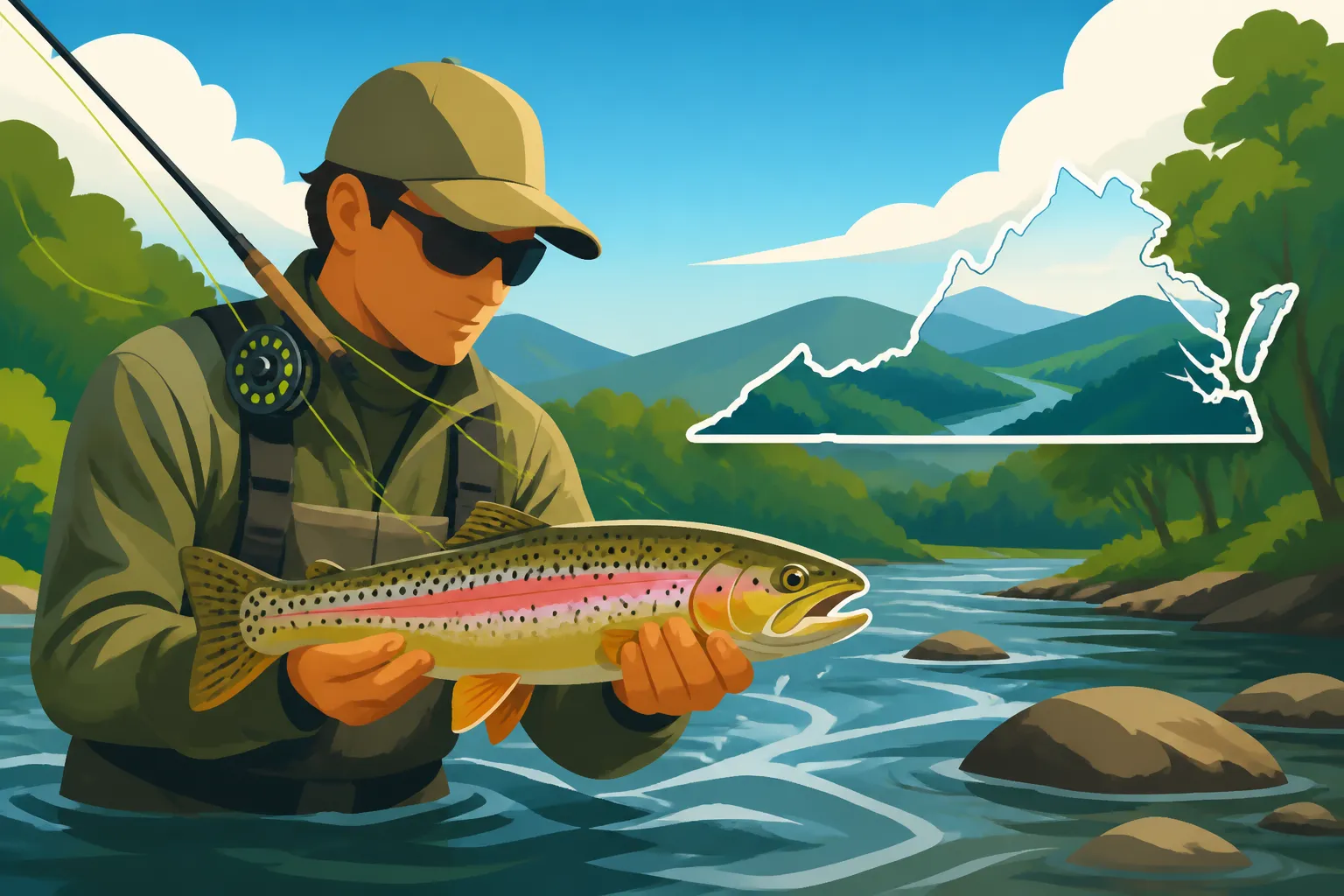
Oh, the Shenandoah River! Just the name conjures up images of misty mornings, clear flowing water, and the promise of a beautiful trout. But let's be real, figuring out exactly when and how to chase those elusive trout in Virginia can feel like trying to solve a cryptic puzzle, especially with all the different regulations and seasonal changes. If you've ever felt overwhelmed trying to plan your next trout outing on this iconic river, don't worry – you're absolutely not alone. This guide is going to peel back the layers and give you the full scoop on the Shenandoah River trout fishing season, helping you understand the best times to hit the water and what to expect.
Demystifying Virginia's Trout Fishing Seasons
Before we dive specifically into the Shenandoah, it’s crucial to understand that Virginia’s trout fishing landscape isn't a "one-size-fits-all" situation. The Virginia Department of Wildlife Resources (DWR) manages different types of trout waters, each with its own specific rules and seasons. This is often where the confusion begins for many anglers, especially those new to the state or just getting into trout fishing. You see, the DWR is working hard to balance recreational fishing opportunities with conservation efforts, which means that whether you're casting for a wild brook trout or a freshly stocked rainbow, the timing and rules can differ significantly. It's not just about what month it is; it's about the type of water you're fishing.
Understanding Stocked Trout Waters
Many people's first experience with trout fishing in Virginia is on "stocked trout waters." These are rivers, streams, and even some lakes where the DWR regularly releases trout, primarily rainbows, but also some browns and brookies, to ensure ample fishing opportunities. The Shenandoah system, particularly some of its tributaries, falls into this category at certain times. The idea behind these programs is fantastic: provide accessible fishing for everyone. However, the seasons and regulations for these waters are very specific and often open and close on set dates, differing from other trout fisheries. Generally, the stocked trout season in Virginia runs from October 1st through June 15th, but it’s always wise to double-check the latest DWR regulations because things can shift. During this period, you’ll typically find better success with traditional baits like corn, powerbait, or worms, although artificial lures and flies can also be very effective, especially right after a fresh stocking.
The DWR invests a lot into these stocking programs, and the fish they release are often eager to bite, making it an excellent option for families or beginners. You'll often see specific sections of rivers designated as "put-and-take" waters, meaning the intention is for anglers to harvest their catch. This helps manage the population and encourages more people to get out and enjoy the sport. Just remember that even on these waters, you’ll still need a valid Virginia fishing license and often a special trout license. It's a small price to pay to support these programs that ensure future generations can enjoy the thrill of reeling in a trout. For those interested in the specifics, checking out the official DWR website for the Virginia Stocked Trout Season Guide can be incredibly helpful.
Navigating Wild Trout Streams
Now, wild trout streams are a whole different ballgame, and the Shenandoah system has some incredible ones, particularly in its upper reaches and feeder creeks. These are natural populations of trout, primarily native brook trout (our state fish!), but also some wild rainbows and browns that have successfully reproduced in the stream. Fishing for wild trout often means getting off the beaten path, hiking into more remote areas, and employing more delicate techniques. The season for wild trout streams in Virginia is typically open year-round, but with specific regulations regarding tackle (often artificial lures only with single, barbless hooks) and length limits. For example, many wild trout streams have a minimum length limit of 7 inches, and a daily creel limit that is much lower than stocked waters, if keeping any fish at all is permitted.
The appeal of wild trout fishing isn't necessarily about filling a cooler; it's about the challenge, the pristine environments, and the sheer beauty of catching a truly wild fish in its natural habitat. These fish are often much warier and require a more stealthy approach. You'll find yourself studying insect hatches, reading the water more intently, and perhaps even engaging in a bit of fly fishing. The experience is incredibly rewarding, but it demands respect for the resource. Learning about the Wild Trout Stream Season in Virginia is essential before you head out, as these are fragile ecosystems that require careful handling. It's a chance to connect with nature on a deeper level, and it's something I highly recommend for any angler looking for a unique challenge.
Shenandoah-Specific Trout Fishing Windows
When we talk about the Shenandoah River itself, it’s important to clarify that we're often referring to its forks – the North Fork and the South Fork – and their many tributaries. The main stems of the Shenandoah are generally warmer, more suited to smallmouth bass and other warm-water species, especially in the summer months. However, the cooler headwaters and numerous feeder creeks are where the trout magic truly happens. Understanding these distinct zones is key to successful trout fishing on the Shenandoah.
Spring and Early Summer on Shenandoah's Tributaries
Spring is arguably the most celebrated time for trout fishing in the Shenandoah Valley. As the snow melts and the spring rains swell the creeks, water levels rise, and the trout become more active. This is when the DWR is most active with its stocking programs in designated "put-and-take" streams within the Shenandoah watershed. You'll find sections of streams like Passage Creek, Hawksbill Creek, and Cedar Creek bustling with anglers hoping to catch some freshly introduced rainbows. The early part of the season, from March through May, is prime for these stocked waters. Water temperatures are ideal, and insect activity starts to pick up, making fish eager to feed.
For those pursuing wild trout in the more remote upper stretches of these same tributaries, spring also offers fantastic opportunities. Hatches of caddisflies and mayflies become more frequent, providing ample dry fly action. The streams are usually running clear, but not too low, making for excellent wading conditions. This window is also fantastic because the foliage isn't yet fully dense, making access a bit easier, but still offering plenty of cover for anglers to approach wary wild fish. Just be mindful of sudden spring thunderstorms, which can quickly muddy waters and make fishing difficult. If you're planning a trip during this time, consider exploring some of the Best Trout Streams on the Shenandoah River, Virginia for local insights.
Fall and Winter Wild Trout Opportunities
While many anglers pack away their trout gear after spring, the fall and winter seasons offer some truly spectacular, albeit challenging, trout fishing on the Shenandoah's wild trout streams. As water temperatures drop, wild trout often become more concentrated and can be incredibly active, especially on warmer, sunny days. The vibrant fall foliage makes for an incredibly scenic backdrop, and the crowds are significantly thinner than in the spring. This is when nymphing techniques, using subsurface imitations of aquatic insects, really shine. Streamers can also be very effective for larger, more aggressive brown or rainbow trout.
Winter fishing, while requiring a bit more grit and proper layering, can yield surprising results. On milder winter days, particularly in the afternoons when the sun warms the water a degree or two, trout will often move into shallower feeding lanes. Fly fishing with tiny midges or small nymphs can be incredibly productive. For many, the solitude of winter trout fishing is a major draw. You're less likely to see another soul on the water, offering a peaceful, introspective experience. It’s also a time when you might encounter some of the largest wild trout, as they are less pressured and more focused on conserving energy. Remember that appropriate gear is crucial for cold weather, and brands like Amazon offer a huge selection of thermal layers and waterproof waders to keep you comfortable.
Essential Gear and Smart Techniques for Shenandoah Trout
Having the right gear and knowing a few key techniques can make all the difference in your Shenandoah trout fishing adventures. It’s not about having the most expensive equipment, but rather having the appropriate tools for the job.
Rods, Reels, and Lines for Trout
For stocked trout, a light spinning rod (5-6 feet) with a small spinning reel spooled with 4-6 lb monofilament or fluorocarbon line is usually perfect. You don't need anything too fancy. This setup allows for easy casting of light baits and lures, which are often effective for recently stocked fish. For fly fishing, a 3-weight or 4-weight rod, 7.5 to 8.5 feet long, paired with a matching reel and a weight-forward floating line, is a versatile choice for the smaller streams and delicate presentations often required for wild trout. You can find excellent starter fly rod combos on Amazon that will get you out on the water without breaking the bank.
Choosing the right line is also important. While monofilament is forgiving, fluorocarbon offers less stretch and is nearly invisible underwater, which can be an advantage when targeting spooky wild trout. For fly lines, a good quality weight-forward line will make casting much easier for beginners and experienced anglers alike. It's always a good idea to carry extra leader and tippet material, as snags are inevitable when fishing tight, brushy streams.
Bait, Lures, and Flies That Produce
The choice between bait, lures, or flies largely depends on the type of water and season. For stocked trout, popular options include:
- PowerBait and Trout Magnets: These scented, colorful baits are incredibly effective. Mold them onto a small hook with a tiny split shot a foot or so above, and let it drift naturally.
- Worms: The classic choice. A simple nightcrawler or red wiggler on a small hook can be irresistible to hungry trout.
- Small Spinners: Rooster Tails and Mepps Aglias are go-to choices. Their flash and vibration can trigger aggressive strikes. Colors like silver, gold, and brass are generally productive.
- Small Spoons: Tiny Kastmasters or Little Cleos can imitate fleeing baitfish.
For wild trout, especially when fly fishing, focus on imitating the local insect life:
- Nymphs: Pheasant Tail Nymphs, Hare's Ear Nymphs, and Prince Nymphs are staple subsurface patterns. Match the size to what you see in the water.
- Dry Flies: When trout are rising to surface insects, try imitating caddisflies (Elk Hair Caddis), mayflies (Parachute Adams), or stoneflies (Stimulator).
- Streamers: Woolly Buggers (black, olive, brown) are incredibly versatile and can entice larger trout, imitating leeches or baitfish.
- Small Jigs: Tiny trout magnets or micro-jigs under a float can also be very effective for wild trout if you're not fly fishing.
When selecting flies or lures, always observe the water and its surroundings. Are there bugs flying? What color are they? What size? "Matching the hatch" isn't just a fancy phrase; it's a fundamental principle for successful trout fishing.
Rules, Regulations, and Conservation on the Shenandoah
Fishing on the Shenandoah River, like any other body of water in Virginia, comes with a set of rules and responsibilities. These aren't just arbitrary guidelines; they're in place to protect the fish populations and ensure that fishing remains a sustainable activity for future generations. Ignoring them can lead to hefty fines and can negatively impact the resource we all cherish.
Essential Virginia Fishing Licenses
No matter where you plan to fish for trout in Virginia, a valid fishing license is your first and most important piece of gear. For most resident anglers over the age of 16, this means a basic Virginia resident freshwater fishing license. However, if you're targeting trout, you'll also need an additional Virginia trout license, which is very affordable and helps fund the DWR's stocking and conservation efforts. Non-residents will need their own specific licenses, which can also be combined with a trout stamp. You can purchase these licenses online through the DWR website, at most sporting goods stores like those found through an Amazon search, or at authorized license agents across the state. It's crucial to have your license with you when you're fishing, either in physical form or digitally on your phone, as wildlife officers do check. To avoid any issues, review the Virginia Fishing License Guide well before your trip.
It's also worth noting that Virginia offers "Free Fishing Days" annually in June. During these specific days, residents and non-residents alike can fish without a license. This is a fantastic opportunity for beginners to try out fishing without the initial cost of a license. However, the trout license requirement still applies even during free fishing days if you are fishing in designated stocked trout waters or cold-water impoundments. So, don't get caught off guard! Always verify the current regulations for the specific body of water you intend to fish.
| License Type | Resident Annual Cost (Approx.) | Non-Resident Annual Cost (Approx.) | Notes |
|---|---|---|---|
| Freshwater Fishing License | $23 | $47 | Required for all freshwater fishing (16+) |
| Trout License | $23 | $23 | Required in addition to freshwater license for trout. |
| 1-Year Freshwater/Trout Combo | $46 | $70 | Combines both required licenses into one purchase. |
| 5-Day Freshwater Pass | $14 | $21 | Good for shorter trips, trout license still extra. |
| 5-Day Trout License | N/A | N/A | No specific 5-day trout only. Must be combined with fw. |
Note: Prices are approximate and subject to change. Always check the official DWR website for the most current fees and options.
Catch Limits and Size Restrictions
Understanding catch limits and size restrictions is just as important as having a license. These rules are designed to prevent overfishing and to allow fish populations to thrive. For most stocked trout waters in Virginia, the daily creel limit is six trout per person. However, for wild trout streams, it can vary significantly, often being much lower (e.g., two fish) or even catch-and-release only. Furthermore, many wild trout streams have a minimum size limit, commonly 7 inches, meaning any trout caught under that length must be immediately released unharmed.
It's your responsibility as an angler to know these rules for the specific section of the Shenandoah River or its tributaries you are fishing. These details can often be found in the DWR Fishing Regulations pamphlet or on their website. Carrying a small measuring tape or having a ruler decal on your rod can be very helpful for quickly checking fish length. Always handle fish you intend to release with the utmost care, minimizing their time out of the water and avoiding contact with dry hands or hard surfaces. The goal is to send them back into the water strong enough to survive and spawn another day. Remember, adherence to these rules contributes directly to the overall health and enjoyment of Virginia's fisheries, so familiarizing yourself with Virginia Fishing Regulations Explained is a must.
Disclaimer
The information provided in this guide is for general informational purposes only and is subject to change. Fishing regulations, license requirements, and seasons are determined by the Virginia Department of Wildlife Resources (DWR) and can be updated without prior notice. It is the responsibility of every angler to consult the official DWR website or current fishing regulations pamphlet before engaging in any fishing activity to ensure compliance with all applicable laws and rules. Fishing involves inherent risks, and adherence to safety guidelines is always recommended.