Best Time of Year for Bass Fishing in Virginia
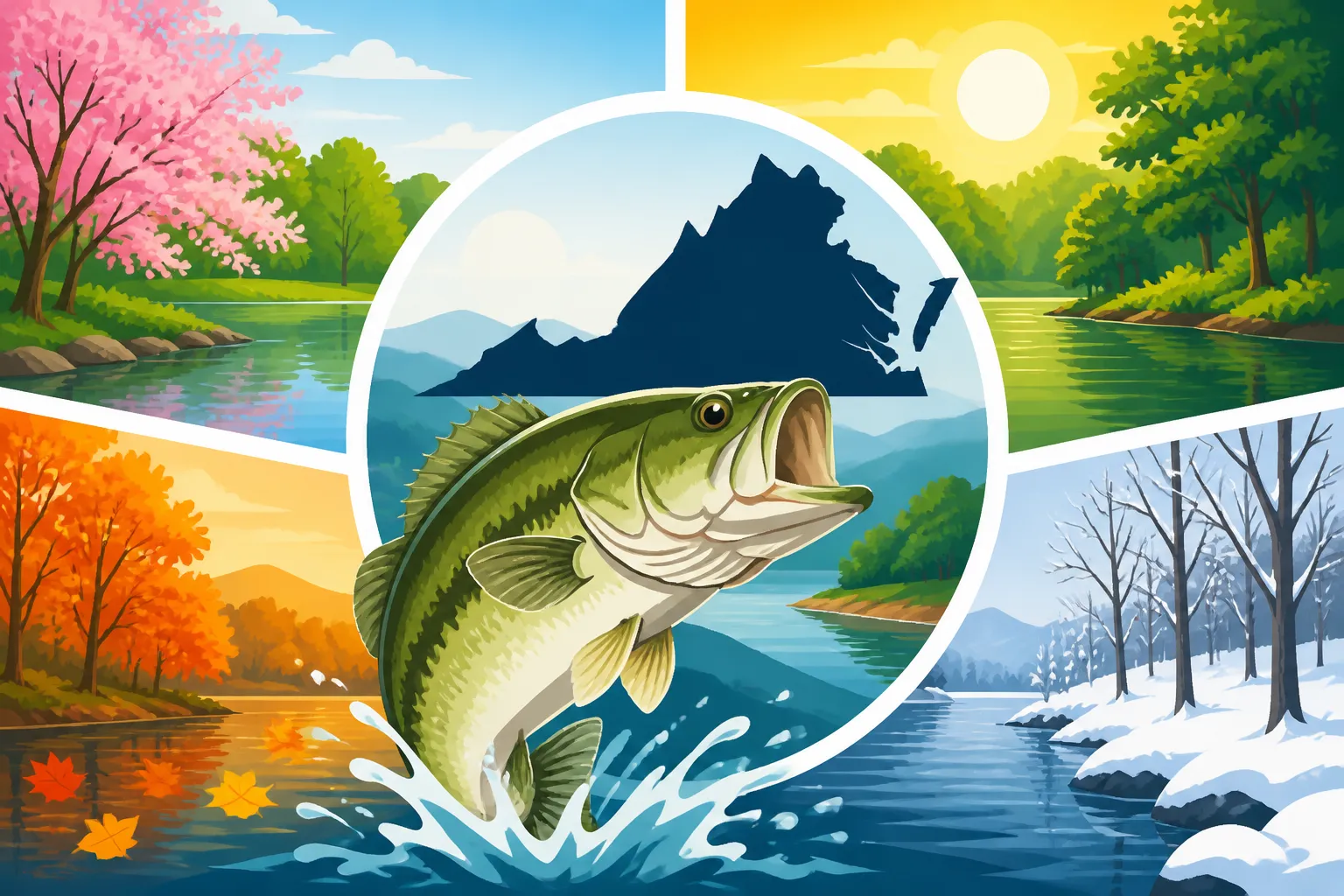
Ever feel like you're out on the water, throwing every lure in your tackle box, but the bass just aren't biting? It's a common frustration, especially when you know Virginia's waters hold some incredible bass fishing opportunities. The truth is, bass fishing isn't just about having the right gear; it's about understanding the seasonal rhythms that dictate where these clever fish will be and what they'll be willing to strike. This comprehensive guide is going to walk you through the absolute best times of year for bass fishing in Virginia, breaking down each season so you can maximize your chances of a successful and memorable trip, whether you're chasing largemouth in a shallow lake or smallmouth in a rocky river.
Spring: The Season of Renewal and Relentless Bites
Ah, spring! It's a magical time when the ice melts, the birds start singing, and every angler feels that undeniable pull back to the water. In Virginia, spring means the bass are shaking off their winter lethargy and getting ready for the most important event of their year: spawning. This season offers some of the most consistent and exciting bass fishing, but you've got to understand the subtle shifts happening in the water to truly capitalize on it.
Pre-Spawn Frenzy: Bulking Up Before the Big Event
As winter slowly gives way to spring, the water temperatures in Virginia's lakes and rivers begin to tick upward, usually hovering in the high 40s to low 50s. This is the pre-spawn period, and it's a phenomenal time to target big bass. These fish, both male and female, are on a mission to bulk up their energy reserves before the taxing process of spawning begins. They’re often deeper than you might expect, hanging around channel swings, submerged points, and creek mouths that offer easy access to both deep water (for safety and temperature stability) and shallower feeding flats.
During this phase, bass are typically focused on larger, slower-moving prey. Think about big shad, bluegill, or crawfish that might be hiding in the deeper transition zones. Your approach needs to be patient and deliberate. I’ve had tremendous success with lipless crankbaits, jerkbaits, and even big spinnerbaits slow-rolled along the bottom. Jigs with a crawfish-imitating trailer are also deadly when dragged slowly through these areas. It's not about making a lot of noise; it's about presenting a substantial meal that’s easy for a cold-blooded fish to ambush. Make sure your tackle is up to the task; having a variety of heavy jigs and trailers readily available on sites like Amazon can make all the difference when you're trying to match the hatch. This is a critical window because the fish are incredibly hungry, but still a bit sluggish from the colder water. Understanding specific Pre-Spawn Bass Fishing Tips can really give you an edge during this productive time.
The Spawn: Protecting the Nest
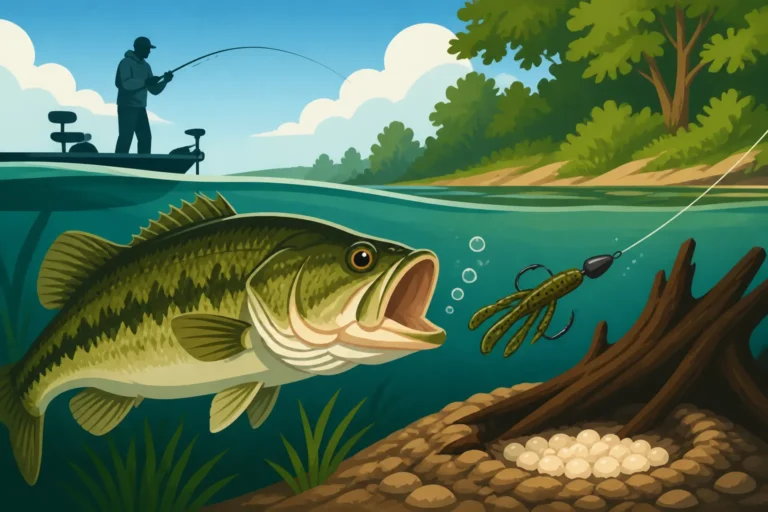
Once water temperatures consistently hit the mid-50s to low 60s, typically from late April through May in many Virginia waters, the bass move shallow to spawn. This is arguably the most talked-about period for bass fishing. Females will create beds, often saucer-shaped depressions, in shallow, protected areas like coves, pockets, and along gradual banks. The males then guard these nests fiercely. While it can be thrilling to spot a bass on a bed, remember that targeting actively spawning fish raises ethical questions about disrupting their reproductive cycle. Always check local regulations, as some areas may have restrictions on targeting bedding fish.
If you choose to fish during this period, focus on areas adjacent to known spawning grounds where fish might be staging or recently finished spawning. Spinnerbaits, swim jigs, and Texas-rigged soft plastics can be effective for bass cruising nearby. Polarized sunglasses are absolutely essential for spotting beds or fish in shallow water; a good pair found on Amazon can transform your ability to read the water. Remember, the fish are incredibly vulnerable during this time, so treat them with respect and release them quickly and carefully. For a deeper dive into this delicate period, explore How to Catch Bass During the Spawn.
Post-Spawn Recovery: Hunger After the Hard Work
After the spawn, both male and female bass are exhausted and often a bit beat up. Their primary focus shifts from reproduction back to recovery and feeding. Water temperatures are typically in the mid-60s to low 70s now, and the fish will start to spread out from the shallow spawning areas. They often congregate on nearby secondary points, submerged brush piles, and weed lines that offer both cover and access to food.
This period can sometimes be challenging because the fish are still recovering, and their bites might be more subtle. However, as they regain strength, they'll become increasingly aggressive. Look for fish suspending around cover or ambushing baitfish. Topwater lures, weightless worms, and finesse jigs can be highly effective. The key is to present baits that look like an easy meal and don't require too much effort from the bass. Understanding How to Catch Bass After the Spawn will help you navigate this transition period. Fish are usually hungry, but not necessarily chasing down every meal, making lighter, more subtle presentations crucial.
Summer: Hot Days and Deep Water Tactics
Summer in Virginia can be brutally hot, and the bass feel it just as much as we do. While the overall activity might slow down during the scorching midday hours, don't let that fool you; bass are still feeding, just perhaps at different times and in different places. This season really tests your understanding of fish behavior and your willingness to adapt your tactics.
Midday Heat and Deep Water Comfort
As air temperatures climb into the 80s and 90s, the shallow waters heat up quickly. This pushes bass into deeper, cooler, more oxygenated water. They'll seek out thermal refuges: deep main lake points, channel edges, offshore humps, submerged timber, and deep weed lines. This is where your electronics become your best friend, helping you locate changes in depth and structure.
During these hot summer days, bass are often schooled up, and once you find one, you've likely found several. Techniques like cranking deep-diving crankbaits, fishing Carolina rigs or Texas rigs with heavy weights to get down quickly, and vertical jigging with spoons or heavy jigs are excellent choices. Finding the thermocline (the layer where water temperature changes rapidly) is key, as bass will often suspend just above or within this zone. Being able to access a wide array of deep-diving lures and weights quickly from a retailer like Amazon can save a fishing trip when the bite is tough. For more insights on this, check out Summer Bass Fishing Patterns.
Early Mornings, Late Evenings, and Night Fishing
While midday can be tough, the bookends of the day – early mornings and late evenings – offer fantastic opportunities. As the sun rises or sets, the light levels are lower, and the surface water temperatures cool slightly. This prompts bass to move shallower, often chasing baitfish in feeding frenzies. Topwater lures like poppers, walking baits, and buzzbaits can produce explosive strikes during these low-light conditions.
And then there's night fishing. For many anglers, it's an acquired taste, but it can be incredibly rewarding during the summer. Bass are often more active and less wary under the cover of darkness. They'll move into much shallower water than they would during the day, feeding aggressively. Large spinnerbaits, bladed jigs, and dark-colored worms or jigs fished slowly are great choices. You'll need some specialized gear, of course, like headlamps and perhaps some submersible fishing lights which are readily available on Amazon. If you're looking to try something new and beat the heat, diving into Night Fishing Techniques could be your ticket to some epic summer catches.
Fall: The Pre-Winter Feeding Binge
As the leaves begin to turn and the crispness returns to the Virginia air, anglers often breathe a sigh of relief. Fall is arguably one of the most exciting times for bass fishing, as the fish shift into an aggressive feeding mode, preparing for the lean winter months ahead. This is when you can experience some truly memorable days on the water.
Migration to Shad-Filled Coves
The cooling water temperatures in fall trigger a crucial phenomenon: the shad migration. Threadfin and gizzard shad, the primary forage for bass in many Virginia lakes, begin to school up and move from deep, open water into shallower coves and creek arms. The bass follow them, creating an incredible feeding opportunity. You'll often see bass busting on the surface, pushing schools of baitfish, a sight that gets any angler's heart pumping.
During this time, covering water quickly and matching the baitfish is essential. Crankbaits that mimic shad, lipless crankbaits, swimbaits, and even topwater lures (especially on overcast days or early mornings) can be incredibly effective. Look for birds diving, tell-tale signs of baitfish flickering on the surface, or use your electronics to spot large schools of bait. This is a period of relentless feeding, and if you find the bait, you'll find the bass. Having a good supply of shad-imitating lures, easily ordered through Amazon, can be a game-changer. For a comprehensive look at how bass behavior changes, check out Fall Bass Fishing Patterns.
Cooler Water and Aggressive Strikes
Beyond the baitfish migration, the overall cooling water temperature invigorates the bass. They become more active, moving around more freely and willing to chase down a meal. This means faster retrieves and more aggressive presentations often work well. Jerkbaits are particularly deadly in the fall, especially as water temperatures dip into the 50s. The erratic action of a jerkbait perfectly mimics a stunned or dying baitfish, an irresistible target for a hungry bass.
Don't neglect classic presentations either. Jigs, Texas rigs, and Carolina rigs can still be very effective when bass are relating to specific cover or structure. The key is to experiment with retrieve speeds and lure choices until you find what the fish are keying in on that particular day. Sometimes they want a fast-moving reaction bait, and other times a slower, more deliberate presentation is required. The fall bite can last well into late autumn, often offering consistent action until water temperatures drop significantly in early winter.
Winter: Slow and Steady Wins the Race
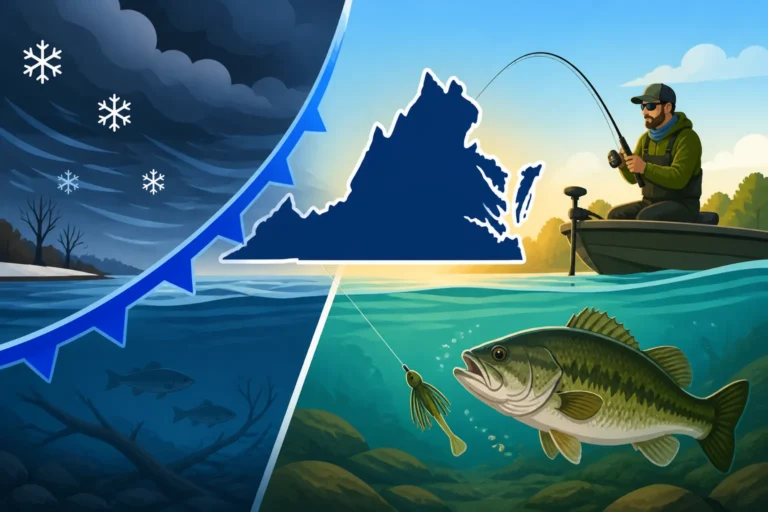
When the air gets cold and the water temperatures plummet, many anglers put their gear away for the season. But for those dedicated few, winter bass fishing in Virginia can offer incredible rewards, often with less competition on the water. It requires a different mindset and a lot of patience, but catching a big, fat winter bass is a unique satisfaction.
Deep Water Holds and Subtle Bites
In winter, bass retreat to their deepest, most stable water. Think main lake basins, deep channels, steep bluffs, and large, isolated timber or rock piles in deep water. Their metabolism slows down significantly, meaning they're not going to chase a lure very far. Bites become incredibly subtle, often feeling like a slight "thump" or just added weight on your line. You'll need to be hyper-attentive to your line and rod tip.
Techniques are all about slow, precise presentations. Vertical jigging with spoons or blade baits directly over fish you've marked on your electronics is highly effective. Drop shot rigs, shaky heads, and small jigs are also excellent choices when fished very slowly along the bottom. The fish are often schooled up tightly, so once you find them, you can sometimes catch several from the same spot. A high-quality, sensitive rod and reel combination is crucial for detecting these faint bites; tools like these can be easily researched and purchased on Amazon to ensure you're well-equipped. For more strategies on cold-water angling, delve into Winter Bass Fishing Techniques.
Favorable Weather Windows
While winter fishing generally means slow retrieves, there are certain weather conditions that can activate the bite, even if only for a short window. Look for those bluebird days after a cold front has passed, especially if you have a few consecutive days of sunshine that can slightly warm the surface layers in shallower pockets. Even a degree or two can make a difference. These brief warming trends might entice bass to move slightly shallower or become a bit more active, making them more willing to strike.
Targeting sunny, protected banks or rock features that absorb heat can be productive. Even a slight current in a river can concentrate inactive fish. Remember, it's not about catching a dozen fish, but about the quality of the few bites you get. Be patient, fish slowly, and focus on pinpointing precise locations where bass are likely to congregate. Sometimes, the difference between success and failure is simply being out there when that brief, favorable weather window opens up. Don't forget that understanding Water Temperature and Fish Feeding Patterns is paramount during these colder months.
Choosing the Right Lure for the Season
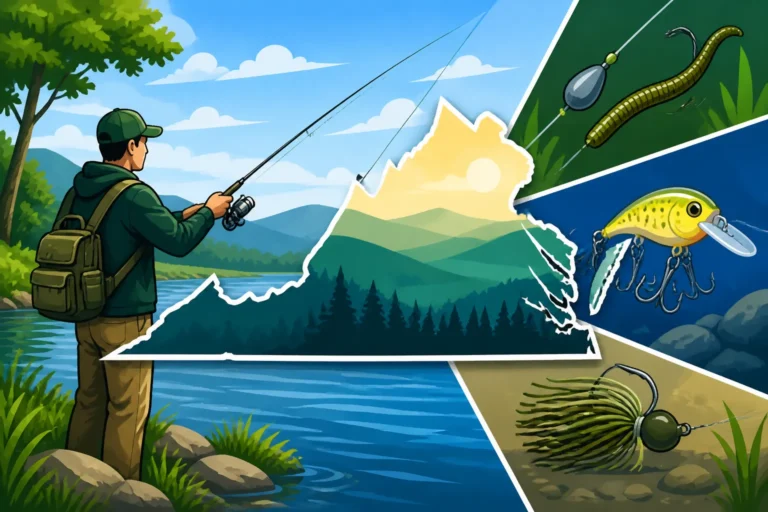
Matching your lure selection to the seasonal patterns of bass is one of the most critical aspects of successful fishing. What works in the heat of summer might be completely ignored in the dead of winter. Here’s a quick overview to help you adjust your tackle box.
| Season | Water Temperature | Bass Behavior | Recommended Lure Types | Key Techniques |
|---|---|---|---|---|
| Early Spring (Pre-Spawn) | 45-55°F | Deeper, seeking food, somewhat sluggish | Lipless crankbaits, jerkbaits, jigs, slow-rolled spinnerbaits | Slow retrieves along deep points, channel swings, creek mouths |
| Late Spring (Spawn/Post-Spawn) | 55-70°F | Shallow, protecting beds, then recovering hunger | Spinnerbaits, swim jigs, weightless worms, finesse jigs, topwater | Flipping/pitching to cover, working weed lines and secondary points, early/late topwater |
| Summer | 70-85°F+ | Deep for comfort, active at dawn/dusk | Deep-diving crankbaits, Carolina rigs, jigs, topwater (low light) | Offshore structure, deep brush, night fishing, early/late shallow topwater |
| Fall | 55-70°F | Highly aggressive, chasing baitfish | Crankbaits (shad patterns), jerkbaits, swimbaits, spinnerbaits | Covering water quickly, targeting bait schools in coves and creek arms, reaction bites |
| Winter | Below 45°F | Deep, lethargic, subtle bites | Jigging spoons, blade baits, drop shot rigs, small jigs | Vertical jigging over deep structure, slow presentations, focusing on sunny, protected days |
No matter the season, having a versatile tackle box is important. For summer fishing, for instance, knowing Best Lures for Summer Bass Fishing can really help narrow down your choices. You can often find great deals on a wide variety of these lures on Amazon, ensuring you're always prepared for the conditions. Additionally, don't forget the importance of lure color; understanding How to Choose Lure Color for Murky Water can drastically improve your success.
Understanding Virginia's Bass Species
Virginia is blessed with a diverse array of bass species, each with its own preferences and habits, although their general seasonal patterns remain somewhat consistent. When we talk about "bass fishing" in Virginia, we're usually referring to largemouth bass, smallmouth bass, and occasionally spotted bass. You might even encounter the introduced Alabama bass in certain impoundments.
Largemouth Bass: These are the quintessential "bucketmouths" of Virginia's lakes and slow-moving rivers. They prefer warmer, murkier water with plenty of aquatic vegetation, submerged timber, and other heavy cover. You'll find them in abundance in lakes like Smith Mountain Lake, Lake Anna, and Kerr Lake. Their seasonal patterns closely follow the general guide above, moving shallower in spring and fall, and deeper in summer and winter.
Smallmouth Bass: Known for their bronze color and incredible fighting ability, smallmouth bass are the kings of Virginia's cooler, clearer rivers and rocky lakes. The Shenandoah River and James River are renowned smallmouth fisheries. They prefer rocky bottoms, current breaks, and areas with deeper pools and swift riffles. While their seasonal movements are similar to largemouth, smallmouth will often stay shallower in rivers through colder months, relating to current. You can learn more about these different species in depth by reading our guide on Virginia Bass Fishing: Largemouth, Smallmouth, Spotted, and Alabama Bass.
Spotted Bass & Alabama Bass: These species are less common but are found in some specific Virginia waters, most notably Claytor Lake, where the Alabama bass has established a significant population. They often behave like a hybrid between largemouth and smallmouth, preferring clearer water but also relating to structure. They can be found in a variety of depths depending on the season and specific water body.
No matter which bass species you're targeting, adapting your techniques to the time of year and the specific habitat is key. Virginia offers year-round opportunities for bass anglers, as long as you're willing to brave the elements and put in the effort to understand their seasonal movements.
Disclaimer
Fishing conditions and regulations in Virginia can change. Always consult the latest Virginia Department of Wildlife Resources (DWR) regulations before heading out on the water. This guide provides general information and should not be considered a substitute for official DWR resources.