Fishing Techniques After a Cold Front
Have you ever planned the perfect fishing trip, only for a sudden cold front to blow through, leaving you staring at a seemingly lifeless stretch of water? It's incredibly frustrating, I know! One day the fish are biting aggressively, and the next, it's like they've vanished into thin air. A cold front can completely flip a fishing day on its head, but it doesn't have to ruin your outing. This comprehensive guide will walk you through exactly how to adjust your approach and fishing techniques after a cold front hits, helping you tempt those finicky fish into biting in Virginia's waters.
Understanding the Impact of a Cold Front on Virginia Fish
Before we can even think about what lures to tie on or where to cast, we need to understand why a cold front changes everything. It’s not just a subtle shift; it’s a full-on environmental upheaval that sends fish into a defensive crouch. Imagine your own reaction to a sudden, drastic change in weather – you'd probably hunker down too! Fish are no different, and their survival instincts kick in hard when conditions get tough.
The Sudden Drop in Water Temperature
One of the most immediate and profound effects of a cold front is the drop in water temperature. While surface temperatures might only dip a few degrees, this can have a significant impact, especially in shallower waters. Fish are cold-blooded creatures, meaning their body temperature is regulated by their environment. A sudden temperature drop can slow down their metabolism considerably. They become sluggish, less active, and generally less inclined to chase down a meal. This is particularly true for many of Virginia's popular game fish, like largemouth bass and crappie, which thrive in warmer conditions. They're not just a little chilly; their entire biological system is telling them to conserve energy and move to more stable, warmer environments if they can find them. This is a critical point to remember, as it dictates much of our strategy. Understanding how vital this temperature factor is can really shift your perspective on how fish behave. For a deeper dive into this, you might want to explore the topic of Water Temperature and Fish Feeding Patterns.
Barometric Pressure Shifts and Fish Behavior
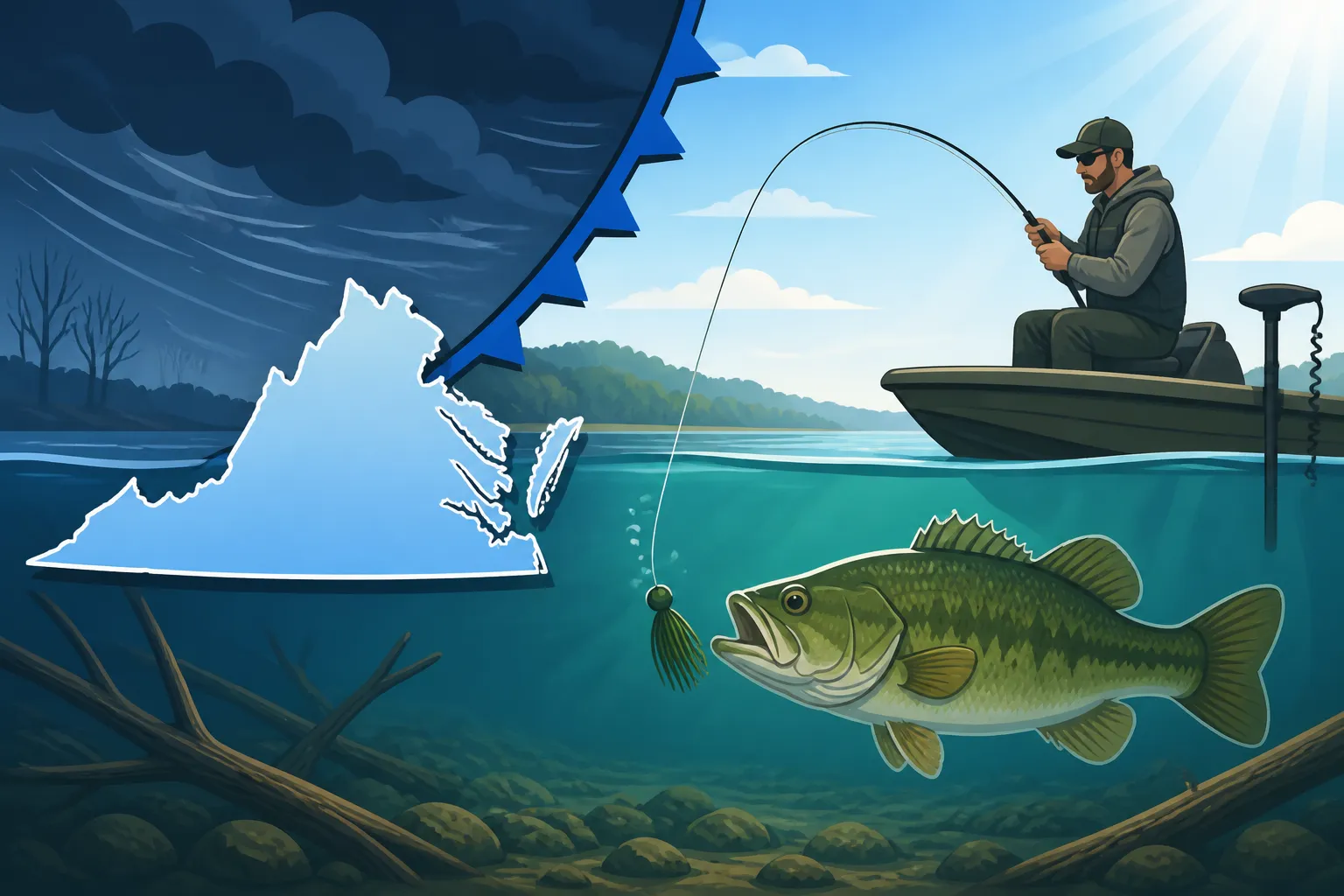
It's not just the temperature, folks; the barometric pressure plays a huge role too. Before a cold front arrives, the barometric pressure usually drops, often leading to a feeding frenzy as fish sense the impending change and stock up. But once the front passes, the pressure shoots up, settling into a high, stable state. This high pressure can make fish incredibly uncomfortable and lethargic. Think about how you feel with a sudden sinus headache – fish experience something similar, but across their entire body. This discomfort often drives them deeper, seeking relief where the pressure is more stable and less intense. They'll hug the bottom, bury themselves in cover, or suspend in deeper water columns, essentially trying to escape the pressure. This shift from a feeding frenzy to a total shutdown can be incredibly jarring for an angler, leaving you scratching your head if you're not aware of this invisible force at play.
Changes in Forage and Metabolism
When fish become lethargic and less active due to temperature and pressure changes, their metabolism slows right down. This means they need less food, and they’re certainly not going to expend a lot of energy chasing down a fast-moving meal. Their natural forage – baitfish, insects, crawfish – also react to the cold front. Baitfish might school up tighter and move to deeper, more stable waters, making them harder for predators to find. Insects become less active, and crawfish might burrow down into the mud. So, not only are the predator fish less inclined to eat, but their food sources are also harder to come by or less active. This combination creates a perfect storm for a tough fishing day, demanding a complete rethink of how we present our offerings. They're not completely uninterested in food, but they're definitely not going to go out of their way for it.
Adjusting Your Strategy: Slower, Deeper, Smaller
Alright, now that we understand the "why," let's talk about the "how." The absolute golden rule after a cold front in Virginia is to think "slower, deeper, smaller." Forget those aggressive, fast retrieves you were using during the pre-front bite. That's a surefire way to come home empty-handed. We need to appeal to a fish's survival instinct, offering them an easy, irresistible meal that requires minimal effort to obtain. This means radically altering your presentation and the areas you focus on. It’s about being patient, methodical, and almost stealthy in your approach.
Targeting Deeper Water Structures
As we discussed, fish often move deeper to escape the discomfort of high barometric pressure and to find more stable water temperatures. This means your focus should shift from shallow coves and weed lines to deeper structures. Think about areas like channel bends, ledges, drop-offs, humps, and submerged timber in 15 to 30 feet of water, sometimes even deeper depending on the body of water. For example, on a lake like Smith Mountain Lake Fishing Guide, fish will move off the main lake points and into the deeper channel swings. They're not necessarily going to be on the very bottom, but they'll often suspend near these structures, or tuck tightly into any available cover. It’s a matter of covering water effectively with your electronics to pinpoint these deeper holding areas. Don't be afraid to fish water that looks barren on the surface – the action is often happening far below. You'll need to use tactics that allow you to reach these depths and stay there for extended periods, enticing a bite from a sluggish fish.
The Importance of a Slower Presentation
This cannot be stressed enough: slow down. A fish with a slowed metabolism and high-pressure blues isn't going to chase a quickly retrieved crankbait. They want an easy meal. This means painfully slow retrieves, long pauses, and subtle movements. If you think you're going slow enough, go even slower. For jigs, this might mean letting it sit on the bottom for 10-15 seconds before a barely perceptible hop. For soft plastics, a slow drag or an even slower dead-stick retrieve can be deadly. The key is to keep the bait in the strike zone for as long as possible, giving a reluctant fish ample time to decide if it's worth the minimal effort to bite. This kind of fishing demands patience and focus, which can be tough when you're used to a fast-paced bite, but it's essential for success. It’s a completely different rhythm, but it’s the one the fish are on. For more specific guidance on tempting those finicky fish, consider looking into How to Catch Bass in Cold Water.
Downsizing Baits and Lures
With their metabolism slowed and their appetite reduced, fish are less likely to commit to a large, aggressive meal. Downsizing your baits and lures is often the ticket. Instead of a 1/2 oz jig, try a 1/4 oz or even a 1/8 oz. Swap out that 6-inch plastic worm for a 4-inch finesse worm or a small grub. The idea is to present something less intimidating, something that looks like an easy, bite-sized snack. Smaller baits also tend to have a more subtle action, which perfectly complements the slower retrieve. A tiny finesse jig with a small soft plastic trailer, or a diminutive drop shot rig, can often trigger bites when larger presentations are ignored. You're trying to whisper to the fish, not shout. If you're struggling to find the right sizes at your local tackle shop, remember that online retailers like Amazon offer a vast selection of finesse baits perfect for these conditions. Just search for "finesse fishing lures" and you'll find a treasure trove of options.
Top Lure and Bait Choices for Post-Front Conditions
Now that we've covered the fundamental strategic shifts, let's talk specifics about what to tie on. Your lure selection is critical, not just in type but in color and size, and how you work it. The goal is to mimic a struggling, easy meal, not a lively, fleeing one. Remember, these fish aren't aggressively feeding; they're reacting out of opportunity or instinct, and sometimes even annoyance.
Jigs and Soft Plastics for Finesse
When the fish are tucked deep and sluggish, jigs and soft plastics become your best friends. These are finesse presentations that allow for incredibly slow, controlled movements.
- Jigs: A football jig or a stand-up jig in smaller sizes (1/4 oz to 3/8 oz) with a compact trailer (like a small chunk or creature bait) can be deadly. Drag it along the bottom, feeling for subtle changes in cover. The goal is to imitate a crawfish slowly crawling or a baitfish struggling near the bottom. Darker colors like black and blue, or natural tones like green pumpkin, often excel.
- Soft Plastics: Finesse worms on a shaky head, small creature baits on a Texas rig, or small grubs on a lightweight jig head are all excellent choices. For an almost irresistible presentation, a drop shot rig with a 3-4 inch worm or minnow imitation can be absolutely phenomenal. This allows you to suspend your bait directly in front of a fish's face for extended periods. When you're fishing these, pay attention to the slack in your line, as cold front bites can be incredibly subtle – sometimes just a slight "thump" or a feeling of added weight. You can find a huge variety of these plastics on Amazon if your local shop is out of stock.
Blade Baits and Lipless Crankbaits for Reaction Strikes
While finesse is key, there are times when a reaction strike is what it takes. Blade baits and lipless crankbaits can sometimes provoke a bite from even the most lethargic fish due to their vibration and flash.
- Blade Baits: Brands like the Heddon Sonar or the Berkley Flicker Shad are excellent choices. Cast them out, let them sink to the bottom (or just above where you're seeing fish on your sonar), and then give them a sharp, short rip before letting them fall back on a slack line. The erratic fall and intense vibration can annoy a fish into striking. The retrieve is still slow in terms of overall coverage, but the action of the lure is quick and jarring.
- Lipless Crankbaits: Again, think smaller sizes. Fan cast them, let them sink to the bottom, and then retrieve them with a yo-yo action. Rip them up a few feet, then let them fall back. The rattle and vibration can be just enough to trigger a defensive strike. Gold, silver, or natural shad patterns are often effective. This isn't about covering a lot of water quickly, but rather about presenting an irresistible action in a localized zone.
Live Bait: The Ultimate Cold Front Weapon
When all else fails, or if you just want to stack the odds in your favor, live bait is often the most reliable option after a cold front. A struggling live minnow or a juicy nightcrawler requires no effort from the fish – it’s a readily available, high-protein meal sitting right in front of them.
- Minnows: Hooked lightly through the back or lips, and fished on a small jig head or under a slip bobber in deeper water, minnows are highly effective for crappie, bass, and even walleye. The natural movement of the minnow can be enough to draw strikes from otherwise disinterested fish.
- Nightcrawlers/Worms: Fished on a Carolina rig, a dropshot, or even a simple split shot rig, a live worm slowly dragged along the bottom can be irresistible. This is especially true for catfish and some panfish. For those interested in this technique, Catfish Bottom Fishing Techniques offers some great foundational knowledge that can be adapted. The natural scent and subtle movement of live bait often trump artificials in challenging conditions, making them a go-to for experienced cold front anglers.
Key Virginia Species and Cold Front Responses
Different fish species react to cold fronts in slightly different ways, though the general rule of "slower, deeper, smaller" usually holds true. Knowing these nuances can help you fine-tune your approach for the specific species you're targeting in Virginia. It's not a one-size-fits-all game, especially with the diverse fisheries we have here.
Largemouth and Smallmouth Bass Post-Front
Virginia is famous for its bass fishing, with lakes like Lake Anna and the James River holding fantastic populations of both largemouth and smallmouth. After a cold front, these usually aggressive predators become much more lethargic.
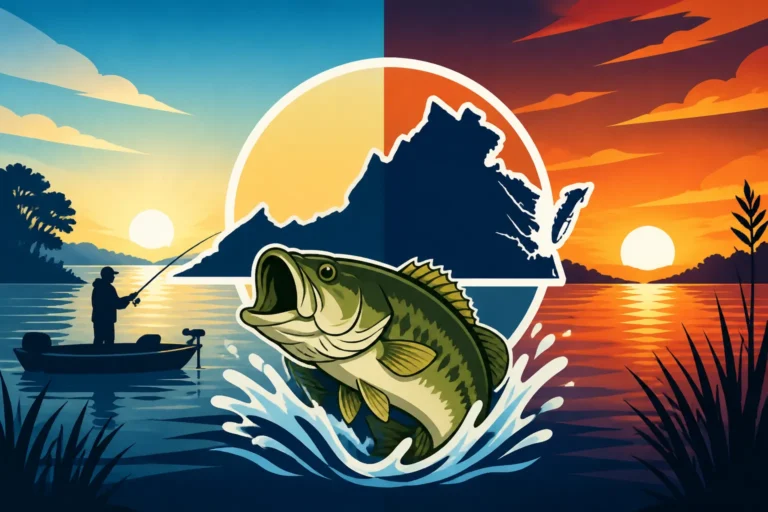
- Largemouth Bass: They'll typically retreat from shallow cover and move to deeper brush piles, submerged timber, or channel ledges. Look for them to hug cover extremely tightly. Finesse presentations like shaky heads with small worms, Neko rigs, or drop shots are excellent. Slowly dragging a jig with a small craw trailer can also coax a bite. They're often in an inactive state, almost glued to the bottom or cover, so you need to put the bait right on their nose and keep it there. If you're a bass enthusiast, understanding Virginia Bass Fishing: Largemouth, Smallmouth, Spotted, and Alabama Bass will give you an edge in any condition.
- Smallmouth Bass: Often found in clear, rocky waters, smallmouth also go deep. They'll relate to deep rock piles, humps, and current breaks in rivers like the Shenandoah. Small tubes, Ned rigs, or drop shots with tiny minnow imitations are very effective. They can sometimes be tempted by blade baits ripped near the bottom in deep water. Their strikes can be incredibly light, so a sensitive rod and braided line with a fluorocarbon leader are crucial.
Crappie and Panfish After a Cold Front
Crappie, bluegill, and other panfish are popular targets for many Virginia anglers, and they too feel the cold front slump.
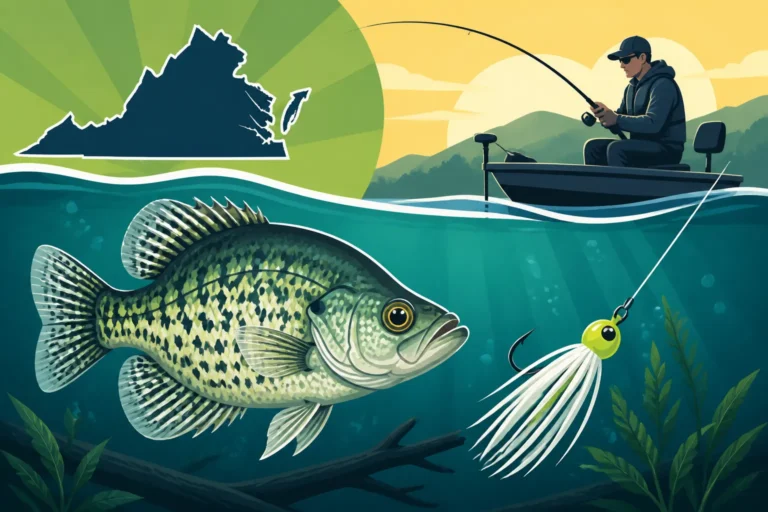
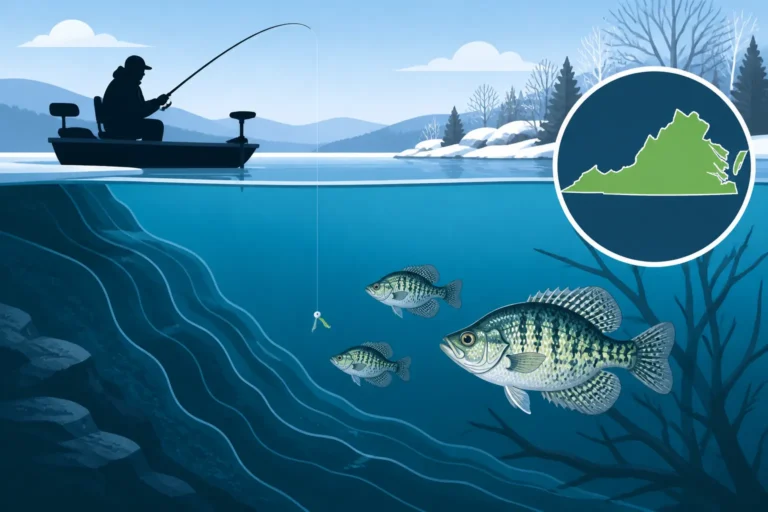
- Crappie: These schooling fish will often suspend in deeper water over brush piles, submerged timber, or under docks that extend into deep water. They can also move into the deepest parts of marinas or channels. Tiny jigs (1/32 to 1/16 oz) tipped with a small plastic grub, tube, or live minnow are the ticket. Vertical jigging or slow trolling with multiple rods can be effective for covering the water column where they're suspended. Patience is key, as bites can be very light. If you're new to this, Crappie Fishing Techniques for Beginners offers a great starting point, though remember to slow everything down after a front. For those who enjoy more active methods, Crappie Jigging Techniques are often scaled down in movement post-front.
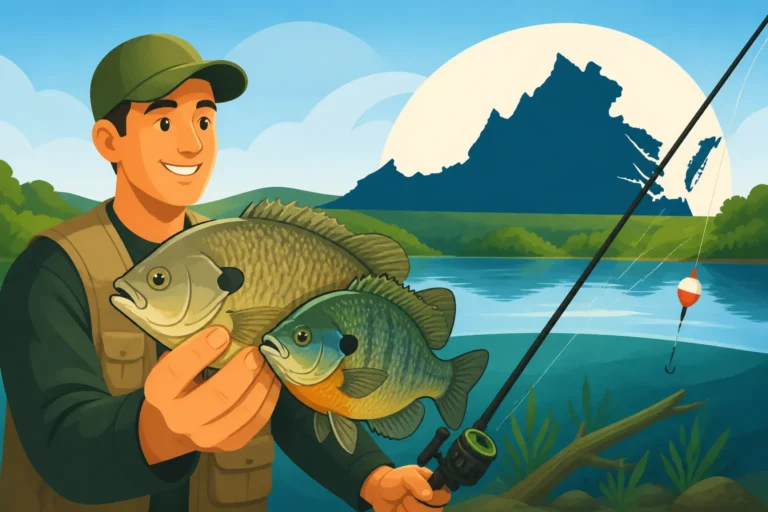
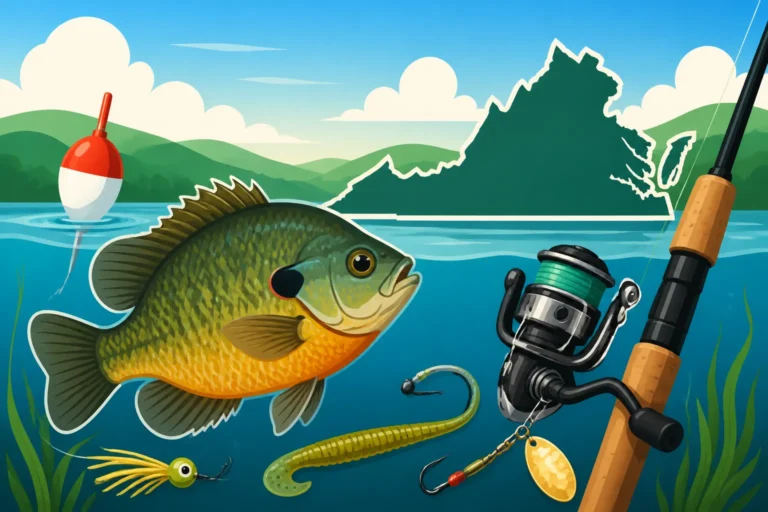
- Panfish (Bluegill, Perch, etc.): These smaller fish will often huddle near any deep cover they can find – thick brush, docks, or even simply the deeper sections of a pond or lake. Worms on tiny hooks under a bobber, or micro-jigs tipped with a wax worm or grub, fished extremely slowly, can work. They require even more patience, but once you find a school, you can often pick off several.
Striped Bass and Walleye Cold Front Tactics
Even the mighty striped bass and elusive walleye are affected, though their reactions can be slightly different due to their schooling and predatory behaviors.
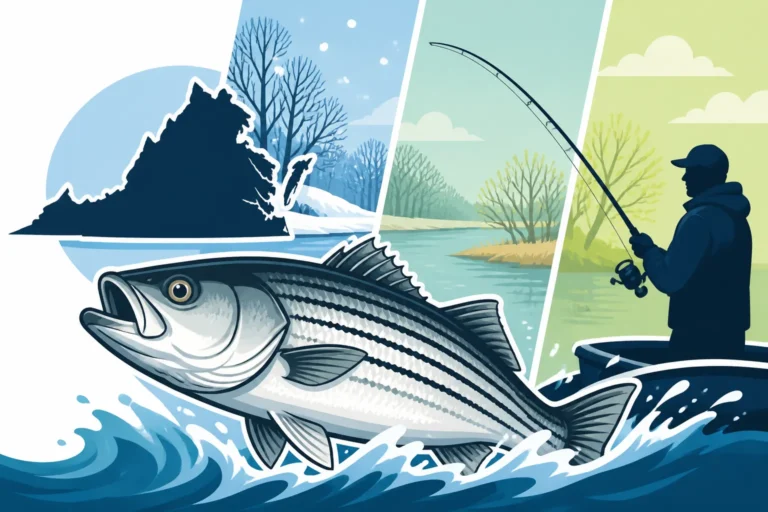
- Striped Bass (Freshwater and Saltwater): In freshwater lakes like Smith Mountain Lake, stripers will often move to deeper areas of the main lake, suspending over channel bends or near deep humps. Trolling deep-diving crankbaits or live bait (like gizzard shad) at extremely slow speeds can be effective. In the Chesapeake Bay, saltwater stripers (or "rockfish" as they're known) might also go deeper, huddling in warmer pockets of water, or near structured bottom. Vertical jigging with heavy spoons or large soft plastics (like a Bust 'Em Baits swimbait) can provoke a strike. Don't forget to check the Virginia Striped Bass Season and Slot Limit Guide to ensure you're fishing legally.
- Walleye: Claytor Lake is a prime spot for walleye in Virginia. After a cold front, these light-sensitive fish often move to the deepest parts of the lake, relating to structure like rock piles, deep humps, or channel edges. Jigging with live minnows or a slow-trolled bottom bouncer rig with a crawler harness are classic cold front walleye tactics. Blade baits worked slowly along the bottom can also be effective. They are notorious for subtle bites, so pay close attention.
Best Times and Locations to Fish After a Cold Front
Knowing when and where to cast your line after a cold front is just as important as knowing what to use. Many anglers make the mistake of fishing the same spots at the same times, and then wonder why they're not catching anything. We need to actively seek out the most favorable conditions for these stressed fish.
The 'Bluebird Sky' Syndrome and When to Break It
We've all heard the term "bluebird sky" day after a cold front – clear skies, bright sunshine, and high pressure. While beautiful for humans, it's often the worst for fishing. The bright sun penetrates deeper into the water, making fish feel exposed, and the high pressure pushes them down. Generally, the first day or two immediately after a strong cold front can be incredibly tough. Fish are still adjusting, their metabolisms are sluggish, and they're locked down. My advice? If you can, wait a day or two. The bite often starts to rebound on the second or third day post-front as the fish begin to acclimatize and the pressure stabilizes a bit. If you must go out on a bluebird day, focus on early mornings, late evenings, or even overcast periods if they pop up. Any break from the harsh sun can make a difference. For a broader perspective on timing, check out Best Times to Fish in Virginia Throughout the Year.
Finding Warmer Water Pockets
Even a slight increase in water temperature can make a big difference to cold-blooded fish. Look for areas that might warm up quicker or hold heat longer.
- North-facing Banks: In winter or early spring, north-facing banks receive more direct sunlight throughout the day, often leading to slightly warmer water.
- Dark Bottoms: Areas with dark, muddy, or rocky bottoms absorb and retain heat better than sandy bottoms.
- Shallow Flats Adjoining Deep Water: While fish go deep, if a shallow flat that warms up quickly is right next to a deep drop-off, fish might move up onto the edge of that flat for short feeding windows, especially during the warmest part of the day.
- Inflows: Sometimes, warmer water runoff from a nearby stream or pipe can create a small "warm water pocket" that attracts baitfish and, consequently, predators. These can be goldmines if you find them.
Structure and Cover that Holds Post-Front Fish
Beyond just depth, the type of structure and cover is crucial. Fish will seek out places where they feel secure, hidden, and can ambush prey with minimal effort.
- Deep Ledges and Drop-offs: These are classic cold front haunts. Fish will sit on the break or just over the edge, waiting for something to drift by.
- Submerged Timber and Brush Piles: These provide excellent cover and ambush points in deeper water. They also offer a degree of thermal stability.
- Pinch Points and Bottlenecks: Areas where a channel narrows or where two structures create a "pinch point" can concentrate fish, as they reduce the amount of territory fish need to defend or move through.
- Docks and Marina Pylons: If these structures extend into deep water, fish will often hold tight to the pilings, especially on the shaded side or where the pilings meet the bottom.
- Rock Piles and Boulders: These provide crevices for fish to hide and also hold heat.
When you're fishing these areas, remember the "slow down" mantra. Work your baits meticulously through every part of the cover. It’s not about covering miles of water; it’s about dissecting feet of water with precision and patience, understanding that the fish are likely in a specific, tight location, waiting for an easy meal to swim by. If you're on a new body of water, using your boat's electronics to scan for these structures and any signs of fish is paramount.
| Fishing Condition | Pre-Cold Front | Post-Cold Front |
|---|---|---|
| Fish Behavior | Aggressive, actively feeding, chasing | Lethargic, reluctant to bite, conserving energy |
| Water Column Focus | Shallow to mid-depths, around active bait | Deeper water, near bottom or suspended over structure |
| Preferred Lure Size | Medium to large, flashy, noisy | Small, finesse, subtle, natural |
| Retrieve Speed | Fast, erratic, power fishing | Extremely slow, deliberate, long pauses |
| Best Lure Types | Spinnerbaits, crankbaits, topwaters, large plastics | Jigs, soft plastics (shaky head, drop shot), blade baits, live bait |
| Typical Locations | Points, shallow coves, weed lines, ambush cover | Deep ledges, channel bends, submerged timber, rock piles |
| Barometric Pressure | Falling (before front), stable low | Rising, high and stable |
| Sunlight Conditions | Cloudy, overcast, dawn/dusk, pre-storm | Clear, bright 'bluebird skies' |
Fishing after a cold front in Virginia can be incredibly challenging, but it's far from impossible. By understanding how these environmental shifts impact fish, and by adapting your techniques to be slower, deeper, and smaller, you can still have a successful day on the water. It requires a shift in mindset and a boatload of patience, but the reward of figuring out these finicky fish is immensely satisfying. So, next time that cold front rolls in, don't pack away your gear. Adjust your approach, stay persistent, and you might just surprise yourself with a great catch.
Disclaimer
Please note that fishing regulations in Virginia can change. Always consult the latest Virginia Department of Wildlife Resources (DWR) regulations before heading out on your fishing trip to ensure compliance with all current laws and limits.