Post-Spawn Bass Fishing Patterns
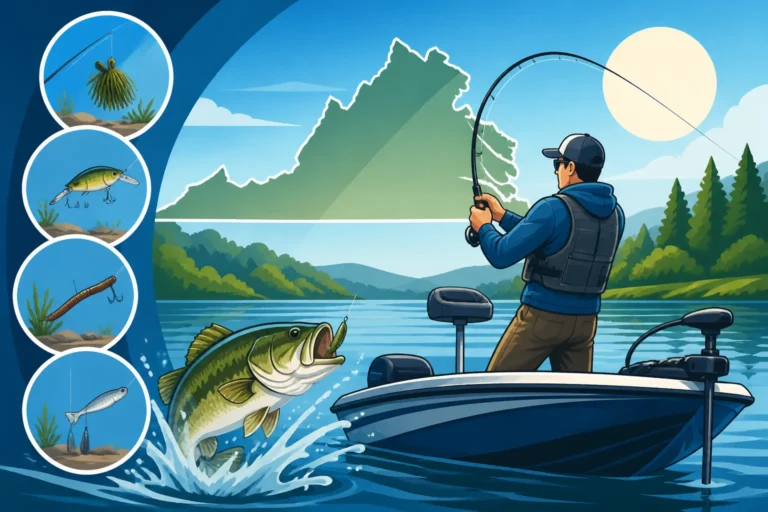
Oh, the post-spawn. It's that time of year when you feel like you've just come off the high of the spring bite, anticipating consistent summer action, only to be met with bass that seem to have vanished into thin air. Many anglers feel this frustration, struggling to locate and entice fish that have just completed their exhausting reproductive cycle. But don't fret! This comprehensive guide is all about unraveling the mysteries of post-spawn bass fishing patterns in Virginia, helping you understand their behavior, where to find them, and what baits to throw to turn those slow days into successful ones.
The Post-Spawn Puzzle: Understanding Bass Behavior
After the intense period of spawning, when bass dedicate all their energy to reproduction, they enter a transitional phase that can be incredibly challenging for anglers. It's like they've run a marathon and now need a serious recovery period. Understanding this shift in their priorities and physical state is the first step to unlocking the post-spawn bite.
Recovering from the Rigors of the Spawn
Think about it: the spawn is a physically draining event for both male and female bass. The females expend massive amounts of energy laying eggs, sometimes multiple times, making them weak and vulnerable. Males, on the other hand, diligently guard the nests, fanning eggs and protecting fry, often for weeks, without much feeding themselves. This relentless effort takes a significant toll.
Immediately after the spawn, both sexes are usually in a recovery mode. They're not actively chasing down meals like they might during the pre-spawn feast. Their metabolism might be a bit sluggish, and they often seek out nearby deeper, cooler water where they can rest and recuperate. This isn't to say they won't eat, but their feeding windows might be shorter, and their willingness to chase a lure might be diminished. They’re looking for easy meals, or simply a place to chill out before ramping up for summer. This recovery period is crucial, and it influences every aspect of their behavior, from where they hold to what they're willing to bite.
The "Funk" Period and Transition to Summer Patterns
Many seasoned anglers refer to the immediate post-spawn as the "funk" period, and for good reason. Bass can be scattered, unpredictable, and downright moody. They're no longer concentrated on beds, but they haven't quite grouped up into their offshore summer schools either. You might find a few lone wolves here and there, but consistency is often a struggle. During this time, bass might suspend in open water, hover over deep cover, or just generally be hard to pinpoint.
However, this "funk" doesn't last forever. As bass gradually regain their strength and metabolism picks back up, they begin to transition towards their more aggressive summer patterns. This shift is heavily influenced by factors like increasing water temperatures, the availability of forage, and the specific lake or river's characteristics. For instance, in Virginia, you might see bass in reservoirs like Lake Anna or Smith Mountain Lake start to move from shallow spawning pockets to secondary points and main lake humps. This transition often marks a time when they start forming schools again, making them easier to target once you find them. Understanding When Do Bass Spawn in Virginia Lakes can give you a heads-up on when this post-spawn "funk" is likely to begin in your favorite waters.
Where to Find Post-Spawn Bass in Virginia Waters
Locating post-spawn bass is arguably the biggest challenge, but it's also where the most rewarding catches often come from. These fish aren't always where you expect them, but they do follow general patterns as they move from their shallow spawning grounds to their deeper summer sanctuaries.
Targeting Secondary Points and Channel Edges
Once bass leave their shallow beds, their first move is rarely straight to the deepest part of the lake. Instead, they often stage on "transition zones" or "travel routes" that offer quick access to deeper water while still being close to potential food sources. Secondary points are absolute magnets during this time. These are the points that lead out of coves or creeks and connect to the main lake. Bass will use these as resting areas and ambush points, especially if there's rock, wood, or brush on them.
Similarly, channel edges and drops are critical. Imagine a highway for fish – the creek channels and main river channels act as just that. Bass will often position themselves along these deeper edges, especially if there's an abrupt depth change, a submerged hump, or even just a subtle break in the bottom contour. These areas provide current (even if slight), cooler water, and opportunities to ambush baitfish moving along the channel. In rivers like the James or Potomac, these can be prime spots to find fish tucked away.
Locating Cover: Docks, Brush Piles, and Laydowns
Just because bass are moving deeper doesn't mean they abandon cover. In fact, cover becomes even more critical for security, shade, and ambush opportunities. Docks, especially those with deeper water nearby (say, 8-15 feet), are prime post-spawn hideouts. Bass will slide under these structures, benefiting from the shade and the overhead protection. The best docks often have brush piles intentionally sunk by anglers or natural debris accumulated around their pilings. These "dock complexes" are like five-star hotels for recovering bass.
Laydowns, which are fallen trees or limbs extending into the water, also provide excellent shelter. Look for laydowns where the main trunk or larger branches reach into deeper water, offering bass a staircase to different depths. Brush piles, whether natural or man-made, are always worth investigating. These underwater havens concentrate baitfish, which in turn attracts bass. Using your electronics to locate these submerged treasures is invaluable. If you're exploring Best Bass Fishing Lakes in Virginia like Smith Mountain Lake, you'll find an abundance of docks and brush piles that hold bass throughout this period.
Following the Forage: Baitfish Schools and Crayfish Hangouts
Ultimately, bass are predators, and their movements are largely dictated by their prey. During the post-spawn, they need to replenish their energy stores, and finding an easy meal is paramount. Keep an eye on your electronics for schooling baitfish, particularly shad or herring, which are prevalent in many Virginia reservoirs. If you find the bait, you'll often find the bass nearby, either actively feeding or waiting for an opportunity. These baitfish schools might be suspending in open water or relating to main lake points and humps.
Crayfish are another crucial post-spawn food source. They're packed with protein and are often found in rocky areas. Look for bass relating to riprap, rocky banks, gravel points, and humps that offer ample crayfish habitat. Bass will spend time rooting around these areas, gorging on these delicious crustaceans. Understanding Water Temperature and Fish Feeding Patterns will help you predict when bass are actively feeding on these forage sources.
Top Post-Spawn Lures and Techniques
The key to successful post-spawn fishing is often slowing down your presentation, offering subtle, enticing baits, and being versatile enough to adapt as bass transition from sluggish to more active.
Soft Plastics: Worms, Jigs, and Creature Baits
Soft plastics are absolutely essential for post-spawn bass. Their natural look, subtle action, and ability to be fished slowly make them irresistible to bass that might not be willing to chase.
- Texas-Rigged Worms: A classic for a reason. Rigging a plastic worm like a Zoom Trick Worm or a Berkley PowerBait worm on a Texas rig allows you to probe thick cover without snagging. Cast it to docks, laydowns, or brush piles, and slowly drag, hop, or twitch it along the bottom. The subtle undulation of the tail can often draw a strike from a hesitant bass. For a deep dive into this technique, check out our guide on How to Fish a Plastic Worm for Bass.
- Jigs with Creature Bait Trailers: Football jigs or stand-up jigs paired with creature bait trailers (like a Zoom Super Chunk or a Strike King Rage Craw) are fantastic for imitating crayfish. Fish them on deeper rocky points, ledges, and channel edges. Slowly crawl them along the bottom, allowing the trailer's appendages to subtly wave. This is a tactic that can produce big fish, especially when bass are recovering and looking for a substantial meal. You can find a great selection of these on
Amazonif your local tackle shop is out of stock. Learn more about this technique in our article on How to Fish a Jig for Largemouth Bass. - Ned Rigs: For finesse situations, especially in clear water or highly pressured areas like the main lake body of Lake Anna, the Ned rig is a game-changer. This small, buoyant worm on a mushroom-style jig head stands up off the bottom, presenting a tiny, irresistible meal. It's perfect for lethargic bass that need a subtle offering.
Cranking and Swimbait Strategies
As bass recover and become a bit more active, often in the mid-to-late post-spawn, crankbaits and swimbaits become incredibly effective, especially when targeting schooling fish.
- Deep-Diving Crankbaits: When bass move to offshore ledges, humps, and channel edges, deep-diving crankbaits are your best bet. These baits are designed to get down to significant depths (10-25+ feet) and "bang" off structure, triggering reaction strikes. Colors that mimic local baitfish (shad, herring) or crayfish are usually best. Experiment with retrieve speeds – sometimes a steady retrieve works, other times a stop-and-go or deflecting it off structure is key.
- Medium-Diving Crankbaits: For secondary points, shallower ledges, or transition areas in the 5-15 foot range, medium-diving crankbaits are excellent. They cover water efficiently and can help you locate scattered fish. Brands like Rapala and Strike King offer fantastic options that are widely available on
Amazonand other online retailers. - Swim baits: Paddle tail or boot tail swimbaits, fished on a weighted swimbait hook or a jig head, are perfect for imitating baitfish. They excel when bass are suspending in open water or chasing baitfish schools. A slow, steady retrieve often works wonders, making the swimbait look like an easy meal. This is a great transition bait as bass move into Summer Bass Fishing Patterns.
Topwater and Jerkbaits for Active Feeders
While many post-spawn techniques focus on subsurface presentations, don't overlook topwater and jerkbaits, especially during specific conditions.
- Topwater Lures: On calm mornings, evenings, or overcast days, especially around shallow cover like docks, lily pads, or submerged grass, topwater lures can be explosive. Poppers, walking baits (like a Heddon Zara Spook), and buzzbaits can draw aggressive strikes from bass that have moved up to feed. The thrill of a bass blowing up on a topwater is unmatched, and it's a great way to capitalize on those brief, active feeding windows.
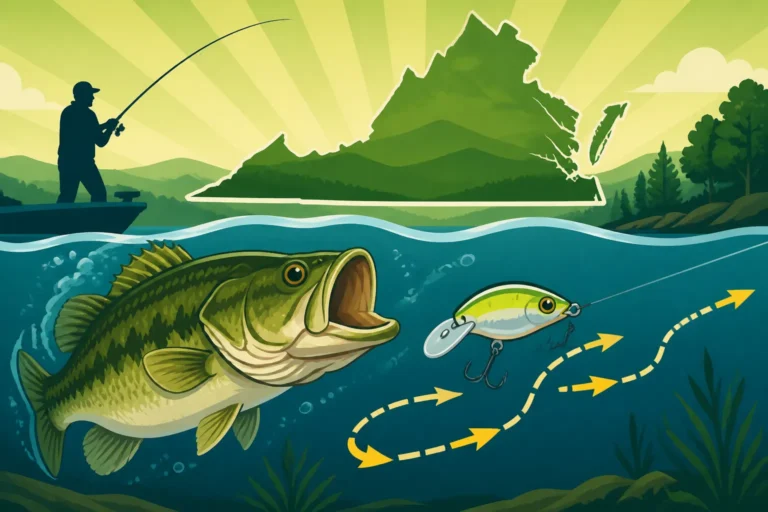
- Jerkbaits: Jerkbaits are fantastic for suspended bass. Their erratic, darting action, followed by a tantalizing pause, perfectly mimics a wounded baitfish. Cast them to secondary points, over submerged humps, or near brush piles where you suspect bass are holding in the water column. A "twitch-twitch-pause" retrieve is usually the ticket, allowing the bait to suspend directly in front of a bass, daring it to strike. Many anglers underestimate the effectiveness of jerkbaits after the spawn, but they can be deadly.
Navigating Environmental Factors and Bass Behavior
The post-spawn period is incredibly dynamic, with bass behavior heavily influenced by environmental cues. Paying attention to these factors can help you pinpoint the best areas and presentations on any given day.
Water Temperature and Oxygen Levels
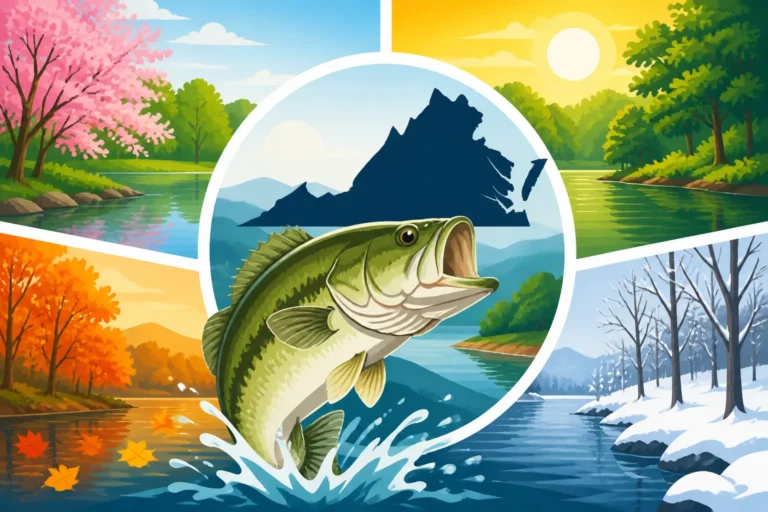
Water temperature is a primary driver of bass behavior year-round, and the post-spawn is no exception. As spring gives way to summer, water temperatures steadily rise. Largemouth bass typically prefer water in the 70-80°F range. After the spawn, they'll often seek slightly cooler, deeper water to recover, especially during the hottest parts of the day. Understanding how Water Temperature and Fish Feeding Patterns directly impact bass activity is crucial.
In deeper lakes and reservoirs, you'll encounter thermal stratification, where the water forms distinct layers. The thermocline, a layer where water temperature changes rapidly, is often where baitfish and, consequently, bass will congregate. Bass relate to this comfortable zone, as it often has optimal temperature and oxygen levels. Conversely, in very hot conditions, especially in nutrient-rich lakes, deeper water can sometimes become deoxygenated, pushing fish shallower or suspending them higher in the water column. Keeping an eye on your boat's sonar for the thermocline and oxygen levels can reveal where the fish are most comfortable.
Weather Changes and Their Impact
Weather fronts can drastically alter post-spawn bass patterns. A sudden cold front can put bass into a deep funk, making them even more lethargic and pushing them into the thickest cover or the deepest possible spots. They'll often bite very subtly, requiring slow, precise presentations. If you want to know How to Catch Bass After a Cold Front, the answer is almost always to slow down and get deep.
Conversely, stable, warm, and especially overcast weather can often bring bass shallower and make them more willing to chase. Low light conditions generally increase bass activity. Wind, too, plays a significant role. A good breeze can chop up the water, breaking up direct sunlight and making bass feel more secure in shallower water. It also pushes baitfish, which in turn can concentrate bass on the downwind side of points or structures. Wind can also mask your presence, making fish less wary.
Early, Mid, and Late Post-Spawn Phases
The "post-spawn" isn't a single, static period; it's a progression.
- Early Post-Spawn: This is immediately after bass leave the beds. They are usually sluggish, physically depleted, and often remain in or very near the spawning coves, relating to the first available cover or depth change. They might be very tight to docks or laydowns, or suspending in slightly deeper water just outside the spawning area. Finesse techniques and slow presentations are key here. This is also the period where you're asking How to Catch Bass After the Spawn and the answer is usually patience and subtle baits.
- Mid Post-Spawn: As bass recover some energy, they start to move out of the coves and toward main lake structure. You'll find them on secondary points, main lake points, and humps. Some schooling behavior might begin, especially around baitfish. They're more willing to chase, and you can incorporate more aggressive techniques like medium-diving crankbaits and some topwater, particularly during prime feeding windows.
- Late Post-Spawn: This phase blends seamlessly into Summer Bass Fishing Patterns. Bass are fully recovered, actively feeding, and often concentrated in schools on offshore structure like ledges, humps, and deep points. They're following baitfish in deeper water, and power fishing techniques like deep crankbaits, jigs, and large swimbaits become highly effective. This is when the offshore bite can really turn on in lakes like Kerr Reservoir or Claytor Lake.
Species-Specific Post-Spawn Considerations
While many bass fishing patterns overlap, different species of bass in Virginia exhibit nuances in their post-spawn behavior, largely due to their preferred habitats and forage. Tailoring your approach to the specific bass species you're targeting can greatly improve your success.
Largemouth Bass: Docks, Grass, and Wood
Largemouth bass are the masters of heavy cover. After spawning, they don't stray far from their comfort zones. In Virginia, this means you'll find them gravitating towards docks, dense submerged vegetation (like hydrilla or milfoil in certain lakes), and woody cover such as laydowns and brush piles. These areas provide the perfect combination of shade, ambush points, and quick access to slightly deeper water.
When targeting post-spawn largemouth, pitching and flipping soft plastics, jigs, and creature baits into the heart of this cover is key. Texas-rigged worms, often in dark colors, are incredibly effective for working through thick grass mats or under dock pontoons. Focus on the shadiest parts of the cover, or where the cover meets a depth change. In tidal rivers like those found in Largemouth Bass Fishing in Virginia's Chesapeake Bay Tributaries, largemouth will hold tight to cypress trees, stump fields, and dock pilings that offer current breaks and deep-water access. Don't be afraid to put your bait right into the heaviest stuff; that's often where the biggest fish are hiding.
Smallmouth Bass: Rocks, Current, and Main Lake Structure
Smallmouth bass, often called "bronzebacks," prefer a completely different environment. After their spawn, they seek out clear, rocky habitats with current, making Virginia's rivers like the Shenandoah and James, and clear mountain lakes like Claytor Lake, prime smallmouth territory. They'll relate to rocky points, ledges, submerged humps, and current breaks. Unlike largemouth that bury themselves in thick cover, smallmouth often cruise along contours or suspend over rocky features.
Effective post-spawn techniques for smallmouth include tube baits, Ned rigs, dropshot rigs, and small swimbaits. These baits mimic crayfish and baitfish that are common in their rocky environments. In river systems, focus on eddies, current seams, and the downstream side of boulders or bridge pilings where smallmouth can ambush prey. For a deeper dive into these tactics, our guide on Smallmouth Bass Fishing on Virginia's Shenandoah River offers some fantastic insights. They're typically more aggressive than largemouth, even in post-spawn, so you can often cover water more efficiently with moving baits, but don't hesitate to slow down with a tube or dropshot when needed.
Spotted and Alabama Bass: Deep Water and Open Humpls
Spotted bass and the introduced Alabama bass (found in specific systems like Claytor Lake) have unique post-spawn patterns. These species often spawn deeper than largemouth and recover faster. Their preference for offshore, open-water structure means they're quick to move to humps, points, and deep timber in the main lake after spawning. They are also notorious for suspending in the water column, making them challenging to locate but incredibly rewarding when found.
When targeting spotted or Alabama bass post-spawn, electronics are your best friend. Look for bait balls and arches over deep humps, ledges, and channel swings. Dropshotting, shaky heads, and deep-diving crankbabaits are excellent choices. Spoons and jigging techniques can also be highly effective when fish are grouped up on offshore structure. You might find them in 20-40 feet of water, even during times when largemouth are still relatively shallow. For more information on these specific bass species and where to find them, our article on Claytor Lake's Mixed Bass Fishery: Largemouth, Smallmouth, Spotted, and Alabama provides a comprehensive overview. These fish often feed aggressively once located, but getting to them requires precise boat positioning and presentation.
Essential Gear for Post-Spawn Success
Having the right tools for the job can make a huge difference in your post-spawn success. This period often demands versatility in your tackle, as you'll be switching between various techniques and depths.
Rods, Reels, and Line Choices
The ideal post-spawn setup involves a blend of sensitivity for subtle bites and backbone for working fish out of cover.
- Rods: You'll want a few different rod actions. A medium-heavy casting rod (7' to 7'6") is excellent for pitching jigs, Texas-rigged worms, and handling deep-diving crankbaits. Its power allows you to pull fish away from heavy cover. For finesse techniques like Ned rigs, dropshots, or lighter soft plastics, a medium-action spinning rod (6'6" to 7'2") provides the necessary sensitivity and lighter line capability.
- Reels: Pair your casting rods with baitcasting reels that have a smooth drag and a fast gear ratio (7.1:1 or higher) for quick line pickup, especially when fishing deep or needing to reel in slack quickly. For spinning rods, a reliable 2500-3000 series spinning reel with a smooth drag system is perfect for those lighter presentations.
- Line: Fluorocarbon line is a top choice for most post-spawn applications. It offers excellent sensitivity, low stretch, and, crucially, is nearly invisible underwater, which is a major advantage for weary bass. Use 10-15 lb fluorocarbon for casting applications and 6-10 lb fluorocarbon for spinning gear. For fishing in truly heavy cover or around abrasive structures, consider spooling up with 30-50 lb braided line, often with a fluorocarbon leader for stealth.
Electronics and Mapping for Efficiency
In the post-spawn, bass are often scattered or relating to offshore structure, making advanced electronics not just helpful, but almost essential.
- Fish Finders (Sonar): Modern fish finders with side imaging, down imaging, and 2D sonar are invaluable. Side imaging allows you to scan wide areas, locating brush piles, rock formations, and even schools of baitfish or bass off to the sides of your boat. Down imaging provides a clearer, photographic-like view directly beneath your boat, helping you interpret structure. 2D sonar gives you traditional fish arches and bottom composition. Learning to interpret these displays will help you pinpoint those hidden spots where post-spawn bass gather.
- GPS and Mapping: Integrated GPS and detailed mapping (like Navionics or C-MAP) are crucial for navigating and marking precise locations. You can identify contours, ledges, humps, and old creek channels on your map before you even get there. Once you find a productive spot with your sonar, marking a waypoint on your GPS allows you to return to it with precision, time and time again. This is especially important when you're trying to figure out the exact location of bass on a subtle main lake hump. You can often purchase these mapping cards or subscriptions directly from
Amazonor marine electronics retailers.
Must-Have Terminal Tackle and Accessories
Don't let a lack of small but essential items ruin your day on the water.
- Hooks and Weights: Stock up on various sizes of EWG (Extra Wide Gap) hooks and straight shank hooks for Texas rigging, as well as mushroom-style jig heads for Ned rigs, and dropshot hooks. Carry a good assortment of tungsten weights (bullet, cylindrical, Neko) in different sizes (1/8 oz to 1/2 oz) as they offer better sensitivity and a smaller profile than lead.
- Soft Plastic Assortment: Have a diverse range of soft plastics, including straight-tail worms, creature baits, craws, and stick baits, in natural colors like green pumpkin, junebug, black and blue, and watermelon red.
- Accessories: Don't forget the practical essentials: a good pair of fishing pliers for hook removal, line scissors or clippers, culling tags if you're fishing tournaments, a measuring board, and a landing net. Crucially, bring polarized sunglasses to reduce glare and help you see into the water, a wide-brimmed hat, and plenty of sunscreen. These small items contribute hugely to your comfort and effectiveness on the water.
Disclaimer
Please remember to always check the latest Virginia Department of Wildlife Resources (DWR) regulations before heading out. Fishing seasons, catch limits, and licensing requirements can change, and it's every angler's responsibility to stay informed. This guide is for informational purposes only and does not constitute legal advice regarding fishing regulations.