Bank Fishing Spots on the South Fork Shenandoah River
Finding truly accessible and productive bank fishing spots can sometimes feel like an impossible treasure hunt, especially on a majestic river system like Virginia's South Fork Shenandoah. You know the drill: you drive for ages, pull off at what looks like a promising spot, only to find private property signs, impassable brush, or simply no easy way to get your line in the water. It’s frustrating, and it can quickly deflate the joy of a planned fishing trip. This guide is here to cut through that frustration, offering you a detailed look at some of the best bank fishing opportunities along the South Fork Shenandoah River, complete with tips to make your outing a success.
Understanding the South Fork Shenandoah for Bank Anglers
The South Fork of the Shenandoah River is an absolute gem, known for its stunning natural beauty, clear waters, and incredible smallmouth bass fishery. But it's not just about the bass; you'll also find a healthy population of other species that can make for a fantastic day of bank fishing. For many, the charm of the South Fork lies in its wild, untamed feel, but that can also present challenges for anglers looking to cast a line without a boat.
The River's Character and Fishery
The South Fork Shenandoah meanders through the picturesque Shenandoah Valley, offering a diverse array of habitats from deep pools to riffles and runs. This variety is precisely what makes it such a rich fishing ground. The riverbed is a mix of rock, gravel, and sand, providing excellent cover and foraging areas for fish. While the upper stretches tend to be narrower and more intimate, the river broadens as it flows north, offering different experiences.
The undisputed king of the South Fork is the smallmouth bass. These aggressive fighters thrive in the river's currents and structure, making them a prime target for bank anglers. They're often found lurking around submerged rocks, fallen trees, and current breaks. Beyond smallmouth, you might also encounter largemouth bass in slower-moving sections, particularly around eddies and backwaters. Panfish like bluegill and rock bass are common, especially in calmer areas, providing excellent opportunities for lighter tackle and beginner anglers. If you're lucky, you might even tie into a channel catfish in deeper holes, particularly during the warmer months. Understanding the behavior and preferred habitats of these species is crucial, as it directly impacts where you should focus your bank fishing efforts. The river is a living ecosystem, and the fish move and feed based on water levels, temperature, and time of day, much like any other wild fishery.
Common Challenges for Shore Anglers
Let's be real: bank fishing on a river like the South Fork Shenandoah isn't always a walk in the park. One of the biggest hurdles is simply finding legal access. Much of the riverfront is privately owned, and trespassing is a serious issue that can not only land you in trouble but also jeopardize future public access initiatives. Another common challenge is dense riparian vegetation. While beautiful, thick bushes, tall weeds, and overhanging trees can make casting difficult, if not impossible, limiting your reach and presenting snags. You might find a perfect looking hole, but if you can't get your bait to it, it's not much good.
Water levels can also be a significant factor. After heavy rains, the river can become high and muddy, making fishing tough and sometimes unsafe. Conversely, during periods of drought, low water levels can concentrate fish but also expose more snags and make fish warier. Navigating uneven terrain, slippery banks, and insect populations (especially during summer evenings) are also part of the experience. It takes a bit more effort than just hopping into a boat, but the rewards of finding that perfect, secluded spot are absolutely worth it. It’s about adapting to the river's conditions and knowing where to look for those accessible points that offer a real shot at some action.
Prime Public Access Points for Bank Fishing on the South Fork
Despite the challenges, the South Fork Shenandoah River offers numerous public access points that are perfect for bank anglers. These spots range from well-maintained state parks to quieter, less developed areas. Knowing where to go and what to expect at each location can make all the difference in planning a successful trip.
Shenandoah River State Park Access
Shenandoah River State Park is a fantastic resource for any angler, especially those looking for reliable bank access. Located near Bentonville, the park boasts over 5 miles of river frontage, offering a variety of fishing opportunities. There are multiple access points within the park itself, making it easy to spread out and find your own piece of the river.
One of the best areas for bank fishing within the park is near the boat launch. While it's primarily used by kayakers and canoeists, the surrounding banks provide excellent spots to cast. You’ll find deeper pools here, as well as some rocky stretches that are ideal for smallmouth bass. The park also has several hiking trails that parallel the river, offering a chance to explore and find more secluded spots away from the main access points. Just be prepared for a bit of a hike, and make sure you're wearing appropriate footwear. The trails can lead you to areas with less fishing pressure, increasing your chances of finding unspooked fish. You can spend an entire day here, moving from one promising spot to another, enjoying the scenic beauty while you fish. Remember to check for specific park regulations on fishing, as they can sometimes differ slightly from general state rules.
Public Boat Ramps and Bridge Access Points
Beyond state parks, many public boat ramps and bridge crossings along the South Fork Shenandoah offer surprisingly good bank fishing opportunities. While these areas are often bustling with boat traffic, the immediate vicinity can still hold plenty of fish. The key is to find spots slightly upstream or downstream from the main launch areas, where the river's current has carved out deeper pockets or created natural ambush points.
For example, many VDGIF (Virginia Department of Wildlife Resources) boat ramps, like those at Foster's Landing or Seakford, have adjacent bank space. At these spots, focus your efforts on fishing structure like fallen trees, large boulders, or current eddies near the ramp itself. Fish often congregate in these areas because of the cover and the food sources stirred up by activity. Bridge crossings, such as those found on smaller county roads, also frequently provide good bank access. Look for areas directly under or just downstream of the bridge pilings. These structures create current breaks and scour holes that attract fish. Always be cautious of traffic when fishing near bridges, and be mindful of any "no trespassing" or "no fishing from bridge" signs. It's also worth checking resources like FishingBooker, where local guides might share insights on accessible public spots near these common launch areas, offering a deeper understanding of the local nuances.
Lesser-Known Pull-Offs and Trails
For those who crave solitude and a bit more adventure, the South Fork Shenandoah also has numerous lesser-known pull-offs and informal trails that can lead to fantastic bank fishing. These spots require a keen eye, a bit of exploring, and sometimes a willingness to walk a little further, but they often yield the most rewarding experiences.
These aren't typically marked on maps as "fishing access," but rather appear as small gravel shoulders or unofficial paths off main roads (like Route 340 or local county roads) that lead towards the river. Always exercise extreme caution to ensure you're not trespassing on private land. Look for gaps in fencing, worn paths leading down to the water, or areas where the bank seems less overgrown. Google Maps satellite view can be your best friend here, helping you identify potential access points from above. Once you find a spot, be prepared for a scramble down to the water. These areas are often wilder, meaning more natural structure like logjams, rocky outcrops, and undercut banks – prime real estate for active fish. Remember, these spots are "lesser-known" because they demand a bit more effort. Keep your gear light and portable, and be ready to move until you find that sweet spot where the fish are hiding. When you do find one, it feels like discovering your own private fishing paradise.
| Access Point Type | Key Features | Target Species | Best For | Accessibility Rating (1-5, 5 being easiest) |
|---|---|---|---|---|
| Shenandoah River State Park | Multiple miles of frontage, trails, facilities, designated parking | Smallmouth Bass, Panfish | Family outings, longer trips, diverse options | 4 |
| Public Boat Ramps | Vehicle access, often concrete ramps, some bank space, near bridges | Smallmouth Bass, Catfish | Quick stops, convenient launch access | 3 |
| Bridge Crossings | Direct river access under or near bridges, current breaks | Smallmouth Bass, Panfish | Targeted structure fishing, limited space | 2 |
| Lesser-Known Pull-Offs | Undeveloped, secluded, natural cover, requires walking | Smallmouth Bass, Trout | Solitude, adventurous anglers, exploring | 1 |
Effective Strategies for South Fork Bank Fishing
Once you’ve found your perfect bank fishing spot on the South Fork Shenandoah, the next step is to employ strategies that will help you entice those feisty fish. Bank fishing presents unique challenges compared to fishing from a boat, but with the right techniques, gear, and bait, you can have just as much success, if not more, by carefully reading the water.
Targeting Smallmouth Bass from Shore
Smallmouth bass are incredibly fun to catch from the bank on the South Fork. They are ambush predators that love current and structure. When you're standing on the bank, you need to think about how to present your lure or bait effectively in these areas. Look for seams where faster current meets slower water, eddies behind rocks, submerged logs, or any break in the river flow. These are prime holding spots for smallmouth.
One of the most effective techniques is casting upstream and retrieving your lure with the current, allowing it to tumble naturally downstream. This presentation mimics injured baitfish or crawfish. Smallmouth are suckers for artificial lures like small crankbaits, spinnerbaits, soft plastic jigs, and tube baits. When using soft plastics, a slow, jigging retrieve along the bottom, mimicking a crawfish, can be deadly. For spinnerbaits and crankbaits, a steady retrieve with occasional twitches often triggers strikes. Don't be afraid to experiment with different retrieve speeds and depths until you find what the fish are keying in on that day. Sometimes, a slow, deliberate presentation is required, while other times, a fast, aggressive retrieve will provoke a reaction strike. Remember, even though you’re limited to shore, you can still cover a lot of water by fan-casting in different directions from your chosen spot. Many anglers find that the thrill of a hard-fighting smallmouth on the Shenandoah is unmatched, and with the right approach, you can experience it firsthand. If you want more detailed information on techniques, check out our guide on Smallmouth Bass Fishing on Virginia's Shenandoah River.
Techniques for Trout and Panfish
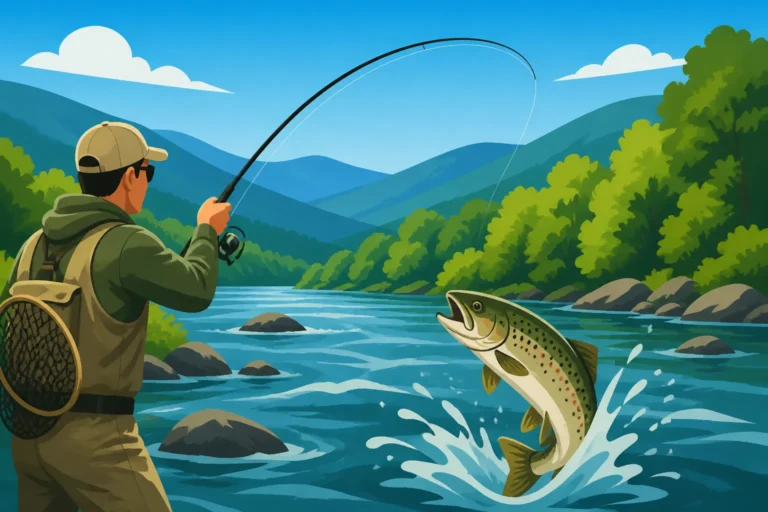
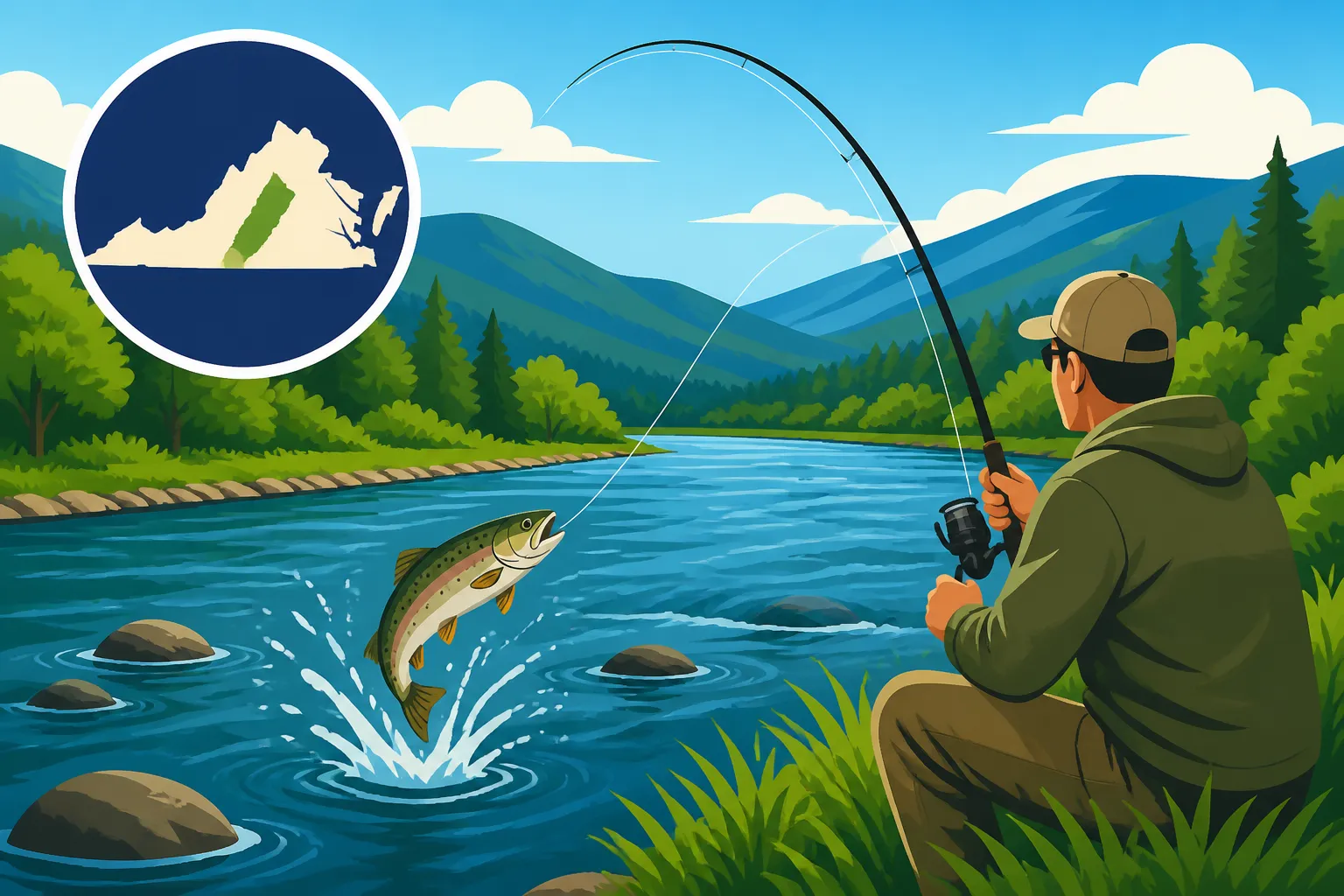
While smallmouth bass often steal the spotlight, the South Fork Shenandoah and its tributaries can offer excellent opportunities for trout and panfish, especially if you know where to look and how to fish for them. In the upper, cooler sections or where smaller feeder streams flow in, you might find brook trout or rainbow trout, particularly in designated wild trout streams. For these areas, fly fishing is often the most effective method, using nymphs, dry flies, or small streamers to imitate their natural food sources. Our article on Fly Fishing for Trout on Rivers provides an excellent starting point.
For panfish like bluegill and rock bass, which are abundant throughout the river, simpler techniques are often best. A small hook, a bit of nightcrawler, red worm, or even a piece of corn under a bobber can lead to non-stop action, making it a perfect option for kids or beginners. Look for panfish in calmer, shallower water, often near submerged vegetation or woody debris. They tend to school up, so if you catch one, there are likely more around. A tiny spinner or jig can also be very effective. This kind of fishing is less about finesse and more about fun, offering consistent bites that can keep spirits high. To really dial in your panfish game, take a look at our tips on How to Catch Bluegill With a Bobber and Best Bait for Bream Fishing.
Essential Gear and Bait for Bank Anglers
Packing light but smart is the name of the game for South Fork bank fishing. You'll likely be moving around, so a bulky tackle box isn't practical. A small backpack or shoulder bag with essential gear is perfect. For rods, a medium-light to medium power spinning rod, 6 to 7 feet long, is versatile enough to handle smallmouth, trout, and panfish. Pair it with a reliable spinning reel spooled with 6-10 lb test monofilament or fluorocarbon line. Braided line with a fluorocarbon leader is also an excellent choice for added sensitivity and strength.
Your tackle selection should include a variety of artificials. For smallmouth, pack an assortment of soft plastic baits (tubes, grubs, creature baits) in natural colors, 1/8 to 1/4 oz jig heads, small crankbaits that dive to different depths, and inline spinners (like Mepps or Rooster Tail). Don't forget some topwater lures for early morning or late evening action. For bait, live options like nightcrawlers, small minnows, or crawfish are always effective. Artificial baits like Berkley PowerBait for trout or small pieces of hot dogs for catfish can also work wonders. Always carry extra hooks, sinkers (split shot and small bullet weights), bobbers, a pair of pliers for hook removal, and a small net. Sun protection, water, and snacks are also crucial. You're out there to enjoy nature, and a small, organized kit makes the experience much smoother. Knowing a local bait shop can also be a game-changer, as they'll often have the freshest live bait and the hot lures for that particular season.
River Etiquette and Regulations for Responsible Fishing
Enjoying the natural beauty and bountiful fishing of the South Fork Shenandoah River comes with a responsibility to both the environment and your fellow anglers. Understanding and adhering to fishing regulations and practicing good river etiquette are crucial for preserving this incredible resource for generations to come.
Understanding Virginia Fishing Regulations
Before you even cast a line, it is absolutely essential to have a valid Virginia fishing license. Trust me, the last thing you want is a run-in with a game warden when you're just trying to enjoy a peaceful day on the water. The requirements can vary depending on whether you're a resident or non-resident, and if you're fishing freshwater or saltwater. Since the South Fork Shenandoah is freshwater, you'll need the appropriate freshwater license. You can find detailed information on types and costs in our Virginia Fishing License Guide or specific details like Virginia Resident Freshwater Fishing License Cost.
Beyond the license, you must be aware of specific regulations for the South Fork Shenandoah regarding length limits, creel limits (how many fish you can keep), and seasons for different species. For smallmouth bass, for instance, there are statewide regulations, but sometimes specific sections of the river might have special slot limits or catch-and-release only rules. It’s always best to consult the latest Virginia Department of Wildlife Resources (DWR) regulations handbook, which is updated annually. Ignorance of the law is not an excuse. Familiarize yourself with the rules, especially those concerning Statewide Bass Fishing Limits in Virginia and any specific wild trout stream rules if you venture into those areas (see Wild Trout Stream Rules in Virginia). The DWR website is an invaluable resource for up-to-date information, and many local bait shops will also have copies of the regulations.
Leave No Trace Principles
Practicing "Leave No Trace" principles is paramount when fishing anywhere, but especially on a pristine river like the South Fork Shenandoah. This means packing out everything you pack in, and then some. Don't leave behind bait containers, fishing line, food wrappers, or any other trash. Fishing line, in particular, can be incredibly harmful to wildlife. A small trash bag tucked into your tackle box is a simple solution.
Respecting private property is another non-negotiable aspect of river etiquette. If you're unsure if a spot is public or private, err on the side of caution and find another location. Never cut fences or trespass. This ensures that landowners remain amenable to public access where it exists and helps prevent future access restrictions. Be mindful of other anglers, too. Give them space, don't crowd their spots, and keep noise levels down. If you see someone struggling, offer assistance. If you’re considering booking a guided trip to learn more about responsible angling and specific spots, platforms like FishingBooker connect you with local experts who adhere to these principles. Lastly, handle fish with care, especially if you're practicing catch and release. Wet your hands before touching fish, minimize their time out of the water, and use appropriate tools for hook removal. Releasing fish gently ensures they survive to fight another day, contributing to a healthy fishery for everyone. These simple acts of respect go a long way in ensuring the longevity and enjoyment of the South Fork Shenandoah’s fantastic fishing opportunities.
Disclaimer
The information provided in this guide is for general informational purposes only and does not constitute legal advice. Fishing regulations in Virginia can change, and it is the angler's sole responsibility to consult the most current Virginia Department of Wildlife Resources (DWR) regulations before fishing. Always respect private property, obtain necessary licenses, and adhere to all local, state, and federal laws. Fishing inherently involves risks, and engaging in this activity is at your own discretion and risk.