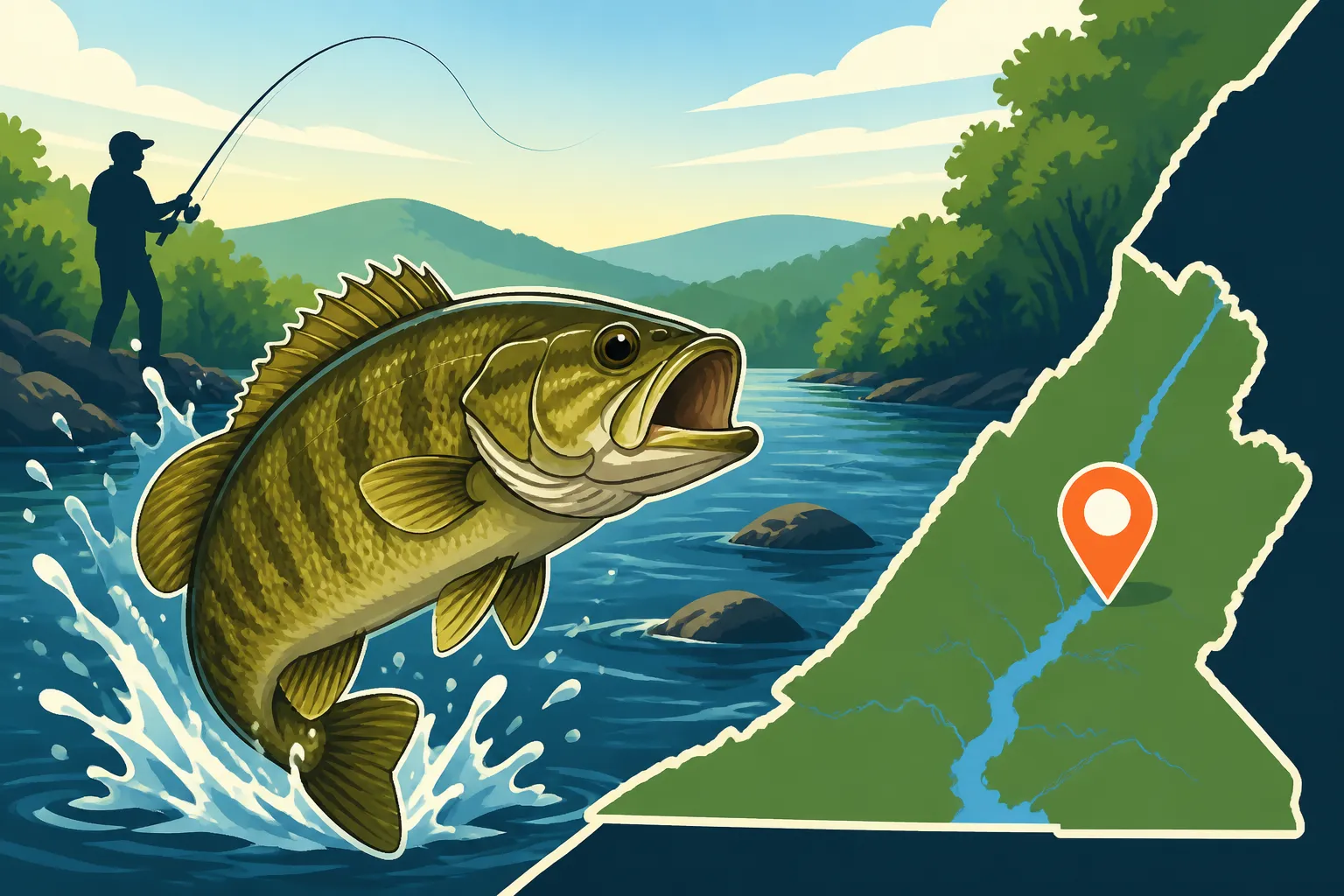
Where to Catch Smallmouth Bass on the Shenandoah River
Few things are as frustrating as staring at a beautiful river, knowing it’s teeming with feisty smallmouth bass, but having absolutely no idea where to start casting. The Shenandoah River, with its sprawling forks and countless bends, can feel like an overwhelming labyrinth to even seasoned anglers if they’re not familiar with its secrets. But don't you worry, because this guide is here to unravel those mysteries, pinpointing the sweet spots where you’re most likely to hook into some incredible smallmouth action.
Understanding the Shenandoah River's Smallmouth Bass Habitat
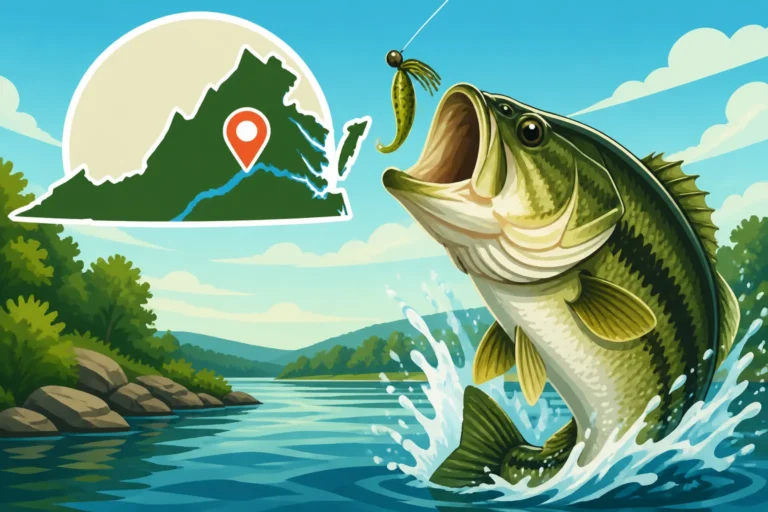
The Shenandoah River isn't just one waterway; it's a dynamic system formed by the North Fork and the South Fork, eventually merging to create a magnificent, fish-rich river that carves its way through the stunning Virginia landscape. This unique geology and hydrology are precisely what make it such a phenomenal smallmouth bass fishery, but also why understanding its nuances is key to consistent success.
The River's Unique Character
What makes the Shenandoah so special for smallmouth? It’s all about the rock and the flow. Unlike many murky, slower-moving rivers, the Shenandoah is typically clear, punctuated by an endless parade of riffles, rapids, pools, and current breaks. Smallmouth bass absolutely thrive in this environment. They are ambush predators who love to hug current breaks behind boulders, dart out from under submerged logs, or patrol the edges of deeper pools where food washes by. The rocky bottom provides ample cover, insect life, and crayfish, all essential components of a smallmouth's diet.
Think of it this way: every large boulder, every drop-off, every fallen tree creating a current seam, is a potential restaurant for a smallmouth. Your job is to identify these features. Look for areas where the main current sweeps past a slack water pocket, or where a series of rocks creates a natural eddy. These are high-percentage spots where a smallmouth can conserve energy while waiting for an unsuspecting minnow or crayfish to drift past. The constant change in water depth and flow also ensures a diverse aquatic insect population, which supports the entire food chain up to our beloved bass.
Seasonal Movements and Preferred Lies
Smallmouth bass aren't static; their preferred hangouts change throughout the year, largely dictated by water temperature and spawning cycles. In the cooler months of early spring and late fall, they tend to congregate in deeper pools, often near structure that provides thermal refuge and ambush points. They're still active, but their metabolism is slower, so presentations need to be a bit more subtle and slower-moving. This is when jigs and slowly retrieved crankbaits can really shine.
As the water warms in late spring and summer, smallmouth become much more aggressive and move into shallower, faster-moving water like riffles and the heads of pools. This is prime time for topwater action, spinnerbaits, and faster retrieves. During the spawn (typically late spring when water temperatures are in the 60s Fahrenheit), male smallmouth will guard nests in shallower, gravelly areas, making them aggressive but also vulnerable. It’s crucial to handle these fish with care to ensure the future of the fishery. Knowing the Virginia Fishing Seasons Explained can really help you plan your trips.
Key Sections of the Shenandoah for Smallmouth Action
The Shenandoah River offers a lifetime of exploration for smallmouth anglers, but certain stretches consistently produce excellent results due to their habitat, access, and fish populations. Breaking down the river into its North Fork, South Fork, and combined main stem provides a clearer picture of where to focus your efforts.
The North Fork's Hidden Gems
The North Fork of the Shenandoah River, often a bit narrower and with a more intimate feel, is an absolute treasure trove for smallmouth. It winds through picturesque valleys, offering a mix of easily accessible spots and more remote stretches perfect for wade fishing or floating in a kayak or canoe. Towns like Edinburg, Woodstock, and Strasburg often provide good access points, sometimes through public parks or boat ramps.
One fantastic area is the stretch near Edinburg. Here, you'll find a beautiful mix of ledges, rock gardens, and deeper pockets that hold impressive numbers of smallmouth. Look for current seams created by large boulders, especially where the current transitions from a riffle into a pool. The fishing can be phenomenal in these areas, particularly during the summer months when smallmouth are actively feeding. Further downstream, closer to Strasburg, the river starts to widen, offering more substantial pools and complex current structures, making it a great place to drift a canoe or kayak and target those hard-to-reach pockets. The Best Smallmouth Bass Rivers in Virginia often highlight this very fork for good reason.
The South Fork's Abundant Waters
The South Fork of the Shenandoah River is arguably the more famous of the two forks, especially for its smallmouth bass fishery. It's generally wider and often deeper than the North Fork, especially in its lower sections, making it ideal for longer floats in canoes, kayaks, or even small johnboats. The landscape is breathtaking, with the Blue Ridge Mountains often forming a stunning backdrop.
The stretch around Front Royal is legendary. Here, the river offers extensive public access, including designated boat launches and spots for Bank Fishing Spots on the South Fork Shenandoah River. The variety of habitat is astounding, from long, lazy pools perfect for slowly working a jig, to fast, rocky rapids where aggressive smallmouth will slam a topwater lure. Another key area is near Luray, where the river braids around islands and features numerous rock gardens and submerged structure that provide perfect ambush points for bass. Many anglers also find success in the section running through Shenandoah National Park, though access might require a bit more planning and hiking.
Confluence and Lower River Opportunities
Once the North Fork and South Fork converge just below Front Royal, the river officially becomes the Shenandoah River. This section, while still retaining much of the smallmouth character of its forks, takes on a slightly different personality. It’s often wider, with deeper channels and larger pools, making it more suited for power-boating in some areas, though ample float-fishing opportunities remain.
The fish in the lower Shenandoah tend to be robust and healthy, benefiting from the combined water flow and diverse forage base. Look for extensive rock outcroppings, submerged timber, and deep bends in the river. These areas can hold some truly trophy-sized smallmouth, especially during cooler water periods when they seek refuge in deeper, calmer water. While access might be less frequent than on the forks, the rewards can be substantial for those willing to explore. For those considering hiring a guide to navigate these larger waters, platforms like FishingBooker can be an invaluable resource to find local experts.
Best Techniques and Baits for Shenandoah Smallmouth
Catching smallmouth bass on the Shenandoah River is a dynamic experience that often requires adapting your techniques and lure choices to the specific conditions of the day. Unlike fishing a still lake, river fishing means constantly reading the water and presenting your bait in a way that appeals to fish holding in current.
Effective Lures and Presentations
Smallmouth bass are opportunistic predators, and a variety of lures can be incredibly effective. For covering water and finding active fish, crankbaits that mimic baitfish are excellent, especially those with natural patterns. Cast them upstream and retrieve them down-current, allowing the lure to bounce off rocks. Spinnerbaits and chatterbaits are also fantastic choices, particularly in slightly stained water or when the bass are aggressive. Their flash and vibration can draw strikes from a distance.
When the bite is tougher, or you're targeting deeper pools, jigs with plastic trailers (like crawfish imitations or grub tails) are hard to beat. Work them slowly along the bottom, mimicking a crayfish scuttling over the rocks. For pure excitement, topwater lures like poppers, walking baits, or prop baits are magic during low-light conditions (dawn and dusk) or on overcast days in warmer months. Nothing beats seeing a smallmouth explode on a topwater lure. Make sure to check out Best Lures for Smallmouth Bass on the Shenandoah River for even more specific recommendations.
Fly Fishing for Shenandoah Smallmouth
The Shenandoah River is a renowned destination for Fly Fishing for Smallmouth Bass, offering exhilarating opportunities for both novice and experienced fly anglers. Fly fishing for smallmouth in a river setting is all about understanding current and presentation. During the warmer months, poppers and large foam terrestrial patterns (like crickets or grasshoppers) can be incredibly effective when cast near cover or current breaks. The aggressive take of a smallmouth on a surface fly is truly something to behold.
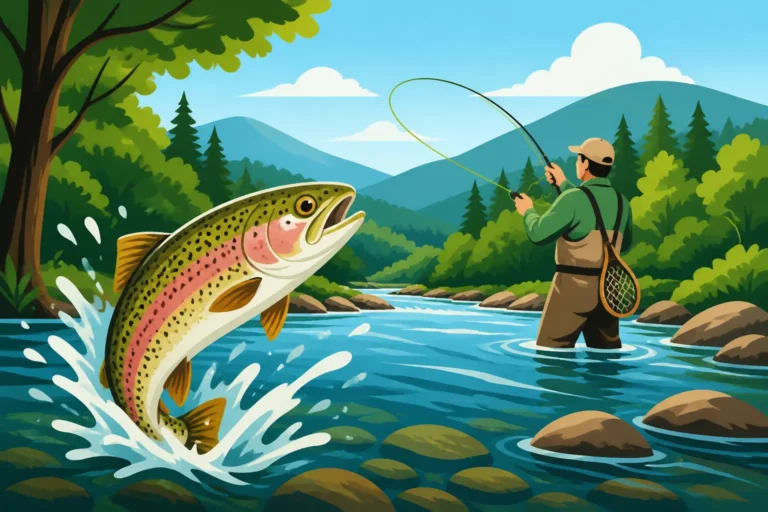
For subsurface action, streamer patterns that imitate baitfish or crayfish are essential. Clouser Minnows, Woolly Buggers, and Hellgrammite patterns fished on an intermediate or sinking line can coax strikes from deeper-holding fish. Focus your casts on current seams, eddies behind large rocks, and the transition areas between riffles and pools. Understanding How to Fly Fish for Trout in a River can also provide valuable insights into river dynamics and presentation, as many principles apply to smallmouth as well.
Reading the Water and Approaching a Spot
One of the most crucial skills for river smallmouth fishing is learning to "read the water." This means understanding how the current moves, where fish are likely to hold, and how to present your lure or fly effectively. Look for classic current breaks: the downstream side of large boulders, submerged logs, rock ledges, and deeper pools at the tail end of riffles. Smallmouth will often sit in the calmer water, waiting for food to be swept to them by the current.
When approaching a spot, stealth is your friend. Smallmouth in clear river water can be skittish. Wade quietly, avoid casting long shadows over the water, and make your first casts count. Often, the biggest, most aggressive fish will be the first to strike if your presentation is spot-on. Work an area thoroughly, starting with the most obvious holding spots and then exploring subtle variations in depth and current. Sometimes, a guide found via FishingBooker can provide invaluable real-time insights into reading complex stretches of the river.
Essential Tips for a Successful Shenandoah Smallmouth Trip
A successful fishing trip isn't just about catching fish; it's about preparation, safety, and enjoying the natural beauty of Virginia's rivers. Planning ahead can make all the difference between a frustrating outing and a memorable adventure.
Access and Wading Safety
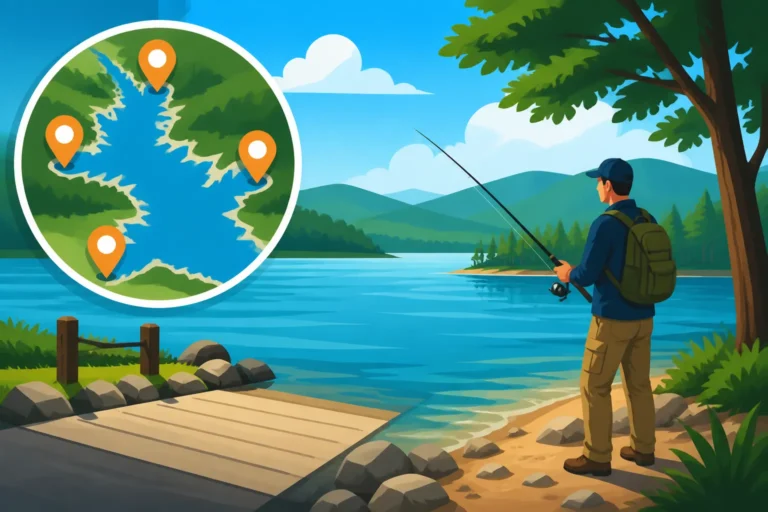
The Shenandoah offers numerous public access points, from formal boat ramps to informal pull-offs where you can wade in. Always respect private property and be mindful of your surroundings. For wade fishing, appropriate footwear with good grip is absolutely critical, as the river bottom can be slippery with algae-covered rocks. A wading staff can provide extra stability, especially in faster currents or uneven terrain.
Always check water levels before you go. The Shenandoah can rise quickly after heavy rains, making wading dangerous. Online resources and local bait shops can provide up-to-date information on river conditions. If you're planning on covering a lot of ground by wading, consider Best Wading Spots on the Shenandoah River, Virginia to understand safe entry and exit points. Remember, the river is powerful, and safety should always be your top priority.
Permits, Licenses, and Regulations
Before you even think about wetting a line, make sure you have the proper Virginia Fishing License Guide. All anglers 16 years of age and older need a valid Virginia freshwater fishing license. These can be purchased online through the Virginia Department of Wildlife Resources (DWR) website, at sporting goods stores, or from authorized agents. It’s also wise to be familiar with Virginia Fishing Regulations Explained, especially catch and size limits for smallmouth bass. These regulations are in place to protect the fishery and ensure healthy fish populations for years to come.
While generally straightforward, regulations can sometimes have specific nuances for certain waters or species, so a quick review before your trip is always a good idea. If you’re visiting from out-of-state and only planning a short trip, a Virginia's 5-Day Freshwater Fishing Pass might be a more cost-effective option than an annual nonresident license. Being compliant with all rules ensures you have a worry-free and enjoyable fishing experience.
When to Go
While smallmouth can be caught year-round in the Shenandoah, the peak seasons are generally spring (April-May) and fall (September-October). Spring offers pre-spawn and spawn activity, with aggressive fish, while fall provides excellent action as smallmouth feed heavily before winter. Summer can also be fantastic, especially during early mornings or late evenings, or when targeting deeper, cooler pools during the heat of the day. The Best Time to Fly Fish the Shenandoah River in Virginia specifically points to spring and fall for excellent fly action, but adapting your techniques can yield results throughout the warmer months.
Consider the weather, too. Overcast days can extend the topwater bite, while bright, sunny conditions might push fish into deeper cover or shade. Keep an eye on water temperature; smallmouth become most active when the water is between 55-70°F (13-21°C). Ultimately, the best time to go is whenever you can, but being prepared for the conditions will significantly increase your chances of a memorable day on the river.
| River Section | General Characteristics | Best for Smallmouth Bass | Access (Typical) | Notes |
|---|---|---|---|---|
| North Fork | Narrower, intimate, more wade-friendly, rocky bottom | Excellent for wading, kayak/canoe floats, riffles, ledges. | Public parks, informal pull-offs | Great for finding active fish, diverse structures. |
| South Fork | Wider, deeper, scenic, mix of fast & slow water | Ideal for longer floats, larger pools, extensive rock gardens. | Designated boat launches, state parks | Legendary sections, potential for larger bass. |
| Main Stem | Widest, deepest, combined flow, larger structure | Good for trophy potential, larger boats (in parts), deep bends. | Fewer formal access points than forks | Fish benefit from combined forage, can be more challenging. |
Disclaimer
Please be aware that fishing conditions, regulations, and access points can change. Always consult the official Virginia Department of Wildlife Resources (DWR) website for the most current information before planning your trip. This guide is for informational purposes only and does not guarantee fishing success.