Virginia’s Top Striped Bass Fishing Spots
Finding those elusive striped bass in Virginia can sometimes feel like chasing a ghost, especially with so many incredible waters to explore. It's tough knowing where to cast your line for the best chance at hooking into a big rockfish, whether you're dreaming of a Chesapeake Bay monster or a feisty lake striper. This comprehensive guide is here to cut through the guesswork, revealing Virginia's absolute top destinations for striped bass fishing, ensuring your next outing is packed with action and success.
The Allure of Virginia Striped Bass Fishing
There's something truly special about chasing striped bass in Virginia. It's not just a fish; it's an icon, a powerful adversary that challenges even the most seasoned anglers. From the roar of the ocean to the serene calm of a freshwater lake, the pursuit of these majestic fish offers a unique blend of excitement, skill, and connection with nature. They’re a significant part of Virginia’s angling heritage, drawing thousands to our waters each year.
The Thrill of the Fight and Culinary Delights
Striped bass, often affectionately called "rockfish" in Virginia, are renowned for their incredible fighting spirit. Once you hook into one, be prepared for a strong, determined battle. They pull hard, make powerful runs, and test your tackle and your resolve. This isn't just a gentle tug on the line; it's an experience that leaves your arms tired and your heart pounding, creating memories that last a lifetime. Many anglers consider them one of the most exciting species to target due to their aggressive nature and sheer power.
Beyond the adrenaline rush, striped bass are also highly prized for their delicious, flaky white meat. A freshly caught and properly prepared striper makes for an exquisite meal, whether grilled, baked, or pan-fried. There's a deep satisfaction in enjoying a meal that you’ve harvested yourself, knowing the effort and adventure that went into bringing it to the table. This combination of exhilarating sport and fantastic table fare makes them a perennial favorite among Virginia anglers.
Understanding Virginia's Striped Bass Seasons
Knowing when and where to fish for striped bass is absolutely critical for success, as Virginia has distinct seasons and regulations that dictate when and where you can target them. The state manages both its coastal and inland populations carefully to ensure sustainability. Generally, you'll find different seasons for the Chesapeake Bay and its tributaries compared to the ocean-side fisheries, and specific rules for freshwater impoundments.
For instance, the Chesapeake Bay and its tidal rivers often have a split season, with an initial period in the spring, typically running from May to mid-June, and then reopening in the fall, from October through December. The coastal Atlantic waters often offer opportunities through the winter and into early spring. Freshwater lakes like Smith Mountain Lake have their own unique patterns, often peaking in spring and fall. Keeping up with the latest information on the Virginia Striped Bass Season and Slot Limit Guide is essential, as these dates and limits can shift based on scientific assessments and conservation needs. It’s always best to check the Virginia Department of Wildlife Resources (DWR) website for the most current regulations before you head out.
The Mighty Chesapeake Bay and Its Tributaries
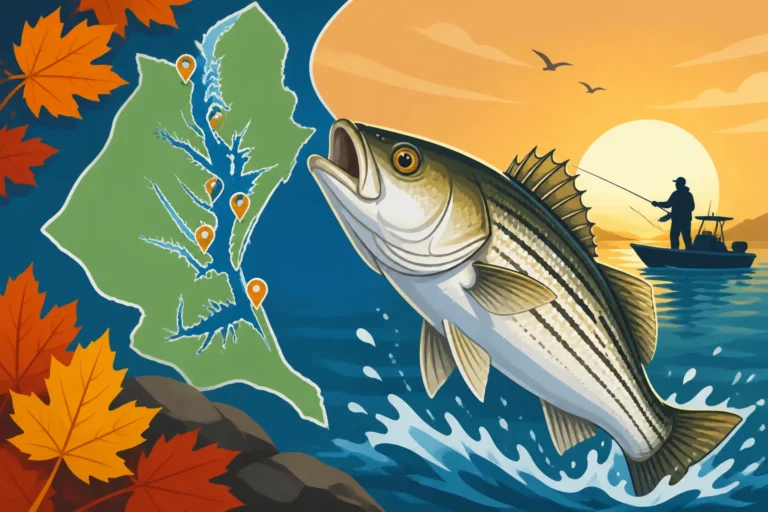
When anyone talks about striped bass fishing in Virginia, the Chesapeake Bay invariably comes up first. This immense estuary is the lifeblood of the East Coast striper population, serving as a critical spawning ground, nursery, and feeding area. The sheer volume of water, diverse habitats, and abundant baitfish make it an unrivaled destination for targeting rockfish. From the wide-open main stem to its intricate network of tidal rivers, the Bay offers opportunities for every kind of angler.
The Bay's dynamic environment means that fishing patterns can change with the tides, weather, and seasons. During the spring and fall migrations, vast schools of stripers move through its waters, offering incredible fishing. Even during the warmer summer months, resident fish can be found in deeper, cooler holes or around structure. This constant flux keeps anglers on their toes and makes every trip an exciting challenge, knowing that a trophy striper could be just a cast away.
Prime Bay Fishing Grounds
Within the sprawling Chesapeake Bay, certain areas consistently produce excellent striped bass action. The Chesapeake Bay Bridge-Tunnel (CBBT) is perhaps the most famous, acting as a massive artificial reef system that holds baitfish and, consequently, large stripers year-round. Anglers here use a variety of techniques, from jigging around the pilings and rock islands to live-lining eels or menhaden. It’s a truly iconic spot, offering some of the most dynamic fishing in the state.
Another fantastic area is the "middle Bay" region, stretching from the Rappahannock River north to the Potomac. Here, deep channels, oyster reefs, and submerged structures provide excellent ambush points for stripers. Look for schools of baitfish, often marked by diving birds or disturbances on the water's surface, as these are usually indicators of feeding stripers below. Whether you're trolling large plugs, casting soft plastics, or jigging with heavy spoons, these open-water areas can be incredibly productive, especially during the spring and fall runs.
Navigating the James and Rappahannock Rivers
The James and Rappahannock Rivers are two of Virginia's major tidal tributaries that offer phenomenal striped bass fishing, particularly during the spawning season. In early spring, mature stripers migrate far upriver from the Bay to spawn in these freshwater-influenced zones. This creates a unique opportunity to target large fish in narrower, more intimate settings than the open Bay.
On the James River, areas like Hopewell and the deep channels leading up to Richmond can be highly productive. Anglers often troll large bucktails or umbrella rigs, or cast lipless crankbaits and soft plastics. The Rappahannock River, especially around Fredericksburg and downstream, also sees a significant striper run. Fishing in these rivers often requires understanding tidal currents and finding structure like submerged logs, drop-offs, or bridge pilings where stripers might hold. For a more detailed look into this legendary fishery, check out the Chesapeake Bay Striped Bass Fishing Guide.
Key Chesapeake Bay Tributaries for Stripers
Beyond the James and Rappahannock, other key tributaries contribute significantly to Virginia's striped bass fishery. The York River, formed by the confluence of the Pamunkey and Mattaponi Rivers, is another excellent choice. It offers a mix of deep channels, oyster beds, and marshy shorelines, all of which attract stripers. Anglers often find success here using similar methods to the other tidal rivers, with trolling and casting bucktails being popular.
The Elizabeth River, though smaller and more urbanized near Norfolk, also holds resident stripers and receives migratory fish, particularly around its numerous docks, bridges, and deeper channels. Even smaller rivers like the Piankatank and Corrotoman offer hidden gems for those willing to explore. These tributaries can be great places to escape the crowds of the main Bay and find strong schools of stripers, especially when they are gorging on baitfish.
Freshwater Striped Bass Havens: Lakes You Can't Miss
While the Chesapeake Bay gets most of the glory for saltwater stripers, Virginia is also home to several world-class freshwater impoundments that boast incredible landlocked striped bass populations. These lakes offer a different kind of striper fishing experience, often requiring specialized techniques but yielding equally thrilling results. The beauty of freshwater stripers is their year-round accessibility, though the best fishing often occurs in the cooler months.
These landlocked populations thrive in large reservoirs that have abundant forage fish like gizzard shad. They grow to impressive sizes, offering a hard fight that mirrors their saltwater cousins. Many anglers find these lake fisheries less intimidating to navigate than the expansive Bay, making them perfect for those looking for consistent action without venturing into tidal waters.
Smith Mountain Lake: A Striper Powerhouse
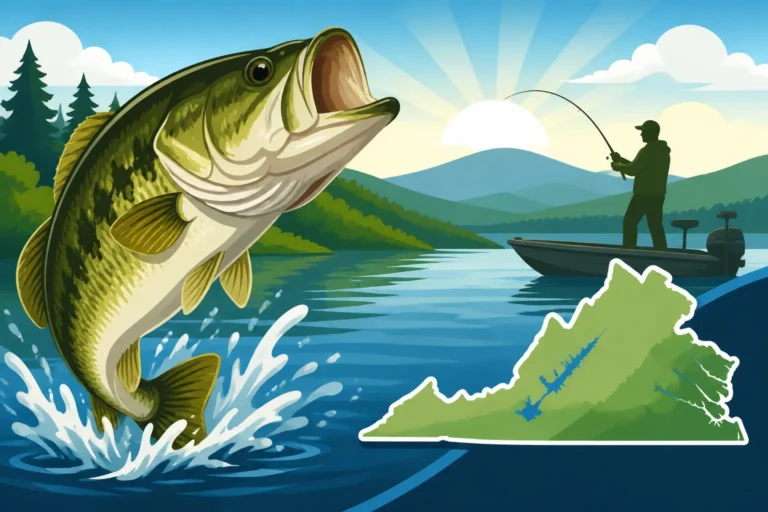
Smith Mountain Lake, nestled in the Blue Ridge Mountains, is arguably Virginia's premier freshwater striped bass fishery and one of the best in the entire Southeast. Known for its clear waters and deep channels, SML consistently produces trophy-sized stripers, with fish regularly tipping the scales into the 20- and 30-pound range, and even larger ones making headlines. The lake's abundant forage base, particularly threadfin and gizzard shad, allows stripers to grow large and healthy.
Anglers on Smith Mountain Lake employ various techniques. Trolling with large swimbaits, deep-diving crankbaits, or umbrella rigs is highly effective, especially for covering vast areas and finding schooling fish. Live baiting with shad, herring, or even large shiners is also extremely popular, particularly during the warmer months when stripers move deeper. In the colder months, fishing around main lake points, humps, and ledges with jigs or spoons can be deadly. You can dive deeper into this specific fishery with the Smith Mountain Lake Fishing Guide. Many local guides, some of whom you can find on platforms like FishingBooker, specialize in putting anglers on these powerful fish year-round.
Lake Anna's Consistent Striper Action
Lake Anna, located in Central Virginia, offers another fantastic opportunity for freshwater striped bass. While perhaps not as famous for trophy size as Smith Mountain Lake, Lake Anna provides incredibly consistent action and a high number of quality fish. Its unique characteristic is the warm water discharge from the North Anna Nuclear Generating Station, which creates warmer pockets that can attract stripers, especially in the cooler months.
Stripers in Lake Anna can be found throughout the main lake and in its various coves and creek arms. Trolling with bucktails, spoons, or deep-diving crankbaits is a popular method for locating schools. Live bait, especially shad, is also highly effective, particularly when targeting suspended fish. During the spring and fall, stripers will often push baitfish to the surface, creating exciting topwater action. For a detailed breakdown of fishing this lake, consider checking out the Lake Anna Fishing Guide. Anglers frequently report catching multiple stripers in a single outing, making it a great destination for consistent action.
Claytor Lake's Unique Freshwater Fishery
Claytor Lake, located in Southwest Virginia, offers a unique and thriving freshwater striped bass fishery that often gets overlooked. This deep, clear lake provides an excellent habitat for stripers, which thrive alongside a diverse population of other species like smallmouth bass and walleye. Claytor Lake might not produce the sheer numbers of Lake Anna or the consistent giants of Smith Mountain Lake, but it offers a chance at truly impressive fish in a stunning natural setting.
Fishing methods on Claytor Lake are similar to other impoundments, with trolling being a go-to for covering water and locating schools. Live bait, particularly larger shad or alewife, is also very effective when stripers are holding deep. Anglers often target main lake points, humps, and areas where tributaries enter the lake, as these are natural ambush points. Pay attention to your fish finder to locate schools of baitfish and the stripers lurking beneath them. For more specific insights into this hidden gem, including tips for other species, explore the Claytor Lake Fishing Spots and Tips.
Coastal Hotspots Beyond the Bay
While the Chesapeake Bay dominates the conversation, Virginia's coastal waters offer entirely different and equally thrilling opportunities for striped bass, especially during their migratory periods. The open Atlantic provides a chance to intercept these powerful fish as they travel along the coast, offering a more ocean-centric fishing experience. These coastal runs can see massive schools of stripers, attracting anglers from all over.
The nature of coastal fishing means you're often dealing with stronger currents, larger waves, and the vastness of the open ocean. This requires specialized boats, gear, and techniques compared to the calmer, more sheltered waters of the Bay and its tributaries. However, the reward can be truly monumental, with opportunities for large schools and trophy-class fish that are migrating between their northern feeding grounds and southern overwintering areas.
Virginia Beach: Nearshore and Offshore Excitement
Virginia Beach is a prime coastal hub for striped bass fishing, especially during the colder months when large migratory fish pass through its nearshore waters. From late fall through early spring, anglers flock to this area to target big "cow" stripers. The fishing here often involves trolling large plugs, mooching with live eels, or jigging with heavy metal jigs around structure and bait schools.
The nearshore ocean shoals, artificial reefs, and wrecks off Virginia Beach serve as magnets for stripers. Popular spots include the Virginia Beach Reef Site, the Chesapeake Light Tower, and various wrecks that hold bait. Booking a charter during this time is highly recommended, as experienced captains know exactly where the fish are holding and what techniques are working best. For those considering this option, understanding the Virginia Beach Striped Bass Charter Season Timing can help you plan your trip to coincide with peak action. You can often find reputable charters listed on platforms like FishingBooker, making it easier to arrange a memorable trip.
The Eastern Shore's Hidden Gems
Across the Chesapeake Bay, Virginia's Eastern Shore offers a more secluded but equally productive coastal striped bass fishery. This region, with its pristine barrier islands, intricate marsh systems, and less pressured waters, provides excellent opportunities for both boat and surf anglers. The waters off the Eastern Shore intercept migratory stripers as they move along the coast, often providing excellent sight-casting opportunities in the shallower bays and inlets.
Areas like Wachapreague, Quinby, and Cape Charles serve as launching points for anglers looking to explore the Eastern Shore's striper potential. Nearshore shoals and channels, as well as the inlets connecting the marsh to the Atlantic, can be incredibly productive. Surf fishing from the barrier islands, especially during the fall run, can also yield impressive results for those willing to brave the elements and cast into the crashing waves. This region offers a different flavor of striper fishing, appealing to those who prefer a quieter, wilder experience.
Essential Techniques for Virginia Striped Bass Success
Catching striped bass consistently, especially in Virginia's diverse waters, means having a versatile toolbox of techniques at your disposal. These fish are adaptable and can be caught using a wide array of methods, but knowing when and where to apply each one is key to maximizing your success. Whether you're targeting them in a vast lake or the open ocean, understanding their behavior and feeding patterns will guide your approach.
Stripers are opportunistic predators, often chasing down baitfish aggressively. This means high-energy presentations can be very effective. However, they can also be finicky, requiring a more subtle approach, especially when heavily pressured or in clear water. Flexibility is your friend, and being able to switch tactics on the fly based on conditions can turn a slow day into a banner one.
Trolling and Live Bait Strategies
Trolling is one of the most effective ways to cover large amounts of water and locate schooling striped bass, particularly in the open Bay or expansive lakes like Smith Mountain Lake. Anglers use a variety of lures for trolling, including large crankbaits, spoons, bucktails, and umbrella rigs. The key is to match the depth and speed of your presentation to where the fish are holding and what baitfish they are feeding on. For example, in the Chesapeake Bay, umbrella rigs with multiple shad imitations are incredibly popular, imitating a school of bait.
Live baiting, on the other hand, is often the most productive method for targeting specific fish or when stripers are less active. Live eels are a legendary bait for big stripers in the Chesapeake Bay, often fished around structure like the CBBT. In freshwater lakes, live gizzard or threadfin shad are king, often fished on a free-line or under a bobber to target suspended fish. The natural movement and scent of live bait are often irresistible to hungry stripers, leading to powerful strikes.
Casting and Jigging Tactics
When stripers are actively feeding on the surface, pushing baitfish into "balls," or holding tightly to structure, casting and jigging become incredibly effective. Casting artificial lures allows for a more interactive and often thrilling fishing experience. Topwater plugs are exhilarating when stripers are busting the surface, creating explosive strikes that you can see. Soft plastic swimbaits and paddle tails, rigged on jig heads, are versatile and can imitate a wide range of baitfish, working well both cast and retrieved or jigged vertically.
Jigging is particularly effective when stripers are holding deep or around specific structures like bridge pilings, wrecks, or deep humps. Heavy metal jigs, bucktails, or large soft plastics can be dropped down and worked with an aggressive retrieve to entice strikes. The rhythmic up-and-down motion mimics an injured baitfish, triggering a predatory response. This is a very popular technique for targeting larger, solitary fish that might be less inclined to chase trolled baits.
Reading the Water and Understanding Structure
Successful striped bass fishing isn't just about the right lure or bait; it's also about understanding the environment. Learning to "read the water" is a crucial skill. Look for signs of baitfish, such as flocks of diving birds, nervous water, or even the subtle flick of a baitfish's tail. These indicators often point to feeding stripers below. Pay attention to current breaks, eddies, and subtle changes in water color or temperature, as these can concentrate both bait and predators.
Understanding structure is equally important. Stripers are ambush predators and will often relate to submerged features that provide cover or concentrate bait. This includes bridge pilings, rock jetties, oyster reefs, channel edges, humps, drop-offs, and even sunken trees. Using your fish finder to identify these features, as well as schools of bait and fish arches, will greatly increase your chances of finding productive spots. Tidal currents play a massive role in the Bay and its tributaries, often dictating when and where stripers will feed around structure.
Gear Up for Virginia Stripers
Having the right tackle is fundamental to successfully battling Virginia's striped bass. These are strong fish, and a mismatched or inadequate setup can quickly lead to heartbreak. While you don't need to break the bank, investing in reliable gear that can withstand the power of a hard-fighting striper is crucial. The specific gear you choose will often depend on the location and technique you plan to use, whether you're trolling the Bay or casting on a lake.
Think about the environment you'll be fishing in – saltwater requires corrosion-resistant components, while freshwater might allow for slightly less robust, though still strong, tackle. Consider the size of the fish you expect to encounter, as a hefty striper can quickly overpower light tackle, especially in strong currents.
Rods, Reels, and Line for Different Scenarios
For most Virginia striped bass fishing, you'll want a medium-heavy to heavy action rod, typically 7 to 8 feet long. This length provides good casting distance and enough leverage to fight powerful fish. If you're trolling, a shorter, more stout rod might be preferred. For casting and jigging, a fast-action tip will help with sensitivity and hook sets. Brands like Ugly Stik or Penn offer durable, affordable options that can handle the abuse.
Matching your rod with a robust spinning reel or a baitcasting reel is essential. For spinning reels, look for models in the 5000-8000 size range with a strong drag system and good line capacity. For baitcasting reels, especially for trolling or heavy jigging, a conventional reel with a strong retrieve and high drag output is ideal. Load your reel with braided line, typically 30-65 lb test, which offers superior strength, sensitivity, and casting distance. Always add a fluorocarbon leader (30-60 lb test) for abrasion resistance and invisibility, especially in clearer waters.
Top Lures and Baits for Virginia Stripers
The world of striper lures is vast, but a few stand out as consistent producers in Virginia. Bucktail jigs, often tipped with a soft plastic trailer or a piece of pork rind, are classic and incredibly versatile. They can be cast, trolled, or jigged. Soft plastic paddle tail swimbaits, like those from Z-Man or Bass Kandy Delight, in sizes ranging from 4 to 9 inches, are excellent imitations of shad and herring, effective when rigged on appropriate jig heads.
For trolling, large lipless crankbaits, deep-diving plugs (such as Mann's Stretch series), and umbrella rigs are staples. Topwater plugs, like poppers or walk-the-dog baits, create exciting surface action during morning or evening feeding frenzies. Live bait, as mentioned, is often unbeatable. Eels are fantastic for large stripers in saltwater, while live shad or herring are gold for freshwater stripers. Always have a variety on hand to adapt to changing conditions and fish preferences.
Planning Your Virginia Striped Bass Adventure
Successfully planning a striped bass fishing trip in Virginia involves more than just knowing where the fish are; it means understanding the logistics, legalities, and options available to you. Virginia offers a diverse range of fishing experiences, from highly organized charter trips to independent DIY adventures, each with its own set of considerations. Getting these details right ensures a smooth and enjoyable trip, free from unexpected headaches.
Whether you're a seasoned local or visiting from out of state, a little preparation goes a long way. This includes not just your fishing gear, but also your personal comfort, safety, and adherence to state regulations. A well-planned trip allows you to focus on the thrill of the catch rather than administrative worries.
Chartering a Boat vs. DIY Trips
Deciding whether to book a charter or go it alone depends on your experience, equipment, and desired level of adventure. Chartering a boat, especially for saltwater excursions in the Chesapeake Bay or off Virginia Beach, offers numerous advantages. Experienced captains and guides, many of whom are listed on platforms like FishingBooker, provide all the necessary gear, expertise, and knowledge of current fishing conditions. They know the hotspots, the effective techniques, and they handle all the safety aspects. This is often the best option for beginners, visitors, or those targeting specific species and large fish. You can find out more about what to expect by reading our Virginia Fishing Charters and Guides: The Complete Guide.
DIY trips, on the other hand, offer freedom and flexibility. If you own a boat and have experience navigating Virginia's waters, you can explore at your own pace. This requires a solid understanding of marine navigation, local fishing spots, and the capability to handle your own tackle and safety. For those fishing from shore or kayaks, DIY is often the only option, but it limits your range. Always prioritize safety, especially in open waters.
Navigating Regulations and Licensing
Fishing in Virginia, whether for striped bass or any other species, requires adherence to state regulations and licensing laws. Before you cast a line, ensure you have the appropriate Virginia Fishing License Guide. This typically means a freshwater license for inland lakes and rivers, or a saltwater license for the Chesapeake Bay and coastal waters. Many anglers opt for a combination license to cover both. Non-residents have specific license options as well.
Beyond the general license, striped bass often have specific rules regarding seasons, size limits (like the common 28 to 31-inch slot limit in the Bay), and daily possession limits. These regulations are in place to ensure the sustainability of the fishery and can change, so always check the Virginia DWR website for the most current information. Failing to comply can result in fines and penalties, so ignorance is not an excuse. Familiarize yourself with Virginia Fishing Regulations Explained to avoid any issues.
Conservation and Sustainable Practices
As passionate anglers, we all share a responsibility to protect Virginia's incredible striped bass fishery for future generations. These fish face numerous pressures, and our actions on the water can have a significant impact on their long-term health. Practicing good conservation and sustainable fishing techniques isn't just a recommendation; it's a vital part of being a responsible angler.
By understanding and adhering to regulations, as well as adopting ethical practices, we contribute to the longevity of the species and the sport we love. This ensures that the thrill of catching a Virginia striper remains a possibility for years to come, and that our children and grandchildren can experience the same excitement we do.
Understanding Catch Limits and Slot Sizes
Virginia employs a variety of management tools, including catch limits and slot sizes, to protect striped bass populations. A catch limit dictates how many fish you can keep per day, while a slot limit specifies a narrow size range within which fish can be retained. For instance, the common 28 to 31-inch slot limit in the Chesapeake Bay means you can only keep stripers that fall within that specific length. Fish smaller than 28 inches or larger than 31 inches must be immediately released.
These regulations are designed to protect both juvenile fish, allowing them to grow and mature, and the large, reproductively valuable breeding stock. It’s crucial to understand these rules precisely; knowing How Many Striped Bass Can You Keep in Virginia and what size they need to be is paramount. Always carry a measuring device and be ready to release any fish that falls outside the legal slot. Penalties for violating these rules can be severe, emphasizing the importance of compliance.
Practicing Proper Release Techniques
For any fish that must be released – whether it's undersized, oversized, or simply a fish you choose not to keep – proper release techniques are essential to maximize its survival rate. Handle the fish as little as possible and, if possible, keep it in the water. If you must bring it aboard, wet your hands before touching it to protect its protective slime coat. Avoid holding fish by the gills or eyes.
Use a dehooking tool to remove hooks quickly and gently. If the fish is deeply hooked, it's often better to cut the line as close to the hook as possible rather than tearing internal organs. For larger fish, a lip gaff or cradle can help control the fish without harming its body. When releasing, support the fish in the water until it regains its strength and can swim away on its own. These small actions make a big difference in ensuring that released stripers survive to spawn another day.
Virginia Striped Bass Hotspots Comparison Table
To help you visualize the different opportunities, here's a quick comparison of Virginia's top striped bass fishing spots:
| Fishing Spot | Type of Water | Best Seasons | Primary Techniques | Typical Striper Size (lbs) | Notes |
|---|---|---|---|---|---|
| Chesapeake Bay Main Stem | Saltwater/Estuary | Spring, Fall, Winter | Trolling, Live Bait, Jigging | 10-40+ | Iconic for migratory runs, CBBT is a major hotspot. |
| James River (Tidal) | Freshwater/Tidal | Spring Spawn | Trolling, Casting (plastics) | 5-25 | Excellent spring spawning runs, good for larger fish upriver. |
| Rappahannock River | Freshwater/Tidal | Spring Spawn | Trolling, Casting (bucktails) | 5-25 | Similar to James, strong spring run, good current fishing. |
| Smith Mountain Lake | Freshwater Lake | Year-round, Spring/Fall peak | Trolling, Live Bait (shad), Jigging | 10-30+ | Premier freshwater fishery for trophy stripers, clear water. |
| Lake Anna | Freshwater Lake | Year-round, Spring/Fall peak | Trolling, Live Bait (shad) | 5-20 | Consistent action, warm water discharge attracts fish in winter. |
| Claytor Lake | Freshwater Lake | Year-round, Spring/Fall peak | Trolling, Live Bait, Jigging | 5-25 | Deep, clear lake with unique fishery, less pressured. |
| Virginia Beach | Ocean (Nearshore) | Late Fall, Winter, Early Spring | Trolling, Live Eels, Jigging | 15-50+ | Coastal migratory runs, charter essential for offshore. |
| Eastern Shore (Coastal) | Ocean/Inlets | Late Fall, Winter, Early Spring | Trolling, Surf Fishing, Casting | 10-40+ | More remote, good for surf anglers and smaller boat access to inlets. |
Disclaimer
The information provided in this guide is for general informational purposes only. Fishing regulations, seasons, and conditions can change rapidly. Always consult the official Virginia Department of Wildlife Resources (DWR) website and other relevant authorities for the most current and accurate information before planning any fishing trip. Adhere to all local, state, and federal laws and practice safe boating and fishing techniques.