Rockfish season dates and size limits
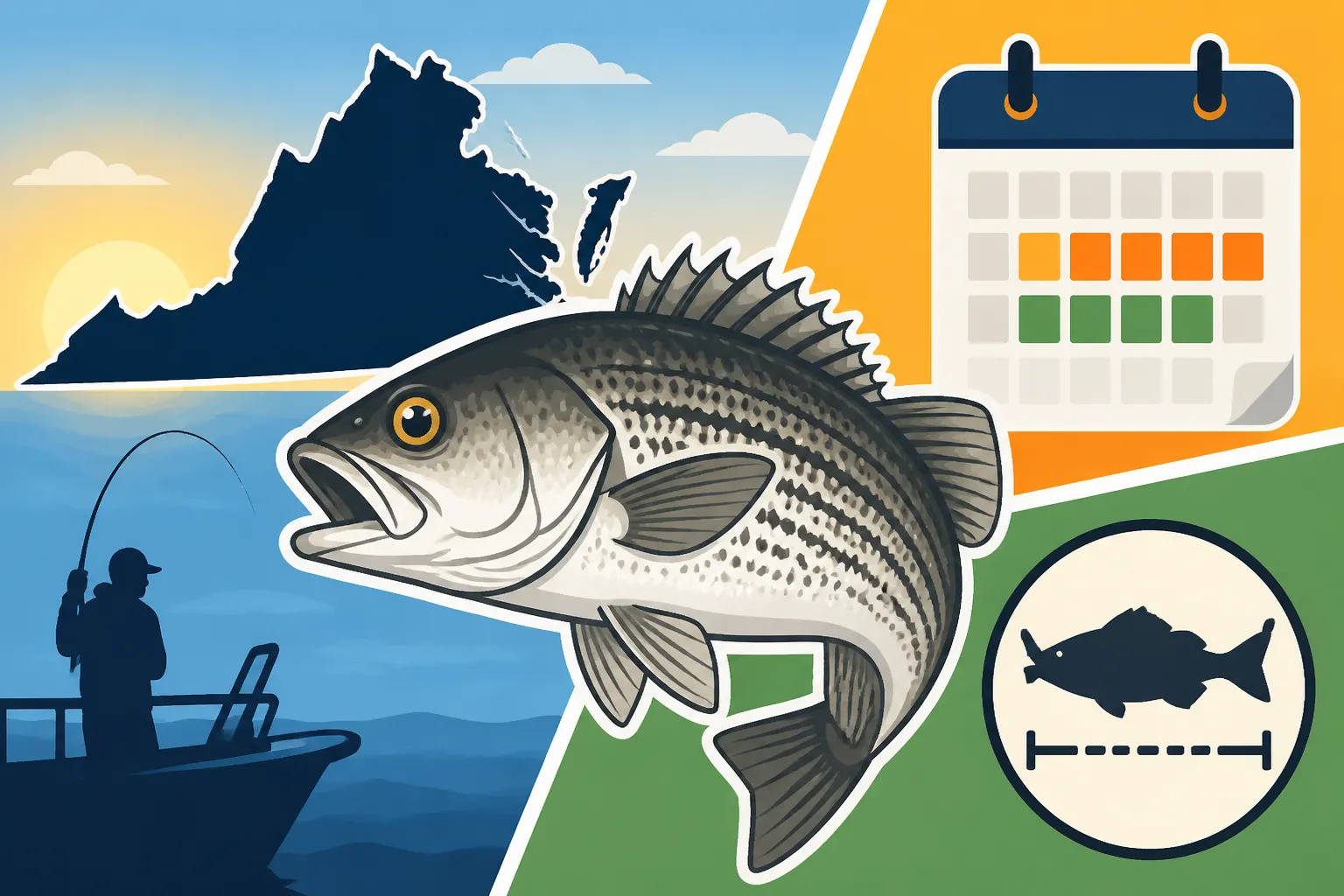
There's nothing quite like the thrill of a rod bending to the powerful pull of a striped bass, known affectionately as rockfish, in Virginia’s abundant waters. However, the joy can quickly turn to confusion when trying to navigate the complex web of season dates and size limits, which often seem to shift faster than the tides. Many anglers, both seasoned locals and visitors, find themselves scratching their heads over what's legal to keep and when. This comprehensive guide aims to demystify Virginia's rockfish regulations, providing clarity on the current season dates and crucial size limits so you can fish with confidence and stay on the right side of the law.
Understanding Virginia's Striped Bass (Rockfish) Season Dates
Virginia’s Department of Wildlife Resources (DWR) manages striped bass carefully, which often means their seasons aren't a simple "open all year" affair. Instead, we typically see a "split season" approach, specifically designed to balance fishing opportunities with critical conservation needs for this iconic species. It's a system that can be a bit tricky to follow if you're not staying on top of the latest announcements.
The Nuances of the Split Season
For many years now, Virginia has implemented a split season for striped bass, carving the fishing year into distinct windows. This isn't just to keep us anglers on our toes; it's a strategic move to protect the fish during sensitive periods, like their spawning migrations. Generally, you'll find a spring season and a fall/winter season. The exact dates are set by the DWR, often in coordination with regional management bodies, and they can be subject to change based on stock assessments and conservation targets. You’ll want to consult the official DWR website or their annual fishing regulations guide for the most current dates, as these are provided as examples and are subject to change annually.
For instance, in recent years, the spring season for striped bass in the Chesapeake Bay and its tributaries has often opened around May 16th and closed around June 15th. Then, after a summer hiatus, the fall/winter season typically kicks off around October 4th and runs through December 31st. This structure, where the season splits into two distinct parts, is a common source of questions for anglers. It's designed to allow fishing during periods when the fish are less vulnerable, such as outside of their primary spawning aggregations, while still providing ample opportunity for recreational harvest. If you're wondering why these dates aren't contiguous, our guide on Why Virginia's Striped Bass Season Splits Into Two Parts offers a deeper dive into the conservation reasoning.
Differentiating Between Chesapeake Bay and Coastal Waters
Here's where it gets particularly important to pay close attention: the season dates and, more importantly, the size limits for rockfish can differ significantly depending on whether you're fishing in the Chesapeake Bay and its tributaries or in the Atlantic Ocean and its coastal tributaries. It's not a one-size-fits-all rule, and knowing your location is paramount to staying legal.
For the Chesapeake Bay and its tributaries, the general split season dates mentioned above typically apply. This includes major rivers like the James, York, Rappahannock, and Potomac (within Virginia waters). However, when you venture out into the Atlantic Ocean and its tributaries, which includes federal waters off the coast, the specific regulations might diverge slightly in terms of slot limits, even if the general season windows overlap. Always double-check which set of regulations applies to your specific fishing ground. For those keen on Striped Bass Season and Slot Limit in Virginia, understanding these geographical nuances is key to a successful and legal trip.
Deciphering the Rockfish Slot Limit and Possession Rules
Beyond knowing when you can fish, it’s absolutely critical to understand what size fish you can keep and how many. Virginia employs a "slot limit" for striped bass, a conservation measure designed to protect both the younger, immature fish and the larger, reproductively valuable breeding stock.
The Crucial Slot Limit: 19 to 24 Inches or 28 to 31 Inches?
This is arguably the most common point of confusion for Virginia anglers. The slot limit means that you can only keep fish that fall within a specified length range. Any fish smaller than the minimum or larger than the maximum must be immediately released.
Currently, for striped bass caught in the Chesapeake Bay and its tributaries, the slot limit is generally 19 to 24 inches. This means a fish measuring 18.5 inches must go back, and so must a fish measuring 24.5 inches. Only those beautiful rockfish whose noses touch the 19-inch mark and whose tails don't extend past 24 inches are legal to harvest.
However, for striped bass caught in the Atlantic Ocean and its tributaries (including federal waters), the slot limit has historically been different, often set at 28 to 31 inches. This is a significant difference! A 24-inch fish, perfectly legal in the Bay, would be undersized on the coast. Conversely, a 30-inch fish, legal on the coast, would be oversized and require release in the Bay. This specific slot limit for coastal waters is often what anglers refer to when they talk about Virginia Rockfish Slot Limit 28 to 31 Inches Explained.
The critical takeaway here is: know your waters, know your slot limit. Always carry a reliable measuring device. Whether it’s a simple tape measure or a dedicated fish ruler, make sure it’s accurate. Many anglers find high-quality, durable measuring boards and tapes on Amazon that can be a real lifesaver when you're out on the water. Taking a quick photo of the fish on your measuring board is also a great way to document your catch, should any questions arise from wildlife officers.
Daily Possession Limits and Enforcement
No matter the season or location, Virginia enforces a strict daily possession limit for striped bass. Generally, anglers are permitted to keep one (1) striped bass per person per day. This limit applies across the board, whether you're fishing solo from a kayak, casting from a pier, or enjoying a day on a charter boat. Even on a Virginia's One-Fish Striped Bass Limit on Charter Trips, the individual angler's limit remains one fish.
Enforcement of these regulations is taken very seriously by the Virginia Department of Wildlife Resources. Game wardens and marine police regularly patrol waterways, conduct boat stops, and check catches at boat ramps and fishing piers. They are vigilant about ensuring anglers comply with all rules, including valid fishing licenses, proper gear, and adherence to season dates and size limits. If you're ever caught with an undersized, oversized, or over-limit fish, or fishing outside of the designated season, the consequences can range from significant fines to confiscation of your catch and gear. It's a stark reminder that ignorance of the law is no excuse. If you're curious about the broader implications, our article on Penalties for Fishing Without a License in Virginia highlights the importance of adhering to all regulations.
To ensure you're always within the bounds, remember to check How Many Striped Bass Can You Keep in Virginia and keep your measuring tools handy. It’s also a good idea to download the Virginia DWR "Go Outdoors VA" app, which often provides real-time access to regulations, making it easier to stay informed while you're out fishing.
The Conservation Story Behind Rockfish Regulations
It might feel frustrating to deal with shifting dates and precise slot limits, but these regulations aren't arbitrary. They are carefully crafted management tools aimed at protecting and rebuilding the striped bass population, a species that faces significant pressure from both recreational and commercial fishing, as well as environmental factors.
Why the Rules Are So Strict
The stringent regulations surrounding Virginia’s striped bass fishery, including the variable slot limits and split seasons, are a direct response to the need to conserve this valuable resource. Striped bass are migratory fish, traveling up and down the Atlantic coast, and they are a shared stock among multiple states. When one state implements a conservation measure, it often influences or is influenced by regulations in neighboring states like Maryland and North Carolina.
The slot limit, for example, is a powerful tool for what's known as "trophy protection" and "spawner protection." By releasing smaller fish, you allow them to grow to a reproductively mature size. By releasing larger fish (the "oversized"), you protect the most prolific spawners – the big females that produce millions of eggs. These larger fish are vital for the health and future of the entire stock. If we harvest too many of the larger, older fish, it can severely impact the population’s ability to rebound. This delicate balance is why organizations like the Atlantic States Marine Fisheries Commission (ASMFC) work to coordinate regulations across the coast, influencing Virginia’s specific rules, like those detailed in our guide Virginia Fishing Regulations Explained.
Staying Informed: Your Role as a Responsible Angler
Given the dynamic nature of these regulations, your active participation in staying informed is crucial. The DWR regularly updates its rules, sometimes even mid-year, in response to scientific assessments of the striped bass population. What was legal last season might not be this season, and what's legal in the Bay might not be legal on the coast.
Here are some actionable steps to ensure you're always up-to-date:
- Check the Official Sources: Before every trip, especially when targeting rockfish, visit the official Virginia DWR website. They publish the most current and accurate regulations. You can also pick up a physical copy of their annual fishing guide from license agents, local bait shops, or directly from the DWR.
- Use the Go Outdoors VA App: The Virginia DWR offers a mobile app (Go Outdoors VA) that often provides direct access to regulation summaries. It's a handy tool to have on your smartphone, allowing you to quickly check rules while you’re out on the water.
- Invest in Proper Gear: Beyond your rod and reel, make sure you have essential tools for compliance. A reliable measuring tape or board is non-negotiable for accurately assessing your catch against the slot limits. Many excellent options, known for their durability and clear markings, are available on platforms like Amazon. Having a simple set of fishing scales can also be helpful for weighing your fish, although not strictly required by law for rockfish.
- Understand the Local Nuances: Be aware that specific bodies of water might have slightly different rules, even within the broader Bay or coastal zones. Sometimes, local marinas or bait shops will have clear signage or handouts about the most current local regulations.
By taking these steps, you not only protect yourself from potential fines but also contribute to the long-term health and sustainability of Virginia's cherished striped bass fishery. Being a responsible angler means understanding and respecting the rules that protect the fish for future generations to enjoy. For more details on the varying specific rules, you might find our article Rockfish Rules Along the Virginia Coast particularly helpful.
| Water Body | Season | Typical Dates (Verify Annually!) | Size Limit (Slot) | Daily Creel Limit |
|---|---|---|---|---|
| Chesapeake Bay & its Tributaries | Spring | May 16 – June 15 | 19 – 24 inches | 1 per person |
| Chesapeake Bay & its Tributaries | Fall | Oct 4 – Dec 31 | 19 – 24 inches | 1 per person |
| Atlantic Ocean & its Tributaries (Coastal & Federal Waters) | Spring | May 16 – June 15 | 28 – 31 inches | 1 per person |
| Atlantic Ocean & its Tributaries (Coastal & Federal Waters) | Fall | Oct 4 – Dec 31 | 28 – 31 inches | 1 per person |
Please note: These dates and size limits are illustrative based on recent regulations and are subject to change. Always verify the most current rules with the Virginia Department of Wildlife Resources (DWR) before heading out for your fishing trip.
Disclaimer
The information provided in this guide is for general informational purposes only and is subject to change. Fishing regulations, season dates, and size limits for rockfish (striped bass) in Virginia are determined by the Virginia Department of Wildlife Resources (DWR) and other regulatory bodies, and they can be updated frequently. It is the responsibility of every angler to consult the official and most current Virginia DWR fishing regulations before engaging in any fishing activity. Reliance on any information provided here is solely at your own risk.