Why Striper Season Closes for the Summer
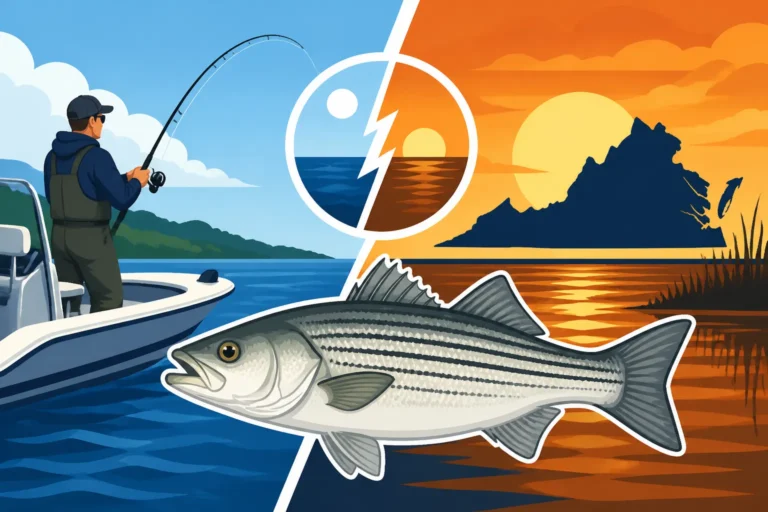
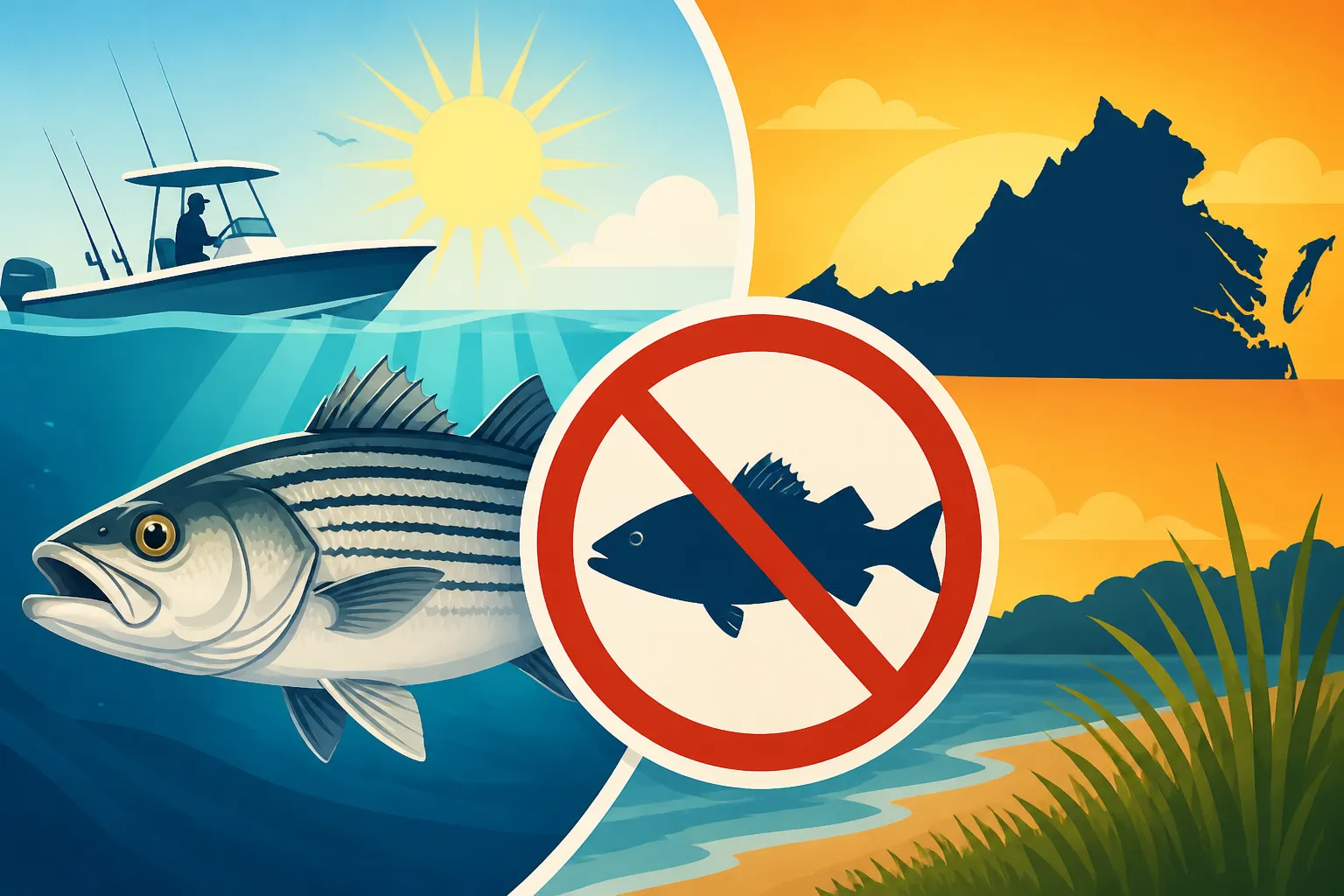
It’s a familiar frustration for many Virginia anglers: just when the weather warms up and you’re itching to get out on the water, the striped bass season in many areas slams shut for the summer. It can feel like a cruel twist of fate, leaving you wondering why such a popular fishery goes on hiatus. This guide will dive deep into the science, conservation efforts, and ecological reasons behind why Virginia’s striper season closes for the summer, helping you understand this critical management decision.
Understanding Virginia's Striped Bass Fishery
Virginia boasts an incredible striped bass (often called rockfish, especially in saltwater circles) fishery, stretching from its expansive tidal rivers like the James, York, and Rappahannock, all the way out into the mighty Chesapeake Bay and even coastal ocean waters. These fish are true icons of the region, known for their powerful fights and delicious table fare. But what makes them so special, and why do they need special protections?
The Life Cycle of Striped Bass in Virginia Waters
Striped bass have a fascinating and somewhat complex life cycle that dictates much of their interaction with anglers. Most of the striped bass found in Virginia's waters are part of the larger Atlantic coastal migratory stock, with the Chesapeake Bay being the single largest nursery area on the East Coast.
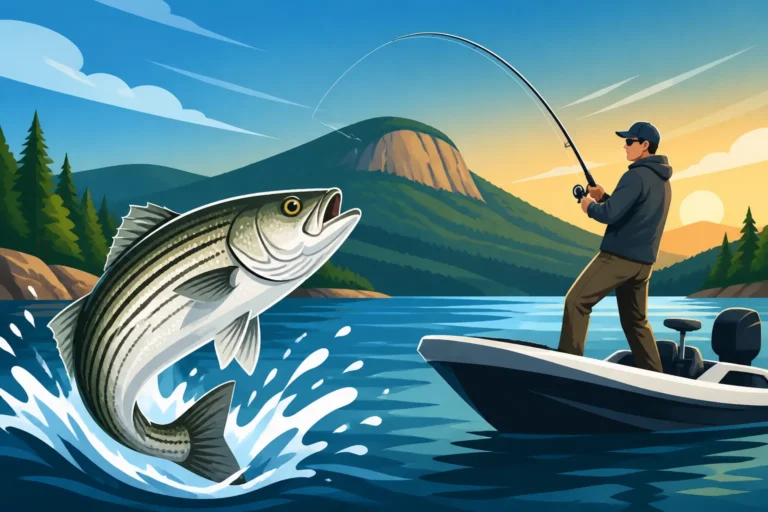
Each spring, adult striped bass migrate from their ocean wintering grounds into the freshwater spawning grounds of Virginia's tidal rivers. This journey is a testament to their incredible instinct, as they often return to the very rivers where they were born. Here, in the slightly warmer, brackish waters, they engage in an intense spawning ritual. The eggs are semi-buoyant and drift downstream, eventually hatching into tiny larvae that spend their first few months in the protective nursery habitats of the tidal rivers and upper Bay. As they grow into juveniles, they gradually move towards saltier waters, eventually joining the larger migratory population. This annual cycle of migration, spawning, and growth is what makes these fish so crucial to protect. Understanding this rhythm is key to understanding Virginia Striped Bass Season and Slot Limit Guide and other regulations.
The Importance of Striped Bass to Virginia's Ecosystem and Economy
Beyond their allure to recreational anglers, striped bass play a vital role in Virginia's aquatic ecosystems. As a top predator, they help maintain the balance of smaller fish populations and invertebrates, contributing to the overall health of the Chesapeake Bay and its tributaries. Their presence or absence is often seen as an indicator of environmental health.
Economically, the striped bass fishery is a powerhouse. Thousands of anglers, both residents and visitors, flock to Virginia each year specifically to target these fish. This generates significant revenue for local communities through tackle sales, bait shops, boat rentals, lodging, and fishing charters. The economic impact is felt from bustling coastal towns like Virginia Beach to smaller river communities along the James and Rappahannock. Maintaining a robust striper population isn't just about fun; it's about sustaining livelihoods and regional economies. This is why careful management, including seasonal closures, is so important for the long-term viability of this prized species. If you're looking for Best Fishing Spots in Virginia, you'll often find they're closely tied to striper migration routes.
Why the Summer Closure is Essential
The decision to close the striped bass season during the summer months isn't made lightly. It's a critical conservation measure based on scientific understanding of the fish's physiology and behavior during this particular time of year. While it might seem inconvenient, it's absolutely vital for the health and recovery of the stock.
High Water Temperatures and Fish Stress
One of the primary reasons for the summer closure is directly related to water temperature. Striped bass are inherently a cold-water species. While they can tolerate a range of temperatures, prolonged exposure to warm water, especially anything above the mid-70s Fahrenheit, puts immense physiological stress on them.
When water temperatures rise, several things happen to striped bass. Firstly, the dissolved oxygen levels in the water decrease, making it harder for fish to "breathe" through their gills. Imagine trying to run a marathon in thin air – that's what it's like for a striper in warm, low-oxygen water. Secondly, their metabolism increases significantly in warmer water, meaning they burn more energy just to exist. When a fish is caught and fights vigorously, it expends an enormous amount of energy. In cool water, a released fish can often recover relatively quickly. But in warm, low-oxygen conditions, that same fight can be fatal, even if the fish swims away seemingly fine. The stress of being caught, combined with environmental stressors, leads to a much higher post-release mortality rate. Conservationists and fisheries managers recognize that even catch-and-release fishing can have a detrimental impact under these conditions, making a full closure the most responsible choice. This is also why you'll often hear about Fishing Techniques After a Cold Front or how Water Temperature and Fish Feeding Patterns are critical.
Post-Spawn Recovery and Juvenile Protection
Another crucial factor in the summer closure is allowing adult striped bass to recover after their arduous spawning season. As mentioned, stripers undertake significant migrations and expend tremendous energy during the spring spawning period in the tidal rivers. This makes them particularly vulnerable and stressed in the immediate aftermath.
Allowing them a period of reduced fishing pressure during the summer gives them the opportunity to recuperate, regain their strength, and rebuild their energy reserves. This recovery period is vital for their long-term health and reproductive success in future years. Furthermore, the summer months are when the new generation of striped bass – the fry and juveniles – are growing rapidly in the nursery areas. These young fish are delicate and susceptible to disturbance. A fishing closure helps protect these vulnerable youngsters from incidental capture and stress, ensuring a healthy recruitment of fish into the population for future angling seasons. It's all part of the big picture of Virginia Fishing Regulations Explained designed for sustainability.
Conservation Efforts and Sustainable Management
The summer closure is a cornerstone of broader, regional conservation efforts aimed at ensuring the sustainability of the Atlantic striped bass stock. The striped bass population has faced challenges over the years, and state and interstate fisheries management agencies work tirelessly to implement regulations that balance angling opportunities with the need for long-term conservation.
These closures are part of a comprehensive strategy that includes slot limits, daily possession limits, and various seasonal restrictions across different states along the Atlantic coast. By closing the season during the most vulnerable period for the fish, Virginia contributes to the overall health of the entire stock, which benefits all states that share this valuable resource. It demonstrates a commitment to responsible stewardship, ensuring that future generations of anglers will also have the opportunity to experience the thrill of catching a Virginia rockfish. It's about looking beyond immediate gratification to safeguard a treasured natural resource, as highlighted in topics like Virginia's Fishing License and Catch Limit Basics.
Navigating the Off-Season: What Anglers Can Do
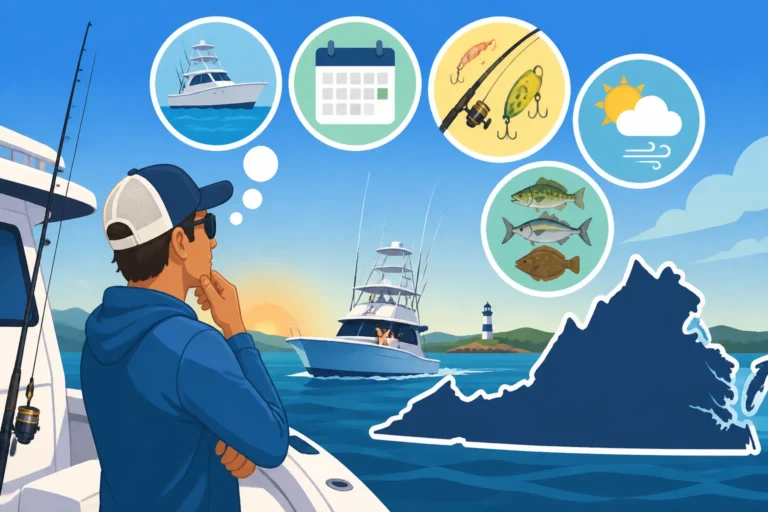
The summer striper closure doesn't mean you have to put your rods away entirely! Virginia offers a plethora of other fantastic fishing opportunities during the warmer months. It's a great chance to explore new species, hone different techniques, and appreciate the diversity of Virginia's waters.
Targeting Other Species During Summer
While striped bass might be off-limits, many other exciting species are thriving in Virginia's summer waters. For freshwater enthusiasts, largemouth bass are typically very active, especially during early morning and late evening hours. You can find them lurking in the cover of lily pads, submerged timber, and along weed lines in lakes like Lake Anna, Smith Mountain Lake, and Kerr Lake. Crappie fishing can also be excellent around brush piles and deeper structure. And let's not forget the mighty catfish – channel catfish, blue catfish, and flathead catfish are often eager biters throughout the summer, particularly at night, offering a powerful fight and delicious reward. Check out How to Catch Largemouth Bass Year-Round or Catfish Fishing Techniques and Bait Guide for some great ideas.
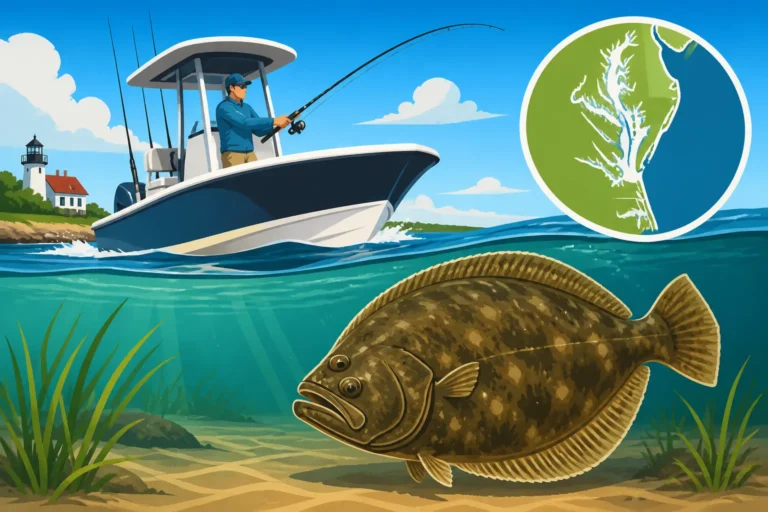
For saltwater anglers, the Chesapeake Bay and its tributaries offer a different array of summer targets. You might find a good bite for speckled trout, red drum, flounder, or various panfish like croaker and spot. Even some offshore species become more accessible as the water warms up. Expanding your fishing repertoire during the striper closure can open up a whole new world of angling enjoyment.
Here's a quick look at some popular summer alternatives:
| Species | Typical Habitat (Summer) | Best Times (Summer) | Common Bait/Lures |
|---|---|---|---|
| Largemouth Bass | Structure, weed lines, docks | Dawn, Dusk, Overcast Days | Plastic worms, crankbaits, topwater |
| Channel/Blue Catfish | Deep holes, river bends | Night, Dawn, Dusk | Cut bait, chicken livers, stink bait |
| Crappie | Brush piles, submerged trees | Early Morning, Late Evening | Small jigs, minnows |
| Flounder | Sandy bottoms, channel edges | Day (incoming tide) | Live minnows, Gulp! |
| Speckled Trout | Grass flats, oyster beds | Dawn, Dusk, Overcast Days | Soft plastics, MirrOlures |
| Red Drum | Bay shoals, shallow flats | Day (moving tide) | Cut bait, peeler crab |
Planning for the Next Striper Season
Even during the closure, a true striper enthusiast is always looking ahead! The summer can be a fantastic time to get organized for the upcoming fall and winter seasons when striped bass fishing reopens. This is when you can assess your gear, perhaps upgrading your reels, checking your lines, and stocking up on new lures. It’s also the perfect opportunity to dive into research about fishing reports from previous years, study migration patterns, and identify potential hot spots.
For those considering a guided trip, the summer is an ideal time to start researching and booking fishing charters. Popular captains and guides in areas like the Chesapeake Bay or Smith Mountain Lake often get booked up months in advance, especially during the peak fall striper runs. Platforms like FishingBooker can be incredibly helpful for comparing different charter options, checking availability, and securing your preferred dates and captains well before the season officially reopens. It ensures you don't miss out on those prime fishing windows. Planning ahead makes the return of the striper season even more rewarding, and you can delve into Virginia's Striped Bass Split Season Dates Explained to get those dates marked on your calendar.
Understanding and Supporting Conservation
Finally, the summer closure is an excellent reminder of the importance of conservation and how anglers can contribute. Take some time to learn more about the ongoing efforts to protect striped bass and other fish species in Virginia. Understanding How Fishing License Fees Support Wildlife Conservation in Virginia can be really insightful. Support organizations dedicated to habitat restoration and sustainable fisheries management.
You can also practice responsible angling habits year-round. Even when fishing for other species, always minimize stress on any incidentally caught stripers by using appropriate gear, handling them gently, and releasing them quickly. If you're fishing in areas where stripers are known to be, consider using circle hooks, which reduce gut-hooking, especially when bait fishing. Education and adherence to regulations, like those covered in Virginia Fishing Rules Every Angler Should Know, are key components of being a responsible angler. By doing so, you're not just waiting out the closure; you're actively contributing to ensuring vibrant fisheries for years to come.
Disclaimer
This article is for general informational purposes only and does not constitute professional advice. Laws, prices and regulations vary by location and change over time. Consult a qualified professional for guidance on your specific situation.