Comparing Bay Charters to Lake Guide Trips
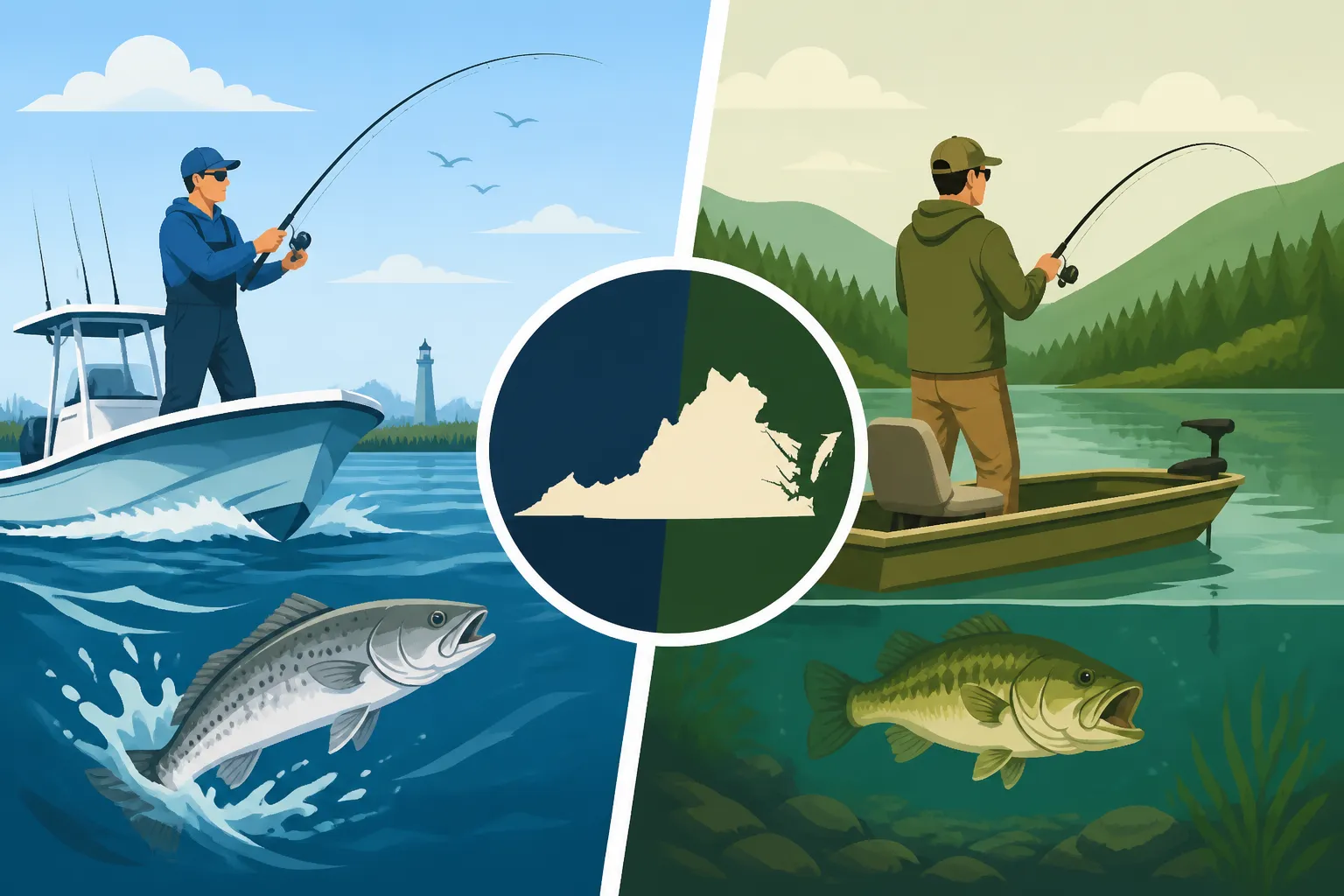
Anglers often find themselves at a crossroads when planning a fishing adventure in Virginia: should they cast their lines in the vast, brackish waters of the Chesapeake Bay or navigate the serene depths of one of the Commonwealth's many freshwater lakes? It’s a common dilemma, as both offer wildly different, yet equally rewarding, experiences. This guide will walk you through the distinct characteristics of bay charters and lake guide trips, helping you understand the nuances of each so you can choose the perfect Virginia fishing excursion for your next outing.
The Allure of Virginia's Waters: Bay vs. Lake Fishing Experiences
Deciding between the vast expanse of the Chesapeake Bay and the tranquil beauty of a Virginia lake isn't just about choosing a location; it's about selecting a completely different fishing philosophy and experience. Each offers its own unique set of challenges, rewards, and unforgettable moments, catering to different angler preferences.
What Makes Chesapeake Bay Charters Unique?
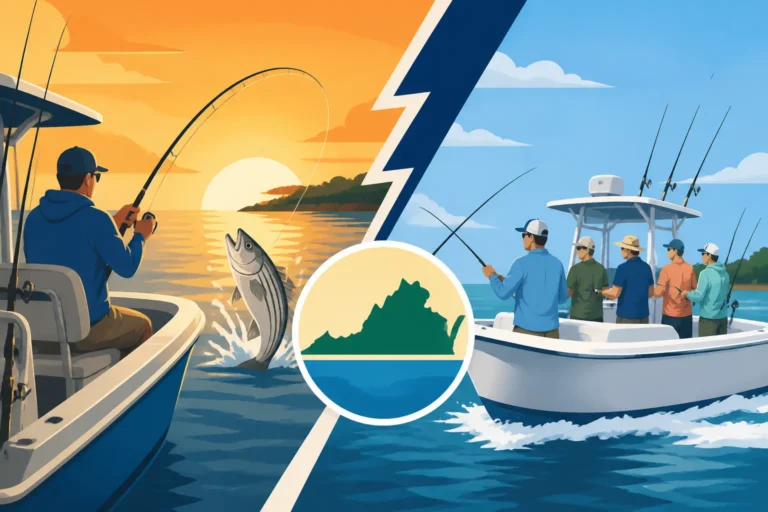
Stepping onto a charter boat headed out into the Chesapeake Bay is an experience unto itself. The bay, being the largest estuary in the United States, presents a dynamic environment where fresh river water mixes with the salty Atlantic. This unique blend creates an incredibly rich ecosystem, teeming with diverse fish species. The sheer vastness of the bay means covering significant ground, often encountering tides, currents, and expansive open water. There's a tangible sense of adventure as you leave the dock, feeling the spray, smelling the salt air, and knowing you're about to explore a massive aquatic playground. It's a thrill that freshwater fishing simply can't replicate.
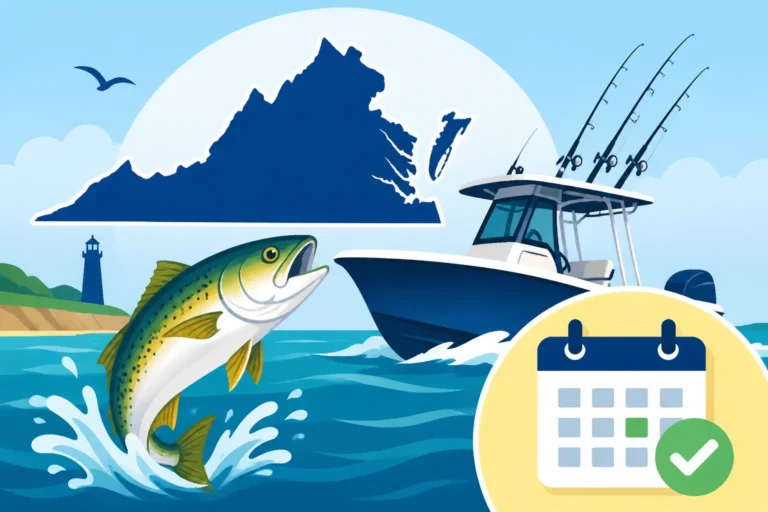
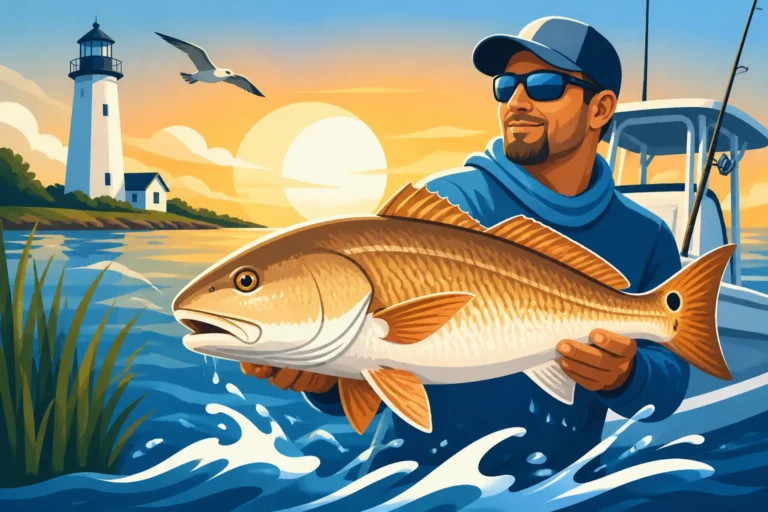
Chesapeake Bay charters primarily target saltwater and anadromous species, meaning fish that migrate between fresh and saltwater. The true stars here are often striped bass, affectionately known as "rockfish" by locals, along with flounder, red drum, cobia, and various panfish like croaker and spot. The fishing here is highly seasonal, dictated by the migratory patterns and "runs" of these species. For instance, the excitement of chasing large striped bass during their spring or fall migrations is an experience many anglers live for, requiring specific timing and knowledge to intercept them. These powerful fish put up an incredible fight, making every hook-up an adrenaline-fueled battle.
The charter boat experience on the Chesapeake Bay usually involves larger vessels, often equipped with advanced navigation and fish-finding electronics. These boats are typically helmed by seasoned captains who know the bay's intricate channels, oyster reefs, and productive fishing grounds like the back of their hand. They often come with a dedicated mate who assists with rigging lines, netting fish, and ensuring everyone has a safe and enjoyable trip. The emphasis is on a guided, full-service experience where much of the technical work—from baiting hooks to setting lines for trolling—is handled by the crew, allowing you to fully immerse yourself in the joy of the catch.
Bay charters often cater to groups, from families looking for an exciting day out to corporate teams or groups of friends seeking a memorable outing. The larger deck space allows for multiple anglers to fish comfortably, fostering a sense of camaraderie and shared excitement with every bite. For smaller groups or solo anglers, many charters offer shared trips, which can be a more budget-friendly way to experience bay fishing without needing to book the entire boat. This social aspect, combined with the professional guidance, makes bay charters a popular choice for many.
The Distinct Charm of Virginia Lake Guide Trips
In stark contrast to the sprawling bay, Virginia's freshwater lakes—like Smith Mountain Lake, Lake Anna, or Claytor Lake—offer a quieter, often more secluded atmosphere. Here, the beauty lies in the tree-lined shores, the glassy surface of the water in the early morning, and the intimate connection with the natural surroundings. It’s a different kind of peace, one that invites contemplation and focused angling. You're often surrounded by lush forests, and the only sounds might be the gentle lapping of water against the boat or the chirping of birds.
These lakes are havens for a diverse array of freshwater game fish. You'll find iconic species like largemouth and smallmouth bass, which are highly sought after for their challenging nature and powerful strikes. Crappie, with their delicious meat and schooling habits, are another favorite, as are various species of catfish, walleye, and panfish like bluegill and sunfish. Some lakes even boast populations of freshwater striped bass, offering a taste of that saltwater fight in an inland setting. Each of these species has distinct habits and preferred habitats, requiring specific techniques and knowledge to successfully target them. The thrill here comes from understanding the fish's behavior and outsmarting them with the right presentation.
A lake guide trip typically involves a smaller, more specialized boat, such as a high-performance bass boat or a comfortable pontoon, with usually just one guide. This setup allows for a highly personalized and hands-on experience. The guide acts as a coach and mentor, teaching you specific casting techniques, explaining how to "read" the water for fish-holding structure, and helping you hone your skills for your target species. It's a fantastic educational opportunity, allowing for direct interaction and focused learning, whether you're a complete beginner or an experienced angler looking to refine your approach.
Another appealing aspect of lake guide trips is their general accessibility and often more relaxed pace. While some areas of lakes can be remote, many offer abundant shore access and numerous boat launches that are easy to navigate. The fishing pace can be less about covering vast distances and more about thoroughly working specific structures—docks, brush piles, submerged timber, or rocky points—where fish are likely to be hiding. This focused approach makes lake trips excellent for beginners, families with young children, or anyone seeking a less intense outing with plenty of opportunities for bites and learning.
Key Differences in the Fishing Adventure
While both bay charters and lake guide trips promise exciting fishing adventures, the actual experience—from the fish you'll pursue to the boats you'll be on—differs significantly. Understanding these distinctions is crucial for planning a trip that aligns with your expectations.
Target Species and Techniques
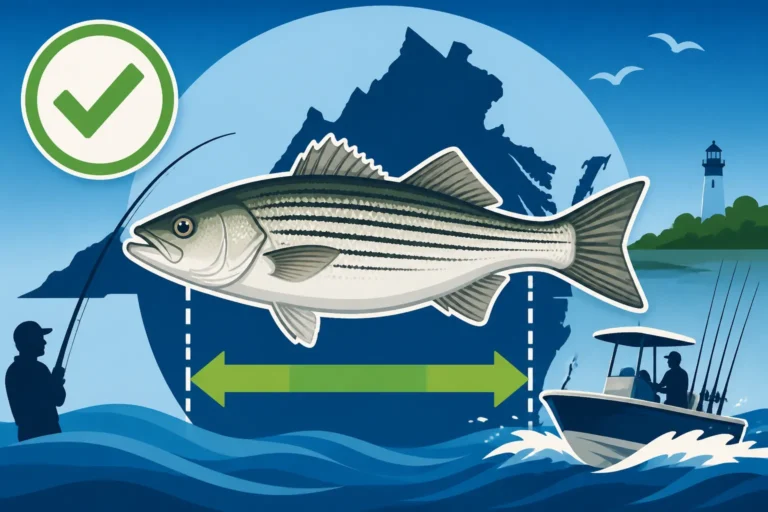
The species you target fundamentally dictate the type of fishing experience you'll have. In the Chesapeake Bay, the focus is often on strong, migratory saltwater species. Striped bass, or rockfish, are legendary for their powerful runs and dogged fights. Anglers also pursue flounder, known for their delicate bite and delicious fillets, as well as hard-fighting red drum and cobia, which can reach impressive sizes. The techniques here often involve heavier tackle designed to handle strong currents and powerful fish. Trolling with large lures or baits across vast expanses of water is common, as is bottom fishing with cut bait or jigging in deeper channels and around structures. The challenge lies in battling these powerful fish in an often dynamic, open-water environment, sometimes requiring a keen eye for subtle bites amidst the rocking of the boat. Remember to be aware of Striped Bass Season and Slot Limit in Virginia and Rockfish Rules Along the Virginia Coast to ensure a legal and responsible trip.
Conversely, Virginia's lakes offer a different kind of challenge, centered around freshwater species with varied behaviors. Largemouth and smallmouth bass are kings, known for their aggressive strikes and acrobatic jumps. Targeting them often requires precision casting around cover like lily pads, submerged timber, or docks, employing an array of lures from plastic worms to crankbaits. Crappie are popular for their schooling tendencies and are often caught using light tackle and jigs around brush piles or submerged structures. Catfish, whether channel or flathead, provide a powerful, sustained fight and are typically targeted on the bottom with stink baits or cut bait. Walleye, known for their elusive nature and excellent table fare, often require specific presentations in deeper, clearer water. The techniques here are more varied and often more intricate, requiring a good understanding of fish behavior and habitat within a more confined, structured environment.
The environment plays a significant role in how these fish behave and how they are targeted. The open nature of the bay means covering more ground, often with the help of powerful engines and advanced electronics to locate schools of baitfish and their predators. Tidal influences are paramount, as fish activity can drastically change with the ebb and flow of the water. Lake fishing, while still affected by weather, can often be more localized. Guides focus on specific coves, points, ledges, and deep-water structures. Understanding water temperature, clarity, and oxygen levels at different depths becomes critical for finding active fish.
Both environments have distinct seasonal shifts that dictate fish behavior and the best times to fish. In the bay, these shifts often manifest as large-scale migrations of baitfish and the predators that follow them, leading to specific "runs" of species. In lakes, seasonal changes are more about fish moving shallower for spawning in spring, seeking deeper, cooler water in summer, or staging in creek channels during winter. A knowledgeable guide, whether on the bay or a lake, possesses an intimate understanding of these patterns, which is invaluable for a successful outing.
Vessel Type and Onboard Experience
The type of boat you'll be fishing from is another significant differentiator. Chesapeake Bay charters typically operate larger vessels, ranging from 25 to 45 feet. These are often robust center console boats, sometimes even larger head boats designed to accommodate many passengers. They are built to handle the bay's chop and potentially rougher open waters, providing a stable platform for fishing. Many bay charter boats come equipped with amenities like enclosed cabins for shelter from the elements, private restrooms, and ample deck space for multiple anglers to cast lines simultaneously. The onboard experience is generally more structured; the professional crew manages the boat, handles the heavy lifting of equipment, and ensures the safety and comfort of everyone aboard. It's a powerful feeling to be out on a larger vessel, commanding the water.
Conversely, Virginia lake guide trips generally use smaller, more specialized craft. You'll often find yourself on a high-performance bass boat, designed for speed and quick access to prime fishing spots, or a comfortable pontoon boat, which offers a more relaxed platform, often favored for family outings or targeting species like crappie. These boats are nimble and perfect for navigating the more confined spaces of lakes, such as narrow coves, submerged timber fields, or tight creek channels. On a lake trip, the guide is typically the sole operator of the boat, actively positioning the vessel, managing the trolling motor, and directly coaching anglers. This creates a very interactive and hands-on learning environment, where you're often much closer to the water and the action.
Safety and comfort are paramount on both types of trips, but addressed differently. Larger bay charters are equipped with extensive safety gear, including life rafts, multiple communication devices, and are designed for stability in larger waves. Lake boats, while smaller, are also equipped with all necessary safety equipment, including life jackets, and are chosen for their maneuverability and suitability for freshwater conditions. In terms of comfort, bay charters might offer more shelter from sun or rain in an enclosed cabin, whereas lake trips typically offer a more open-air experience, allowing for a closer connection to the natural surroundings, though some pontoon boats might have canopies.
Technology plays a crucial role in modern fishing, and both types of trips leverage it. Bay charters often utilize powerful radar systems, high-definition sonar, and advanced GPS mapping to navigate vast bodies of water, track weather patterns, and locate large schools of baitfish and their predators. This technology helps captains find productive fishing grounds efficiently. Lake guides, while operating smaller vessels, are masters of their specific lake's topography, often employing sophisticated fish finders with side and down imaging, and electric trolling motors with GPS anchoring capabilities. This allows them to pinpoint underwater structure, identify individual fish, and hold position precisely over a hot spot without drifting.
Environmental Factors and Conditions
The natural environment profoundly influences the fishing experience, creating fundamental differences between bay and lake trips. The Chesapeake Bay is an estuary, meaning it's significantly impacted by tidal forces. Understanding high and low tides, and the strong currents they generate, is not just helpful but absolutely critical for successful bay fishing. These tides dictate where fish will hold, how they feed, and what techniques will be most effective. The salinity of the water also plays a key role, determining which species of fish you'll encounter at different points in the bay. This constant ebb and flow, a rhythmic dance of the ocean, is a variable that freshwater lake anglers generally don't have to contend with.
In contrast, lake fishing often involves considering factors like freshwater clarity and the intricacies of underwater structure. While some lakes can be stained or murky, many offer clear waters where fish can be visually targeted or where subtle changes in water color indicate productive areas. Lake guides spend countless hours mapping out and understanding submerged timber, rock piles, ledges, drop-offs, and old creek channels—features that act as highways and homes for fish. Water temperature and dissolved oxygen levels at various depths also play a huge role, driving fish to specific thermoclines or areas with suitable conditions. This focus on detailed, localized structure and environmental micro-factors defines much of the lake fishing strategy.
Weather vulnerability is another key difference. While both types of fishing are inherently weather-dependent, the open waters of the Chesapeake Bay are generally more susceptible to wind and chop. Strong winds can quickly make bay waters rough, leading to uncomfortable rides, challenging fishing conditions, or even trip cancellations for safety. Lake fishing can sometimes offer more sheltered coves or arms to fish in during less-than-ideal weather, providing a degree of flexibility. However, severe thunderstorms with lightning are a definite no-go anywhere, and guides on both bay and lake will always prioritize safety.
Finally, the health and conservation of the ecosystem are paramount in both environments. Both the Chesapeake Bay and Virginia's extensive lake systems are managed through careful regulations designed to ensure sustainable fisheries. Charters and guides are often passionate advocates for responsible angling, strictly adhering to Virginia Fishing Regulations Explained regarding size limits, creel limits, and seasonal closures. They often promote catch-and-release for certain species or sizes, especially trophy fish, and play a vital role in educating anglers about the fragility and beauty of these aquatic environments. They witness firsthand the impacts of environmental changes and conservation efforts.
Practical Considerations for Booking Your Trip
Once you've weighed the unique appeals of bay versus lake fishing, the next step is to get down to the practicalities of booking your adventure. This involves understanding costs, what's included, and how to choose the perfect trip for your group and goals.
Costs and Trip Lengths
When it comes to the financial aspect, there's a general shape to how costs align. Chesapeake Bay charters, due to their larger boats, often more extensive crew (captain plus mate), and the fuel required to cover greater distances, can sometimes have a higher initial price tag. However, these larger vessels often accommodate more people, which means the per-person cost can become quite reasonable when split among a group of friends or family. Lake guides, operating smaller boats and usually working solo, typically have rates that reflect a more personalized, focused guiding experience. It's not necessarily cheaper or more expensive, but the pricing structure reflects the scale and nature of the operation.
Most charters and guide trips, whether on the bay or a lake, offer both half-day and full-day options. A half-day trip typically runs for 4-5 hours and is an excellent choice for families with young children, beginners, or those who want a taste of the action without committing to a full day on the water. It’s enough time to get comfortable and usually catch some fish. Full-day trips, lasting 6-8 hours, allow for more travel time to distant or prime fishing spots, longer fishing sessions, and generally increase your chances of targeting specific species or landing a trophy catch. Considering Half-Day vs Full-Day Fishing Charters in Virginia will help you align the trip duration with your energy levels and fishing ambitions.
Several factors will influence the overall pricing of your fishing trip. The specific season plays a big role; peak migration times for popular species like striped bass on the bay, or the spring spawn for bass on a lake, can lead to higher demand and potentially different rates. Trips specialized for particular, harder-to-catch species might also command a different price point. Crucially, always ask for a clear breakdown of what's included in the price. This can range from bait and tackle to fish cleaning services, and clarifying this upfront prevents any surprises later.
Finding and comparing various options is easier than ever with online resources. Websites like FishingBooker are fantastic for researching and comparing different charters and guides across Virginia. You can filter by location (bay vs. specific lakes), target species, trip length, and even read reviews from previous clients. This allows you to easily assess what's available and find a reputable operation that aligns with your budget and desired fishing experience. It’s an invaluable tool for planning your perfect outing.
Licenses, Gear, and What's Included
Understanding fishing license requirements is a critical practical difference between bay charters and lake guide trips. For most Chesapeake Bay saltwater charters, especially those operating commercially, your individual fishing license is often covered by the charter boat's blanket license. This means you typically do not need to purchase your own individual saltwater fishing license to fish legally while on their boat. However, you should always confirm this detail with your captain when booking. For lake guide trips, almost without exception, you will need to purchase your own individual Virginia Fishing License Guide, usually a freshwater license, or a combination license if you plan to fish a lake known for anadromous species like freshwater striped bass. Always double-check this requirement well in advance of your trip.
When it comes to gear, both charters and guides will almost certainly provide all the necessary rods, reels, and tackle. Bay charters will typically have heavy-duty gear suited for fighting larger saltwater species and handling the conditions of the bay. Lake guides, on the other hand, will come equipped with specialized rods, reels, and an array of lures specifically chosen for targeting bass, crappie, catfish, or other freshwater species common in their particular lake. While bringing your own favorite rod is often allowed, it's always a good idea to check with your guide beforehand to ensure it's appropriate for the target species and conditions. Live bait is generally included in the trip cost, but on some occasions, premium live bait might be an extra charge.
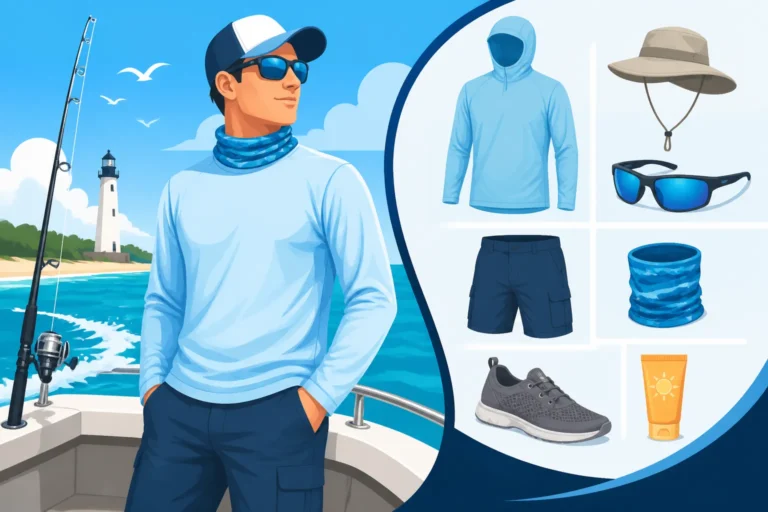
Regardless of whether you choose a bay charter or a lake guide trip, there are some personal essentials you should always bring yourself. Sunscreen, a wide-brimmed hat, and polarized sunglasses are crucial for protecting yourself from the sun's glare, especially on the water. Dress in layers, as conditions can change rapidly throughout the day, particularly on the bay. Don't forget snacks, drinks, and a cooler to store any fish you plan to keep (if allowed by regulations). If you have any personal medications, bring them along. Most importantly, bring a positive attitude and be ready for an adventure!
Many charters and guides offer fish cleaning services at the end of the trip. This is often done for an additional fee, or sometimes it's customary to include it as part of the gratuity. Before you even cast a line, ensure you understand the catch limits and slot limits for the specific species you're targeting. For instance, knowing Virginia's 28 to 31 Inch Striped Bass Slot Limit for Charter Anglers is vital for bay rockfish trips, and similar size and creel limits apply to bass or crappie in freshwater lakes. Your guide will be a wealth of information on these rules and will help you adhere to them.
Choosing the Right Trip for Your Group or Goals
The decision between a bay charter and a lake guide trip often boils down to your group's preferences and your ultimate fishing goals. If you're planning a casual family outing with young children or first-time anglers, a half-day lake trip targeting readily available panfish or a calm, inshore bay outing for croaker might be ideal. Lake guides are often exceptionally patient and skilled at teaching the basics of casting and reeling, making it a fantastic educational experience for beginners. Conversely, if your group consists of experienced anglers seeking a serious challenge or a shot at a true trophy, a full-day bay charter for massive rockfish or a specialized bass guide trip on a top-tier lake would be more suitable. Researching Virginia Bass Fishing: Largemouth, Smallmouth, Spotted, and Alabama Bass or A Guide to Striped Bass Fishing in Virginia can help clarify what kind of trophy you're dreaming of.
Comfort levels within your group are another important consideration. If someone is particularly prone to seasickness, the calmer, more sheltered waters of a lake trip might be a much more enjoyable experience than the potentially choppier open waters of the Chesapeake Bay. Similarly, if you prefer the option of seeking shade in an enclosed cabin, a larger bay charter might offer more amenities than an open bass boat. It's always a good idea to discuss these factors with your group and your potential guide when booking, ensuring everyone will be comfortable and happy.
What kind of "trophy" fish truly excites you? Are you envisioning the brute strength and size of a monster striped bass from the Chesapeake Bay, or perhaps the cunning and acrobatic fight of a giant largemouth bass from a renowned lake like Smith Mountain Lake? Your dream catch will heavily influence whether a bay charter or a lake guide trip is the right choice. Each environment offers its own unique set of top-tier species and challenges. Delving into guides about Best Time of Year for Bass Fishing in Virginia or Best Month to Fish for Striped Bass in Virginia can help you align your trip with the best chances for your target species.
Finally, don't rush the booking process. The best strategy is to do your homework, read reviews, and communicate openly with potential guides about your expectations. Platforms like FishingBooker offer comprehensive listings and invaluable customer feedback, making it easier to find a reputable operation that specializes in the experience you're after. Ask questions about specific seasonal runs, current conditions, and what kind of success they've been having. The more informed you are, the better your chances of having a truly memorable and successful Virginia fishing adventure.
| Feature | Chesapeake Bay Charters | Virginia Lake Guide Trips |
|---|---|---|
| Water Type | Brackish/Saltwater Estuary | Freshwater Lakes/Reservoirs |
| Typical Boat Size | Larger (25-45 ft), often center consoles/head boats | Smaller (18-24 ft), often bass boats/pontoons |
| Primary Species | Striped Bass, Flounder, Red Drum, Cobia, Croaker | Largemouth Bass, Smallmouth Bass, Crappie, Catfish, Walleye |
| Typical Fishing Style | Trolling, Bottom Fishing, Live Baiting, Chumming | Casting, Jigging, Finesse Fishing, Trolling (limited) |
| Influence | Tides, Currents, Salinity, Ocean Migrations | Water Temperature, Structure, Depth, Spawning Cycles |
| License Requirement | Often covered by charter's blanket license | Individual freshwater license typically required |
| Vibe | Open water adventure, group camaraderie | Tranquil, personalized, skill-focused |
Disclaimer
This article is for general informational purposes only and does not constitute professional advice. Laws, prices and regulations vary by location and change over time. Consult a qualified professional for guidance on your specific situation.