Best Time of Year to Book a Virginia Fishing Charter
Oh, the age-old question that keeps many an angler up at night: "When is the absolute best time to book a fishing charter in Virginia?" It’s a question packed with so much hope and anticipation, but also a good bit of anxiety. You want to make sure your hard-earned money and precious vacation time lead to an unforgettable experience, not a day of staring at an empty ocean or lake. This comprehensive guide will walk you through the nuances of Virginia’s fishing calendar, helping you understand the seasonal shifts, target species, and practical considerations so you can book your perfect fishing adventure.
Understanding Virginia's Fishing Seasons and Their Impact on Charters
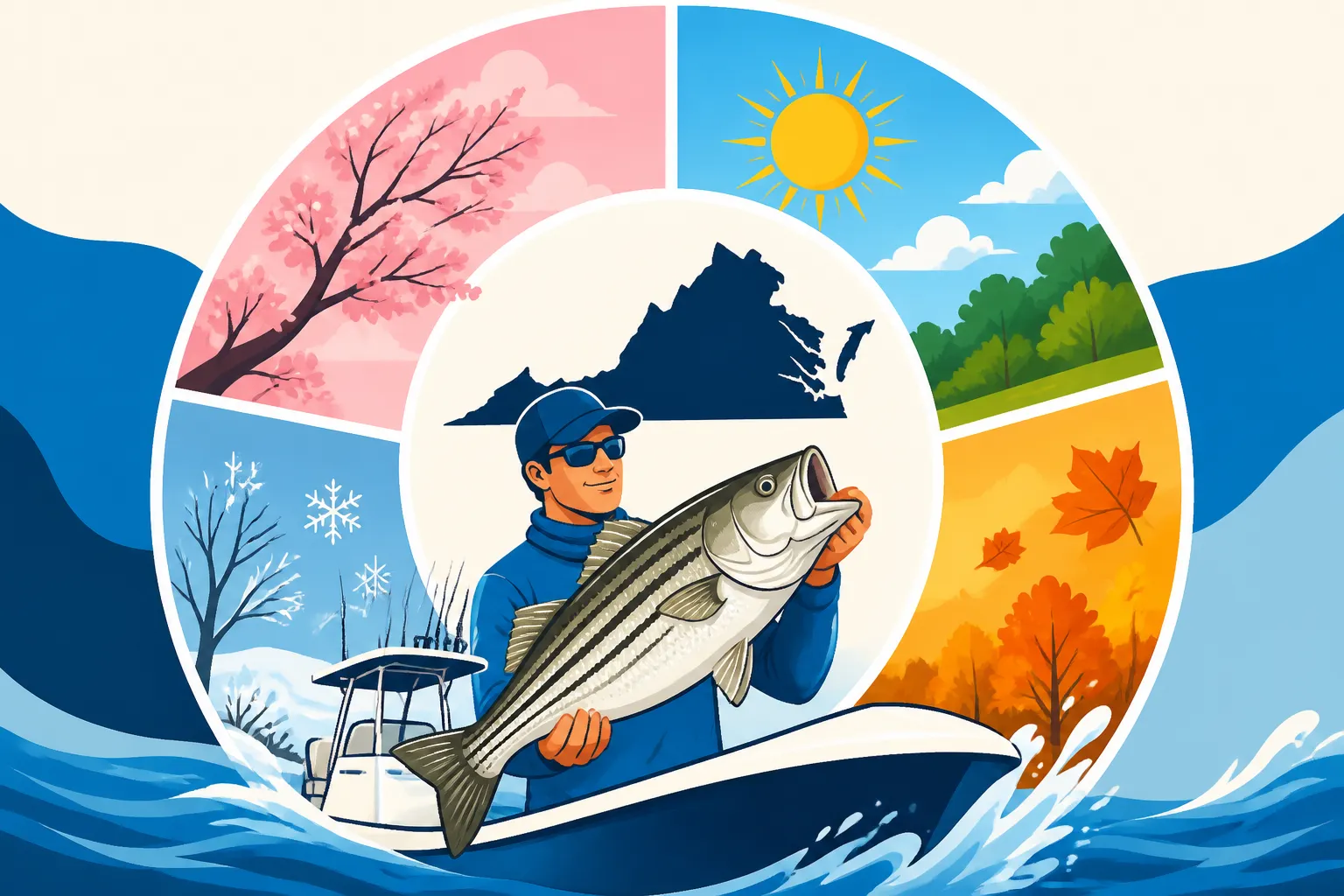
Virginia's waters, both fresh and saltwater, are incredibly diverse, offering a bounty of fishing opportunities throughout the year. However, just like any good story, the best action unfolds at specific times. Knowing these rhythms is key to booking a charter that aligns with your angling dreams.
Spring: The Frenzy of Renewal
Ah, spring! There's something magical about the air warming up, the trees budding, and the fish waking up after a long, quiet winter. For many anglers, this is when the true excitement begins. As water temperatures start to climb, fish become more active, moving into shallower areas to feed and prepare for spawning.
Early spring, usually from March through April, sees a resurgence in activity in both freshwater and saltwater. Inland, you'll find bass starting to get frisky, and crappie moving closer to the banks. Out on the Chesapeake Bay and coastal waters, the focus often shifts to migratory species making their way north. This is a prime time for species like tautog and some of the earliest runs of striped bass, often referred to as rockfish. The weather can still be a bit unpredictable, with cooler mornings and the occasional windy day, but the fishing can be absolutely phenomenal for those willing to bundle up a bit. Many charters are just getting back into full swing, so while there's excitement, you might find a bit more flexibility in booking than the peak summer months.
Summer: Warm Waters and Diverse Catches
When summer rolls around, Virginia's fishing scene truly heats up – both literally and figuratively! From late May through August, the waters are at their warmest, and the variety of fish available seems endless. This is generally the busiest season for Virginia Fishing Charters and Guides: The Complete Guide, and for good reason. Families are on vacation, kids are out of school, and everyone is eager to get out on the water.
In the freshwater lakes and rivers, bass fishing remains strong, though you might need to adjust your techniques to target deeper, cooler waters during the heat of the day. Panfish like bluegill and crappie are abundant, making for excellent family-friendly trips. Along the coast and in the Chesapeake Bay, the options multiply. Flounder, croaker, spot, and various species of drum become primary targets. Offshore, the opportunities for tuna, dolphin (mahi-mahi), and even billfish increase dramatically. The downside? Popular charters book up fast. If you're planning a summer trip, especially for Virginia Beach Fishing Charters and Trip Costs or Chesapeake Bay Fishing Charters in Virginia, you'll want to secure your spot well in advance. FishingBooker, for example, often shows limited availability months ahead for prime summer weekends.
Fall: The Legendary Runs
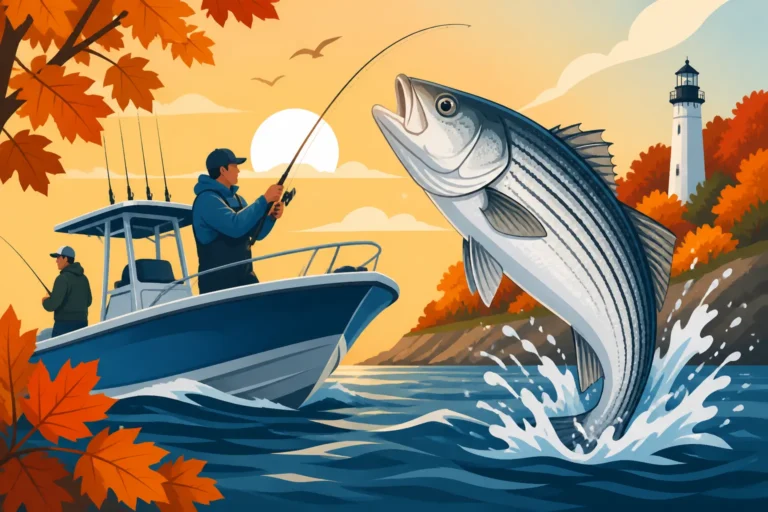
For many seasoned anglers, autumn in Virginia is the undisputed king of fishing seasons. From September through November, as the air cools and the water temperatures begin to drop, many fish species enter a feeding frenzy to bulk up for the coming winter. This often leads to some of the most spectacular fishing of the year.
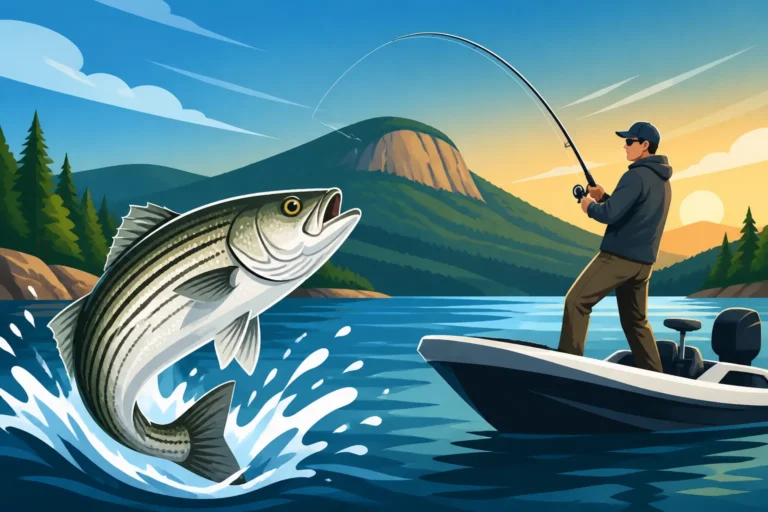
The fall striped bass run in the Chesapeake Bay is legendary. These powerful "rockfish" gather in huge schools, creating incredible opportunities for anglers. Virginia Striped Bass Season and Slot Limit Guide goes into more detail, but trust me, this is a highlight of the year. Beyond stripers, you'll still find good numbers of flounder, red drum, and speckled trout, especially in the shallower bay tributaries and coastal inlets. Offshore, the tuna bite can continue to be excellent, and there's often a push of king mackerel closer to shore. The weather is typically crisp and beautiful, making for very comfortable days on the water. Charters during this time, especially for striped bass, are in extremely high demand. If a fall trophy striped bass is on your bucket list, you absolutely cannot wait until the last minute to book.
Winter: A Niche, Rewarding Pursuit
While many associate fishing with warm weather, winter in Virginia (December through February) offers unique and often incredibly rewarding opportunities for the dedicated angler. This isn't the season for casual crowds; it's for those who embrace the chill and seek out specific cold-water species.
In saltwater, tautog fishing can be excellent, particularly on artificial reefs and wrecks where these hardy fish congregate. You might also find some impressive sea bass. While the main striped bass seasons are typically closed or highly restricted, some areas may have specific winter opportunities, so it's crucial to check current regulations carefully. Freshwater fishing, particularly for species like yellow perch and some types of catfish, can also be productive through the ice in extreme northern parts of the state or in deep, slow-moving waters. Charters operating in winter are usually specialized, focusing on these particular species. You’ll find fewer options, but also less competition for booking. It's a great time for a more serene, focused fishing experience.
| Season | Typical Months | Primary Target Species (Saltwater) | Primary Target Species (Freshwater) | Booking Demand |
|---|---|---|---|---|
| Spring | March – May | Tautog, Black Drum, Croaker, Early Striped Bass | Largemouth Bass, Crappie, Trout | Moderate to High |
| Summer | June – August | Flounder, Red Drum, Cobia, Spanish Mackerel, Offshore Species, Striped Bass (limited) | Largemouth/Smallmouth Bass, Panfish, Catfish | Very High |
| Fall | September – November | Striped Bass (major run), Red Drum, Speckled Trout, Tautog, Offshore Species | Largemouth/Smallmouth Bass, Crappie, Walleye | Very High |
| Winter | December – February | Tautog, Sea Bass, Dogfish (specialized) | Yellow Perch, Catfish (deep water), Trout (stocked) | Low to Moderate |
Deciphering Target Species and Their Peak Seasons
The "best" time to book a charter truly hinges on what kind of fish you dream of reeling in. Virginia is home to an incredible array of species, each with its own preferred season and habitat. Let's break down some of the most popular.
Striped Bass (Rockfish): The Main Event
Ah, the striped bass – affectionately known as rockfish in Virginia. This is arguably the most sought-after game fish in the Chesapeake Bay and along the coast, and understanding their migration patterns is crucial for a successful charter. The Virginia's Striped Bass Charter Season Explained is often split into different windows to manage the population.
Generally, you'll find two prime seasons for targeting stripers with a charter: spring and fall. The spring migration sees large, mature fish moving up the Bay and into tributary rivers for spawning. Charters often focus on these pre-spawn and post-spawn aggregations, usually from March into May. Then, after a summer lull where some larger fish disperse to cooler offshore waters, the fall run ignites. From October through December, massive schools of striped bass migrate south through the Bay and along the coast, creating spectacular fishing opportunities. This is when many anglers target those larger "trophy" fish. For specific information on fishing for these beauties, check out A Guide to Striped Bass Fishing in Virginia. Booking a Striped Bass Charter Fishing in Virginia during either of these peak windows requires foresight – these slots disappear quickly.
Flounder, Drum, and Cobia: Coastal Favorites
Beyond stripers, Virginia's coastal and Bay waters offer a fantastic mix of other popular species, each with their own peak times.
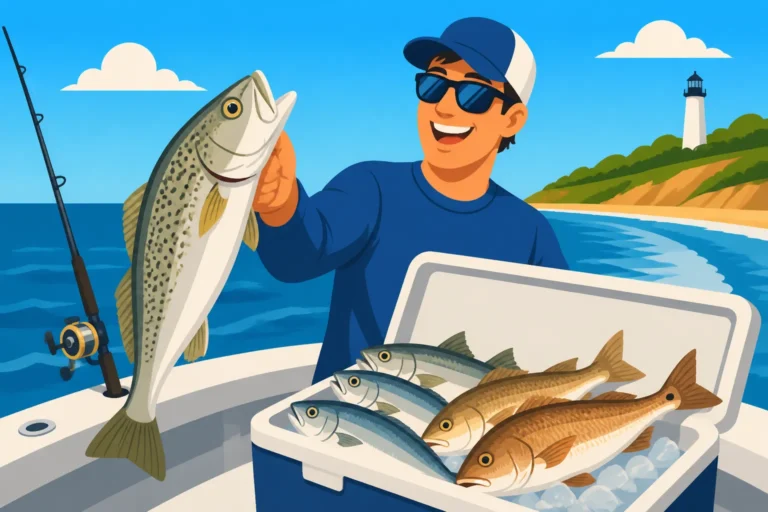
- Flounder: These delicious flatfish are a staple for many anglers. While you can catch flounder throughout the warmer months, late spring (May-June) and fall (September-October) tend to be particularly productive as they move in and out of the Bay. A Flounder Charter Trips in Virginia Beach can be a fantastic, often family-friendly, outing.
- Red Drum: These powerful, bronze-colored fish offer an incredible fight. The prime time for targeting larger "bull" red drum is typically late spring (May-June) and early fall (September-October), when they congregate in the lower Chesapeake Bay and near coastal inlets.
- Cobia: Known for their distinctive look and challenging fight, cobia are a highly prized catch. The cobia season in Virginia generally runs from late May or early June through September. They are often found cruising near buoys, wrecks, and channel edges. Booking a Cobia Charter Trips Out of Virginia Beach during this window is thrilling but competitive.
- Other Bay Species: Croaker, spot, and speckled trout are also popular, particularly during the warmer months. Speckled trout often have a strong bite in the cooler waters of late spring and fall, especially in brackish creeks and rivers feeding into the Bay.
Offshore Giants: Tuna, Marlin, and More
If you're looking for a truly epic adventure and the chance to battle some of the ocean's most formidable predators, then an offshore charter is what you need. These trips are a significant investment in time and money, so timing is everything.
The offshore season typically kicks off in late spring, around May, and runs strong through early fall, often into October. During this window, you can target species like:
- Tuna: Yellowfin, Bluefin, and Bigeye tuna are all possible catches, with specific peak times varying slightly by species. Summer and early fall are generally excellent for yellowfin.
- Mahi-Mahi (Dolphin): These colorful and acrobatic fish are a blast to catch and excellent table fare. They are most abundant in the warmer waters of summer.
- Billfish: White Marlin and Blue Marlin represent the pinnacle of offshore angling. The peak season for these majestic fish is usually late summer, from July through September.
Booking an offshore charter often means committing to a full-day trip, and sometimes even overnight excursions. These trips are heavily weather-dependent, so always discuss contingency plans with your captain.
Freshwater Opportunities: Lakes and Rivers
While saltwater charters often get the most buzz, don't overlook the incredible freshwater fishing opportunities Virginia offers, particularly on its large reservoirs and scenic rivers. These are perfect for those who prefer calm waters or are looking for a different kind of angling challenge.
- Bass (Largemouth & Smallmouth): Largemouth bass are abundant in most of Virginia's lakes, with prime fishing in spring (pre-spawn and spawn) and fall (feeding frenzy). Smallmouth bass thrive in the state's rivers like the James and Shenandoah. Spring and fall are fantastic for smallmouth, but summer evenings can also be productive. For more, see How to Catch Largemouth Bass Year-Round and Best Time of Year for Bass Fishing in Virginia.
- Striped Bass (Freshwater): Yes, you read that right! Lakes like Smith Mountain Lake and Lake Anna boast thriving populations of landlocked striped bass, offering a similar hard-fighting experience to their saltwater cousins. The best times for Smith Mountain Lake Striped Bass Fishing in Virginia are typically spring and fall, when they are actively feeding on baitfish. Guides on these lakes specialize in these powerful fish.
- Crappie and Panfish: These are excellent targets for family trips or a relaxing day on the water. Spring, when crappie move shallow to spawn, and fall, when they school up, are prime times.
- Trout: Virginia has numerous stocked trout streams and wild trout waters, particularly in the western mountains. While these are often more suited for independent angling or specialized fly-fishing guides, it's worth noting. Virginia Stocked Trout Season Guide offers more details.
When considering a freshwater guide, look into Smith Mountain Lake Fishing Guides in Virginia or guides operating on Lake Anna, Kerr Lake, or the major river systems.
Factors Beyond Fish That Influence Booking Times
While the behavior of fish is paramount, several other practical considerations can heavily influence when you should book your Virginia fishing charter. Ignoring these can lead to frustration, limited choices, or even a less enjoyable trip.
Weather Patterns and Their Predictability
Virginia's weather can be quite fickle, especially during transitional seasons. Understanding general weather patterns can help you anticipate good fishing days and also plan for potential cancellations or postponements.
Spring can bring beautiful, calm days, but it's also prone to sudden cold fronts or windy periods, particularly in March and early April. These can make for uncomfortable trips or even render offshore excursions unsafe. Summer offers more stable weather, but intense thunderstorms can pop up quickly, especially in the afternoons. Fall often provides the most consistently pleasant weather, with cool mornings and warm, sunny afternoons, though tropical systems can occasionally impact coastal areas. Winter, of course, brings cold, wind, and the highest chance of rough seas or icy conditions. Always discuss the captain's weather policy before booking, and try to have some flexibility in your schedule if you're booking during a less predictable season. While you can't control the weather, booking through a service like FishingBooker often provides clear communication channels with captains regarding conditions.
Holiday Weekends and School Breaks
This is a big one, especially if you're planning a trip during a popular time. Like any vacation destination, Virginia's fishing hotspots experience significantly increased traffic and demand during holidays and school breaks.
Think Memorial Day, Fourth of July, Labor Day, and even long weekends around Columbus Day or Veterans Day. These periods, particularly during spring and summer, see charter boats booked solid far in advance. Not only is availability scarce, but popular boat ramps, marinas, and even local restaurants can be more crowded. If your schedule only allows for these peak times, be prepared to book months ahead – we're talking 3 to 6 months in advance for the most sought-after captains. Conversely, if you have the flexibility to fish mid-week or during off-peak school times, you'll likely find more open dates and potentially a slightly less frenetic atmosphere.
Availability of Reputable Charters
The best captains and charter boats are popular for a reason: they consistently put clients on fish, provide excellent service, and maintain top-notch equipment. These sought-after professionals have loyal customers and fill their calendars quickly.
If you have a specific charter or captain in mind, especially one with a strong reputation for targeting a particular species (like a Smith Mountain Lake Striped Bass Guide Trip specialist or a renowned offshore captain for billfish), you absolutely need to book early. Procrastination here almost guarantees you'll be left with fewer options, or with less experienced operators. Start your research well in advance. Look at reviews, ask for recommendations, and don't hesitate to reach out to captains directly to discuss their availability and what they specialize in. Platforms like FishingBooker allow you to browse many options and see their calendars, which can be super helpful for planning.
Budgeting for Peak vs. Off-Peak Rates
While specific prices aren't discussed here, it's a general truth across the charter fishing industry that demand influences cost. Peak seasons, driven by ideal weather, abundant fish, and high tourist traffic, often correlate with higher charter rates.
If budget is a significant factor for your trip, consider booking during the shoulder seasons (early spring, late fall) or during the less-demanding winter months. You might find slightly more favorable pricing or more opportunities for shorter trips, such as Half-Day vs Full-Day Fishing Charters in Virginia. While the primary goal is always to catch fish, angling during these less crowded times can offer a more relaxed experience with potentially fewer boats competing for the best fishing spots. Always clarify How Virginia Charter Trip Packages Are Priced and what's included before committing.
Planning Your Virginia Fishing Charter: Practical Advice
Now that we've covered the what, when, and why, let's talk about the how. Booking a fishing charter, especially for the first time, can feel a bit daunting. But with a little preparation, you can ensure a smooth process and a fantastic day on the water.
Researching and Connecting with Captains
The first step in a successful charter experience is finding the right captain and boat for your trip. This isn't just about catching fish; it's about matching personalities, fishing styles, and expectations.
Start by considering what you want to catch and where you want to fish (e.g., Best Fishing Spots in Virginia, Best Saltwater Fishing Spots in Virginia, or specific lakes). Then, dive into research. Online platforms are invaluable here. Many reputable charters list their services, specialties, and availability on sites like FishingBooker. This allows you to compare multiple captains, read reviews from previous clients, and get a feel for their approach. Pay attention to what past clients say about the captain's demeanor, their patience with beginners or children, and their knowledge of local waters. Don't be afraid to call or email a few captains directly once you've narrowed down your choices. This initial conversation is crucial for asking questions about their typical trips, target species, and What to Look for When Booking a Virginia Fishing Charter. It also gives you a chance to gauge if their style aligns with yours.
Flexibility is Your Friend
I cannot stress this enough: flexibility, particularly with dates, can make or break your charter booking experience, especially during peak seasons.
If you have a strict window of dates, you might find yourself scrambling for limited options, or worse, completely out of luck if the weather turns sour. If possible, try to build in an extra day or two around your preferred fishing date. This "weather window" can be a lifesaver if your original booking needs to be rescheduled due to high winds, rough seas, or an unexpected storm. Captains appreciate this flexibility, as it allows them to accommodate you more easily. Likewise, if you're able to fish on a weekday instead of a weekend, you'll almost always find more availability and potentially a calmer environment on the water. For trips targeting highly migratory species, having a slightly flexible mindset can even allow you to adapt to the fish's movements, booking closer to the actual peak of a run rather than an arbitrary date months out.
What to Expect During Different Seasons
Your charter experience will vary significantly depending on the time of year you choose to go. Being prepared for these differences will enhance your enjoyment.
- Spring: Expect cooler mornings and evenings. Dress in layers! The fish might be more spread out or concentrated in specific areas as they prepare to spawn. The bite can be fantastic but might require more patience.
- Summer: Prepare for heat and humidity. Hydration is key! Early mornings and late evenings are often the most productive fishing times to beat the midday sun. You'll likely see a wider variety of fish, but they might be deeper or less aggressive during the hottest part of the day. What to Bring on a Virginia Fishing Charter often includes plenty of sunscreen and water.
- Fall: Generally comfortable weather, but always bring a jacket as temperatures can drop quickly. This is often the time for aggressive feeding, especially for species like striped bass. The energy on the water can be electric during the big runs.
- Winter: Cold weather gear is essential – think thermal layers, waterproof outerwear, and warm hats and gloves. The trips are often more focused on specific deep-water species, and the action might be slower, but the fish you catch can be exceptionally rewarding.
Remember, each season offers its own charm and challenge. Your captain will guide you on appropriate gear and expectations, but a little pre-planning on your part goes a long way.
Booking Platforms and Resources
In today's digital age, finding and booking a charter has never been easier. Leveraging online platforms and local knowledge can streamline your planning.
- Online Booking Platforms: Sites like FishingBooker are incredibly helpful. They aggregate listings from numerous captains, allowing you to filter by location (e.g., Virginia Beach, Chesapeake Bay), target species, boat type, and price range. You can often see real-time availability, compare prices for Comparing Trip Lengths and Prices for Virginia Charters, and read verified reviews. These platforms also provide secure booking and often have clear cancellation policies, which is essential.
- Direct from Captains/Guides: Many experienced captains have their own websites or social media presence. Booking directly can sometimes allow for more personalized discussions about your trip.
- Local Bait and Tackle Shops: Don't underestimate the power of local knowledge! If you're in a fishing town like Virginia Beach or near Smith Mountain Lake, pop into a local bait and tackle shop. The folks behind the counter are often anglers themselves and can provide invaluable, up-to-the-minute information on what's biting, who the good local captains are, and Where to Buy a Virginia Fishing License.
- Virginia Department of Wildlife Resources (DWR): For freshwater fishing, the DWR website is an excellent resource for stocking reports, fishing reports, and information on Virginia Fishing Regulations Explained.
By combining these resources, you'll be well-equipped to find and book the perfect Virginia fishing charter for your next adventure, no matter the time of year!
Disclaimer
This article is for general informational purposes only and does not constitute professional advice. Laws, prices and regulations vary by location and change over time. Consult a qualified professional for guidance on your specific situation.