Virginia’s Striped Bass Charter Season Explained
It can be incredibly frustrating trying to keep up with the ever-changing tides of fishing regulations, especially when you're dreaming of reeling in a trophy striped bass here in Virginia. Just when you think you've got a handle on the rules, they shift! This guide is here to untangle the complexities of Virginia's striped bass charter season, helping you understand when and where to book your trip so you can focus on the thrill of the catch rather than the headache of the rules.
Understanding Virginia's Striped Bass Seasons for Charters
Virginia's striped bass fishery is a crown jewel for many anglers, but it's also a highly managed resource. This means that the seasons and regulations aren't set in stone; they're dynamic, evolving to ensure the long-term health of the striped bass population. For anyone looking to book a charter, understanding these shifts is absolutely crucial. You don't want to show up ready to fish, only to find out the season has changed!
The Evolving Nature of Striped Bass Regulations
Let's be real: trying to follow all the ins and outs of fishing regulations can feel like a full-time job. One year, the slot limit is this; the next, it's something else entirely. It’s enough to make your head spin, and it's a completely valid frustration. These changes, while sometimes inconvenient, are put in place by regulatory bodies to protect the striped bass stock, which has faced significant pressure over the years. Factors like population assessments, environmental conditions, and even baitfish availability all play a role in how seasons are structured. For charter operations, these changes directly impact when they can take clients out for striped bass, how many fish can be kept, and what sizes are permissible. It’s why booking with a reputable charter is so important; they live and breathe these rules and will always ensure your trip is compliant. If you're looking to dive deeper into all the rules, our comprehensive Virginia Fishing Regulations Explained can offer more insights.
The constant adjustments mean that a good charter captain isn't just a guide; they're a walking encyclopedia of current regulations. They're on the water every day, communicating with other captains and staying informed through official channels. This means you don't have to stress about accidentally breaking a rule. Your captain will guide you through the process, from understanding the slot limits to knowing when the season windows are open. This peace of mind is one of the biggest benefits of booking a guided trip, allowing you to simply enjoy the fishing experience without the added worry of regulatory compliance.
General Overview of the Split Season
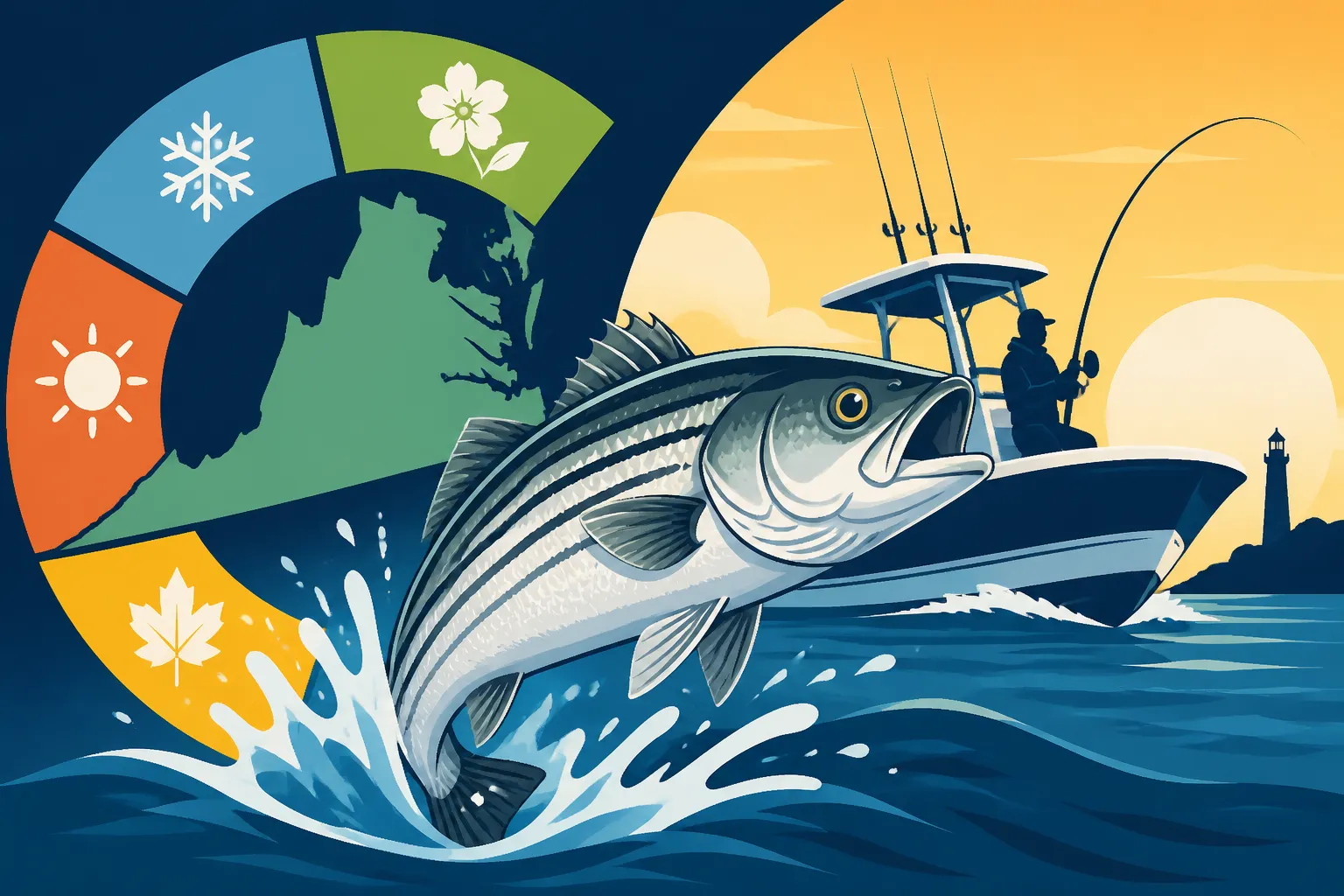
Virginia's striped bass season is famously known for its "split" nature. Instead of one long, continuous season, we typically see two distinct fishing windows, often complemented by a fantastic fall run that many anglers eagerly anticipate. This split is primarily designed to manage fishing pressure during critical times for the fish, such as spawning. Generally, you'll find an initial season running through the colder months and early spring, followed by a closure, and then a second season opening in late spring or early summer.
Each of these windows presents unique opportunities and challenges. The early season often targets larger, migratory fish as they move into and through Virginia's waters. The later season might focus more on resident fish or different segments of the migratory population. And then there's the fall run, which, while not always a formally "open" season for retention, certainly brings a surge of striped bass through our coastal areas, making for incredible catch-and-release opportunities. Understanding these different segments is key to planning your ultimate striper adventure. Our article on Virginia Striped Bass Split Season Dates Explained offers a more detailed look into these specific timings.
The Winter/Early Spring Striped Bass Charter Window
When the air gets crisp and the water temperatures start to dip, many anglers might think about putting their gear away. But for those dedicated to striped bass, especially those seeking a charter experience, the colder months of winter and early spring represent a prime opportunity. This is often the first open season for striped bass charters in Virginia, and it can be incredibly rewarding for those brave enough to bundle up.
Targeting Post-Spawn and Migratory Stripers
During this initial season, which typically runs from early January through March, charter captains are often targeting post-spawn striped bass moving out of the spawning grounds in the tidal rivers and those migratory fish making their way down the coast. The fish can be schooling up in deeper channels and along significant structure in places like the lower Chesapeake Bay or just off the coast in the Atlantic. Imagine the thrill of seeing a massive school of stripers on the sonar, and then the fight as one of those powerful fish takes your lure. That's the kind of action this season can offer.
Techniques often lean towards trolling with large plugs, spoons, or umbrella rigs to cover vast expanses of water, as these fish are actively feeding during their migration. Jigging with heavy metal or soft plastics can also be incredibly effective, especially when captains locate concentrated schools. The sheer size of the fish caught during this window can be impressive, making it a favorite for anglers chasing trophy stripers. It’s a game of patience and perseverance, often battling the elements, but the reward of a big "rockfish" on the line is absolutely worth it.
Weather and Water Conditions During the Early Season
Let's not sugarcoat it: fishing in the dead of winter or early spring in Virginia can be cold, sometimes downright frigid. You'll need to layer up, and waterproof, insulated gear isn't just a suggestion, it's a necessity. Wind can make the air feel even colder, and sea conditions can be choppier, especially out in the open Bay or ocean. This means charters might be more susceptible to weather cancellations, so flexibility is key when booking.
However, these challenging conditions often mean less boat traffic and more concentrated fish. The colder water temperatures also play a huge role in striped bass behavior. They tend to be slower-moving but gather in deeper, more stable temperature zones, which makes them predictable once located. A seasoned charter captain will know how to navigate these conditions, seeking out the sheltered spots or finding the warmest water pockets where the stripers are likely to be holding. Always check with your chosen charter about their weather policies and what specific gear they recommend you bring; your comfort will directly impact your enjoyment.
The Late Spring/Early Summer Striped Bass Charter Window
Just as the winter chill gives way to warmer breezes and the world bursts into green, a new opportunity for striped bass fishing opens up in Virginia. After a typical closure period, the second phase of the striped bass season often kicks off in mid-May and can run through early to mid-June. This period marks a distinct shift in fishing conditions, fish behavior, and popular locations.
Focusing on Resident and Migratory Fish in Warmer Waters
As the waters warm significantly, especially in the shallower areas and tidal rivers, the striped bass that have completed their spawning cycle begin to spread out. During this window, charter captains will target a mix of post-spawn fish that are recuperating and feeding aggressively, as well as a new wave of migratory stripers moving north along the coast and into the Chesapeake Bay. The fish are often more active and can be found in a wider range of depths and structures compared to the colder months.
This transition period often means a switch in fishing techniques. While trolling remains effective, you might see more sight-fishing, casting with topwater lures in low light conditions, or using live bait where permissible. The energy on the water is palpable; shorter days mean more daylight for fishing, and the warmer air makes for a much more comfortable experience on deck. It's a fantastic time for those who prefer milder weather and want to experience the Bay in its vibrant late spring glory. For more on what to target, check out our guide on Best Time of Year for Bass Fishing in Virginia.
Popular Spots and Charter Strategies for the Summer Opener
When this late spring/early summer season opens, certain areas of the Chesapeake Bay truly light up. Spots like the mouth of the Bay, around the Chesapeake Bay Bridge-Tunnel (CBBT), and the major tidal rivers such as the James, York, and Rappahannock become hotspots. Charter captains often focus their efforts on finding concentrations of baitfish, knowing that the stripers won't be far behind. They might work current rips, channel edges, and submerged structures like wrecks and reefs.
Captains adapt their strategies to the warming waters and the changing behavior of the fish. This could mean longer runs to deeper, cooler waters if the surface temperature gets too high, or focusing on early morning and late evening bites when the fish are most active. Many captains will also scout extensively before trips, using their local knowledge and advanced electronics to pinpoint exactly where the schools are holding. This is where the expertise of a Virginia fishing charter truly shines, transforming a potentially hit-or-miss day into a memorable catch. Booking a charter through platforms like FishingBooker can help you find captains who specialize in these specific areas and seasons.
The Fall Run: A Prime Opportunity for Stripers
While Virginia's official striped bass retention seasons typically wrap up by early summer, the fall run is an event that deserves its own special mention. For many, this is the time of year for incredible striped bass action, even if it's primarily a catch-and-release fishery during certain segments. The energy, the sheer number of fish, and the often-spectacular weather make it an unforgettable experience.
The Anticipation and Excitement of the Fall Migration
The fall striped bass migration, often referred to as "the fall run," is truly legendary along the Atlantic coast, and Virginia plays a crucial role in this epic journey. As waters begin to cool in late autumn, massive schools of striped bass move south from their summer feeding grounds off New England, eventually making their way through the mid-Atlantic and into the Chesapeake Bay and its surrounding coastal waters. These fish are on the move, feeding aggressively to build up reserves for the winter, and they are often large, powerful specimens.
The sight of birds diving, baitfish scattering, and stripers busting on the surface is a common, exhilarating scene during this time. Anglers witness what can only be described as a feeding frenzy, creating an incredible opportunity for exciting topwater action, jigging, and trolling. Even if the regulations might dictate catch-and-release, the thrill of hooking into a hard-fighting striper during the fall run is unparalleled. It's a bucket-list experience for many anglers, and charter captains are keenly aware of the opportunities this season presents. You can find out more about this exciting period in our Booking a Virginia Charter During the Fall Striped Bass Run guide.
Booking Charters During Peak Fall Season
Due to the sheer excitement and potential for epic fishing, booking a charter during the fall run is incredibly competitive. It's not uncommon for the most sought-after captains and boats to be fully booked months in advance. If you have a specific date or weekend in mind, you really need to plan ahead and secure your spot early. Procrastination usually means missing out on the prime bite windows.
This is where resources like FishingBooker can be incredibly helpful. You can easily browse available charters, compare boats, and read reviews, which is crucial when trying to secure a spot during such a high-demand period. Many captains will offer specific "fall run" or "trophy striper" trips, often focusing on the incredible action that occurs in the Chesapeake Bay and just outside its mouth. Don't wait until October to try and book for November; you'll likely be out of luck! Planning your trip meticulously ensures you don't miss out on this spectacular season.
What Charters Offer During Striped Bass Season
Deciding to book a fishing charter is a smart move for anyone looking to maximize their chances of success, especially with a prized species like striped bass. It's more than just a ride on a boat; it's an investment in expertise, convenience, and a higher probability of a fantastic day on the water.
Gear, Bait, and Expertise Provided
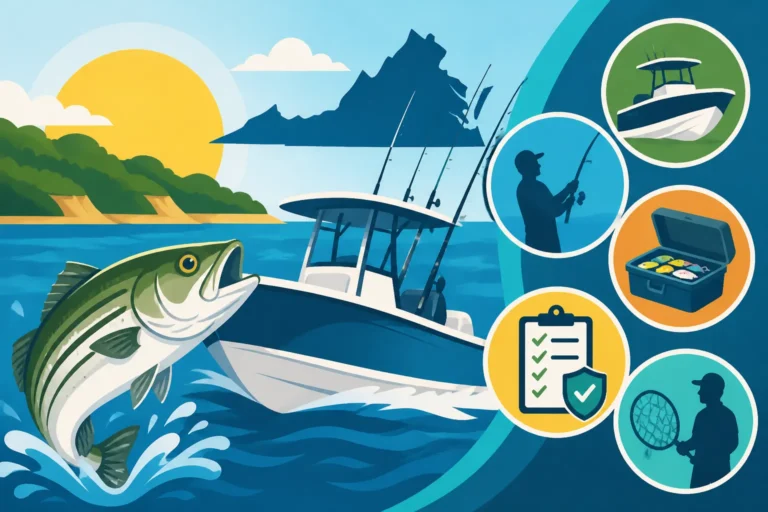
One of the biggest headaches for anglers, particularly those visiting or new to a specific type of fishing, is acquiring the right gear and bait. Striped bass fishing often requires heavy-duty rods and reels, specialized lures for trolling or jigging, and sometimes live bait that can be hard to source. The beauty of a charter is that all of this is typically provided for you. You don't need to worry about buying expensive equipment or finding the freshest bait; the charter captain has it all covered. This alone saves a significant amount of time, money, and hassle, making the trip much more accessible.
Beyond the equipment, you're gaining access to invaluable expertise. A seasoned charter captain spends countless hours on the water, tracking fish movements, understanding local currents, and keeping tabs on baitfish patterns. They know the subtle signs of where stripers are likely to be holding and what techniques will be most effective on any given day. This local knowledge is gold, especially when regulations are complex or fish patterns are shifting. They also have the benefit of state-of-the-art electronics that can locate fish and structure, giving you a huge advantage over trying to figure it out on your own. For a full rundown of what you should expect, refer to What's Included in a Virginia Fishing Charter.
Understanding Catch Limits and Regulations on a Charter
Navigating the labyrinth of Virginia's striped bass regulations, including specific slot limits and possession rules, can be intimidating for even experienced anglers. This is where a charter captain truly earns their keep. They are intimately familiar with all current rules, such as the Virginia Rockfish Slot Limit and Possession Rules and the Virginia's One-Fish Striped Bass Limit on Charter Trips. When you're on a chartered trip, the captain is responsible for ensuring that all fishing activities comply with state and federal laws.
This means you don't have to worry about measuring fish, knowing what's legal to keep, or understanding specific season dates. The captain and mate will guide you through the process, from identifying legal fish to properly releasing those that don't meet the criteria. They'll also handle the often-mandated reporting requirements. This allows you to relax and enjoy the fishing experience without the constant anxiety of regulatory compliance. It's an enormous benefit, especially when dealing with such closely managed species like striped bass in Virginia. If you're ever in doubt, the captain is your ultimate resource on the water.
Planning Your Virginia Striped Bass Charter Experience
Once you've decided to embark on a Virginia striped bass charter, the next step is to plan the perfect trip. There are several considerations to ensure your outing is enjoyable, productive, and aligns with your expectations. From choosing the right trip length to knowing what essentials to bring, a little preparation goes a long way.
Choosing the Right Trip Length and Type
Virginia's fishing charters typically offer a range of trip lengths to suit different schedules and budgets. You'll often find half-day, three-quarter-day, and full-day options. A half-day trip, usually around four hours, is great for beginners, families with young children, or those with limited time. It's enough time to get a taste of the action without committing to a full day on the water. A three-quarter-day trip (around six hours) strikes a nice balance, offering more fishing time and often allowing the captain to venture further afield, increasing your chances of finding fish.
For the serious angler or those looking for the most comprehensive experience, a full-day trip (typically eight hours or more) is the way to go. This allows the captain to explore multiple spots, try various techniques, and really dial into the bite. Beyond length, consider the "type" of charter. Private charters offer exclusive use of the boat for your group, providing flexibility and personalized attention. Shared or "head boat" charters are more budget-friendly as you split the cost with other anglers, though they offer less customization. Weigh your priorities—budget, time, and desired experience—to pick the perfect fit. Our article Half-Day vs Full-Day Fishing Charters in Virginia offers a useful comparison.
Essential Tips for a Successful Striper Charter
To make your striped bass charter as successful and comfortable as possible, a few key preparations are in order. First and foremost, check the weather forecast for your trip date. Even on warm days, being on the water can be cooler, especially with boat speed and wind. Dress in layers, and bring waterproof outerwear just in case. Sun protection is critical: sunglasses, a hat, and plenty of sunscreen are non-negotiable, even on cloudy days.
Pack light snacks and drinks. While some charters might provide water, it’s always a good idea to bring your preferred refreshments. A small cooler to transport your kept catch (if allowed by regulations) is also a smart addition. Don't forget any personal medications. Most importantly, communicate openly with your captain or mate. If you have specific preferences, physical limitations, or questions about fishing techniques, don't hesitate to ask. They are there to make your trip enjoyable and productive. To help with your packing, check out What to Bring on a Virginia Fishing Charter. Finally, using platforms like FishingBooker not only helps you find and book charters but also often provides direct contact information for captains, allowing you to discuss these details beforehand and ensure a smooth, exciting day on the water.
| Season Window | Typical Months (Approx.) | Expected Conditions | Fish Behavior & Location | Charter Strategy Focus |
|---|---|---|---|---|
| Winter/Early Spring | Jan-March | Colder, choppier water | Migratory & post-spawn; deeper channels, coastal waters; schooling | Trolling, heavy jigging |
| Late Spring/Early Summer | May-June | Warmer water, milder weather | Post-spawn & migratory; wider distribution in Bay & rivers; active | Trolling, casting, live bait (if allowed) |
| Fall Run | Oct-Dec (Catch/Release) | Cooling waters, often windy | Mass migration, aggressive feeding; coastal & Bay mouth | Trolling, jigging, topwater, live bait (if allowed) |
Disclaimer
This article is for general informational purposes only and does not constitute professional advice. Laws, prices and regulations vary by location and change over time. Consult a qualified professional for guidance on your specific situation.