Chesapeake Bay Fishing Charters in Virginia
It's no secret that fishing in Virginia can be an absolute dream, but when you're thinking about tackling the vast, beautiful, and sometimes bewildering waters of the Chesapeake Bay, the idea of going it alone can feel a bit overwhelming. From knowing where the fish are biting to understanding the ever-changing tides and complex regulations, there’s a lot to navigate. This comprehensive guide is here to demystify the world of Chesapeake Bay fishing charters, helping you understand everything from choosing the right boat and captain to what you can expect to catch and when to book your adventure.
Why Choose a Chesapeake Bay Fishing Charter?
Let's face it, the Chesapeake Bay isn't just any fishing hole; it's a massive estuary, a living, breathing ecosystem with countless nooks, crannies, and diverse fish populations. For many anglers, especially those visiting or new to saltwater fishing, figuring out where to start can be a real headache. That's where a fishing charter truly shines. It's not just about getting on a boat; it's about unlocking years of local knowledge and expertise.
The Bay's Unique Fishery
The Chesapeake Bay is one of the most productive estuaries in the world, a truly incredible place where freshwater from rivers mixes with the salty Atlantic. This unique environment creates a vibrant habitat for an astonishing array of fish species, both resident and migratory. Think about it: you've got everything from hard-fighting striped bass (affectionately known as "rockfish" here in Virginia) patrolling oyster reefs and channel edges, to flounder hiding in sandy bottoms, and even formidable red drum and cobia making seasonal appearances. The sheer diversity means there's almost always something exciting to target, regardless of the time of year. But with so much water to cover, knowing where these fish are at any given moment is a science and an art that local captains have perfected over decades.
Trying to find these hotspots yourself, especially if you're not familiar with the local waters, can lead to a lot of wasted time and frustration. A charter captain, however, lives and breathes the Bay. They know the subtle currents, the underwater structure, and the feeding patterns that regular anglers might miss. It’s like having a secret roadmap to the best fishing spots, handed to you by someone who drew it themselves.
Expert Guidance Makes All the Difference
One of the biggest advantages of a charter, beyond simply getting to the fish, is the invaluable guidance you receive. Many of us, myself included, have spent countless hours trying to perfect our casting, learn new rigging techniques, or figure out the nuances of different baits and lures. On a charter, you have a seasoned professional right there with you, offering tips, correcting your form, and teaching you the tricks of the trade. How to Book a Fishing Charter in Virginia is a great resource if you’re just starting your journey.
Imagine this: you're trying to land a big striped bass, and it’s pulling hard. Your captain or mate is right there, coaching you on how to properly work the rod, manage the drag, and ultimately bring that fish to the boat. They're also handling all the complexities of the boat itself – navigation, tides, safety protocols – allowing you to fully immerse yourself in the joy of fishing. This means less stress, more learning, and ultimately, a much more rewarding fishing experience, whether you're a complete novice or an experienced angler looking to refine your skills in a new environment.
Deciphering the Different Kinds of Charters
When you start looking into Chesapeake Bay fishing charters, you'll quickly realize that not all trips are created equal. There's a whole spectrum of options designed to cater to different budgets, time constraints, and fishing aspirations. Understanding these distinctions is key to booking the perfect day on the water.
Half-Day vs. Full-Day Adventures
The most common choice you'll encounter is between a half-day and a full-day charter. A half-day trip typically lasts around four to five hours. These are fantastic for families with young children, beginners, or anyone who might be prone to seasickness and wants to test the waters without committing to an entire day. They're often more budget-friendly and still provide ample time to get to the fishing grounds, catch some fish, and enjoy the scenery. You might not venture as far or try as many different techniques as on a longer trip, but for a solid taste of Bay fishing, they're excellent.
A full-day charter, on the other hand, usually runs for seven to nine hours. This is where you can really dive deep into the fishing experience. With more time, captains can explore a wider range of fishing spots, adapt to changing conditions, and target multiple species. If you're serious about landing a trophy fish, want to try various techniques like trolling, bottom fishing, or live baiting, or simply want to maximize your time on the water, a full-day trip is almost always the way to go. It offers more flexibility and a greater chance of success, especially if the fish aren't biting immediately in one spot.
Private Trips vs. Shared Experiences
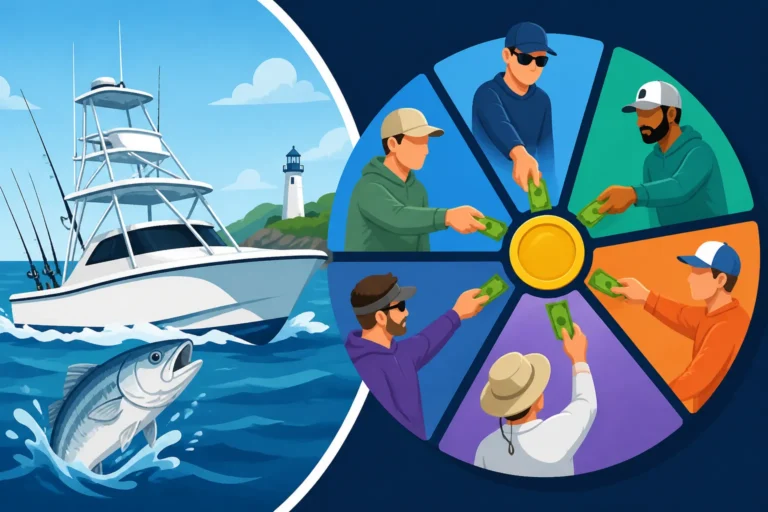
Another important distinction is whether you book a private charter or join a "head boat" or shared trip. A private charter means you and your group (family, friends, colleagues) have the entire boat and captain's attention to yourselves. This offers maximum flexibility – you can decide together what species you want to target, when you want to leave (within reason), and you have a more personalized experience. The captain can cater directly to your group's skill level and preferences, making it ideal for a special occasion or a serious fishing expedition. The cost is typically higher, but it's split among your group.
Shared trips, often found on larger "head boats" or "party boats," are where you pay a per-person fee and share the boat with other anglers who have done the same. These are generally the most economical option, making them very accessible for solo anglers or small groups who don't want to foot the bill for an entire private boat. While you won't have the same level of personalized attention or flexibility in choosing target species, these boats often fish tried-and-true spots and can still be very productive. It's a great way to meet other anglers and enjoy a day on the Bay without breaking the bank.
Inshore vs. Nearshore vs. Offshore Targets
The Chesapeake Bay, while immense, is primarily considered an inshore and nearshore fishery. Inshore charters typically focus on the protected waters of the Bay itself, including its many tributaries, estuaries, and shallower flats. This means calmer waters, shorter travel times, and targeting species like striped bass, flounder, croaker, and various panfish. These are often the most family-friendly options due to the smoother ride.
Nearshore charters might venture closer to the mouth of the Bay, where it meets the Atlantic Ocean, or focus on major channels and reefs within the Bay. Here, you could target larger striped bass, red drum, cobia, and even some shark species. The waters can be a bit choppier, but the potential for bigger game fish increases. Many Chesapeake Bay charters focus primarily on this nearshore action.
True offshore fishing, venturing far out into the Atlantic for tuna, marlin, or mahi-mahi, typically departs from ocean-front ports like Virginia Beach or Rudee Inlet, rather than from within the Bay itself. If deep-sea big game fishing is your goal, you'll want to specify "offshore" when booking, as it's a very different experience from a typical Chesapeake Bay charter.
Prized Catches: What You Can Target on the Bay
One of the most exciting aspects of fishing the Chesapeake Bay with a charter is the incredible variety of fish you can encounter. From powerful game fish to delicious table fare, there's a species to excite every angler. The specific targets often depend on the season, as many fish are migratory, but your captain will always know what's biting best.
The Mighty Striped Bass (Rockfish)
Without a doubt, the striped bass, locally known as "rockfish," is the king of the Chesapeake Bay. These powerful, silver-sided fish are renowned for their aggressive strikes and strong fights, making them a top target for many charter anglers. They can be found throughout the Bay, from the shallow flats to the deep channels, often schooling around structure like bridges, oyster reefs, and points. Charters often target them by trolling with large lures or live bait, casting jigs or topwater plugs, or even chumming.
Virginia's regulations for striped bass are carefully managed to protect the species, often including specific seasons and slot limits. For instance, you might encounter a split season with different rules in spring and fall. Virginia Striped Bass Season and Slot Limit Guide provides an excellent overview. Charter captains are always up-to-date on these regulations, ensuring you fish legally and responsibly. Landing a good-sized rockfish is an unforgettable experience, a true testament to the Bay's incredible fishery.
Flounder, Drum, and Other Bottom Dwellers
Beyond the rockfish, the Chesapeake Bay offers fantastic opportunities for bottom fishing. Flounder are a highly sought-after species, prized for their delicious white meat and their unique flat profile. They often lie in wait on sandy or muddy bottoms, ambushing baitfish or crustaceans. Charters typically target flounder by drifting with live minnows, cut bait, or Gulp! artificial baits near channel edges, wrecks, and artificial reefs. The bite can be subtle, so paying close attention to your rod tip is key!
Red drum, also known as redfish, are another powerful game fish that frequent the Bay, especially the larger "bull reds" that move into the lower Bay during warmer months. These fish are absolute bruisers, capable of stripping line off your reel with incredible speed. Black drum, a larger cousin, are also found on the Bay's bottom, often caught on crabs or clam baits. Red Drum Charter Fishing on the Chesapeake Bay highlights how popular these trips are. Other common bottom dwellers include croaker (sometimes called hardheads), spot, and white perch, which are excellent for family-friendly fishing and offer consistent action.
Cobia and Other Seasonal Giants
For those seeking a true challenge, the Chesapeake Bay also hosts several impressive seasonal visitors. Cobia are highly migratory and appear in the Bay during the warmer summer months. These fish are renowned for their strength and size, often caught sight-fishing around buoys and channel markers, or chumming with live bait. They put up a spectacular fight and are considered excellent table fare. Booking a Cobia Charter Trips Out of Virginia Beach or from a Bay port when they are in season is an experience many anglers chase year after year.
Other notable seasonal targets might include Spanish mackerel and bluefish, which provide fast-paced action and are often caught trolling or casting small spoons and jigs. Even certain shark species can be targeted, usually by specific charters, offering a unique adrenaline rush for anglers looking for something truly powerful. The Bay's dynamic nature means that while some species are year-round residents, others offer exciting, limited-time opportunities that make each season feel distinct.
Preparing for Your Chesapeake Bay Fishing Excursion
So, you've picked your charter, decided on your target species, and the date is set! Now comes the practical side of preparing for your trip. Knowing what to expect and what to bring can make all the difference between a good day and a truly great one.
What Your Charter Typically Provides
One of the beauties of booking a charter is that the captain takes care of most of the essentials. Generally, your charter fee will cover:
- Fishing Licenses: This is a huge convenience! Most reputable Chesapeake Bay fishing charters operate under a blanket charter boat license, meaning you, as the paying customer, do not need to purchase your own individual Virginia saltwater fishing license. Always double-check with your specific captain, but this is standard practice.
- Rods, Reels, and Tackle: The boat will be outfitted with high-quality gear appropriate for the target species and fishing techniques. This saves you the hassle of transporting your own equipment and ensures you're using gear matched to the Bay's conditions.
- Bait and Lures: Live bait, cut bait, and artificial lures will be supplied by the captain or mate. They know what's working best on any given day.
- Safety Equipment: All Coast Guard-mandated safety gear, including life jackets, first-aid kits, and communication devices, will be on board.
This comprehensive provision allows you to show up, relax, and focus entirely on the fishing. What's Included in a Virginia Fishing Charter goes into even more detail about these provisions.
What to Bring Along for Comfort and Success
While your charter provides the necessities for fishing, there are several things you should bring to ensure your comfort and enjoyment throughout the day:
- Sun Protection: The sun on the water can be intense, even on cloudy days. Bring sunscreen (a high SPF, reef-safe option is best), a wide-brimmed hat, and polarized sunglasses to protect your eyes and help you spot fish. Long-sleeved, breathable shirts are also a great idea.
- Food and Drinks: Pack plenty of water and your favorite non-alcoholic beverages. A small cooler with sandwiches, snacks, and treats is always a good idea, especially on a full-day trip.
- Appropriate Clothing: Dress in layers! Even on a warm day, it can be significantly cooler on the water, especially in the morning and evening, or if there's a breeze. A rain jacket or windbreaker is always a smart addition, just in case. Non-slip shoes are a must for safety on a wet deck.
- Cooler for Your Catch: If you plan on keeping your fish, bring a separate cooler filled with ice to transport your fillets home. Most charters will clean and bag your fish for you, ready for your cooler.
- Camera: You'll want to capture those trophy shots and memories!
- Medication: If you have any personal medications, especially motion sickness remedies, bring them and take them before you board the boat.
For a thorough checklist, refer to What to Bring on a Virginia Fishing Charter.
Navigating Licenses and Regulations
As mentioned, individual fishing licenses are typically covered by the charter's blanket permit, which is a fantastic perk. However, it's still crucial to be aware of Virginia's general fishing regulations, especially regarding catch limits and size restrictions. Your captain will enforce these rules strictly, as they are essential for sustainable fishing and avoiding penalties.
For species like striped bass, flounder, and drum, there are often minimum or maximum size limits (slot limits) and daily possession limits. These regulations can change seasonally or even annually based on scientific assessments of fish stocks. For example, Virginia's Fishing License and Catch Limit Basics can help you understand the general framework. Your captain will always brief you on the specific rules for the day's target species. Respecting these limits is not only the law but also a vital part of conserving the Bay's incredible fishery for future generations.
Selecting the Perfect Chesapeake Bay Charter for Your Group
Choosing a fishing charter can feel like a big decision, especially if it's your first time. With so many options available, how do you ensure you pick the right one that matches your expectations and delivers a memorable experience? It comes down to asking the right questions and knowing what to look for.
Key Questions to Ask Before Booking
Don't be shy about asking questions before you commit to a booking. A good captain or booking agent will be happy to provide clear answers. Here are some essential queries:
- What species are you primarily targeting during my desired timeframe? This helps manage expectations and ensures you're going after what you want.
- What's included in the price? Confirm licenses, bait, tackle, and any fish cleaning services.
- What should I bring? Get a clear list of recommended items like food, drinks, clothing, and coolers.
- What is your cancellation policy? Understand what happens if weather, mechanical issues, or unforeseen circumstances lead to a cancellation or rescheduling. This is particularly important for deposits.
- What are the current catch limits and regulations for the target species? While the captain will enforce them, it’s good to be informed.
- Do you offer private or shared trips, and what are the respective costs?
- How many passengers can the boat comfortably accommodate?
- Is a mate typically on board, and what are the tipping expectations? (More on tipping below!)
Asking these questions upfront helps prevent misunderstandings and ensures you're fully prepared for your trip.
Considering Boat Size, Amenities, and Experience
The vessel itself and the experience of its crew are crucial factors. Look for charters that:
- Have well-maintained, safe boats: While you might not be an expert on marine mechanics, a clean, organized boat that looks well-cared for is usually a good indicator. Check for photos online.
- Match boat size to your group: A larger group will need a bigger boat, of course. Consider if you want a lot of deck space for casting or more enclosed cabin space for comfort on cooler days.
- Offer suitable amenities: Some boats have private heads (restrooms), comfortable seating, or even air conditioning in the cabin, which can be a huge plus, especially for longer trips or mixed groups.
- Are experienced and reputable: Look for captains with a proven track record specifically on the Chesapeake Bay. Reviews and testimonials are your friends here! They should be licensed and insured.
Many anglers find it helpful to consult online booking platforms like FishingBooker, where you can filter by location, target species, boat size, and read reviews from other customers. This can give you a good sense of what to expect from different operators.
Matching Your Trip Goals with the Right Captain
Every captain has their own style, and every group has different goals. Are you looking for a serious, hardcore fishing trip focused purely on catching the biggest fish? Or are you planning a more relaxed, family-friendly outing where the experience and making memories are just as important as the catch?
Some captains specialize in certain techniques (e.g., fly fishing for striped bass, trolling for Spanish mackerel), while others are experts at catering to beginners or children. When you make inquiries, mention your group's experience level and your primary goals for the day. A good captain will be honest about whether their boat and style are a good fit for what you're hoping to achieve. For instance, if you’re fishing with kids, you might seek out guides who advertise Family-Friendly Fishing Charters in Virginia. Being upfront helps ensure everyone has a fantastic time on the water.
Booking Your Dream Chesapeake Bay Fishing Charter
Once you've done your homework and have a good idea of what you're looking for, it's time to actually book that charter! The process is usually straightforward, but understanding the nuances of finding operators, making deposits, and preparing for your trip can streamline everything.
Finding Reputable Charter Operators
The first step is locating charter services that operate out of the Chesapeake Bay. Popular departure points in Virginia for Bay fishing include:
- Virginia Beach: Access to the lower Bay and its tributaries, as well as easy access to the ocean.
- Norfolk/Hampton: Central Bay access, close to the Chesapeake Bay Bridge-Tunnel.
- Yorktown/Gloucester: Access to the mid-Bay and the York River.
- Reedville/Deltaville: Access to the upper Bay and Rappahannock River.
You can find operators through:
- Online Search: A simple search for "Chesapeake Bay fishing charters Virginia" will yield many results.
- Marinas and Docks: Walking around local marinas often reveals signs for charter boats.
- Referrals: Ask friends, local tackle shops, or fishing forums for recommendations.
- Online Booking Platforms: Websites like FishingBooker are excellent resources. They allow you to browse multiple charters in one place, compare prices, read reviews, and often book directly. They often have detailed profiles for each captain, showing their boat, target species, and available dates.
Always read reviews and check the captain's credentials where possible. A good reputation often speaks volumes about the quality of the experience.
Understanding Deposits, Payments, and Cancellations
Almost all reputable charter operations require a deposit to secure your booking. This is standard practice and protects both the customer and the captain. Deposits typically range from a percentage of the total trip cost to a flat fee. Make sure you understand:
- Payment methods accepted: Can you pay by credit card, or is it cash only for the balance?
- Balance due date: Is the remaining balance due on the day of the trip, or in advance?
- Cancellation policy: What happens if you need to cancel? What if the captain cancels due to weather (high winds, storms, unsafe conditions) or mechanical issues? Most captains will offer a full refund or the option to reschedule for weather cancellations, but understanding their specific policy is crucial. Don't assume anything – ask! Cancellation and Deposit Policies for Virginia Charters explains why these policies are in place.
Be prepared to pay the remainder of your balance on the day of the trip, usually before you depart.
Maximizing Your Booking Experience with Platforms like FishingBooker
Booking platforms like FishingBooker can really simplify the process. Instead of calling multiple captains individually, you can:
- Compare options side-by-side: Easily see different boats, prices, and availability.
- Read verified reviews: Get insights from previous customers to help you make an informed decision.
- Secure booking: The platform handles the deposit and often provides clear communication with the captain.
- Access to various services: Many platforms offer customer support and can help mediate if any issues arise.
When using such platforms, always communicate any specific needs or preferences you have through the booking system or directly with the captain once connected. This ensures your trip is tailored as closely as possible to your ideal day on the water.
Timing Your Trip: The Best Seasons for Bay Fishing
The Chesapeake Bay is a dynamic fishery, and the best time to visit often depends on what species you're hoping to catch. Different fish have different migratory patterns and feeding habits throughout the year, making seasonal planning crucial for a successful charter trip.
Spring's Bounty: Awakening Waters
As the Bay waters begin to warm in early spring (typically March through May), the fishing really starts to heat up. This is a prime time for migratory species to return to the Bay.
- Striped Bass (Rockfish): Spring sees a significant striped bass migration into the Bay for spawning. While many areas have strict "no-targeting" or catch-and-release rules during peak spawning, the early spring and post-spawn periods can offer incredible action. Look for slot limits during specific spring seasons.
- Flounder: As water temperatures rise, flounder become more active and start moving into shallower areas.
- Drum: Both red and black drum begin to show up in the lower Bay and its tributaries.
- White Perch: These feisty panfish offer consistent action, especially in the Bay's many rivers and creeks.
Spring weather can be unpredictable, so dressing in layers and being prepared for cooler temperatures is wise. Best Spring Fishing Spots in Virginia can give you an idea of where to target in spring.
Summer's Heat: Abundance and Variety
Summer (June through August) brings warmer water and a wider variety of species to the Bay. While the striped bass season might be closed or restricted in some areas due to heat, other species thrive.
- Cobia: This is prime cobia season! Anglers actively sight-fish for these powerful giants around channel markers and buoys.
- Spanish Mackerel and Bluefish: These speedy predators provide fast and furious action, often caught trolling with small spoons.
- Flounder: Excellent flounder fishing continues, especially around structure and channel edges.
- Spot and Croaker: These smaller, abundant fish are fantastic for family-friendly trips, offering constant bites.
- Red and Black Drum: Bull reds are often found in the lower Bay, and black drum are still a strong target.
Summer fishing means early starts are often best to beat the heat and capitalize on cooler morning bites. Don't forget ample hydration and sun protection! Best Fishing Spots Near Virginia Beach might be a good summer departure point.
Fall's Frenzy: The Striper Run and Beyond
Many seasoned anglers consider fall (September through December) to be the absolute prime time for fishing the Chesapeake Bay, especially for striped bass.
- Striped Bass (Rockfish): This is the legendary fall migration, often referred to as "the fall run." Massive schools of striped bass move into and through the Bay, feeding aggressively before heading south for winter. Action can be explosive, with opportunities for trolling, jigging, and live lining. This is when charters for Chesapeake Bay Striped Bass Fishing Guide are often in highest demand.
- Red and Black Drum: The fall run for drum can also be spectacular, especially in the lower Bay.
- Bluefish and Spanish Mackerel: These species are still active early in the fall before moving out.
- Trout (Speckled Trout): As waters cool, speckled trout become a popular target in the Bay's shallow grass beds and tidal creeks, offering fantastic light tackle action.
Fall fishing offers comfortable temperatures and some of the most consistent action of the year. However, charters book up quickly, so plan well in advance. Consider Best Time of Year to Book a Virginia Fishing Charter for more detailed booking advice.
Winter's Chill: A Niche Opportunity
Winter (January and February) is typically the slowest season for Chesapeake Bay charters, as many migratory fish have left and cold temperatures make fishing challenging. However, there are still opportunities for dedicated anglers.
- Striped Bass (Resident Fish): Some resident striped bass can still be found in deeper holes and rivers, though the bite is slower.
- Tautog: These incredibly strong, structure-oriented fish are a winter favorite for those willing to brave the cold. They require specialized techniques and bait.
- Perch: Yellow perch and white perch can be targeted in specific river systems.
Winter charters are less common, but for the hardy angler seeking a specific challenge, they can still be rewarding.
Navigating Regulations: What Charter Anglers Need to Know
While charter captains handle the specifics of licenses and ensure compliance, it’s always a good idea for anglers to have a basic understanding of Virginia's fishing regulations on the Chesapeake Bay. These rules are in place for a vital reason: to protect fish populations and ensure healthy fisheries for years to come.
Catch Limits and Slot Sizes
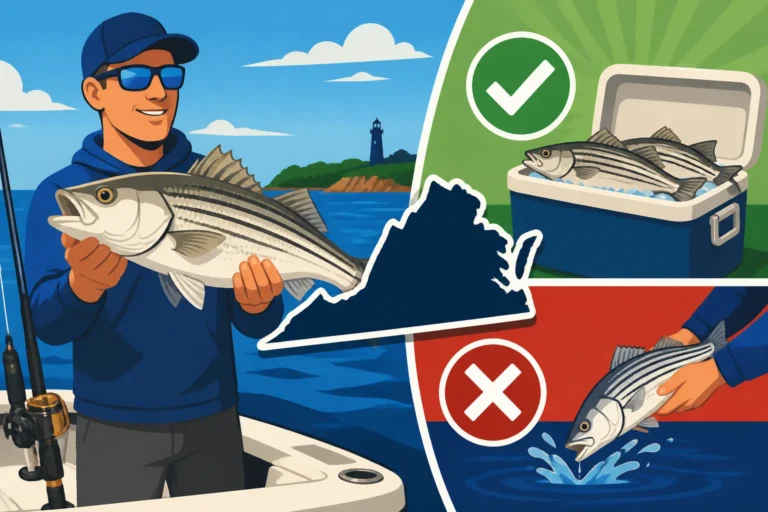
For most popular species in the Chesapeake Bay, there are specific catch limits (how many fish you can keep per person, per day) and size limits. Often, size limits are expressed as a slot limit, meaning you can only keep fish that fall within a specific length range (e.g., 28 to 31 inches for striped bass). Fish that are too small or too large must be released unharmed.
These limits are carefully determined by fisheries biologists and wildlife agencies like the Virginia Department of Wildlife Resources (DWR) and the Virginia Marine Resources Commission (VMRC) to ensure sustainable harvesting. A charter captain will meticulously follow these rules. If you catch a fish outside the legal slot or exceed the daily limit, the captain will instruct you on how to properly release it. Virginia's 28 to 31 Inch Striped Bass Slot Limit for Charter Anglers is a perfect example of a specific regulation that captains adhere to strictly.
Understanding the Virginia Saltwater Recreational Fishing License
As mentioned earlier, a huge benefit of charter fishing is that your individual Virginia saltwater fishing license is typically covered by the boat's blanket permit. This means you don't need to purchase one yourself. However, it's worth noting what this license entails for private recreational anglers. If you were fishing from your own boat or from the shore, you would need a Virginia Fishing License Guide.
The fees collected from these licenses are critical. They help fund crucial conservation efforts, research into fish populations, habitat restoration projects, and enforcement of fishing laws, all of which benefit the health and future of the Chesapeake Bay fishery. So, while you're not directly buying one for your charter, your charter fee contributes to a business that supports this vital system.
The Importance of Responsible Angling
Beyond simply following the rules, charter captains emphasize responsible angling practices. This includes:
- Careful Catch and Release: For fish that are out of slot, over the limit, or simply not intended for harvest, proper catch-and-release techniques are paramount. This means minimizing handling time, using wet hands, avoiding contact with gills, and quickly returning the fish to the water. Your captain or mate will guide you on how to do this correctly to maximize the fish's survival rate.
- Respect for the Environment: Charters adhere to "leave no trace" principles, ensuring no trash or fishing line is left in the water. They also promote respect for wildlife and other boaters.
- Ethical Fishing: Avoiding practices that could harm the fishery or the environment, and always prioritizing the health of the fish.
By choosing a reputable charter, you're not just booking a fishing trip; you're often participating in a system that prioritizes the long-term health and abundance of the Chesapeake Bay's incredible natural resources. Enjoy your adventure on the water, knowing you're contributing to its preservation!
Disclaimer
This article is for general informational purposes only and does not constitute professional advice. Laws, prices and regulations vary by location and change over time. Consult a qualified professional for guidance on your specific situation.