Best Bait for White Perch Fishing
Oh, the humble white perch! They might not be the biggest fish in the water, but let me tell you, they can provide some of the most consistent and fun fishing action in Virginia. If you've ever spent an afternoon on the water, rod in hand, wondering why the perch aren't biting, it often comes down to bait. It's a common frustration, isn't it? You know they're there, but what makes them actually commit? This guide is all about cutting through the guesswork, diving deep into the very best baits for white perch fishing, and giving you the know-how to fill your cooler.
Understanding White Perch Habits: What Makes Them Bite?
Before we even talk about specific baits, it helps to get inside the head of a white perch, so to speak. These aren't complicated creatures, but knowing what they're naturally inclined to eat and where they prefer to hang out makes all the difference in selecting the right offering.
Their Natural Diet and Preferences
White perch are opportunistic feeders, which means they're generally not too picky when it comes to a meal. They're often found in schools, cruising for food, and when they find something appealing, they'll usually gobble it up without much hesitation. Their natural diet is quite varied, mirroring what's readily available in their diverse habitats.
Think about the smaller critters that live in and around the water. White perch love tiny baitfish like minnows, small silversides, or even juvenile shad. They're also big fans of invertebrates, munching on a variety of insects, insect larvae, small crustaceans like grass shrimp, and various worms. Basically, if it's small, wriggly, and looks like an easy meal, a white perch is probably interested. This broad diet is fantastic news for us anglers, as it gives us a lot of options when it comes to bait. Knowing they aren't finicky helps us choose baits that imitate these natural food sources, whether we're using live bait or artificial lures.
Where to Find White Perch in Virginia Waters
White perch are incredibly adaptable, making them a popular target across a wide range of Virginia's waterways. You'll find them thriving in brackish waters, especially in the vast tidal rivers that feed into the Chesapeake Bay. Places like the James River, York River, and Rappahannock River are absolutely teeming with them. In these areas, they'll often congregate around oyster beds, dock pilings, bridge structures, and deeper channels where currents deliver food.
But don't let their saltwater affinity fool you; white perch are also found in some of Virginia's freshwater lakes and reservoirs. Take Smith Mountain Lake, for example, which boasts a healthy population of white perch alongside its famous striped bass and largemouth bass. In freshwater environments, they'll often hold around submerged timber, brush piles, rock formations, and ledges. Understanding these habitats is key because it dictates how you present your bait. A bait that works perfectly for casting from a pier into a tidal creek might not be the most efficient for probing deep structure in a large freshwater lake. Knowing Where to Catch White Perch in Virginia will help you choose your bait wisely.
Live Bait: The Undisputed Champions for White Perch
When it comes to sheer effectiveness, especially for consistent catches, live bait is often tough to beat for white perch. Their natural movements and scent are simply irresistible.
Minnows: A Go-To Choice
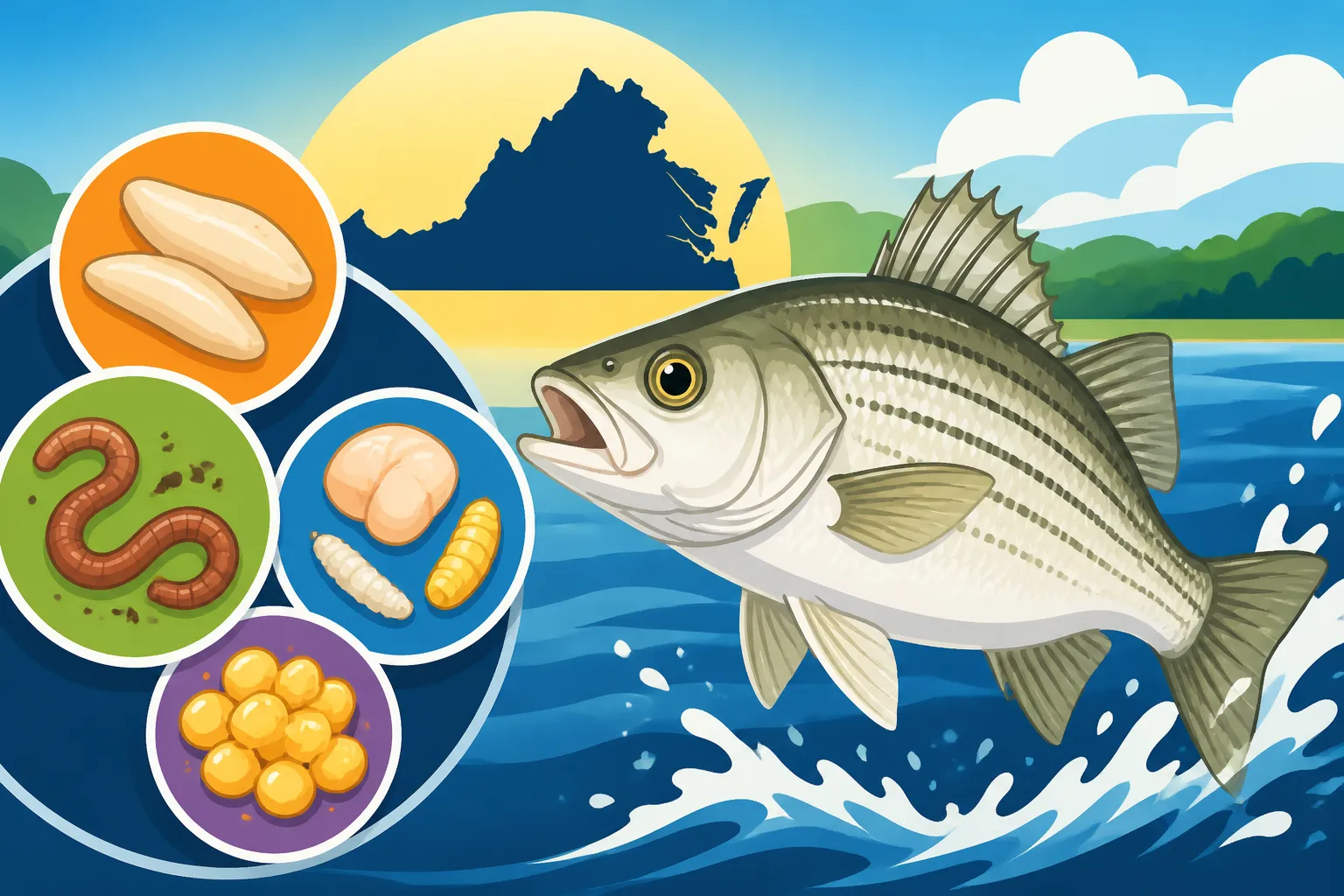
Ah, the humble minnow. If there's one bait that consistently puts white perch in the cooler, it's a lively minnow. Their natural swimming action sends out vibrations that perch simply can't ignore. You can buy minnows at just about any bait shop, and they're relatively inexpensive.
When rigging a minnow for white perch, simplicity is often best. A small, sharp hook (size 6 or 4 Kahle or octopus hook works wonderfully) through the lips or just behind the dorsal fin will keep the minnow alive and swimming naturally. If you're fishing in a current, a simple Carolina rig with a small weight to get it to the bottom or a high-low rig works great. For calmer waters or when perch are suspended, a small minnow under a bobber is a classic and highly effective technique. The bobber keeps the bait at a specific depth and allows the minnow to dart around enticingly. Keeping your minnows lively is paramount; a good aerated bait bucket will ensure they stay active and attractive to hungry perch.
Grass Shrimp and Bloodworms: Tidal Water Favorites
If you're fishing in the brackish or saltwater portions of Virginia's tidal rivers and the Chesapeake Bay, you absolutely must have grass shrimp or bloodworms in your bait arsenal. These natural delicacies are high on a white perch's menu, and they're often the first thing the fish will key in on.
Grass shrimp are small, clear crustaceans found in grassy areas of tidal creeks and estuaries. You can sometimes net them yourself in shallow areas, or you can pick them up at bait shops, especially those closer to coastal areas. They're fragile, so handle them carefully. A small piece of grass shrimp on a tiny hook (size 8 or 10) is lethal. The perch just can't seem to resist their natural scent and subtle movements.
Bloodworms, with their distinctive red color and squirming action, are another phenomenal bait for tidal water white perch. While a bit pricier than other options, their effectiveness is often worth the cost. You typically only need a small piece, about an inch long, threaded onto a small hook. The scent trail they release in the water is a powerful attractant. Both grass shrimp and bloodworms are fantastic for bottom fishing rigs or fished on a high-low rig, allowing the current to carry their scent and action to nearby perch. For anyone fishing in areas mentioned in White Perch Fishing Along Virginia's Tidal Rivers, these baits are indispensable.
Earthworms and Nightcrawlers: The Freshwater Standard
While minnows might be king in some areas, good old earthworms and their larger cousins, nightcrawlers, are evergreen performers for white perch, especially in freshwater lakes and the upper, less saline reaches of Virginia's rivers. If you're looking for a White Perch: A Beginner-Friendly Virginia Panfish bait, worms are definitely it!
Worms are readily available, either from your local bait shop, garden, or even available to order online through retailers like Amazon. They're incredibly easy to rig: simply thread a small section of an earthworm or a whole small worm onto a size 6 or 8 hook, leaving a bit of the tail to wiggle. Their natural scent and continuous movement are strong draws for white perch.
You can fish worms effectively in many ways. A simple split shot a foot or so above the hook will get it down to the bottom, allowing the current or natural subtle movements to entice a bite. They're also perfect for fishing under a bobber, especially in shallower water or over submerged vegetation where perch might be feeding. The movement of the worm dangling beneath the bobber is often too much for a curious perch to pass up. They're also a fantastic choice for family fishing trips, as even the youngest anglers can easily bait a hook with a worm.
Artificial Baits That Get the Job Done
Sometimes, you want to cast and retrieve, or you don't have access to live bait. Thankfully, white perch are more than willing to strike artificial lures, especially those that mimic their natural prey in size and action.
Small Jigs and Soft Plastics: Mimicking Natural Prey
When live bait isn't an option, or you prefer the active challenge of lure fishing, small jigs tipped with soft plastics are incredibly effective for white perch. The key here is small. We're talking 1/32 to 1/8 ounce jig heads, sometimes even lighter.
The soft plastic bodies that pair with these jigs should also be diminutive, usually 1 to 2 inches long. Curly tail grubs, paddle tails, and tiny tubes are all excellent choices. For colors, start with natural patterns like white, pearl, clear with glitter, or light greens and browns. However, don't be afraid to experiment with brighter colors like chartreuse or pink, especially in murky water or on overcast days. These can trigger an aggressive strike when natural colors fail.
The retrieve is crucial. White perch aren't usually chasing down fast-moving baits. A slow, steady retrieve with occasional pauses or a gentle jigging motion is often most productive. Cast it out, let it sink to the desired depth (often near the bottom), and then slowly reel it in with subtle twitches of your rod tip. This makes the soft plastic look like a struggling baitfish or an easy-to-catch insect. You can easily find a wide variety of these jigs and soft plastics on Amazon, giving you plenty of options to experiment with.
Small Spoons and Spinners: Flash and Vibration
Sometimes, white perch respond to a bit more flash and vibration, particularly in clearer water or when they're actively schooling and feeding. This is where small spoons and inline spinners shine.
Tiny casting spoons, often no more than 1 to 2 inches long, can be deadly. Silver and gold are classic colors, mimicking baitfish scales. Cast them out and retrieve them with a slow, erratic wobbling motion. The flash from the spoon as it flutters through the water is a powerful visual attractant. Similarly, small inline spinners with a single blade (like a classic Mepps or Rooster Tail) create both flash and vibration, which perch can detect from a distance. Again, keep the retrieve slow and steady, just enough to get the blade spinning. The subtle thump and shine can often trigger a strike from an otherwise hesitant perch. These are especially effective when you're looking for White Perch Fishing at Smith Mountain Lake where conditions can vary.
Sabiki Rigs: A Perch-Catching Machine
If your goal is to catch a lot of white perch quickly, especially when you've found a dense school, a Sabiki rig is practically cheating (in the best way possible!). While primarily designed for catching baitfish like herring or mackerel, these rigs are incredibly effective for white perch.
A Sabiki rig consists of a main line with several small droppers, each sporting a tiny, flashy hook. These hooks are often adorned with small pieces of fish skin, feathers, or synthetic materials that perfectly mimic small shrimp or baitfish. To use a Sabiki rig, simply tie it to your main line, add a small weight to the bottom, and drop it down where you suspect perch are holding. Then, gently jig the rod tip up and down. It's not uncommon to reel in two, three, or even more white perch at once!
This technique is fantastic for identifying the depth where a school is concentrated. Just be careful when handling a rig with multiple hooked fish—it can get a bit tangled! You can find a good selection of Sabiki rigs on Amazon, often in multi-packs, making it easy to stock up. It's an efficient method, perfect for filling a cooler quickly once you locate the fish.
Bait Presentation and Techniques for Success
Choosing the right bait is only half the battle; knowing how to present it effectively is equally important. White perch aren't usually aggressive predators that chase baits for long distances, so your presentation needs to be appealing and within their strike zone.
Bottom Fishing Rigs: Getting Down to Where They Are
Given that white perch often feed near the bottom on invertebrates and small baitfish, bottom fishing rigs are a perennial favorite. The goal is to get your bait right into their feeding zone without it being swept away by current or drifting too far from structure.
A simple yet highly effective setup is a standard bottom rig. This typically involves a leader with a hook tied to the end, and a swivel above it, with a pyramid or egg sinker sliding freely on your main line above the swivel. This "fish finder" style rig allows the perch to pick up the bait without immediately feeling the weight of the sinker, giving you a better chance to set the hook.
Another incredibly popular and productive rig is the high-low rig, sometimes called a "top-and-bottom" rig. This uses a main leader with two or more snelled hooks attached at different points, with a sinker at the very bottom. This allows you to present multiple baits at slightly different depths, increasing your chances of finding the perch's preferred feeding level. Both minnows, grass shrimp, bloodworms, or pieces of worm work exceptionally well on these rigs. This technique is excellent for fishing from a boat, pier, or bank, especially in areas with current or when Catfish Bottom Fishing Techniques might be effective for other species as well.
Fishing Under a Bobber: Classic and Effective
For those calmer days, or when white perch are suspended in the water column or feeding over submerged vegetation, fishing under a bobber is a wonderfully effective and often very relaxing technique. It's also perfect for beginners and kids, making it a staple for Virginia Panfish Fishing for Beginners and Kids.
The bobber serves a couple of key purposes: it suspends your bait at a set depth, and it acts as a visual strike indicator. When that bobber twitches or disappears, you know it's time to set the hook! Depending on the depth you're targeting, you can use a small clip-on bobber for shallower water or a slip bobber rig for deeper presentations. A slip bobber allows your bait to sink to a predetermined depth, and you can easily adjust that depth by sliding the bobber stop up or down your line.
Live minnows, small pieces of worm, or grass shrimp are ideal baits for bobber fishing. The bait can move naturally, enticing nearby perch, while the bobber keeps it in the strike zone. This method is particularly effective around docks, bridge pilings, or submerged brush where perch might be holding just a few feet below the surface.
Trolling and Drifting: Covering Water to Find Schools
White perch are schooling fish, and sometimes, the best way to find them is to cover a lot of water. This is where trolling or drifting comes into play, especially in larger lakes or wide tidal rivers.
Trolling involves slowly moving your boat while dragging baits or lures behind it. For white perch, you'll want to use smaller baits suitable for trolling, such as small spoons, inline spinners, or tiny crankbaits. The key is to move slowly, often just a few miles per hour, to allow the lures to work effectively and to give the perch time to react. Using a light line (4-8 lb test) will also help your lures achieve greater depth and more natural action.
Drifting is similar, but instead of using your motor, you let the wind or current push your boat. This can be an excellent way to cover productive areas like flats, channel edges, or points, especially when you're using live bait on bottom rigs or under bobbers. As you drift, your baits will naturally cover a wide area, increasing the chances of crossing paths with a school of perch. Once you get a bite, you can mark the spot with a GPS or buoy marker, then circle back and make another pass, or anchor up if the school is holding tight. This strategy is fantastic when you're exploring Best Fishing Spots in Virginia and trying to locate active fish.
Disclaimer
This article is for general informational purposes only and does not constitute professional advice. Laws, prices and regulations vary by location and change over time. Consult a qualified professional for guidance on your specific situation.