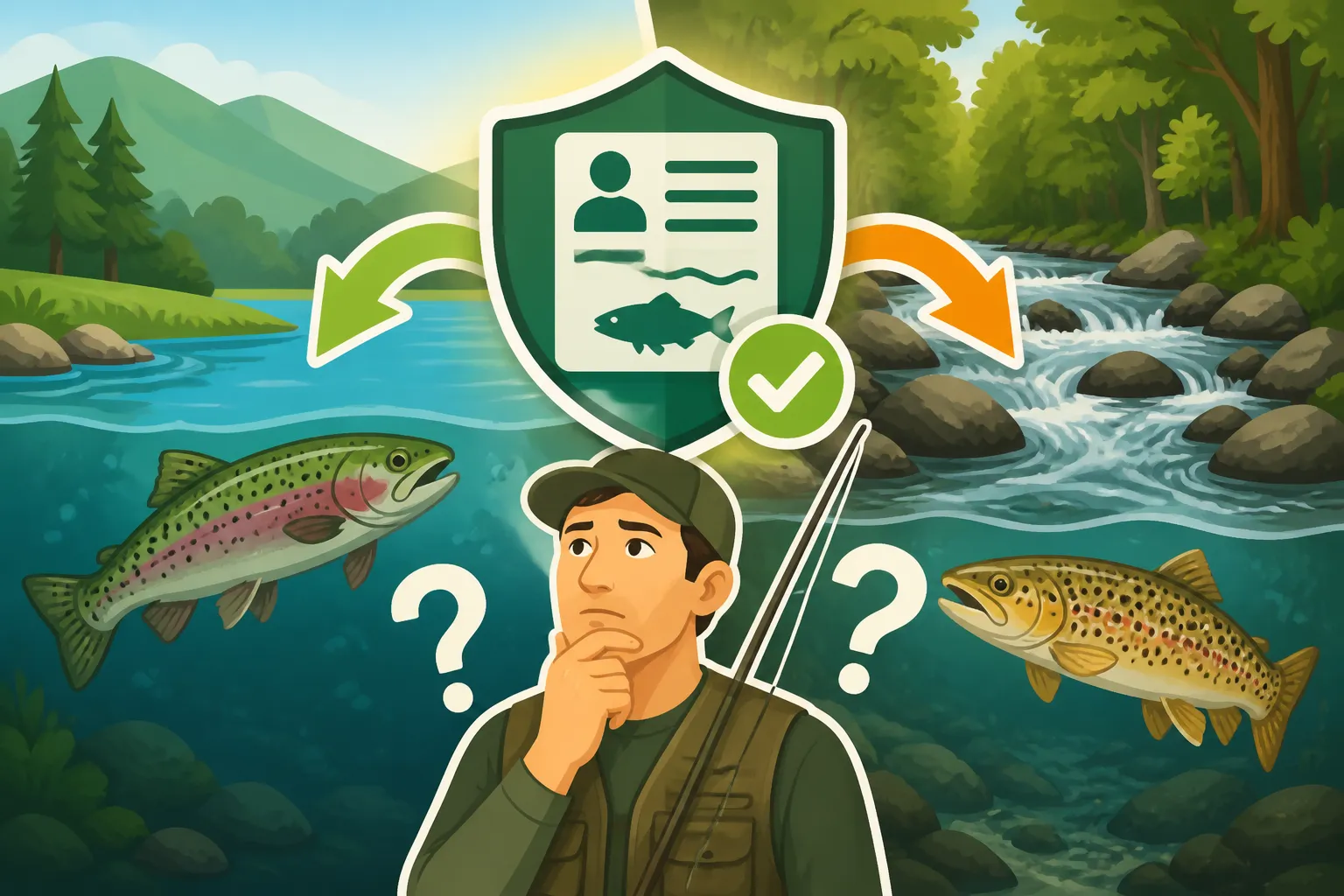
Does the Stocked Trout License Cover Wild Trout Streams Too?
It's a common and totally valid question that trips up a lot of anglers in Virginia: does that stocked trout license you picked up actually cover you when you decide to explore those serene, trickling wild trout streams? The world of trout fishing in Virginia can feel like it has a few too many rulebooks, each with its own quirks, and the distinction between stocked and wild waters is probably one of the biggest points of confusion. This guide is here to untangle that knot, so you can confidently cast your line in the right waters with the right permissions.
Understanding Virginia's Trout Fishing Landscape
Virginia is truly blessed with a diverse range of fishing opportunities, and trout are certainly a highlight. However, not all trout waters are created equal, and understanding the fundamental differences between them is the first step in making sense of the licensing requirements. It’s not just about where the fish are; it’s about how those fish got there and how the state manages them.
The Distinct Worlds of Stocked vs. Wild Trout
When we talk about "stocked trout waters," we're referring to rivers, streams, and even some lakes that the Virginia Department of Wildlife Resources (DWR) regularly replenishes with hatchery-raised trout. These fish are grown in controlled environments and then released into designated waterways, often to provide readily accessible fishing opportunities, especially in areas closer to population centers. Think of places that get a fresh batch of rainbow, brown, or brook trout every few weeks or months during certain seasons. These waters are often easier to access, might see higher angler pressure, and are managed to provide a "put-and-take" fishery, meaning anglers are encouraged to harvest their catch.
Wild trout waters, on the other hand, are an entirely different beast. These are streams, typically in the cooler, higher elevations of Virginia's mountains, where trout populations are self-sustaining. The fish you catch in these waters were born there, grew up there, and are part of a delicate natural ecosystem. They haven't seen a hatchery in their lives. Fishing for wild trout often means hiking into more remote areas, navigating challenging terrain, and encountering fish that are usually smaller, warier, and more of a test of skill. These streams are managed for conservation and sustainability, often with stricter regulations to protect the natural reproduction cycle.
This distinction isn't just academic; it's the very foundation upon which Virginia's trout fishing regulations are built. The DWR manages these two types of fisheries with different goals in mind, which directly translates to how they require anglers to be licensed and what rules they must follow. Ignoring this difference can lead to unintended violations, which is the last thing any of us want when we're trying to enjoy a peaceful day on the water.
Why Separate Licenses and Regulations Exist
The primary reason for separate licensing and regulatory frameworks for stocked versus wild trout boils down to funding and conservation goals. Stocked trout programs, while immensely popular and providing a fantastic angling experience for many, are expensive to run. Hatcheries, feed, transportation, and the personnel required to manage these programs all come with a significant price tag. The additional "stocked trout license" or "trout license" endorsement that anglers purchase directly contributes to funding these operations, ensuring that the DWR can continue to provide robust stocking programs year after year. It's a user-pay system that benefits those who enjoy fishing these particular waters.
For wild trout streams, the focus shifts from providing recreational harvest to conserving natural resources. These delicate ecosystems and their self-sustaining trout populations are vulnerable to overfishing, habitat degradation, and climate change. Rather than requiring a separate fee-based license, which wouldn't directly contribute to the stocking costs, the state implements stringent regulations on these waters. These regulations—like reduced creel limits, minimum size requirements, and specific gear restrictions—are designed to minimize impact, protect spawning fish, and ensure the long-term health and viability of the wild trout populations. It's about protecting a natural treasure for future generations.
So, while it might seem like extra hoops to jump through, these distinct approaches are essential for managing Virginia's diverse trout fisheries responsibly. They ensure that the recreational opportunities are sustained while also safeguarding the natural heritage of our wild streams. Knowing which type of water you're heading to is half the battle won in understanding your license requirements.
Deciphering Virginia's Trout License Requirements
Alright, let's get down to brass tacks: what paperwork do you actually need to legally fish for trout in the Old Dominion? It's not as complex as it might seem once you understand the basic structure. Virginia's system uses a base fishing license and then adds specific endorsements for certain activities, and trout fishing is definitely one of those.
What a Basic Virginia Fishing License Covers (and Doesn't)
First things first, no matter what kind of fish you're after in Virginia, whether it's a largemouth bass, a panfish, or even a catfish, you're going to need a basic Virginia fishing license. This is your fundamental permission slip from the state to engage in recreational fishing. It's the cornerstone of all angling activities here. This license covers the vast majority of fishing in both freshwater and saltwater (though a separate saltwater license or a combination license might be more appropriate for coastal fishing). You can grab one online through the DWR website or from hundreds of license agents across the state, including many sporting goods stores and even some big-box retailers. For more details on the general requirements, check out How to Get a Fishing License in Virginia.
However, this general fishing license, while incredibly important, doesn't cover everything. Think of it as your driver's license: it lets you drive a car, but it doesn't automatically mean you can drive a semi-truck or operate a motorcycle without additional endorsements. Fishing is similar; certain activities, like specific types of hunting or, indeed, fishing for stocked trout, require an extra endorsement on top of your basic license. It's this distinction that often trips up even seasoned anglers who are new to trout fishing in Virginia.
The Virginia Stocked Trout License: Your Key to Hatchery Waters
If your angling dreams involve heading to one of Virginia's many designated stocked trout waters – those streams and lakes that the DWR regularly fills with hatchery-raised fish – then yes, you absolutely need a specific "stocked trout license" or "trout license" endorsement. This endorsement is purchased in addition to your basic Virginia freshwater fishing license. It's not a standalone license; it's an extra privilege you add on to your existing base license. This extra fee goes directly to supporting the DWR's trout stocking program, covering the costs of raising and transporting hundreds of thousands of trout across the state each year. Without this endorsement, even if you have your basic fishing license, you are not legally permitted to fish in waters designated as "stocked trout waters" during the official stocked trout season. For a deeper dive into these requirements, you can read Stocked Trout License Requirements in Virginia.
So, let's be crystal clear: if you're planning a trip to a heavily managed stream that the DWR announces regular stockings for, or any body of water explicitly listed as a stocked trout stream, you need both your basic fishing license and the stocked trout endorsement. This applies whether you're fly fishing, spin fishing, or using bait. The endorsement is about the water you're fishing and the source of the fish there, not your technique. Missing this step could lead to an unfortunate encounter with a game warden, which no one wants. Checking the DWR's annual fishing regulation guide is crucial, as they clearly delineate which waters are considered stocked trout waters. You can often find a physical copy at your local sporting goods store or easily download a PDF from the DWR website.
Fishing for Wild Trout: No Special Endorsement, But Different Rules
Here's the core answer to the burning question: no, the "stocked trout license" endorsement is NOT required to fish in designated wild trout streams in Virginia. Your basic Virginia freshwater fishing license is generally sufficient to legally fish these beautiful, often remote, waters. You don't need to purchase a separate endorsement specifically for wild trout, which is a common misconception. This is because, as we discussed, these waters are managed for conservation of naturally reproducing fish, not for a "put-and-take" fishery funded by stocking fees. The financial support for managing wild trout habitat and enforcing regulations often comes from general fishing license sales and other conservation funds. For a general overview of all license costs, refer to Virginia Fishing License Costs and Types Explained.
However, and this is a huge "however," while you don't need a separate license for wild trout, these streams come with a very specific and often much stricter set of regulations than stocked waters. It's easy to fall into the trap of thinking "no extra license, no extra rules," but nothing could be further from the truth. The DWR protects wild trout populations through incredibly detailed and often restrictive rules regarding creel limits, minimum size, and even the type of tackle you can use. So, while your wallet might be a little lighter without that extra endorsement fee, your responsibility to know and follow the rules becomes even heavier. These rules are in place to ensure these fragile ecosystems thrive, and they are rigorously enforced. Always consult the DWR's latest regulations, as they can vary significantly from one wild trout stream to another. You can usually find the specifics under sections dedicated to "Special Regulation Waters" or "Wild Trout Streams" in the annual DWR fishing guide.
Navigating the Nuances of Wild Trout Stream Regulations
Okay, so you know you don't need that extra stocked trout endorsement for wild trout streams, but you do need to be intimately familiar with the specific regulations that apply. This is where many anglers, especially those new to wild trout fishing, can get tripped up. The rules for wild trout are designed to protect these naturally reproducing populations, which are far more sensitive to fishing pressure than their hatchery-raised cousins.
Length and Creel Limits: Protecting Fragile Populations
One of the most significant differences you'll encounter on wild trout streams compared to stocked waters is in the length and creel limits. Generally, wild trout streams have a minimum length requirement that is often higher than what you might find in stocked areas. For instance, many designated wild trout streams in Virginia enforce a 7-inch minimum length limit. This means any trout you catch that measures less than 7 inches must be immediately released unharmed. This rule helps ensure that younger fish have a chance to grow and reproduce, contributing to the self-sustaining nature of the fishery. Wild Trout Stream Rules in Virginia provides more depth on this.
Additionally, creel limits (the number of fish you can keep per day) are typically much lower on wild trout streams. While a stocked water might allow for a daily limit of 6 or even more fish, many wild trout streams will restrict you to a limit of 2 or 3 fish per day, if harvest is allowed at all. In some cases, specific wild trout stream sections are designated as "catch-and-release only" or "trophy trout" waters, where no harvest is permitted regardless of size. These reduced limits are a critical conservation tool, limiting the overall impact of anglers on the population and promoting a more sustainable fishing experience. It's vital to check the specific regulations for the exact stream section you plan to fish, as these numbers can vary.
Gear Restrictions and Angler Ethics
Beyond length and creel limits, many wild trout streams in Virginia also come with strict gear restrictions. It's not uncommon to find sections designated as "fly-fishing only," meaning you can only use artificial flies and a fly rod. Other streams might be "artificial lures only," prohibiting the use of natural bait like worms, corn, or powerbait. These restrictions are put in place for a couple of reasons: primarily, they reduce the mortality rate of released fish. Fish that swallow a bait hook are far more likely to be mortally wounded than those caught on an artificial fly or lure with a single, barbless hook. When choosing tackle, consider visiting a local shop or browsing online platforms like Amazon for appropriate single, barbless hooks.
Furthermore, some regulations might even specify "single-hook artificials only" or encourage the use of barbless hooks. These rules are all about minimizing harm to the fish you intend to release, which, let's be honest, is most of them when you're fishing wild trout. Angler ethics play a huge role here too. Even if not explicitly mandated, practicing catch-and-release with care – minimizing handling time, keeping fish in the water as much as possible, and using wet hands – is paramount for the health of these fragile populations. These streams are wild treasures, and it's up to us to treat them with the utmost respect.
Finding the Right Information for Specific Wild Trout Waters
Given the variability of regulations, simply knowing "it's a wild trout stream" isn't enough. You absolutely must consult the most current Virginia DWR fishing regulations guide before heading out. This guide, available online and at license agents, details every special regulation water, including specific wild trout stream sections, their unique length limits, creel limits, and any gear restrictions. Ignorance of the law is never an excuse, and game wardens are diligent in enforcing these rules to protect our natural resources.
The DWR website is your best friend here, often providing maps and detailed descriptions of each section. Pay close attention to any stream segment that is specifically listed, as regulations can literally change from one bridge crossing to the next on the same river. For example, the upper reaches of a river might be designated wild trout, while a lower section might be stocked or have general regulations. It's on you, the angler, to know exactly where you are and what rules apply. This is a good time to double-check Virginia Fishing Regulations Explained for general rules, and then dig into the specifics for your chosen wild trout destination.
Practical Tips for the Virginia Trout Angler
So, you're ready to hit the water, whether it's for some easy-to-access stocked trout or the challenge of wild native fish. Regardless of your preference, a few practical tips can make your outing more enjoyable, legal, and ultimately, more successful. Being prepared isn't just about having the right lure; it's about having the right mindset and the right information.
Always Double-Check Regulations
I know I've stressed this already, but it bears repeating: always double-check the current Virginia DWR fishing regulations before every trip, especially if you haven't fished a particular water in a while or if you're exploring a new area. Rules can and do change, sometimes annually, sometimes mid-season if fish populations require it. What was legal last year might not be this year, or what applies to one section of a river might not apply to another. The DWR website is always the most up-to-date source.
It can feel a bit frustrating, I get it. You just want to fish! But taking a few minutes to review the online guide or quickly scan the physical booklet can save you a lot of headache, and potentially a fine. Trust me, a citation for an unknown regulation is a terrible way to end a fishing trip. Consider downloading the DWR Go Outdoors VA app if available for on-the-go access to regulations, which can be a lifesaver when you're out on the water. For overall guidance, consider reviewing the comprehensive Virginia Fishing License Guide.
Essential Gear for Both Worlds
While the type of trout you're targeting dictates specific gear choices, some essentials remain constant for any trout angler in Virginia. First and foremost, you need your valid Virginia fishing license and any required endorsements (like the stocked trout license if you're in stocked waters). Keep them easily accessible – either a printed copy, your physical card, or a digital version on your phone that you can display. A good pair of polarized sunglasses is also invaluable for spotting fish and reading the water, regardless of the stream type.
For stocked trout, gear can be a bit more forgiving. A light-action spinning rod with 4-6lb test line is perfect. A variety of baits like PowerBait, corn, worms, or small spinners and spoons from brands easily found on Amazon will often entice these hungry fish. Waders or waterproof boots are highly recommended, as is a small creel or stringer if you plan to keep your catch.
For wild trout, your approach needs to be more refined. Lighter tackle is usually preferred, often a 2-4 weight fly rod or an ultralight spinning rod with 2-4lb test. If artificial lures are allowed, small inline spinners or tiny stick baits are effective. If it's fly-fishing only, you'll need a selection of appropriate flies (dry flies, nymphs, streamers) for the season and conditions. A small net with a rubberized mesh is excellent for quickly and safely landing and releasing fish. Many dedicated fly shops or even a quick search on Amazon can help you find gear suitable for wild trout streams. Remember, the focus here is often on presentation and stealth. Exploring articles like Fly Fishing for Trout on Rivers can offer great insight into proper gear and techniques.
Respecting the Resource
Whether you're after a limit of hatchery trout or the elusive wild brook trout, respecting the resource is paramount. This means practicing "Leave No Trace" principles: pack out everything you pack in, and perhaps even pick up a piece of litter or two you find along the way. Be mindful of stream banks and fragile vegetation, especially in those pristine wild trout areas.
For wild trout in particular, handle them with care if you're releasing them. Keep them in the water as much as possible, use wet hands to minimize damage to their protective slime coat, and revive them gently before letting them swim away. Ethical angling practices ensure that Virginia's fishing heritage remains vibrant for all of us, now and in the future. Remember, we're all stewards of these incredible natural environments. You can learn more about general fishing rules in Virginia Fishing Rules Every Angler Should Know.
Here's a quick comparison of the two trout fishing experiences:
| Feature | Stocked Trout Fishing | Wild Trout Fishing |
|---|---|---|
| Primary Goal | Recreational harvest, accessible angling | Conservation, challenging sport, natural experience |
| License Requirement | Basic VA Fishing License + VA Stocked Trout License endorsement | Basic VA Fishing License (no specific wild trout endorsement) |
| Typical Location | More accessible rivers, streams, lakes; often near towns | Remote, higher elevation mountain streams |
| Fish Size | Often larger, more uniform hatchery fish | Generally smaller, native fish |
| Fish Behavior | Less wary, accustomed to human presence | Highly wary, easily spooked |
| Creel Limit | Higher daily limits (e.g., 6 per day) | Lower daily limits (e.g., 2-3 per day), often catch-and-release |
| Minimum Length | Varies, often lower or no minimum for general harvest | Often 7 inches minimum or catch-and-release only |
| Gear Restrictions | Generally few, bait often allowed | Common (fly-fishing only, artificial lures, single barbless hooks) |
| Seasonality | Heavily influenced by stocking schedules, official season dates | Less about stocking, more about water temperature and natural cycles |
| Challenge Level | Moderate, focused on finding stocked areas | High, focused on stealth, presentation, and fish location |
Disclaimer
This article is for general informational purposes only and does not constitute professional advice. Laws, prices and regulations vary by location and change over time. Consult a qualified professional for guidance on your specific situation.