How Big Do Striped Bass Get in Virginia’s Tidal Rivers?
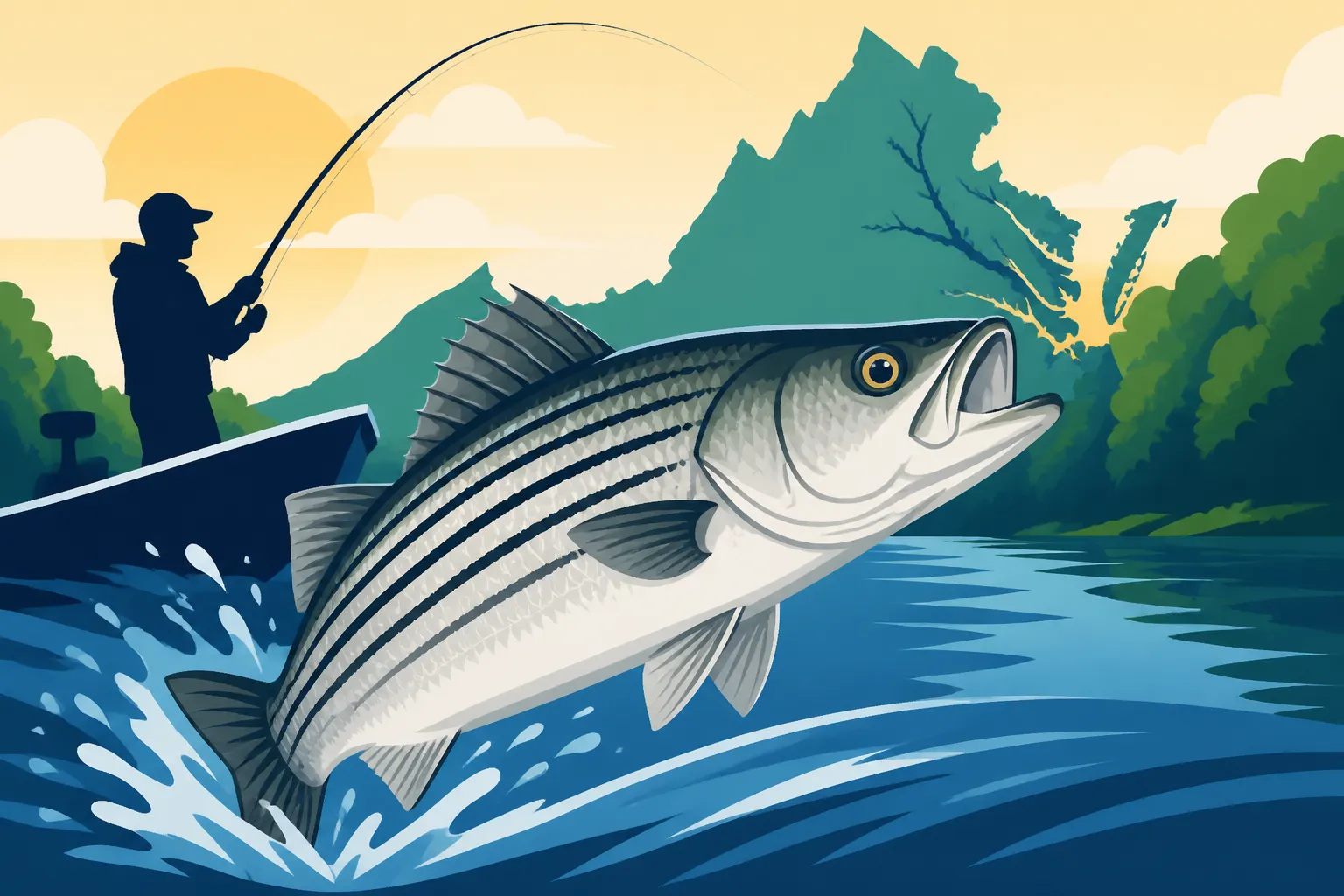
It's a question every Virginia angler has pondered, especially when they're casting a line into one of our famous tidal rivers: just how big do these striped bass really get? There's nothing more frustrating than hearing whispers of monster fish but not knowing what a realistic expectation is for your own pursuit. This guide is here to cut through the chatter, offering a real-world look at the size potential of striped bass, often affectionately called "rockfish," in Virginia's productive tidal river systems.
Understanding Virginia's Striped Bass (Rockfish) Population in Tidal Rivers
Virginia's tidal rivers are teeming with life, and for many anglers, the striped bass is the undisputed king. These powerful, silver-sided fish are a prized catch, not just for their fighting spirit but also for their size potential. But it's important to understand the dynamics of these populations, as they can differ from their ocean-dwelling cousins.
The Lure of Tidal Rivers for Striped Bass
Our tidal rivers, like the James, York, Rappahannock, and Potomac, are crucial habitats for striped bass. They serve as vital spawning grounds in the spring, drawing in fish from both the Chesapeake Bay and the Atlantic Ocean. Once the spawning is done, many stripers linger, taking advantage of the abundant food sources and diverse bottom structures these rivers offer. This makes them a prime target for anglers hoping to hook into something substantial. It's a unique environment where freshwater meets saltwater, creating a brackish paradise that these fish thrive in, offering both sanctuary and a buffet. The ebb and flow of the tides bring in fresh food and oxygen, stimulating feeding activity and making these areas incredibly dynamic for fishing.
General Size Expectations for Riverine Stripers
When you're fishing Virginia's tidal rivers, you're primarily going to encounter striped bass that range anywhere from schoolie size (under 18 inches) up to around 30-35 inches. These are fantastic fish, offering a strong fight and often plentiful action. While it's true that the absolute giants, the truly world-class, 50-pound-plus specimens, are more commonly associated with the open waters of the Chesapeake Bay or the Atlantic coast during migrations, don't let that discourage you. Our tidal rivers absolutely hold some impressive fish, especially during the spring spawning run and the fall migration. Many anglers regularly pull 20-pound-class fish from these rivers, and a 30-pounder is certainly within the realm of possibility on a good day with the right techniques.
Virginia's Striped Bass Slot Limit and How It Affects Your Catch
Conservation is key when it comes to managing our striped bass fishery, and Virginia implements specific regulations to protect these valuable fish. A major tool for this is the slot limit. Currently, anglers fishing in Virginia's waters, including the tidal rivers, can generally keep one striped bass per person per day, provided it falls within a specific size window. This is typically between 28 and 31 inches total length. This means that fish smaller than 28 inches and larger than 31 inches must be immediately released.
This regulation directly impacts what you can legally take home, but it's designed to protect both the younger, growing fish and the older, larger breeding stock. So, if you hook into a truly massive striper in a tidal river that measures over 31 inches, you'll have the thrill of the fight and the pride of releasing a potential trophy back into the ecosystem to spawn another day. It might be disappointing not to keep a truly huge fish, but understanding that this helps sustain the fishery for future generations makes it a little easier to swallow. You can find more specific details on Virginia's Striped Bass Slot Limit: 28 to 31 Inches.
Factors Influencing Striped Bass Size in Tidal Environments
The size a striped bass attains in Virginia's tidal rivers isn't just a matter of luck; it's a complex interplay of environmental conditions, food availability, and the fish's own life cycle. Understanding these factors can give you a real edge in predicting when and where you might encounter larger fish.
Food Availability and Habitat Quality
Simply put, bigger fish need more food, and our tidal rivers deliver. These waterways are incredibly fertile, acting as nurseries and feeding grounds for a huge variety of baitfish, crustaceans, and other aquatic life. Menhaden, alewives, shad, and various species of herring are particularly abundant, providing a rich protein source for growing stripers. A river system with a healthy baitfish population is naturally going to support larger game fish.
Beyond just food, the quality of the habitat plays a huge role. Tidal rivers offer a diverse underwater landscape: deep channels, submerged structure like fallen trees and old pilings, oyster reefs, mudflats, and sudden drop-offs. These features provide ambush points, shelter from strong currents, and thermal refuge, all of which contribute to a striper's ability to grow large and survive. A healthy ecosystem is a thriving ecosystem, and that means bigger, healthier fish.
Age and Growth Rates of Tidal River Stripers
Like all fish, striped bass grow throughout their lives, but their growth rate isn't uniform. Factors like genetics, water temperature, and, of course, consistent food availability all play a part. In general, a striped bass can live for many years, with some older fish reaching impressive sizes. However, stripers in tidal rivers, especially those that spend a significant portion of their lives there, might have slightly different growth patterns than their ocean-migrating counterparts.
A 20-pound striper caught in a tidal river might be several years old, having successfully navigated numerous seasons, spawns, and feeding cycles. The fish you're catching in the 28-31 inch slot limit are typically robust, mature individuals that have had a few years to pack on the pounds. It takes consistent feeding and a bit of luck to avoid predators and anglers to reach the top end of the size spectrum.
Seasonal Migrations and Their Impact on Size Diversity
Virginia's tidal rivers are like a revolving door for striped bass, especially during their migratory periods. In the spring, larger, mature fish, often referred to as "spawners," push upriver from the Chesapeake Bay and the Atlantic Ocean to reproduce. This is a prime time when some of the biggest stripers of the year can be found in the upper reaches of our tidal systems. These fish are driven by an ancient biological imperative, making them both predictable in their movements and exciting targets for anglers.
After the spring spawn, many of these larger fish will eventually drop back downriver and disperse into the Bay or move offshore. However, a significant number of resident stripers, as well as younger fish, will remain in the tidal rivers throughout the summer and into the fall. The fall migration often brings another influx of larger fish as they stage for their winter grounds or move through the rivers on their way south. Knowing when these migrations occur is critical for targeting larger fish. For instance, Virginia Striped Bass Season Dates January Through March and Virginia Striped Bass Season Reopens May 16 outline key periods when these migrations are most active.
Targeting Bigger Striped Bass in Virginia's Tidal Rivers
While catching any striped bass is a thrill, many anglers dream of landing a true "hawg" from a tidal river. To increase your chances, it's not just about being in the right place, but also using the right tactics and gear.
Best Times and Locations for Trophy Potential
If you're truly after a big tidal river striper, timing is everything. The spring spawning run, typically from March through May, is arguably the best window. This is when the largest fish, heavy with roe, are concentrated in the upper tidal reaches of rivers like the James, Rappahannock, and Potomac. They're often less aggressive while spawning but can be targeted as they move up and down with the tides.
The fall (October-December) is another fantastic period, as stripers gorge themselves in preparation for winter, often following massive schools of baitfish. During this time, you might find them in various parts of the river, from the deeper channels to shallower flats near structure. Specific deep holes, sudden channel bends, and areas around bridges or major creek mouths are always good bets. Places like the lower James River near Hopewell or the Rappahannock around Port Royal are historically productive. Sometimes, just knowing the local nuances can make all the difference, so talk to local bait shops or seasoned anglers.
Gear and Techniques for Larger Stripers
To tackle larger tidal river stripers, you'll want to step up your tackle from what you might use for smaller schoolie fish. A medium-heavy to heavy action spinning or baitcasting rod, paired with a reel capable of holding a good amount of 20-30 pound braided line, is a solid starting point. This gives you the backbone to turn a big fish and handle the strong currents.
Lures should mimic the larger baitfish prevalent in the rivers. Large soft plastic paddle tails, swimbaits (often 6-8 inches long), lipless crankbaits, and big topwater plugs can all be effective. During the spring, live bait, such as herring or gizzard shad, can be incredibly productive when drifted through deep channels or presented near structure. Many anglers source their gear, from heavy-duty reels to a wide array of swimbait options, from online retailers like Amazon, or their trusted local tackle shop. Remember, the presentation is often more important than the exact lure. Whether you're trolling, casting, or live-lining, adjust your technique to the conditions and the fish's mood. For those looking for more specific bait advice, check out Best Bait for Striped Bass in Chesapeake Bay – many of those same principles apply to tidal river fishing. Trolling can also be a highly effective method, especially in deeper channels. You can learn more about this in How to Troll for Striped Bass in Deep Water.
The Importance of "Catch and Release" for Big Fish
Landing a giant striped bass from a tidal river is an unforgettable experience, but it comes with a responsibility: proper catch and release, especially for fish outside the slot limit or those you don't intend to keep. The larger, older striped bass are often the most prolific breeders, so releasing them ensures they can contribute to future generations.
Here are a few tips for responsible release:
- Minimize Fight Time: Use appropriate tackle to bring the fish in quickly, reducing exhaustion.
- Handle With Care: Avoid touching the fish's gills or eyes. Support its belly, especially if it's a large fish.
- Wet Your Hands: Always wet your hands before touching a fish to protect its slime coat.
- Remove Hooks Gently: Use de-hookers or pliers to remove hooks quickly. If deeply hooked, cut the line as close to the hook as possible.
- Revive If Needed: If the fish seems sluggish, hold it gently in the water, facing into the current, until it regains strength and swims off on its own.
Practicing these techniques ensures that those magnificent fish live to fight another day, contributing to the health and sustainability of Virginia's striped bass populations.
Real-World Expectations and Record-Setting Fish
It's easy to get caught up in the tales of legendary catches, but having a grounded understanding of what to expect, and what truly constitutes a "trophy" in the tidal rivers, will make your fishing trips more enjoyable.
Average vs. Exceptional Catches in Tidal Rivers
While the dream is always to land a monster, the reality for most anglers in Virginia's tidal rivers is a fantastic day catching stripers in the 20-30 inch range. These are strong, healthy fish that provide excellent sport. An "exceptional" catch in a tidal river might be a fish pushing 35-40 inches, especially if caught during the spring spawning run. These are true heavyweights for river systems and would be considered a significant accomplishment.
To give you a clearer picture, here's a general breakdown:
| Size Class | Typical Length Range (Inches) | Description |
|---|---|---|
| Schoolie | < 20 | Abundant, great for action, often year-round residents. |
| Keeper/Slot | 28 – 31 | Legal to keep (check current regulations), good fighting fish, common. |
| Large River Fish | 32 – 38 | Very strong fighters, often spawners or migrating fish, excellent catch. |
| Trophy River Fish | 39+ | Rare for river systems, usually large migrating fish, true bragging rights. |
Remember, consistency often trumps pure size. Having a day with multiple 25-30 inch stripers can be just as thrilling, if not more so, than one huge fish that gives you a brief fight before throwing the hook.
Virginia State Records and Tidal River Giants
While the Virginia state record for striped bass typically comes from the open waters of the Chesapeake Bay or the Atlantic, often during the peak migratory periods, our tidal rivers contribute significantly to the overall fishery. The largest fish, like the Biggest Striped Bass Ever Caught in Virginia, usually weigh well over 60 pounds, a size rarely, if ever, seen far upriver. These are fish that have spent years out in the ocean, feeding voraciously.
However, anglers regularly catch stripers in the 30-40 pound class from the tidal rivers during prime seasons. These aren't state records, but they are absolutely personal bests for many, and rightfully so. The challenge of hooking and landing such a powerful fish in the relatively confined, structured environment of a river system adds an extra layer of accomplishment. Don't underestimate the potential for a personal best in these waters; every cast holds the possibility.
The Role of Online Resources and Local Shops
Staying informed is one of the best ways to improve your chances of catching bigger fish. Local tackle shops are invaluable resources, offering real-time reports on what's biting, where, and on what tackle. The folks behind the counter often have decades of experience and are happy to share their knowledge.
Online, you'll find a wealth of information. Fishing forums specific to Virginia, social media groups, and local fishing reports (often posted by charter captains and guides) can provide insights into current conditions and recent catches. Many anglers also use online retailers like Amazon to research and purchase specialized tackle, heavier lines, or specific lures mentioned in reports. Tools like portable fish finders or even high-quality waterproof binoculars, also available on Amazon, can make a difference in locating fish and understanding the water. Combining local wisdom with modern resources can significantly boost your success rate on the water, helping you understand the patterns and behaviors of these magnificent fish.
Disclaimer
This article is for general informational purposes only and does not constitute professional advice. Laws, prices and regulations vary by location and change over time. Consult a qualified professional for guidance on your specific situation.