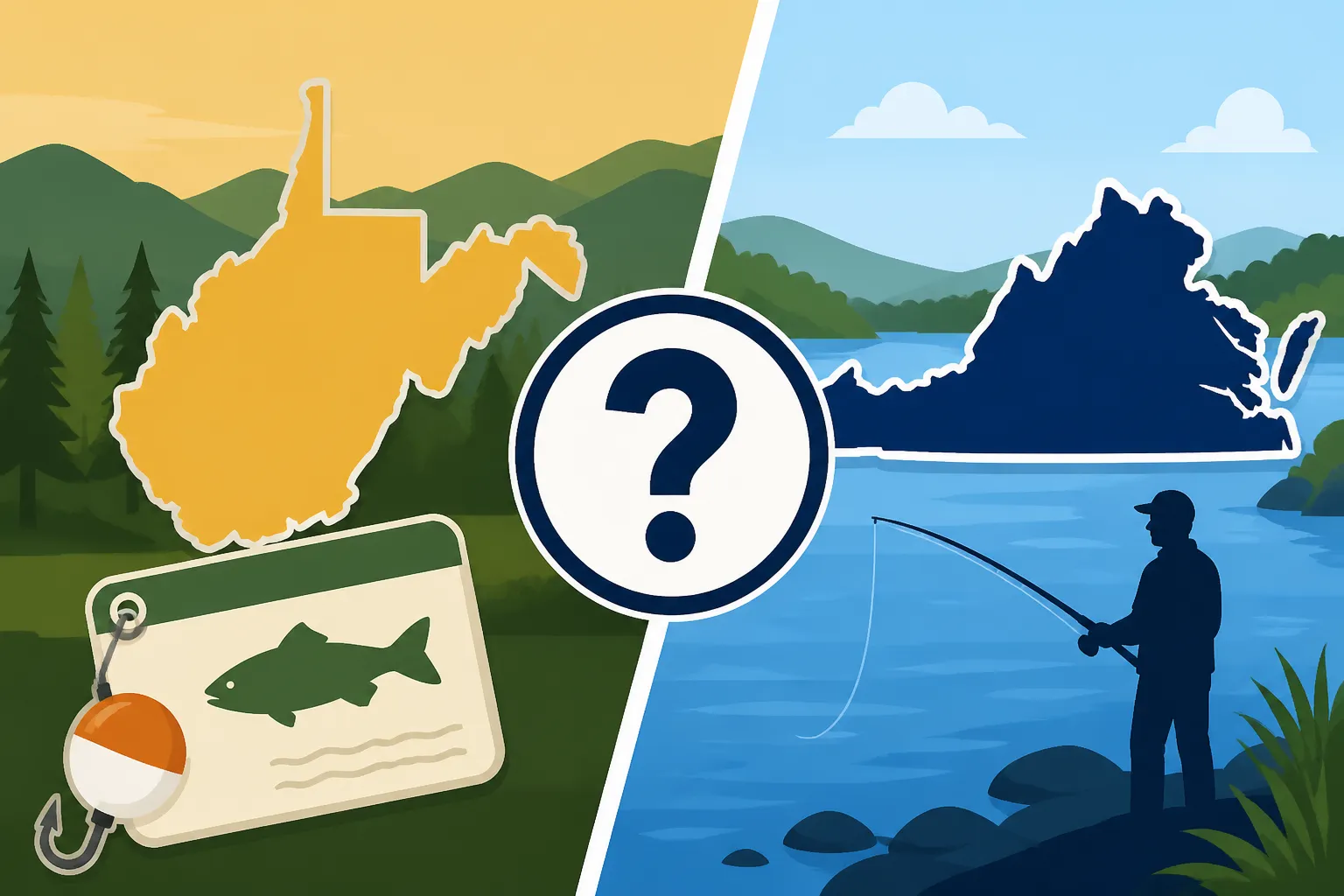
Is a West Virginia fishing license valid in Virginia?
It's a common frustration for anglers, isn't it? You've got your gear, you've scouted a promising spot along a beautiful river or lake, and then you hit a state line, wondering if the fishing license you dutifully bought back home actually covers you here. When it comes to fishing between West Virginia and Virginia, there's often confusion. This guide is here to clear up that mystery, explaining exactly why your West Virginia fishing license won't typically grant you access to Virginia's abundant waters, and what you do need to fish legally.
The Straight Answer: No Reciprocity for Most Waters
Let's get right to it because nobody likes to find out they're on the wrong side of the law while enjoying a peaceful day on the water. In almost all cases, a fishing license purchased in West Virginia is not valid for fishing in the Commonwealth of Virginia. These are two distinct states with their own sets of regulations, their own wildlife departments, and their own licensing systems.
Why State Lines Matter for Fishing Licenses
Think of it this way: when you buy a fishing license, you're not just getting permission to cast a line; you're directly contributing to the conservation efforts, fish stocking programs, habitat restoration projects, and enforcement activities in the state where you bought that license. Each state's Department of Wildlife Resources (or an equivalent agency, like the Virginia Department of Wildlife Resources, or DWR) operates on funds generated, in part, by these license sales.
It makes sense, then, that Virginia wouldn't allow a West Virginia license to be valid across its entire territory. If they did, Virginia's conservation programs wouldn't receive the necessary funding from those out-of-state anglers enjoying their waters. Every state has a vested interest in protecting its natural resources, and licensing is a fundamental part of that system. It's not about making things difficult; it's about responsible management and funding the hard work that keeps our fisheries healthy and thriving for everyone.
The Virginia Department of Wildlife Resources Stance
The Virginia Department of Wildlife Resources (DWR) is pretty clear on this. To fish in Virginia's public freshwater lakes, rivers, or saltwater estuaries and coastal waters, you need a valid Virginia fishing license. There's no blanket agreement with West Virginia that allows their licenses to be used within Virginia's borders. The DWR ensures that the revenue from Virginia-issued licenses supports the specific needs of Virginia's diverse aquatic ecosystems and the species that call them home.
This means that whether you're a resident of West Virginia, Maryland, North Carolina, or any other state, if you plan to fish in Virginia, you'll need to acquire the appropriate Virginia license. This might be a freshwater license, a saltwater license, or a combination of both, depending on where you intend to fish. Understanding the nuances of what your Virginia fishing license covers is key to a hassle-free trip. For a deeper dive into the different options, you might want to check out our comprehensive guide on the Virginia Fishing License Guide.
Understanding Interstate Waters: The Potomac River Exception
Now, before you get too disheartened, there are exceptions to the "one state, one license" rule, especially when states share bodies of water. These are called "interstate waters," and specific reciprocal agreements sometimes apply. However, this is where it gets a little complicated, and it's super important to know the specifics.
Special Rules for Border Waters
Some states that share a border and a significant body of water will have specific, formally negotiated agreements that allow anglers from either state to fish certain sections of that shared water with just one license. These agreements are usually very precise, outlining exactly which stretches of river or which parts of a lake are covered. They're not universal, though, and they certainly don't mean your West Virginia license is suddenly valid throughout all of Virginia.
It's a common misconception that if two states border each other, their fishing licenses automatically become interchangeable on shared waters. That's rarely the case. These agreements are complex and often involve joint management of the fishery in question.
Potomac River Reciprocity Between Virginia and Maryland (and a note on West Virginia)
This is a critical point of confusion for many anglers traveling through the mid-Atlantic. Virginia does have a long-standing reciprocal agreement with Maryland for fishing in the mainstem of the Potomac River and its tidal tributaries. What this means is that if you possess a valid fishing license from either Virginia or Maryland, you are generally permitted to fish these specific waters without needing a license from the other state. This is incredibly convenient for anglers who frequent that region. You can learn more about these specifics in our post on Virginia and Maryland fishing license reciprocity rules.
However, and this is the vital takeaway for West Virginia anglers: this specific reciprocity agreement for the Potomac River does not extend to West Virginia licenses. West Virginia has its own sections of the Potomac River, primarily upstream from the tidal influence. If you're fishing in the mainstem of the Potomac River that borders West Virginia, you need a West Virginia fishing license to fish on the West Virginia side or a Virginia license to fish on the Virginia side (and possibly a Maryland license if you're venturing into their waters). There isn't a comprehensive three-way agreement that lets a West Virginia license function on the Virginia side of the Potomac, nor vice versa, for the purposes of this specific reciprocal rule.
Essentially, while Virginia and Maryland play nicely on the tidal Potomac, West Virginia operates under its own jurisdiction regarding its shared borders. So, if your fishing trip brings you to Virginia waters, you'll need that Virginia license.
What You Need to Fish Legally in Virginia
Since your West Virginia license won't cut it for most of Virginia, let's talk about what you do need to ensure your fishing trip is both enjoyable and legal. It’s actually quite straightforward once you know the ropes.
Virginia's General License Requirements
The primary requirement to fish in any of Virginia's vast freshwater or saltwater environments is a valid Virginia fishing license. The type of license you need will depend entirely on where you plan to cast your line.
- Freshwater Fishing: If you're targeting bass, crappie, catfish, or panfish in Virginia's inland lakes and rivers, you'll need a Freshwater Fishing License. This covers most non-tidal rivers and reservoirs.
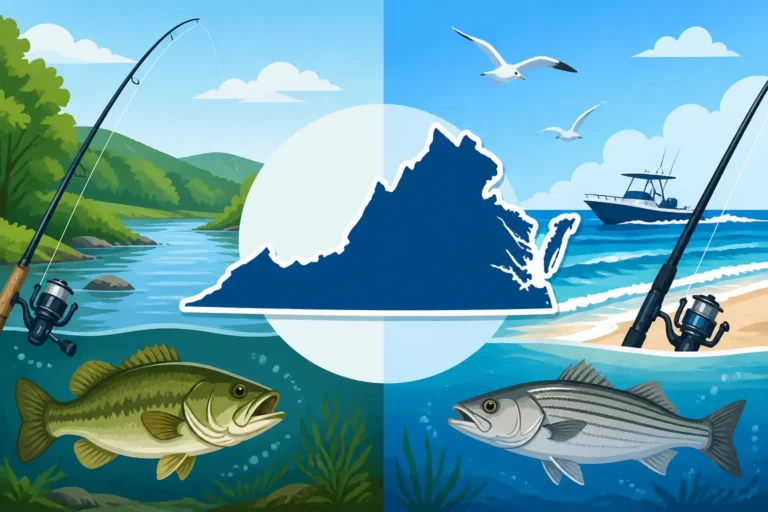
- Saltwater Fishing: For those heading to the Chesapeake Bay, its tidal tributaries, or the Atlantic Ocean, a Saltwater Fishing License is a must. This covers species like striped bass (rockfish), flounder, red drum, and tautog.
- Combination Licenses: For the angler who loves both worlds, a Freshwater and Saltwater Combination Fishing License is often the most cost-effective and convenient option. It covers most scenarios across the state, making planning much simpler. You can get more details on Freshwater and Saltwater Fishing Licenses in Virginia.
- Special Permits: If you plan on fishing in designated stocked trout waters, you'll also need an additional Virginia Trout License in addition to your regular freshwater license. These funds specifically support the stocking efforts that make trout fishing so popular in many of Virginia's mountain streams. Knowing when and where you need this is crucial, and our article on Stocked Trout License Requirements in Virginia can clarify.
How to Easily Obtain a Virginia Fishing License
Getting a Virginia fishing license is incredibly easy and designed to be convenient for both residents and non-residents. There are a few primary ways to secure one:
- Online Purchase: The quickest and often preferred method is to purchase your license directly from the Virginia DWR website. The process is user-friendly, and you can usually print a temporary copy of your license immediately. This is super handy if you're planning a last-minute trip or realize you've forgotten to renew. For a step-by-step guide, check out How to Buy a Fishing License Online in Virginia.
- In-Person at Authorized Agents: You can also purchase a license in person at hundreds of authorized license agents located across the Commonwealth. These agents include many sporting goods stores, bait and tackle shops, and some general stores. It's often helpful to buy your license at a local bait shop, as the staff there can also offer invaluable local fishing advice! Our article on Where to Buy a Virginia Fishing License provides more locations.
- By Phone: While less common now with the ease of online purchasing, some states still offer phone options. The DWR website will have the most current information.
Once you've purchased your license, remember to keep it accessible. Whether it’s a printed paper copy or a digital version on your phone, you need to be able to present it if requested by a Virginia Game Warden. Having a physical copy is always a good idea, as phone batteries die and signals can be spotty. Speaking of paper copies, our guide on Printing a paper copy of your Virginia fishing license has tips.
A quick word on gear and brands: While you can't buy a fishing license on a major retail site like Amazon, it's an excellent resource for all the other things you'll need for your Virginia fishing adventure! From fishing rods and reels to tackle boxes, waders, and even detailed fishing maps or books on specific Virginia fishing spots, Amazon can help you stock up before you arrive. Just remember, the official license itself always comes from the state's DWR or an approved vendor.
Here's a quick comparison of general license validity:
| License Type | Valid in West Virginia? | Valid in Virginia? |
|---|---|---|
| West Virginia Resident License | Yes | No (except specific, limited interstate agreements not involving VA) |
| West Virginia Non-Resident License | Yes | No |
| Virginia Resident License | No | Yes |
| Virginia Non-Resident License | No | Yes |
| Maryland License (Potomac River) | No | Yes (on mainstem Potomac and tidal tributaries, by reciprocity with VA) |
(Note: This table summarizes general rules. Always verify current regulations with each state's wildlife agency for the most up-to-date and specific information, especially concerning particular border waters.)
Consequences of Fishing Without the Right License
Nobody wants to get into trouble while trying to relax and enjoy the outdoors. Fishing without the proper license in Virginia is not just a minor oversight; it carries real legal and financial penalties. Game wardens are out there to protect our natural resources and ensure everyone is following the rules, and they take their job seriously.
Penalties and Fines
If you're caught fishing in Virginia waters with only a West Virginia license (or no license at all), you can face significant consequences. The specific penalties can vary depending on the severity of the offense, whether it's a first-time violation, and the discretion of the enforcing officer and the court. However, you should generally expect a fine. These fines can range from a couple of hundred dollars to much more, and they often far exceed the cost of simply buying the correct Virginia license in the first place.
Beyond the monetary fine, there's also the potential for your fishing equipment to be confiscated, and in some cases, you could even lose your fishing privileges in Virginia for a period of time. It's a hassle you definitely want to avoid. Virginia Game Wardens are highly trained and are regularly on patrol, both on the water and along the banks. They have the authority to stop you and request to see your valid fishing license. Our article on Virginia game wardens check for valid fishing licenses on the water gives you a clearer picture of what to expect. They're not out to ruin your day, but rather to enforce the laws that protect the fish populations we all cherish.
The simple truth is that ignorance of the law is generally not considered an acceptable excuse. It's the responsibility of every angler to know and abide by the regulations of the state they are fishing in. Taking a few minutes to secure the correct license online or at a local agent can save you a lot of headache and money. For a comprehensive overview of what can happen, check out our guide on Penalties for Fishing Without a License in Virginia.
Supporting Virginia's Fisheries
Beyond the legal aspect, there's a more philosophical reason to ensure you have the correct Virginia fishing license: you're contributing to the health and future of the very fisheries you're enjoying. Every dollar from a fishing license fee goes directly back into the Virginia DWR's programs.
These programs are vital and include:
- Fish Stocking: Hundreds of thousands of fish, from trout to various bass species, are stocked annually in Virginia's public waters, directly benefiting anglers.
- Habitat Improvement: Funds help restore and protect crucial fish habitats, ensuring healthy spawning grounds and thriving ecosystems.
- Research and Management: Biologists use these funds to study fish populations, understand ecological trends, and make informed decisions that ensure sustainable fishing for generations to come.
- Enforcement: Game wardens, whose salaries and equipment are funded by these fees, ensure that regulations are followed, preventing overfishing and poaching.
- Access and Education: License fees also support maintaining public boat ramps, piers, and fishing access points, as well as educational programs for new anglers and youth.
When you buy a Virginia fishing license, you're not just getting a permit; you're becoming a steward of Virginia's natural heritage. You're directly supporting the efforts that keep the waters teeming with fish and the outdoor lifestyle alive for future generations. It's a small investment for a truly priceless experience, and a fundamental part of How Fishing License Fees Support Wildlife Conservation in Virginia. So, embrace the adventure, but make sure you've got the right paperwork in your pocket! For a broader understanding of all the rules, our comprehensive Virginia Fishing Regulations Explained guide is an invaluable resource.
Disclaimer
Please note that fishing regulations, license requirements, and reciprocal agreements can change. While this guide provides current information based on the most up-to-date knowledge, it is always the angler's responsibility to verify the latest rules and obtain the correct licenses from the official Virginia Department of Wildlife Resources (DWR) or relevant state agencies before fishing.