How to Catch Striped Bass in Cold Water
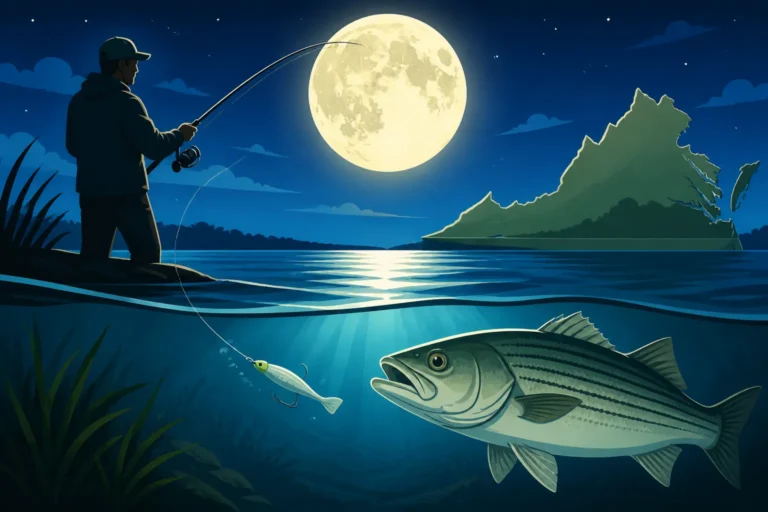
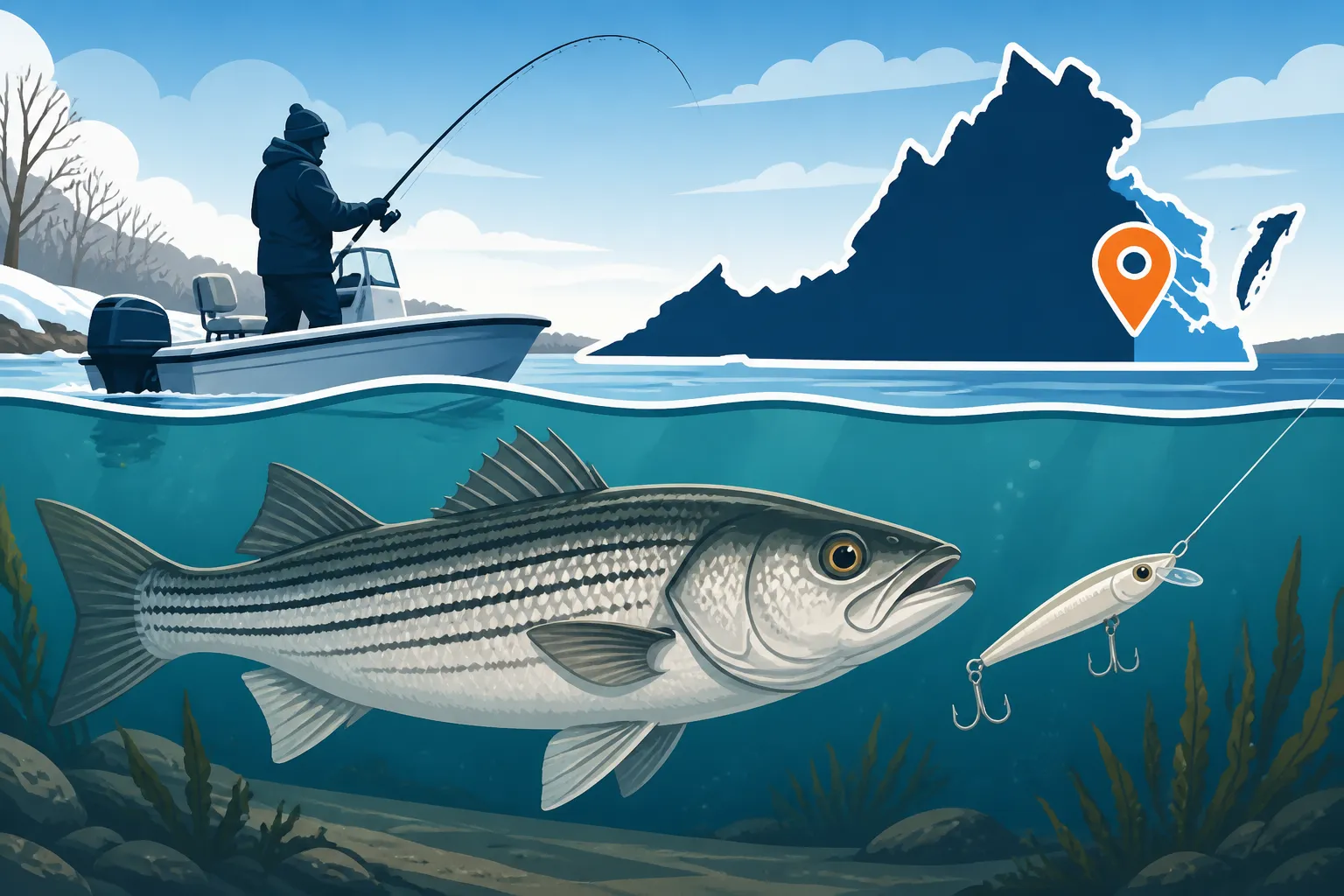
There's a common misconception among anglers that when the mercury drops, so does the chance of a good catch. Many people simply pack away their gear once the chilly winds start to blow across Virginia's waters, thinking the fish have vanished until spring. But for those in the know, winter fishing for striped bass, or "rockfish" as they're often called here in Virginia, can be incredibly rewarding. The truth is, stripers are still out there, often gathered in larger, more predictable schools, and with the right approach, you can experience some truly epic cold water fishing. This guide will walk you through the nuances of targeting these resilient fish when the temperatures plummet, giving you the knowledge and confidence to brave the chill and reel in some impressive catches.
Understanding Striped Bass Behavior in Cold Water
When water temperatures drop significantly, everything in the fish's world slows down. Their metabolism dips, they become less active, and their feeding patterns change dramatically. This isn't to say they stop eating entirely; quite the opposite. They still need to consume calories, but they do so with much less energy expenditure, making them a bit more challenging to entice. Knowing how cold water affects these powerful fish is your first step to success.
Where Stripers Hold in Winter
In colder months, striped bass typically seek out areas where water temperatures are more stable, which often means deeper water. Think about those deep channels, ledges, and drop-offs in the Chesapeake Bay or larger tidal rivers like the James or Rappahannock. These areas offer thermal refuge from fluctuating surface temperatures. They'll also congregate around structures like bridge pilings, submerged wrecks, or oyster reefs, which provide current breaks and ambush points for baitfish that might also be seeking shelter.
Imagine a large school of baitfish, like bunker or shad, pushed into a deep river bend by falling temperatures. The stripers won't be far behind. They'll position themselves strategically, conserving energy while waiting for an easy meal to drift by. This schooling behavior can be a huge advantage for anglers, because when you find one striper, you've often found many. Sometimes, these schools can be so dense they show up like a solid blob on your fish finder. Identifying these deeper, warmer pockets or structural elements where baitfish gather is key to locating winter stripers. Many anglers spend hours just scouting these thermal refuges before even dropping a line.
Feeding Habits in the Chill
Cold water stripers aren't going to chase down a fast-moving lure with the same aggression they would in warmer months. Their feeding windows are often shorter, and their strikes can be incredibly subtle, feeling more like a slight pressure or a "thump" rather than a violent tug. They’re looking for a substantial, easy meal that requires minimal effort to catch. This means your presentation needs to match their sluggish demeanor.
They’re focused on high-protein, energy-rich meals. Large baits, whether live or artificial, that can be presented slowly and deliberately are often the most effective. Forget about hyper-aggressive retrieves or erratic movements; think slow, methodical, and enticing. A cold water striper might slowly mouth a bait before fully committing, so sensitivity in your rod and line becomes incredibly important. You might not get a second chance at a bite, so making that first presentation count, and recognizing even the faintest indication of a strike, is paramount. This shift in behavior also means understanding their seasonal movements; for instance, knowing when Virginia's Split Striped Bass Season Dates Explained means you're fishing when they're most likely to be present and feeding in these patterns.
Essential Gear for Tackling the Cold
Fishing in cold weather isn't just about targeting the fish; it's also about preparing yourself for the elements. Being cold, wet, and miserable will quickly ruin a fishing trip, no matter how good the bite is. Having the right equipment for both you and your tackle box is critical for safety, comfort, and success.
Rods, Reels, and Line Choices
When you're fishing for cold water striped bass, a slightly heavier and more sensitive setup is often beneficial. You’re typically dealing with larger fish, often holding in deeper water, and their bites can be incredibly light. A medium-heavy to heavy power rod, usually between 7 and 8 feet, with a fast action tip, will give you the backbone to handle big fish while retaining the sensitivity to detect those subtle cold water strikes. Graphite rods are excellent for this as they transmit vibrations very well.
Pair that rod with a robust spinning reel in the 4000-6000 size range, or a baitcasting reel with good cranking power. Smooth drags are non-negotiable for handling powerful runs from these impressive fish. For line, a braided main line in the 30-50 lb test range is a popular choice due to its extreme sensitivity and lack of stretch, which helps you feel those light bites in deep water. Always add a fluorocarbon leader of 20-40 lb test, often 4-6 feet long, to the end of your braid. Fluorocarbon is nearly invisible in water and has excellent abrasion resistance, which is vital when fishing around structure. You can find a fantastic selection of these specialized lines and leaders on platforms like Amazon, making it easy to get exactly what you need delivered right to your door before your next trip.
Dressing for Success (and Survival)
This cannot be stressed enough: staying warm and dry is absolutely critical when fishing in cold water conditions. Hypothermia is a real danger, and even mild discomfort can make you lose focus and miss bites. Layering is your best friend. Start with a moisture-wicking base layer (not cotton, which retains moisture), add insulating mid-layers like fleece or down, and top it off with a waterproof and windproof outer shell.
Don't forget extremities! A warm hat that covers your ears is essential, as a significant amount of body heat is lost through the head. Waterproof gloves are a must, ideally with some dexterity for tying knots or handling fish. Thermal, waterproof boots will keep your feet warm and dry, preventing frostbite. Hand warmers, easily tucked into pockets or gloves, can be a game-changer on particularly frigid days. Investing in quality cold-weather gear is an investment in your safety and enjoyment on the water. Many reputable brands offer excellent options, and a quick search on Amazon can reveal a wide range of insulated and waterproof fishing apparel suitable for Virginia's winter conditions. Remember, you can't catch fish if you're forced to leave early because you're too cold.
Proven Techniques for Cold Water Striped Bass
Once you understand how cold water impacts stripers and you’re geared up properly, it’s time to talk tactics. The methods that work in summer likely won't cut it now. You need to adapt your approach to cater to the fish's slower metabolism and lethargic behavior.
Slow and Low Presentation
The golden rule for cold water striped bass is "slow and low." These fish aren't expending a lot of energy chasing down fast-moving prey, so your baits and lures need to be presented in a way that makes them an irresistible, easy target. This often means fishing directly on or very close to the bottom where stripers are likely to be holding in deeper, more stable water.
Jigging is incredibly effective. Use heavy bucktail jigs or soft plastic swimbaits on jig heads, allowing them to sink to the bottom. Then, employ a subtle lift-and-drop retrieve, just enough to impart some action and attract attention without making the fish work too hard. Think about letting the bait pendulum slowly through the water column. Slow trolling can also be deadly, especially when trying to cover ground and locate schools in larger bodies of water like the Chesapeake Bay. Large swimbaits, deep-diving crankbaits, or umbrella rigs can be trolled at minimal speeds, just enough to give them action. When considering How to Troll for Striped Bass in Deep Water, remember that slower speeds are paramount in the cold. It’s a game of patience and precision, allowing the fish ample time to inspect and commit to your offering.
Bait and Lure Selection
Choosing the right bait and lures for cold water stripers is crucial. Live bait is often king in these conditions because it offers natural scent and action that even sluggish fish can't easily ignore. Eels, menhaden (bunker), or large gizzard shad, presented on a simple fish-finder rig or a three-way swivel rig, can be incredibly effective. Drift these baits slowly with the current or position them over known striper haunts. For more on the specifics, check out our guide on Best Live Bait for Striped Bass Fishing.
When it comes to artificials, focus on lures that have a significant profile and can be worked slowly. Large soft plastic paddle tail swimbaits, often 6-9 inches long, rigged on heavy jig heads (1-3 ounces or more depending on depth and current), are phenomenal. Blade baits, with their subtle vibration and flash, can also be retrieved slowly or vertically jigged. Bucktail jigs, a timeless classic, are also excellent, especially when tipped with a piece of soft plastic or a strip of pork rind for added bulk and scent. Darker colors or natural baitfish patterns often work best, as they provide a clearer silhouette in deeper, darker waters. Again, many of these specialized cold-water lures and jigs can be easily purchased through retailers like Amazon, ensuring you have the right tools for the job.
The Importance of Electronics
In cold water, where stripers tend to congregate in deeper, more defined schools, good electronics can be your most valuable tool. A high-quality fish finder is essential for locating these deeper holding areas and identifying bait balls and the stripers lurking beneath them. Don't just look for fish arches; look for dense bait schools and larger, individual marks positioned below or within them.
Modern fish finders with side-imaging or down-imaging capabilities can give you a much clearer picture of the bottom contour and any hidden structure where fish might be staging. Pay close attention to temperature gauges if your unit has one; even a slight temperature difference can attract bait and, in turn, stripers. Understanding your electronics and taking the time to interpret what you see on the screen will dramatically increase your chances of success. It's often said that in cold water fishing, 90% of the fish are in 10% of the water, and electronics help you find that crucial 10%.
Here's a quick comparison of popular cold water striper baits and lures:
| Bait/Lure Type | Description | Ideal Presentation | Key Advantage | Considerations |
|---|---|---|---|---|
| Live Eels | Natural, oily, irresistible to big stripers | Slow drift on bottom rig | Natural action and scent | Can be tricky to handle, expensive |
| Live Menhaden (Bunker) | Fatty, high-protein baitfish | Slow drift or free-line | Strong scent, natural appeal | Can be hard to keep alive, seasonal availability |
| Soft Plastic Swimbait | Large, realistic profile, paddle tail action | Slow retrieve, jigging | Versatile, imitates baitfish | Requires proper jig head weight for depth |
| Bucktail Jig | Classic, versatile lure | Lift-and-drop, slow retrieve | Durable, effective | Best when tipped with soft plastic or pork rind |
| Blade Bait | Metal lure with subtle vibration | Vertical jigging, slow retrieve | Vibrates, flashes, covers water | Can get snagged on bottom easily |
Safety First: Navigating Winter Waters
Fishing in cold weather comes with inherent risks that must be taken seriously. The dangers of cold water immersion and exposure are significant, and being prepared for emergencies is just as important as having the right fishing gear.
Hypothermia and Cold Water Immersion
Hypothermia, a dangerous drop in body temperature, can set in quickly if you're not properly dressed or if you fall into cold water. Even a quick dip in Virginia's winter waters can be life-threatening. Always wear a Coast Guard-approved personal flotation device (PFD) when on the water, especially during cold weather. Modern PFDs are often slim and comfortable, and many are inflatable, so there's no excuse not to wear one. The initial shock of cold water can cause involuntary gasping, leading to drowning, even for strong swimmers.
If you fish from a boat, make sure it's in excellent working order, and always let someone know your float plan – where you're going, when you expect to return, and who is with you. Carry extra dry clothing in a waterproof bag, a fully charged cell phone (in a waterproof case), and a first-aid kit. Prepare for the worst-case scenario, and hope you never need it. It’s always better to be overly cautious when dealing with the unpredictable nature of cold water.
Weather and Water Conditions
Winter weather can change rapidly in Virginia, especially along the coast and on large bodies of water like the Chesapeake Bay. Always check multiple weather forecasts before heading out, paying close attention to wind speed, wind direction, and air temperature, but don't forget the importance of understanding How Water Temperature Affects Fish Feeding. High winds can quickly turn calm waters into dangerous chop, making navigation difficult and increasing the risk of taking on water or capsizing. Ice formation, even thin sheets, can be incredibly hazardous for boaters and impossible for bank anglers.
Avoid going out alone if possible, and if you do, ensure you have reliable communication devices and a means to signal for help. Understanding cold water currents and tides is also vital, as they can quickly move bait and fish, but also create hazardous conditions. A simple gust of wind can quickly turn a calm morning into a dangerous situation, so exercising extreme caution and having a healthy respect for the power of cold water is paramount. Always prioritize safety over the pursuit of a fish. If conditions look questionable, it's always better to stay home and wait for a safer day. Even with a valid Virginia Fishing License Guide, no fish is worth risking your life.
Remember, fishing for stripers in cold water can be incredibly rewarding, offering the chance to catch larger, more concentrated fish with less angler pressure. By understanding their behavior, equipping yourself properly, and employing the right techniques, you can turn a typically quiet time on the water into an exciting and productive fishing adventure. Just be sure to keep an eye on those Virginia Fishing License Costs and Types Explained before heading out, as regulations on catch limits, like How Many Striped Bass Can You Keep in Virginia and Virginia Rockfish Slot Limit 28 to 31 Inches Explained, are still very much in effect, even during the chilliest months.
Disclaimer
This article is for general informational purposes only and does not constitute professional advice. Laws, prices and regulations vary by location and change over time. Consult a qualified professional for guidance on your specific situation.