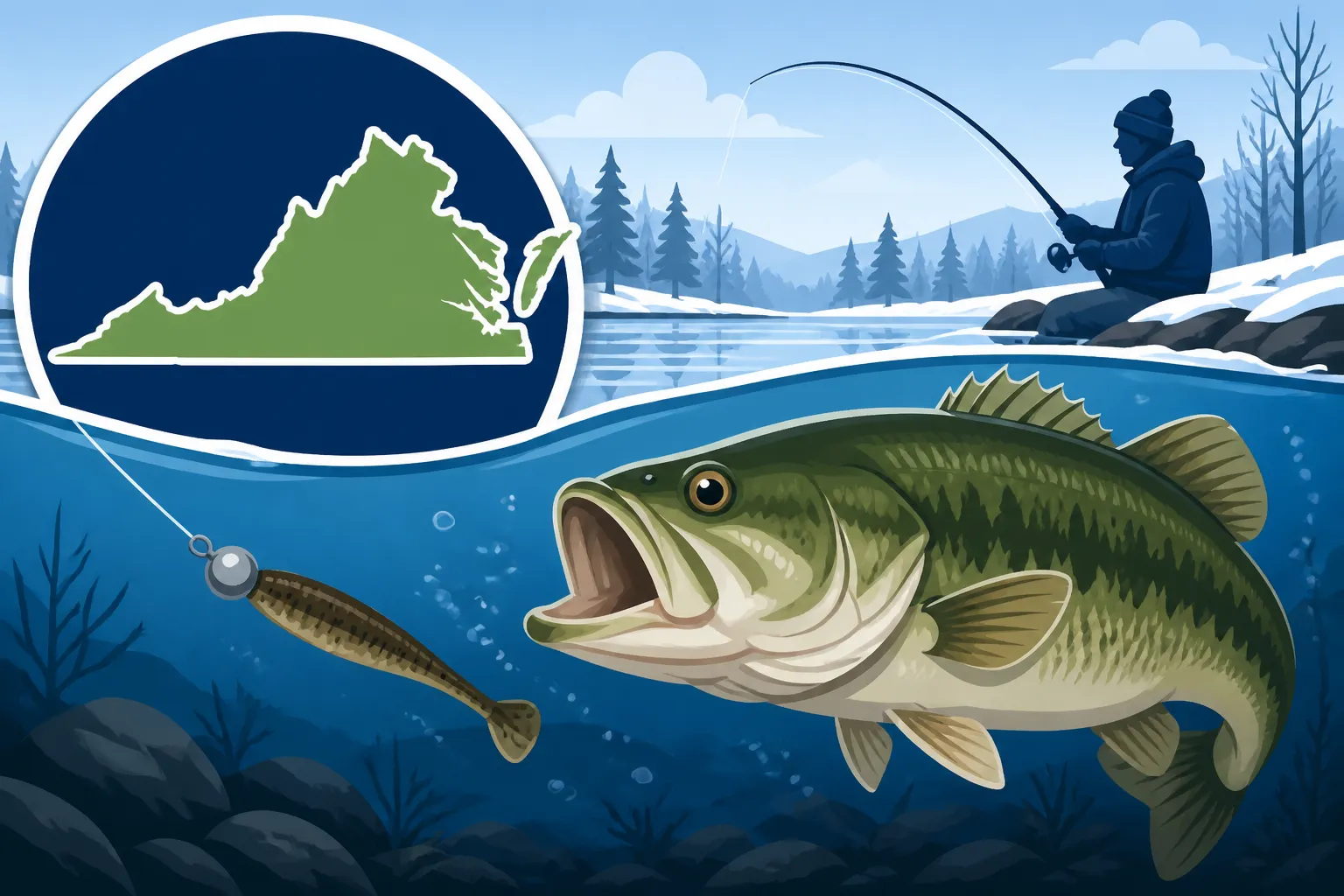
How to Catch Bass in Cold Water
Picture this: the air is crisp, maybe a little too crisp, and your favorite bass fishing spots that were red-hot just a few weeks ago now feel like a frozen wasteland. Bass fishing in cold water can be incredibly frustrating, often leaving anglers wondering where all the fish went and how to even get a bite. But don't throw in the towel just yet! This guide is here to unravel the mysteries of catching bass when the mercury drops, offering practical advice to turn those tough days into successful outings in Virginia.
Understanding Cold Water Bass Behavior
When the water temperature plummets, it's like someone hit the slow-motion button on the entire aquatic world, especially for our finned friends. Bass, being cold-blooded creatures, are profoundly affected by these changes, and understanding their new rhythm is the first step to outsmarting them.
The Metabolic Slowdown
The most crucial thing to grasp about bass in cold water is their drastically reduced metabolism. Think of it like a bear going into hibernation – they don't exactly move with lightning speed or gorge themselves constantly. As water temperatures fall below 50-55 degrees Fahrenheit, a bass's digestive system slows down, meaning they don't need to eat as often, and when they do, they're looking for an easy, high-calorie meal that requires minimal effort to catch.
This metabolic shift impacts everything from their swimming speed to their feeding windows. They become lethargic, conserving energy, and are far less likely to chase down a fast-moving bait. This isn't them being picky; it's a matter of survival. They're trying to expend as little energy as possible while still getting enough food to sustain themselves until warmer weather returns. This means your approach has to be just as slow and deliberate as their movements.
Locating Winter Bass Havens
Because of this metabolic slowdown, bass will seek out areas where they can find stable water temperatures and readily available food without expending much energy. This usually means deeper water. They're not just swimming around aimlessly; they're actively congregating in specific "havens" where conditions are optimal.
In Virginia's diverse waters, these cold-water bass havens often include main lake channels, particularly those with steep drop-offs or humps nearby. Submerged creek beds that once snaked through the valley before the lake was formed are prime real estate. Think about areas where they can move up and down in the water column with minimal effort to find that perfect thermal layer, or where they can ambush baitfish that are also seeking deeper, more stable environments. Standing timber in deeper sections of lakes like Smith Mountain Lake or Claytor Lake can also be absolute magnets, providing cover and vertical structure that bass relate to. It's about finding those places where the depth provides insulation from rapidly changing surface temperatures and where prey fish tend to school up.
Essential Gear and Lures for Cold Water Bass
Having the right tools for the job can make all the difference, and cold water bass fishing is no exception. You can't just throw your summer spinnerbaits and expect magic to happen. You need finesse, sensitivity, and baits that speak to a bass's sluggish disposition.
The Right Rod and Reel Setup
Sensitivity is paramount when fishing for cold water bass. Their bites can be incredibly subtle – sometimes feeling like nothing more than a slight "thump" or just added weight on your line. A sensitive rod is your best friend here. Look for a medium-light to medium power rod with a fast action tip. This combination allows you to feel those faint taps while still having enough backbone to set the hook effectively when a lethargic bass finally commits. Graphite rods are excellent for this.
For your reel, a spinning reel in the 2000-3000 size range is often preferred for finesse techniques, paired with a smooth baitcasting reel for slightly heavier applications. When it comes to line, fluorocarbon is the way to go. It offers superior sensitivity, minimal stretch, and, crucially, it's nearly invisible underwater, which is a huge advantage when fish are highly pressured and clear-eyed in cold, often clearer water. A line test of 6-10 pounds is usually sufficient. You can find a fantastic selection of these sensitive rods and reels, along with fluorocarbon lines, readily available on Amazon, often with helpful reviews from other anglers.
Lure Selection: Slow and Steady Wins the Race
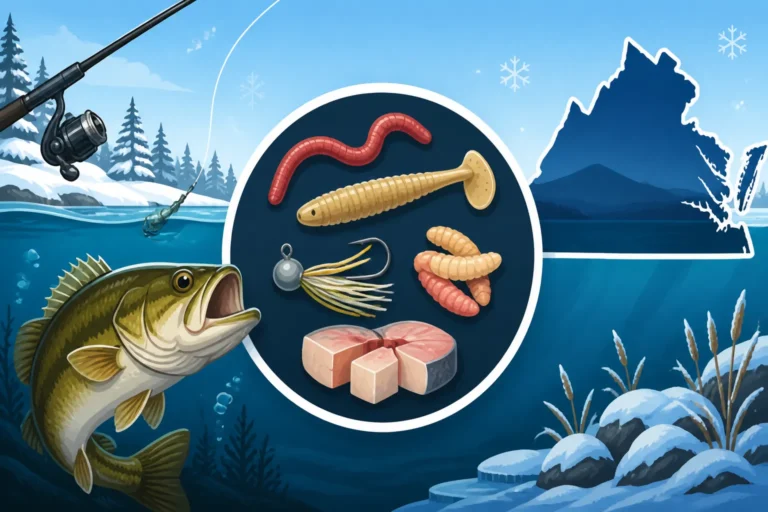
The key to cold water lure selection is offering a meal that looks easy to catch and requires minimal energy expenditure from the bass. Forget fast-moving baits for the most part. Instead, focus on slow-moving, subtle presentations.
Here are some go-to options:
- Jigging Spoons: These are fantastic for vertical presentations over deep-water schools. Drop them down, give a slight twitch, and let them flutter back down. The flash and irregular fall can trigger reaction strikes.
- Blade Baits: Similar to spoons, blade baits offer vibration and flash. They can be jigged vertically or retrieved with a slow lift-and-drop motion, mimicking a dying baitfish.
- Suspending Jerkbaits: These are absolute cold-water killers. Cast them out, twitch them a few times, and then pause. Let them sit motionless for 10, 20, even 30 seconds. That suspension, right in the bass's face, is often too tempting to resist. Brands like Rapala and Lucky Craft make excellent suspending jerkbaits.
- Ned Rigs and Shaky Heads: These finesse presentations are perfect for finicky bass. A small mushroom-shaped jig head paired with a small, buoyant soft plastic (like a Z-Man Finesse TRD) on a Ned rig, or a worm on a shaky head, allows for incredibly subtle movements that bass can't ignore.
- Small Swimbaits: A soft plastic swimbait on a light jig head, retrieved painfully slow, can also be effective, especially if you're marking baitfish on your electronics.
- Finesse Jigs: Small jigs (1/4 to 3/8 ounce) with a compact skirt and a small soft plastic trailer are excellent for pitching to isolated cover like timber or rock piles.
When it comes to lures, a quick browse on Amazon will show you a vast array of options for jigging spoons, suspending jerkbaits, and soft plastics perfect for Ned rigs and shaky heads. Make sure to have a variety of colors, from natural baitfish patterns (shad, bluegill) to some brighter options (chartreuse, orange) for those days when a little more flash is needed to get a reaction.
Strategic Techniques for Cold Water Bass Fishing
Knowing what to throw is only half the battle; knowing how to present it is where the real magic happens. Cold water bass fishing demands patience, precision, and an almost maddeningly slow retrieve.
The Art of Slow Presentation
This cannot be stressed enough: slow down, then slow down some more. Your retrieve speed should feel agonizingly slow compared to your usual pace. Imagine your bait hovering motionlessly for what feels like an eternity, only moving subtly with the slightest twitch of the rod tip or a single turn of the reel handle. This deliberate, unhurried movement is designed to appeal to a bass that isn't willing to chase. It's about putting the meal right in front of them and giving them ample time to decide to eat it.
For jerkbaits, the pause is the most critical part of the retrieve. After a series of short twitches, let the bait sit still. Count slowly to ten, twenty, or even thirty before twitching again. Many times, the strike will come on that motionless pause. With jigs and soft plastics, the same principle applies. Drag them along the bottom, pause, twitch, and pause again. Any sudden, aggressive movement will likely spook rather than entice.
Vertical Jigging and Finesse Tactics
When you've located schools of bass or baitfish clustered in deep water – often identifiable with a good fish finder – vertical jigging becomes a powerful technique. Drop a jigging spoon or blade bait directly down to the depth where you see fish. Lift your rod tip sharply a foot or two, then let the lure fall back on a semi-slack line. The flutter and flash on the fall are what often trigger the strike. Pay close attention on the fall, as many bites will be detected as a slight "tick" or simply a feeling of slack in your line.
For more finicky fish, finesse tactics like the Ned rig or shaky head shine. These are particularly effective when targeting fish around structure like isolated rock piles or submerged timber. The buoyancy of the Ned rig's plastic causes it to stand up enticingly off the bottom, mimicking a feeding minnow. A shaky head allows a worm to quiver with the slightest movement, a subtle invitation a sluggish bass might find hard to resist. Stocking up on a variety of colors and sizes for these soft plastics on Amazon before your trip can save you time and frustration on the water.
Targeting Specific Structures
Cold water bass will often relate to distinct underwater structures that offer cover, ambush points, or temperature stability. These can include:
- Ledges and Drop-offs: Bass will hold on the edges of deep ledges, using the depth changes to move up or down as conditions dictate. Work your lures along these transitions.
- Humps and Points: Submerged humps or points extending into deep water can be excellent staging areas for bass. Fish the deep sides and tops of these structures.
- Standing Timber and Brush Piles: If the water is deep enough, submerged trees or brush piles offer excellent cover. Finesse jigs or shaky heads can be carefully worked through these snags to coax out bass.
- Rock Piles: Large rock formations absorb and retain heat better than mud, making them attractive to bass. They also provide plenty of nooks and crannies for ambush.
Remember, the goal is not to cover vast amounts of water quickly, but to meticulously dissect these key areas. Use your electronics to identify potential holding spots, and then make repeated, slow, and precise presentations. You might even consider a portable fish finder, which you can often find great deals on through Amazon, to help locate those deep-water schools and structures, maximizing your time on the water. Knowing how to use a fish finder to locate bass in deeper water is a game-changer when targeting cold water fish.
Here's a quick overview of some popular cold water bass lures and their recommended retrieves:
| Lure Type | Retrieve Style | Ideal Conditions | Notes |
|---|---|---|---|
| Suspending Jerkbait | Twitch-twitch-pause (long pauses: 10-30 seconds) | Clear to stained water, 40-55°F | Excellent for triggering reaction strikes. |
| Jigging Spoon | Vertical lift and fall, short sharp snaps | Over deep-water schools, vertical structure | Mimics dying baitfish. Watch line on the fall. |
| Blade Bait | Slow lift-drop, short jigs | Deep water, around structure | Produces vibration and flash. |
| Ned Rig | Drag, slight hops, long pauses | Finesse situations, clear water, pressured fish | Mimics a small, bottom-feeding creature. |
| Shaky Head | Drag slowly, subtle jiggles of the rod tip | Around cover, rock, timber | Worm quivers, tempting sluggish bass. |
| Finesse Jig | Slow crawl, hop, short pitches to cover | Heavy cover, bottom structure | Compact, subtle, can imitate crawfish or baitfish. |
Top Virginia Waters for Cold Water Bass
Virginia is blessed with a fantastic variety of fishing opportunities, and many of its renowned lakes and rivers maintain excellent cold-water bass fisheries, offering some truly rewarding winter angling if you know where to look.
Deep Water Havens
When winter hits, our larger, deeper reservoirs become prime targets for cold water bass. These lakes provide the extensive deep-water acreage that bass seek out for stable temperatures and schooling opportunities.
One of the undeniable stars for winter bass fishing is Smith Mountain Lake Fishing Guide. This expansive lake, nestled in the Blue Ridge Mountains, boasts incredible depths and an abundance of structure. Largemouth and especially striped bass (or "rockfish" as they're often called here) thrive in its cold waters. Anglers often find large schools of baitfish, and consequently, large schools of bass, suspended over main lake channels, near steep rocky points, and around submerged timber in the lower lake. The key here is using your electronics to locate those schools and then deploying vertical jigging techniques or slow-trolling suspending jerkbaits over them.
Another fantastic option is Claytor Lake Fishing Spots and Tips in Southwest Virginia. Claytor is known for its diverse bass fishery, including largemouth, smallmouth, spotted, and even Alabama bass. Its deep, clear waters are ideal for winter fishing. Look for bass congregated along bluff walls, deep points, and underwater humps. Finesse techniques shine here, often pairing Ned rigs or shaky heads with light line for sensitive bites.
Lake Anna Fishing Guide also offers excellent cold water potential. While not as deep as Smith Mountain or Claytor, its extensive coves and main lake channels still provide ample deep-water areas for bass to retreat to. Focus your efforts on the lower, main lake section, particularly around the nuclear plant discharge area (if accessible and legal), which can provide slightly warmer water that attracts both baitfish and bass. Target deep docks, channel swings, and rock piles. Remember to always consult the current Virginia fishing regulations explained for any specific lake or species before heading out.
River Systems for Cold Water Opportunities
While lakes are often the primary focus, some of Virginia's larger river systems can also provide excellent cold-water bass fishing, particularly for smallmouth bass. Rivers, with their constant flow, tend to cool down quickly but also offer specific havens where bass congregate.
The James River, especially in its tidal and upper non-tidal sections, can hold surprising numbers of bass in deeper pockets during the colder months. Look for bass to stack up in the deepest bends of the river, behind large current breaks, or in slack water areas where tributaries meet the main river. These spots often provide a thermal refuge and an ambush point for any baitfish swept downstream. Slow-moving jigs, creature baits, or even large suspending jerkbaits fished patiently in these deeper holes can entice a strike. For those interested in pursuing different species, understanding the Freshwater and Saltwater Fishing Licenses in Virginia is crucial, as some river sections might transition from freshwater to brackish.
Similarly, parts of the Shenandoah River, particularly its deeper pools and slow-moving sections, can hold smallmouth bass through the winter. Focus on areas with significant rock structure, deep eddies, and current seams. Smallmouth in cold water are notoriously lethargic, so finesse presentations with jigs, Ned rigs, or small tubes hopped slowly along the bottom are often the most productive. The patience required to fish these areas can be immense, but the reward of a hard-fighting smallmouth in winter is well worth it. Exploring Virginia Bass Fishing: Largemouth, Smallmouth, Spotted, and Alabama Bass can give you a better idea of what to expect in different waters.
In all these locations, whether lake or river, the core principles of cold-water bass fishing remain the same: find the deepest, most stable water, fish slow, and be prepared for incredibly subtle bites. It's a challenging but ultimately rewarding pursuit that will sharpen your angling skills and keep you on the water year-round. For general advice on when and where to fish, our guide on the Best Time of Year for Bass Fishing in Virginia can offer some additional insights.
Disclaimer
The information provided in this guide is for general informational purposes only and is not intended as legal or professional advice. Fishing regulations, license requirements, and local conditions can change frequently. Always consult the most current regulations from the Virginia Department of Wildlife Resources (DWR) before fishing. The author and publisher are not responsible for any actions taken based on the information presented herein.