Smith Mountain Lake Striper Fishing Season in Virginia
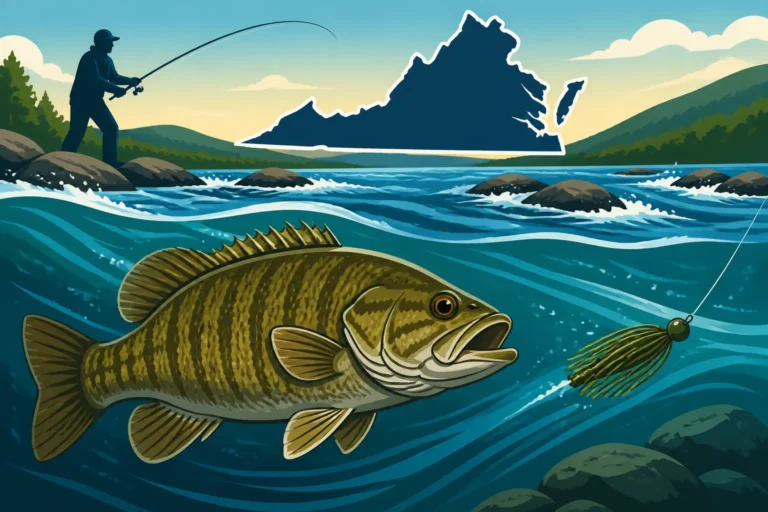
Ah, the majestic striped bass of Smith Mountain Lake! If you've ever dreamt of battling a true freshwater leviathan, this is the place to be. But let's be honest, trying to figure out the best time to chase these elusive giants can feel like cracking a secret code. Between the changing weather, baitfish movements, and varying striper behaviors, it's easy to get overwhelmed and wonder if you're even fishing the right way, let alone the right season. This guide is here to untangle all that, giving you a comprehensive breakdown of the Smith Mountain Lake striper fishing season in Virginia, month by month, and how to adapt your game plan for year-round success.
The Rhythmic Pulse of Smith Mountain Lake's Striper Seasons
Smith Mountain Lake, often affectionately called SML by locals, isn't just any body of water; it's a deep, clear reservoir in the Blue Ridge Mountains, renowned as one of the East Coast's premier freshwater striped bass fisheries. The beauty of striper fishing here is that it's truly a year-round pursuit, but the tactics, locations, and even the personality of the bite change dramatically with the seasons. Understanding this rhythm is the first step to becoming a successful SML striper angler.
Spring: The Awakening Frenzy
As the icy grip of winter loosens and water temperatures slowly climb from the low 40s into the 50s and 60s, Smith Mountain Lake awakens, and with it, the stripers' metabolism. This is often considered one of the best times of the year to target stripers, especially for those who love topwater action.
In early spring, when the water is still chilly, stripers will start to move out of their deep winter haunts. They'll follow the warming trends into shallower coves and feeder creeks, seeking out baitfish like alewife and gizzard shad that are also becoming more active. You'll find them congregating around points, humps, and structure near these shallower areas. As the water continues to warm, typically from late March through April and into early May, the stripers become incredibly aggressive. This period often sees incredible schooling behavior, where large groups of stripers will corral baitfish against the surface, creating explosive topwater boils. It's a sight to behold and an angler's dream, offering a chance to cast a surface lure into a feeding frenzy. This is also when many anglers will begin employing planer boards and umbrella rigs, especially when the stripers are spread out but still actively feeding near the surface or just below it.
Summer: Deep Challenges and Rewards
Summer at Smith Mountain Lake presents a unique set of challenges and, for those prepared, equally unique rewards. As air temperatures soar and the lake's surface warms, a thermocline forms – a distinct layer where warm surface water meets cooler, deeper water. Stripers, being cold-water fish, will seek refuge below this thermocline, often in depths of 40 to 80 feet, sometimes even deeper. This move to the depths is crucial to their survival and your understanding of where to find them.
The frustrating part for many anglers is that the stripers are still there, in abundance, but they are much harder to target. Traditional shallow-water techniques become less effective. You'll need specialized equipment like downriggers or heavy inline weights to get your baits down to the thermocline where the fish are holding. While it's tougher fishing, the rewards can be substantial, as summer stripers are often robust and powerful. Early mornings and late evenings can still offer brief windows of opportunity as stripers might push baitfish closer to the surface, especially over deep main lake points or humps, but these events are usually short-lived. The summer heat also increases stress on caught fish, so careful handling and quick release are paramount, especially if you're practicing catch-and-release.
Fall: The Feast Before Winter
Just like spring, fall is another prime time for striper fishing on Smith Mountain Lake. As the air cools and the lake's surface temperatures begin to drop, the thermocline breaks up, and the stripers start to spread out, moving back into shallower and mid-depth ranges. This season, typically from September through November, is characterized by the "fall turnover" and an intense feeding binge by the stripers. They know winter is coming, and they need to pack on fat reserves.
Baitfish are abundant and active, and stripers will aggressively pursue them, often leading to spectacular surface feeds similar to spring, but sometimes even more prolonged. You'll find them crashing bait in the backs of coves, along main lake points, and around submerged islands. Trolling with artificial lures and live bait is incredibly effective, as is casting topwater baits, swimbaits, and bucktails into active schools. This period is particularly exhilarating because the fish are exceptionally strong and fight hard, making for memorable battles. The cooler weather also means less stress on the fish, making catch-and-release more successful.
Winter: Cold Water, Hot Action
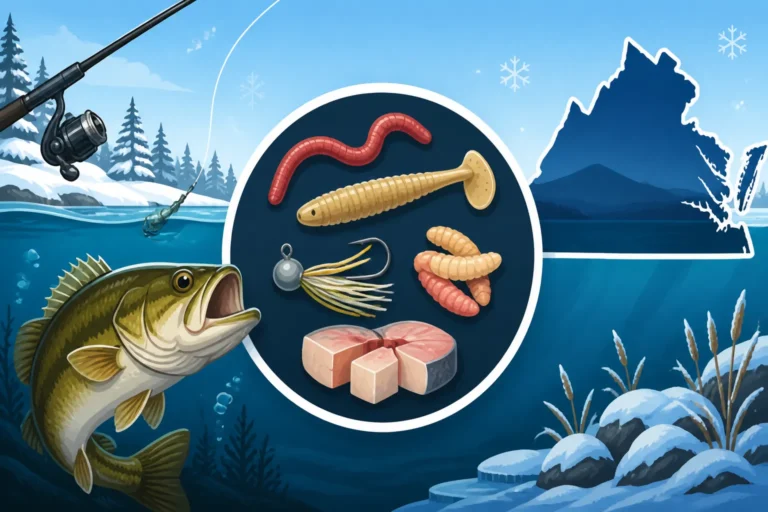
Don't let the cold weather deter you; winter fishing for stripers on Smith Mountain Lake can be incredibly productive, and often less crowded than other times of the year. As water temperatures dip into the low 40s, the stripers will again school up tightly, often moving into deep creek channels, main lake humps, and adjacent deep water. Their metabolism slows, but they still need to feed.
The key to winter success is locating these dense schools of fish. Once you find them, often with the help of a good fish finder, the action can be fast and furious. Vertical jigging with heavy spoons or large grub-style baits becomes a dominant tactic. Live bait, particularly large gizzard shad, drifted or slow-trolled very deep, is also highly effective. While the surface action of spring and fall is mostly absent, the concentrated nature of the fish in winter can lead to some of the heaviest catches of the year. Anglers willing to brave the cold can experience fantastic fishing, often with larger, fatter fish that have been feeding heavily through the fall.
Essential Gear and Proven Tactics for Each Season
Successful striper fishing on Smith Mountain Lake isn't just about being there during the right season; it's about having the right tools and knowing how to use them. Stripers are powerful fish, and they demand appropriate tackle and techniques.
Spring Strategies: Topwater and Trolling
In the spring, your tackle box should be brimming with options. For that thrilling topwater action, invest in some quality walking baits like a Heddon Super Spook or poppers. These lures, when worked correctly, mimic a struggling baitfish on the surface, driving stripers wild. A medium-heavy spinning or baitcasting rod, around 7 feet long, spooled with 15-20 lb monofilament or braided line with a fluorocarbon leader, is ideal for casting these lures. When the fish aren't on top, or you're covering more water, trolling becomes essential.
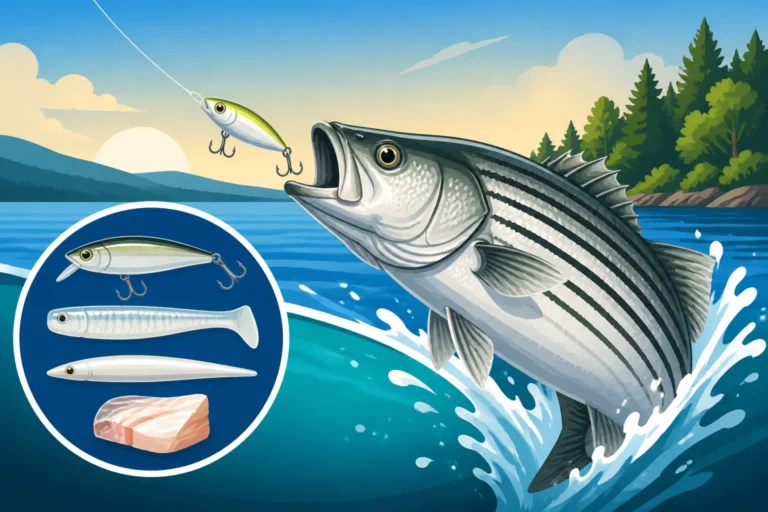
Many anglers employ umbrella rigs, like those from Captain Mack's, which imitate a school of baitfish. These are often trolled behind planer boards to cover a wider spread, or straight behind the boat. Heavy trolling rods (7-8 feet, medium-heavy to heavy action) paired with large conventional reels spooled with 25-40 lb mono or braid are standard. Don't forget a variety of bucktail jigs and swimbaits in white, chartreuse, or silver; these are year-round producers, particularly effective when retrieved through schooling fish or around structure. You can find many reputable brands and options for these lures on Amazon to get started.
Summer's Deep Dive: Downriggers and Electronics
When stripers go deep in the summer, your electronics become your best friend. A high-quality fish finder with side-imaging or down-imaging capabilities is crucial for locating schools of bait and the stripers holding beneath them. You'll be looking for bait balls in the thermocline and distinct arches or blobs representing stripers just above or within that layer.
To get your bait down to these depths, downriggers are indispensable. These devices allow you to precisely control the depth of your lure or live bait. Live bait, particularly large gizzard shad or alewife, fished on a large circle hook (like a 7/0 VMC or Gamakatsu) below a downrigger ball, is a killer tactic. You'll need sturdy rods with sensitive tips to detect the bite, but enough backbone to fight a deep-water striper. Heavy inline weights, like a Lindy Little Joe or a three-way swivel rig with an egg sinker, can also achieve impressive depths if downriggers aren't an option. Having a cooler with a good aerator for your live bait is also non-negotiable in the summer heat.
Fall's Abundance: Mimicking the Baitfish Run
Fall strategies blend many of the techniques from spring and summer. Trolling with umbrella rigs, large swimbaits, and bucktails remains highly effective, especially when stripers are actively chasing bait. Look for birds diving or baitfish scattering on the surface – these are tell-tale signs of a striper school feeding below.
Topwater lures make a strong comeback in the fall, particularly during the early morning or late evening hours. As the baitfish schools become denser, mimicking their appearance is key. Consider using crankbaits and jerkbaits that closely resemble the local shad species. Keeping a keen eye on your fish finder for schools of baitfish in creek arms and main lake points will guide your trolling paths. Anglers often keep multiple rods rigged with different presentations (topwater, shallow crankbaits, deep-diving crankbaits) to quickly adapt to changing conditions and the fish's depth preferences. A quality pair of polarized sunglasses, available from retailers like Amazon, will also help you spot surface activity.
Winter's Vertical Game: Jigging and Live Bait
Winter fishing is all about finding those tight schools of stripers. Once located, vertical jigging with heavy metal spoons (like a Hopkins Shorty or a Luhr-Jensen Crippled Herring) or large soft plastic paddle tail jigs becomes the go-to method. Drop your lure directly onto the school, let it hit bottom, and then jig it aggressively with a sharp upward snap followed by a controlled fall. Many bites occur on the fall.
Live bait, often large gizzard shad, presented slowly and deep, is also incredibly potent. Use a slip sinker rig to allow the bait to swim naturally above the weight, or simply suspend the bait at the depth where the fish are holding. Your boat's electronics will once again be your most valuable tool for pinpointing these deep winter congregations. Long, sensitive rods (7-8 feet) are often preferred for jigging, allowing for better lure control and bite detection in deep water. Don't forget to bundle up and bring some hot coffee!
Here's a quick comparison of the dominant techniques by season:
| Season | Typical Depth | Preferred Baits/Lures | Key Techniques | Best Times of Day |
|---|---|---|---|---|
| Spring | Surface to 20 ft | Topwater, Swimbaits, Bucktails, Umbrella Rigs, Live Shad | Trolling, Casting, Planer Boards | Early Morning, Late Evening, Mid-day during active feeds |
| Summer | 40-80+ ft (below thermocline) | Live Shad, Deep-diving Crankbaits, Heavy Jigs | Downriggers, Vertical Jigging, Deep Trolling | Early Morning, Late Evening (brief surface chances), Mid-day deep |
| Fall | Surface to 30 ft | Topwater, Swimbaits, Bucktails, Umbrella Rigs, Live Shad, Jerkbaits | Trolling, Casting, Planer Boards | Early Morning, Late Evening, All Day during active feeds |
| Winter | 30-70+ ft (deep channels/humps) | Heavy Spoons, Large Soft Plastics, Live Shad | Vertical Jigging, Deep Slow Trolling, Still Fishing Live Bait | Mid-day often best as water warms slightly, or any time fish are found |
Understanding Virginia's Striper Regulations on Smith Mountain Lake
Fishing is not just about catching fish; it's about preserving the fishery for future generations. Virginia has specific regulations in place for striped bass (often called "rockfish" in saltwater contexts, but here we're talking about the freshwater variety at SML). These rules are crucial to follow, not only to avoid penalties but to contribute to the health of this fantastic resource. Knowing Virginia Fishing Regulations Explained is vital for every angler.
Current Creel and Length Limits
As a responsible angler, you must check the most up-to-date regulations issued by the Virginia Department of Wildlife Resources (DWR) before you head out. Regulations can change seasonally or annually based on population assessments. While specific Smith Mountain Lake regulations can sometimes apply, typically for freshwater striped bass across Virginia, the general rule has been a daily creel limit of one (1) fish per person, with a minimum size limit of eighteen (18) inches. This means you can only keep one striper per day, and it must be at least 18 inches long from the tip of its nose to the tip of its tail.
It's common for anglers to wonder, How Many Striped Bass Can You Keep in Virginia? This one-fish limit ensures that the population isn't overfished, allowing more fish to reach maturity and spawn. Always carry a measuring tape with you to ensure your catch meets the legal length requirement. Releasing undersized fish unharmed is also critical, which brings us to the importance of conservation.
Why Regulations Matter: Conservation Efforts
These regulations aren't just arbitrary rules; they are carefully crafted by fisheries biologists to manage and conserve the striped bass population. Smith Mountain Lake's striper fishery is largely supported by stocking efforts from the DWR, and these fish need time to grow and contribute to the overall population. By adhering to the limits, anglers play a direct role in maintaining the health and sustainability of this world-class fishery.
If you're caught fishing without a valid license or violating creel and length limits, the penalties can be severe, including hefty fines and confiscation of your gear. Game wardens frequently patrol Smith Mountain Lake, especially during peak seasons, ensuring compliance. A valid Virginia Fishing License Guide is a prerequisite for any fishing activity, and you can conveniently find Virginia DWR license agents near popular fishing spots or purchase your license online.
Planning Your Smith Mountain Lake Striper Adventure
Embarking on a striper fishing trip to Smith Mountain Lake is an exciting prospect, but a little planning goes a long way to ensure a successful and enjoyable experience. Whether you're a seasoned pro or a first-timer learning Smith Mountain Lake's Striped Bass: Tips for First-Time Anglers, these insights will help.
Timing Your Trip for Optimal Success
While stripers can be caught year-round, your choice of season will dictate the type of fishing experience you'll have and the methods you'll use. If you dream of explosive topwater action, spring and fall are your golden tickets. These seasons offer fantastic opportunities to see stripers crashing bait on the surface, making for some truly unforgettable moments. The weather is generally pleasant, and the fish are aggressive. Many anglers consider this the Best Month to Fish for Striped Bass in Virginia.
If you prefer the challenge of deep-water tactics and the potential for larger, more concentrated schools, winter can be incredibly rewarding. Summer offers a unique deep-water puzzle to solve, but anglers should be mindful of the added stress on released fish due to warmer water temperatures at the surface. Always check local fishing reports and water temperatures before heading out, as conditions can vary from year to year. Apps and online forums specific to Smith Mountain Lake can provide real-time updates from other anglers.
Local Resources and the Role of Guides
Navigating a large lake like Smith Mountain for the first time, especially when targeting a species like striped bass that move and change tactics with the seasons, can be daunting. This is where local knowledge truly shines. There are several excellent resources available to help you plan.
First, visit the Virginia Department of Wildlife Resources (DWR) website. They offer detailed fishing reports, stocking information, and the most up-to-date regulations. They are an invaluable public resource. Secondly, local bait and tackle shops around Smith Mountain Lake, such as those in Moneta, Union Hall, or SML itself, are treasure troves of information. The folks working there live and breathe SML fishing and can provide current hot spots, bait recommendations, and even weather insights. Don't be shy about asking questions!
Finally, consider booking a trip with a professional fishing guide. A local guide who specializes in Smith Mountain Lake Striped Bass Guide Trips can drastically shorten your learning curve. They have the right equipment, intimate knowledge of the lake's contours, seasonal patterns, and striper behavior. A guide can teach you techniques like Trolling for Striped Bass in Deep Water or how to properly work topwater baits. They can put you on fish quickly, teach you effective methods, and ensure you're fishing legally. Even for experienced anglers, a guide trip can unlock new insights and techniques for specific seasons or conditions, making your time on the water more productive and enjoyable. Many guides also provide all the necessary gear, so you don't have to invest heavily in specialized equipment before knowing if it's right for you. You can often find their contact information through local marinas or online searches for "Smith Mountain Lake fishing guides." Before you go, ensure you have all your personal items like sun protection, appropriate clothing (consider layered options from Amazon for changing weather), and snacks.
Smith Mountain Lake offers an incredible experience for anyone chasing striped bass. By understanding the seasonal nuances, equipping yourself with the right gear and knowledge, and respecting the regulations, you're well on your way to a memorable striper adventure in Virginia.
Disclaimer
Please remember that fishing regulations, conditions, and fish behavior can change. Always consult the official Virginia Department of Wildlife Resources (DWR) website or local authorities for the most current regulations and advisories before planning your fishing trip. This guide provides general information and recommendations based on typical patterns and practices, but individual results may vary.