Best Techniques for Virginia Free Fishing Weekend
Ever feel that itch to cast a line, but the thought of navigating fishing licenses, regulations, and all the gear just feels like too much? It's a common hurdle for many aspiring anglers and even seasoned folks wanting to introduce a friend or kid to the sport. This guide is here to strip away those initial complexities, focusing on how you can make the most of Virginia's fantastic Free Fishing Days, ensuring a fun, frustration-free experience for everyone involved.
Understanding Virginia's Free Fishing Days
Virginia's Free Fishing Days are a fantastic opportunity, a real gift to anyone curious about fishing or those who simply want to enjoy a stress-free day on the water without the usual permit requirements. It's a designated period each year where the usual resident and nonresident freshwater and saltwater fishing license requirements are temporarily waived.
What Are Virginia's Free Fishing Days?
Imagine a weekend where you can just grab a rod, head to your favorite fishing hole, and cast away without worrying about whether your license is current or if you've got the right endorsement. That's exactly what Virginia's Free Fishing Days offer! Historically, these days typically fall on the first weekend of June. For instance, the upcoming Virginia Free Fishing Days 2026 are scheduled for June 5-7. This annual tradition is designed to encourage everyone, from complete novices to seasoned pros, to experience the joy of fishing in Virginia's diverse waters. It's especially wonderful for families, making it easy to introduce children to the sport without the upfront cost of multiple licenses. It's also a perfect chance for someone new to the state to explore different types of fishing, whether they prefer freshwater lakes or the expansive Chesapeake Bay, before committing to a full Virginia Fishing License Guide.
While the license itself is waived, it's really important to remember that most other fishing regulations still apply. This includes things like daily creel limits (how many fish you can keep), minimum and maximum size limits for certain species, and specific restrictions on certain bodies of water. For example, if you're out chasing striped bass during this period, you still need to adhere to the Virginia Striped Bass Season and Slot Limit Guide. Think of it as a "free pass" on the entry ticket, but all the rules of the game are still in play. Always check the latest Virginia Fishing Regulations Explained before you head out, just to be absolutely sure.
Common Misconceptions to Avoid
It’s easy to get excited about "free fishing" and think all rules are suspended, but that’s not quite the case, and misunderstanding this can lead to some disappointment or even a citation. One common misconception is that free fishing days mean you can fish anywhere, no questions asked. While your basic fishing license is waived, certain access points might still require a facility use permit, especially within state parks or private lands. For example, if you're fishing from a pier that charges an entry fee or requires a specific permit for pier fishing, that fee generally still applies.
Another pitfall is assuming that all special permits are waived. While the general fishing license is off the table, specialized permits like those sometimes required for fishing in designated stocked trout waters might still be necessary. Always double-check with the Virginia Department of Wildlife Resources (DWR) if you plan to visit a specific, managed fishing area. It's also crucial to remember that size and creel limits are still in effect. Just because you don't need a license doesn't mean you can keep every fish you catch. Wildlife officers are still out patrolling, and they will enforce these regulations. It's also worth noting that while Virginia offers these free days, it doesn't mean there's automatic Fishing License Reciprocity Between Virginia and Neighboring States during this time; those agreements are usually separate from the free fishing weekend initiative.
Best Freshwater Fishing Techniques for the Weekend
Virginia's freshwater fishing scene is incredibly diverse, offering everything from serene mountain streams to vast impoundments. The Free Fishing Weekend is the perfect time to explore these waters and try your hand at catching a variety of species without needing to purchase a Virginia Resident Freshwater Fishing License.
Panfish Perfection: Bluegill and Crappie
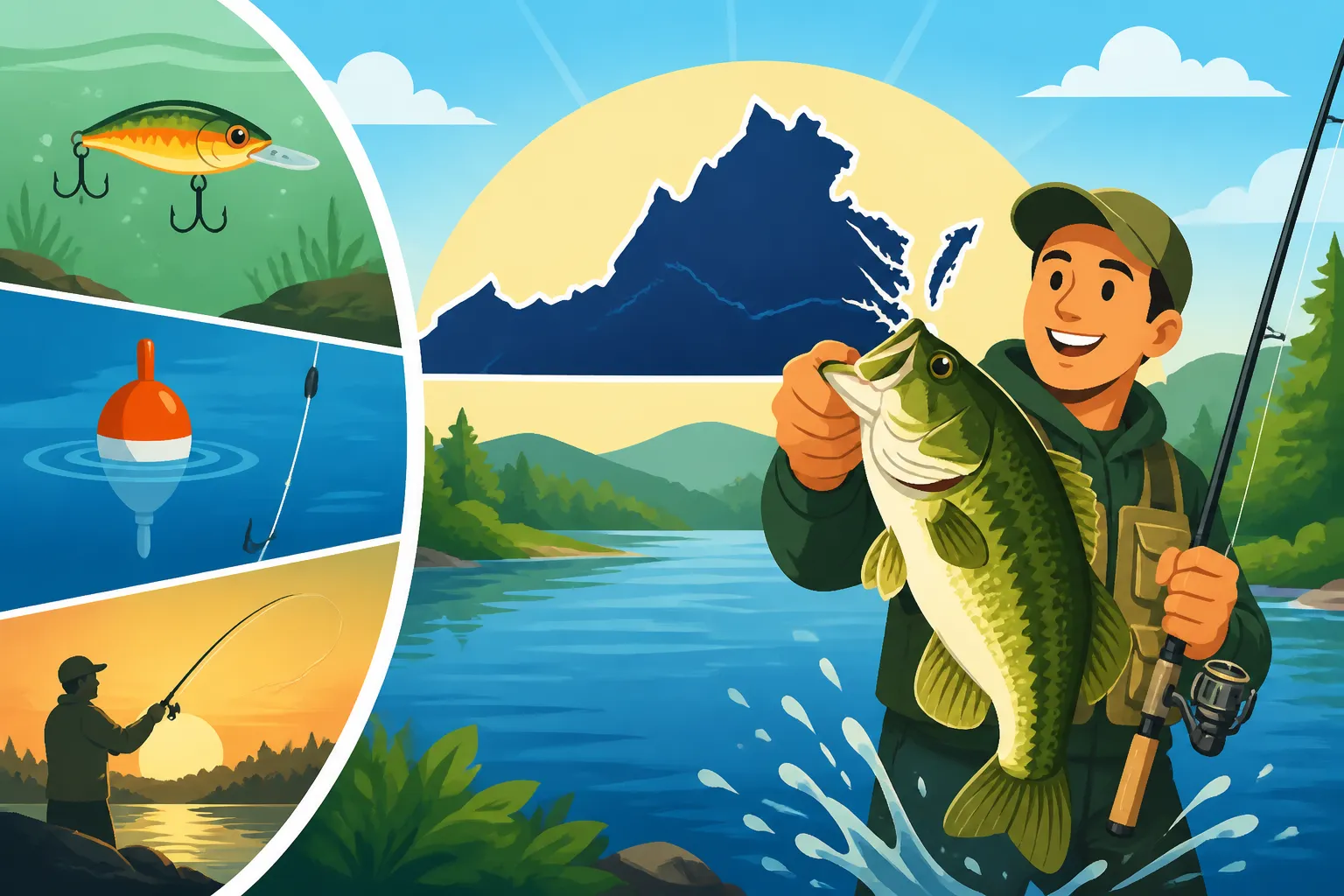
If you're looking to guarantee some action and put a smile on a beginner's face, panfish like bluegill and crappie are your absolute best bet. They're abundant, relatively easy to catch, and provide a fantastic fight on light tackle, making them ideal targets for kids and first-time anglers. The thrill of a bobber disappearing under the water is hard to beat!
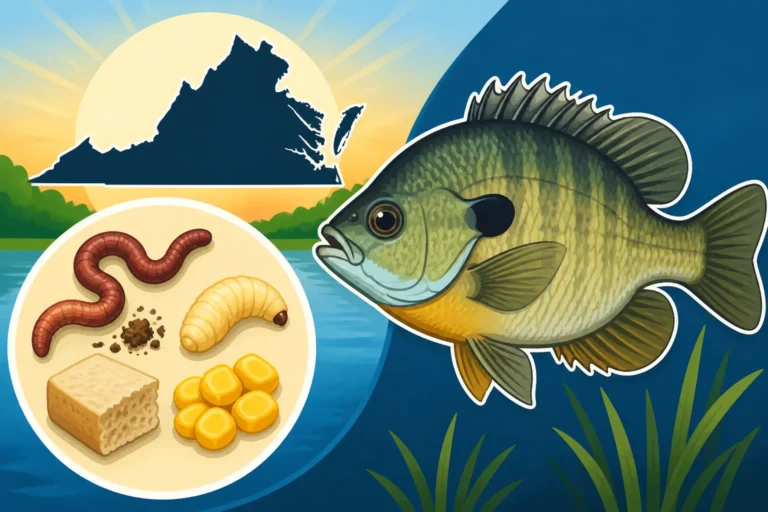
For bluegill, simplicity is key. A small hook (size 8-10), a split shot weight a few inches above it, and a bobber set to a depth of 2-4 feet is usually all you need. Live bait like redworms, nightcrawlers (cut into smaller pieces), or even crickets are irresistible to them. You can find these baits at most local tackle shops or even dig for worms in your backyard. Focus your efforts around docks, lily pads, submerged brush, or slow-moving areas of streams and ponds. These spots offer cover and food for panfish, making them prime real estate. Even if you're just starting, you can find a basic panfish kit on Amazon that includes hooks, bobbers, and weights to get you started quickly.
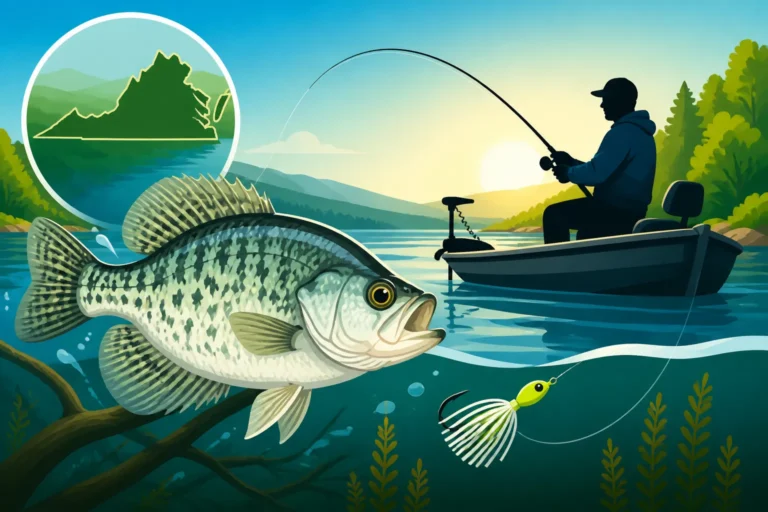
Crappie, while still considered panfish, often prefer slightly different tactics and areas. They tend to congregate around submerged structures like brush piles, fallen trees, bridge pilings, or even artificial fish attractors in slightly deeper water (5-15 feet). Small jigs (1/16 to 1/8 ounce) tipped with a small minnow or a soft plastic grub are incredibly effective. You can slowly troll these jigs, cast them and retrieve them with a steady retrieve, or simply dangle them vertically near cover. Look for "Crappie Spiders" (multi-rod holders) on Amazon if you get serious, but for a free weekend, one rod is plenty! They often bite lightly, so pay close attention to your line for any subtle taps or movements.
Targeting Bass with Basic Setups
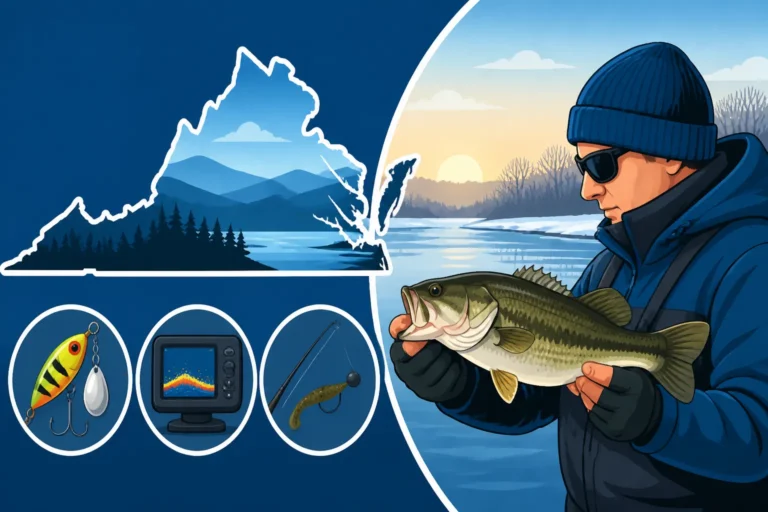
Virginia is renowned for its excellent bass fishing, hosting both largemouth and smallmouth bass, and the Free Fishing Weekend is a prime time to try to land one of these hard-fighting beauties. You don't need fancy, expensive gear to catch bass; basic setups are often incredibly effective, especially when paired with simple techniques.
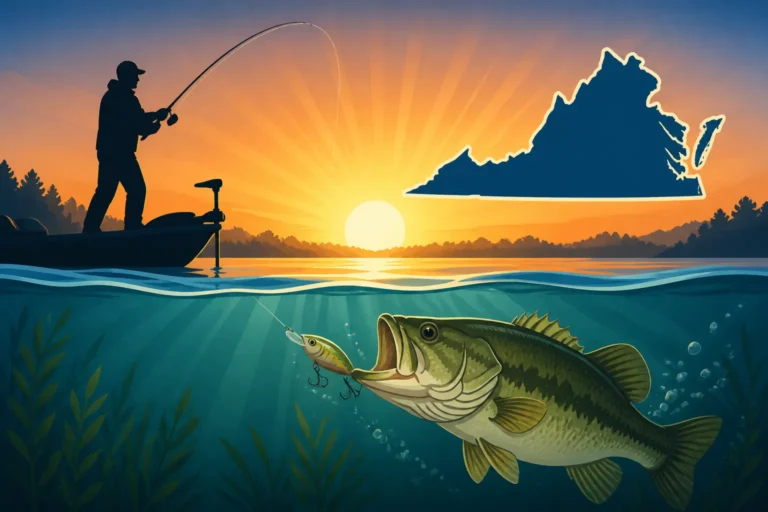
For largemouth bass, which often inhabit clearer, shallower waters with plenty of cover like lily pads, weed lines, and fallen trees, a plastic worm rigged Texas-style is a classic choice. This involves threading the worm onto an offset hook so the hook point is skin-hooked back into the plastic, making it weedless. Cast it near cover and slowly retrieve it with short twitches, letting it fall naturally. Another simple but deadly option is a wacky rig, where a hook is simply pierced through the middle of a soft plastic stick bait, allowing it to flutter enticingly as it sinks. Spinnerbaits and small crankbaits can also be effective, especially if you're covering more water; just cast and retrieve with a steady pace. Look for these types of lures online, many anglers find great value from selections on Amazon.
Smallmouth bass, often found in rocky rivers and clear, cool lakes like the Shenandoah River or Claytor Lake, prefer current and structure such as submerged rocks, gravel beds, and eddies. Similar lures work well, but you might want to size down slightly. Small tubes, Ned rigs, or small crankbaits that mimic crayfish are excellent choices. Cast upstream or across current and let your lure drift naturally, maintaining just enough tension to feel for a bite. Remember, patience is crucial when bass fishing; sometimes, the subtle difference in retrieve speed or presentation makes all the difference. This is also a good opportunity to understand the broader Virginia Fishing Regulations Explained for species like bass, as limits still apply.
River and Stream Tactics for Trout and Smallmouth
Virginia’s rivers and streams offer a different kind of fishing experience, often more serene and requiring a bit more stealth. While you don't need a Stocked Trout License Requirements in Virginia on Free Fishing Days, understanding the nuances of river fishing will greatly enhance your success.
When fishing for trout in cooler, clearer streams, especially in the western parts of Virginia, presentation is paramount. Trout are notoriously wary. For spin fishing, small inline spinners (like Mepps or Rooster Tail) in sizes 0-2 are highly effective. Cast these upstream and retrieve them just fast enough to get the blade spinning, letting the current do some of the work. Natural baits like small worms or salmon eggs fished under a small float or simply drifted with a tiny split shot can also produce excellent results. Look for pools, riffles, and undercut banks – these are prime holding areas for trout. Be mindful that even on free days, regulations for wild trout streams often differ from stocked waters, so always confirm local rules, especially regarding size and catch limits.
Smallmouth bass often share these same river systems, preferring slightly warmer, larger rivers with plenty of rock structure. The Shenandoah River is a classic example, famed for its abundant smallmouth population. For smallmouth, you'll want to target eddies behind large rocks, current seams, and deeper pockets. Tubes, grubs, and small crankbaits that imitate baitfish or crayfish are highly effective. Cast these lures towards structure and work them back with short hops or a steady retrieve. Fly fishing can also be incredibly rewarding for both trout and smallmouth in these waters, though it requires a bit more specialized gear and technique. If you're new to it, stick with spin gear for the free weekend, but consider exploring Fly Fishing for Trout and Smallmouth Bass on the Shenandoah River another time!
Top Saltwater Fishing Strategies for Free Fishing Days
Virginia's coastline, from the expansive Chesapeake Bay to the Atlantic Ocean, offers incredible saltwater fishing opportunities. The Free Fishing Weekend is a fantastic entry point for those intimidated by the prospect of buying a Virginia Resident Saltwater Fishing License or figuring out the specific Virginia's 5-Day Saltwater Fishing Pass for a quick trip.
Pier and Bank Fishing for Beginners
For many, saltwater fishing begins with a trip to a pier or a stretch of public beach, and for good reason. These locations offer easy access, often without needing a boat, and are teeming with a variety of catchable species. The Virginia Beach Fishing Pier, for instance, is a popular spot where you can often rent gear and buy bait right on site, making it incredibly beginner-friendly.
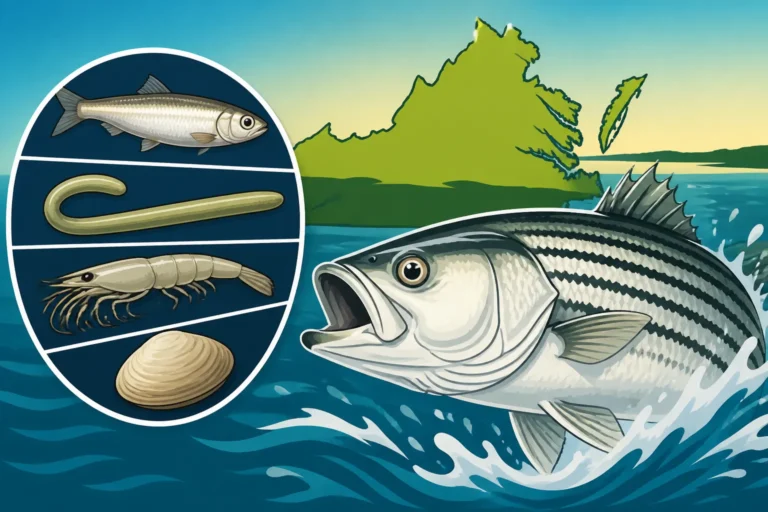
When fishing from a pier, jetty, or the surf, your primary targets will often be bottom feeders like spot, croaker, flounder, and sometimes even smaller striped bass (rockfish) or puppy drum. A simple two-hook bottom rig, sometimes called a "top-and-bottom rig," is your best friend. This rig features two hooks spaced a foot or so apart, with a pyramid or cannonball sinker at the very bottom to hold it in place against the current. Bait your hooks with small pieces of bloodworm, squid, or clam. Many anglers also have success with pre-made "fish bite" baits, which you can easily find at most tackle shops or from Amazon. Cast your rig out, let it settle on the bottom, and wait for the distinctive tugs and rattles that signal a bite. Incoming and outgoing tides are often the most productive times, as the moving water stirs up food, attracting fish.
Bank fishing along estuaries and tidal creeks also offers great opportunities. Look for public access points, bridge embankments, or marsh edges. Here, you might encounter similar species, but also white perch and speckled trout, especially in the muddier waters of the Chesapeake Bay tributaries. A lighter spinning rod with a similar bottom rig or a bobber rig with a live minnow can be very effective. Remember, even though the license is free, the standard Virginia Fishing Regulations Explained for saltwater species, including size and bag limits, still apply!
Kayak and Small Boat Tactics
For those who have access to a kayak or a small boat, Virginia’s Free Fishing Days present a superb chance to explore the calmer, inshore saltwater environments, such as tidal creeks, estuaries, and protected bays. These areas are often less crowded than large open waters and hold a surprising variety of game fish.
Kayaks and small boats allow you to reach areas inaccessible to shore anglers, often getting you into prime shallow water habitat. You can effectively target species like speckled trout, red drum (often called "puppy drum" when small), flounder, and even some white perch. Light tackle is key here, often a medium-light spinning rod and reel spooled with 8-15 lb braided line. Artificial lures like soft plastic paddletails or shrimp imitations rigged on a jig head are incredibly versatile. Cast these around oyster beds, grass lines, marsh edges, and any visible structure. A popping cork rig with a live shrimp or mud minnow suspended underneath is also a deadly tactic for speckled trout and red drum.
Safety is paramount when using kayaks or small boats in saltwater. Always wear a personal flotation device (PFD), even if you're an experienced swimmer. Pack a whistle, a bright flag, and plenty of water. You can find excellent, comfortable PFDs and safety gear on Amazon. The calmness of a kayak allows for a stealthy approach, letting you get right up to feeding fish without spooking them. Always keep an eye on the weather and tides, as conditions can change quickly in coastal areas, making a safe return to shore essential.
Targeting Rockfish (Striped Bass) from Shore
Catching a striped bass, affectionately known as "rockfish" in Virginia, from shore can be one of the most exciting and rewarding experiences during Free Fishing Days. While often associated with charter boats, these powerful fish can be successfully targeted from various land-based vantage points, especially during their migratory periods.
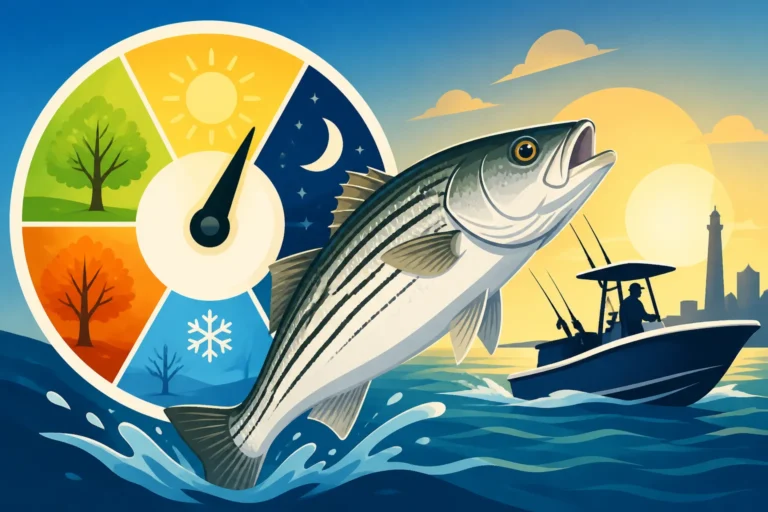
The key to success when targeting rockfish from shore lies in understanding their behavior and identifying key locations. Striped bass are ambush predators and will often patrol areas where baitfish are concentrated or where current creates feeding opportunities. Look for jetties, bridge pilings, rocky points, and river mouths where the current is strong. Areas with deep water access close to shore can also be productive. Dawn and dusk, and often throughout the night, are generally the most productive times, as stripers tend to feed more aggressively under low light conditions.
When it comes to techniques, casting artificial lures is highly effective. Large bucktail jigs tipped with a soft plastic curly tail, swim shads, or topwater plugs can draw aggressive strikes. Cast these lures out and work them back with a varied retrieve, paying attention to what the fish prefer on that particular day. For a more static approach, live lining a large baitfish like a spot, croaker, or eel, if legal and available, can be incredibly potent. Rig it with a large circle hook and a fish-finder rig, allowing the bait to swim freely. Remember, Virginia has very specific slot limits and possession limits for striped bass, so be sure to know the current Virginia's 28 to 31 Inch Striped Bass Slot Limit before you even cast your line, even on the free fishing weekend.
Gear Essentials for a Successful Free Fishing Weekend
One of the great things about Virginia's Free Fishing Days is that you don't need a boatload of expensive gear to have a fantastic time. You can get started with some basic, affordable essentials that will cover a wide range of fishing situations, allowing you to focus on the experience rather than the cost.
Basic Rod and Reel Setups
When you're just starting out or preparing for a free fishing weekend, versatility is your best friend. A medium-action spinning rod and reel combo is the perfect starting point, especially for freshwater fishing but also adaptable to lighter saltwater applications. This type of setup is forgiving for beginners and can handle everything from panfish to decent-sized bass and even smaller stripers.
Look for a rod in the 6-foot to 7-foot range with a medium power and a moderate-fast action. This provides enough backbone to cast lures and fight fish, while still being sensitive enough to feel subtle bites. Pair it with a spinning reel in the 2500-3000 size range, spooled with 8-10 pound monofilament or braided line. Monofilament is more forgiving for beginners with its stretch, while braid offers more sensitivity and strength for its diameter. Many reputable brands offer excellent entry-level combos that are surprisingly durable and perform well. You can find a huge selection of these affordable combos on Amazon, often packaged as beginner kits. Having a dependable, versatile rod and reel combo makes the learning curve much smoother and more enjoyable.
| Fish Species (Common on Free Fishing Days) | Preferred Habitat | Recommended Bait/Lure (Basic) | Basic Rigging |
|---|---|---|---|
| Bluegill/Sunfish | Docks, lily pads, shallow cover | Worms, crickets, small jigs | Bobber & hook |
| Crappie | Brush piles, fallen trees, deep structures | Minnows, small plastic grubs/jigs | Jig head or bobber & hook |
| Largemouth Bass | Weed lines, fallen trees, docks | Plastic worms, spinnerbaits | Texas rig, cast & retrieve |
| Smallmouth Bass | Rocky rivers, current seams, clear lakes | Tubes, small crankbaits, worms | Jig head, drift & twitch |
| Spot/Croaker | Piers, beaches, tidal creeks | Bloodworms, squid, fish bites | Bottom rig |
| White Perch | Estuaries, tidal creeks, near structure | Minnows, bloodworms, small jigs | Bobber & hook or jig head |
| Striped Bass (Rockfish) | Jetties, bridge pilings, river mouths | Bucktail jigs, swim shads, live bait | Jig head or fish-finder rig |
Essential Tackle Box Must-Haves
Once you have your rod and reel, a small tackle box filled with some essential items will make your free fishing weekend much more productive. You don't need to break the bank to gather these necessities; a few key items will cover most scenarios.
First up, a selection of hooks in various sizes (e.g., size 4 to 1/0 for general purpose, smaller for panfish). Offset worm hooks are great for bass, while J-hooks work for panfish and bottom feeders. Next, you'll need sinkers to get your bait down. A pack of assorted split shot weights will cover light applications, and a few egg sinkers or pyramid sinkers (1/4 oz to 1 oz) are good for bottom fishing, especially in current. Swivels are also handy to prevent line twist and connect leaders. Don't forget a pair of needle-nose pliers or a hook remover—it's essential for safely unhooking fish and removing hooks that might be swallowed. A small pair of line clippers or even just nail clippers will also be invaluable.
For lures, consider a small assortment of general-purpose options. A few small inline spinners (sizes 0-2) are excellent for panfish, trout, and smallmouth. A pack of soft plastic worms or grubs (green pumpkin, black, or white are versatile colors) can be rigged in many ways for bass and even some saltwater species. And, of course, your chosen bait – whether it's a tub of worms, a container of crickets, or a pack of artificial scented baits. All these basic tackle items are readily available at any local bait and tackle shop, as well as being conveniently bundled in beginner kits on Amazon.
Comfort and Safety Items
Beyond the fishing gear itself, a successful and enjoyable free fishing weekend requires a few comfort and safety items. These are often overlooked, but they can make a huge difference in your overall experience, especially if you’re introducing someone new to fishing.
Sun protection is absolutely critical, especially during the summer months when Virginia's Free Fishing Days typically occur. Pack a wide-brimmed hat, apply plenty of sunscreen (and reapply!), and consider wearing lightweight, long-sleeved clothing. Polarized sunglasses are also a game-changer – they not only protect your eyes but also help you see into the water, potentially spotting fish or structure you wouldn't otherwise. Hydration is key, so bring a water bottle or two. A small cooler with drinks and snacks can go a long way in keeping spirits high, especially with kids.
For safety, a basic first-aid kit is always a good idea for minor cuts, scrapes, or hook pokes. If you're going to be on a boat, kayak, or even fishing from a pier near deep water, ensure everyone has a properly fitting life vest. Even if you don't plan on swimming, accidents happen, and a PFD can be a lifesaver. You can find lightweight, comfortable life vests for all ages on Amazon. A small towel for drying hands and a trash bag for any refuse will also help keep your fishing spot clean. Remember, part of enjoying the outdoors is leaving it better than you found it, which is something the revenue from Virginia Fishing License Costs and Types Explained helps support in the long run.
Disclaimer
Please remember that fishing regulations can change. While this guide provides general information for Virginia's Free Fishing Weekend, it is always your responsibility to consult the latest regulations from the Virginia Department of Wildlife Resources (DWR) before heading out. Ensure you understand all current size, creel, and possession limits, as these are still enforced even when a license is not required. Stay safe and enjoy your time on the water!